车联网

Search documents
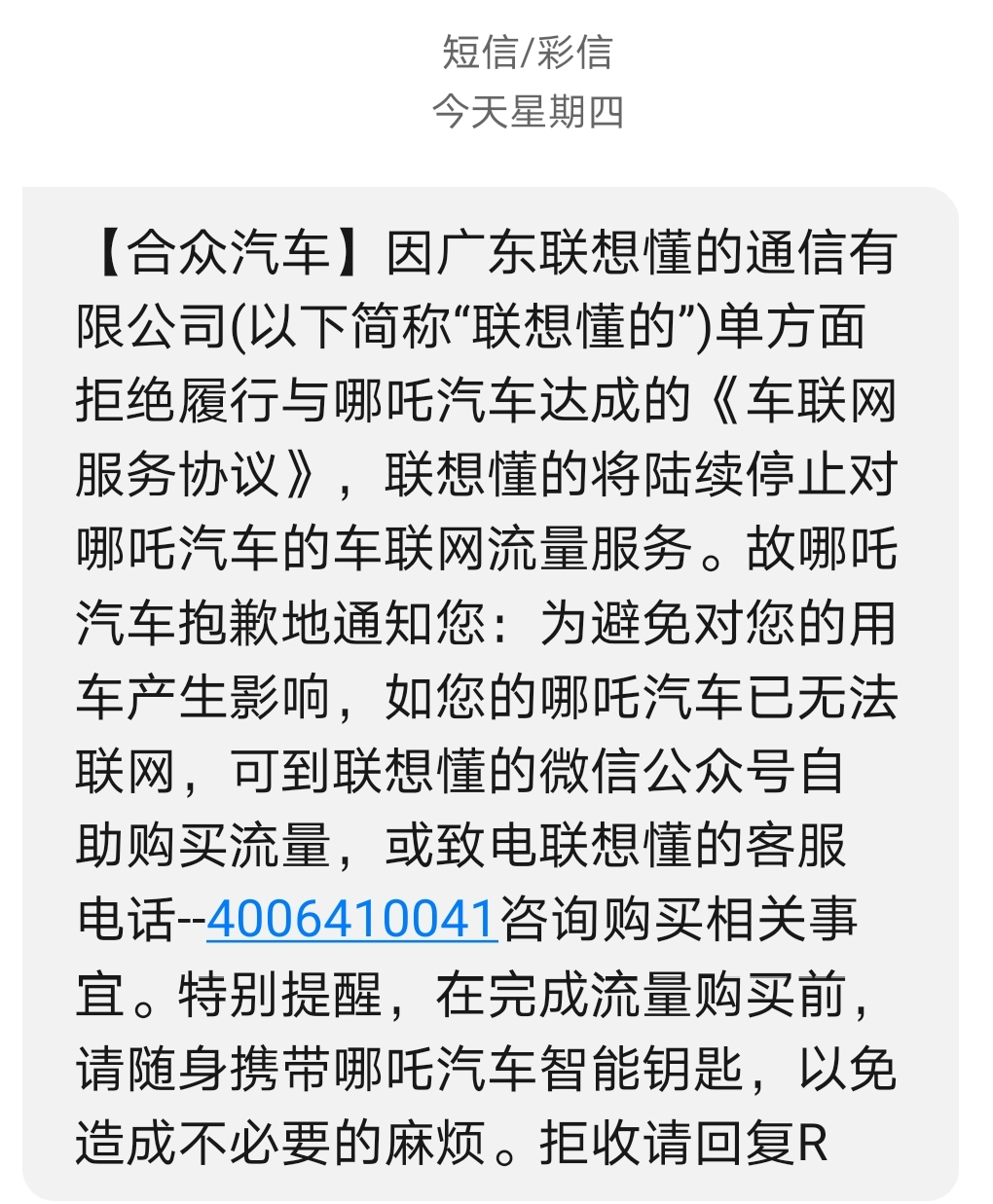
多地哪吒车主突然收到断网短信,需自行购买流量
21世纪经济报道· 2025-09-11 12:17
Core Viewpoint - Neta Auto has recently become a focal point of public attention due to issues regarding its vehicle networking services and financial difficulties, leading to significant operational challenges for the company [1][2]. Group 1: Service Issues - On September 11, multiple Neta car owners received messages from "Hozon Auto" stating that due to its partner Lenovo's refusal to fulfill the "Vehicle Networking Service Agreement," it would gradually stop providing vehicle networking data services, requiring users to purchase data plans themselves [1]. - Lenovo's statement indicated that Hozon Auto had failed to pay service fees on time, resulting in significant cost pressures, and that it would begin to shut down services for all vehicles with outstanding payments [2]. Group 2: Financial Performance - Neta Auto's parent company, Hozon New Energy Automobile Co., Ltd., was established in 2014 with a registered capital exceeding 2.8 billion yuan. In 2022, it achieved a peak annual sales volume of 152,100 vehicles, becoming the top seller among new car manufacturers, but this success was not sustained [4]. - In 2024, the company's annual sales plummeted to 64,500 vehicles, a year-on-year decline of 49.37%. Subsequently, Hozon Auto faced reports of a broken capital chain [4]. - In May of this year, Neta Auto experienced service disruptions due to unpaid data fees, leading to app outages and website downtime. By June, the company officially entered bankruptcy review procedures [4].


哪吒汽车突然“断网”,近50万车主自费买流量
Di Yi Cai Jing· 2025-09-11 10:56
Core Points - The recent communication from Neta Auto indicates that owners will need to pay for data services to continue using the Neta Auto app, contradicting previous promises of three years of free data [1][10] - The disruption in connectivity is attributed to Guangdong Lenovo's refusal to fulfill the car networking service agreement with Neta Auto, leading to a halt in data services [2][4] - Many Neta car owners have already experienced connectivity issues prior to this announcement, raising concerns about the reliability of the service [3][4] Company Impact - Approximately 500,000 Neta car owners are affected by the service disruption, which has significant implications for their vehicle usage [4] - The parent company, Hozon Auto, has been facing operational challenges, including failure to pay service fees, which has resulted in the current situation [4][5] - Neta Auto's management has initiated a restructuring process, indicating financial instability and potential bankruptcy proceedings [10] Service Details - Lenovo has introduced a "Neta Owner Data Guarantee Plan" to provide continued data services, allowing owners to purchase data packages through their platform [5][10] - Four types of data packages are available, with prices ranging from 5.9 yuan to 699 yuan, offering various levels of service [10] - After recharging, many owners have reported that vehicle functions, including remote operations, are gradually being restored [10]
智能汽车ETF(159889)午后翻红涨超2%,连续4日净流入,头部车企与智驾赛道获关注
Mei Ri Jing Ji Xin Wen· 2025-09-11 07:35
Core Insights - The automotive industry is experiencing a favorable shift towards leading manufacturers with strong product cycles, particularly in the high-end domestic brand market, which is seen as a blue ocean opportunity [1] - The year 2026 is projected to be pivotal for increasing the penetration rate of domestic brands in the market segment above 300,000 yuan [1] - The low penetration rate in the intelligent driving sector is identified as a significant growth area, with the L4 intelligent driving industry reaching a turning point in costs and technology this year [1] Industry Trends - The upcoming release of the L2 strong standard consultation draft indicates national endorsement, making intelligence a quantifiable brand strength [1] - Focus areas include intelligent testing processes and the operation segments of L3-L4 intelligent driving [1] - The trend of going global is becoming a core driver for performance growth in quality automotive parts and components companies, which are expected to possess competitive advantages and business expansion capabilities [1] Investment Opportunities - The Smart Car ETF (159889) tracks the CS Smart Car Index (930721), which selects listed companies involved in intelligent driving and vehicle networking from the A-share market [1] - The index reflects the overall performance of listed companies related to the smart automotive sector, with a focus on information technology and consumer discretionary sectors [1] - The industry configuration demonstrates comprehensive coverage of the smart automotive supply chain from hardware to software [1]
【点金互动易】固态电池+设备,公司已成功打通固态电池量产的全线工艺环节,并获得数亿元量产设备订单
财联社· 2025-09-11 00:27
Group 1 - The article emphasizes the importance of timely and professional information interpretation in investment decisions, focusing on extracting investment value from significant events and analyzing industry chain companies [1] - A company has successfully established a complete production process for solid-state batteries and received orders for production equipment worth several hundred million yuan, indicating a deep investment in lithium metal and sulfide technology routes [1] - Another company is leveraging eSIM digital identity security technology to expand its presence in the Internet of Vehicles and consumer electronics, with significant supply increases in consumer-grade, industrial-grade, and automotive-grade products [1]

新宁物流:子公司为多行业客户提供卫星定位运营服务、系统集成服务、软硬件研发等多元化服务
Zheng Quan Ri Bao· 2025-09-10 11:36
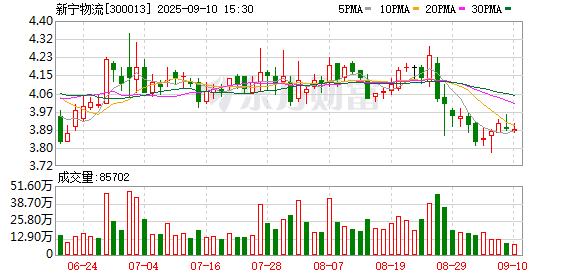
Group 1 - The core viewpoint of the article highlights that Xinning Logistics is leveraging advanced technologies such as big data, cloud computing, artificial intelligence, navigation and positioning technology, Internet of Things (IoT), and Vehicle-to-Everything (V2X) to provide diversified services in smart transportation and logistics [2] - The company’s subsidiary, Shenzhen Yicheng Wulian Technology Co., Ltd., is focused on offering satellite positioning operation services, system integration services, and software and hardware development to various industry clients [2] - In the first half of 2025, the revenue from the company's satellite navigation positioning services and software business reached 2,738,733.36 yuan (approximately 0.27 million) [2]

北纬科技:比科奇为公司参股公司
Zheng Quan Ri Bao Wang· 2025-09-05 11:12
Group 1 - The core viewpoint of the article is that Beikong Technology (北纬科技) is involved in various emerging industries through its stake in a company called Bicoqi, which provides products that empower operators in multiple sectors [1] Group 2 - Beikong Technology's products are applicable in public networks, 5G private networks, satellite internet, low-altitude smart networks, industrial internet, and vehicle networking [1]

高通和宝马集团共同推出突破性的驾驶辅助系统,搭载双方联合开发的软件栈
Huan Qiu Wang Zi Xun· 2025-09-05 10:53
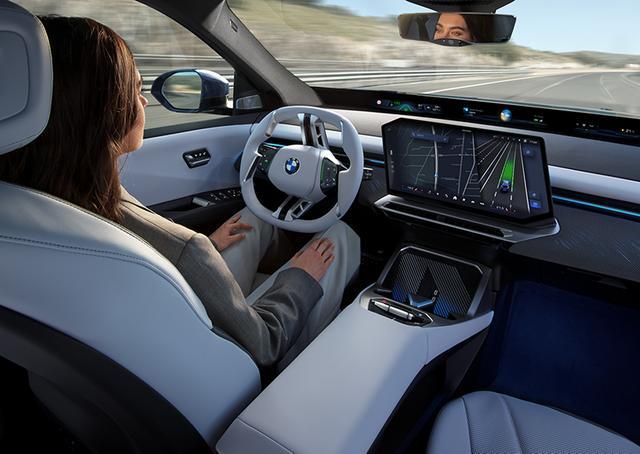
Core Insights - Qualcomm and BMW have launched the Snapdragon Ride Pilot, a new driving assistance system based on Qualcomm's Snapdragon Ride SoC, developed over three years to meet stringent safety standards and support various levels of driving assistance from entry-level NCAP to L2 and above [1][3] Group 1: Product Launch and Features - The Snapdragon Ride Pilot made its global debut in the new BMW iX3, the first production model of the new generation BMW, which has been validated in 60 countries and is expected to expand to over 100 by 2026 [1] - The system is now available to all automotive manufacturers and tier-one suppliers globally [1] - The Snapdragon Ride software stack includes perception software and a driving strategy engine, designed to help manufacturers create flexible, cost-effective, and scalable solutions [5][6] Group 2: Technical Specifications - The system features 360-degree perception capabilities, utilizing a camera-based visual software stack for object detection, lane recognition, and parking assistance, enhanced by a new method of extracting information from fisheye cameras [6] - Snapdragon Ride Pilot adheres to automotive safety integrity levels (ASIL) and functional safety standards, incorporating robust cybersecurity measures [6][7] - The advanced situational awareness driving capabilities balance rule-based and AI-based models for behavior prediction and planning in complex driving scenarios [7] Group 3: Performance and Integration - The BMW iX3's driving assistance system includes features like context-based lane changes and overtaking, active lane changes, and AI-driven parking assistance [9] - The central intelligent computing system, powered by Snapdragon Ride SoC, has a 20-fold increase in computing power compared to previous models, integrating multiple high-resolution cameras and radar sensors for comprehensive coverage [9] - The vehicle also includes Qualcomm's V2X 200 chipset for vehicle-to-everything communication, enhancing safety by allowing vehicles to detect potential risks beyond the range of traditional sensors [10]

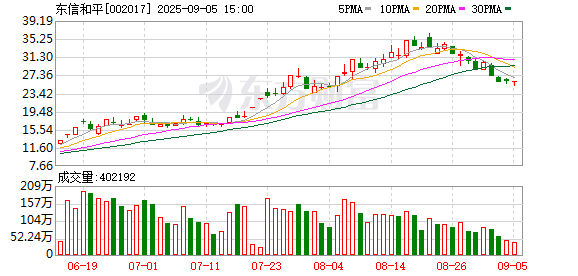
东信和平:公司以eSIM为代表的数字身份安全产品可应用于车联网等领域
Zheng Quan Ri Bao· 2025-09-05 08:41
Core Viewpoint - The company Dongxin Peace emphasizes its digital identity security products, particularly eSIM, which are applicable in various sectors including connected vehicles, industrial IoT, and consumer electronics [2] Group 1 - The company provides digital identity security solutions to its clients [2] - eSIM technology is highlighted as a key product offering [2] - The applications of these products span multiple industries, indicating a broad market potential [2]

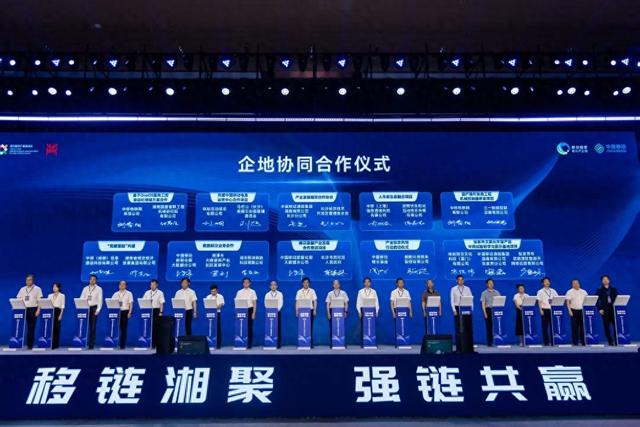
汇聚产业链合力,车联网子链为新质生产力注入强劲动力
Huan Qiu Wang· 2025-09-03 07:18
Core Insights - The 2025 Mobile Information Modern Industry Chain Co-Chain Conference was held in Changsha, Hunan, focusing on new opportunities and collaborative development paths in the mobile information industry [1] - The vehicle networking sub-chain, led by China Mobile (Shanghai) Industrial Research Institute, showcased significant achievements in technology innovation, scene implementation, and ecosystem construction [1] Group 1: 5G and AI Applications - The 5G+AI smart port project, developed in collaboration with China Communications Construction Company and COSCO Shipping, demonstrated key technologies such as AI hoisting detection and 5G remote control, significantly enhancing port operational efficiency [3] - The 5G remote control technology at the Port of Chancay, Peru, allows operators to manage port machinery remotely, reducing labor costs and safety risks while improving operational efficiency by over 30% [3] - The AI hoisting detection technology provides real-time monitoring of hoisting equipment, enabling early fault warnings and minimizing downtime [3] Group 2: Human-Vehicle-Home Ecosystem - The vehicle networking sub-chain partnered with Hunan Happy Sunshine Interactive Entertainment Media Co., Ltd. to launch a human-vehicle-home ecosystem project, enhancing the automotive travel experience [4] - The project aims to integrate in-car information services, entertainment content, and lifestyle services, allowing users to access customized entertainment and control home devices remotely through voice commands [4] Group 3: Urban Integrated Vehicle-Road Cloud Pilot - The vehicle networking sub-chain signed a cooperation agreement for a city-level vehicle-road cloud integration pilot project in Wuxi, marking the project's transition to implementation [5] - The project is based on China Mobile's "Four Integrations" strategy, focusing on 5G+C-V2X integration, vehicle-road computing integration, and human-vehicle-home integration [5] - Once completed, the project will serve as a national benchmark for city-level vehicle-road cloud integration, providing practical experience for future nationwide promotion [5] Group 4: Global Industry Development - The China Mobile 5G+Vehicle Networking sub-chain has gathered 70 industry partners, creating a comprehensive ecosystem covering research, application, and service [6] - The sub-chain has achieved significant breakthroughs, including the first nationwide vehicle-road cloud pilot and the first city-level 5G-A autonomous driving benchmark project [6] - The sub-chain is also involved in international projects, exporting vehicle networking technology to countries like Peru and Greece, and integrating resources from over 200 overseas operators through the OneTraffic global vehicle networking management platform [6]

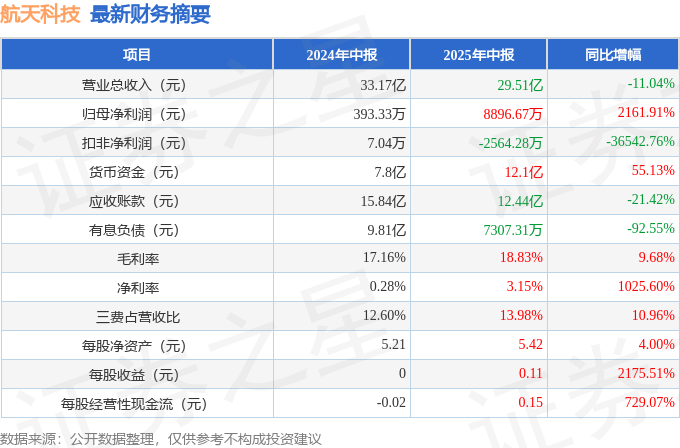
航天科技(000901)2025年中报简析:净利润同比增长2161.91%,盈利能力上升
Zheng Quan Zhi Xing· 2025-08-28 14:20
Financial Performance - The company reported a total revenue of 2.951 billion yuan for the first half of 2025, a year-on-year decrease of 11.04% [1] - The net profit attributable to shareholders was 88.97 million yuan, showing a significant year-on-year increase of 2161.91% [1] - In Q2 2025, the revenue was 1.298 billion yuan, down 22.29% year-on-year, while the net profit for the quarter was 92.61 million yuan, up 2710.32% year-on-year [1] - The gross margin increased by 9.68% year-on-year to 18.83%, and the net margin rose by 1025.6% to 3.15% [1] - Total operating expenses (sales, management, and financial expenses) amounted to 413 million yuan, accounting for 13.98% of revenue, an increase of 10.96% year-on-year [1] - Earnings per share reached 0.11 yuan, a year-on-year increase of 2175.51% [1] Business Model and Operations - The company operates primarily in three business segments: aerospace applications, automotive electronics, and the Internet of Things (IoT) [3] - Aerospace applications include inertial navigation accelerometers, precision manufacturing, testing and control equipment, and specialized power supplies, with a leading position in domestic technology [4] - The automotive electronics segment focuses on commercial vehicles domestically and includes products such as vehicle displays and remote information processors, while the overseas segment emphasizes cabin sensors for safety and comfort [5] - The IoT platform, IRIOT, is a low-code platform providing comprehensive solutions across various sectors, including oil and gas, smart cities, and logistics [6]