文化自信

Search documents
戏韵通中外 “戏剧与文化传播”论坛在京举行
Xin Lang Cai Jing· 2025-12-23 13:55
Group 1 - The forum "Drama and Cultural Communication" was held in Beijing, co-hosted by the China Dramatists Association and the China Foreign Languages Publishing Administration, focusing on the importance of cultural confidence in international dissemination of Chinese drama [1] - Chen Yongquan, a key speaker, emphasized that the international spread of Chinese drama must be rooted in cultural confidence and artistic integrity, advocating for "creative transformation and innovative development" to showcase national art on the global stage [1] - Wang Yong, Vice Chairman of the China Dramatists Association, shared that from 2019, the National Peking Opera Company has conducted 176 performances and exchange activities in over 20 countries, reaching an audience of 150,000, highlighting the need for cultural confidence in international outreach [1] Group 2 - Bian Wentong, a professor at the Central Academy of Drama, discussed the need for contemporary perspectives and empathy in the international dissemination of classic works, advocating for creative transformation to rejuvenate traditional art [2] - Zhu Jiejing from the Shanghai Dance Theatre noted that successful dance dramas emerge from distilling traditional culture and innovating expressions, emphasizing the importance of cross-cultural resonance and modern narrative techniques [2] - Various speakers shared insights on the relationship between cultural innovation and international communication, including the success of Huiju Opera at the Sahara International Theatre Festival and new pathways for traditional culture's dissemination through music and new media [2]


【商道论衡】 免税新政 打开文化出海新通道
Zheng Quan Shi Bao· 2025-12-23 12:24
Core Viewpoint - The new policy on duty-free shops aims to boost consumer spending by expanding product categories, relaxing approval processes, and supporting "online booking + offline pickup," transforming duty-free shops into significant drivers of tourism consumption [1][2]. Group 1: Policy Implementation and Impact - The policy mandates that at least 25% of the space in duty-free shops at ports and within cities must be allocated for domestic products, granting them "quasi-export" tax exemptions, which enhances the international visibility of Chinese brands [1][2]. - The integration of duty-free shopping into urban tourism experiences, such as automatic driving routes in Guangzhou and the "National Gate + Duty-Free" center in Horgos, signifies a shift from mere shopping to a more immersive cultural experience [2][3]. Group 2: Consumer Experience and Accessibility - The new approach reduces the psychological barriers associated with duty-free shopping, making it more accessible to the general public rather than being confined to high-end consumers at airports [3]. - The policy supports the inclusion of domestic brands in duty-free shops, indicating that duty-free shopping is not just a privilege for the wealthy but a service accessible to all consumers [3]. Group 3: Economic and Governance Implications - The policy reflects a broader shift in China's economic development logic from scale expansion to quality improvement, emphasizing institutional optimization over mere factor openness [3]. - The delegation of approval authority to provincial levels and the flexibility in operational space negotiations are part of a governance reform aimed at reducing administrative layers and transaction costs [2][3].
从8大热点事件,看2025年中华文化如何联通世界
Zhong Guo Xin Wen Wang· 2025-12-23 10:17
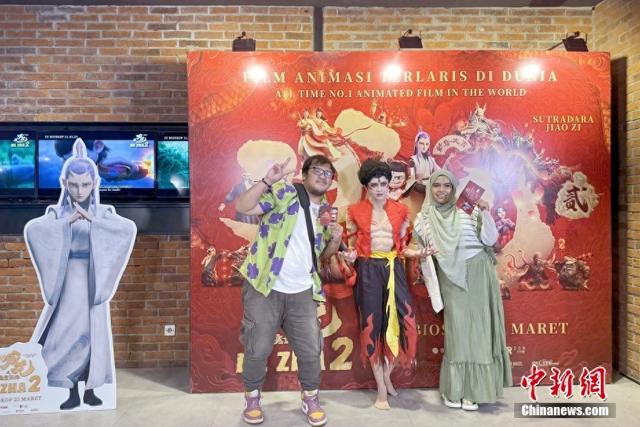
8大热点事件 绘出中华文化传播新图景 日前,2025中华文化国际传播论坛在京举行,由中国外文局文化传播中心与北京师范大学文化创新与传 播研究院联合编制的《2025年中华文化国际传播研究报告》正式发布。 2025年3月15日,中国动画电影《哪吒之魔童闹海》在印度尼西亚雅加达举行首映式,电影海报前,当 地民众扮演的"哪吒"炫酷吸睛。中新社记者 李志全 摄 这些案例共同勾勒出中华文化国际传播的新图景——从单向宣传变为双向对话,从符号展示深化为文明 交流,从文化输出升级为生态共建,中华文化在国际传播中正展现着真实、立体、全面的面貌。 该报告特别围绕文化交流、科技助力、IP创新等方向,精选了8个具有标志性意义的事件:小红书促成 中美跨文化直联、DeepSeek以科技实力赋能文化传播、《哪吒之魔童闹海》全球热映、拉布布全球抢 购、"甲亢哥"等海外网红中国行、西夏陵申遗成功、过境免签政策促"ChinaTravel"走红、春节入选人类 非物质文化遗产名录引全球共鸣。 中新网北京12月23日电(记者 刘越)2025年,中华文化国际传播呈现出一派生机勃勃的景象。 这一年,美国网友大规模迁移至小红书,与中国网友畅聊日常生活;国产动 ...
舞出“天工开物”的东方气韵(“十五五”文化热词·提升文化原创能力)
Ren Min Ri Bao· 2025-12-22 22:27
Core Viewpoint - The dance drama "Tiangong Kaiwu" brings Chinese culture to the world, emphasizing the importance of cultural transmission and originality in artistic creation [1][2]. Group 1: Cultural Transmission - The dance drama originates from the historical context of Song Yingxing's work "Tiangong Kaiwu" and aims to resonate with global audiences through its unique Chinese aesthetics [1]. - The performance incorporates traditional Chinese dance elements and labor forms, showcasing the essence of Eastern beauty and cultural heritage [1][2]. Group 2: Emotional Expression - The production transcends cultural barriers, evoking deep emotional responses from audiences, including tears during performances, highlighting the universal appeal of art [2]. - The connection between dancers and the audience is strengthened through the embodiment of craftsmanship and artistic dedication, allowing for a deeper appreciation of Chinese traditional culture [2]. Group 3: Innovation and Technology - The integration of AI and innovative stage design reflects the evolution of cultural dissemination, presenting a dynamic image of China that harmonizes ancient civilization with modern advancements [3]. - The use of technology in performances enhances the attractiveness and reach of cultural expressions, making them more engaging for global audiences [3].
融合育人才 同心筑未来
Xin Lang Cai Jing· 2025-12-22 20:23
(来源:光明日报) 远眺厦门大学校园。 杨承师摄/光明图片 厦门大学港澳台学生就业暨实习专场招聘会 现场。资料图片 大学生机器人竞赛与工程教育交流会现场。资料图片 2025年福建省大学生机器人大赛暨海峡两岸 转自:光明日报 "情牵厦金"两岸青年学子文化研习营学生在 厦门大学芙蓉隧道进行涂鸦。资料图片 【大湾观察】 近日,厦门大学颂恩楼220报告厅内掌声如潮,学校"行远"港澳台学生骨干培养计划(以下简称"'行 远'计划")第三期结业暨第四期开班典礼在此举行。"这一年,我们用脚步丈量祖国大地,用心触摸着 一个真实、立体、动人的中国。一次次出发、一段段旅程,我们真正理解了何为'华夏同根',何为'文化 自信'。"第三期"行远"计划学员、来自香港的戴欣如说。 "行远"计划是厦门大学多年来精心打造的面向港澳台学生的育人平台,自2022年首期启动以来,通 过主题学习、实践锻炼、技能培训等,该计划共培养了140多名兼具家国情怀、专业学识和领导能力, 与祖国同心、同向、同行的港澳台学生骨干。 厦门大学,这所由著名爱国华侨领袖陈嘉庚创办的高等学府,自建校之初就与港澳台地区有着不解 之缘。如今,1064名港澳台学子在此求学,他们与 ...

【商道论衡】 免税新政打开文化出海新通道
Zheng Quan Shi Bao· 2025-12-22 18:02
Core Viewpoint - The new policy on duty-free shops aims to boost consumption by expanding product categories, relaxing approvals, and supporting "online booking + offline pickup," transforming duty-free shops into significant drivers of tourism consumption [1][2]. Group 1: Policy Implementation and Impact - The policy mandates that duty-free shops at ports and in cities must allocate at least 25% of their space for domestic products, granting them "quasi-export" tax exemptions, which enhances the international visibility of Chinese brands [1][2]. - The shift from a one-way shopping channel to a two-way cultural bridge allows for the promotion of Chinese cultural products alongside international brands, enhancing cultural confidence and brand competitiveness [1][3]. Group 2: Consumer Experience Enhancement - City-based duty-free shops are integrated into core commercial areas, transforming the shopping experience from hurried purchases to leisurely experiences, thus deepening the integration of shopping with cultural tourism [2]. - Innovative models like "duty-free + cultural tourism" in Hainan and "duty-free + taxable" in Tianjin upgrade shopping venues into urban social hubs, significantly exceeding the effects of tax incentives alone [2]. Group 3: Administrative Efficiency and Market Adaptation - The decentralization of approval authority to provincial levels and the negotiation of operational space enhance efficiency and adaptability, reflecting a shift in governance logic [2][3]. - The new policy reduces psychological barriers to consumption by making duty-free products more accessible in daily life, indicating that duty-free shopping is not just for privileged consumers but a service for all [3]. Group 4: Economic and Cultural Implications - The policy represents a high-level practice of openness, promoting connectivity between domestic and international markets and facilitating supply-demand matching [3]. - The execution of the policy is crucial for its success, with challenges including ensuring compliance, balancing convenience with regulation, and avoiding homogeneous competition [3].
探索“金币+”更多可能 助力建设金融强国 访中国金币集团有限公司党委书记、董事长焦瑾璞
Jin Rong Shi Bao· 2025-12-22 03:57
Core Viewpoint - The 20th National Congress of the Communist Party of China has set the strategic goal of "accelerating the construction of a financial power" as one of the key objectives for the next five years, emphasizing the importance of cultural prosperity as a hallmark of Chinese modernization [1] Group 1: Financial Power Construction - The construction of a financial power should be based on a strong economic foundation, possessing leading global economic, technological, and comprehensive national strength, along with key financial elements such as a strong currency, central bank, financial institutions, international financial center, regulation, and talent [1] - China Gold Coin Group, as the only state-owned enterprise authorized to operate precious metal commemorative coins, plays a crucial role in the currency issuance system and aims to contribute to the construction of a financial power during the 14th Five-Year Plan [1][2] Group 2: Cultural Mission - China Gold Coin Group serves as a "national strategic cultural messenger" and is committed to integrating its operations with national financial work while fulfilling its cultural mission through the issuance of commemorative coins [2] - The issuance of commemorative coins for significant events, such as the centenary of the Communist Party and the 70th anniversary of the founding of New China, reflects the nation's rise and the prosperity of its people [3] Group 3: Strategic Planning and Internationalization - In the next five years, China Gold Coin Group will focus on enhancing the global recognition and credibility of the Renminbi, expanding its international presence while promoting cultural exchange and cooperation with foreign minting institutions [5][6] - The company plans to leverage its Hong Kong subsidiary and other overseas channels to build a marketing network, facilitating the import of commemorative coins and enhancing cultural exchange [6] Group 4: Market Challenges and Opportunities - The changing external environment has affected market demand for non-essential products like commemorative coins, while rising gold prices have increased the investment appeal of products like the Panda gold coin [7] - China Gold Coin Group aims to focus on high-quality development, optimize policy supply, and stimulate market demand to navigate the challenges posed by the evolving market landscape [7] Group 5: Operational Strategies - The company will enhance its sales channel construction, improve transparency in the issuance of commemorative coins, and expand its membership system to increase industry participation [7] - It will also deepen supply-side structural reforms, innovate in design and production, and accelerate digital transformation to ensure sustainable industry development [7] - Efforts will be made to cultivate new consumer demands through product innovation and cross-industry collaboration, aiming to broaden the appeal of commemorative coins from niche collections to mainstream cultural consumption [7]
探索“金币+”更多可能 助力建设金融强国
Jin Rong Shi Bao· 2025-12-22 03:02
例如,发行建党百年、新中国成立70周年纪念币见证了大国崛起和人民富强之路;香港回归、澳门 回归等纪念币铭刻中华民族伟大复兴进程;北京奥运会、冬奥会纪念币向全世界展示大国形象;G20杭 州峰会、金砖国家厦门会晤等纪念币记录大国主场外交;首次载人航天、中国空间站、港珠澳大桥、极 地科学考察等纪念币集中展现社会主义现代化建设的伟大成就;十二生肖、贺岁、吉祥文化等纪念币传 承中华传统民风民俗文化;国家宝藏、中国古代科技发明发现等纪念币展示中华文明起源发展的历史脉 络、辉煌成就和对人类文明的贡献;世界遗产、石窟艺术等纪念币勾勒华夏大地上熠熠生辉的自然奇观 与文化瑰宝;中国书法艺术、古代名画等纪念币表现中华文明博大精深的文化艺术。 "十五五"时期,中国金币将坚持以习近平文化思想为指引,始终胸怀"国之大者",积极践行国家战 略部署,以坚定的文化自信为根基,深入践行"两个结合",着力打造一批熔铸古今、汇通中外的题材项 目;以持之以恒推进行业的精品战略,全面提升贵金属纪念币发售工作水平,更好地实现中华传统优秀 文化在金银币上的创造性转化、创新性发展;深化文明交流互鉴,加强与国外造币机构、钱币经销机构 的交流与合作,向全世界传递 ...

“约饭不如约戏”,留住年轻人更需好戏连台
Xin Lang Cai Jing· 2025-12-21 18:36
Core Insights - The trend of young audiences attending theatrical performances is on the rise, with over 23% of ticket buyers for immersive performances, musicals, and stand-up comedy being from the post-2000 generation [1] - Young adults aged 25-29 have become the main audience for comedy and suspense plays, indicating a shift in cultural consumption patterns [1] Group 1 - The phrase "dragging a suitcase to see a show" reflects a cultural awakening among young people, emphasizing that cultural transmission relies on quality performances to connect with the public [1] - Concerns about traditional arts being overshadowed by fast-paced modern life are unfounded, as the real issue lies in the insufficient supply of quality cultural offerings [1] - Young audiences are not merely interested in the act of watching plays but are drawn to the emotional resonance, cultural depth, and spiritual strength embedded in the works [1] Group 2 - The shift from "dining out" to "seeing a show" signifies a transformation in lifestyle and a subtle display of cultural confidence among young people [2] - The success of cultural transmission depends on the continuous production of high-quality works that resonate with contemporary audiences, fostering a positive cycle of cultural engagement [2] - The enthusiasm for attending performances suggests that genuine artistic creation, rather than forced adaptation, is key to attracting young audiences and revitalizing cultural heritage [2]
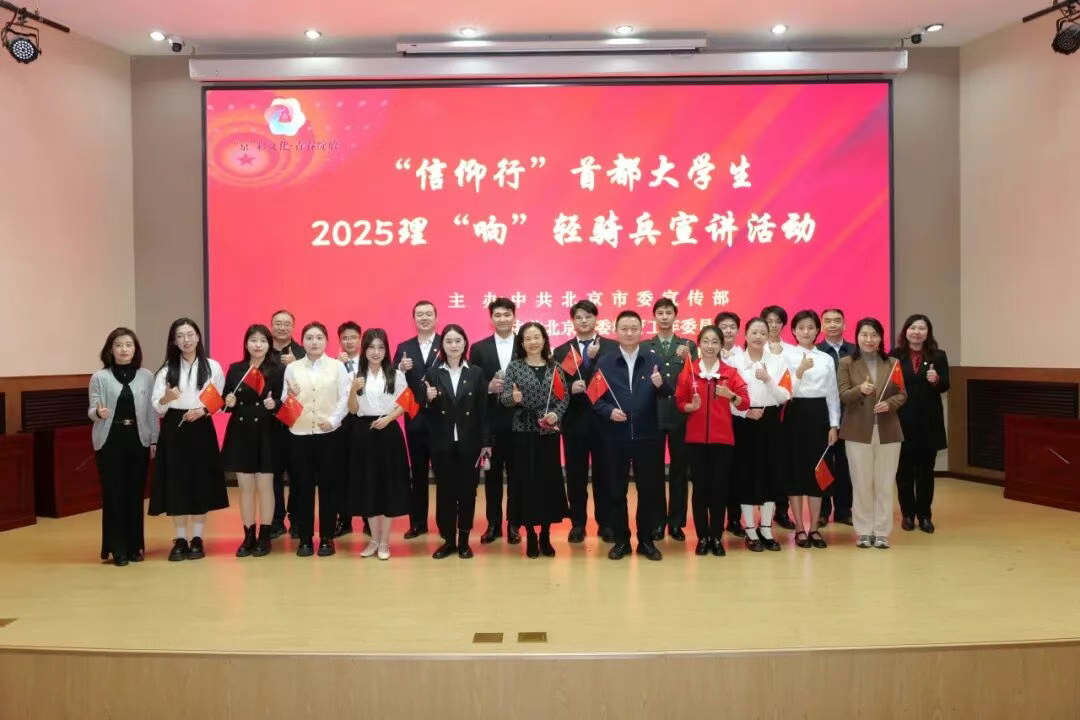
2025年“信仰行”首都大学生理“响”轻骑兵宣讲活动圆满收官
Xin Lang Cai Jing· 2025-12-21 12:30
Core Viewpoint - The "Faith in Action" series of presentations for university students in the capital culminated in a successful event at Beijing Institute of Technology, emphasizing the importance of faith and responsibility among the youth in the context of national development [1][14]. Group 1: Event Overview - The final presentation of the year took place on December 20, featuring over 260 participants from various universities, including Beijing Institute of Technology and China Media University, who engaged with the theme of faith and youth [1][3]. - The event included presentations from three universities, focusing on the spirit of the 20th National Congress and Xi Jinping's thoughts on socialism with Chinese characteristics, showcasing the vibrant spirit of the youth [3][9]. Group 2: Presentation Highlights - Beijing Institute of Technology students presented on the theme "Determined to Serve the Country and Forge Ahead," reflecting on the contributions of past scientists in national defense and technology, culminating in a powerful poetry recitation that inspired a commitment to national strength [5][9]. - Northern Industrial University students discussed "Decoding New Productive Forces," highlighting advanced manufacturing practices and encouraging youth to engage in high-quality development [6]. - The presentation from Renmin University focused on the significance of the victory in the Anti-Japanese War, using historical context to illustrate the responsibilities of the youth in carrying forward the spirit of that era [8]. Group 3: Impact and Future Directions - The presentations effectively combined theory, storytelling, and artistic expression, resonating strongly with the audience and fostering a sense of shared responsibility among students [9]. - The event concluded with the awarding of lecturer certificates to members of the Beijing Institute of Technology Youth Presentation Team, encouraging them to continue promoting innovative theories among their peers [14][16]. - The "Faith in Action" initiative will continue in 2026, aiming to guide youth in theoretical learning and practical engagement, contributing to the modernization of China [16].