
自动驾驶技术

Search documents
千里科技、哈啰入局Robotaxi,印奇:规模达到1000台时有望跑通基础商业模型
Cai Jing Wang· 2025-10-09 03:42
Core Insights - The Robotaxi industry is witnessing significant developments with companies like Qianli Technology and Hello Inc. announcing ambitious plans for the next 18 months, including the launch of L4 autonomous driving solutions and the deployment of over 1,000 Robotaxis in single cities [1][2] - The global Robotaxi market is projected to reach $40-45.7 billion by 2030, with an annual growth rate exceeding 60%, indicating a shift from technical feasibility discussions to commercialization strategies [2] - Cost reduction and profitability challenges remain critical for existing players in the Robotaxi space, as evidenced by substantial losses reported by companies like Xiaoma Zhixing and WeRide [6][7] Company Strategies - Qianli Technology aims to leverage its "latecomer advantage" by focusing on a model-driven approach with a core emphasis on pure vision technology, while also incorporating innovative sensors to reduce costs in extreme scenarios [2][3] - Hello Inc. is pursuing a dual strategy of full-stack self-research and collaboration with Horizon Robotics to develop L4 products, ensuring both autonomy and complementary capabilities [3] - Both companies emphasize the importance of integrating technology and operations to optimize profitability, with Qianli highlighting the need for stable operations with at least 1,000 vehicles to establish a viable business model [4][5] Market Dynamics - The Robotaxi sector is characterized by a structural contradiction where hardware costs are decreasing rapidly, yet operational and maintenance costs remain high, hindering profitability [6][7] - Companies like Baidu's Luobo Kuaipao have reported significant order growth, yet still struggle to achieve overall revenue that covers comprehensive investments, indicating the challenges of scaling operations [7] - The future of profitability in the Robotaxi market may hinge on deep integration with traditional transportation sectors rather than isolated efforts, as suggested by Baidu's strategy to collaborate with taxi companies and third-party fleet operators [7][8]

特斯拉平价车来了,减配Model Y售价低于4万美元,Model 3起售不到3.7万
Zheng Quan Ri Bao Wang· 2025-10-08 11:40
Core Viewpoint - Tesla has introduced lower-priced versions of its popular Model Y and Model 3 to counter the impact of the expiration of the U.S. federal tax credit for electric vehicles, with the Model Y starting at $39,990 and the Model 3 at $36,990, marking a reduction of approximately 11% and 10% respectively from previous prices [1][2][4]. Pricing and Specifications - The standard version of Model Y is now priced at $39,990, while the standard version of Model 3 is priced at $36,990, making them the most affordable models in Tesla's lineup [4][6]. - The new Model Y has a range of 321 miles, which is a 10% reduction compared to the higher-end version [5]. - The lower-priced Model Y features fewer high-end materials and reduced functionalities, such as the absence of LED light strips, a simplified front bumper, and a smaller 18-inch wheel option [5][6]. Market Context and Challenges - The introduction of these lower-priced models is a strategic move by Tesla to navigate the challenges posed by the expiration of the $7,500 federal tax credit, which has led to a decline in vehicle sales over several quarters [11][12]. - Tesla's global delivery for Q3 reached 497,099 units, a record high, but this was partly driven by a rush to purchase before the tax credit expiration [11][12]. - The company faces increasing competition from traditional automakers and new entrants like BYD, which may impact future sales growth [11][12]. Historical Development - Tesla's journey to launch a more affordable vehicle has been lengthy, with CEO Elon Musk initially announcing plans for a $25,000 electric vehicle back in 2018, but these plans have faced multiple delays [8][9]. - The company has shifted its focus towards developing autonomous driving technology, which has become a priority over the introduction of lower-cost models [8]. Stock Market Reaction - Following the announcement of the new models, Tesla's stock experienced fluctuations, initially narrowing losses to less than 0.9% before closing down over 4% [13].


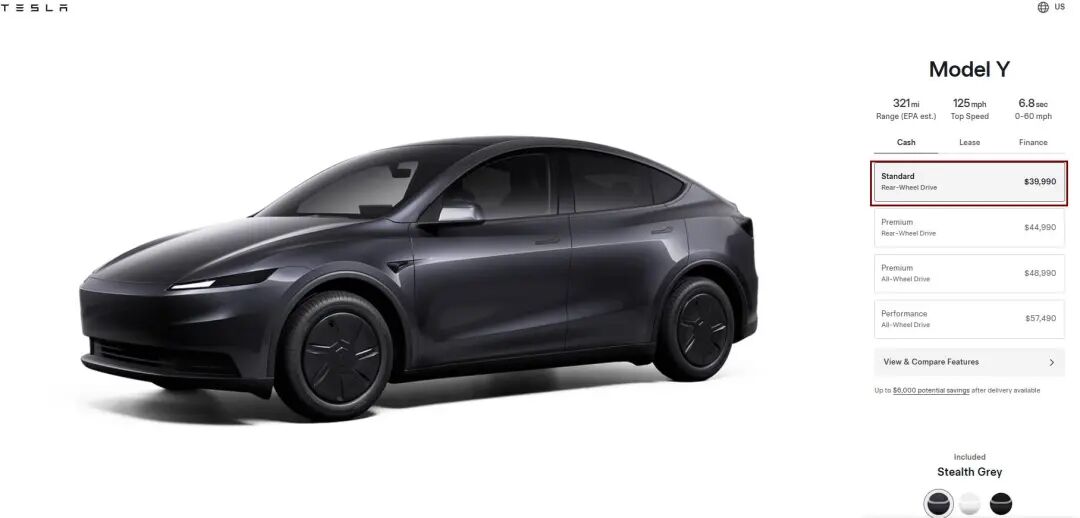
股价大跌4.52%!特斯拉平价车来了,减配Model Y售价低于4万美元,Model Y3起售不到3.7万
美股IPO· 2025-10-08 01:23
平价后驱Model Y标准版较此前标准版便宜11%,其续航里程预计321英里,较高配后驱版减少10%,且取消后排触屏,扬声器数量减 少一半以上,方向盘从电动调节改手动。Model 3标准版起售价3.699万美元,为特斯拉目前最便宜的车型。特斯拉股价跌幅曾收窄到 1%以内,最终收跌超4%。 备受关注的特斯拉平价车来了。为了应对美国政府税收抵免结束的冲击,特斯拉将旗下畅销车型Model Y的标准版售价降到了4万美元 以下,Model 3的标准版售价也下调。 美东时间10月7日周二美股午盘时段,特斯拉官网更新Model Y和Model 3标准版的订购信息。官网显示,Model Y的标准版目前在美 国市场起售价为3.999万美元,较此前Model Y的起售价便宜约11%。 这和最近的消息大体一致。特斯拉在德国柏林工厂的经理当天表示,全新简化版Model Y将"便宜约10%"。 特斯拉周二还公布了平价Model 3,其标准版起售价3.699万美元,为特斯拉目前最便宜的车型。 平价车如何减配与定价 本周一的报道称,为抵消政府税收抵免取消的影响,特斯拉将推出更便宜的Model Y车型,它将减少部分功能配置,并采用更少的高 ...

国庆长假前夕,恒指续整固
Guodu Securities Hongkong· 2025-09-29 02:27
Group 1: Market Overview - The Hang Seng Index (HSI) experienced a decline of 356 points or 1.3%, closing at 26,128 points, with a weekly drop of 416 points or 1.6% [3] - The market saw a total turnover of HKD 32.37 billion for the day [3] - Among 88 blue-chip stocks, 55 declined while 30 rose, indicating a bearish sentiment in the market [4] Group 2: Real Estate Market - The Hong Kong property price index rose by 0.1% in August, marking a three-month consecutive increase, with the index reaching 288.5 [7] - The rental index for private residential properties increased by 1.12% in August, continuing a nine-month upward trend [8] - Year-to-date, the property price index has decreased by 0.24%, while the rental index has increased by 3.22% [8] Group 3: Semiconductor Industry - Chinese regulatory authorities are urging leading domestic chip manufacturers to list within the country to enhance control over strategic investments, particularly in light of the ongoing US-China chip conflict [9] - The shift in listing plans for ChangXin Memory is a response to these regulatory suggestions, moving from a potential Hong Kong IPO to an A-share listing [9] Group 4: Company Developments - Baidu's autonomous taxi service, "Luobo Kuaipao," is expanding into new markets in Australia and Southeast Asia, with a fleet of over 1,000 vehicles globally [11] - Xiaopeng Motors is accelerating its European expansion, officially entering five countries, including Switzerland and Austria, with plans to replicate its sales model from Germany [13]

农业机器人公司极飞科技拟港股IPO
Zhong Guo Zheng Quan Bao· 2025-09-28 01:04
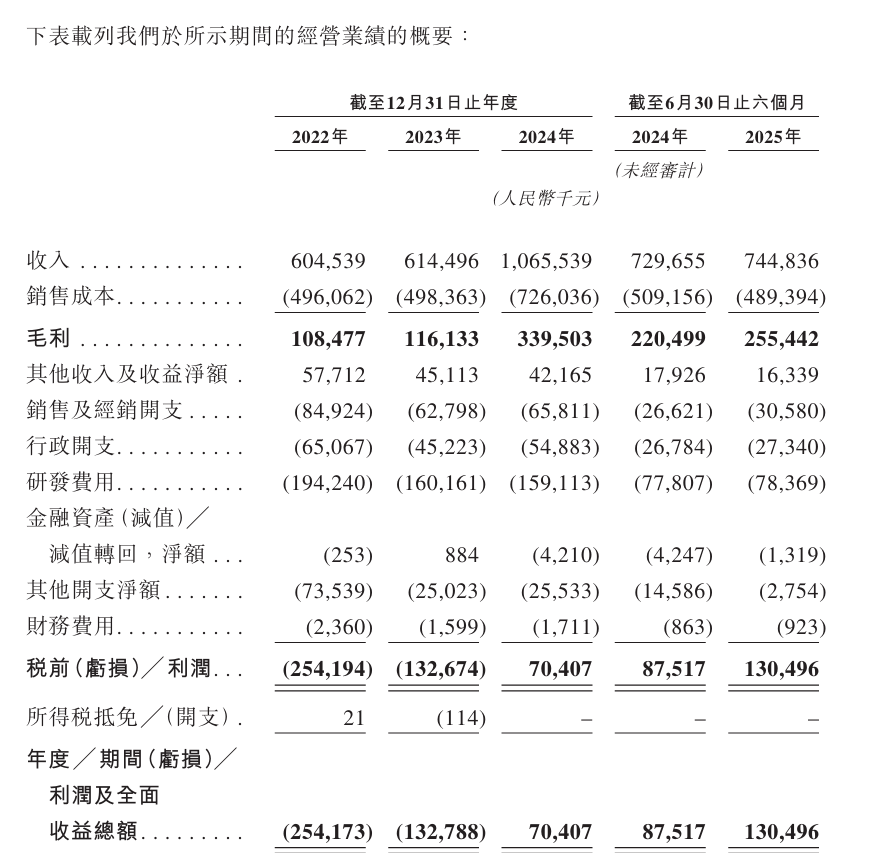
Core Viewpoint - Guangzhou XAG Technology Co., Ltd. has submitted an application for H-share listing on the Hong Kong Stock Exchange, focusing on agricultural robots to enhance production efficiency and address labor shortages in agriculture [1][2]. Group 1: Company Overview - XAG Technology specializes in agricultural robots, including drones, unmanned vehicles, autonomous farming devices, and IoT equipment for smart farms, aiming to improve agricultural productivity through technological innovation [1][2]. - The company ranks second globally in the agricultural robot and agricultural drone sectors with market shares of 10.7% and 17.1% respectively for the year 2024 [2]. Group 2: Financial Performance - Revenue figures for XAG Technology are projected as follows: 605 million RMB in 2022, 615 million RMB in 2023, 1.066 billion RMB in 2024, and 745 million RMB for the first half of 2025. Profitability is expected to shift from losses of 254 million RMB in 2022 and 133 million RMB in 2023 to a profit of 70 million RMB in 2024 and 130 million RMB in the first half of 2025 [3][4]. Group 3: Use of Proceeds from IPO - The funds raised from the IPO will be allocated to the research and development of agricultural robots, enhancing market share and brand recognition, expanding global sales and service networks, and establishing a new headquarters for management and innovation activities [5].

影响世界的科技力量!文远知行(WRD.US)再次入选《财富》"改变世界的公司"榜单
Ge Long Hui· 2025-09-25 07:31
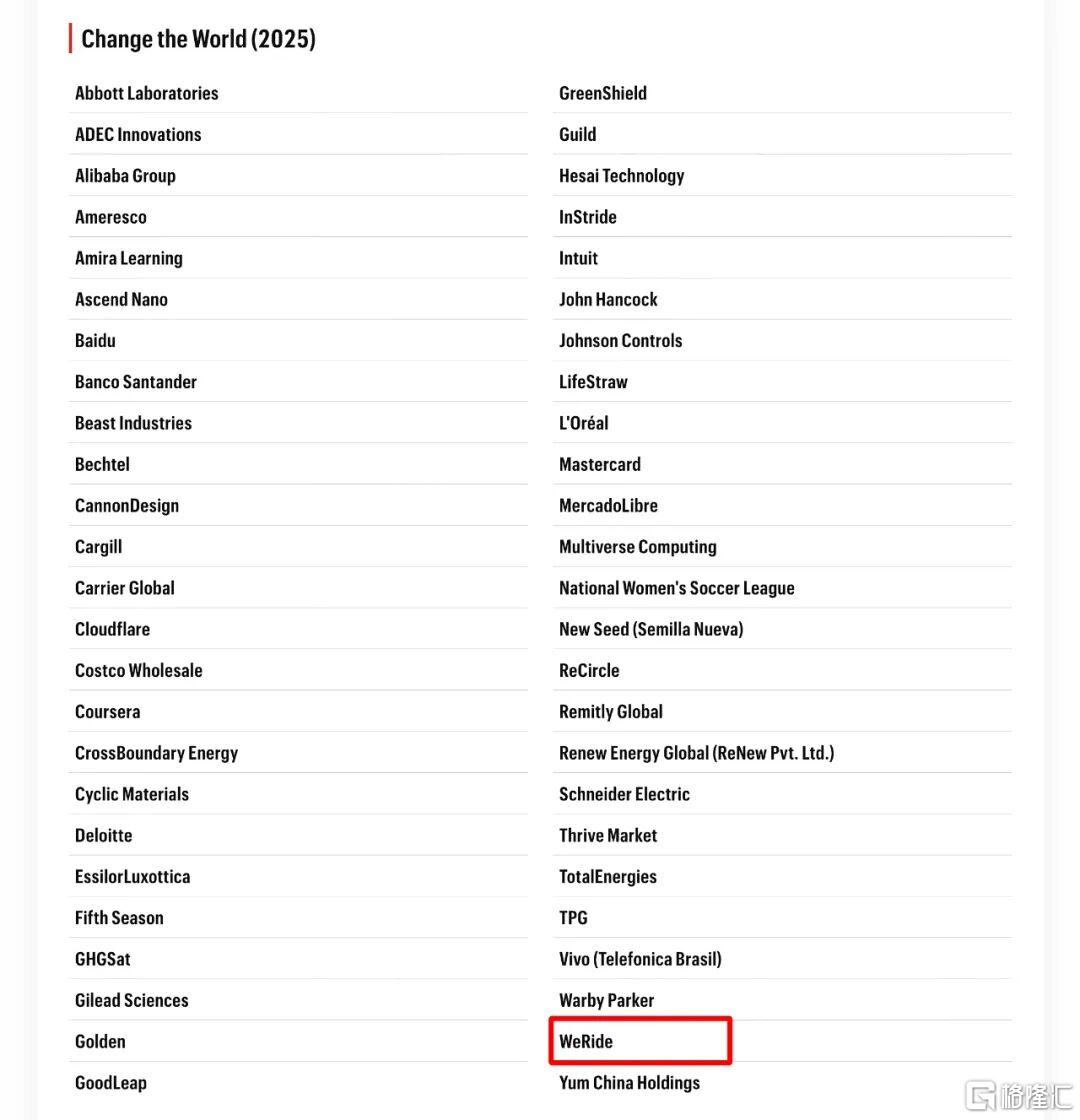
Core Insights - WeRide has been recognized as the only autonomous driving technology company on Fortune's "2025 Change the World" list, highlighting its global leadership in promoting safer, smarter, and more environmentally friendly transportation solutions [1][3] - The company also ranked 16th on Fortune's "Future 50" list, marking a significant improvement of 10 places from the previous year, making it the highest-ranked Chinese company on this list [1][9] Group 1 - WeRide's inclusion in the "Change the World" list reflects its commitment to addressing urban challenges through autonomous driving technology, which aims to reduce human error and improve operational efficiency [3][5] - The company has conducted autonomous vehicle testing or operations in over 30 cities across 11 countries, achieving more than 2,200 days of safe operation [7][9] - WeRide's Robotaxi business revenue reached 45.9 million yuan, a staggering increase of 836.7% year-over-year, setting a new quarterly record since the company's inception [9] Group 2 - The "Future 50" list evaluates companies based on strategic depth, technological strength, talent pool, organizational structure, and corporate culture, with WeRide standing out among over 3,000 companies [7][9] - The company's gross profit increased by 40.6% year-over-year, indicating strong financial performance and growth potential [9] - WeRide aims to continue advancing autonomous driving technology globally, contributing to smart city development and sustainable growth [10]

佑驾创新午后涨超7% 无人物流品牌及产品落地 L4业务实现关键突破
Zhi Tong Cai Jing· 2025-09-24 06:37
Core Viewpoint - Youjia Innovation (02431) has officially launched its unmanned logistics brand "Xiaozhu Unmanned Vehicle" and introduced two unmanned logistics vehicle products, T5 and T8, marking its entry into the unmanned logistics sector [1] Group 1: Company Developments - Youjia Innovation's stock rose over 7% in the afternoon, with a current price of 28.74 HKD and a trading volume of 95.68 million HKD [1] - The company has achieved a significant breakthrough in its L4 unmanned vehicle business, transitioning from unmanned buses to unmanned logistics vehicles, thereby replicating autonomous driving technology from passenger scenarios to cargo scenarios [1] - The first batch of unmanned vehicles has been delivered to partners, with key cities for the initial rollout including Shenzhen, Chengdu, Xi'an, and Jiangyin [1] Group 2: Market Outlook - The company anticipates that the delivery volume next year could ramp up to "thousands or even 10,000 units" [1] - Guoyuan International has maintained a target price of 31.4 HKD for Youjia Innovation and has given a "Buy" rating [1] - The Ministry of Industry and Information Technology has released a draft for mandatory national standards on intelligent connected vehicles, which is expected to lead to more orders for Youjia Innovation as a smart driving solution provider [1]
港股异动 | 佑驾创新(02431)午后涨超7% 无人物流品牌及产品落地 L4业务实现关键突破
智通财经网· 2025-09-24 06:33
Group 1 - The core viewpoint of the article highlights that Youjia Innovation (02431) has officially launched its unmanned logistics brand "Xiaozhu Unmanned Vehicle" and introduced two unmanned logistics vehicle products, T5 and T8, marking its entry into the unmanned logistics sector [1] - The company has reported a significant stock price increase, with shares rising over 7% and currently trading at 28.74 HKD, with a transaction volume of 95.68 million HKD [1] - Youjia Innovation has announced the delivery of its first batch of unmanned vehicles to partners, achieving "release and delivery" simultaneously, with key cities for initial deployment including Shenzhen, Chengdu, Xi'an, and Jiangyin [1] Group 2 - The company anticipates that the delivery volume for next year could ramp up to "thousands or even 10,000 units" [1] - According to a report from Guoyuan International, Youjia Innovation's L4 unmanned vehicle business has made significant breakthroughs, expanding from unmanned buses to unmanned logistics vehicles, thereby replicating autonomous driving technology from passenger scenarios to cargo scenarios [1] - The Ministry of Industry and Information Technology has released a draft for mandatory national standards on intelligent connected vehicles, which is expected to lead to more orders for Youjia Innovation as a smart driving solution provider [1] - Guoyuan International maintains a target price of 31.4 HKD for Youjia Innovation and has given a "buy" rating [1]
小米汽车公布方向盘辅助控制相关专利
Zheng Quan Shi Bao Wang· 2025-09-24 04:55
Core Viewpoint - Xiaomi Auto Technology Co., Ltd. has recently published a patent related to autonomous driving technology, specifically focusing on a method and device for restoring steering wheel auxiliary control, which enhances safety and user experience in autonomous vehicles [1] Group 1: Patent Details - The patent involves a method that monitors the vehicle's status when the steering wheel auxiliary control is in a suppressed state [1] - It determines whether the current vehicle status meets the conditions for restoring the steering wheel auxiliary control [1] - If the conditions are met, the system restores the steering wheel auxiliary control, reducing the frequency of transitions between suppressed and restored states, thereby improving safety and reliability in autonomous driving [1]

阿里通义团队开源三大模型;雷军回应年度演讲问题丨新鲜早科技
2 1 Shi Ji Jing Ji Bao Dao· 2025-09-24 02:52
Group 1 - Alibaba's Tongyi team has open-sourced three major models, including Qwen3-Omni, Qwen3-TTS, and Qwen-Image-Edit-2509, enhancing capabilities in multimodal processing and image editing [2] - Wayve, a UK autonomous driving startup, confirmed Nvidia's intention to invest up to $500 million (approximately 3.6 billion yuan) in its next funding round, marking a significant investment in the autonomous driving sector [3] - Zhiyuan Robotics announced the open-sourcing of its GO-1 model, the first general-purpose embodied intelligence model using the ViLLA architecture, improving task understanding and execution for robots [4] Group 2 - Xiaomi's founder Lei Jun explained the delay of the annual speech, which was pushed from June to September to coincide with the launch of the Xiaomi 17 series [5] - AESC appointed Wan Biao, former Vice Chairman of Honor, as the global CEO, indicating a strategic upgrade and global expansion for the battery technology company [8] - Mercedes-Benz and ByteDance have formed a strategic partnership to accelerate the integration of AI technologies across various business areas, with a new electric vehicle model set to launch soon [8] Group 3 - BOSS Zhipin reported on its efforts to combat inappropriate job postings and harassment, having banned 2,000 accounts in a recent crackdown [12] - YF Communication announced a plan to repurchase shares worth between 75 million and 150 million yuan, with a maximum repurchase price of 40.53 yuan per share [13] - Zhongwei Company plans to establish a semiconductor fund with a target size of 1.5 billion yuan, focusing on semiconductor and emerging strategic sectors [14] Group 4 - MediaTek expressed intentions to utilize TSMC's Arizona facility for chip production, responding to U.S. customer demands and potential semiconductor tariffs [15] - Shengmei Shanghai delivered its first KrF process front-end coating and developing equipment to a leading logic wafer manufacturer in China [16] - Visionox announced a project investment of approximately 5 billion yuan for a new display industry innovation center in Kunshan [17] Group 5 - Chuling Information disclosed indirect holdings of approximately 0.0229% in Moer Thread through its investment in a fund focused on digital economy [18] - Dongshan Precision is planning to issue H-shares and list on the Hong Kong Stock Exchange to enhance its international presence [19] - Avita Technology is preparing to submit its IPO application to the Hong Kong Stock Exchange in Q4, aiming for a listing in Q2 of the following year [20] Group 6 - Shanghai Zhanchin Electronics completed its C-round financing, raising over 1 billion yuan to expand its silicon carbide production capacity and enhance product competitiveness [21] - Zhejiang Xiantong plans to invest 40 million yuan in Haohai Starry Sky to establish a joint venture for robot manufacturing [22] - Hualing Cable intends to acquire control of San Zhu Intelligent for up to 270 million yuan, aiming to enhance its capabilities in robotics and high-frequency transmission [23] - Jinzi Ham's subsidiary plans to invest up to 300 million yuan in Zhongzheng Microelectronics, focusing on the optical module sector [24] - Xingmai Innovation secured 1 billion yuan in financing to enhance technology development and expand global sales channels [25]
