Scaling Law

Search documents
Kimi没有梦想
Hu Xiu· 2025-06-24 05:32
Core Viewpoint - The article discusses the rise and challenges faced by Kimi, an AI company, highlighting the impact of FOMO (Fear of Missing Out) on its growth and subsequent issues, including a shift in investor sentiment and operational strategies [10][22]. Group 1: Company Overview - Kimi has transitioned from a promising AI startup to facing significant challenges, including a decline in its competitive edge and user growth [7][22]. - The company was once valued at $30 billion, largely due to FOMO-driven investments, particularly from Alibaba, which invested nearly $800 million [14][15]. Group 2: Business Strategy and Challenges - Kimi's aggressive user acquisition strategy involved significant spending on marketing, reminiscent of past failed models like ofo bike-sharing [16][17]. - The reliance on the "Scaling Law" and "data flywheel" theories has been criticized, with experts suggesting that merely increasing data and computational power does not guarantee improved model performance [18][20]. Group 3: Market Dynamics and Future Outlook - The AI landscape is shifting, with new models challenging existing paradigms, indicating a need for Kimi to adapt its technological approach [21]. - Kimi's recent controversies, including arbitration cases and ethical concerns, have severely impacted its ability to secure further funding, particularly from state-owned enterprises [22][23].
小鹏想要的,不止“留在牌桌上”
虎嗅APP· 2025-06-19 23:55
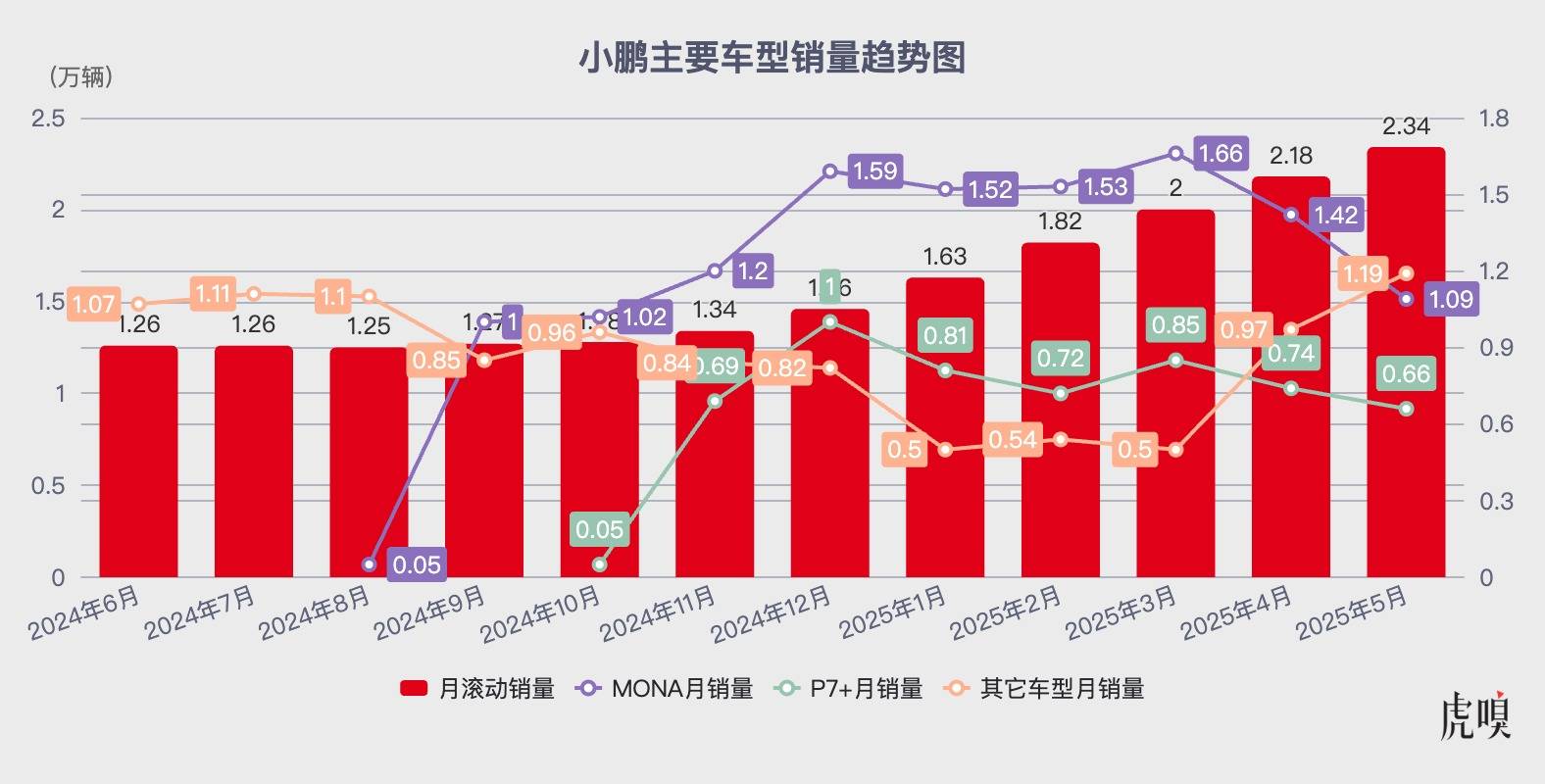
Core Viewpoint - The article discusses the significant growth and strategic positioning of two electric vehicle manufacturers, Xiaopeng and Leap Motor, highlighting their sales performance, product strategies, and marketing approaches in a competitive market. Group 1: Sales Performance - In the first five months of the year, both Xiaopeng and Leap Motor maintained rapid growth, with Leap Motor's sales increasing by 161% year-on-year and Xiaopeng's by 293% [3][4] - Both companies reported substantial revenue growth in Q1, with Leap Motor's revenue up 187% and Xiaopeng's up 142% year-on-year [4] - Net losses for Leap Motor shrank by 87% and for Xiaopeng by 52%, indicating improved financial health [4] Group 2: Product Strategy - Xiaopeng's rebound in sales is attributed to the successful launch of the MONA M03 model, which has become a best-seller, accounting for over 50% of Xiaopeng's monthly sales in several months [7] - The MONA M03 is positioned as a cost-effective option, featuring a CLTC range of 620 kilometers, which alleviates range anxiety for consumers [7][12] - The vehicle includes user-friendly features such as smart parking and enhanced comfort, appealing to a younger demographic [12][14] Group 3: Marketing and Branding - Xiaopeng has adopted an aggressive marketing strategy, including multiple product launches and media events to increase brand visibility [4][6] - The company has successfully attracted a significant female consumer base, with female users accounting for 50% of MONA M03 orders, a notable increase from the market average [16][14] - Xiaopeng's marketing events have been designed to resonate with younger consumers, incorporating engaging elements and celebrity endorsements [16][18] Group 4: Technological Advancements - Xiaopeng is focusing on technological innovation, with the introduction of the self-developed "Turing AI chip" aimed at enhancing autonomous driving capabilities [20][21] - The company is leveraging large-scale models and reinforcement learning to improve its autonomous driving technology, showcasing its commitment to advancing AI in vehicles [28][30] - Xiaopeng's AI team has validated the effectiveness of scaling laws in autonomous driving, indicating a strategic approach to enhancing vehicle intelligence [28][29]


小鹏想要的,不止“留在牌桌上”
Hu Xiu· 2025-06-19 23:13
Core Insights - Both Leapmotor and Xpeng have significantly increased their sales, with Leapmotor growing 161% and Xpeng 293% year-on-year from January to May. Their Q1 revenues also saw substantial growth, with Leapmotor up 187% and Xpeng up 142%. Net losses were reduced significantly, with Leapmotor's loss shrinking by 87% and Xpeng's by 52% [2] - Xpeng's proactive marketing and product launch strategy contrasts with Leapmotor's more reserved approach, indicating a different mindset in responding to market opportunities [2] - Xpeng's recent product, the MONA M03, has been a key driver of its sales rebound, accounting for over 50% of monthly sales since its launch [7][12] Sales and Marketing Strategy - Xpeng's marketing strategy includes extensive media engagement and product launch events, such as the recent X9 launch in Hong Kong, which attracted nearly 500 media representatives [3][4] - The company has focused on creating a strong brand presence through various promotional activities, including events targeting actual car owners [2][3] - The MONA M03's competitive pricing and features, such as a 620 km range, have made it appealing to consumers, particularly in addressing range anxiety [9][8] Product Development and Features - The MONA M03 has been designed with a focus on user needs, balancing cost control with essential features, which has resonated well with consumers [8][12] - The vehicle includes enhancements like electric tailgates and smart parking, while also simplifying certain features to reduce costs [10][11] - Xpeng's product team demonstrated efficiency in refining the MONA model within a short timeframe after acquiring it from Didi [12] Consumer Demographics and Feedback - The MONA M03 has attracted a notably high percentage of female consumers, with 38.6% of users being women, which is significantly above the industry average [18][19] - Feedback from female users highlights the vehicle's aesthetics and practical features, contributing to its popularity among this demographic [20][21] - Xpeng has quickly adapted to market feedback by introducing new interior options that appeal to female consumers, further boosting sales [21][25] Technological Advancements - Xpeng is focusing on technological innovation, particularly with its self-developed "Turing AI chip," which will enhance the capabilities of its vehicles, including the upcoming G7 model [27][30] - The G7 will feature advanced computing power, significantly exceeding that of competitors, which is part of Xpeng's strategy to differentiate itself in the market [30][31] - The company is also exploring the application of scaling laws in AI to improve autonomous driving capabilities, indicating a commitment to ongoing technological development [40][42] Future Outlook - Xpeng's CEO has emphasized the importance of building a robust system rather than relying solely on individual product successes, indicating a long-term vision for the company [26][51] - The company aims to maintain its focus on technological advancements and market responsiveness to ensure its competitive position in the automotive industry [51]

推荐大模型来了?OneRec论文解读:端到端训练如何同时吃掉效果与成本
机器之心· 2025-06-19 09:30
Core Viewpoint - The article discusses the transformation of recommendation systems through the integration of large language models (LLMs), highlighting the introduction of the "OneRec" system by Kuaishou, which aims to enhance efficiency and effectiveness in recommendation processes [2][35]. Group 1: Challenges in Traditional Recommendation Systems - Traditional recommendation systems face significant challenges, including low computational efficiency, conflicting optimization objectives, and an inability to leverage the latest AI advancements [5]. - For instance, Kuaishou's SIM model shows a Model FLOPs Utilization (MFU) of only 4.6%/11.2%, which is significantly lower than LLMs that achieve 40%-50% [5][28]. Group 2: Introduction of OneRec - OneRec is an end-to-end generative recommendation system that utilizes an Encoder-Decoder architecture to model user behavior and enhance recommendation accuracy [6][11]. - The system has demonstrated a tenfold increase in effective computational capacity and improved MFU to 23.7%/28.8%, significantly reducing operational costs to just 10.6% of traditional methods [8][31]. Group 3: Performance Improvements - OneRec has shown substantial performance improvements in user engagement metrics, achieving a 0.54%/1.24% increase in app usage duration and a 0.05%/0.08% growth in the 7-day user lifecycle (LT7) [33]. - In local life service scenarios, OneRec has driven a 21.01% increase in GMV and an 18.58% rise in the number of purchasing users [34]. Group 4: Technical Innovations - The system employs a multi-modal fusion approach, integrating various data types such as video titles, tags, and user behavior to enhance recommendation quality [14]. - OneRec's architecture allows for significant computational optimizations, including a 92% reduction in the number of key operators, which enhances overall efficiency [27][28]. Group 5: Future Directions - Kuaishou's technical team identifies areas for further improvement, including enhancing inference capabilities, developing a more integrated multi-modal architecture, and refining the reward system to better align with user preferences [38].


云载 AI·健行未来——火山引擎“AI+医药大健康”行业论坛圆满落幕
Cai Fu Zai Xian· 2025-06-19 09:13
Core Insights - The "AI + Healthcare" forum highlighted the transformative impact of AI in the healthcare sector, emphasizing the integration of cloud computing, big data, and AI technologies to enhance medical services and patient experiences [1][17] - The forum featured contributions from various experts, indicating a collaborative effort in advancing AI applications in healthcare, particularly in areas like disease prevention, diagnosis, and drug design [3][10] Group 1: AI Applications in Healthcare - AI is expected to address the increasing demands of life sciences and medicine due to rising life expectancy, with a focus on developing new AI technologies tailored for healthcare [3][10] - The collaboration between Volcano Engine and researchers has led to the development of Bio-OS-Co-Pilot, which significantly reduces research timelines from years to hours, enhancing efficiency in modeling and analysis [4] - Companies like Tianjin Pharmaceutical Group have reported a 14.3% increase in digital maturity through strategic digital transformation initiatives, showcasing the effectiveness of AI in optimizing workflows [6][8] Group 2: Future Directions and Challenges - The healthcare industry faces challenges such as high complexity and strict requirements for data governance, necessitating a shift towards sustainable iterative mechanisms for AI applications [12] - AI is positioned to enhance pre-consultation processes, patient education, and overall efficiency in healthcare delivery, while maintaining a supportive role rather than replacing human decision-making in high-risk scenarios [15] - Future efforts will focus on low-risk, high-value areas for AI implementation, such as research data analysis and logistics support, to ensure effective integration into healthcare systems [14]
电子行业2025年中期投资策略:算力需求仍将加大,端侧应用加速落地
Dongguan Securities· 2025-06-17 09:21
Group 1 - The electronic industry is expected to see a revenue growth of 17.04% in 2024, with net profit increasing by 24.10% and adjusted net profit rising by 36.12% [13][18] - In Q1 2025, the industry continues to perform well, with a revenue increase of 18.47% year-on-year, and net profit and adjusted net profit growing by 26.92% and 32.12% respectively [18][26] - The recovery in terminal demand and AI innovation are driving positive performance in the electronic industry [13][18] Group 2 - Domestic AI models are rapidly emerging, with DeepSeek achieving performance comparable to international leaders, reducing the competitive gap from over a year to less than three months [29][42] - The introduction of various domestic models, such as DeepSeek R1 and Qwen3, showcases significant advancements in performance and cost-effectiveness compared to international counterparts [29][39] - The pricing of domestic AI model APIs is significantly lower than that of international models, enhancing accessibility for developers [42][46] Group 3 - The demand for computing power is expected to increase, with hardware performance continuing to improve due to the expansion of AI applications [47][50] - Major tech companies are ramping up capital expenditures, with a combined Q1 capital expenditure of approximately $76.6 billion, reflecting a 64% year-on-year increase [56][61] - The AI server market is projected to grow significantly, with an expected shipment of 1.811 million units in 2025, representing a 26.29% year-on-year increase [66][70] Group 4 - The PCB market is anticipated to experience a surge in demand, particularly for high-density interconnect (HDI) boards, driven by the requirements of AI servers [76][79] - The global PCB market is projected to reach $94.661 billion by 2029, with a compound annual growth rate of 5.2% [78] - Several domestic manufacturers are actively expanding their HDI production capacity to meet the growing demand from AI applications [82]
Scaling Law首次在自动驾驶赛道被验证!小鹏汽车CVPR演讲详解:AI「吃」下6亿秒视频后,智能涌现
量子位· 2025-06-16 04:50
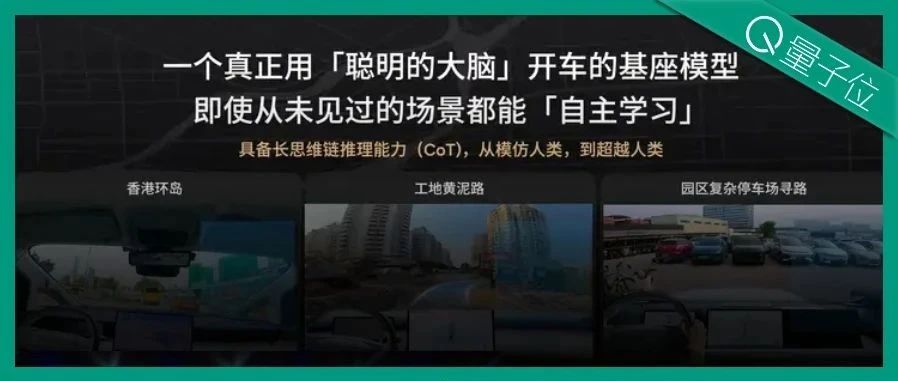
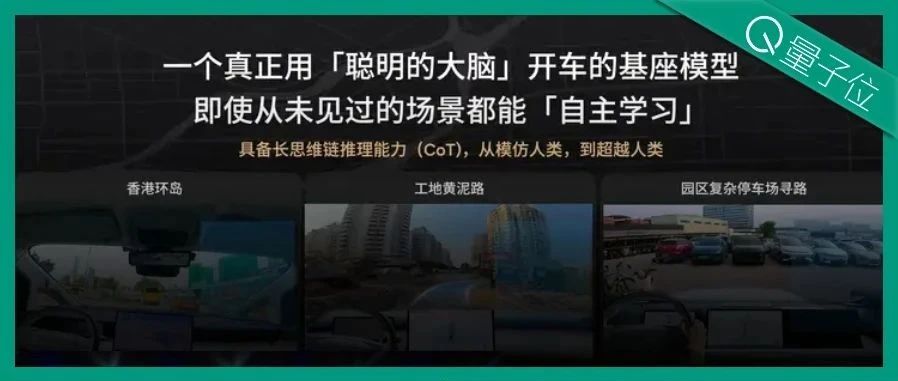
Core Viewpoint - The article discusses significant advancements in autonomous driving technology presented by XPeng Motors at CVPR 2025, highlighting the validation of Scaling Law in this field and the introduction of their AI driver technology, termed "intelligent emergence" [1][2]. Group 1: XPeng's Achievements at CVPR 2025 - XPeng Motors was the only car manufacturer invited to present at the Workshop on Autonomous Driving (WAD) during CVPR 2025, showcasing their latest SUV, the G7, which has achieved a record of over 2200 TOPS in computing power for L3 level AI [2][4]. - The G7 is defined by XPeng as a "true AI car," emphasizing its advanced capabilities in autonomous driving without relying on LiDAR technology [2][4]. Group 2: Technical Innovations - XPeng's new generation autonomous driving base model was deployed in vehicles, allowing for safe driving tasks without any rule-based code, demonstrating smooth acceleration, lane changes, and navigation through complex scenarios [4][5][7]. - The system exhibited a comprehensive understanding of the environment, making decisive and smooth driving decisions in various challenging situations, outperforming traditional models that often trigger emergency braking [15][17]. Group 3: The Autonomous Driving Base Model - XPeng's autonomous driving base model is distinct from conventional end-to-end algorithms, as it incorporates a physical world model that allows for real-time reasoning and decision-making [18][22]. - The model is built on a Vision-Language-Action (VLA) architecture, which integrates visual, linguistic, and action components, enabling a unified understanding of tasks and environments [33][36]. Group 4: Scaling Law and Model Training - The article highlights the successful verification of Scaling Law in autonomous driving VLA models, indicating that larger models yield better performance, with XPeng's model trained on over 20 million video clips [43][46]. - Knowledge distillation is employed to transfer the capabilities of large cloud models to smaller vehicle models, enhancing their performance while maintaining safety and real-time responsiveness [46][49]. Group 5: Future Directions and Industry Impact - XPeng's approach marks a significant shift in the autonomous driving landscape, focusing on developing a comprehensive AI model that transcends traditional limitations and enhances cognitive and planning capabilities [60][62]. - The advancements presented by XPeng at CVPR 2025 not only address automotive challenges but also aim to unify the fields of autonomous driving and embodied intelligence, positioning the company as a leader in AI-driven automotive technology [66].
Scaling Law首次在自动驾驶赛道被验证!小鹏汽车CVPR演讲详解:AI「吃」下6亿秒视频后,智能涌现
量子位· 2025-06-16 04:49
Core Viewpoint - The article discusses significant advancements in autonomous driving technology presented by XPeng Motors at CVPR 2025, highlighting the validation of Scaling Law in this field and the introduction of their AI driver technology, termed "intelligent emergence" [1][2]. Summary by Sections CVPR 2025 Highlights - The CVPR 2025 conference took place in Nashville, Tennessee, from June 11 to June 15, featuring a workshop on autonomous driving that serves as a key technical trendsetter in the industry [2]. - XPeng Motors was the only car manufacturer invited to deliver a keynote speech, coinciding with the pre-sale of their latest SUV, the G7, which boasts a record-breaking L3-level AI computing power exceeding 2200 TOPS [2][4]. Technical Achievements - XPeng's new generation autonomous driving model was deployed in vehicles, achieving safe driving tasks without any rule-based code support [4]. - The system demonstrated smooth acceleration, lane changes, and navigation through complex scenarios, showcasing a comprehensive understanding of the environment and road conditions [5][7][14]. Model Architecture - XPeng's autonomous driving base model is distinct from traditional end-to-end algorithms, focusing on a more sophisticated understanding of driving scenarios rather than mere reactive responses [21][26]. - The model utilizes a Vision-Language-Action (VLA) architecture, integrating visual, linguistic, and action components to enhance decision-making capabilities [33][36]. Training and Learning - The base model undergoes a rigorous training process, including reinforcement learning that emphasizes safety, efficiency, and compliance, reflecting core human driving principles [38]. - XPeng is developing a world model to generate diverse traffic scenarios for continuous training, enhancing the model's adaptability and performance [40]. Cloud and Edge Computing - The cloud-based model, with a parameter count of 720 billion, is designed to leverage vast amounts of data for training, while smaller models are distilled for deployment in vehicles [42][46]. - This approach allows for ongoing learning and adaptation, ensuring that the vehicle's AI capabilities remain up-to-date and effective [42][50]. Industry Positioning - XPeng's strategy diverges from traditional approaches by focusing on large-scale models and cloud computing, positioning itself as a leader in the autonomous driving sector [50][58]. - The G7 represents a significant leap in AI-driven automotive technology, aiming to redefine user interaction with vehicles through advanced cognitive capabilities [55][62]. Conclusion - XPeng's presentation at CVPR 2025 marks a pivotal moment in the evolution of autonomous driving technology, emphasizing the importance of cognitive models and advanced AI in overcoming existing limitations in the industry [66][67].
AI学习机,比的是什么?
3 6 Ke· 2025-06-11 12:09
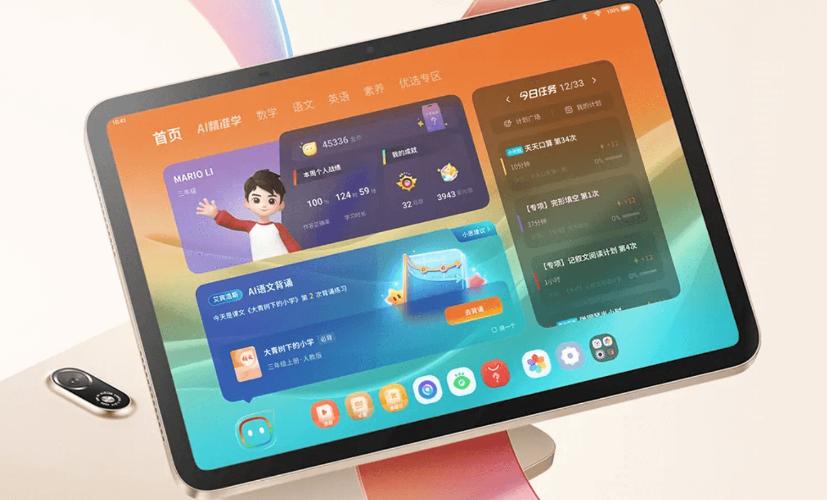
Core Insights - The article discusses the resurgence of AI learning machines in the education sector, highlighting their growing popularity among parents and students amid the increasing influence of AI technology [1][3][11] - It questions the necessity and effectiveness of these devices compared to traditional learning methods and online educational apps, emphasizing the need for parents to evaluate their true value [5][22][23] Market Overview - The sales of learning machines in China are projected to exceed 7 million units this year, indicating a significant market potential valued in the hundreds of billions [3][11] - The online retail sales of AI learning machines grew by 136.6% in the first half of 2024, outpacing other educational products [13] Product Features - AI learning machines offer personalized tutoring and real-time updates to their question banks, distinguishing them from traditional learning machines that rely on pre-set content [7][8] - These devices create a focused learning environment by blocking distractions from games and social media, which is a significant advantage over general-purpose devices like tablets and smartphones [9] Competitive Landscape - The market is characterized by three main player categories: traditional education companies, tech firms, and established learning machine brands, each employing different strategies to capture market share [12][15][17] - Companies like Xueersi and Yuanfudao have leveraged their educational content and user base to re-enter the market successfully after facing challenges from regulatory changes [15] Challenges and Considerations - Despite the advantages of AI learning machines, their effectiveness largely depends on the student's engagement and the manner in which they are utilized [22][23] - Parents are advised to consider their financial capacity and the specific educational needs of their children before investing in these devices, as they may not be necessary for younger students [23]


昇腾+鲲鹏双核暴击!华为打通MoE训练任督二脉再加速20%,内存省70%
雷峰网· 2025-06-04 09:31
Core Viewpoint - Huawei's advancements in MoE (Mixture of Experts) training systems demonstrate its leading capabilities in AI foundational technology and engineering implementation [1][2]. Group 1: MoE Training System Enhancements - Huawei has introduced new solutions for MoE training operators and memory optimization, achieving a 20% increase in system throughput and a 70% reduction in memory usage [2][7]. - The MoE framework is becoming a preferred path for tech giants aiming for more powerful AI systems [3]. - The unique architecture of MoE is key to overcoming computational bottlenecks in large-scale model training [4]. Group 2: Challenges in MoE Training - MoE model training faces significant challenges, particularly in single-node efficiency, due to low operator computation efficiency and memory constraints [10][11]. - The complexity of the expert routing mechanism leads to frequent operator dispatch interruptions, creating a Host-Bound bottleneck [12]. - The need for extensive model parameters results in high memory demands, often leading to out-of-memory (OOM) issues during training [13][15]. Group 3: Solutions and Innovations - Huawei has developed a comprehensive solution to address the challenges in MoE training, focusing on enhancing operator computation efficiency and memory utilization [17]. - The collaboration between Ascend and Kunpeng architectures has significantly improved training operator efficiency and memory usage [6][34]. - The implementation of three optimization strategies—"Slimming," "Balancing," and "Transporting"—has led to a 15% increase in overall training throughput for the Pangu Ultra MoE 718B model [20][21]. Group 4: Specific Operator Optimizations - FlashAttention optimization has improved performance by 50% for forward and 30% for backward processes through efficient computation order and reduced redundancy [23][25]. - Matrix multiplication operator enhancements have increased core utilization by 10% through optimized data transport strategies [26][28]. - Vector operator optimizations have resulted in performance improvements exceeding three times by minimizing data transport during reordering operations [30][32]. Group 5: Memory Optimization Techniques - The Selective R/S memory optimization technique has enabled a 70% reduction in activation memory during training by implementing fine-grained recomputation and adaptive memory management [46][49]. - The self-adaptive memory optimization mechanism focuses on maximizing the efficiency of memory usage relative to additional computation time [55][56]. Group 6: Industry Implications - Huawei's deep collaboration between Ascend and Kunpeng, along with its innovative operator acceleration and memory optimization techniques, provides an efficient and cost-effective solution for MoE training [58]. - These advancements not only eliminate barriers for large-scale MoE model training but also offer valuable reference paths for the industry [59].