即时零售

Search documents
外卖大战降温,冷思考有哪些?
Xin Lang Cai Jing· 2025-07-22 09:23
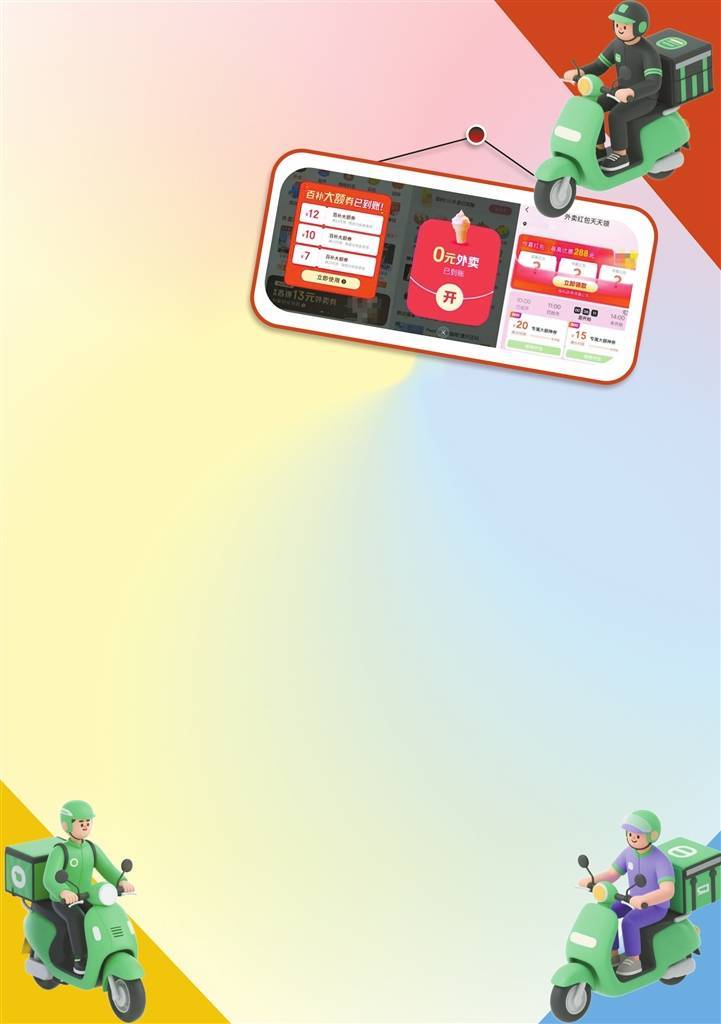
【#外卖大战降温#,冷思考有哪些?】#业内呼吁外卖平台将定价权还给商家# "没有那么便宜了。"刚 刚过去的周末,许多消费者发现了外卖平台补贴力度的集体下降。7月18日,市场监管总局约谈饿了 么、美团、京东三家平台企业,要求各平台进一步规范促销行为,理性参与竞争。随着监管出手规范, 过去几个月轰轰烈烈的"外卖大战"有了降温趋势。 回顾这场外卖大战,消费者享受到了外卖"薅羊毛"的快乐,外卖平台收获了订单量创新高的红火战报, 不少商家订单疯涨、骑手收入翻倍,也有部分外卖商家利润下降,"0元购"奶茶无人取,消费者遭遇商 家"卡单"、出餐慢,增长的热闹与过度的消耗同时存在。 部分平台补贴需要商家部分出资是争议的一面,嘉和一品创始人刘京京呼吁,平台不应裹挟商家参与巨 额补贴,双重承担配送费,应让消费者理性选择吃堂食还是吃外卖。在众多餐饮协会的发声中,餐饮商 家因强制摊派补贴而利润空间被挤压、部分餐品出现负利润的情况被强调,平台争夺市场份额的成本是 否被隐形转嫁给商家受到关注。 另一方面,外卖平台大力补贴、真金白银为店铺赚吆喝的动作也没能完全讨到好。西贝餐饮集团创始人 贾国龙在接受媒体采访时提到,由于平台活动,西贝一天冲进 ...


外卖热战停了,冷思考有哪些?
第一财经· 2025-07-22 05:59
Core Viewpoint - The recent decline in subsidies from food delivery platforms indicates a cooling trend in the fierce competition known as the "takeout war," which has been influenced by regulatory interventions and the voices of restaurant owners advocating for fair pricing practices [1][4][9]. Summary by Sections Impact on Restaurants - Many restaurant brands are expressing concerns over the pressure from platforms to participate in large subsidies, which has led to squeezed profit margins and instances of negative profitability for certain menu items [2][3]. - The rapid increase in takeout orders, which have risen from 30%-40% to around 60% of total orders, has shifted the balance away from dine-in services, creating challenges in maintaining price consistency between takeout and dine-in options [5][6]. Regulatory and Competitive Landscape - The market regulator's intervention has prompted platforms to reconsider their promotional strategies, emphasizing the need for rational competition that does not disrupt the normal operations of the restaurant industry [1][4]. - The substantial investment of over 100 billion in subsidies by the three major platforms raises questions about the long-term benefits for the restaurant sector, as the immediate effects may not be sustainable [4][9]. Long-term Industry Considerations - The ongoing competition among major players like Meituan, Alibaba, and JD.com is expected to continue, with a focus on expanding into the broader consumer market, which includes both takeout and traditional e-commerce [13][14]. - The digitalization of retail remains low, with less than 5% of the market currently engaged in near-field instant retail, indicating significant growth potential for platforms that can effectively integrate more categories into this space [14].

即时零售的后手
Hu Xiu· 2025-07-22 03:49
Group 1 - Major players in the e-commerce and food delivery sectors are re-engaging in fierce competition, with JD.com entering the food delivery market and Alibaba restructuring its business units to integrate Ele.me and Fliggy into a larger consumer group [1][4][6] - The competitive landscape has evolved from initial skirmishes to full-scale battles, with companies like Meituan and Pinduoduo also emerging as significant players, indicating a shift from traditional B2C and C2C models to new forms of e-commerce [2][4][5] - The concept of instant retail is being introduced, with JD.com aiming to redefine food delivery by integrating it with e-commerce logistics, potentially transforming the delivery model [6][22][24] Group 2 - The logistics and delivery systems of e-commerce and food delivery are fundamentally different, with e-commerce relying on a point-to-point model while food delivery requires a more flexible and immediate approach [10][20][21] - JD.com has established a robust logistics network that supports its e-commerce operations, which may provide a competitive advantage in the food delivery sector [11][15] - The integration of food delivery with e-commerce logistics could lead to a more efficient delivery system, allowing for better resource allocation and potentially lower costs [22][24][26] Group 3 - The market is witnessing a trend towards consolidation and collaboration among major players, as they seek to leverage each other's strengths to enhance service offerings and customer experience [23][34] - Instant retail is gaining traction, with consumers increasingly seeking convenience and speed in their purchasing decisions, which could reshape the future of retail [34][49] - The competitive dynamics are shifting, with companies needing to adapt to changing consumer preferences and the evolving landscape of e-commerce and food delivery [36][60]


国信证券:即时零售远期市场空间广阔 看好美团-W(03690)等企业
智通财经网· 2025-07-22 03:28
Core Viewpoint - The competition in the retail market will return to efficiency comparisons across various segments, similar to e-commerce, where only players capable of driving efficiency transformations can disrupt market dynamics [1] Group 1: Market Overview - Instant retail is defined as online immediate ordering and offline immediate fulfillment, relying on local retail supply to meet local instant demand [1] - The demand for instant retail primarily stems from the shift of offline scenarios, with the market size expected to reach 780 billion yuan in 2024, reflecting a compound annual growth rate (CAGR) of 46% over the past five years [1] - The long-term market potential for instant retail is projected to exceed 3 trillion yuan, potentially leading to a slowdown or negative growth for some e-commerce platforms [1] Group 2: Competitive Landscape - Instant retail includes platform and self-operated models, with platform models accounting for 60%-70% of market share, where Meituan maintains a leading position [2] - The three key elements of instant retail are instant demand (users & traffic), instant delivery (fulfillment), and local supply [2] - The current competition focuses on user acquisition through subsidies and traffic advantages, but the long-term competition will shift towards the supply side [2] Group 3: Company Analysis - Meituan has significant advantages in organizational capability, user operation, supply chain coverage, and delivery efficiency, positioning it well for continued leadership in the instant retail market [1] - Alibaba has demonstrated stronger organizational capabilities in this round of competition, leveraging its financial and user traffic advantages, but has yet to implement disruptive strategies in food delivery and instant retail [1][2] - JD Group is still in the construction phase regarding fulfillment and supply, but long-term profitability is expected from instant retail, food delivery, and corresponding supply chain layouts [1] Group 4: Future Projections - Meituan's flash purchase gross transaction value (GTV) is expected to approach 1.1 trillion yuan by 2030, contributing 18.6 billion yuan in profit [3] - Alibaba's food delivery, instant retail, and e-commerce cross-selling are projected to generate nearly 1 trillion yuan in GMV, but with limited profit contribution [3] - JD's future food delivery, instant retail, and supply chain layouts are anticipated to achieve overall profitability [3]

“外卖大战”,谁是赢家?
Sou Hu Cai Jing· 2025-07-22 03:01
Core Viewpoint - The recent resurgence of the food delivery price war is reshaping the underlying logic of China's consumer market, transitioning from planned consumption to instant consumption, creating a trillion-level blue ocean market [2][4]. Group 1: Industry Dynamics - Multiple food delivery platforms are offering large, no-threshold red envelopes or coupons, with some products even available for "0 yuan purchase," intensifying the competition [2]. - The food delivery industry, previously thought to be stagnant, is experiencing a dramatic shift from "unable to compete" to "fighting fiercely," leading to system crashes and overwhelming order volumes for merchants [2][3]. - The competitive strategies seen in the food delivery sector echo those from the shared economy era, where price wars led to market consolidation among a few major players [3]. Group 2: Economic Implications - The current price war raises questions about the sustainability of profits, as the apparent benefits for merchants, delivery riders, and consumers may not be long-lasting [4]. - The influx of "0 yuan free orders" has caused operational challenges for small businesses, leading to increased order volumes but reduced profit margins, forcing some to temporarily close [4][5]. - The shift from "price wars" to "value wars" is seen as essential for the industry's transformation, emphasizing the need for a more sustainable and equitable business model [6][7]. Group 3: Future Outlook - The outcome of the ongoing competition among internet giants in the food delivery space remains uncertain, with potential for either market monopolization or significant exits from the industry [7]. - A successful transition to a more balanced ecosystem requires recognizing the value of all stakeholders, including delivery riders and merchants, rather than relying solely on aggressive subsidies [6][7].
外卖热战停了,冷思考有哪些?
第一财经· 2025-07-22 02:51
Core Viewpoint - The recent decline in subsidies from food delivery platforms indicates a shift in the competitive landscape, influenced by regulatory actions and the need for rational competition among major players in the industry [1][2][3]. Group 1: Impact of Subsidy Cuts - Consumers have experienced a reduction in the benefits of food delivery subsidies, leading to a decrease in the excitement of "hunting for deals" [1]. - The intense competition among platforms has resulted in record-high order volumes, but has also caused some merchants to face declining profits and operational challenges [1][2]. - The shift in order distribution, with delivery orders increasing from 30%-40% to around 60%, has altered the dynamics between dine-in and delivery services [3]. Group 2: Merchant Perspectives - Restaurant owners express concerns over the pressure from platforms to participate in subsidy programs, which can lead to reduced profit margins and negative impacts on product pricing [2][3]. - The need for platforms to return pricing power to merchants is emphasized, as many businesses struggle to maintain profitability amidst aggressive discounting [2][5]. - The operational challenges faced by merchants, such as staffing and supply chain adjustments, highlight the strain that rapid order increases can place on businesses [6]. Group 3: Long-term Industry Implications - The substantial investment in subsidies by platforms, exceeding 100 billion, raises questions about the long-term benefits for the restaurant industry [3][7]. - The ongoing competition may lead to increased consolidation within the restaurant sector, with smaller businesses at greater risk of failure [7]. - Platforms are encouraged to adopt a more rational approach to competition, which aligns with their long-term interests and the need for a sustainable industry ecosystem [7][8]. Group 4: Future of Instant Retail - The future of instant retail hinges on the ability of platforms to integrate more product categories and enhance service efficiency, which will require significant improvements in supply chain and technology [8]. - The potential for growth in the instant retail market remains high, but the effectiveness of platforms in transitioning from aggressive competition to building a more digital and efficient ecosystem is yet to be seen [8].
即时零售系列报告(一):竞争格局、平台博弈与巨头利润影响
Guoxin Securities· 2025-07-22 02:40
Investment Rating - The investment rating for the industry is "Outperform" [1] Core Insights - Instant retail is defined as a retail format that meets local immediate demand through online ordering and offline fulfillment, with a market size projected to reach 780 billion yuan in 2024, reflecting a compound annual growth rate (CAGR) of 46% over the past five years [2][17] - The market is expected to exceed 3 trillion yuan by 2030, with a penetration rate in online retail increasing from 6% to 15.7% [35][38] - The competition in instant retail is primarily between platforms and self-operated models, with platforms holding a market share of 60%-70%, and Meituan leading the market [2][47] Summary by Sections 01 Instant Retail: Local Supply and Immediate Fulfillment - Instant retail is characterized by its ability to fulfill local demand quickly, leveraging local retail supply [6][8] - The development of instant retail has accelerated due to the rise of smartphones and location-based services, leading to various business models [8] 02 Competitive Landscape: Fulfillment as the Core Barrier - The competitive landscape is defined by short-term competition for user traffic and long-term competition for supply capabilities [2][3] - Fulfillment capability is identified as a long-term competitive barrier, with current competition focused on subsidies and user acquisition [2] 03 Analysis of Instant Retail Platforms - The analysis covers organizational efficiency, user growth driven by subsidies, supply capabilities, and fulfillment efficiency [2][3] - Meituan has a significant advantage in fulfillment due to its established delivery network and operational scale [2] 04 Profit Impact Assessment for Meituan, Alibaba, and JD - Projections indicate that Meituan's flash purchase gross transaction value (GTV) could reach approximately 1.1 trillion yuan by 2030, contributing 18.6 billion yuan in profit [3] - Alibaba's cross-selling in food delivery and instant retail is expected to generate close to 1 trillion yuan in GMV, but with limited profit contribution [3] 05 Investment Recommendations - The essence of retail competition is efficiency, with a focus on operational capabilities and supply chain management [3] - Meituan is expected to maintain its leading position in the instant retail market due to its organizational capabilities and user engagement strategies [3]
外卖热战停了,冷思考有哪些?
Di Yi Cai Jing· 2025-07-22 02:35
增强理性竞争下的确定性,即时零售的盘子才能做得更大。 "没有那么便宜了。"刚刚过去的周末,许多消费者发现了外卖平台补贴力度的集体下降。7月18日,市场监管总局约谈饿了么、美团、京东三家平台企业, 要求各平台进一步规范促销行为,理性参与竞争。随着监管出手规范,过去几个月轰轰烈烈的"外卖大战"有了降温趋势。 回顾这场外卖大战,消费者享受到了外卖"薅羊毛"的快乐,外卖平台收获了订单量创新高的红火战报,不少商家订单疯涨、骑手收入翻倍,也有部分外卖商 家利润下降,"0元购"奶茶无人取,消费者遭遇商家"卡单"、出餐慢,增长的热闹与过度的消耗同时存在。 这不会是即时零售市场的最后一战。只要大公司们对即时零售和传统电商终将进入同一片战场的战略判断不变,京东、美团、阿里的流量"入口"之争就不会 轻易结束,甚至还可能迎来新玩家的不断入场。一些问题因此变得重要——这场热战留下了什么?市场需要有哪些冷思考? "定价权要还给商家" 值得外卖平台警惕的是,在这场外卖大战中喊停的,除了监管,还有许多餐饮品牌创始人、餐饮协会的声音。 部分平台补贴需要商家部分出资是争议的一面,嘉和一品创始人刘京京呼吁,平台不应裹挟商家参与巨额补贴,双重承担配 ...
武汉国资将控股良品铺子;利洁时剥离部分业务;宇树科技开启上市辅导
Sou Hu Cai Jing· 2025-07-22 02:10
Investment Dynamics - Wuhan State-owned Assets will become the controlling shareholder of Liangpinpuzi, with a total transaction value of 1.046 billion yuan, resulting in a 21% stake in the company [3] - This transaction is viewed as a long-term strategic choice for Liangpinpuzi, aimed at preparing for development over the next decade [3] Brand Dynamics - Reckitt Benckiser announced the divestiture of its Essential Home business to Advent International for $4.8 billion, retaining a 30% stake, with projected 2024 net revenue of approximately £2 billion [6] - This divestiture aligns with Reckitt's strategy to focus on high-growth, high-margin brands [6] Financial Data - Mango reported a revenue of €1.728 billion for the first half of the year, a 12% increase year-on-year, with international markets contributing 78% of total revenue [17] - Burberry's retail revenue for the first fiscal quarter was £433 million, a 6% decline at reported rates but a significant improvement compared to previous double-digit declines [21] Personnel Dynamics - Shiseido Americas announced layoffs as part of a business transformation to restore growth, with a 19% sales decline in the Americas region [23] - Nordstrom appointed Kelly Dilts as CFO, effective August 29, to oversee core financial functions and strategic initiatives [26] - Burberry appointed four regional presidents to its executive committee, aiming to bring leadership closer to customer decision-making [30]


外卖三平台暗流涌动,被约谈后谁更“稳”?谁最“慌”?
Xin Lang Ke Ji· 2025-07-22 00:04
Core Insights - The recent "takeout war" has seen a reduction in subsidy intensity following discussions with major platforms like Ele.me, Meituan, and JD.com [2][12] - Meituan's actual subsidy on July 12 was between 300 million to 400 million yuan, significantly lower than the rumored 800 million to 1 billion yuan, while achieving 150 million orders in a single day [2][3] - Taobao's flash purchase service has shown rapid growth in non-food categories, with specific segments like blind boxes and maternal nutrition products seeing year-on-year increases of 2407% and 820% respectively [2][7] - JD.com has struggled to maintain order growth compared to Taobao's flash purchase, which has nearly matched Meituan's order volume in some cities [2][4] Market Dynamics - Since JD.com announced its entry into the takeout market in February, the competitive landscape has shifted from a "three-horse race" to a "two-horse race" between Meituan and Taobao's flash purchase [2][4] - Meituan's rider capacity and merchant scale provide it with a competitive edge, making it challenging for other platforms to achieve higher order volumes without significant investment in rider capacity and merchant partnerships [5][6] Non-Food Segment Growth - Non-food orders have become a focal point for all platforms, with Meituan reporting over 20 million non-food orders on July 5, and Taobao's flash purchase experiencing rapid growth in this segment [7][8] - The growth in non-food orders allows riders to optimize their delivery schedules beyond traditional meal times, catering to diverse consumer needs [8] Infrastructure and Delivery Models - The instant retail sector has evolved into three main service models: self-operated front warehouses, integrated store-warehouse models, and platform aggregation [9] - Meituan plans to expand its lightning warehouse network to over 100,000 locations within three years, enhancing its delivery capabilities [9] Regulatory Environment - The Chinese Chain Store and Franchise Association has called for the regulation of the instant retail market, urging platforms to cease aggressive price subsidy practices and ensure fair competition [11][13] - The State Administration for Market Regulation has also engaged with major platforms to enforce compliance with e-commerce laws and promote healthy competition [12][13]