国产替代

Search documents
浙江华业(301616) - 301616浙江华业投资者关系管理信息20251230
2025-12-30 00:36
Group 1: Market Position and Strategy - The company has maintained the number one market share in domestic screw and barrel products for several consecutive years, with a focus on enhancing its competitive edge through technology upgrades, cost control, and deepening customer cooperation [2][3] - Future strategies to expand market share include launching optimized product solutions in niche markets like semi-solid metal injection molding and increasing overseas market penetration in the extruder screw and barrel sector [2][3] Group 2: Customer Relationships and Collaboration - The company collaborates with major international and domestic clients, including Engel and Husky, through customized design and manufacturing, ensuring long-term stable partnerships [3][4] - The cooperation model includes both standard parts supply and joint development of new products, such as ultra-large injection molding machines [3] Group 3: Industry Resilience and Risk Management - The company experienced a significant recovery in performance in 2025 after facing industry adjustments in 2022-2023, attributed to strategies like product structure optimization and overseas market expansion [3] - Maintaining strong relationships with key clients and enhancing product innovation have been crucial for sustaining future operational performance [3] Group 4: Technological Advancements and Production Capacity - The company’s core technologies, such as multi-axis screw polishing and gradient wear-resistant composite processes, exceed industry standards in terms of product precision, hardness, and wear resistance [3] - Current production capacity utilization exceeds 100%, with a planned expansion project expected to increase capacity by approximately 50% by 2028 [3][4] Group 5: Global Market Expansion and Domestic Substitution - The company is actively expanding its presence in overseas markets, particularly in Europe and Southeast Asia, while also focusing on domestic high-end market segments to reduce reliance on imported components [4] - Successful development of the first domestic 8500-ton ultra-large injection molding machine screw and barrel product demonstrates the company's commitment to achieving self-sufficiency in high-end components [4]
疑似华宝基金前基金经理 以“劳动争议”起诉原公司
Shen Zhen Shang Bao· 2025-12-29 18:20
Group 1 - The core issue involves Huabao Fund being sued by Chen Long for "labor dispute," with the case accepted by the Shanghai Pudong New District People's Court, scheduled for a hearing on January 19, 2026 [1] - Chen Long joined Huabao Fund in September 2018 as a senior analyst and managed products starting from September 2, 2021, with a total tenure of 3 years and 62 days [1] - During Chen Long's management, the net value of two funds he managed decreased significantly, with a drop of 54.8% for Huabao Green Theme Mixed Fund and 46.75% for Huabao Competitive Advantage Mixed Fund [1] Group 2 - Chen Long resigned from the Huabao Green Theme Mixed Fund on April 9, 2024, and from the Huabao Competitive Advantage Mixed Fund on November 2, 2024, citing "business adjustment" as the reason for his departure [1] - In the last six months of his management, the A share of the Huabao Competitive Advantage Mixed Fund increased by nearly 18%, outperforming the benchmark by approximately 11 percentage points [1] - After Chen Long's departure, the semiconductor and domestic substitution sectors experienced a significant rebound, with the new manager, Shi Jian, achieving a return of 80.18% over 2 years and 98 days for the A share of the Huabao Competitive Advantage Mixed Fund [1]
国产替代:160页PPT详解19种“补链强链”国产新材料(附下载)
材料汇· 2025-12-29 16:01
Overview - The new materials industry in China is transitioning from self-sufficiency in low-end products to independent research and development of mid-to-high-end products, currently positioned in the second tier globally, with a total output value of 5.3 trillion yuan in 2020, a 15% increase from the previous year, and expected to reach 10 trillion yuan by 2025, with a compound annual growth rate of approximately 13.5% [4][10][11]. New Material Directions Lightweight Materials - Carbon fiber is recognized as the most widely used and market-oriented material in the new materials sector, with China becoming the second-largest producer globally. However, challenges remain in production capacity utilization and high-end product development, leading to significant reliance on imported carbon fiber [28][29]. Aerospace Materials - Polyimide and silicon carbide fibers are highlighted as key materials in the aerospace sector, with increasing demand driven by advancements in aerospace technology [3]. Semiconductor Materials - Silicon wafers, silicon carbide (SiC), and high-purity metal sputtering targets are essential for the semiconductor industry, which is critical for technological advancement and self-sufficiency [3]. New Plastics - New types of plastics such as polyamide (PA), polyphenylene sulfide (PPS), and polylactic acid (PLA) are being developed to meet the growing demand in various applications [3]. Electronic and Electrical Capacitor Materials - Electronic pastes, electronic ceramics, and polybutylene terephthalate (PBT) are crucial for the electronics industry, reflecting the need for advanced materials in electronic applications [3]. Multi-purpose New Materials - Materials like polyphenylene oxide (PPO), para-aramid fibers, and superabsorbent polymers (SAP) are being explored for their versatility across different industries [3]. Optical and Electronic Chemicals - Optical films, photoresists, and OLED materials are essential for the electronics and display industries, indicating a shift towards high-performance materials [3]. Conclusion and Recommendations - The "14th Five-Year Plan" emphasizes the strategic importance of the new materials industry, aiming for high-quality development and increased self-sufficiency. The plan addresses the need for stronger innovation and collaboration within the industry to enhance competitiveness on a global scale [20][22][23].


如何挖掘新材料进口替代机会?100大新材料国产化详解(附100+行研报告)
材料汇· 2025-12-29 16:01
Semiconductor Wafer Manufacturing Materials - The global photoresist market is projected to reach approximately $15 billion by 2030, with the domestic market expected to grow to 30 billion RMB [4] - The current domestic photoresist localization rate is around 10%, with high-end products heavily reliant on imports [4] - Major foreign companies in the photoresist market include Tokyo Ohka Kogyo, Dow Chemical, and Sumitomo Chemical, which dominate the market shares [5] Silicon Wafers - The global semiconductor silicon wafer market is estimated to exceed $20 billion by 2030, with the domestic market projected to reach about 50 billion RMB [10] - The current localization rate for silicon wafers is approximately 15%, with significant progress in small-sized wafers [11] - Key domestic players include Shanghai Silicon Industry and Zhonghuan Semiconductor, with substantial monthly production capacities [12] Electronic Specialty Gases - The global electronic specialty gas market is expected to reach $12 billion by 2030, with the domestic market projected to grow to 35 billion RMB [14] - The localization rate for electronic specialty gases is around 20%, with some conventional gases showing progress in domestic production [13] - Major foreign companies include Air Products, Linde, and Air Liquide, which hold over 70% of the global market share [13] Target Materials - The global target materials market is projected to exceed $20 billion by 2030, with the domestic market expected to reach 40 billion RMB [15] - The current localization rate for target materials is about 30%, with high-end products still dependent on imports [16] - Leading foreign companies include JX Nippon Mining & Metals and Honeywell, which dominate the market [16] Chemical Mechanical Polishing (CMP) Materials - The global CMP materials market is expected to grow to $4 billion by 2030, with the domestic market projected to reach 7 billion RMB [21] - The current localization rate for CMP materials is around 15%, with domestic companies making strides in the mid-to-low-end market [22] - Major foreign suppliers include Cabot and Hitachi, which hold significant market shares [23] Wet Electronic Chemicals - The global wet electronic chemicals market is projected to reach $9 billion by 2030, with the domestic market expected to grow to 20 billion RMB [24] - The localization rate for wet electronic chemicals is approximately 35%, with better progress in mid-to-low-end products [24] - Key foreign players include BASF and Merck, which dominate the market [24] Photomasks - The global photomask market is expected to exceed $7 billion by 2030, with the domestic market projected to grow to over 12 billion RMB [28] - The current localization rate for photomasks is around 20%, with high-end products still heavily reliant on imports [27] - Major foreign companies include Toppan and Photronics, which hold a significant market share [27] Gallium Nitride (GaN) Materials - The global GaN materials market is projected to reach $5 billion by 2030, with the domestic market expected to grow to 8 billion RMB [30] - The current localization rate for GaN materials is about 30%, with progress in power device applications [30] - Leading foreign companies include Cree and Sumitomo Electric, which dominate the market [30] Silicon Carbide (SiC) Materials - The global SiC materials market is expected to reach $3.5 billion by 2030, with the domestic market projected to grow to 6 billion RMB [31] - The current localization rate for SiC materials is around 25%, with high-end products still dependent on imports [31] - Key foreign players include Cree and II-VI, which hold significant market shares [31] Semiconductor ALD/CVD Precursors - The global ALD/CVD precursors market is projected to exceed $3 billion by 2030, with the domestic market expected to reach 6 billion RMB [32] - The current localization rate for ALD/CVD precursors is about 10%, with high-end products dominated by foreign companies [32] - Major foreign companies include SK Materials and Merck, which hold a significant market share [32]
国泰海通 · 晨报1230|食品饮料、产业
国泰海通证券研究· 2025-12-29 14:58
Group 1: Alcohol and Dairy Industry Insights - The white liquor industry is accelerating its bottoming process, with expectations for supply-demand balance by 2026, as leading brands like Moutai and Wuliangye are likely to stimulate sales through price adjustments [4] - The recent macroeconomic and policy environment is positively catalyzing consumer expectations, making white liquor an attractive cyclical asset with low valuations and appealing dividend yields [4] - The dairy industry is expected to see accelerated domestic substitution due to temporary anti-subsidy measures on EU dairy products, which will likely increase domestic milk consumption and reverse the industry cycle [4] Group 2: Brain-Computer Interface (BCI) Development - 2025 is projected to be the year of significant development for brain-computer interfaces in China, with multiple policies being introduced to support the industry, including pricing guidelines for medical services [7][8] - Clinical trials for invasive and semi-invasive BCIs are expected to surge, with several companies like Borui completing initial trials and aiming for regulatory approval by 2026 [9] - The technology is evolving towards flexible, miniaturized, and integrated electrodes and chips, while non-invasive BCIs are beginning to commercialize in areas like sleep assistance and rehabilitation [8]

龙图光罩:截至目前公司生产经营正常,无应披露而未披露的重大事项
Zheng Quan Ri Bao Wang· 2025-12-29 13:42
证券日报网讯 12月29日,龙图光罩在互动平台回答投资者提问时表示,公司近期的股价波动受宏观经 济、行业周期、市场情绪等多重因素综合影响,截至目前公司生产经营正常,无应披露而未披露的重大 事项,后续亦将严格按照法规要求履行信息披露义务。2025年一季度以来公司业绩出现波动,主要源于 市场竞争格局的变化,公司为提升市场份额对部分客户采取了策略性降价,以及珠海新工厂投产后产能 尚在爬坡阶段,固定资产折旧增加所致,这些是公司产能扩张与市场开拓的阶段性现象。公司的募集资 金均严格按照披露用途投入于"高端半导体芯片掩模版制造基地"和"高端半导体芯片掩模版研发中心"项 目,珠海工厂已于2025年第二季度实现小规模量产,正稳步推进产能释放与客户验证。公司始终坚信, 坚实的技术底蕴、稳步推进的产能建设以及对国产替代趋势的准确把握是公司长期价值的坚实基础。公 司上市前后所有财务数据均经严格审计,真实、准确、完整。未来,管理层将继续专注于提升核心竞争 力,优化经营效率,力争以更好的业绩回报各位投资者的信任。 ...
路维光电:公司会结合市场需求及战略规划综合考虑路芯半导体后续股权安排
Zheng Quan Ri Bao Wang· 2025-12-29 13:42
证券日报网讯 12月29日,路维光电在互动平台回答投资者提问时表示,公司的愿景是希望路芯半导体 项目有条不紊发展,不断推进制程节点走向先进,获得更多下游晶圆厂客户、存储厂客户的验证及订 单,希望为半导体掩膜版领域的国产替代贡献力量。公司会结合市场需求及公司战略规划综合考虑后续 的股权安排事宜,后续如有相关重大事项,公司将严格按照相关法律法规的要求进行信息披露。 ...

因“劳动争议”,华宝前基金经理怒告老东家?
Shen Zhen Shang Bao· 2025-12-29 12:50
Core Viewpoint - Huabao Fund is facing a labor dispute lawsuit filed by Chen Long, with the case accepted by the Shanghai Pudong New District People's Court, scheduled for a hearing on January 19, 2026 [1][2]. Group 1: Legal Proceedings - The lawsuit against Huabao Fund is categorized as a labor dispute, with the case number being (2025) Hu 0115 Min [2]. - The hearing is set for January 19, 2026, at 14:30 [2]. Group 2: Chen Long's Tenure and Performance - Chen Long worked at Huabao Fund from September 2018 and managed products from September 2, 2021, until his resignation on April 9, 2024, with a total tenure of 3 years and 62 days [3]. - During his management, the net asset values of the funds he managed decreased significantly, with Huabao Green Theme Mixed Fund dropping by 54.8% and Huabao Competitive Advantage Mixed Fund by 46.75% [3]. - The Huabao Green Theme Mixed Fund was liquidated due to its net asset value falling below 50 million RMB for 60 consecutive working days, shrinking from approximately 56 million RMB to 13 million RMB during Chen Long's management [4]. Group 3: Fund Performance and Management Changes - In 2024, Huabao Fund had a total of 9 products liquidated, with most of them showing negative returns since inception; in the current year, 9 products have also been liquidated, with 3 having negative returns [4]. - Huabao Fund currently employs 43 fund managers, significantly exceeding the industry average of about 24, with an average tenure of 3 years and 84 days [4]. - The recent two years saw only 4 fund managers leaving Huabao Fund, while 3 new hires were made [4]. Group 4: Current Fund Performance - As of the third quarter, Huabao Fund manages a total of 161 products with a combined scale of 401.25 billion RMB, ranking 28th in the industry [5]. - The fund's performance has improved in 2024, with several products achieving returns exceeding 100%, while some equity funds have reported negative returns [5]. - Over a three-year period, several actively managed equity funds from Huabao Fund have underperformed against their benchmarks, with declines exceeding 20% in net value for some products [6].

AI抢光内存,手机被迫涨价
21世纪经济报道· 2025-12-29 12:37
Core Viewpoint - The article discusses the unexpected trend of rising smartphone prices, which contradicts Moore's Law that suggests prices should decrease as technology improves. This price increase is attributed to significant cost hikes in memory components, driven by supply shortages and increased demand from AI servers [1][2]. Group 1: Price Increases in Smartphones - Xiaomi's new model, the Xiaomi 17 Ultra, has a starting price of 6,999 yuan, which is an increase of 500 yuan from the previous model. The price hike is attributed to substantial increases in the costs of key components such as processors, cameras, and memory [2]. - Other major smartphone manufacturers like OPPO and vivo have also raised prices for their flagship models compared to previous generations, indicating a broader trend in the industry [2]. Group 2: Memory Supply Shortages - The supply of LPDDR4X memory has seen a shortage of approximately 15%-20% due to a shift in production lines, particularly affecting low-capacity products [4]. - The demand for LPDDR5X memory has surpassed 50% penetration in global smartphones, while LPDDR4X is primarily used in mid-range devices. The tightening supply of LPDDR4X is expected to drive prices up and accelerate the transition to LPDDR5X in the smartphone industry [4]. Group 3: Impact of AI on Memory Supply - AI servers are increasingly consuming memory production capacity that was previously allocated to smartphones and computers, leading to supply constraints in the non-server market [6][7]. - OpenAI's partnership with Samsung and SK Hynix for AI data centers is expected to significantly increase memory demand, with projections of up to 900,000 DRAM wafers needed monthly [7]. Group 4: Domestic Manufacturers' Opportunities - The shift of major manufacturers towards high-margin AI storage has created opportunities for domestic DRAM manufacturers, with the storage index rising over 70% this year [9][11]. - Domestic firms are positioned to fill the supply gap in standard DDR5/RDDR5, with expectations of a 15%-20% supply shortfall by 2026. They can leverage lower technical barriers and cost advantages to provide competitive solutions in the PC and server markets [11][12].



日本制造,拼命撤出中国?背后不简单
3 6 Ke· 2025-12-29 12:23
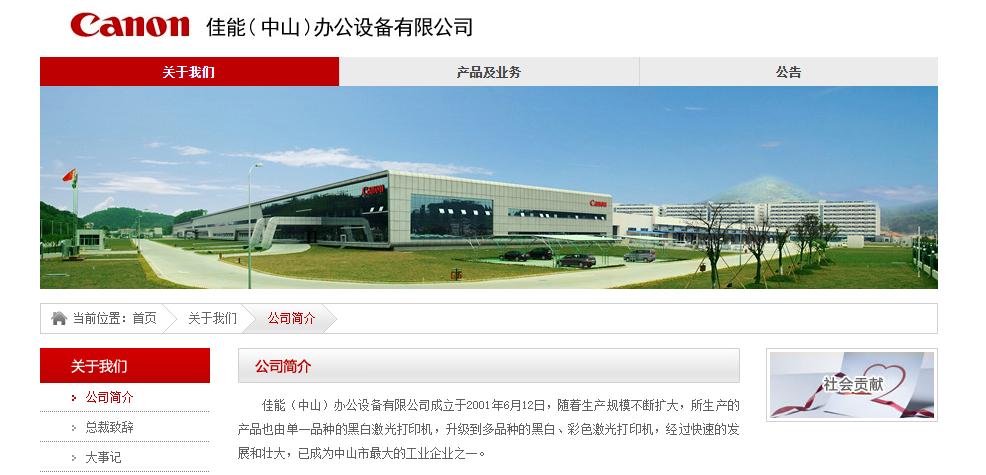
Core Viewpoint - Japanese companies are facing significant challenges in the Chinese market, leading to closures and exits from various sectors, but they are simultaneously increasing investments in high-end technology within China [1][9][23]. Group 1: Company Closures and Exits - Canon has closed its printer production base in Zhongshan, which was once a significant employment hub, producing millions of laser printers and generating nearly 3.2 billion in industrial output in 2022 [1][4]. - Nissan announced the closure of its Wuhan factory, which had a production capacity of 300,000 vehicles per year but struggled with low sales, achieving only 3% utilization [5]. - Mitsubishi has completely exited the Chinese automotive market after over 40 years, ceasing its joint engine project and halting vehicle production [5][7]. - Sony has officially withdrawn its Xperia smartphone business from China, and Yakult has closed its first factory in Guangzhou due to a significant drop in sales [6][7]. Group 2: Market Dynamics and Competition - The decline of Japanese brands in China is attributed to the rapid advancement of domestic brands, which have overtaken their Japanese counterparts in market share [9][11]. - Japanese companies have been slow to adapt to market changes, relying heavily on brand reputation and quality premiums, which have diminished due to various scandals [13][15]. - The market share of Japanese cars in China has dropped from nearly 25% in 2020 to 11.2% last year, while domestic brands dominate the appliance and electronics sectors [12]. Group 3: Strategic Shifts and Investments - Despite the closures, Japanese investment in China has surged, with a 55.5% year-on-year increase in the first three quarters of this year, indicating a strategic pivot towards high-end technology [17][23]. - Toyota has invested $2 billion to establish a wholly-owned electric vehicle company in Shanghai, marking a shift from joint ventures to direct investment in high-end technology [19]. - Panasonic is focusing on semiconductor packaging materials in Shanghai, reflecting a commitment to the Chinese market as a critical battleground for global electronics manufacturing [22]. Group 4: Future Outlook - The current situation represents a significant restructuring of Japanese companies in China, moving away from low-end production towards high-end sectors, indicating a fundamental strategic shift [23][24]. - Companies that can innovate and localize effectively are likely to thrive in the competitive Chinese market, which is seen as a global strategic high ground rather than just a low-cost manufacturing base [24][25].