
AI大模型

Search documents
中国队重夺IMO奥数冠军,6金双满分碾压全场,AI连铜牌都拿不到
机器之心· 2025-07-19 03:13
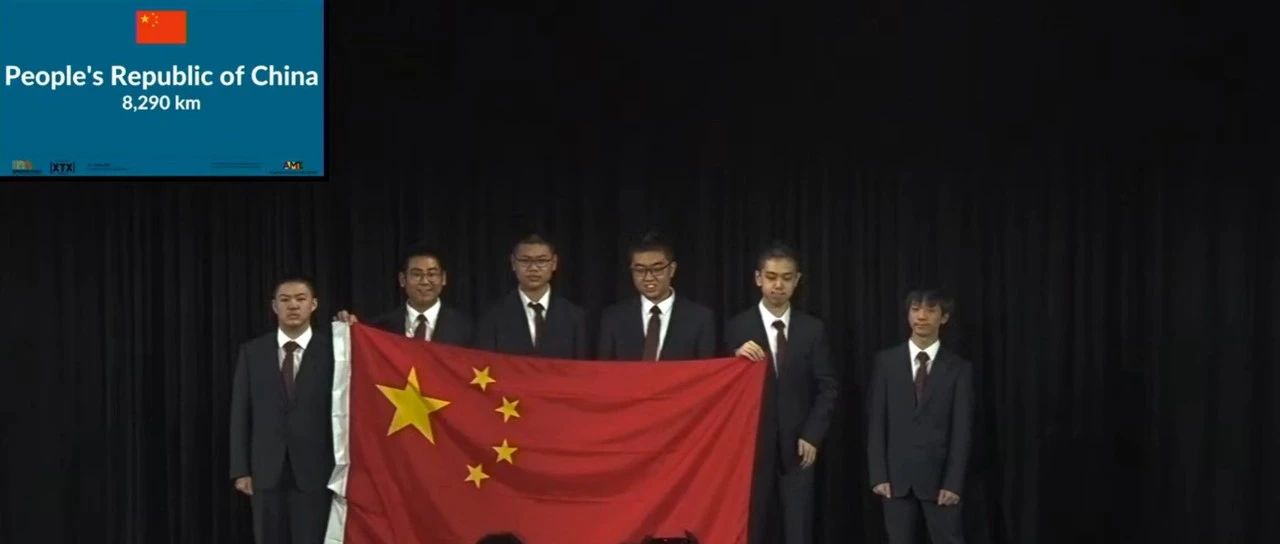
Group 1 - The core viewpoint of the article is the celebration of the Chinese team's victory at the International Mathematical Olympiad (IMO), where they achieved six gold medals and two perfect scores, reclaiming the championship title [1][2]. - The Chinese team scored a total of 231 points, achieving full marks in the first five problems and the highest score of 21 points in the sixth problem [2][17]. - The competition took place in Queensland, Australia, marking the 66th edition of the IMO, which has been held annually since its inception in 1959 [12][14]. Group 2 - The Chinese team consisted of six high school students, including two members, Deng Zheweng and Xu Qiming, who have been selected for the national team for two consecutive years [5][6]. - The previous year's champion, the United States team, secured five gold and one silver medal, finishing in second place [7]. - South Korea and Japan ranked third and fourth, respectively, with South Korea winning four gold and two silver medals, while Japan earned three gold, two silver, and one bronze [9]. Group 3 - The IMO typically consists of six problems over two days, with each day allowing participants to solve three problems within 4.5 hours [16]. - The scoring system awards gold medals for scores of 35 and above, silver for 28 and above, and bronze for 19 and above, with a total of 72 gold medals awarded this year, an increase of 19 from the previous year [17]. - The sixth problem was notably difficult, with only six participants worldwide solving it, resulting in five perfect scores [18].

链主企业闪耀链博会 创新引领勾勒产业链升级新蓝图
Zheng Quan Ri Bao· 2025-07-18 16:08
Core Insights - The third China International Supply Chain Promotion Expo (Chain Expo) is being held in Beijing, showcasing unique advantages of various industry chains and enhancing collaboration and communication across supply chains [1] - Leading enterprises in the supply chain are playing a pivotal role in guiding the exhibition, demonstrating their resource integration capabilities and technological advancements [2][3] Group 1: Industry Trends - The integration of supply chains with technological innovation and ecological collaboration is emphasized, with expectations for local innovation technologies to be accelerated through the expo [1] - The digital transformation of global supply chains is an unstoppable trend, with emerging technologies like AI, IoT, and blockchain being widely applied to enhance efficiency and transparency [6] Group 2: Company Highlights - TCL's subsidiary, Gekong Dongzhi Technology, showcased its industrial AI business and digital transformation practices, promoting its intelligent application platform across over 20 sectors [2] - Bosch highlighted its commitment to open cooperation and local manufacturing, aiming to build a robust and flexible smart mobility supply ecosystem [3] - Shenglong Electric shared new AI-integrated power distribution equipment and energy management systems, significantly reducing initial investment costs and long-term energy expenses [4][5] - Ninebot presented its latest electric scooters and service robots, emphasizing its collaboration with leading suppliers to enhance product performance through innovative solutions [5] Group 3: Global Collaboration - The expo serves as a platform for international enterprises to share cutting-edge technological achievements and deepen cross-regional and cross-industry cooperation [6] - Thai Tencel Group expressed its intention to strengthen partnerships with Chinese counterparts to drive high-quality industry development and empower global business [3]
自主创新提速、AI回归价值!腾讯云副总裁胡利明:金融科技迈入深度重构期
Zheng Quan Shi Bao Wang· 2025-07-18 14:30
Core Insights - The financial industry's digital transformation is entering a critical phase, with technological architecture innovation and intelligent application becoming key drivers of competitive advantage [1] - Self-innovation has become a "mandatory course" for financial IT infrastructure, with a clear focus on domestic production and intelligent upgrades [2] - The AI large model technology is shifting from exploratory phases to practical applications, emphasizing the need for quantifiable efficiency improvements in core business scenarios [4] Group 1: Digital Transformation and Technological Innovation - The financial sector is experiencing a significant shift towards cloud-native and distributed modular architectures for core system upgrades, driven by self-innovation [2] - The demand for domestic databases and cloud platforms is surging, particularly among securities and insurance firms, indicating a robust trend towards localized IT solutions [2] - The complexity of long-term operations and iterations in core systems is being addressed through microservices, which decouple functional modules and enhance agility [2] Group 2: Database Development and Market Dynamics - The number of domestic database vendors has decreased by over 60 in the past year, leading to a "stronger becomes stronger" dynamic in the market [3] - Financial institutions are increasingly opting for top-tier products that have undergone rigorous security assessments and large-scale business validations [3] Group 3: AI Applications in Finance - AI technologies, particularly large models, are fundamentally changing financial service models, with a notable increase in the accessibility of model applications due to the emergence of quality open-source models [4] - Current applications of AI in finance are focused on low-precision scenarios such as code assistance, customer service, and marketing content generation, with ongoing exploration in more complex areas like trading strategies and credit decisions [4] - Challenges such as model hallucination and resonance risks remain, with companies employing various engineering methods to mitigate these issues, although complete resolution is still a challenge [4]

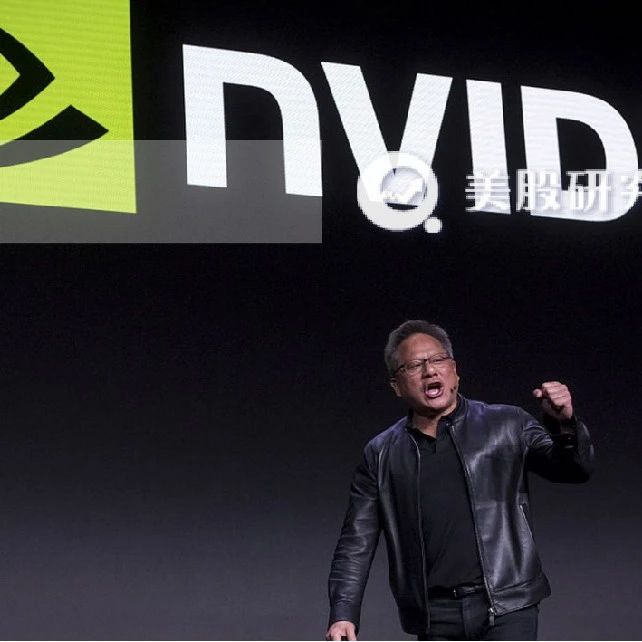
雷军黄仁勋12年后再同框,英伟达开启“中国生态2.0”战略
美股研究社· 2025-07-18 12:55
Core Viewpoint - A significant market battle worth billions is unfolding, highlighted by a recent meeting between Nvidia's CEO Jensen Huang and Xiaomi's CEO Lei Jun, marking a notable shift in the tech landscape over the past 12 years [1][4]. Group 1: Nvidia's Strategy in China - Nvidia's frequent visits to China in 2025 indicate a strategic focus on the Chinese market, especially after facing a $13.5 billion revenue loss due to U.S. export restrictions [5][4]. - The approval of H20 chip exports to China is a crucial development for Nvidia, allowing the company to resume sales and mitigate losses [5][4]. - Nvidia's new RTX Pro GPU is designed for AI applications and complies with U.S. export regulations, showcasing the company's adaptability [5][4]. Group 2: Transition from Hardware to AI Infrastructure - Nvidia is evolving from a hardware supplier to a provider of AI infrastructure, as evidenced by the introduction of the NVLink Fusion architecture, which enhances system design flexibility for cloud service providers [7][4]. - Huang's statement that "China has sufficient computing power" reflects Nvidia's shift towards becoming an ecosystem builder rather than a technology monopolist [7][4]. Group 3: AI Factories and Robotics - Nvidia's strategy includes establishing AI factories in China, which are expected to redefine data centers by focusing on AI computation rather than traditional data storage [11][4]. - The Chinese manufacturing sector, which accounts for about 30% of global manufacturing value, presents a significant opportunity for Nvidia's AI factory strategy [12][4]. Group 4: Humanoid Robots as a Future Industry - Huang identifies humanoid robots as a potential trillion-dollar industry, with China playing a critical role in commercialization due to lower manufacturing costs and strong supply chain capabilities [14][4]. - The Chinese government's support for humanoid robots as a disruptive technology further enhances the business environment for Nvidia [16][4]. Group 5: Strategic Partnership Between Nvidia and Xiaomi - The historical relationship between Nvidia and Xiaomi, marked by mutual respect and understanding, lays a foundation for future collaboration, especially in light of current geopolitical challenges [22][4]. - Both companies have transformed from hardware manufacturers to ecosystem builders, creating a complementary relationship that benefits both parties [22][4]. - Nvidia's collaboration with Xiaomi is seen as a pragmatic approach to balance political risks and commercial interests in the evolving tech landscape [22][4].


游戏行业全面回暖:长青产品筑底,控本定盈亏
2 1 Shi Ji Jing Ji Bao Dao· 2025-07-18 11:40
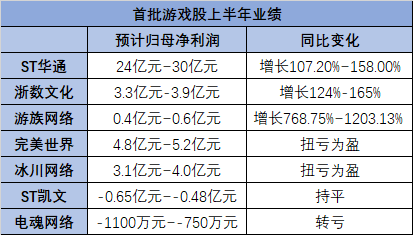
Core Viewpoint - The gaming industry in China is experiencing a significant recovery in the first half of the year, as evidenced by the performance forecasts of several A-share gaming companies, with many reporting substantial profit growth or turning losses into profits [1][2]. Financial Performance - ST华通 (Century Huatong) is expected to achieve a net profit of 2.4 billion to 3 billion yuan, representing a growth of 107.20% to 158.00% [2] - 浙数文化 (ZheShu Culture) anticipates a net profit of 330 million to 390 million yuan, with a growth of 124% to 165% [2] - 游族网络 (Youzu Network) forecasts a net profit of 40 million to 60 million yuan, marking an increase of 768.75% to 1203.13% [2] - 完美世界 (Perfect World) and 冰川网络 (Icefire Network) are expected to turn losses into profits, with 完美世界 projecting a profit of 480 million to 520 million yuan [2][6] - ST凯文 (ST Kevin) expects to maintain a loss level similar to last year, with a projected loss of 65 million to 48 million yuan [2] - 电魂网络 (Dianhun Network) anticipates a loss of 11 million to 7.5 million yuan, indicating a shift from profit to loss [2] Cost Control as a Key Factor - Cost control has emerged as a critical factor for gaming companies to avoid losses, with companies like 完美世界 and 冰川网络 attributing their turnaround to reduced investment in underperforming projects [1][4] - High distribution costs have made it challenging for gaming companies to maintain profitability [2][3] Market Environment - The number of game licenses issued in the first half of the year has significantly increased compared to last year, with the domestic mobile game market growing by 20% year-on-year [1][7] - The gaming market is characterized by intense competition, with a focus on product quality as a determinant of success [1][8] Long-term Products and New Releases - Long-standing products are crucial for the stability of gaming companies, providing a solid revenue base amid market growth [7] - New blockbuster games remain essential for driving rapid revenue growth, as seen with ST华通's new release, which has performed exceptionally well in the market [9][10] Industry Trends - The gaming industry is witnessing a recovery in market sentiment, with a notable increase in the issuance of domestic game licenses and the integration of AI technology enhancing operational efficiency [8] - The upcoming release of major titles from leading companies is expected to intensify market competition [10]






资金出手,加仓这类行业ETF
中国基金报· 2025-07-18 06:59
Core Viewpoint - The article highlights that on July 17, the A-share market experienced a significant inflow of funds into industry-themed ETFs, totaling 1.891 billion yuan, while broad-based ETFs faced substantial outflows [2][4]. Fund Flows - On July 17, the overall stock ETF (including cross-border ETFs) saw a net outflow exceeding 500 million yuan, with the latest scale reaching 3.69 trillion yuan. Industry-themed ETFs had a net inflow of 1.891 billion yuan, while broad-based ETFs experienced a net outflow of 4.048 billion yuan [4]. - The China Securities A500 Index ETF recorded the highest net outflow of 1.634 billion yuan on the same day. Over the past five days, the Hong Kong Securities Index saw inflows exceeding 3.1 billion yuan, and the Sci-Tech 50 Index saw inflows exceeding 3 billion yuan [4]. Leading Fund Companies - E Fund's ETF reached a latest scale of 662.94 billion yuan, with an increase of 4.73 billion yuan on July 17 and a total increase of 62.29 billion yuan since 2025, reflecting a net inflow of 14.76 billion yuan [4]. - On July 17, E Fund's Hong Kong Securities ETF and Sci-Tech 50 ETF each had a net inflow of 260 million yuan, while the Robotics ETF saw a net inflow of 20 million yuan, and the Hang Seng Dividend Low Volatility ETF had a net inflow of 90 million yuan [4]. Popular Thematic ETFs - The leading industry-themed ETFs attracting capital included the Securities ETF, Dividend Low Volatility ETF, and Photovoltaic ETF, while broad-based ETFs like the Sci-Tech 50 ETF and Shanghai-Shenzhen 300 ETF also saw significant inflows [5][6]. - The top three ETFs by net inflow on July 17 were: 1. Securities ETF: 561 million yuan 2. Dividend Low Volatility ETF: 514 million yuan 3. Photovoltaic ETF: 337 million yuan [7]. Outflows from Broad-based ETFs - The article notes that broad-based ETFs such as the ChiNext ETF, Sci-Tech 50 ETF, and Shanghai-Shenzhen 300 ETF were among the largest outflows, indicating a shift in investor sentiment [8]. - The report from Guotai Fund suggests that the current liquidity environment remains a key support factor for the A-share market, with expectations for domestic demand recovery as policies are implemented [8].

宝马合作Momenta,将推中国专属高阶辅助驾驶方案
news flash· 2025-07-18 05:32
Group 1 - BMW has partnered with Momenta to develop AI-based driving assistance software for various domestic models, including the new generation vehicles [1] - The driving assistance solution is specifically designed for the Chinese market, supporting full-scenario, point-to-point navigation assistance [1] - The future capabilities will include cross-city travel, enabling functions from parking out of a space, navigating through urban areas and highways, to parking into a destination [1] Group 2 - Previously, BMW's intelligent driving assistance systems had limited functionalities, lacking support for advanced features such as highway on/off ramps and traffic light navigation [1] - Momenta, established in 2016, is a Chinese autonomous driving company that has invested in mass production of driving assistance and autonomous robotaxi services [1] - Momenta has formed partnerships with over ten global automakers, with more than 100 mass-produced models [1]
三六零:三年多亏超40亿元、三大业务持续下滑 新能源车、元宇宙再到AI追着风口布局
Xin Lang Zheng Quan· 2025-07-17 09:36
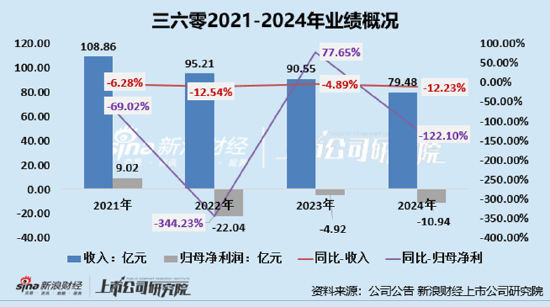
Core Viewpoint - The company 360 is facing significant financial challenges, with continuous revenue decline and increasing losses attributed to high sales expenses and unsuccessful investments in various technology sectors [1][5][12]. Financial Performance - 360 expects a net profit loss of 240 million to 320 million yuan for the first half of 2025, primarily due to increased sales expenses aimed at enhancing product promotion and market influence [5]. - The company has experienced a continuous revenue decline over the past six years, with revenues of 108.86 billion, 95.21 billion, 90.55 billion, and 79.48 billion yuan from 2021 to 2024, representing year-on-year declines of 6.28%, 12.54%, 4.89%, and 12.23% respectively [3][6]. - Cumulative net losses have exceeded 4 billion yuan over the past three and a half years since turning from profit to loss in 2022 [1][3]. Business Segments - The main business segments of 360 include internet advertising and services, smart hardware, security services, and internet value-added services, with internet advertising contributing over 50% of total revenue [6]. - In 2024, the revenue from internet advertising and services was 4.166 billion yuan (down 7.85%), smart hardware was 1.014 billion yuan (down 35.44%), and security services was 1.287 billion yuan (down 27.06%), while internet value-added services grew to 1.379 billion yuan (up 25.51%) [6][8]. Expense Trends - The company has seen an increase in expense ratios, with R&D expense ratio rising from 34.28% in 2023 to 40.29% in 2024, sales expense ratio increasing from 22.41% to 26.97%, and management expense ratio from 7.74% to 8.3% [8] Investment Strategy - 360 has been actively investing in various technology trends, including electric vehicles, the metaverse, and AI, but has faced challenges in realizing profitable returns from these investments [12][13]. - The company's investment in the electric vehicle company Hozon Auto has resulted in significant losses, with investment losses of 894 million yuan and 687 million yuan in 2022 and 2023 respectively [12]. - The launch of the "N World" metaverse platform has not achieved significant success due to a lack of foundational technology and ecosystem capabilities [12][13]. Market Position - Following its reverse merger in 2018, 360's stock price has experienced significant volatility, with a peak above 60 yuan per share, but has since declined to 10.87 yuan per share as of July 17, 2025, resulting in a market capitalization of only 76.1 billion yuan [10][12].

“数联万物智创未来”研讨会在昆明举行
Zhong Guo Fa Zhan Wang· 2025-07-17 09:13
Group 1 - The conference titled "Data-Driven Industrial Upgrade and Innovation Practice Seminar" was held in Kunming, focusing on activating traditional industries through data elements [1] - The event was organized by various institutions including Yunnan Provincial Business Association and Tsinghua University, with participation from multiple companies [1] - Keynote speeches highlighted the importance of data elements in industrial upgrades and the strategic planning for developing the data industry in Yunnan [2] Group 2 - Notable presentations included topics on digital transformation, AI's impact on enterprise competitiveness, and the role of data consulting in enhancing industrial competitiveness [2] - The conference featured a launch of a training program for cultivating composite data talents, and strategic cooperation agreements were signed between companies [3] - A project promotion and investment negotiation session attracted over 30 companies, facilitating effective project and funding connections [3]

曙光数创:亮相亚洲数据中心峰会 液冷技术与服务理念成重点
Zheng Quan Shi Bao Wang· 2025-07-17 06:27
Core Insights - The 2025 Asia Data Center Summit and Exhibition in Hong Kong highlighted the importance of liquid cooling technology, with Shuguang Data's innovative solutions gaining significant attention [1][2] - The demand for computing power is increasing due to advancements in AI models and high-density computing, with global data center installed capacity reaching 46 GW in 2023 and expected to grow to 87 GW by 2027 [1][2] - Traditional air cooling methods are facing challenges in meeting the performance, energy efficiency, and reliability needs of future data centers, leading to a shift towards liquid cooling solutions [1][2] Industry Trends - Liquid cooling technology offers superior thermal conductivity compared to air cooling, enabling greater computing power deployment in the same space while significantly reducing energy consumption of auxiliary equipment [2] - The value of liquid cooling is evolving from merely efficient heat dissipation to becoming a strategic support for overall data center operations [2] - Despite its advantages, the implementation of liquid cooling faces challenges such as server selection mismatches, lack of industry standards, and conflicts with traditional HVAC concepts [2] Company Developments - Shuguang Data has established a comprehensive one-stop delivery system that covers the entire lifecycle of liquid cooling data centers, addressing challenges from planning and design to operation and maintenance [2] - The company has developed the SLiquid intelligent operation and maintenance platform, transitioning from manual operations to intelligent monitoring, enhancing system stability and management efficiency [2] - With over a decade of experience in liquid cooling technology, Shuguang Data has positioned itself as a leader in the field, moving from concept validation to large-scale application [3]