中美贸易战

Search documents
美国大豆滞销,特朗普催促中国下单,我们精准砸掉他的基本盘
Sou Hu Cai Jing· 2025-08-18 13:30
Core Viewpoint - The recent U.S.-China trade dynamics, particularly regarding soybean exports, reveal deep-rooted challenges in U.S. agricultural exports, with China shifting its sourcing strategy away from U.S. soybeans due to tariffs and market conditions [1][3][5]. Group 1: U.S. Soybean Export Challenges - Approximately 50% of U.S. soybean production relies on exports, with China historically accounting for 60% of these exports [3]. - U.S. soybean prices have plummeted to a five-year low due to significant unsold inventory, highlighting the impact of political pressure on market dynamics [3][5]. - The U.S. soybean market share in China has drastically decreased from 60% to 21%, indicating a significant loss of market presence [7]. Group 2: China's Strategic Response - China has developed a procurement strategy focused on South American soybeans, with 71% of its soybean imports in 2024 expected to come from Brazil [5][12]. - Advanced gene sequencing technology has been implemented by China to prevent the import of U.S. soybeans disguised as South American products, ensuring traceability and authenticity [10][12]. - China's investments in South American infrastructure have improved the efficiency of soybean imports, further diminishing the competitiveness of U.S. soybeans [14]. Group 3: Political and Economic Implications - The U.S. agricultural sector, particularly soybean farmers, faces severe financial distress due to the ongoing trade war, with losses exceeding $270 billion since 2018 [18][20]. - Trump's trade policies have not only failed to reduce the trade deficit but have also exposed vulnerabilities in U.S. agriculture, leading to a potential permanent loss of the Chinese market [20][23]. - The contrasting economic strategies of China and the U.S. highlight a fundamental clash, with China focusing on market-driven supply chains while the U.S. attempts to leverage political pressure [22].

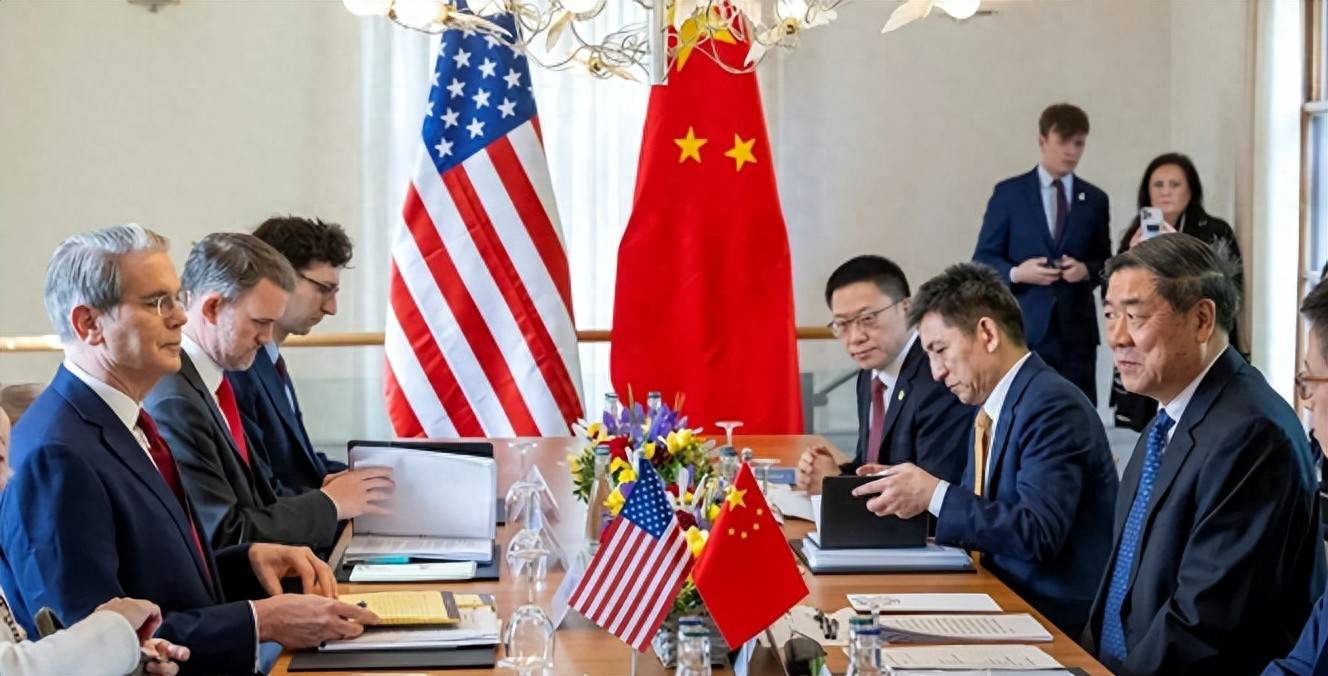
中美谈崩的结果,美国承担不起,美财长还是不甘心,7字定位中国
Sou Hu Cai Jing· 2025-08-18 04:07
Core Points - The recent extension of the "truce period" between China and the U.S. indicates a temporary halt in escalating trade tensions, with tariffs on each other's goods remaining suspended for an additional 90 days until November 10 [1][3] - The U.S. Secretary of the Treasury, Mnuchin, acknowledged that the U.S. has limited leverage in negotiations with China, particularly regarding energy purchases from Iran and Russia, which China firmly rejected [3] - China's control over rare earth resources serves as a significant bargaining chip, compelling the U.S. to seek negotiations after facing challenges from China's export restrictions [5] - The U.S. is exploring alternative partnerships in the rare earth sector, particularly with Myanmar, to reduce dependency on China, although achieving this in the short term is unlikely due to China's dominance in rare earth processing [5] - Mnuchin's characterization of China as the "greatest competitor" reflects the ongoing strategic rivalry, suggesting that the U.S. will continue to pursue measures against China despite the current truce [7]

历史性突破!香港市场单只ETF首次突破100亿份
Zhong Guo Ji Jin Bao· 2025-08-18 00:20
Group 1 - The Hong Kong ETF market has seen significant growth, with the Southern Eastern Hong Kong Hang Seng Technology Index ETF reaching 10.219 billion shares, making it the first ETF in Hong Kong to exceed 10 billion shares issued [1][2] - The popularity of ETFs among mainland Chinese investors has increased, driven by the "Northbound capital" flow, making ETFs a favored tool for investment in the Hong Kong market [2][3] - Various ETFs and leveraged products have surpassed 1 billion shares, including the Yingfu Fund at 6.138 billion shares and the Southern Eastern Hang Seng Technology Index Daily Inverse (-2x) product at 3.541 billion shares [2] Group 2 - Hong Kong is actively introducing high-quality products from other markets, such as the Hang Seng Morgan U.S. Equity High Income Active ETF, which is the first actively managed ETF focused on U.S. stock income in Hong Kong [3] - The demand for defensive investments has increased due to economic uncertainties, prompting the launch of more diversified investment options like high-yield U.S. dollar assets [3] - Analysts predict a continued bullish trend in the Hong Kong stock market, supported by strong liquidity and potential interest rate cuts by the Federal Reserve [3][4] Group 3 - The Asia-Pacific ETF market is rapidly developing, with China expected to surpass Japan as the largest ETF market in the region by the end of the year [6] - As of mid-August 2025, the number of stock ETFs in mainland China reached 1,173, with a total scale of 3.87 trillion yuan [6] - The Hong Kong market has seen the launch of its first ETF exceeding 10 billion shares, while over 40 stock ETFs in mainland China have also surpassed this threshold [6] Group 4 - The overall market conditions are favorable for ETF growth, with domestic policies supporting capital markets and a stable economic recovery [7] - The Japanese ETF market has shown resilience and growth, with total assets under management increasing by 13.2% from the previous year [7] - In Taiwan, the active ETF market is expanding rapidly, with several issuers launching new products this year [7] Group 5 - Global ETF development is characterized by three major trends: the expansion of actively managed ETFs, the introduction of digital asset strategies, and regulatory changes encouraging ETF adoption [8] - There are currently 68 investment managers applying to launch actively managed ETFs in the U.S., indicating strong interest in this segment [8] - The Bitcoin ETF by BlackRock has attracted significant investment, with its latest scale exceeding 80 billion dollars [8]
豆粕:8月USDA报告利多,期价重心上移,豆一,盘面反弹震荡
Guo Tai Jun An Qi Huo· 2025-08-17 12:30
Report Investment Rating No information provided. Core View - Last week (08.11 - 08.15), the price of US soybean futures mainly rose due to the hope of increased exports to China and the positive 8 - month USDA report. The price of domestic soybean meal futures fluctuated and increased, and the price of soybean No.1 futures fluctuated. Next week (08.18 - 08.22), it is expected that the center of the Dalian soybean meal futures price will move up, and the soybean No.1 futures price will rebound and fluctuate [2][5]. Summary by Related Content 1. Futures Price Performance - **US Futures**: In the week of August 15, the main November contract of US soybeans had a weekly increase of 5.7%, and the main December contract of US soybean meal had a weekly increase of 3.26% [2]. - **Domestic Futures**: In the week of August 15, the main m2601 contract of domestic soybean meal had a weekly increase of 1.39%, and the main a2511 contract of soybean No.1 had a weekly decrease of 0.83% [2]. 2. International Soybean Market Fundamentals - **Sales and Shipment**: In the week of August 7, the weekly net sales of US soybeans decreased compared to the previous week and were at the lower end of expectations. The 2024/25 annual US soybean export shipment decreased by about 23% week - on - week, and the cumulative export shipment increased by about 13% year - on - year. The shipment to China was 0, and the cumulative shipment to China was about 2248 tons (about 2397 tons in the same period last year) [2]. - **Soybean Goodness Rate**: As of the week of August 11, the goodness rate of US soybeans was 68%, a week - on - week decrease and in line with expectations [2]. - **USDA Report**: The August USDA supply - demand report was positive, lowering the ending stocks and inventory - to - consumption ratios of global and US soybeans in 2025/26 [2][3]. - **Brazilian Soybeans**: As of the week of August 15, the average CNF premium of Brazilian soybeans for October - November delivery increased week - on - week, the average import cost increased week - on - week, and the average crushing profit decreased week - on - week [3]. - **Weather Forecast**: From August 17 to August 30, the main US soybean - producing areas will have less precipitation and temperatures will be "high first and then low", with a neutral impact [3]. 3. Domestic Soybean Meal Spot Situation - **Transaction**: As of the week of August 15, the average daily trading volume of soybean meal in mainstream domestic oil mills was about 100,000 tons, a week - on - week decrease [3]. - **Pick - up**: As of the week of August 15, the average daily pick - up volume of soybean meal in major oil mills was about 188,000 tons, flat compared to the previous week [3]. - **Basis**: As of the week of August 15, the average weekly basis of soybean meal (Zhangjiagang) was about - 96 yuan/ton, a week - on - week increase [3]. - **Inventory**: As of the week of August 8, the inventory of soybean meal in mainstream domestic oil mills was about 860,000 tons, a week - on - week decrease of 68% and a year - on - year decrease of about 36% [3]. - **Crushing**: As of the week of August 15, the weekly soybean crushing volume in domestic oil mills was about 2.34 million tons, a week - on - week increase. It is expected to reach about 2.4 million tons next week [3]. 4. Domestic Soybean No.1 Spot Situation - **Price**: The soybean prices in the Northeast production area and some areas in the interior remained stable compared to the previous week, and the sales prices in the sales areas were also flat [4]. - **New Bean Growth**: The growth of new soybeans in the Northeast production area is good, maintaining the annual production expectation [4]. - **Auction**: The auctions of state - owned and provincial - owned soybeans continued. The state - owned auctions had partial transactions, the Heilongjiang provincial - owned auction failed, and the Jilin provincial - owned auction had a transaction rate of about 68% [4]. - **Demand**: The demand in the sales areas is dull, and it is necessary to pay attention to whether the start of school in September will boost the demand [4].
贸易战再升级?8月17日,下周或将继续展开上涨走势
Sou Hu Cai Jing· 2025-08-16 18:47
Group 1 - The U.S. is set to impose tariffs on imported chips and semiconductors, potentially at rates of 200% to 300%, which has caused significant declines in semiconductor stocks such as Kioxia (down over 7%), Micron Technology (down nearly 5%), and Semtech (down over 4%) [1] - The Federal Reserve is concerned about the inflationary impact of these tariffs, which could complicate its monetary policy and potentially lead to interest rate hikes if inflation rises again [1] Group 2 - The A-share market has shown strong performance with over 4600 stocks advancing, driven by the financial and technology sectors, particularly the brokerage firms, indicating sustained market momentum [5] - The market has experienced two consecutive days of trading volumes exceeding 2 trillion, suggesting a bullish trend that may continue into the following week [5][7] - The phenomenon of "scarcity buying" is noted, where stocks that rise quickly attract more attention and buying interest, contributing to a potential bull market [7]
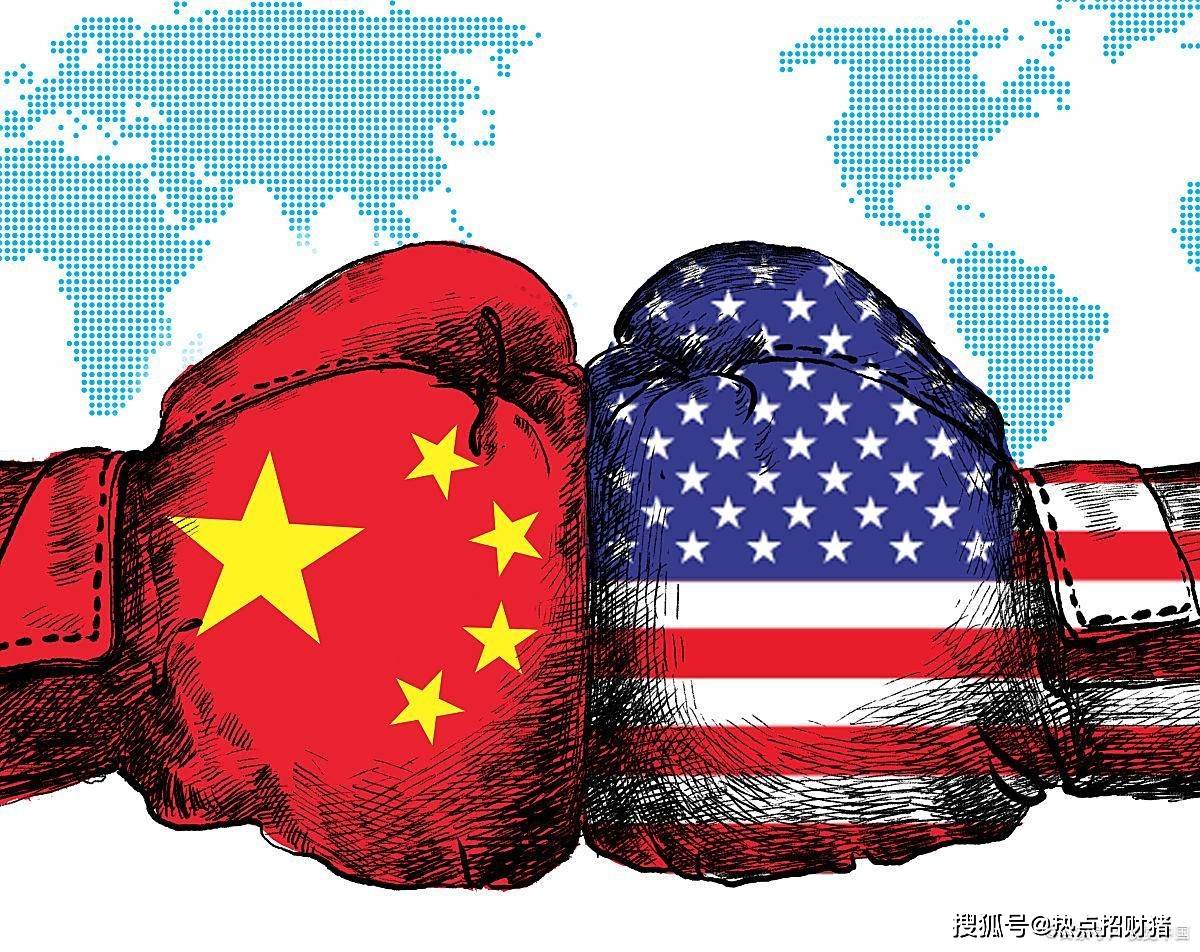
马斯克预言成真,美国创下一个首次,特朗普求见,中国反而不急了
Sou Hu Cai Jing· 2025-08-16 12:10
Group 1 - The total U.S. national debt has surpassed $37 trillion for the first time, indicating a significant fiscal crisis and increasing taxpayer burden, equating to nearly 800,000 RMB per American citizen based on a population of 342 million [1][2] - Continuous borrowing is expected to raise interest rates, increasing financing costs for households and businesses, and diverting funds from other government priorities, creating a vicious cycle of debt [2] - The growth rate of U.S. debt is accelerating, with an increase of $1 trillion approximately every five months, raising concerns about the sustainability of this trend and potential loss of international confidence in U.S. debt [2][5] Group 2 - The Trump administration's "big and beautiful" tax cuts have contributed to the rising debt levels, extending tax reductions for individuals and corporations while increasing defense spending and cutting green energy incentives [2][5] - Long-term fiscal deficits, rigid welfare spending, and reliance on low-interest borrowing are fundamental reasons for the soaring U.S. debt, exacerbated by stimulus measures during the financial crisis and COVID-19 pandemic [5] - The trade war with China has also added to the financial burden, with U.S. companies bearing 64% of tariff costs and consumers expected to shoulder 67% in the future, highlighting the economic impact of trade policies [7]
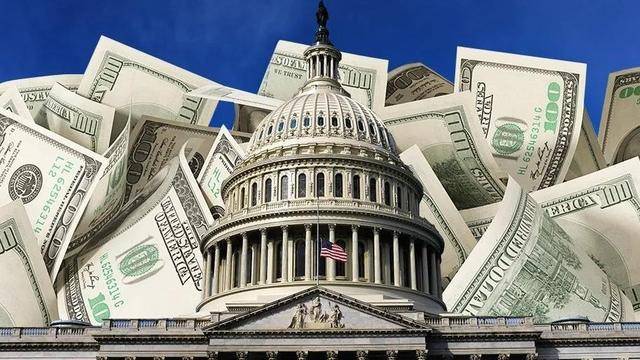
美方试探与中国打关税战,贝森特在G7会议上尴尬碰壁,欧洲领导人选择集体沉默!
Sou Hu Cai Jing· 2025-08-16 03:55
Group 1 - The ongoing dynamics of the US-China trade war continue to attract global attention, with a superficial 90-day "truce" masking underlying tensions [1] - US Treasury Secretary Mnuchin's proposal for a 200% secondary tariff on China at the G7 meeting was met with silence from other leaders, indicating a lack of support for aggressive tariff policies [1] - European countries, including Germany, Italy, and Japan, are closely tied to China's supply chains, leading to reluctance in supporting US measures against China [1] Group 2 - European nations are cautious about becoming collateral damage in the US-China trade war, having already experienced economic losses, particularly in agriculture and manufacturing [3] - China's countermeasures against US and European sanctions have been strategic, targeting specific European banks to convey the potential consequences of siding with the US [3] - The anticipated trade volume between China and Europe is projected to exceed 700 billion euros in 2024, with Germany's annual car sales in China reaching 2 million units, highlighting the economic interdependence [5] Group 3 - The US faces a strategic dilemma, balancing its hardline stance against China with the fragile state of its economic recovery, as tariffs have led to increased consumer prices [5] - The silence from European nations regarding the proposed 200% tariffs reflects their complex economic interests and a shift towards seeking a balance between the US and China [5] - The evolving relationship among China, the US, and Europe suggests a move towards multilateralism, with Europe unlikely to fully align with the US but instead aiming to maximize its own interests [7]
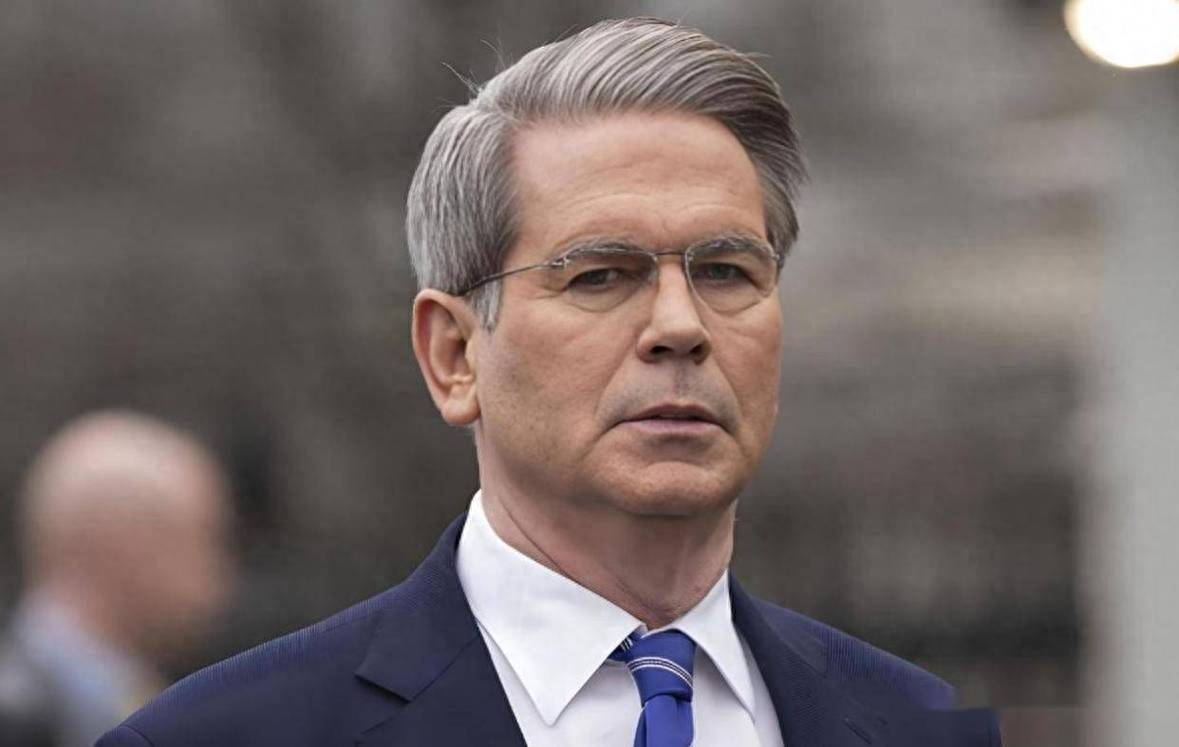
特朗普低头寻求中国帮忙,疯狂增加美国大豆订单,农业压力下的无奈抉择!
Sou Hu Cai Jing· 2025-08-13 05:39
Group 1 - Trump's call for China to increase soybean orders by four times highlights the complexities of U.S. agriculture and political dynamics, reflecting a desperate plea for support from China [1] - Since the onset of the U.S.-China trade war in 2018, U.S. agricultural exports, particularly soybeans, have significantly declined, contradicting the initial intent of Trump's tariff policies aimed at protecting American farmers [1][3] - Data shows that China's soybean purchases from the U.S. fluctuated dramatically, with a surge before tariffs were implemented, followed by a near-zero purchase rate post-implementation, causing significant distress for American farmers [1] Group 2 - Trump's "white flag" stance indicates his anxiety and the awkward position of the U.S. in the global market, as other countries like Brazil and Argentina have filled the void left by U.S. soybean exports to China [3] - The initial goal of Trump's tariffs was to compel China to make concessions in trade; however, China has successfully adjusted its supply chain and established strong partnerships with South American countries [3][5] - Trump's social media statements attempt to convey sincerity, but his inconsistent attitude raises doubts about the reliability of U.S. commitments, making China hesitant to engage in new agreements [3][5] Group 3 - The restructuring of the global soybean market has diminished U.S. negotiating power, as China is not easily coerced and can quickly adapt to alternative suppliers [5] - With midterm elections approaching, Trump faces pressure to demonstrate his ability to resolve the agricultural crisis, or risk losing support from farmers to other candidates [5] - The relationship between the U.S. and China has evolved beyond mere trade, with ideological divides complicating potential resolutions, as Trump's approach reflects internal struggles within the U.S. [5][7] Group 4 - Trump's urgent call for increased soybean orders signifies a recognition of China's growing economic and military competitiveness, suggesting a potential shift in U.S. strategy towards a more flexible approach in future relations [7] - This situation prompts a critical reflection on the future direction of U.S. policy, weighing short-term trade war gains against the benefits of open cooperation with China [7]
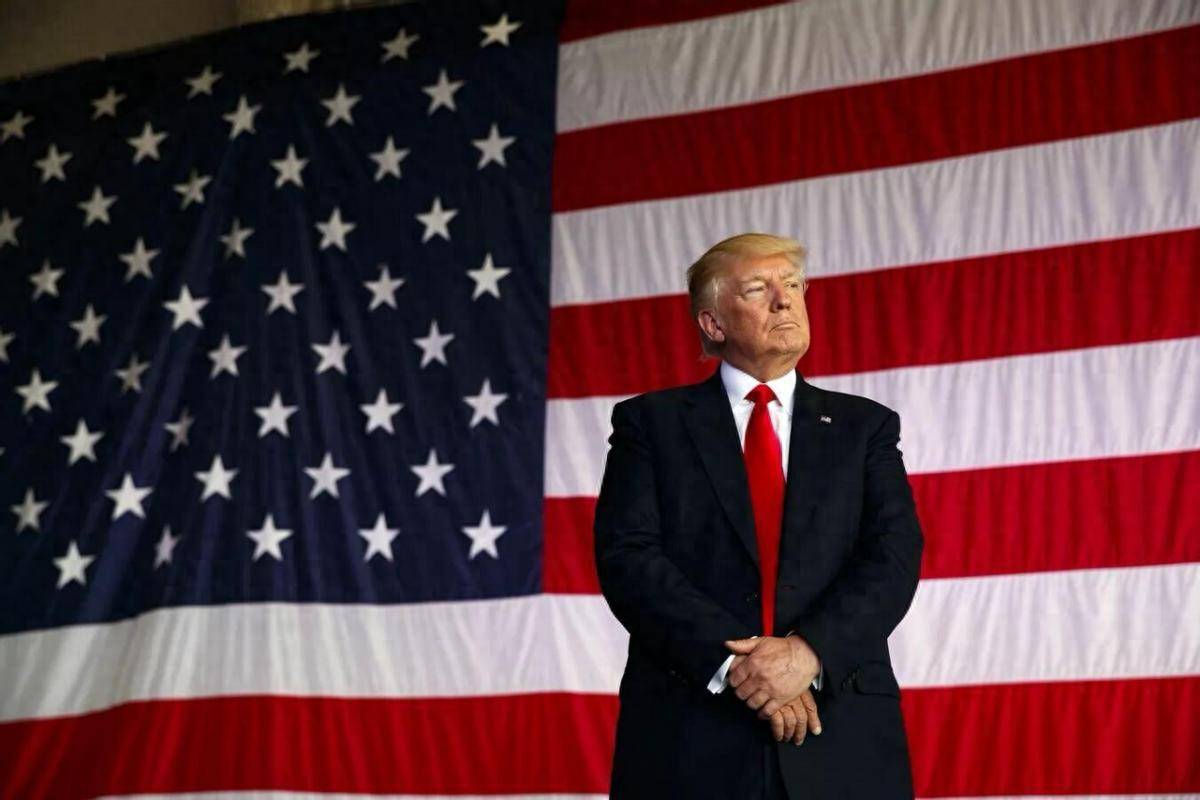
美国没办法了,延长对华关税90天,财长承认:中国比前苏联更难应对
Sou Hu Cai Jing· 2025-08-13 00:30
美国媒体也很快给出了答案。 特朗普退了一步。 不情愿,但还是退了。 在和中国拉扯了整整15天的经贸谈判之后,用尽了各种施压手段却换不到预期结果的特朗普,突然宣布——对华关税豁免再延长90天,到11月10日。 这意味着,两国的10%关税互征区间再维持三个月,暂时停火。 只不过,这不是特朗普想送的"礼物",而是被逼的。 贝森特的潜台词很清楚:美国的霸权能维持几十年,靠的是先在经济上拖垮苏联,再用金融和市场规则限制日本。但中国既不想走美国设定的路,也有足够 的实力避免被掐脖子。 这让华盛顿感到了全方位的威胁。 美中贸易委员会会长肖恩·斯坦直接点破:美国的农业和能源出口,被中国的反制卡了脖子。手里的筹码不够,硬杠只会自伤,美国政府只能先退一步,希 望用妥协换取协议。 如果说这是经济学家的温和解释,那么前美国贸易代表助理里德的说法就更直白:经过三个月针锋相对,美国发现自己在贸易战里并没占到便宜。中国很快 适应了特朗普的套路,还摸清了他的底线。 这下麻烦了——因为特朗普原本赌的,就是中国会先扛不住。 美国国内的情况,也逼着他停下来。关税战打了四个月,成本正加速传导到本土市场。 美国400个行业里,有一半已经开始裁员,居民 ...
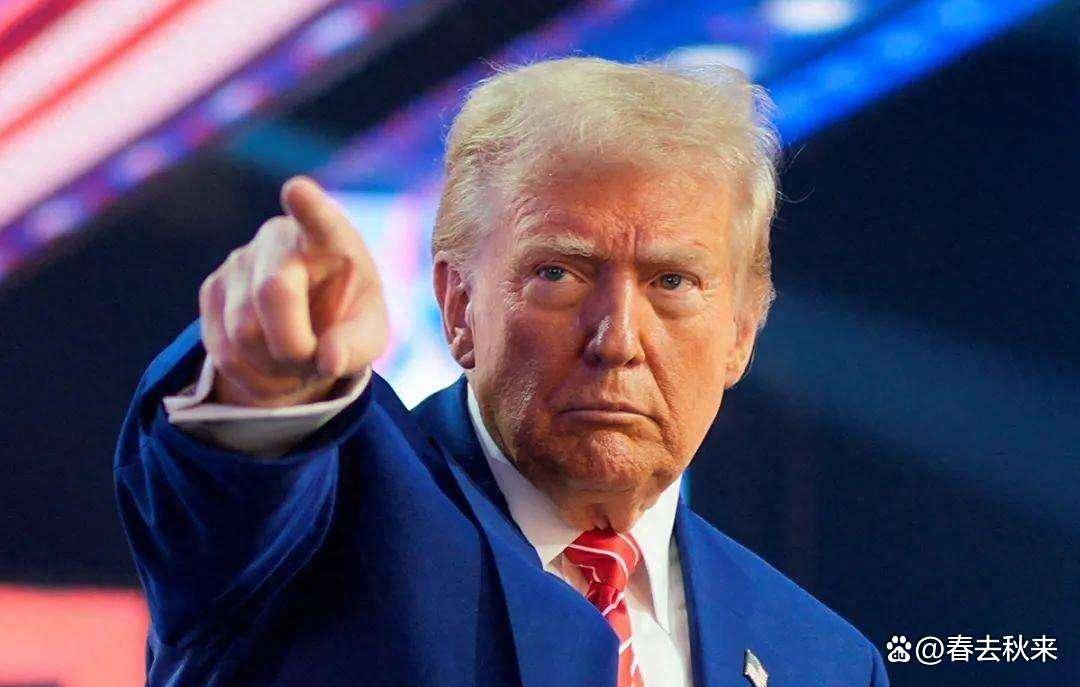
特朗普做出最大让步,只要中俄肯点头,乌克兰领土和关税都好谈?
Sou Hu Cai Jing· 2025-08-12 17:56
Group 1 - The core viewpoint of the articles indicates that President Trump is attempting to negotiate with Russia regarding the Ukraine issue, but his approach appears to be more about posturing than actual strength, suggesting a potential window for de-escalation [1][3][5] - The upcoming meeting between Trump and Putin on August 15, 2025, marks the first face-to-face encounter in six years, highlighting a shift in Trump's strategy towards a more conciliatory approach [1][3] - Trump's recent actions, including the postponement of tariffs on Chinese goods for 90 days, reflect a broader trend of seeking negotiation rather than confrontation, indicating a willingness to compromise [3][5] Group 2 - The articles emphasize that the ongoing negotiations regarding the Ukraine conflict have largely sidelined Ukraine itself, with President Zelensky asserting that any talks without Ukrainian involvement are ineffective [7][9] - There is skepticism regarding the effectiveness of the upcoming Trump-Putin meeting, as it is perceived more as a platform for Trump to enhance his personal standing rather than a genuine effort to resolve the conflict [9][12] - The narrative suggests that the U.S. is not genuinely interested in resolving the Ukraine conflict but rather using it as a means to exert pressure and potentially profit from the situation [12]