数字化管理

Search documents
德冠新材(001378) - 投资者关系活动记录表
2025-05-27 11:26
Group 1: Financial Performance - In Q1 2025, the company achieved revenue of 354 million CNY, a year-on-year decrease of 3.23% [8] - The net profit attributable to shareholders was 22.11 million CNY, down 15.39% year-on-year, due to insufficient terminal consumer demand and intensified industry competition [8] - The company plans to enhance operational resilience and focus on internal growth to counteract industry cycles [12] Group 2: Product Development and Innovation - The company is focusing on product innovation and management mechanisms to enhance core competitiveness [10] - New products are in mid-batch expansion stages, with applications in consumer electronics, sanitary materials, and instant tea markets [7] - The company aims to optimize product structure and enhance profitability through continuous product iteration and innovation [12] Group 3: Market Expansion Strategies - The company plans to expand market share by targeting specific markets and customizing marketing strategies based on market conditions and customer needs [5] - Current primary markets include South China and East China, with international coverage in East Asia, the Middle East, Latin America, and Southeast Asia [9] - Future plans include exploring new market fields while maintaining a stable operational strategy [9] Group 4: Corporate Governance and Compliance - The company adheres to legal regulations and has established a robust corporate governance structure to prevent corruption [14] - Regular internal audits and compliance training are conducted to ensure adherence to laws and regulations [14] - The company has implemented a whistleblower mechanism to report any misconduct [14] Group 5: Future Outlook and Goals - The 2025 work theme is "Renew and Grow Resiliently," with ten key operational goals aimed at achieving year-on-year growth in all business indicators [12] - The company plans to enhance product quality and increase production efficiency while ensuring safety in operations [12] - The company anticipates a recovery in the domestic consumption market, which will positively impact the BOPP industry [14]
诺 普 信(002215) - 深圳诺普信作物科学股份有限公司投资者关系活动记录表
2025-05-27 02:02
Group 1: Operational Performance - The 2024-2025 season focused on blueberry quality, significantly reducing damage rates and enhancing cooperation with key accounts like Hema and JD [1] - Export business has seen success, particularly in Southeast Asia, with new markets opened in Singapore and Japan [1] - The company aims to improve brand building, deepen KA cooperation, and optimize cost control for the upcoming season [1] Group 2: Product Development and Market Strategy - The company has a strategic layout for the entire value chain, including juice products, to complement fresh blueberry sales [2] - Plans to explore health drink markets, such as blueberry smoothies and juices, are in consideration due to rising consumer demand [3] - The company is focused on building a single crop industry chain around blueberries, aligning with modern consumer needs [3] Group 3: Industry Trends and Challenges - The blueberry industry is expected to face cyclical supply and demand challenges, influenced by land constraints and technological advancements [4] - The company emphasizes the importance of technological innovation to maintain competitive advantages in a rapidly growing market [4] Group 4: Financial Performance and Shareholder Returns - The company has distributed a total cash dividend of 650 million yuan over the past three years, representing 56.84% of the net profit during that period [4] - The market capitalization at the end of the trading day was 11.268 billion yuan, reflecting the significant role of the blueberry sector in the company's overall performance [4] Group 5: Digital Transformation and Supply Chain Management - The company has made progress in digital management, applying it to blueberry cultivation and post-harvest operations [5] - Efforts are underway to ensure year-round blueberry supply through seasonal management and technological breakthroughs [5] Group 6: Future Outlook and Strategic Focus - The company aims to enhance its operational efficiency and effectiveness in the blueberry industry, focusing on quality improvement and brand management [6] - Future growth points include expanding KA partnerships and leveraging technology for smarter agricultural practices [6]

强化产融协同能力 中联重科拟收购北京租赁81%股权
Jing Ji Guan Cha Wang· 2025-05-21 21:18
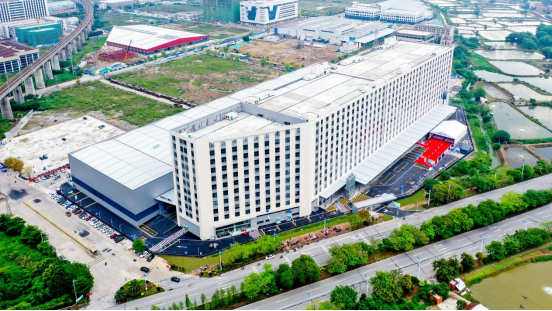
Core Viewpoint - Zoomlion Heavy Industry Science and Technology Co., Ltd. plans to acquire 81% equity in Beijing Leasing through public bidding, increasing its ownership from 19% to 100%, thereby making Beijing Leasing a wholly-owned subsidiary [1][3]. Group 1: Company Overview - Zoomlion Heavy Industry announced the board's approval for the acquisition of Beijing Leasing's equity, with a voting outcome of 6 in favor, 0 against, and 1 abstention [1]. - The acquisition involves purchasing 45% and 36% stakes from Hunan Xingxiang Investment Holding Group and Hunan Dize Investment Co., Ltd. at respective base prices of 904.05 million yuan and 723.24 million yuan [1][3]. - Beijing Leasing was established in 2002 and has undergone ownership changes, becoming a wholly-owned subsidiary of Zoomlion in 2009 before divesting portions of its equity in 2021 [1]. Group 2: Financial Data - As of the end of 2024, Hunan Xingxiang Group reported total assets of 1,045.32 billion yuan and net assets of 576.43 billion yuan, with an audited revenue of 130.10 billion yuan and a net profit of 18.42 billion yuan for the year [2]. - The net asset valuation of Beijing Leasing for the equity transfer is assessed at 2,009.002 million yuan, with the 45% and 36% stakes valued at approximately 904.05 million yuan and 723.24 million yuan, respectively [3]. Group 3: Strategic Rationale - The acquisition is aimed at enhancing the synergy between production and finance, allowing for a comprehensive solution that integrates equipment and services, thereby improving competitive capabilities [3]. - It supports the company's digital management strategy, enabling an upgrade in business management models and the development of a data-driven decision-making framework [3]. - The transaction is expected to reduce related party transactions, as Beijing Leasing primarily engages in financing leasing for Zoomlion's tower cranes [4].
阿米巴经营(华典智慧)如何实现多维融合与实践路径探寻
Sou Hu Cai Jing· 2025-05-21 06:36
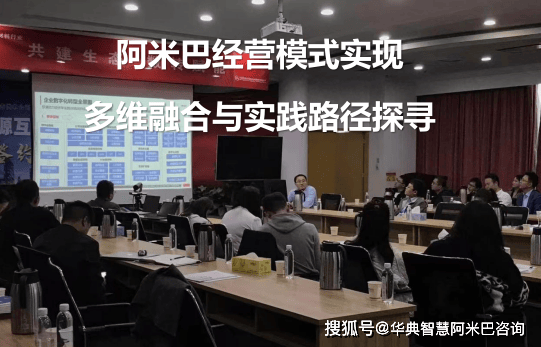
Core Viewpoint - The application of the Amoeba management model in Chinese enterprises has garnered significant attention, with ongoing discussions reflecting both praise and criticism. The article aims to analyze the internal logic of the Amoeba model's localization practice in China through various dimensions [1]. Group 1: Integration of Organizational Structure and Management Philosophy - The Amoeba management model emphasizes a "trinity" structure of "management philosophy + Amoeba organization + management accounting system." In Chinese enterprise practice, this model has been endowed with new connotations, such as the multi-level partnership system implemented by Zhongke Jincai, which combines Amoeba management with internal responsibility systems, achieving a high degree of alignment between employee and corporate interests [3]. - Companies are also focusing on integrating the philosophy of Amoeba management with traditional Chinese culture and modern management concepts, creating a management model with Chinese characteristics [3]. Group 2: Integration of Digitalization and the Amoeba Model - With the development of big data and digital technologies, the Amoeba management model has deeply integrated with digitalization in Chinese enterprises. For instance, China Petroleum has built an Amoeba management dashboard using big data technology, achieving the integration of financial and operational data to provide precise market insights and marketing pathways [4]. - Fujian Sales Company utilizes big data to monitor operational data in real-time, providing decision support for team management and achieving data-driven refined management [4]. Group 3: Integration of Party Building and the Amoeba Model - In state-owned enterprises, the Amoeba management model has been combined with party building efforts, resulting in a unique "Party Building + Amoeba" model. For example, Shanghai Sales Company has integrated party building with the Amoeba management through a "Party branch + joint team + management" approach, enhancing employee cohesion and combat effectiveness [5]. - The practice of the Amoeba management model in China indicates that its core concepts align closely with modern management needs. Through the integration of organizational structure, digital technology, and party culture, Chinese enterprises have explored an Amoeba model suitable for their development [5]. Group 4: Characteristics and Future of the Amoeba Model - The Amoeba management model emphasizes full participation, independent accounting, and flexibility, empowering frontline employees with greater operational authority, thereby stimulating their initiative and creativity. This management model can effectively reduce operational costs and enhance employee engagement while cultivating leaders with a business mindset [5]. - The application of the Kyocera Amoeba management model in other enterprises often leads to modifications, but the core elements of independent accounting and autonomous management remain unchanged. Different enterprises will adopt various methods for defining Amoeba units and accounting based on their operational goals and business characteristics, resulting in distinct Amoeba management models [6]. - It is anticipated that over time, more enterprises will discover Amoeba management models that suit their development, bringing new vitality and opportunities [6].

古茗狂飙突进:年营收破200亿,揭秘其成功上市背后的供应链与下沉市场战略
Sou Hu Cai Jing· 2025-05-20 08:22
Core Insights - Gu Ming has successfully transformed from an unknown brand to an industry leader in the competitive new tea beverage market, achieving significant growth and recently listing on the Hong Kong Stock Exchange [1] Group 1: Supply Chain and Logistics - Gu Ming has invested heavily in building its own cold chain logistics system, currently operating approximately 330 cold chain delivery vehicles, ensuring fresh fruit delivery to over 97% of its stores within two days [1] - The company has established 21 warehousing bases across the country, with a total area exceeding 200,000 square meters, including over 40,000 square meters of cold storage, facilitating frequent deliveries to lower-tier city stores [3] Group 2: Market Strategy - Gu Ming focuses on lower-tier markets, with 79% of its over 9,000 stores located in second-tier cities and below, and 38% in rural areas, effectively avoiding direct competition with brands in first-tier cities [3] - The company has demonstrated exceptional execution in rapid store openings, with 41.2% of its stores located in rural areas, significantly higher than other mass-market tea brands [3] Group 3: Product Innovation - Gu Ming has been proactive in product innovation, launching an average of 9.5 new products per month in the first nine months of 2024, which is well above the industry average [4] - The company has invested 50 million yuan to establish a high-standard research and development facility, employing a team of over 100 people dedicated to creating unique and competitive products [4] Group 4: Digitalization and Management - Gu Ming is at the forefront of digital management in the industry, utilizing a data platform to automate order generation and optimize sales plans based on various factors [6] - The company has built a private domain matrix through multiple digital channels, achieving 135 million registered members on its mini-program, with over 43 million active members quarterly [4] Group 5: Challenges and Industry Impact - Despite its success, Gu Ming faces challenges such as food safety risks, profitability issues in lower-tier markets, and the need for differentiated operations in first and second-tier cities [6] - Gu Ming's successful strategies provide valuable lessons for the industry, setting a benchmark for other companies in terms of franchise management, product quality, and digital transformation [9]

浙江旅投集团打造数字化长租公寓—— 重塑“沉睡资产”价值
Jing Ji Ri Bao· 2025-05-16 21:56
Core Insights - The transformation of the former Juhua Hotel into the "Zhecai Xiangyu" smart apartment reflects a successful asset revitalization strategy by the Zhejiang Provincial Tourism Investment Group, focusing on digitalization and intelligent management [1][3] - The project has achieved high customer satisfaction, with a reported 98% satisfaction rate and a 60% increase in repurchase rates year-on-year, indicating strong market acceptance [2][3] Group 1: Project Overview - "Zhecai Xiangyu" is a modern, digitalized apartment aimed at attracting young talents from government and enterprises, located in Hangzhou's urban center [1] - The project involved significant renovations, including the merging of smaller rooms into spacious apartments and the introduction of smart technologies like robot delivery and self-check-in [2] Group 2: Operational Strategy - The hotel has implemented a dual rental model of long-term and short-term leases to optimize cash flow and meet diverse tenant needs, while also focusing on cost control through scale operations and long-term supplier relationships [3] - A smart cloud platform has been established to monitor real-time usage of resources and adjust rental strategies dynamically, leading to a 30% increase in gym usage through data analysis [2][3] Group 3: Policy and Support - The success of "Zhecai Xiangyu" is supported by local government policies aimed at attracting high-level talent, including rental subsidies and priority access for qualified individuals [2] - The project has revitalized over 500 million yuan in state-owned assets, showcasing a model for asset management and urban development in the context of state-owned enterprises [3]
德业股份20250515
2025-05-15 15:05
Summary of the Conference Call for 德业股份 Company Overview - **Company**: 德业股份 (DeYue Co., Ltd.) - **Industry**: Energy Storage and Manufacturing Key Points and Arguments Market Response and Strategy - 德业股份 has mitigated initial disruptions from increased tariffs through advance inventory and price adjustments, anticipating a growth in U.S. demand over the next 90 days due to a temporary easing of tariffs [2][3] - The company has purchased land in Malaysia to establish an overseas production base, expected to be completed by 2026, to serve Southeast Asia, the Middle East, and Europe, while considering relocating some U.S. orders to Malaysia [2][5] - The sales team is rapidly expanding into emerging markets, while the R&D team is actively capturing local demand, maintaining a product development cycle of under six months [2][8] Digital Management and Efficiency - Significant investments in digital management have led to the digitization of production processes and the establishment of a cloud platform for managing customer data, enhancing overall efficiency [2][9] Business Segments and Performance - The commercial energy storage business is a key focus, with significant contributions from Europe, the U.S., and Southeast Asia, benefiting from reduced system costs and a shorter payback period [4][12] - The gross margin for commercial energy storage is approximately 60%, while the battery pack business has a lower margin, impacting the overall gross margin which is expected to remain around 50% [22][23] Regional Market Insights - The Asia, Africa, and Latin America regions are experiencing rapid growth, particularly in Southeast Asia, with expected year-on-year growth rates doubling in key markets [11][12] - The U.S. residential energy storage market is performing well post-tariff reductions, with increased orders from distributors [13] Competitive Advantages - 德业股份 has a strong manufacturing and technical advantage due to its experience as a supplier for Midea, excelling in production management and cost control [6] - The company maintains a leading procurement cost through close supplier relationships and strategic partnerships with local distributors [6][29] Future Outlook and Challenges - The company is preparing for potential uncertainties by exploring production options in Malaysia and Southeast Asia, while also monitoring tariff impacts on supply chain costs [5][16] - The competitive landscape in the photovoltaic industry remains challenging, with a focus on commercial and industrial applications rather than residential solar [25] Financial Management - The company has effectively controlled its expense ratio, which is expected to decrease further in 2025 due to reduced stock incentive costs [34] Supply Chain Management - Recent supplier price reductions have been beneficial, but the company aims to rely more on internal cost optimization and scale effects for long-term cost control [35] Additional Important Insights - The company is actively exploring market opportunities in conflict-affected regions, demonstrating a proactive approach to market demand [7] - The establishment of a production base in Malaysia is strategically aimed at enhancing service and response times for nearby markets [18] This summary encapsulates the key insights and strategic directions discussed during the conference call, highlighting the company's proactive measures in response to market dynamics and its focus on growth in emerging markets.

全球 Top5 新锐国际货代公司,重塑物流新格局
Sou Hu Cai Jing· 2025-05-12 16:36
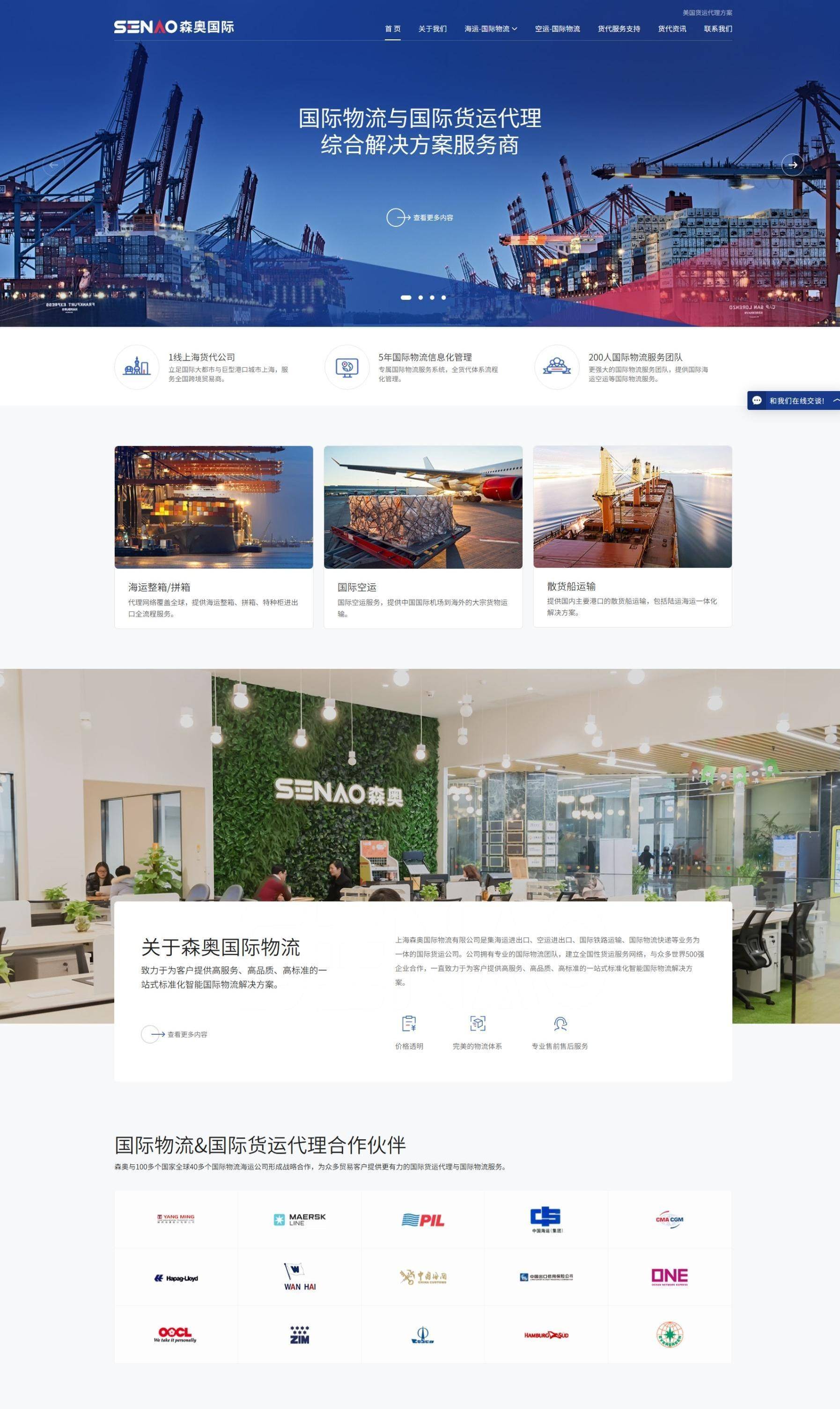
Core Insights - The logistics industry is undergoing significant transformation due to the growth of international trade, with new international freight forwarding companies emerging as key players [1] - These companies, despite their relatively short establishment periods, have gained customer trust and are becoming influential in the market [1] Company Summaries - **Shanghai SenAo International Logistics Co., Ltd.**: Established in 2020, based in Shanghai, focuses on multimodal transport and agency services. The company emphasizes high service quality and sustainability, partnering with over 40 international logistics firms to cover more than 100 countries. It has helped clients save 20% on logistics costs through optimized supply chain strategies [1][5][6] - **Shanghai Qiban International Freight Forwarding Co., Ltd.**: Founded in 2014, this comprehensive international freight forwarding company specializes in chemical, automotive, and high-tech equipment logistics. It offers dangerous goods transport and cold chain solutions, with a digital management platform for supply chain visibility. The company ensures efficient logistics services with a response time of 30 minutes from design to quotation [9][13][16] - **BBA**: A French company established in 2017, specializing in high-value cargo transport, including aerospace equipment and medical cold chain logistics. BBA is known for its strong presence in the African market and offers customized "door-to-door" solutions, particularly excelling in fresh produce and precision instrument transport [23] - **Mainfreight**: A New Zealand-based freight forwarder founded in 1999, recognized for its transparent service. In 2023, it handled 267,000 TEUs and focuses on integrating regional logistics networks, providing comprehensive warehousing and distribution solutions across the Asia-Pacific region [23] - **Crane Global Logistics**: An American company established in 2015, specializing in North and Latin American markets. It offers LCL, cross-border e-commerce logistics, and bonded warehousing services. In 2023, it processed 151,000 TEUs and has enhanced customs clearance efficiency by 30% for its clients [24] Industry Trends - The emergence of these innovative freight forwarding companies highlights a shift in the logistics market, characterized by unique service models and flexible operational strategies [1][24] - These companies contribute to the development of the logistics industry and the prosperity of global trade by providing tailored logistics solutions to meet diverse customer needs [24]
正邦科技(002157) - 002157正邦科技投资者关系管理信息20250509
2025-05-09 12:20
Financial Performance - In Q1 2025, the company achieved a revenue of 3.002 billion CNY, a significant increase of 108.22% compared to the same period last year [3] - Gross profit reached 491 million CNY, up 138.79% year-on-year [3] - The net profit attributable to shareholders was 171 million CNY, marking a 449.58% increase from the previous year [3] - The asset-liability ratio at the end of Q1 2025 was 44.91%, a decrease of 1.51 percentage points from the beginning of the year [3] - Total assets amounted to 19.410 billion CNY, a growth of 2.16% from the end of the previous year [3] Cost Management - The production cost for fattening operations in March 2025 was 13.3 CNY/kg [4] - The company aims to align its costs with top industry standards through various internal management strategies [4][8] - The company plans to enhance operational efficiency and reduce costs by optimizing breeding performance and improving resource allocation [4][8] Future Projections - The company expects to maintain a target of over 7 million pigs for 2025 [4] - The company is focused on high-quality development and cost reduction as core strategies [8] - The IoT coverage rate is currently at 77%, with plans for further expansion [8] Market Position and Strategy - The "company + farmer" model accounts for 85% of the fattened pig output in 2024 [6] - The company is actively managing its market presence and investor relations to enhance its market value [7] - The company is committed to digital transformation and smart farming initiatives to improve efficiency and reduce production costs [8] Shareholder Information - As of April 18, 2025, the number of shareholders stood at 165,300 [9]

从制造到"质造"的跨越,林氏家居产业园交出周年答卷,“品质革命”撬动内需新增长极
Zhong Guo Chan Ye Jing Ji Xin Xi Wang· 2025-05-09 02:21
Core Insights - The article emphasizes the importance of enhancing consumption quality and expanding domestic demand as key topics for the 2025 National Two Sessions, highlighting the need for consumers to feel confident and willing to spend [1] - Lin's Home has established a quality ecosystem through its smart manufacturing industrial cluster, focusing on "assured consumption" and implementing comprehensive quality control measures to boost consumer confidence and stimulate demand in the home furnishing industry [1][15] Group 1: Quality Management System - Lin's Home has created a traceable and actionable management system, moving away from traditional self-owned factory models to a "cooperative supplier" model, which presents higher management challenges but allows for innovative quality control [3][4] - The industrial park has introduced a "four aspects in place" management system that covers 13 quality inspection checkpoints, ensuring accountability at every stage of production [4] - The use of upgraded raw materials, such as ENF-grade boards and odorless coconut fiber, is part of Lin's Home's commitment to quality, with a focus on improving user experience through product development [6] Group 2: Digital Transformation - The industrial park leverages digitalization to enhance the quality management system, transforming traditional isolated production into a highly efficient collaborative model [8] - Lin's Home has developed a Manufacturing Operations Management (MOM) system to streamline business processes and ensure timely and quality delivery of products [8][10] - The introduction of automated equipment in production, such as advanced cutting machines, has improved resource utilization by 10% and enhanced quality management [10] Group 3: Market Impact and Future Outlook - The industrial park serves as a testing ground for Lin's Home's "quality-price ratio" strategy, focusing on ergonomic designs and optimizing product features based on user data [12][14] - The successful launch of popular products like the "Dynamic Island Sofa" and "Zero Fatigue Mattress" has demonstrated the effectiveness of the quality management system, with over 80% of production capacity handled by the industrial park [14] - Lin's Home's approach is creating a ripple effect in the industry, promoting a shift from decentralized manufacturing to collaborative quality production, thus providing a replicable model for small and medium suppliers [14][15]