碳排放双控

Search documents
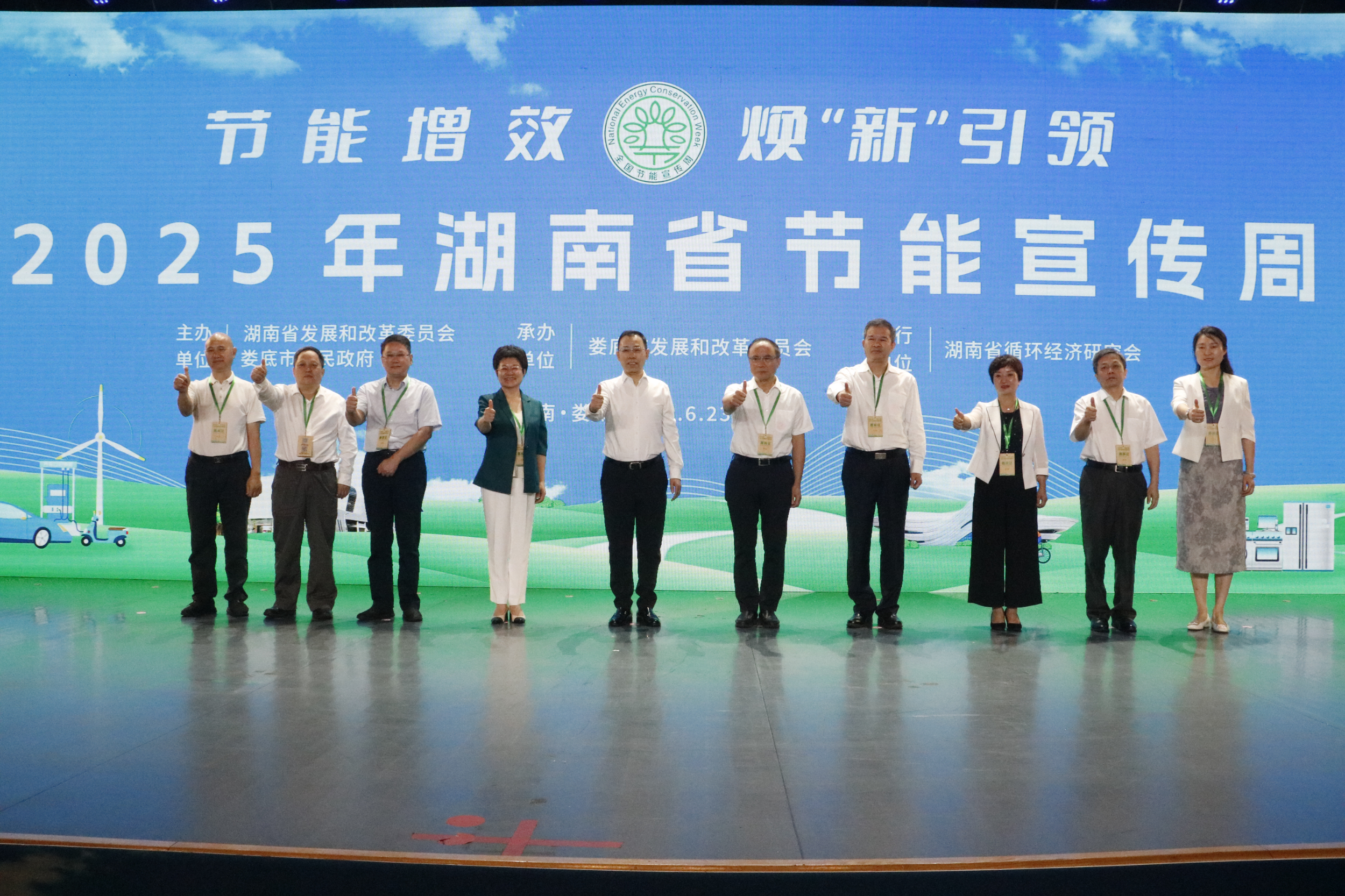
2025年湖南省节能宣传周在娄底市启动
Zhong Guo Fa Zhan Wang· 2025-06-23 08:32
Core Viewpoint - The launch of the 2025 Hunan Province Energy Conservation Promotion Week aims to enhance public awareness and capabilities in energy conservation and carbon reduction, promoting a green and low-carbon lifestyle and production method [2]. Group 1: Achievements in Energy Conservation - Hunan Province has exceeded the national energy consumption intensity reduction targets for the 14th Five-Year Plan ahead of schedule, receiving national commendation for its performance in energy-saving goals [3]. - By the end of 2024, the installed capacity of renewable energy in Hunan is expected to reach 49.27 million kilowatts, accounting for 63.7% of the province's total power generation capacity [3]. - The province has cultivated 271 national-level green factories, 27 green parks, and 30 green supply chain management enterprises, with a green public transport ratio of 98% [3]. Group 2: Policy and Future Plans - In 2024, Hunan aims to secure 13.77 billion yuan in special national bonds for equipment updates and trade-in programs, promoting high-end, intelligent, and green development in industries [3]. - The province plans to focus on carbon emission control and is preparing for the 15th Five-Year Plan's energy-saving initiatives, ensuring robust energy support for high-quality development [4].

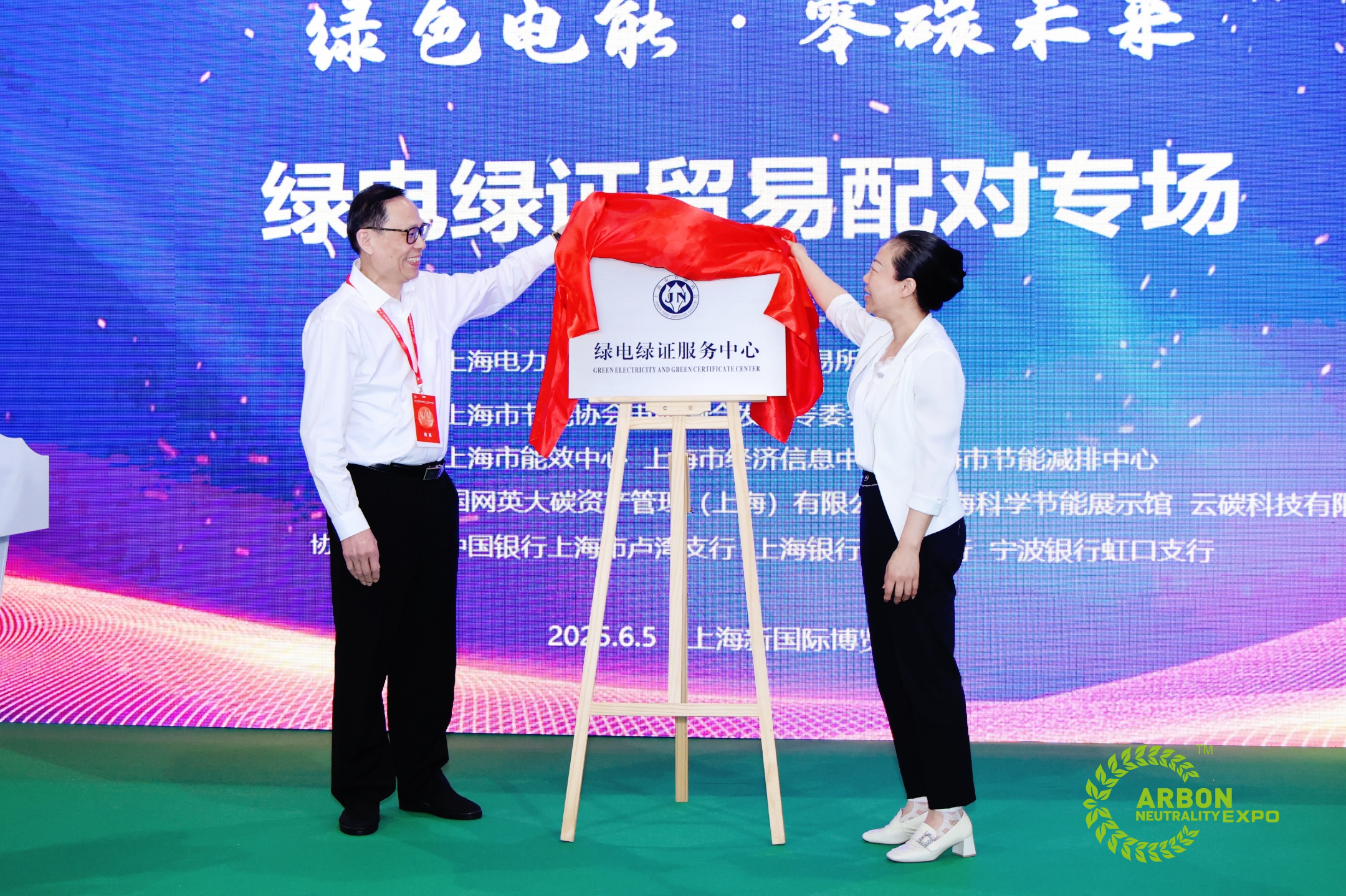
绿电绿证服务中心在沪揭牌
Guo Ji Jin Rong Bao· 2025-06-07 07:24
Core Insights - The 2025 Shanghai International Carbon Neutral Technology, Products, and Achievements Expo (Carbon Expo) was held from June 5 to 7, focusing on "Green Electricity, Zero Carbon Future" [1] - The event highlighted the increasing attention on green electricity and green certificates as essential tools for promoting green energy consumption under the national "dual carbon" strategy [1] - The establishment of the Green Electricity and Green Certificate Service Center marks a significant step towards facilitating green electricity consumption and supporting enterprises in their low-carbon transitions [3] Group 1 - The event featured a trade matching segment where representatives from enterprises engaged in in-depth discussions with service providers, enhancing their understanding of the green electricity and green certificate trading process [4] - Industry experts provided valuable insights on policy interpretation, service solutions, and practical innovations related to green electricity procurement agreements [1][4] - The market for green electricity and green certificates is expected to experience significant growth as China transitions from energy consumption control to carbon emission control, creating a golden development window [4] Group 2 - The unveiling of the Green Electricity and Green Certificate Service Center was attended by key officials, indicating strong governmental support for green energy initiatives [3] - Several companies signed agreements for green electricity and green certificate services, marking the official start of collaborative trading efforts [3] - Qikun Technology was recognized as one of the first service points and entered into a strategic partnership with Yuantonghui Energy Technology to explore opportunities in green electricity procurement and compliance [3]
赵冬昶:从双积分到碳积分,中国汽车行业低碳转型路径探索
Zhong Guo Qi Che Bao Wang· 2025-06-06 08:34
Core Viewpoint - The transition from the "dual credit" policy to a new "carbon credit" management system is essential for the future of the Chinese automotive industry, driven by the need to align with national "carbon dual control" strategies and to address broader carbon emission challenges [2][3]. Group 1: Necessity of Transition - The "dual credit" policy, initiated in 2013, successfully boosted the production and sales of new energy vehicles, but the focus has shifted from energy security to a broader "carbon" agenda [2]. - The national strategy will transition from "energy consumption dual control" to "carbon emission dual control," allowing more flexibility for clean energy sources [2][3]. Group 2: Understanding Carbon Credits - The carbon credit system is expected to upgrade the existing fuel consumption credits, focusing on a comprehensive management approach that includes production processes and energy types used [4][5]. - Carbon credits will encompass a wider range of emissions, including those from production and the energy efficiency of the products themselves, creating a more holistic management framework [5]. Group 3: Key Issues for New Mechanism - Four critical points need to be addressed for the integration of dual credits and carbon credits: 1. Adjusting the accounting mechanism while maintaining flexibility for product diversity [6]. 2. Establishing guiding mechanisms for the transition from fuel consumption credits to carbon credits, while retaining some form of dual credit as a safety net for the industry [6][7]. 3. Expanding management boundaries to include upstream responsibilities, such as battery and material suppliers [7]. 4. Retaining credit trading mechanisms to enhance policy value and efficiency, potentially integrating with broader carbon markets [7]. Group 4: Future Outlook - The shift to carbon credits represents a significant management innovation for the industry, requiring a long-term, comprehensive perspective to ensure a sustainable low-carbon future for the Chinese automotive sector [7].

习近平主持召开中央全面深化改革委员会第二次会议强调建设更高水平开放型经济新体制 推动能耗双控逐步转向碳排放双控李强王沪宁蔡奇出席
Xin Hua Wang· 2025-06-06 03:15
Group 1: Economic Reform and Development - The meeting emphasized the construction of a higher-level open economic system as a strategic measure to promote reform and development through openness, focusing on investment, trade, finance, and innovation [2][3] - It was highlighted that the top-level design of the open economic system needs to be improved, with reforms in trade and investment mechanisms, expanding market access, and optimizing the business environment [3] Group 2: Agricultural and Rural Reform - The meeting underscored the importance of modernizing agriculture and rural areas, focusing on the relationship between farmers and land, and addressing development shortcomings in agriculture and rural areas [2][3] - It was noted that the reform should consolidate and improve the basic operating system of rural areas and enhance food security measures [3] Group 3: Energy and Environmental Policies - The transition from energy consumption control to carbon emission control was discussed, with a focus on improving energy efficiency and reducing carbon intensity [4] - The meeting called for a comprehensive reform of the oil and gas market system to enhance national energy security and ensure stable supply [5] - A new type of power system was proposed, emphasizing the gradual reduction of traditional energy reliance while promoting technological and market innovations in the electricity sector [6] Group 4: Education and Research Institutions - The meeting addressed the reform of salary systems in higher education and research institutions, aiming to establish a performance-linked compensation structure that incentivizes innovation and rewards contributions in critical areas [4]
氮肥协会:推进合成氨/尿素碳足迹量化国标制定
Zhong Guo Hua Gong Bao· 2025-06-06 02:09
Core Viewpoint - The establishment of a national standard for carbon footprint quantification in the nitrogen fertilizer industry is crucial for reducing carbon emissions, particularly for synthetic ammonia and urea products, as China transitions from energy consumption control to carbon emission control [1][2] Group 1: Carbon Emission Data - The carbon dioxide emission per ton of synthetic ammonia produced from coal in 2024 is projected to be 4.2 tons, with a total annual emission of approximately 234 million tons [1] - The carbon dioxide emission per ton of urea (including the raw material synthetic ammonia) is estimated at 2.91 tons, leading to an annual emission of about 147 million tons [1] Group 2: Industry Standards and Framework - The nitrogen fertilizer association is developing a standard based on the national standard GB/T 24067-2024, which includes a comprehensive framework for carbon footprint quantification [2] - The main technical content of the standard consists of over ten sections, including standard scope, normative references, terminology and definitions, quantification objectives, and carbon footprint reporting [2] Group 3: Industry Transition and Focus - The nitrogen fertilizer industry faces urgent carbon reduction tasks as it is one of the sectors with significant carbon emissions [1] - By 2025, the steel, cement, and aluminum smelting industries will be included in the national carbon market, with petrochemicals and chemicals being the next focus for research [1]
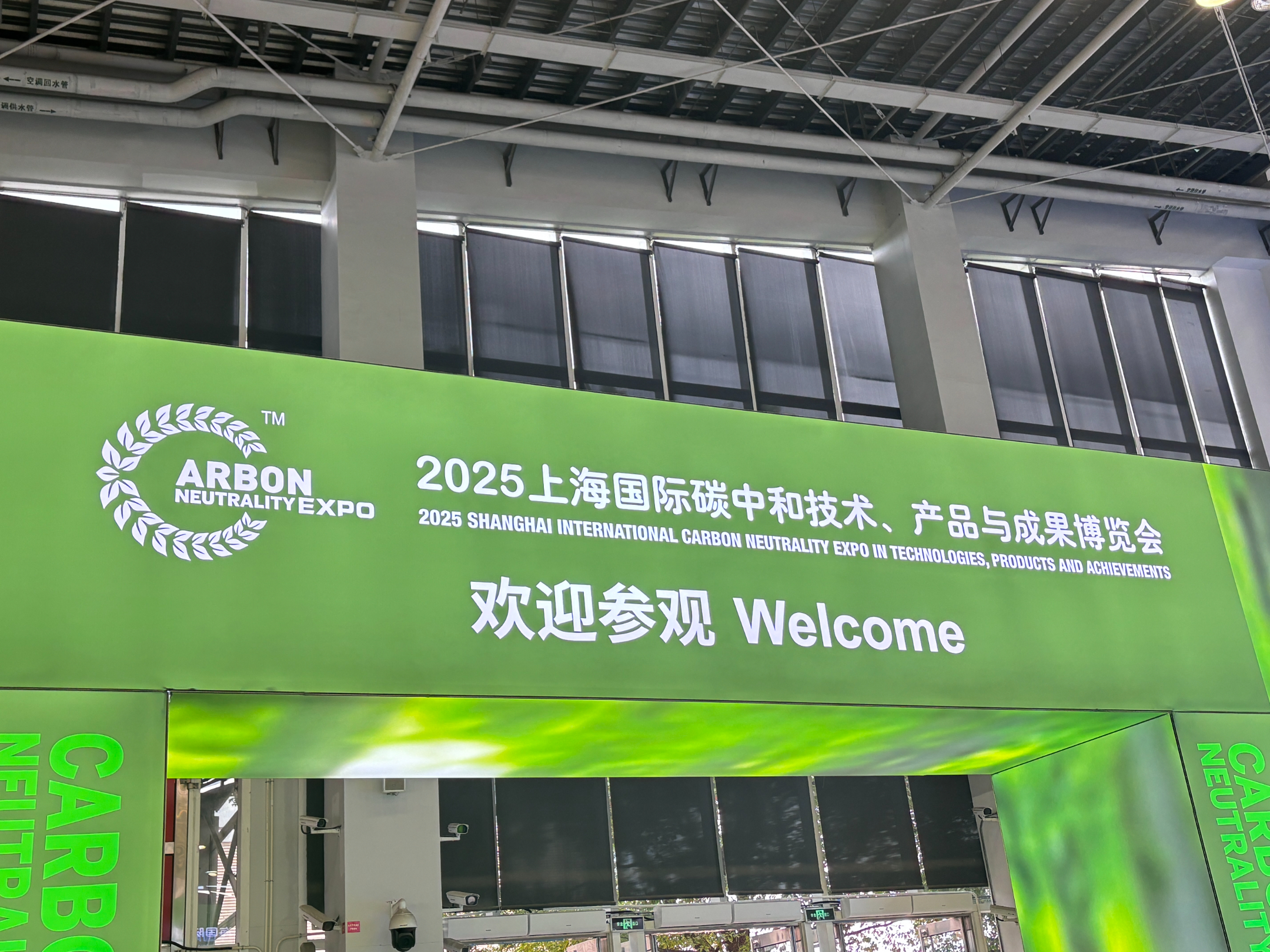
2025碳博会今日启幕,能耗双控转向碳排放双控行至关键之年
Guo Ji Jin Rong Bao· 2025-06-05 11:05
Core Viewpoint - The 2025 Shanghai International Carbon Neutral Technology, Products and Achievements Expo aims to create a platform for deep integration of government, industry, academia, and research, focusing on the theme of "carbon neutrality" [1] Group 1: Event Overview - The expo features three main components: thematic exhibitions, a series of forums, and trade connections, all centered around the theme of "walking towards carbon neutrality" [1] - The event marks the fifth year since the "dual carbon" strategy was proposed and is a critical year for transitioning from energy consumption control to carbon emission control [6] Group 2: Policy and Framework - The State Council issued a work plan to accelerate the establishment of a dual carbon control system, divided into three phases: 1. The first phase focuses on building a foundation for carbon emission statistics and monitoring from now until 2025 [6] 2. The second phase, during the 14th Five-Year Plan period, will implement a dual carbon control system nationwide, emphasizing intensity control and establishing a comprehensive evaluation system for carbon peak and neutrality [7] 3. The third phase will adjust the dual carbon control system post-carbon peak, focusing on total control while maintaining intensity control [7] Group 3: Expert Insights - Experts emphasized the importance of transitioning from energy consumption control to carbon emission control, highlighting that energy efficiency improvements contribute approximately 70% towards achieving carbon neutrality [8] - Recommendations include establishing a unified carbon emission data system and addressing challenges in carbon emission standards, such as coverage gaps and data quality issues [8]
全国碳市场首次扩围满两月,专家建言建立严格的减碳责任机制
Hua Xia Shi Bao· 2025-05-30 04:16
Group 1 - The national carbon market in China has expanded to include high-energy and high-emission industries such as steel, cement, and aluminum smelting, now covering over 60% of the country's carbon dioxide emissions [2] - The Chinese approach to low-carbon green technology and industry development emphasizes source governance, direct innovation incentives, low transaction costs, and compatibility with growth, differing from the demand-side incentives seen in the EU [2][3] - The rapid growth of green low-carbon investment, production, and consumption has become a significant driver of China's economic growth, with the government’s "dual carbon" goals providing a clear and stable long-term framework for innovation and investment [3][4] Group 2 - The energy system is crucial for China's green transition, with a strong demand for electricity projected to double by 2060, necessitating a shift from fossil fuels to renewable energy sources [4] - Concerns about overcapacity in the renewable energy sector are deemed short-term and localized, with significant growth potential remaining to meet carbon neutrality goals [5] - The national carbon market has seen significant developments since its launch in 2021, with the introduction of new trading mechanisms and an increase in the number of covered emission units [6][7] Group 3 - The inclusion of the steel industry in the carbon market is expected to accelerate its low-carbon transformation and optimize production capacity, although short-term cost pressures may affect small and medium enterprises [6] - The carbon market serves as an important policy tool for addressing climate change and promoting a comprehensive green low-carbon transition in the economy [7] - A proposed new trading mechanism could incentivize innovation in low-carbon technologies by allowing high-carbon companies to purchase carbon credits from innovative green enterprises, creating a direct link between carbon pricing and innovation [7]

碳中和迎重磅文件,大量高耗能企业将陆续被纳入,CCER需求有望持续爆发
Xuan Gu Bao· 2025-05-29 23:17
Group 1 - The Chinese government has issued opinions to enhance the market-oriented allocation system for resource and environmental factors, focusing on carbon emission rights, water rights, and pollution discharge rights [1] - By 2027, the carbon emission rights and water rights trading systems are expected to be fundamentally improved, with a well-established pollution discharge rights trading system and a more robust energy-saving market mechanism [1] - The national carbon emission trading market will gradually expand its industry coverage, adding approximately 1,500 new key emission units, which could increase the market share of emissions from 40% to 60%, adding around 3 billion tons of emissions to the market [2] Group 2 - Fujian Jinsen's subsidiary, Jinsen Carbon Sink Technology, is actively participating in the development of greenhouse gas voluntary reduction projects in line with China's certified voluntary reduction trading policies [3] - Xingyuan Environment plans to trade forestry carbon sink-related indicators in the CCER market [4]
三部门详解深化国家级经开区改革创新有关举措 支持发展新质生产力等多项配套措施将出台
Zheng Quan Ri Bao· 2025-05-27 16:17
Core Viewpoint - The Ministry of Commerce has issued a work plan to deepen the reform and innovation of national-level economic and technological development zones, aiming to lead high-quality development through high-level openness [1] Group 1: Strengthening Investment Attraction - There are over 60,000 foreign-funded enterprises and 99,000 foreign trade enterprises in the 232 national-level development zones, with actual foreign investment of $27.2 billion and imports and exports totaling 10.7 trillion yuan in 2024, accounting for 23.4% and 24.5% of the national totals respectively [2] - The Ministry of Commerce will focus on three areas to promote high-quality development: coordinating the implementation of the work plan, enhancing the "Invest in China - Choose Development Zone" brand, and establishing a clear and efficient management system for development zones [2][3] - Specific actions include targeted investment attraction activities, innovative investment scenarios, and promoting coordinated investment across eastern, central, and western regions [3] Group 2: Supporting New Quality Productivity Development - The State Council has emphasized the need for better support policies for national-level development zones, focusing on land, talent, and funding [4] - The work plan allows regions to utilize local government bonds to support the construction of development zones and encourages financing through public listings [4] - The development zones are seen as key areas for advanced manufacturing and emerging service industries, with specific measures to strengthen the integration of technological and industrial innovation [5][6] Group 3: Optimizing Business Environment - The National Market Supervision Administration will promote innovative practices in national-level development zones to enhance the business environment and provide replicable experiences nationwide [7] - Efforts will be made to streamline administrative processes and reduce burdens on enterprises through improved regulatory practices [7] - The administration will also focus on standardizing administrative enforcement to maintain regulatory strength while fostering market vitality [7] Group 4: Promoting Green and Low-Carbon Development - The Ministry of Ecology and Environment will support the establishment of standards for pollution reduction and carbon reduction in key industries, aiming for collaborative innovation [8] - The work plan includes support for carbon emission statistics and product carbon footprint management systems, with a focus on enhancing corporate capabilities in these areas [8] - There will be efforts to develop a carbon footprint management system that aligns with both Chinese characteristics and international standards [8]
刘世锦:“特朗普2.0”冲击全球绿色转型,中国不能后退|快讯
Hua Xia Shi Bao· 2025-05-22 10:08
Core Viewpoint - The global green transition is facing challenges, but China should remain committed to its green transformation goals despite external pressures and discussions about increasing fossil fuel production [1] Group 1: Importance of Green Transition - The green transition is an unavoidable choice for humanity, and it cannot be reversed despite various challenges [1] - Significant investments in research and industry, amounting to trillions, have already been made towards climate change and carbon neutrality, making it crucial for China to maintain its long-term goals [1] - China's leadership in low-carbon green industry research, investment, and production is vital for its economic future [1] Group 2: Cost Reduction and Competitiveness - Innovations have drastically reduced the costs of basic green technologies, with solar power costs decreasing by 90% over the past decade, now comparable to coal power costs [2] - Renewable energy sources are becoming increasingly competitive with traditional coal power, even without considering climate issues [2] Group 3: Energy Security and Geopolitical Factors - Geopolitical factors have led countries to prioritize energy security, with renewable energy offering advantages in terms of being distributed, localized, and renewable [2] - For China, which relies heavily on imported oil and gas, the benefits of renewable energy are particularly significant [2] Group 4: Challenges and Solutions in Energy Development - The transition to high proportions of renewable energy has led to challenges such as power supply instability and market pressures, which can only be addressed through further reforms and development [2] - Historical experiences since the reform and opening up indicate that development issues should be resolved through continued reform and faster growth [2] Group 5: Recommendations for Supply and Demand Sides - On the supply side, there is a need to enhance the design and construction of new power systems through technological innovation and regulatory reforms to ensure stable and low-cost renewable energy supply [3] - On the demand side, transitioning from energy consumption control to carbon emission control is essential, with specific quantitative targets set for governments and key industries to create a comprehensive carbon reduction responsibility mechanism [3]