
产业升级

Search documents
陕西横山区农特产品推荐暨震远集团招商合作洽谈会成功举办 以产招商促共赢 赋能乡村振兴新发展
Xin Lang Cai Jing· 2026-02-10 04:37
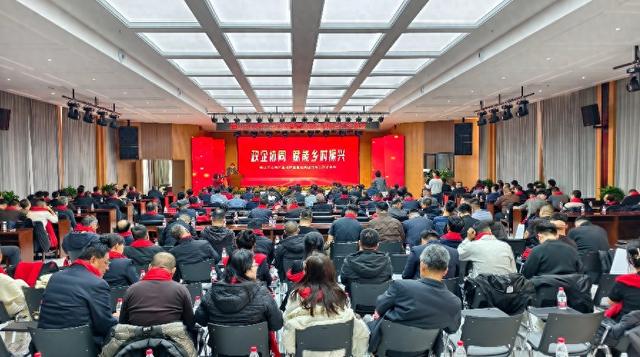
Core Viewpoint - The recent agricultural product promotion and investment cooperation conference in Hengshan District, Yulin City aims to enhance the market presence of local agricultural products and foster high-quality agricultural development through collaboration and resource integration [1][3]. Group 1: Conference Objectives and Outcomes - The conference focused on promoting Hengshan's specialty products, building cooperation bridges, facilitating industrial upgrades, and supporting rural revitalization [3]. - Multiple cooperation intentions were reached during the conference, leading to the signing of agreements related to the purchase and sale of agricultural products and industrial cooperation [3]. Group 2: Agricultural Product Advantages - Hengshan District boasts rich agricultural resources and unique geographical and climatic conditions that yield high-quality agricultural products, including renowned Hengshan lamb, Daming mung beans, organic rice, and specialty grains [3]. - The district has developed a diversified and high-quality agricultural product matrix, creating numerous business opportunities for collaboration with enterprises [3]. Group 3: Development Model and Strategy - In its pursuit of high-quality development, Hengshan District adheres to a development model that integrates government, farmers, research, enterprises, and markets [3]. - The district actively builds online and offline platforms for government-enterprise and production-sales connections, promoting local agricultural products to broader markets [3].

金轩 | 以新质生产力为高质量发展注入澎湃动力
Ren Min Ri Bao· 2026-02-10 04:26
Group 1: Core Insights - The new wave of technological revolution and industrial transformation is creating opportunities for high-quality development, with significant advancements expected by 2025 in various sectors such as artificial intelligence, clean energy, and transportation [1] - The automotive industry is projected to see a dramatic increase in production, with annual sales of new energy vehicles expected to rise from approximately 1.4 million units in 2020 to over 16 million units by 2025 [1] - Traditional industries are undergoing upgrades towards high-end, intelligent, and green production, with the global share of newly installed industrial robots expected to exceed 50% during the 14th Five-Year Plan period [1] Group 2: Supply and Demand Dynamics - The new productive forces are driving disruptive innovations on the supply side, leading to a significant increase in exports, with integrated circuit exports projected to reach 1.444 trillion yuan, a 27.4% increase year-on-year by 2025 [2] - The automotive sector, including chassis, is expected to see exports amounting to 1.018 trillion yuan, reflecting a 22% year-on-year growth [2] - The share of electromechanical products in total exports is anticipated to exceed 60%, indicating a shift towards higher quality and competitively priced Chinese products in the global market [2] Group 3: Green Transformation - The transition towards green energy is accelerating, with non-fossil energy expected to become the second-largest energy type by 2025, and clean energy generation accounting for 35.2% of industrial power generation [3] - Significant energy savings of approximately 150 million tons of standard coal are anticipated, alongside a reduction of about 400 million tons of carbon dioxide emissions during the 15th Five-Year Plan period [3] Group 4: Regional Optimization - The development of new productive forces emphasizes regional advantages and collaborative competition, with successful examples such as the integration of robot components from Jiangsu, Zhejiang, and Anhui in Shanghai [3] - The Northwest region is leveraging its resources for clean energy, with a transmission capacity of 340 million kilowatts and a significant share of national computing power concentrated in eight major hubs [3] Group 5: Technological Self-Reliance - The focus on self-reliance in key technologies is crucial for high-quality development, with significant investments in areas like 5G, ultra-high voltage transmission, and new energy batteries [4] - The ongoing efforts to overcome "bottleneck" issues are yielding results, with advancements in integrated circuits and industrial software reducing dependency risks [4] - The strategic deployment of new productive forces is expected to enhance China's economic, technological, and comprehensive national strength, positioning the country favorably in its modernization journey [4]
逆天!中国最难修地铁的城市,一个月狂建3条
Qian Zhan Wang· 2026-02-10 03:57
Core Insights - Jinan's metro system has rapidly expanded, achieving a total operational mileage of 217.9 kilometers by 2025, making it the "first city" in China for new metro mileage that year [3][4] - The city has overcome significant geological challenges, previously known as one of the "most difficult cities" to build a metro system due to its unique natural conditions [5][6] Group 1: Jinan Metro's Remarkable Comeback - Jinan's metro system added 121.2 kilometers of operational mileage in just one month, rising from 29th to 20th in national rankings [3][4] - The city previously had only 96.7 kilometers of metro, ranking last among sub-provincial cities [3][4] Group 2: Overcoming Geological Challenges - Jinan is known for its complex geological conditions, with over 1,200 springs and numerous karst formations complicating construction [5][6] - Advanced research and technology have allowed Jinan to develop new materials and methods to address these challenges, enabling large-scale metro construction [8] Group 3: Strategic Infrastructure Development - The metro system will cross the Yellow River for the first time, utilizing innovative engineering solutions to mitigate geological risks [9] - This infrastructure is expected to enhance connectivity and support industrial development in the northern regions of Jinan [9] Group 4: Industrial Growth and Urban Development - Jinan's industrial strategy has been pivotal, with plans to achieve over 1 trillion yuan in industrial revenue by 2025, driven by manufacturing and emerging industries [17][18] - The city has seen a significant population increase, with over 700,000 residents concentrated in urban areas, providing a solid foundation for metro ridership [18] Group 5: Lessons for Other Cities - Jinan's experience highlights the importance of aligning metro development with industrial growth and urban planning, offering a replicable model for other cities facing similar challenges [26][28][30]
开新局 起宏图|港城新年上市第一股 爱得科技登陆北交所
Sou Hu Cai Jing· 2026-02-10 03:22
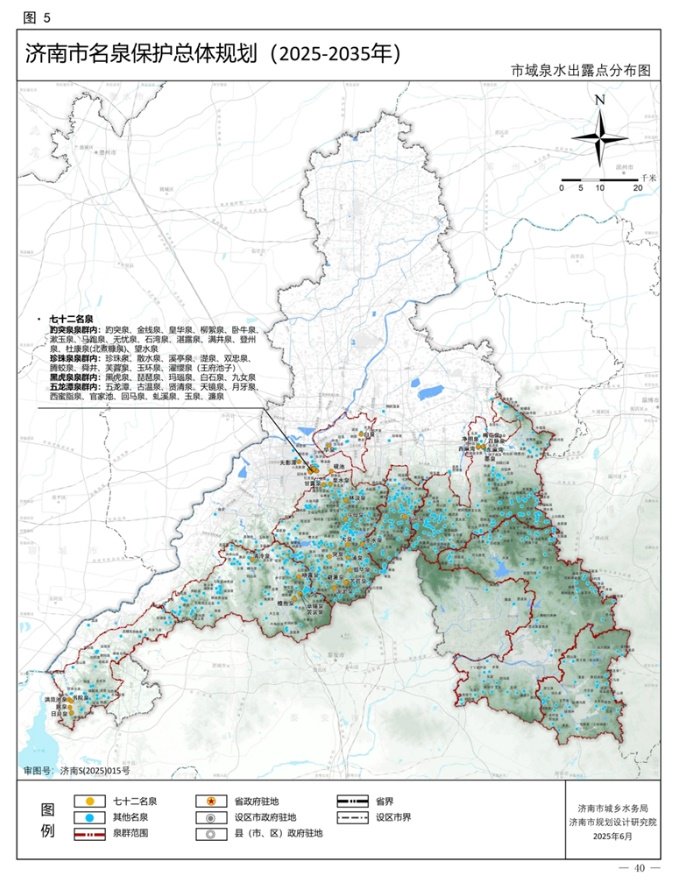
Group 1 - The core focus of Zhangjiagang is on economic development, emphasizing the "one competition, four continuities, and five pioneers" strategy for the new year [1] - The city aims to accelerate the construction of a "5+5+N" industrial system, promoting the large-scale development of biomedicine and high-end medical devices [5] - The successful listing of Aide Technology on the Beijing Stock Exchange marks it as the first stock of the year from Zhangjiagang, symbolizing a new starting point for the company [3][5] Group 2 - City leaders express commitment to support local enterprises in financing, listing cultivation, and standardized operations, aiming to facilitate more local companies to connect with capital markets [5] - Aide Technology's chairman emphasizes the importance of maintaining good governance and enhancing profitability and competitiveness post-listing [5] - The local government plans to continue its "three services" initiative to support enterprise development and promote high-quality growth in the region [5]

外资机构密集调研A股公司 科技赛道成重点
Zheng Quan Ri Bao· 2026-02-10 02:08
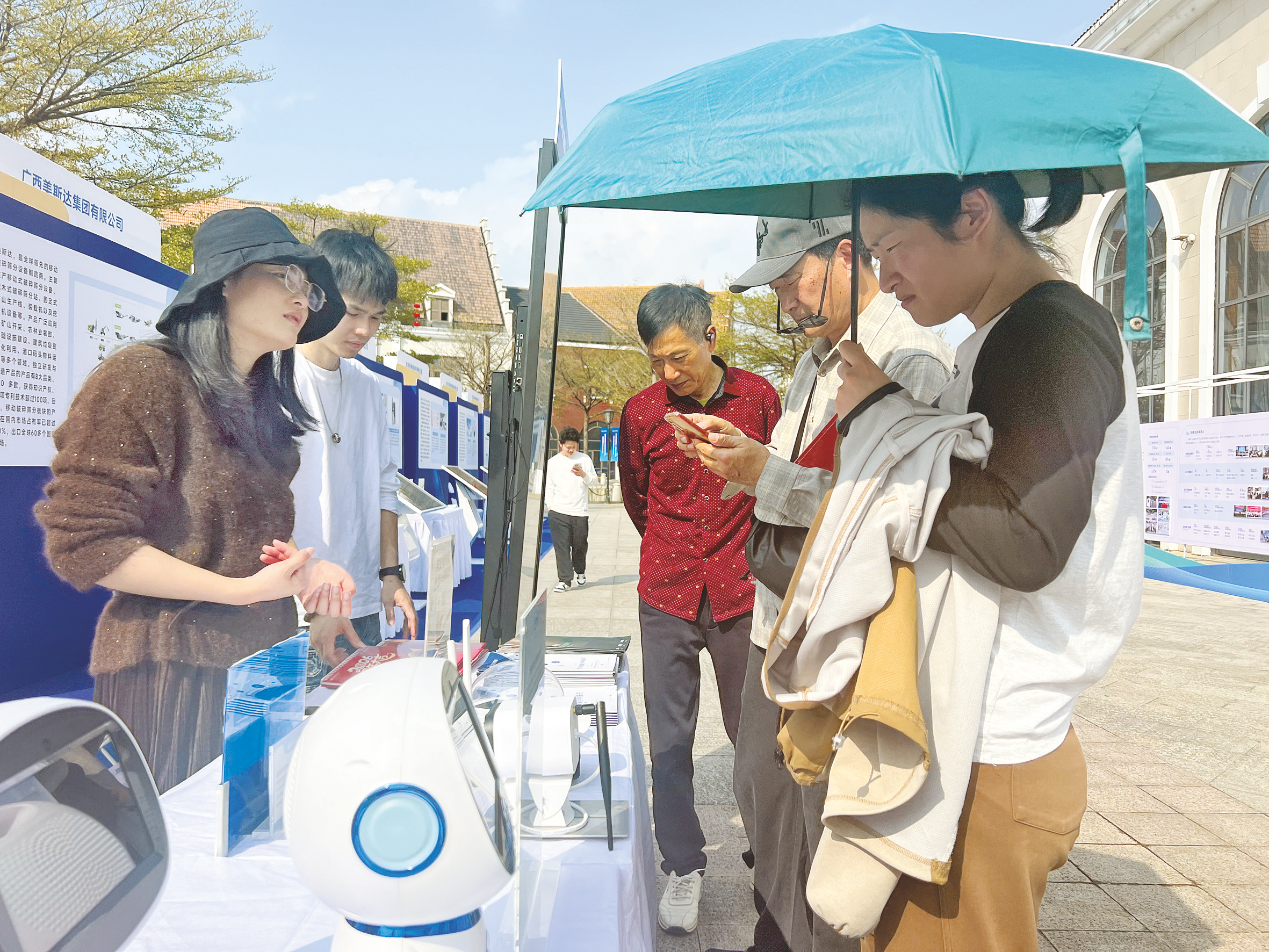
Group 1 - Foreign institutional interest in A-shares remains strong as of February 9, 2026, with 224 foreign institutions conducting 569 research visits to A-share listed companies, including major firms like Morgan Stanley, BlackRock, Goldman Sachs, and Citigroup [1] - Goldman Sachs maintains a "overweight" rating on Chinese stocks, predicting a 20% increase in the China index and a 12% rise in the CSI 300 index, while UBS expects a significant rebound in the MSCI China index's earnings growth from 2.5% last year to 13.6% this year, primarily driven by technology stocks [1] - The top three companies attracting foreign research interest are Huaming Equipment, Yingshi Innovation, and Huichuan Technology, with over 20 foreign institutions also researching companies like Optoelectronics, Yihua, Anji Technology, China Resources Micro, and Sitwei, indicating a focus on sectors such as semiconductors and robotics [1] Group 2 - The Chief Investment Officer of UBS Wealth Management highlights the growth and profit potential of the Chinese market, driven by ongoing technological innovation and a favorable business environment, with sectors like healthcare, consumption, materials, and power equipment expected to benefit from trends such as healthcare companies going global and the rise of new consumption models [1] - In 2026, the Chief Investment Officer of Invesco expresses optimism for the Chinese stock market, citing improving fundamentals and long-term growth drivers that are likely to create a more sustainable structural growth cycle [2] - Key investment opportunities in the Chinese stock market include industrial upgrades in electric vehicles, pharmaceuticals, and automation, as well as the rise of artificial intelligence, with China positioned as a strong competitor in the global AI landscape due to its large internet user base, low energy costs, and abundant talent and data resources [2]
2025年鞍山先进装备制造业增加值增长20.2
Liao Ning Ri Bao· 2026-02-10 01:11
Group 1 - The core viewpoint is that Wolong Electric Group has become a leading player in the high-voltage frequency conversion industry in China, reflecting the transformation and upgrading of the equipment manufacturing industry in Anshan [1] - Anshan's equipment manufacturing industry has gathered 228 large-scale enterprises, with an industrial output value of 21.5 billion yuan, ranking third in the province [1] - By 2025, the added value of advanced equipment manufacturing is expected to increase by 20.2%, showcasing the resilience and vitality of the industry [1] Group 2 - Innovation is identified as the core driving force for industrial upgrading, with Anshan accelerating the transition from "manufacturing" to "intelligent manufacturing" [2] - The city has cultivated 11 national-level specialized and innovative "little giant" enterprises and has approved 8 major technological equipment projects at the provincial level or above [2] - Anshan's equipment manufacturing industry is focusing on high-end, intelligent, and green development, aiming to strengthen technological innovation support and fill gaps in the industrial chain [2]
上证时评 | 扶优、扶科 让好企业能用到好政策
Shang Hai Zheng Quan Bao· 2026-02-10 00:11
Core Viewpoint - The recent optimization measures for refinancing aim to enhance flexibility and convenience in the capital market, supporting the development of quality listed companies and optimizing resource allocation [1][2]. Group 1: Refinancing Measures - The new measures focus on allowing quality listed companies to raise funds for new industries, business models, and technologies that align with their main business, promoting a second growth curve [2][3]. - The policy emphasizes a "support the strong, limit the weak" approach, ensuring that only high-quality companies benefit from these refinancing opportunities [2][3]. Group 2: Support for Innovation - The adjustments are designed to meet the refinancing needs of technology-driven companies, particularly those with light asset structures and high R&D investments [3]. - By adopting standards from the Sci-Tech Innovation Board for the main board, the measures aim to facilitate the transformation of traditional industries and foster new productive forces [3]. Group 3: Capital Market Functionality - The core of the optimization is to institutionalize and streamline the reasonable financing needs of quality listed companies, enhancing review efficiency while strengthening effective regulation [3]. - The measures represent a significant step in upgrading the capital market's function to serve the real economy and establishing a new balance in capital market financing [3].
十年创新路 AI启新程
Xin Lang Cai Jing· 2026-02-09 23:28
Group 1 - The core theme of the event is "Ten Years of Innovation Road: AI Starts a New Journey," showcasing the achievements of the Nanning Zhongguancun Innovation Demonstration Base over the past decade [2][3] - The event featured a comprehensive review of the development trajectory of the Nanning Zhongguancun Information Valley project since its establishment, emphasizing future plans driven by artificial intelligence and focusing on ASEAN strategies [2][3] - A total of 12 key enterprises and 9 professional institutions were awarded for their contributions to regional industrial upgrades and innovation ecosystem construction [2][3] Group 2 - The Nanning High-tech Zone is focusing on key sectors such as health, new energy materials, electronic information, high-end equipment manufacturing, and productive services, aiming to build a modern industrial system with core competitiveness [4] - The strategy includes deep integration of AI innovation ecosystems, leveraging geographical advantages to promote industrial and educational innovation, and establishing Nanning as a technology innovation cooperation hub facing ASEAN [4]
外资机构密集调研A股公司
Xin Lang Cai Jing· 2026-02-09 23:02
Group 1 - Foreign institutions remain enthusiastic about A-shares, with 224 foreign institutions conducting 569 surveys of A-share listed companies as of February 9, 2026 [2][6] - Notable foreign institutions such as Morgan Stanley, BlackRock, Goldman Sachs, and Citigroup are involved in these surveys [2][6] - Goldman Sachs maintains a "overweight" rating on Chinese stocks, predicting a 20% increase in the China index and a 12% increase in the CSI 300 index [2][6] - UBS forecasts a significant rebound in the MSCI China index's earnings growth from 2.5% last year to 13.6% this year, primarily driven by technology stocks [2][6] - The top three companies attracting foreign interest are Huaming Equipment, Yingshi Innovation, and Huichuan Technology, with over 20 foreign institutions also researching companies like Aopt, Yihua, and Anji Technology [2][6] Group 2 - UBS Wealth Management's CIO office highlights the growth and profit potential of the Chinese market, driven by ongoing technological innovation and a favorable business environment [2][6] - The healthcare sector's international expansion, the rise of new consumption models, and the modernization of the power grid are expected to benefit industries such as healthcare, consumer goods, materials, and power equipment [2][6] Group 3 - In 2026, optimism for the Chinese stock market is maintained due to improving fundamentals and long-term growth drivers, which are expected to create a more sustainable structural growth cycle [3][7] - Key investment opportunities identified include industrial upgrades in electric vehicles, pharmaceuticals, and automation, with companies having strong R&D capabilities poised to meet market demands [3][7] - The trend of artificial intelligence is highlighted, with China emerging as a strong competitor in the global AI landscape, supported by a large internet user base, low energy costs, and abundant talent and data resources [3][7] - Changes in consumer preferences and demographic shifts are anticipated to lead to a significant transformation in the Chinese consumption market, with younger consumers increasingly spending on services and IP-related products [3][7]




强势出海!冰雪消费新场景不断涌现 创新赋能产业升级
Yang Shi Wang· 2026-02-09 22:33
Core Insights - The article highlights the growing interest in ice and snow sports in southern cities, particularly in Xiamen, Fujian, where innovative technologies are being employed to create an indoor "ice and snow world" despite the warm climate [1][2]. Group 1: Indoor Ice and Snow Theme Park - Xiamen has established the largest indoor ski resort in Fujian, covering approximately 15,000 square meters, featuring various attractions such as an ice town, ice castle, and ski hall [1]. - The indoor ski hall includes a 130-meter snow slope, designed for visitors seeking thrilling skiing experiences, with a current indoor temperature of -6°C while the outdoor temperature is 15°C [2]. - Advanced technologies, including snow-making machines and cooling systems, are utilized to maintain the indoor environment, ensuring a year-round snow experience [2]. Group 2: Outdoor Ice and Snow Theme Park - An outdoor ice and snow theme park has recently opened in Xiamen, transforming a previously idle water park into a winter attraction using artificial snow technology [4]. - The outdoor park spans about 20,000 square meters and features various attractions such as snow mushrooms, mini snow houses, and a snow slide [5]. - The park's first-day ticket sales reached 300,000 yuan, with over 50,000 visitors in the first week, and an estimated 400,000 to 500,000 visitors expected for the snow season [6]. Group 3: Ice and Snow Equipment Export - Xiamen is emerging as a production base for ice and snow sports equipment, with strong export figures, particularly to North America [7][9]. - A local sports equipment company has reported significant exports of hockey gear and ski poles, with North America accounting for half of its total export revenue [9]. - In 2025, Fujian Province's export of snow sports equipment reached 220 million yuan, marking a 51.6% increase year-on-year, with private enterprises contributing significantly to this growth [11].