
绿色贸易

Search documents
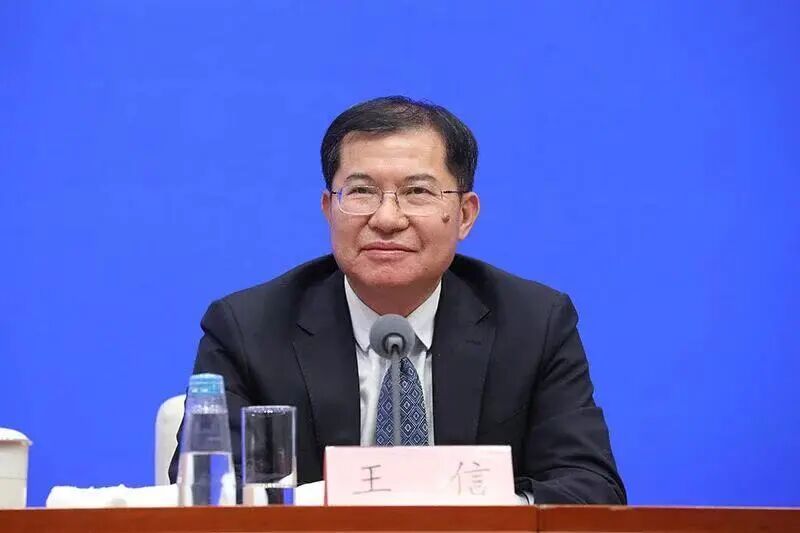
刚刚,央行研究局局长王信最新发声!
Jin Rong Shi Bao· 2025-10-31 07:50
Core Viewpoint - The People's Bank of China emphasizes the importance of green service trade as a key driver for global economic growth and structural adjustment, focusing on the development of a green low-carbon supply chain and various green technologies and services [3][4]. Group 1: Policy and Standards - In February 2024, the People's Bank of China, in collaboration with the National Development and Reform Commission, will release the "Guidance Directory for Green Low-Carbon Transition Industries (2024 Edition)," which aims to clarify green trade recognition and reduce tariffs and non-tariff barriers [4]. - In March 2024, the People's Bank will introduce further guidelines to enhance financial support for green low-carbon development, emphasizing the need for improved supply chain financial infrastructure [4]. - The "Green Financial Support Project Directory (2025 Edition)" was released in June 2023, marking the first inclusion of green trade within the scope of green financial support, covering the entire production-consumption chain [4][5]. Group 2: Financial Products and Tools - Financial institutions are actively supporting green trade development through various financial products, including green credit, green bonds, and green equity funds [6]. - For instance, China Merchants Energy received a transformation loan of 273 million yuan from the Bank of Communications, demonstrating the application of green credit in the shipping industry [6]. - The issuance of green and blue bonds by China Shipbuilding (Hong Kong) Leasing Company supports low-carbon technology research and development in the shipping sector [6]. Group 3: International Cooperation - The People's Bank of China is focusing on enhancing sustainable financial cooperation with economies that have strong economic complementarity and trade ties with China, promoting green trade development [5]. - A joint "Multilateral Sustainable Finance Common Classification Directory" was released with the EU and Singapore, facilitating green trade and related investment and financing development [5]. Group 4: Future Directions - The People's Bank of China plans to continue promoting the application of green finance and transition finance standards, encouraging innovative financing methods [7]. - There will be an emphasis on reducing financing thresholds and costs for light-asset green service trade enterprises, which often lack substantial collateral [7]. - The bank aims to enhance the issuance of green financial products in global markets, providing more Chinese green assets to global investors [7].

商务部:《数字经济和绿色发展国际经贸合作框架倡议》已得到50多个经济体响应
Zhong Guo Xin Wen Wang· 2025-10-31 07:36
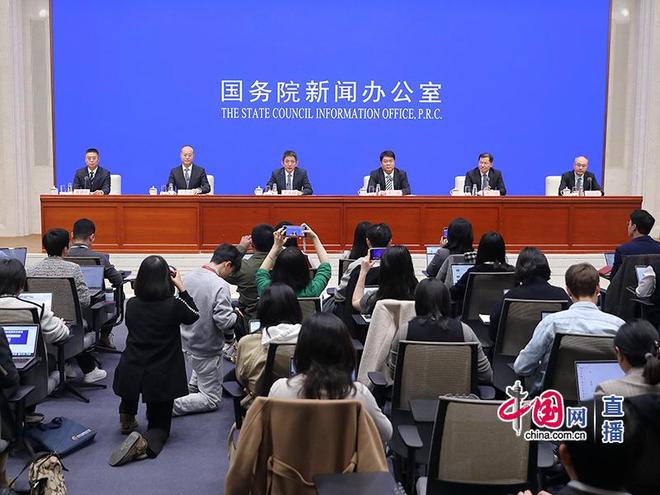
中新网10月31日电国新办31日举行国务院政策例行吹风会,商务部国际贸易谈判代表兼副部长李成钢在 会上表示,商务部提出的《数字经济和绿色发展国际经贸合作框架倡议》已经得到50多个经济体积极响 应,成为广受欢迎的公共产品。 李成钢称,当前绿色转型是世界经济重要的发展趋势和增长引擎,也是国际社会高度关注的新兴合作领 域,但是也面临着单边主义、保护主义的挑战。在这样的背景下,中国始终秉持开放合作态度,积极参 与全球绿色治理,重点从三个方面着力,为绿色贸易发展营造良好的国际环境。 一是深度参与绿色贸易的全球治理。将在二十国集团、金砖国家、亚太经合组织、联合国贸发会议等重 要的国际场合,积极参与绿色发展相关议题的讨论,主动分享中国实践和中国方案。比如,商务部提出 的《数字经济和绿色发展国际经贸合作框架倡议》已经得到50多个经济体积极响应,成为广受欢迎的公 共产品,将继续推动扩员和落实,同时切实履行在亚太经合组织环境产品清单的关税减让承诺,清单内 产品关税已如期降到5%以下。此外,在与南非等国签署的深化双边贸易畅通合作谅解备忘录中也纳入 了绿色贸易有关内容。 二是持续提升高标准自贸区网络"绿色含量"。在已经签署的自贸协定 ...
绿色贸易首个专项政策文件出台,四部门详解
Di Yi Cai Jing Zi Xun· 2025-10-31 07:29
Core Viewpoint - The implementation of the "Implementation Opinions" by the Ministry of Commerce marks a significant step towards expanding green trade, aiming to optimize trade, support carbon neutrality goals, and enhance global climate governance [1][3]. Group 1: Green Trade Development - The "Implementation Opinions" is the first specialized policy document in the field of green trade, emphasizing innovation as a key characteristic [1]. - The goal of expanding green trade is to promote trade optimization and upgrade, contributing to the achievement of carbon neutrality targets [1]. - The Ministry of Commerce and other departments are committed to enhancing green service trade through various financial tools such as green credit, green bonds, and green equity funds [1][5]. Group 2: Green Design and Manufacturing - The foundation of green trade lies in green products and industries, with a focus on promoting green design and production among foreign trade enterprises [3]. - The Ministry of Industry and Information Technology has created 451 green design enterprises and developed over 40,000 green products, with green factories accounting for over 20% of total output [4]. - By 2030, the output value of national and local green factories is expected to increase to 40%, with an emphasis on energy conservation and carbon reduction [4]. Group 3: Financial Support for Green Services - Green service trade is identified as a crucial driver for global economic growth and structural adjustment, encompassing the green transformation of traditional services and digital delivery services [5]. - The People's Bank of China aims to support green service trade by applying green finance standards and encouraging financial institutions to lower financing thresholds for asset-light green service enterprises [5][6]. - The focus will also be on issuing green financial products in global markets to provide more Chinese green assets to international investors [6].
商务部:中国外贸“向绿色”发展步伐在加快
Ren Min Wang· 2025-10-31 06:29
Core Viewpoint - China's foreign trade is accelerating its shift towards green development, characterized by three significant trends [1][2][3] Group 1: Green Products as New Growth Drivers - Green and low-carbon products are becoming a new driving force for foreign trade development, with global market size for electric vehicles, solar, and wind energy expected to reach $2.1 trillion by 2030, five times the current scale [1] - In the first three quarters of this year, exports of wind turbine units and components grew by over 30%, while photovoltaic products have maintained export values exceeding 200 billion yuan for four consecutive years [1] - Electric vehicle exports surpassed 2 million units last year, with strong growth in exports of green transportation tools such as electric locomotives and bicycles [1] Group 2: Comprehensive Upgrade of Supply Chains - The green low-carbon development of China's foreign trade is evident not only in product upgrades but also in deep transformations across the entire supply chain [2] - 47% of new products showcased at the ongoing 138th Canton Fair incorporate green design concepts, reflecting a shift in R&D towards sustainability [2] - Companies are innovating in materials, energy use, and processes to enhance the green attributes of their products, such as using marine waste for swimwear production [2] - The logistics sector is increasingly utilizing clean energy vehicles and vessels, contributing to reduced carbon emissions [2] Group 3: Transition to Integrated Solutions - The international market is increasingly favoring not just high-quality green products from China, but also comprehensive solutions that include technology, services, and management [2] - Chinese companies are exporting green low-carbon building materials to Saudi Arabia, providing complete energy-saving design and construction solutions [2] - In Tanzania, Chinese firms are offering integrated rapid transit solutions, including new energy buses, enhancing local commuting efficiency [2] Group 4: Future Outlook - The company aims to continue aligning with global green low-carbon development trends, further consolidating and enhancing China's capacity to serve global green trade [3]
绿色贸易领域首个!多部门最新解读
Shang Hai Zheng Quan Bao· 2025-10-31 06:28
Core Viewpoint - The Ministry of Commerce has issued the "Implementation Opinions on Expanding Green Trade," marking the first specialized policy document in the field of green trade in China, emphasizing innovation-driven characteristics [1][3]. Group 1: Green Trade Development - The "Implementation Opinions" focus on addressing weaknesses in China's green trade development, including the shortcomings in enterprises' green low-carbon development capabilities and the need to explore carbon reduction potential in logistics [3]. - The document outlines four key measures: enhancing the green low-carbon development capabilities of foreign trade enterprises, expanding the import and export of green low-carbon products and technologies, creating a favorable international environment for green trade, and establishing a robust support system for green trade [3]. Group 2: Market Potential and Performance - Green low-carbon products are identified as a new driving force for foreign trade development, with international institutions predicting that the global market for electric vehicles, solar energy, and wind energy will reach $2.1 trillion by 2030, five times the current scale [6]. - In recent years, China's exports of green low-carbon products have shown significant growth, with wind turbine components increasing by over 30% in the first three quarters of this year, and photovoltaic products exceeding 200 billion yuan in export value for four consecutive years [6]. Group 3: Support for SMEs - The Ministry of Commerce aims to assist small and medium-sized enterprises (SMEs) in overcoming challenges related to green low-carbon transformation, focusing on enhancing their green competitiveness through improved services, market expansion platforms, and promoting best practices [7][9]. Group 4: Green Manufacturing and Design - The Ministry of Industry and Information Technology has created 451 green design enterprises and over 4,000 green products, with plans to increase the output value of national, provincial, and municipal green factories to 40% by 2030 [11][13]. - The strategy includes promoting green design, building green factories, cultivating green supply chains, and developing green industrial parks to support the green trade ecosystem [13]. Group 5: Financial Support for Green Trade - The People's Bank of China is focusing on supporting green service trade development through green finance, including green credit, bonds, and equity funds, while lowering financing barriers for light-asset and green service trade enterprises [15][17]. - The bank plans to enhance sustainable finance standards and encourage financial institutions to provide targeted financial services to support green trade [17]. Group 6: Green Product Certification - The State Administration for Market Regulation will advance the green product certification system to support foreign trade enterprises in their green development efforts [19][21]. - The approach includes expanding certification to cover industry chains and supply chains, strengthening regulatory measures, promoting green product certification, and enhancing international cooperation for mutual recognition of green product certifications [21].
商务部:将持续推进自贸谈判 大力推动双向市场开放、削减非关税壁垒
智通财经网· 2025-10-31 06:27
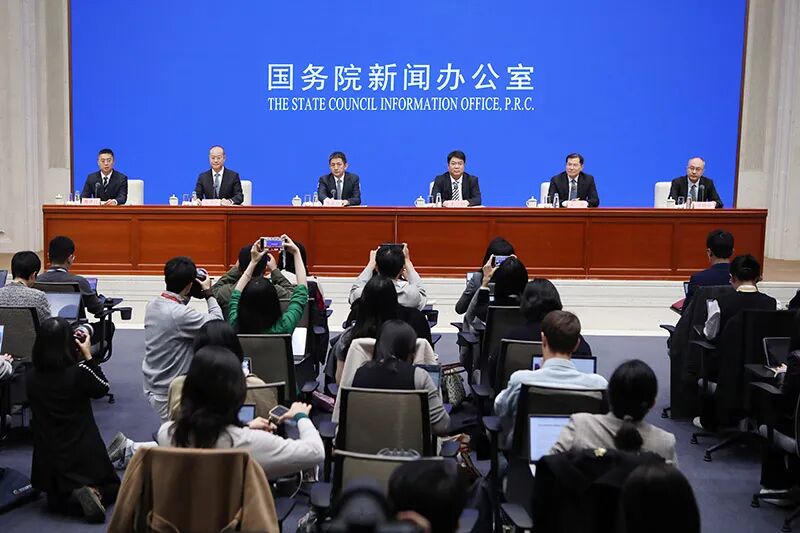
Core Viewpoint - The Chinese government emphasizes the importance of green trade as a key driver for economic growth and a response to global climate change, while also addressing challenges such as unilateralism and protectionism [1][4][20]. Group 1: Global Governance and Cooperation - China actively participates in global governance related to green trade through platforms like the G20, BRICS, and APEC, sharing its practices and proposals [1][8]. - The "Digital Economy and Green Development International Trade Cooperation Framework Initiative" has received positive responses from over 50 economies, indicating its popularity [1][8]. - China has committed to reducing tariffs on environmental products to below 5% as part of its APEC commitments [1][8]. Group 2: Free Trade Agreements and Standards - Recent free trade agreements, such as the China-ASEAN Free Trade Area 3.0, include chapters on green economy and prioritize green trade [2][9]. - Ongoing negotiations with countries like Switzerland, South Korea, and Peru also incorporate environmental protection and green industry cooperation [2][9]. - The government aims to enhance the "green content" of its free trade agreements and create a fair and transparent market environment [2][9]. Group 3: Domestic Reforms and Standards Alignment - The Ministry of Commerce is working to align domestic standards with international green standards, focusing on environmental standards and product certification [2][10]. - Efforts are underway to improve the green product standard, certification, and labeling systems, facilitating better integration of Chinese green products into global markets [2][10]. Group 4: Implementation of Green Trade Policies - The "Implementation Opinions" on expanding green trade aim to enhance the green development capabilities of foreign trade enterprises through training and best practice sharing [5][26]. - The government encourages the development of sustainable fuel trade and the exploration of remanufactured products for import and export [5][26]. - A public service platform for green trade is being established to improve third-party green service capabilities [5][26]. Group 5: Financial Support and Infrastructure - Financial policies are being strengthened to support green trade, including enhancing export credit insurance for green industries [6][31]. - The establishment of a carbon footprint database and a carbon pricing mechanism is underway to support green trade initiatives [6][31]. Group 6: International Collaboration and Standards - China is committed to participating in international discussions on carbon trade rules and aims to establish inclusive and fair international green trade regulations [6][20]. - The government is actively involved in the development of international standards for carbon emissions and green products, enhancing its role in global governance [6][24]. Group 7: Market Trends and Characteristics - Green low-carbon products are becoming a new driving force for foreign trade, with significant growth in exports of wind power, solar products, and electric vehicles [20][21]. - The shift from merely selling products to providing integrated solutions, including technology and services, is evident in international markets [22][34]. Group 8: Support for SMEs - The government is focused on helping small and medium-sized enterprises (SMEs) navigate the challenges of green transformation through enhanced public services and training [26][27]. - Initiatives include organizing trade promotion activities and establishing a platform for sharing best practices among SMEs [26][27].
又一利好来了!商务部发文
中国能源报· 2025-10-31 05:47
Core Viewpoint - The article discusses the implementation opinions released by the Ministry of Commerce on October 30, aimed at expanding green trade to promote trade optimization and support carbon peak and carbon neutrality goals [1][3]. Group 1: Enhancing Green Low-Carbon Development Capabilities of Foreign Trade Enterprises - Strengthening awareness of green low-carbon development among foreign trade enterprises through training and sharing best practices [4][5]. - Encouraging green design and production by supporting the use of renewable energy and reducing carbon emissions in foreign trade products [4][5]. - Promoting green logistics development by encouraging the use of environmentally friendly packaging and clean energy in transportation [5]. Group 2: Expanding Import and Export of Green Low-Carbon Products and Technologies - Enhancing the international competitiveness of green low-carbon products by promoting the use of recycled materials and sustainable fuels [7]. - Researching overseas markets to identify potential for green low-carbon trade and leveraging free trade agreements [7]. - Improving the greening of exhibitions by establishing dedicated green zones and revising relevant standards [7]. Group 3: Creating a Favorable International Environment for Green Trade Development - Strengthening international communication and participation in global carbon trade rule discussions [9]. - Promoting the establishment of standards for green low-carbon products and services that align with international norms [9]. Group 4: Establishing a Robust Support System for Green Trade - Encouraging financial institutions to develop products based on carbon footprint assessments to support green low-carbon exports [10]. - Accelerating the construction of a national carbon footprint database to assist foreign trade enterprises [10]. - Supporting talent development in green trade through research and training initiatives [11].
商务部:引导企业加快绿色低碳转型 降低外贸产品碳排放量
Sou Hu Cai Jing· 2025-10-31 05:46
Core Viewpoint - The Chinese government is promoting green trade initiatives to enhance low-carbon development in foreign trade, focusing on sustainable practices and reducing carbon emissions in the supply chain [1][3]. Group 1: Green Trade Implementation - The Ministry of Commerce has issued implementation opinions to promote green trade, which includes transitioning long-distance transport from road to rail and water, using environmentally friendly packaging, and enhancing international recognition of logistics containers [3]. - The initiative aims to develop trade in sustainable fuels like green hydrogen and explore the import and export of remanufactured products [3][4]. - Support for enterprises to leverage free trade agreements for expanding cooperation in the green low-carbon sector is emphasized, along with enhancing the greening of trade exhibitions [3]. Group 2: International Cooperation and Standards - The government plans to engage in global discussions on carbon-related trade rules and strengthen international cooperation on green low-carbon development, particularly with Belt and Road Initiative countries [3][4]. - There is a focus on improving carbon footprint accounting standards for key foreign trade products and enhancing mutual recognition of qualifications in the green low-carbon sector [3][4]. Group 3: Financial and Policy Support - The initiative includes strengthening financial policy support, expanding export credit insurance for green low-carbon industries, and developing a carbon footprint database for foreign trade products [4]. - Establishing a carbon pricing mechanism and increasing the scale of green certificate and green electricity trading are also part of the strategy to meet the needs of foreign trade enterprises [4]. - The government aims to build a statistical monitoring and analysis system for green trade and improve the policy framework surrounding it [4].
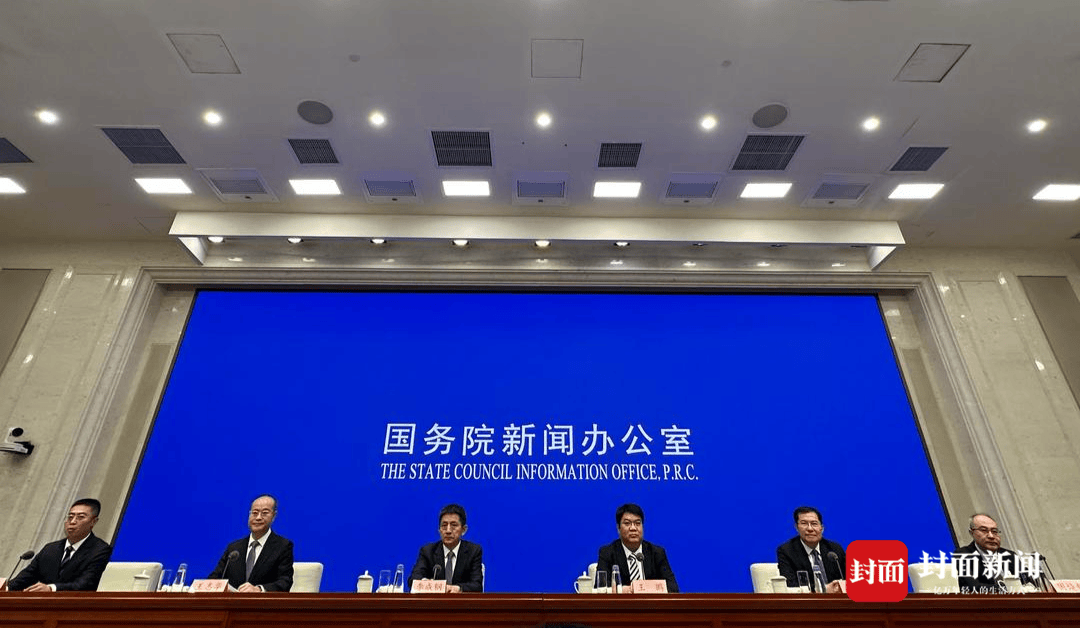
李成钢分享一组数据
Sou Hu Cai Jing· 2025-10-31 05:46
Core Insights - China's wind power, photovoltaic, and new energy vehicle products have been exported to over 200 countries, significantly reducing global wind and solar power generation costs by more than 60% and 80% respectively [1][4] - The Chinese government is committed to expanding green trade as part of its responsibility in global climate change efforts, as highlighted by recent initiatives [3][8] Industry Performance - In the first three quarters of this year, the export growth rate of wind turbine units and components exceeded 30%, while photovoltaic products have maintained an export value of over 200 billion yuan for four consecutive years [4] - Electric vehicle exports surpassed 2 million units last year for the first time, with strong growth also seen in the export of electric locomotives, electric motorcycles, and bicycles [4] Policy Initiatives - The Ministry of Commerce has issued the first special policy document on expanding green trade, which includes measures covering the entire process and various aspects of the foreign trade supply chain [4][5] - The policy encourages the development of new products using recycled resources and biodegradable materials, and aims to reduce resource waste and environmental pollution from trade [5] International Cooperation - The implementation plan emphasizes the need for fair and inclusive international rules and standards to facilitate the smooth flow of green products and services [7] - China aims to participate in global discussions on carbon-related trade rules and enhance cooperation on green low-carbon development topics [7][8] Future Outlook - The Chinese government plans to establish a standard system for green low-carbon products, technologies, and services that aligns with international standards, thereby reducing trade costs associated with standard discrepancies [7] - The goal is to enrich the global supply of green low-carbon products and services, contributing positively to global climate governance [8]
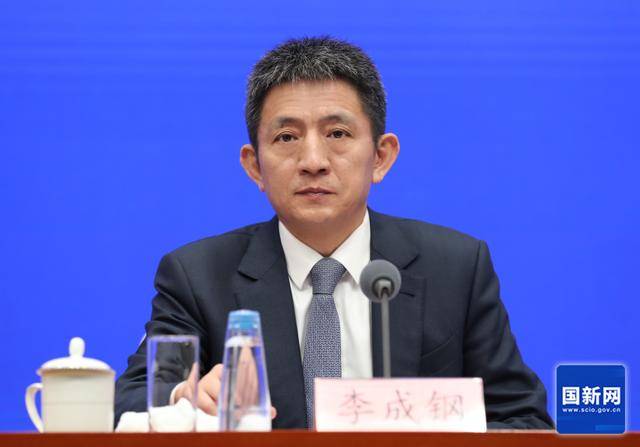
拓展绿色贸易,多部门详解新举措
Zhong Guo Zheng Quan Bao· 2025-10-31 05:43
10月31日,国新办举行国务院政策例行吹风会,介绍拓展绿色贸易相关情况。 商务部国际贸易谈判代表兼副部长李成钢表示,近日,商务部印发了《关于拓展绿色贸易的实施意 见》,作为绿色贸易领域首个专项政策文件,充分体现了创新引领的鲜明特点。 绿色产品标准、认证、标识体系 李成钢表示,将持续提升高标准自贸区网络"绿色含量"。在已经签署的自贸协定中,推动纳入了贸易与 环境的相关内容。商务部将持续推进自贸谈判,大力推动双向市场开放、削减非关税壁垒、提升规则承 诺水平,推动标准与合格评定合作,为企业创造公平、透明、可预期的市场环境。 降低轻资产、绿色服务贸易企业的融资门槛和成本 谈及金融支持绿色服务贸易发展,中国人民银行研究局局长王信表示,金融部门主要通过绿色信贷、绿 色债券、绿色股权基金等工具,赋能绿色服务贸易发展。 王信说,下一步,人民银行将继续在以下方面重点发力,支持绿色服务贸易发展:推动绿色金融、转型 金融标准应用,支持创新信贷、债券、股权等融资方式。鼓励金融机构围绕研发设计、物流运维、碳排 放认证和评价、废旧资源回收等生产性服务环节,加大融资支持,降低轻资产、绿色服务贸易企业的融 资门槛和成本。支持在全球金融市场发 ...