
能源安全

Search documents
捷克新政府通过施政纲领,与欧盟存在诸多分歧
Xin Lang Cai Jing· 2026-01-05 23:52
根据施政纲领,由总理巴比什领导的新政府将更廉价的能源与能源安全、医疗服务的可及性以及住房问 题列为主要战略方向。同时,新政府承诺对养老金和社会制度进行改革,并把安全与公民保护列为主要 优先事项之一。(央视新闻) 此外,捷克总统帕维尔曾要求政府在施政纲领中补充其对俄乌冲突的立场,以及履行北约盟友义务的态 度,但最终被执政联盟拒绝。 当地时间1月5日,捷克新政府通过了其施政纲领,该文件在诸多议题上与欧盟存在分歧。 施政纲领将捷克描述为欧盟的主权成员国以及北约框架内的坚定盟友,但文件同时指出,欧盟无权将侵 犯主权的决议强加给成员国。目前,捷克与欧盟在诸多议题上存在分歧,捷克已于2025年12月否决了欧 盟的移民协议,并明确反对"ETS 2"碳排放交易体系,新政府的施政纲领还要求对欧盟的"绿色新政"进 行修订。 ...
资源争夺再起-重视资源品长期配置价值
2026-01-04 15:35
Summary of Key Points from the Conference Call Industry Overview - The conference call primarily discusses the **energy and resource sectors**, focusing on **oil, coal, aluminum, copper, and tungsten** industries. Core Insights and Arguments Oil Market Dynamics - The military actions by the U.S. against Venezuela have severely impacted the country's oil exports, with production dropping to less than **1 million barrels per day**, representing about **1%** of global production of **100 million barrels per day** [3][4] - Venezuela's oil exports are approximately **600,000 barrels per day**, and the geopolitical risks may lead to short-term price increases, although U.S. oil reserve releases could mitigate this impact [3][4] - The long-term outlook for oil prices remains optimistic, contingent on strong macroeconomic conditions and limited geopolitical disruptions [3][4] Coal Industry Insights - The coal sector has recently underperformed due to falling prices and valuation pressures, influenced by carbon neutrality policies [5] - However, the importance of coal is being re-evaluated due to energy security concerns, especially in light of geopolitical uncertainties [5][6] - Companies with significant coal chemical layouts, such as **China Coal Energy** and **Guanghui Energy**, are highlighted as potential investment opportunities [6] Aluminum Sector Trends - The aluminum industry is expected to face a long-term supply gap, with domestic production nearing capacity limits and future growth reliant on uncertain foreign sources [2][8] - Strong demand for energy storage and aluminum foil is anticipated, particularly from 2025 to 2030, which could drive significant growth [2][11] - The price of aluminum is expected to trend upwards due to supply vulnerabilities [8][13] Copper Market Developments - The copper market is undergoing a strategic revaluation, with increasing demand driven by electrification and energy transition [7] - The U.S. is accumulating copper stocks, which is expected to support high copper prices in 2025 and beyond [7] - Companies with substantial resource reserves, such as **Zijin Mining** and **China Molybdenum**, are recommended for investment [7] Tungsten Industry Outlook - The tungsten market is projected to experience low growth in supply from 2026 to 2027, with China being the primary supplier [15][18] - Tungsten's strategic importance in military applications and its scarcity are expected to drive long-term price increases [17][18] Additional Important Insights - The geopolitical landscape is reshaping the strategic significance of resource commodities, moving them from cyclical to strategic assets [3][7] - The expansion of aluminum's use in air conditioning due to the widening price gap with copper could lead to substantial demand growth [12] - The coal sector's transition towards chemical applications is gaining momentum, with projects aimed at increasing coal's role as a raw material rather than just a fuel [5][6] Investment Recommendations - Companies with strong dividend yields and growth potential in the coal and aluminum sectors are highlighted, including **Yankuang Energy**, **Shenhua**, and **China Aluminum** [6][14] - The tungsten sector is also seen as having growth potential, with companies like **Xiamen Tungsten** and **Jiangxi Tungsten** being noted for their future production increases [15][20]
这才是铁哥们!还清中国81亿欠债,赠百亿大礼,西方各国都眼红
Sou Hu Cai Jing· 2026-01-04 07:43
世界上最难的事情之一,就是借了钱后还能按时还清,更别提数额高达81亿美元了。然而,土库曼斯坦不仅成功完成了这项艰巨任务,还回赠给中国一个价 值上百亿的超级大礼包。或许不少人对土库曼斯坦的了解仍停留在它是中亚五国中最神秘、最低调的国家。 西方媒体曾质疑中亚国家是否会赖账,但土库曼斯坦用实际行动打破了这些怀疑。2025年,土库曼斯坦的天然气年产量突破860亿立方米,出口量稳居全球 第一,顺利成为中国最大的海外能源供应国。对于中国而言,这为西气东输管道提供了稳定的气源,也确保了广东、上海等地的冬季供气不再担心限流。这 才是真正的铁哥们情谊。 那么,土库曼斯坦是如何成为中国能源铁哥们的呢?两国的合作究竟有多深厚?中国借给土库曼斯坦的81亿美元真的一分不少地收回了吗?而那个百亿大礼 又是什么?让我们从土库曼斯坦的资源金饭碗说起。二十年前,土库曼斯坦的天然气储量惊人,达到19.5万亿立方米,但当时它的日子却过得异常艰难。很 多老百姓幽默地说,家里煤气灶烧的不是天然气,而是心酸。 为什么会这样呢?原因很简单,虽然土库曼斯坦拥有丰富的资源,但开采和运输的技术完全依赖于外部,尤其是俄罗斯。每年出口天然气都需要看俄罗斯的 脸色, ...


紧系石油,俄罗斯向中国设下了一道考验
Sou Hu Cai Jing· 2026-01-01 01:48
Group 1 - The core of Sino-Russian oil cooperation began in the late 1990s, with Yukos Oil Company emerging as a significant player in Russia's oil industry under Mikhail Khodorkovsky's leadership [1][3] - Khodorkovsky's arrest in October 2003 led to a collapse in Yukos's stock and disrupted major pipeline projects, prompting the Russian government to shift its strategy towards the Taishet-Nakhodka pipeline [3][6] - The initial agreement for the Angarsk-Daqing pipeline was signed in 2003, aiming to supply China with oil amidst its growing energy demands, but was ultimately abandoned due to Yukos's instability [4][6] Group 2 - The Russian government’s decision to prioritize its own interests over Sino-Russian cooperation was evident when it sidelined Yukos and strengthened state control over the energy sector [6][8] - The construction of the East Siberia-Pacific Ocean (ESPO) pipeline continued despite Yukos's downfall, with the first phase completed in 2009 and the second phase in 2012, allowing for significant oil exports to China [8][9] - By 2023, Sino-Russian trade had increased significantly, reaching $240 billion, with oil being a major component, as China imported over 100 million tons of crude oil from Russia [9][11] Group 3 - The geopolitical landscape shifted in 2025, with new sanctions from the US and EU affecting Russian oil exports, leading to a decrease in China's imports of Russian oil [11][12] - Despite challenges, the relationship between China and Russia has strengthened, with China providing loans in exchange for oil, thus securing its energy resources while helping Russia navigate sanctions [11][12] - The complexities of the Sino-Russian energy relationship highlight vulnerabilities, as both countries adapt to external pressures and seek to diversify their energy strategies [12]
特朗普能源战悄然开打,油轮被扣成新常态,中国管道成救命稻草
Sou Hu Cai Jing· 2025-12-31 11:07
为什么不硬碰硬?其实道理很简单。对于俄罗斯的油轮被扣事件,中国没有选择直接与欧盟和北约发生冲突,因为与这些国家对抗并不值得,特别是对于 几艘油轮被抓的事情。如果真的爆发冲突,风险太大,收益却很小。而且,中俄之间已经有了陆上石油管道,能源供应依旧有保障,且中国与俄罗斯在多 方面有深厚的合作基础。因此,短期内,中国并不担心能源供应问题。 至于委内瑞拉,虽然它的石油潜力巨大,但目前的产量还不足以支撑中国的全部 需求,而且距离遥远,若为了这一点与美国的航母战斗,显然不值得。中国一直倡导和平共处,既然没有人主动挑起战争,中国自然不愿将事情搞大。能 通过谈判解决的,就尽量通过谈判解决,能拖的时间就拖,直到局势更加有利。 与此同时,美国自身也面临困境。长期以来,美国的制造业已空心化, 虽然军舰看上去很威风,但真正能够派出海的舰艇越来越少。反观中国,船厂每年都在大规模生产,航母战斗群也在不断壮大,经过几十年的积淀,局势 早已经发生了变化。 因此,特朗普的这些强硬举措,看似是针对中国的能源安全,但实际上并未触及到中国的核心利益。中国将继续低调地发展自己,扩展能源管道、扩大供 应来源、强化舰队建设,才是最为稳妥的应对之道。眼前的 ...

宝丰能源:固本兴新,实业报国
Zhong Guo Hua Gong Bao· 2025-12-31 03:07
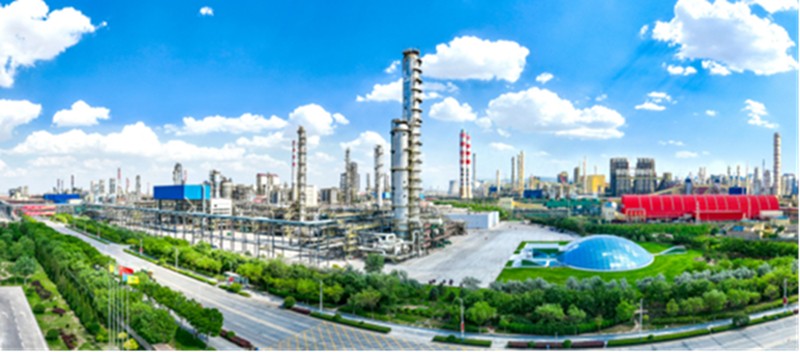
Core Viewpoint - The development of modern coal chemical industry in China during the "14th Five-Year Plan" period has undergone significant industry reshuffling and value reassessment, marking the beginning of a new high-quality development cycle characterized by core technological breakthroughs, green low-carbon transformation, and comprehensive efficiency improvements [1] Group 1: Company Overview - Baofeng Energy Group has established the largest, most complete, and technologically advanced modern coal chemical industry cluster in China during the "14th Five-Year Plan" period, laying a solid foundation for the upcoming "15th Five-Year Plan" [1][5] - The company has successfully transitioned from a follower to a leader in the industry by focusing on its core business and continuous innovation [1] Group 2: Industry Impact - Baofeng Energy's annual production of 3 million tons of olefins in Inner Mongolia is a highlight, achieving five global and three national scale records, which significantly contributes to national energy security by replacing nearly 10 million tons of crude oil imports [4][5] - The coal chemical industry is becoming a cornerstone for ensuring China's energy security, food security, and supply chain stability amid various external pressures [5] Group 3: Technological Advancements - The company has adopted a domestic innovation strategy to overcome "bottleneck" technologies, collaborating with top research institutions and equipment manufacturers to achieve breakthroughs in key equipment and technologies [10][11] - Baofeng Energy has achieved significant milestones in the methanol-to-olefins process, including the world's first industrial application of the new DMTO-III technology at a million-ton scale, enhancing economic viability and competitiveness [11] Group 4: Green Transformation - The company is actively pursuing a dual-driven development path of "AI empowerment + green innovation," integrating renewable energy sources like solar and green hydrogen into its production processes [15][18] - Baofeng Energy's green hydrogen production capacity is projected to reach 3.1 billion standard cubic meters annually, significantly reducing carbon emissions and supporting the transition to a low-carbon economy [18] Group 5: Social Responsibility - Baofeng Energy has created over 7,000 new jobs during the "14th Five-Year Plan" period, contributing to local employment and talent optimization [22] - The company has established the Ningxia Yanbao Charity Foundation, providing substantial educational support to students in need, with cumulative donations exceeding 5.038 billion yuan [22][23]

宝丰能源:固本兴新,实业报国
Zhong Guo Hua Gong Bao· 2025-12-31 03:04
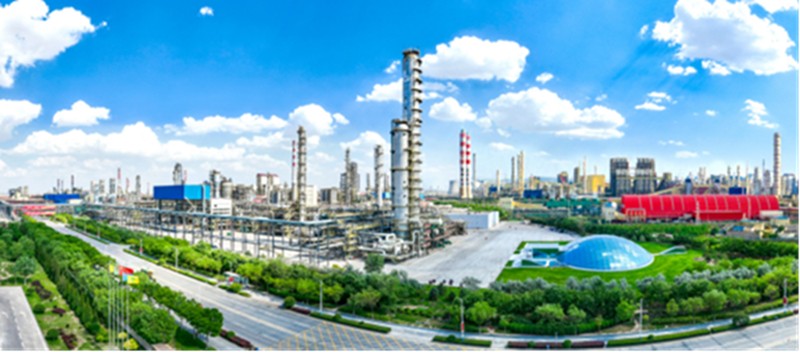
Core Viewpoint - The development of modern coal chemical industry in China during the "14th Five-Year Plan" period has undergone significant industry reshuffling and value reassessment, marking the beginning of a new high-quality development cycle characterized by core technological breakthroughs, green low-carbon transformation, and comprehensive efficiency improvements [1][4]. Group 1: Company Overview - Baofeng Energy Group has established the largest, most complete, and technologically advanced modern coal chemical industry cluster in China during the "14th Five-Year Plan" period, laying a solid foundation for the upcoming "15th Five-Year Plan" [1][5]. - The company focuses on "coal-to-oil" and green upgrades, producing high-end chemical materials such as polyethylene and polypropylene, transforming "black" coal into "white" materials through technological innovation [5][6]. Group 2: Industry Impact - Baofeng Energy's annual production of 3 million tons of olefins in Inner Mongolia can replace nearly 10 million tons of crude oil imports, enhancing national energy security and addressing the "bottleneck" in high-end materials [4][7]. - The coal chemical industry is becoming a crucial pillar for ensuring China's energy security, food security, and supply chain stability amid global economic slowdowns and increasing geopolitical tensions [4][5]. Group 3: Technological Innovation - The company has adopted a domestic innovation strategy, collaborating with top research institutions and equipment manufacturers to overcome key technological barriers and achieve industrialization of core equipment [10][11]. - Baofeng Energy has achieved significant breakthroughs in methanol-to-olefins technology, with the world's first million-ton industrial application of the new DMTO-III technology, enhancing project economics and competitiveness [11][12]. Group 4: Green Transformation - The company is actively pursuing a dual-driven development path of "AI empowerment + green innovation," integrating renewable energy sources such as solar and green hydrogen into its production processes [15][17]. - Baofeng Energy's green hydrogen production capacity is planned to reach 3.1 billion standard cubic meters annually, significantly reducing carbon emissions and supporting the transition to a low-carbon economy [17][18]. Group 5: Social Responsibility - Baofeng Energy has created over 7,000 new jobs during the "14th Five-Year Plan" period, contributing to local employment and talent optimization [21][22]. - The company has established the Ningxia Yanbao Charity Foundation, providing substantial educational support to students in need, with cumulative donations exceeding 5.038 billion yuan [21][22].
深海逐梦 能源筑基——中国海油“十四五”高质量发展纪实
Zhong Guo Hua Gong Bao· 2025-12-31 02:53
Core Viewpoint - The "14th Five-Year Plan" marks a significant period for China's energy transition, with China National Offshore Oil Corporation (CNOOC) playing a crucial role in ensuring national energy security and advancing towards deep-sea exploration and green transformation [1] Production Growth - CNOOC has achieved a remarkable increase in oil and gas production, with a projected cumulative production of over 40 million tons of oil equivalent from the Bohai Oilfield by 2025, setting a historical record [1] - The company has implemented key technologies such as precise water injection and stable oil control, effectively managing the natural decline rate of mature oil fields, leading to a 33% increase in domestic crude oil production during the "14th Five-Year Plan" [4][5] - In the South China Sea, CNOOC's East South Sea Oilfield has consistently produced over 20 million tons annually, with significant developments in the "Deep Sea No. 1" gas field, increasing peak annual production from 3 billion cubic meters to 4.5 billion cubic meters [5] Exploration Breakthroughs - CNOOC has made substantial progress in oil and gas exploration, with a 27% increase in proven oil reserves and a 75% increase in natural gas reserves compared to the "13th Five-Year Plan" [7] - The company has successfully discovered major oil fields in complex geological structures, including the Bohai Sea and deep-water areas, enhancing its exploration capabilities and contributing to global competitiveness [8][10] Technological Independence - CNOOC has achieved significant advancements in deep-water oil and gas exploration technology, becoming the third country globally capable of independent deep-water resource development [11] - The company has developed the world's first 100,000-ton deep-water semi-submersible production and storage platform, showcasing its technological innovations and contributing to the domestic marine engineering equipment industry [12][13] Regional Empowerment - CNOOC has aligned its investments with national strategies, focusing on key regions such as the Beijing-Tianjin-Hebei area and the Guangdong-Hong Kong-Macao Greater Bay Area, with a 48% increase in total investment for energy layout [16] - The company has played a vital role in ensuring energy supply in various regions, with significant contributions to local economies and the establishment of a collaborative development model between energy and industry [17][18] Green Transformation - CNOOC is committed to green projects, enhancing the clean energy ratio in the Guangdong-Hong Kong-Macao Greater Bay Area and implementing carbon capture and utilization projects [18] - The company has made strides in sustainable energy practices, including the establishment of the first coastal LNG refueling station in Hainan and the production of green methanol from urban waste [18] Future Outlook - Looking ahead, CNOOC aims to continue its focus on technological innovation, green development, and regional collaboration, contributing to national energy security and the transition to a modern energy system [19]

深海逐梦 能源筑基——中国海油“十四五”高质量发展纪实
Zhong Guo Hua Gong Bao· 2025-12-31 02:14
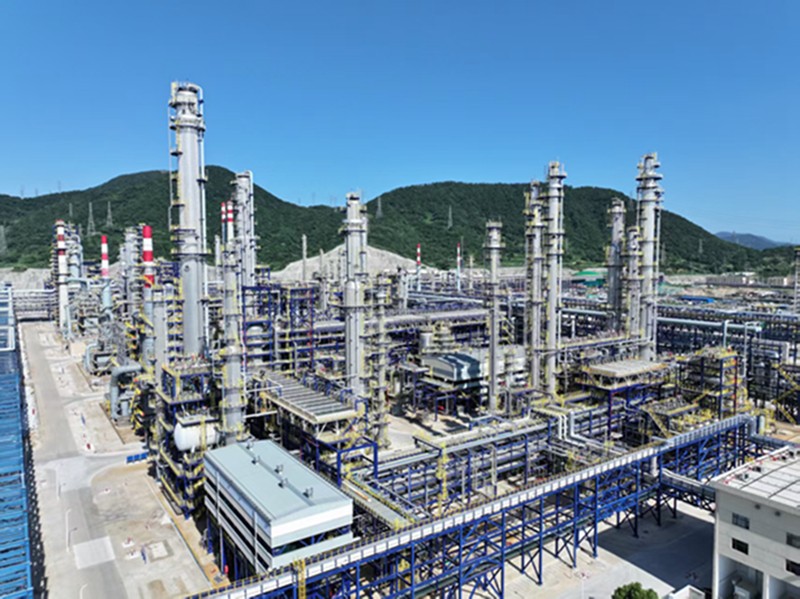
Core Viewpoint - The "14th Five-Year Plan" marks a significant period for China's energy transition, with China National Offshore Oil Corporation (CNOOC) playing a crucial role in ensuring national energy security through technological innovation, regional collaboration, and green transformation [1][20]. Production Growth - CNOOC has achieved a remarkable increase in oil and gas production, with a projected cumulative output of over 40 million tons of oil equivalent from the Bohai Oilfield by 2025, setting a historical record [1][11]. - During the "14th Five-Year Plan," CNOOC's domestic crude oil production increased by 33%, while natural gas production surged by 73%, significantly contributing to national energy security [5][20]. - The company has implemented key technologies to stabilize production in aging oil fields and accelerate the development of new fields, resulting in a 12% improvement in construction efficiency and a 43.2% conversion rate for new production capacity [4][5]. Exploration Breakthroughs - CNOOC has made significant strides in oil and gas exploration, with a 27% increase in proven oil reserves and a 75% increase in natural gas reserves compared to the "13th Five-Year Plan" [8][9]. - The company has successfully discovered major oil fields in complex geological structures, including the Bohai Sea and deep-water areas, enhancing its exploration capabilities and competitiveness [8][9]. - Notable discoveries include the Kaiping South Oilfield and the Hainan deep-water gas field, which have positioned CNOOC as a leader in deep-water exploration [9][11]. Technological Independence - CNOOC has achieved significant advancements in deep-water oil and gas exploration technologies, becoming the third country globally to possess independent development capabilities in this area [12][13]. - The company has developed the world's first 100,000-ton deep-water semi-submersible production and storage platform, showcasing its technological prowess [13][14]. - CNOOC's innovations in LNG storage technology have led to the construction of 18 large-scale LNG tanks, dominating the global market [14]. Regional Empowerment - CNOOC has aligned its investments with national strategies, focusing on key regions such as the Beijing-Tianjin-Hebei area and the Guangdong-Hong Kong-Macau Greater Bay Area, with a 48% increase in total investment for energy projects [17][18]. - The company has played a vital role in ensuring energy supply stability in these regions, contributing to local economic development and industrial upgrades [17][19]. - CNOOC's green projects, such as carbon capture and utilization initiatives, have enhanced the clean energy share in regional energy structures [19]. Future Outlook - Looking ahead, CNOOC aims to continue its commitment to technological innovation, green development, and regional collaboration, contributing to national energy security and the transition to a modern energy system [20].
研判2025!中国藻类生物燃料行业背景、产业链全景、发展现状、技术创新及未来发展趋势分析:从示范验证到商业落地,藻基绿能迈向规模化[图]
Chan Ye Xin Xi Wang· 2025-12-31 01:51
Core Insights - Algal biofuels, derived from microalgae, represent a third-generation renewable fuel with significant advantages, including non-food production on marginal land and wastewater, thus avoiding competition with traditional agriculture and offering substantial carbon reduction potential [1][3][6] - The global market for algal biofuels is growing, driven by the need for low-carbon alternatives in hard-to-decarbonize sectors like aviation, with China integrating algal biofuels into its green development strategy through comprehensive policies and technological advancements [1][8] Industry Overview - Algal biofuels are produced from microalgae and macroalgae using various technologies such as oil extraction, fermentation, and gasification, focusing on renewable energy and carbon cycling [2][6] - The industry is characterized by four key features: high non-food yield, low carbon footprint, diverse raw materials, and compatibility with existing fuel systems [3][4] Development Background - The Chinese algal biofuel industry began in the late 1990s, gaining momentum after 2005 with government support, leading to the establishment of a preliminary industrial chain by 2010 [6][7] - Recent policies have emphasized the importance of algal biofuels in achieving energy transition and food security, with multiple strategic documents supporting technological research, market promotion, and industry standards [6][7] Current Industry Status - The global biofuel market is projected to reach $141 billion by 2025 and $257.6 billion by 2034, with a compound annual growth rate (CAGR) of 6.9% from 2025 to 2034, highlighting the increasing demand for advanced biofuels like algal biofuels [8] - In China, the algal biofuel sector is transitioning from demonstration to commercialization, with significant technological breakthroughs in genetic editing, AI cultivation, and magnetic flocculation [8][9] Industry Chain - The algal biofuel industry chain in China includes upstream biomass production, midstream processing, and downstream application, with a focus on producing biofuels and high-value co-products [9][10] - The market is currently dominated by biodiesel, which is compatible with existing infrastructure and has clear policy support, with projections indicating a market size of 1.17 billion yuan by 2025 [10] Future Trends - The industry is expected to evolve through technological breakthroughs, industrial upgrades, and market expansion, focusing on cost reduction and efficiency improvements across the entire value chain [11][12] - The integration of policies and market demand will drive applications into high-end sectors such as aviation and heavy transportation, enhancing international competitiveness through participation in global standards [12][13]



