
中国式现代化

Search documents
对话冯德莱恩顾问:中国创新体系很成功,期望中欧关系更具合作性
Zhong Guo Xin Wen Wang· 2025-12-17 02:24
Core Insights - The dialogue emphasizes the successful innovation system in China, highlighting its ability to transform academic research into marketable technologies, particularly in sectors like AI, electric vehicles, and biotechnology [11][12] - There is a call for a more cooperative and less confrontational relationship between Europe and China, especially in the context of global governance and technological development [4][6] Group 1: China's Innovation System - China's innovation system is noted for its effective integration of academic research into the economy, showcasing a successful collaboration between public and private sectors [11] - The long-term vision and risk-taking approach in China's innovation trajectory are highlighted as key factors for success, particularly in emerging technologies [12] - The ability to manage energy consumption and data governance in the context of AI and digital economy is identified as a significant challenge [12][13] Group 2: Global Cooperation and Governance - The current global governance system is undergoing profound changes, with a need for new paths to address issues like inequality and climate change [4][5] - The rise of populism and political polarization in Europe is seen as a barrier to understanding the importance of diversity and cooperation with China [5][7] - There is a recognition of the need for a balanced approach to economic development that considers community welfare and environmental sustainability [5][6] Group 3: Future of International Relations - The dialogue suggests that a multipolar perspective is essential for future relations, advocating for the recognition of diversity as a value rather than a threat [7] - The importance of collaboration with various countries, not just major powers, is emphasized to enhance understanding and cooperation [8] - The potential for mutual benefits through cooperation in technology and energy transition is highlighted, with a focus on shared goals and respect for sovereignty [6][13]
为加快建设金融强国、 服务中国式现代化作出贡献
Jin Rong Shi Bao· 2025-12-17 02:04
12月15日,交通银行(601328)党委召开扩大会议,传达学习中央经济工作会议精神,按照全国金融系 统工作会议要求,研究部署贯彻落实举措。交通银行党委书记、董事长任德奇主持会议并讲话。 会议强调,要始终坚持党中央对金融工作的集中统一领导,积极践行金融工作的政治性、人民性,坚定 不移走中国特色金融发展之路,锚定防风险、强监管、促高质量发展工作主线,按照"两个更好统筹"要 求,聚焦"五个关键着力点",围绕贯彻落实"四稳",找准找实做好交行工作的结合点和突破口,不折不 扣抓好落实,以高质量金融服务巩固拓展经济稳中向好势头,为加快建设金融强国、服务中国式现代化 作出交行贡献。 会议要求,要全面贯彻落实明年经济工作的总体要求、政策取向和"八个坚持"重点任务,坚持稳中求 进、提质增效,当好服务实体经济的主力军和维护金融稳定的压舱石。高效服务扩大内需,积极助力建 设强大国内市场,落实坚持投资于物和投资于人紧密结合的重要要求,在金融服务中既回应百姓关切, 又助力市场主体发展。把握国际科技创新中心扩围契机,创新优化金融服务模式,加力支持因地制宜发 展新质生产力和现代化产业体系建设。高效服务稳外贸,支持上海国际金融中心建设,带 ...

为加快建设金融强国、服务中国式现代化作出贡献
Jin Rong Shi Bao· 2025-12-17 01:49
12月15日,交通银行党委召开扩大会议,传达学习中央经济工作会议精神,按照全国金融系统工作 会议要求,研究部署贯彻落实举措。交通银行党委书记、董事长任德奇主持会议并讲话。 会议要求,要全面贯彻落实明年经济工作的总体要求、政策取向和"八个坚持"重点任务,坚持稳中 求进、提质增效,当好服务实体经济的主力军和维护金融稳定的压舱石。高效服务扩大内需,积极助力 建设强大国内市场,落实坚持投资于物和投资于人紧密结合的重要要求,在金融服务中既回应百姓关 切,又助力市场主体发展。把握国际科技创新中心扩围契机,创新优化金融服务模式,加力支持因地制 宜发展新质生产力和现代化产业体系建设。高效服务稳外贸,支持上海国际金融中心建设,带动提升对 海南自由贸易港及其他自贸区的服务能级,进一步打造跨境、离岸金融特色,持续助力扩大高水平对外 开放。进一步强化底线思维、极限思维,提升"四早"能力,聚焦重点领域压实责任,压茬推进风险化 解,坚决守牢不发生系统性风险底线,实现高质量发展和高水平安全良性互动。 责任编辑:杨喜亭 会议强调,要始终坚持党中央对金融工作的集中统一领导,积极践行金融工作的政治性、人民性, 坚定不移走中国特色金融发展之路,锚 ...


以高质量党建引领高标准建设海南自贸港
Hai Nan Ri Bao· 2025-12-17 00:58
Group 1 - The core viewpoint emphasizes that the leadership of the Communist Party is crucial for the direction, future, and success of China's modernization, particularly in the context of building the Hainan Free Trade Port [1][2] - The construction of the Hainan Free Trade Port requires high-quality party building to ensure the correct direction and high standards in its development, as highlighted by Xi Jinping's repeated emphasis on strengthening party leadership since 2018 [2][3] - The unique characteristic of the Hainan Free Trade Port is its adherence to the centralized leadership of the Communist Party, which is essential for its stability and long-term success in the reform and opening-up process [3][4] Group 2 - Effective party building is seen as a driver of productivity, cohesion, and combat effectiveness, which can significantly contribute to the development of the Hainan Free Trade Port [4][5] - Initiatives such as the establishment of party member task forces to address enterprise needs and streamline project approvals demonstrate how party building can translate into practical development advantages [5][6] - The ongoing efforts to enhance party leadership and governance are critical as the Hainan Free Trade Port faces increasing complexities and challenges in its operations and external engagements [6][7] Group 3 - The commitment to high-quality party building is essential for guiding the economic and social development of Hainan, ensuring that the leadership remains strong and effective in navigating future challenges [7] - The vision for Hainan Free Trade Port is to become a significant gateway for China's new era of opening up, which necessitates a continuous focus on enhancing party organization and its political advantages [7]
中共郑州市委关于制定郑州市国民经济和社会发展第十五个五年规划的建议
Zheng Zhou Ri Bao· 2025-12-17 00:57
Core Viewpoint - The article emphasizes the strategic planning and development goals for Zhengzhou during the "15th Five-Year Plan" period, focusing on high-quality economic growth, innovation, and urban development in alignment with national policies and directives from the Communist Party of China [1][6]. Group 1: Achievements and Current Status - During the "14th Five-Year Plan" period, Zhengzhou achieved significant milestones, with GDP expected to exceed 1.5 trillion yuan, and the city successfully becoming a national urban agglomeration [3]. - The city has implemented over 1 trillion yuan in key projects related to ecological protection and high-quality development, and has seen a substantial increase in R&D investment intensity, reaching 2.85% [3][6]. - Zhengzhou has been recognized for its cultural and environmental advancements, achieving a "Five Consecutive Championships" in national civilized city rankings and improving urban governance [3][6]. Group 2: Strategic Goals for the "15th Five-Year Plan" - The "15th Five-Year Plan" aims for Zhengzhou's GDP to reach 2 trillion yuan, with a focus on enhancing the quality of economic growth and optimizing the economic structure [10]. - The plan emphasizes the establishment of a modern industrial system, with significant advancements in high-tech industries and innovation capabilities [10][11]. - The city aims to improve social welfare, ensuring equitable access to education, healthcare, and housing, while also promoting cultural prosperity [12]. Group 3: Innovation and Industrial Development - Zhengzhou plans to implement an innovation-driven strategy, enhancing its technological capabilities and establishing itself as a regional hub for scientific innovation [13][14]. - The city will focus on developing a modern industrial system that integrates advanced manufacturing, digital economy, and urban agriculture [17][18]. - Efforts will be made to strengthen the role of enterprises in innovation, fostering high-tech companies and enhancing research and development activities [15][16]. Group 4: Infrastructure and Urban Development - The city aims to enhance its transportation infrastructure, creating a comprehensive network that supports both domestic and international trade [24][26]. - Zhengzhou will focus on building a robust logistics system, integrating modern logistics with advanced manufacturing to reduce costs and improve efficiency [28]. - Urban development will prioritize sustainability and resilience, with initiatives aimed at improving the quality of life for residents and promoting ecological conservation [12][37]. Group 5: Internationalization and Economic Integration - The plan includes strategies for enhancing Zhengzhou's international competitiveness, promoting foreign investment, and integrating into global supply chains [33][35]. - The city will work on establishing itself as an international consumption center, fostering a vibrant commercial environment that attracts global brands [34]. - Efforts will be made to streamline trade processes and enhance the overall business environment to support both domestic and international enterprises [36].
坚定不移深化改革扩大开放——五论学习贯彻中央经济工作会议精神
Xin Hua She· 2025-12-17 00:52
新华社北京12月16日电 题:坚定不移深化改革扩大开放——五论学习贯彻中央经济工作会议精神 新华社评论员 改革不停顿,开放不止步。中央经济工作会议把"坚持改革攻坚,增强高质量发展动力活力"和"坚 持对外开放,推动多领域合作共赢"纳入明年经济工作重点任务,释放了在深化改革、扩大开放中推动 高质量发展、推进中国式现代化建设的鲜明信号。学习贯彻中央经济工作会议精神,就要大力弘扬改革 开放精神,围绕激发高质量发展的动力活力,坚定不移深化改革扩大开放,不断开创经济社会发展新局 面。 改革开放是党和人民事业大踏步赶上时代的重要法宝,也是推进中国式现代化的根本动力。2025年 是很不平凡的一年,我国经济顶压前行、向新向优发展,改革开放迈出新步伐。从发布《全国统一大市 场建设指引(试行)》到出台民营经济促进法、再到10个地区获批开展要素市场化配置综合改革试点, 从实施自由贸易试验区提升战略到外资准入负面清单持续缩减、再到过境免签政策扩容带火"中国 游""中国购"……我国改革开放的广度和深度不断拓展,为经济社会发展提供了制度保障和强劲动力。 回望过去5年,以习近平同志为核心的党中央团结带领全党全国各族人民,迎难而上、砥砺前行, ...
为人民出政绩 以实干出政绩
Yang Shi Wang· 2025-12-17 00:51
在中央经济工作会议上,习近平总书记强调"要树立和践行正确政绩观",坚持为人民出政绩、以实干出政绩,自 觉按规律办事,完善差异化考核评价体系。总书记对政绩观的深刻阐述,鲜明回答了树立什么样的政绩观、为谁创造 业绩、创造什么样的业绩、怎样创造业绩等一系列问题,为确保党中央决策部署落地见效,激励广大党员干部以务实 作风履职尽责、干事创业提供了根本遵循。 一分部署,九分落实。中央经济工作会议明确提出了党中央关于明年经济工作的总体思路、政策取向、重点任 务。这些都是经过充分论证、反复研究后提出的,是我们做好经济工作的科学指引和行动指南,定了就要坚决落实。 习近平总书记的重要讲话,为广大党员干部打"预防针"、开"清醒剂",提醒、警示、指引我们要树立和践行正确 政绩观,完整、准确、全面贯彻落实党中央决策部署,以实干担当创造经得起实践、人民、历史检验的实绩。 中国式现代化,民生为大。习近平总书记深刻指出:"坚持为人民出政绩。"这质朴而深邃的话语,彰显了人民领 袖人民至上的深厚情怀。从"制定实施城乡居民增收计划"到"持续巩固拓展脱贫攻坚成果",再到"实施稳岗扩容提质行 动""推进教育资源布局结构调整""优化药品集中采购""实施 ...
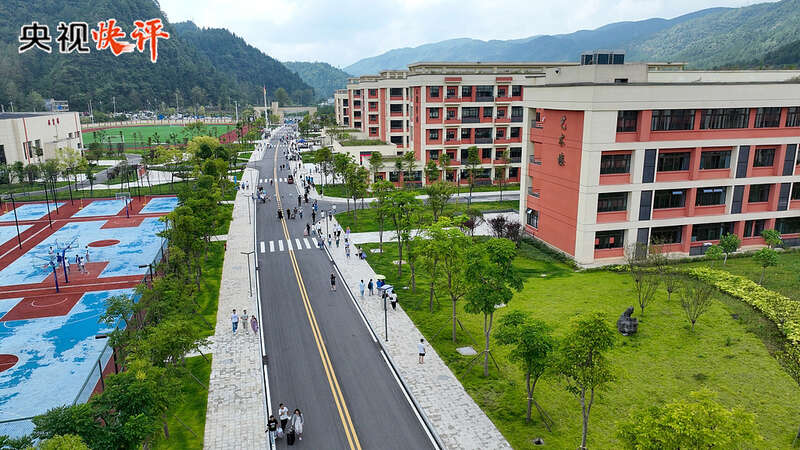
怀进鹏人民日报撰文:办好人民满意的教育
21世纪经济报道· 2025-12-17 00:46
Core Viewpoint - The article emphasizes the importance of providing education that satisfies the people, aligning with the fundamental purpose of serving the people and the basic philosophy of education development in China [1]. Group 1: Significance of Satisfying Education - Providing education that satisfies the people is essential for promoting high-quality education development and building an education powerhouse, as highlighted by Xi Jinping [2]. - Education is a crucial foundation for social fairness and justice, ensuring that educational development benefits all citizens [3]. - Satisfying education serves as a strategic support for national strength and the rejuvenation of the nation, enhancing the country's core competitiveness [4]. Group 2: Achievements and Changes in Education During the 14th Five-Year Plan - The 14th Five-Year Plan has led to historical achievements and significant changes in education, with a focus on prioritizing educational development [5]. - The level of education has improved significantly, with 47,000 schools and 28.646 million students enrolled by 2024, achieving high enrollment rates in preschool and compulsory education [6]. - The quality of education has seen new developments, with increased access to quality education and support for students from economically disadvantaged backgrounds [7]. - Education's role in supporting national strategies has strengthened, with over 10 million graduates entering the workforce annually, particularly in STEM fields [8]. Group 3: Tasks for Implementing Satisfying Education - A new framework for moral education must be established to cultivate future socialist builders and successors [10]. - The quality and accessibility of public education services need to be enhanced to meet the expectations of the people [11]. - A virtuous cycle between education, technology, and talent must be promoted to improve the quality of talent cultivation [12]. - A high-quality, professional teaching workforce is essential for building an education powerhouse, requiring ongoing training and support for teachers [13]. - Expanding high-level educational openness is crucial for enhancing international influence and competitiveness in education [13].
区域联动开创协调发展新局面
Jing Ji Ri Bao· 2025-12-17 00:40
Core Viewpoint - The article emphasizes the importance of regional coordinated development as an inherent requirement of Chinese-style modernization, highlighting the need for strategic deployment to promote regional interconnected development and address issues of unbalanced and insufficient development [1][2]. Group 1: Regional Development Strategy - The concept of "linkage" involves not only geographical connections but also the deep integration and collaborative evolution of factors, industries, and systems [2]. - Regional coordinated development is crucial for optimizing economic layout, advancing high-quality economic and social development, and enhancing national competitiveness [2]. - The current disparities in GDP and disposable income among different regions necessitate a focus on regional linkage to facilitate the free flow of production factors and break down isolation effects [2]. Group 2: New Development Pattern - Establishing a new development pattern that emphasizes domestic circulation requires addressing existing barriers and ensuring smooth economic cycles [3]. - The logistics cost in relation to GDP is projected to be 14.1% in 2024, which is still higher than that of developed countries, indicating the need for improved regional linkage to reduce operational costs [3]. - The article outlines the necessity of creating regional growth poles with global resource allocation capabilities to enhance China's position in the global value chain [3]. Group 3: Current Achievements and Challenges - Significant improvements have been made in regional linkage, with high-speed rail coverage reaching over 48,000 kilometers and a comprehensive transportation network covering over 80% of counties [4]. - Despite advancements, structural contradictions and institutional barriers still hinder regional linkage, necessitating higher-level coordination [5][6]. - Issues such as local protectionism and inconsistent standards continue to pose challenges for cross-regional cooperation, affecting overall competitiveness [5][6]. Group 4: Future Directions - The article suggests a clear roadmap for promoting regional linkage, emphasizing the need for top-level design, improved collaboration mechanisms, and the establishment of cooperative entities [7]. - Infrastructure development is highlighted as a foundational element for regional linkage, with a focus on enhancing connectivity in transportation, energy, and information sectors [7]. - Cities are identified as key carriers for regional linkage, with a call for the establishment of cross-regional industrial and innovation maps to facilitate efficient collaboration [8]. Group 5: Systematic Integration - Promoting regional linkage is described as a process of spatial restructuring, institutional reshaping, and re-energizing dynamics, requiring a shift from administrative boundaries to a holistic national perspective [9]. - The article advocates for a combination of top-down design and grassroots exploration, as well as the integration of hardware connectivity and mechanism collaboration to enhance regional development coordination [9].
加强新时代思想政治工作 为凝心聚力建设新时代壮美广西注入强大精神力量(学习贯彻《中国共产党思想政治工作条例》)
Ren Min Ri Bao· 2025-12-17 00:33
党的十八大以来,习近平总书记高度重视思想政治工作,创造性提出一系列新思想新观点新论断,深刻 回答了思想政治工作的方向性、根本性、全局性问题。今年9月,党中央印发《中国共产党思想政治工 作条例》(以下简称《条例》),这是我们党历史上第一部关于思想政治工作的统领性、综合性基础主 干法规。党的二十届四中全会《建议》明确提出,"加强和改进思想政治工作"。广西壮族自治区党委深 刻领悟"两个确立"的决定性意义,增强"四个意识"、坚定"四个自信"、做到"两个维护",把深入学习贯 彻《条例》精神与贯彻落实党的二十届四中全会精神紧密结合起来,与学习贯彻习近平文化思想和习近 平总书记对广西工作的重要指示要求紧密结合起来,将思想政治工作作为一项经常性、基础性工作来 抓,更好统一思想、凝聚共识、鼓舞斗志、团结奋斗,为凝心聚力建设新时代壮美广西注入强大精神力 量。 一、提高政治站位,深刻认识新时代思想政治工作的极端重要性 加强和改进思想政治工作,事关党的前途命运,事关国家长治久安,事关民族凝聚力和向心力。必须充 分发挥思想政治工作的引领作用,将其贯穿于党的全部工作之中,调动一切积极因素、广泛团结一切可 以团结的力量,确保新时代壮美广西 ...