中国式现代化

Search documents
乘势而上实现“十五五”良好开局——论贯彻落实中央经济工作会议精神
Jing Ji Ri Bao· 2025-12-13 11:44
朝着2035年基本实现社会主义现代化的目标迈进,"十五五"时期要夯实基础、全面发力,做好经济工作 意义重大。习近平总书记出席中央经济工作会议并发表重要讲话,全面总结"十四五"规划收官之年经济 工作,深刻分析当前经济形势,系统部署"十五五"开局之年经济工作,为"十五五"时期乘势而上迈好第 一步定向领航。 乘势而上,我们有高质量发展的坚实基础。 2025年,面对外部压力加大和内部困难较多的复杂局面,构建新发展格局、发展新质生产力等战略先手 棋的效果逐步显现,我国经济顶压前行、向新向优发展,继续展现出强大韧性和活力。在"十四五"这5 年,我们有效应对各种冲击挑战,经济、科技、国防等硬实力和文化、制度、外交等软实力明显提升, 经济增速继续领跑全球主要经济体,中国式现代化迈出新的坚实步伐。这是以习近平同志为核心的党中 央团结带领全党全国各族人民迎难而上、奋力拼搏的结果,充分彰显了"两个确立"的决定性意义。 乘势而上,我们对机遇与挑战有着深刻洞察。 经济发展中老问题、新挑战仍然不少,外部环境变化影响加深,国内供强需弱矛盾突出,重点领域风险 隐患较多——摆在我们面前的大多是发展中、转型中的问题,经过努力是可以解决的。我国经 ...
智库书单 | 2026年经济工作八项重点任务怎么干?
Sou Hu Cai Jing· 2025-12-13 10:55
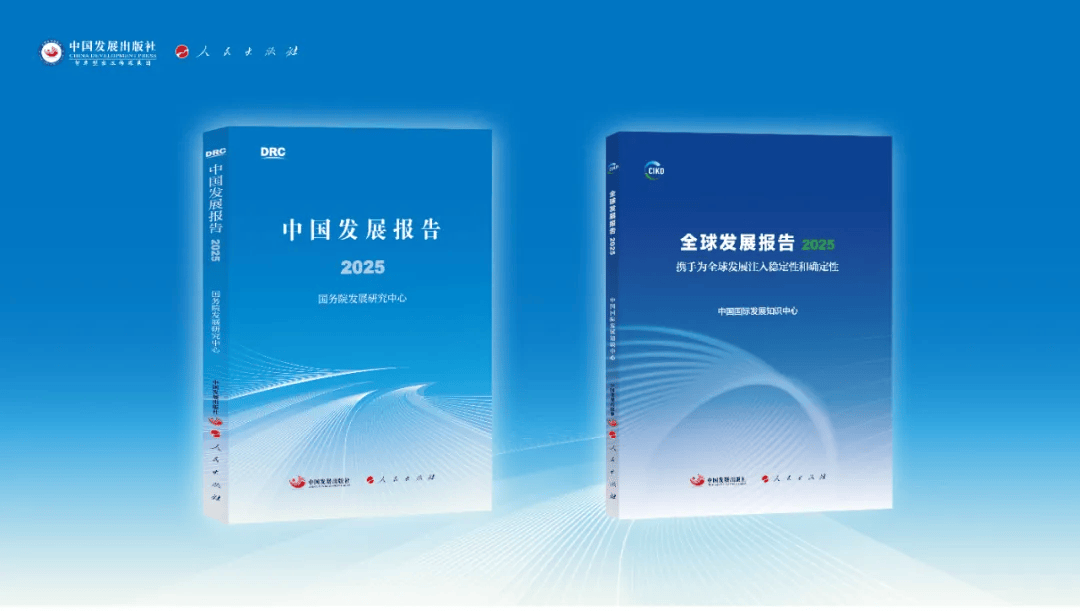
Group 1 - The Central Economic Work Conference held from December 10 to 11 in Beijing summarized the economic work for 2025, analyzed the current economic situation, and deployed tasks for 2026, emphasizing the need to maintain stability while seeking progress and improving quality and efficiency [1] - In 2026, eight key tasks will focus on enhancing macroeconomic governance effectiveness through integrated effects of existing and new policies, and increasing counter-cyclical and cross-cyclical adjustments [1] Group 2 - The "China Development Report 2025" records the ideological, institutional, and practical achievements formed during the advancement of Chinese-style modernization in 2024, including four significant research outcomes from the State Council Development Research Center [3] - The "Global Development Report 2025" analyzes major instability and uncertainty factors facing the world and their profound impacts on global development, focusing on issues such as global trade, climate change, health, food security, poverty reduction, and cooperation among developing countries [3] Group 3 - The report on "Silver Economy" from Shanghai highlights the city's exploration in capturing new demands and creating new scenarios to empower high-quality growth in new economic formats, drawing insights from international best practices [10] - The "Turning to Consumption Driven" report enriches theoretical understanding of expanding domestic demand and proposes innovative paths and mechanisms for constructing a complete domestic demand system [12] Group 4 - The "International Consumption Center Cities" report analyzes the conditions and foundations for major cities in China to transition into international consumption centers, providing overall strategies and policy recommendations [14] - The "Digital Trade Development and Cooperation Report (2022-2023)" clarifies the concept of digital trade and analyzes the current state and trends of global digital trade development, showcasing China's achievements and efforts in promoting international digital trade cooperation [41] Group 5 - The "New Quality Productivity Practice and Exploration" compiles research on the theoretical origins, practical paths, and innovative models of new quality productivity, clarifying its essential differences from traditional productivity [22] - The "Artificial Intelligence Major Application Scenarios Series" covers over ten typical scenarios, integrating theory and practice to explore the governance of artificial intelligence in various sectors [21]

开好局、起好步!透过中国经济年会 多角度感知中国经济蓬勃“脉动”
Yang Shi Wang· 2025-12-13 10:19
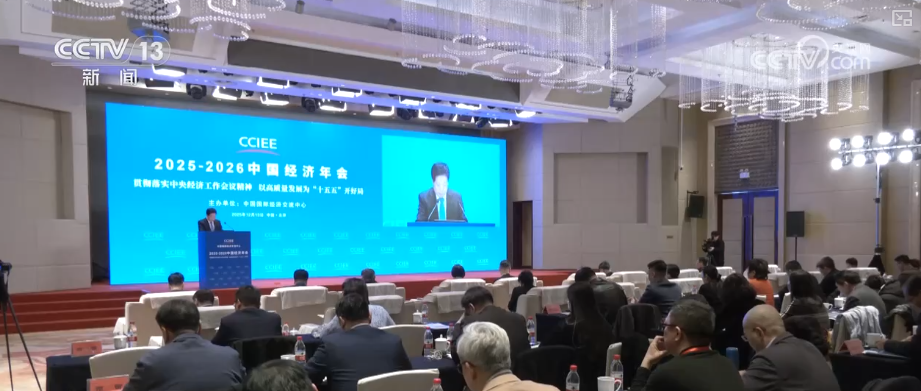
央视网消息:12月13日,在中国国际经济交流中心举办的2025—2026中国经济年会上,中央财办分管日常工作的副主任、中央农办主任韩文秀 表示,2025年是中国式现代化进程中具有重要意义的一年,是很不平凡的一年。全年经济社会发展主要预期目标将顺利实现,"十四五"即将圆 满收官。 中央财办分管日常工作的副主任、中央农办主任韩文秀表示,一年来,我国经济顶压前行,向新向优发展,展现出了强大的韧性和活力。主要 经济指标表现好于预期,许多机构预测,全年经济增长5%左右,我国仍然是全球经济增长的最大引擎。我们的就业形势总体稳定,外贸较快 增长,出口多元化成效明显,现代化产业体系建设加快推进。新质生产力稳步发展,人工智能、生物医药、机器人等研发和应用处在全球第一 梯队。改革开放迈出新步伐,纵深推进全国统一大市场建设,综合整治内卷式竞争,光伏等行业的供求关系和价格走势出现积极的变化。资本 市场交投活跃,国内外投资者信心增强,自主开放有序推进,安全、稳定、自信、包容的中国形象展现在世界的面前。 重点领域风险化解取得积极进展 在12月13日举行的中国经济年会上,韩文秀表示,2025年以来,重点领域风险化解取得积极进展。 韩文秀表 ...
刚刚!中央财办,权威发声!
券商中国· 2025-12-13 10:14
Core Viewpoint - The article discusses the optimistic outlook for China's economy in 2025 and 2026, highlighting expected growth and the implementation of new policies to sustain economic stability and growth [1][2]. Economic Performance - China's major economic indicators are performing better than expected, with a projected GDP of approximately 140 trillion yuan for 2025, marking a significant increase from previous milestones [2]. - The International Monetary Fund and other institutions have raised their forecasts for China's economic growth for the coming years, indicating China's role as a major engine of global economic growth [2]. Policy Implementation - In 2026, new incremental policies will be introduced based on changing circumstances to maintain stable economic growth, employment, and price stability [3]. - The government will continue to implement proactive fiscal policies and moderately loose monetary policies to enhance the effectiveness of macroeconomic governance [3]. Consumption and Investment - The article emphasizes the importance of domestic consumption, with initiatives like the "old-for-new" policy boosting sales in related sectors, and a significant penetration rate of 60% in the new energy vehicle market [4]. - There is a focus on expanding investment in urbanization, technological innovation, and improving people's livelihoods, with plans to increase central budget investment and optimize project implementation [5][6]. Innovation and Entrepreneurship - The government aims to strengthen leading venture capital institutions and technology enterprises, promoting original innovation and enhancing the role of enterprises in technological advancements [7]. - A comprehensive plan for education and talent development in science and technology will be established to support long-term research and innovation [7]. Trade and Foreign Investment - The article outlines the need to expand both exports and imports, promoting sustainable foreign trade development and enhancing China's openness to international markets [9][10]. - Efforts will be made to improve the business environment for foreign investment and encourage reinvestment within China [10]. Environmental and Debt Management - The government will actively pursue carbon peak goals and promote green energy initiatives, while also addressing local government debt risks and preventing the creation of hidden debts [12][14]. - Measures will be taken to stabilize the real estate market and ensure the construction of safe, comfortable, and sustainable housing [13][14].
韩文秀:坚持政策支持和改革创新并举|宏观经济
清华金融评论· 2025-12-13 10:02
12 月 1 0 日 至 11 日 , 中 央 经 济 工 作 会 议 在 北 京 举 行 , 总 结 20 25 年 经 济 工 作,分析当前经济形势,部署2026年经济工作。12月13日,由中国国际 经济交流中心举办的" 2 025 - 202 6中国经济年会"在京举行,今年年会的主 题 为 " 贯 彻 落 实 中 央 经 济 工 作 会 议 精 神 以 高 质 量 发 展 为 ' 十 五 五 ' 开 好 局"。中央财办分管日常工作的副主任、中央农办主任韩文秀发表《坚持 稳中求进、提质增效 努力实现"十五五"良好开局》的主旨演讲。 韩文秀表示,2024年9月26日中央政治局会议以来,我国先后出台实施了一系列政策措施。明年还将根据形势变化出台实施增量政策,要协同发挥存量政 策和增量政策集成效应,推动经济稳中向好。 2025年经济增长5%左右 韩文秀表示,回望"十四五",我国有效应对世纪疫情、脱钩断链、自然灾害等超乎寻常的冲击挑战。经济实力明显壮大,我国经济总量连续跨过110万亿 元、120万亿元、130万亿元的台阶,今年预计达到140万亿元左右。 韩文秀表示,今年是中国式现代化进程中具有重要意义的一年,是很 ...

2026年中国经济怎么干?这场重磅年会最新解读
Yang Shi Xin Wen· 2025-12-13 09:45
Core Viewpoint - The 2025-2026 China Economic Annual Conference highlighted the significance of this year in the context of China's modernization process, with expectations of achieving major economic and social development goals [2][5]. Economic Performance - China's economic output is projected to reach approximately 140 trillion yuan this year, reflecting a robust performance that exceeds expectations [4][5]. - Many institutions forecast a GDP growth rate of around 5% for the year, positioning China as the largest engine of global economic growth [5]. Trade and Policy - The conference emphasized the need to expand both exports and imports, promoting sustainable foreign trade development [7][8]. - There is a focus on enhancing service exports and developing digital and green trade [8]. Income and Economic Growth - The government aims to synchronize the growth of residents' income with economic growth, implementing proactive fiscal policies and maintaining a stable macroeconomic environment [9]. - Policies will include maintaining necessary fiscal deficits and debt levels while ensuring the stability of the RMB exchange rate [9]. Consumption and Market Dynamics - The "old for new" consumption policy has spurred rapid sales growth in related goods, with the penetration rate of new energy vehicles nearing 60% [11]. - There is a plan to implement actions to boost consumption and increase the supply of quality goods and services [11]. Green Development - The conference underscored the importance of green development as a foundation for high-quality growth, with plans to accelerate the construction of a new energy system and expand the application of green electricity [12]. Education and Employment - There is a need to increase the supply of ordinary high school places and improve undergraduate enrollment in quality universities to adapt to changes in the school-age population [13]. - Employment policies will focus on stabilizing job opportunities for key groups, including college graduates and migrant workers [13]. Corporate Environment - The government will continue to address issues related to overdue payments to enterprises and enhance the regulatory environment to foster fair competition [14].
新华全媒头条丨锚定新目标 奋力开新局 ——2025年中央经济工作会议侧记
Xin Hua She· 2025-12-13 09:18
锚定"十五五"时期经济社会发展主要目标,确保"十五五"开好局、起好步,以习近平同志为核心 的党中央团结带领全党全国各族人民迎难而上、勇往直前,奋力书写中国经济的崭新篇章。 信心与定力:"我国经济顶压前行、向新向优发展" 2025年,中国式现代化进程中具有重要意义的一年。 今年以来,国际环境变乱交织,我国发展经历转型调整的挑战,经济稳定运行压力有所上升。 面对国内外形势深刻复杂的变化,全党全国勠力同心、奋力拼搏,坚定不移贯彻新发展理念、推 动高质量发展,经济社会发展主要目标将顺利完成。 新华社北京12月13日电 题:锚定新目标 奋力开新局——2025年中央经济工作会议侧记 新华社记者赵超、韩洁 一切伟大成就都是接续奋斗的结果,一切伟大事业都需要在继往开来中推进。 "十四五"即将圆满收官、"十五五"正待开启序幕之际,中央经济工作会议12月10日至11日在北京 举行。 习近平总书记在会上发表重要讲话,总结2025年经济工作,分析当前经济形势,部署2026年经济 工作,驾驭中国经济航船破浪前行。 "我国经济顶压前行、向新向优发展,展现强大韧性和活力。"10日第一次全体会议上,习近平总 书记对今年经济工作作出全面总结。 ...
确保“十五五”开好局起好步——一论学习贯彻中央经济工作会议精神
Xin Hua Wang· 2025-12-13 09:00
新华社北京12月12日电 接续奋斗,再启新程。在"十四五"圆满收官在即、"十五五"即将开启的重要历 史节点,中央经济工作会议在京举行。习近平总书记出席会议并发表重要讲话,总结2025年经济工作, 分析当前经济形势,部署2026年经济工作,为我们扎实做好明年经济工作,确保"十五五"开好局、起好 步指明了努力方向、提供了根本遵循。 办好中国的事情,关键在党。坚持和加强党的全面领导是做好经济工作的根本保证,是高质量发展的必 然要求。要坚持党中央集中统一领导,各地区各部门结合实际、因地制宜,全面落实党中央关于明年经 济工作的思路、任务、政策,形成统一意志和强大合力。要树立和践行正确政绩观,坚持为人民出政 绩、以实干出政绩,自觉按规律办事,努力创造经得起历史、实践和人民检验的业绩。要按照党的二十 届四中全会《建议》编制国家和地方"十五五"规划及专项规划,推动高质量、可持续的发展。 实现社会主义现代化是一个阶梯式递进、不断发展进步的历史过程,需要不懈努力、接续奋斗。"十五 五"时期是基本实现社会主义现代化夯实基础、全面发力的关键时期,在基本实现社会主义现代化进程 中具有承前启后的重要地位。让我们更加紧密地团结在以习近平同 ...
中央财办韩文秀:明年将根据形势变化出台实施增量政策
Qi Huo Ri Bao Wang· 2025-12-13 08:47
Group 1 - The year 2023 is significant for China's modernization process, with major economic and social development goals expected to be achieved, marking the successful conclusion of the "14th Five-Year Plan" [1] - International organizations like the IMF and Goldman Sachs have raised their economic growth forecasts for China for the next two years, reflecting a robust economic recovery [1] - China's economy is projected to reach approximately 140 trillion yuan this year, having crossed significant milestones of 110 trillion, 120 trillion, and 130 trillion yuan in previous years [1] Group 2 - A series of policies have been implemented since the Central Political Bureau meeting in September 2022, with plans for additional policies in response to changing circumstances in 2024 [2] - Emphasis on managing market expectations is crucial for economic stability, highlighting the need for a robust expectation management mechanism [2] - China aims to expand institutional openness and optimize the layout of free trade zones, with a focus on promoting service exports and developing digital and green trade [2] Group 3 - The year 2024 marks a transition from energy consumption control to carbon emission control, with a strong focus on green transformation and sustainable development [2] - The government plans to accelerate the construction of a new energy system and enhance the clean and efficient use of fossil energy, while expanding the application of green electricity [2] - Initiatives will include promoting carbon peak goals, improving energy efficiency in key industries, and developing new growth areas such as hydrogen and green fuels [2]
中央财办韩文秀,重磅发声!
Zhong Guo Ji Jin Bao· 2025-12-13 08:27
Core Viewpoint - The Chinese economy is expected to perform better than anticipated, with a projected GDP of approximately 140 trillion yuan in 2025, and the implementation of incremental policies in 2026 to support economic stability and growth [1][3][4]. Economic Performance - Major economic indicators have exceeded expectations, with a predicted annual growth rate of around 5% for this year, positioning China as the largest engine of global economic growth [3][4]. - The economy has shown resilience and vitality, with stable employment, rapid growth in foreign trade, and significant advancements in modern industrial systems, particularly in AI, biomedicine, and robotics [3][4]. Policy Implementation - The government plans to implement a series of incremental policies in 2026 based on evolving circumstances, aiming to enhance macroeconomic governance and maintain economic stability [5][6]. - A more proactive fiscal policy will be adopted, maintaining necessary fiscal deficits and total debt levels while optimizing expenditure structures to support major national strategies [6][7]. Five Musts for Economic Work - The central government emphasizes five essential strategies for economic work: 1. Fully explore economic potential by expanding consumption and investment [9]. 2. Combine policy support with reform innovation to address intertwined economic issues [10]. 3. Balance deregulation with effective management to enhance productivity [10]. 4. Integrate investments in physical and human capital to promote overall development [10]. 5. Strengthen internal capabilities to face external challenges and enhance self-reliance [10]. Trade and Market Development - The government aims to deepen the construction of a unified national market and address issues like corporate debt [12]. - There is a commitment to expand both exports and imports, promoting sustainable foreign trade development and enhancing the resilience of international trade [13]. Income and Consumption Growth - The focus for 2026 includes synchronizing income growth with economic growth, enhancing consumer spending through targeted policies, and improving the quality of employment [15]. - Initiatives will be taken to boost consumption, particularly in sectors like new energy vehicles and tourism, while optimizing the environment for inbound consumption [15]. Green Development - Green development is highlighted as a cornerstone of high-quality growth, with plans to advance energy transition and carbon emission control measures [16].