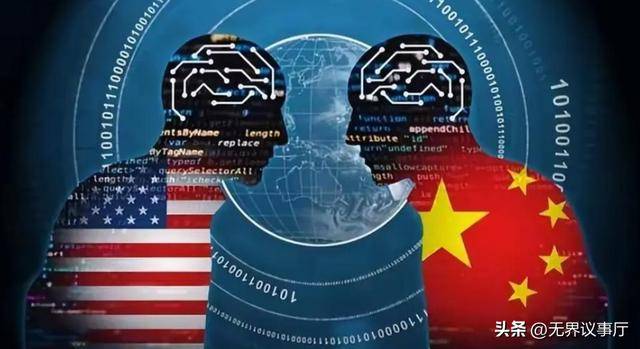
中美科技博弈

Search documents
技术封锁终将成自主创新“磨刀石”
Jing Ji Ri Bao· 2025-12-13 22:20
Core Viewpoint - The recent U.S. policy allowing Nvidia to sell H200 AI chips to "approved customers" in China, with a 25% revenue share to the government, raises questions about the value of this transaction for Chinese buyers, highlighting issues of cost-effectiveness, reliability, and competition in the tech sector [1][2][3][4] Cost-Effectiveness - The policy shift indicates a move from a complete blockade to a limited opening with economic ties, as the U.S. previously halted H20 chip exports, causing Nvidia's market share in China to plummet from 95% to 0% [1] - The H200 chip, while being a higher-performance product, is still considered a "second-tier" option compared to Nvidia's Blackwell series, which remains banned for sale in China, thus reducing the cost-effectiveness for Chinese users [1] Reliability Concerns - The temporary lifting of the ban on the H200 chip does not restore trust, as Chinese companies fear potential supply disruptions or scrutiny after purchasing the chips [2] - There are widespread suspicions regarding the possibility of "backdoors" in the Nvidia chips, particularly after reports of advanced tracking and remote shutdown capabilities, which further erodes market confidence [2] Competition Landscape - Domestic alternatives to Nvidia chips are emerging, with Chinese AI chips now included in official procurement lists, indicating a shift towards a self-sufficient technology ecosystem [3] - The support from over a trillion yuan in industrial funds and collaborative innovation efforts are enabling domestic chips to compete in various sectors, including government and finance [3] - The market is expected to evolve into a dual-track model of "diverse procurement + self-reliance," where imported chips may be used in specific scenarios while prioritizing domestic technology development [3][4]

反击美国芯片霸权,河南小县城开出关键一枪
3 6 Ke· 2025-12-03 07:46
Core Viewpoint - The recent export control on artificial diamond powder by China is a strategic move aimed at countering U.S. dominance in the semiconductor industry, highlighting China's growing influence in the global diamond market and its ability to leverage critical materials for geopolitical advantage [1][3][20]. Group 1: Export Control and Its Implications - China's Ministry of Commerce and General Administration of Customs announced the inclusion of artificial diamond powder with an average particle size of ≤50 microns in the export control list, effective November 8 [1][20]. - This regulation directly targets the U.S. semiconductor industry, as over 70% of chip-grade diamond materials are imported from China, indicating a significant leverage point for China in the ongoing U.S.-China technological rivalry [3][20]. Group 2: Importance of Diamond in Technology - Diamonds, known for their exceptional hardness and thermal conductivity (2000 W/(m·K)), are critical in semiconductor manufacturing, particularly for advanced processes below 5 nanometers [7][19]. - The unique properties of diamonds make them indispensable in various high-tech applications, including as a protective layer in EUV lithography machines, which are essential for modern chip production [7][19]. Group 3: China's Dominance in the Diamond Industry - China has emerged as the global leader in the diamond industry, with a production capacity that far exceeds that of other developed countries, controlling 80% of the diamond powder output in the country [16][19]. - The city of Zhecheng in Henan Province has developed a complete industrial chain for diamond production, from raw materials to high-end semiconductor-grade diamonds, establishing itself as a global supply center [16][19]. Group 4: Strategic Use of Export Controls - The export control measures are designed to maintain a balance between civilian and military applications, allowing for the continued supply of diamonds for decorative purposes while restricting those used in sensitive technologies [20][22]. - This approach not only safeguards China's resource security but also pressures the U.S. to reconsider its export policies in the face of dependency on Chinese materials [20][22].

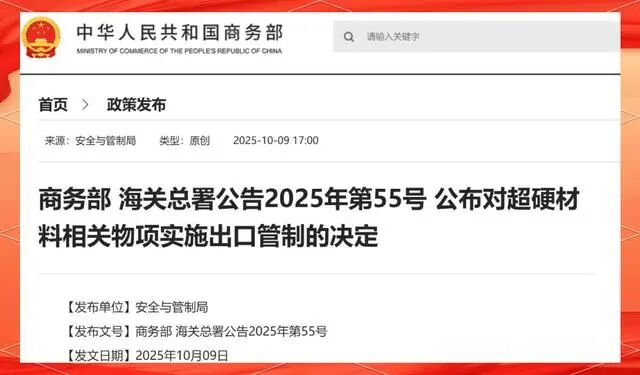
反击美国芯片霸权,河南小县城开出关键一枪!
首席商业评论· 2025-12-03 04:25
Core Viewpoint - The recent export control on artificial diamond powder by China is a strategic move aimed at countering U.S. dominance in the semiconductor industry, highlighting the increasing tensions in U.S.-China relations [2][4][24]. Group 1: Export Control Announcement - China's Ministry of Commerce and General Administration of Customs announced that artificial diamond powder with an average particle size of ≤50 microns will be subject to export controls, effective November 8 [2][24]. - This regulation directly targets the U.S. semiconductor industry, which relies heavily on Chinese diamond materials, with over 70% of chip-grade diamond raw materials imported from China [4][24]. Group 2: Importance of Diamond in Technology - Diamonds, known for their exceptional hardness and thermal conductivity, are critical in various high-tech applications, including semiconductor manufacturing and precision processing [6][9]. - The thermal conductivity of diamond is reported to be 2000 W/(m·K), significantly higher than that of copper and silicon, making it essential for advanced chip cooling solutions [8][9]. Group 3: China's Dominance in Diamond Production - China has emerged as the global leader in the diamond industry, with a production capacity that far exceeds that of developed countries, capturing 80% of the global diamond powder market [13][20]. - The city of Zhecheng in Henan Province has developed a complete industrial chain for diamond production, producing 10 million carats of cultivated diamonds annually [20][22]. Group 4: Strategic Implications of Export Controls - The export control on diamond powder is part of a broader strategy by China to leverage its material advantages in high-tech industries, similar to previous controls on rare earth elements [24][26]. - The regulation allows for civilian use while restricting military and semiconductor applications, effectively maintaining a balance between global supply and national security [24][26].

恒生科技高开0.43%,科网股表现强势,中芯国际涨近2%
Mei Ri Jing Ji Xin Wen· 2025-11-28 03:17
Group 1 - The Hang Seng Index opened up by 0.25%, and the Hang Seng Tech Index rose by 0.43%, with notable gains in tech stocks and the non-ferrous metals sector [1] - Capital market policies have significantly increased in intensity over the past two years, focusing on supporting technological development and optimizing resource allocation [1] - The current technological breakthroughs, represented by innovations such as large models, robotics, smart vehicles, and quantum computing, are driven by top-level policy design that enhances the innovation ecosystem [1] Group 2 - In 2024, China has achieved milestone breakthroughs in several key technology fields, with Huawei's Ascend chips nearing international leading performance and domestic humanoid robots breaking overseas monopolies [2] - The smart vehicle industry chain has demonstrated strong competitiveness in the global market, with companies like iFlytek surpassing international counterparts in core capabilities of large models [2] - This "pressure-response-breakthrough" innovation paradigm is reshaping the global technology competition landscape, with China transitioning from a technology follower to a partial leader in certain areas [2]

中国不会原谅!台积电、三星弃中投美遭反噬,比尔盖茨预言已成真
Sou Hu Cai Jing· 2025-11-24 06:06
Core Insights - The article discusses the dilemma faced by technology companies in the context of the US-China tech rivalry, highlighting that many have chosen to align with the US despite potential repercussions from China [1][3] - It emphasizes that companies like TSMC and Samsung, while not US firms, have become dependent on US technology and equipment, leading to a loss of independence [3][5] - The article outlines the significant investments made by TSMC and Samsung in the US, which have increased dramatically from initial commitments, indicating a shift in their operational focus [5][8] Investment and Market Dynamics - TSMC's initial investment in a US fab was projected at $14 billion but has ballooned to a total of $165 billion due to ongoing US pressure [5][7] - Samsung's investment in Texas started at $17 billion but has also seen substantial increases under US demands, leading to a transfer of resources and technology to the US [8] - Both companies are now reconsidering their positions and contemplating a return to the Chinese market, although they may face skepticism from Chinese tech firms [9] Industry Trends - Chinese tech companies have shifted their focus towards self-reliance and domestic alternatives, with the self-sufficiency rate for domestic chips rising to 30% [10] - The article suggests that the ongoing US restrictions have solidified China's commitment to independent research and development, making it unlikely for foreign companies to regain their previous standing in the Chinese market [11]

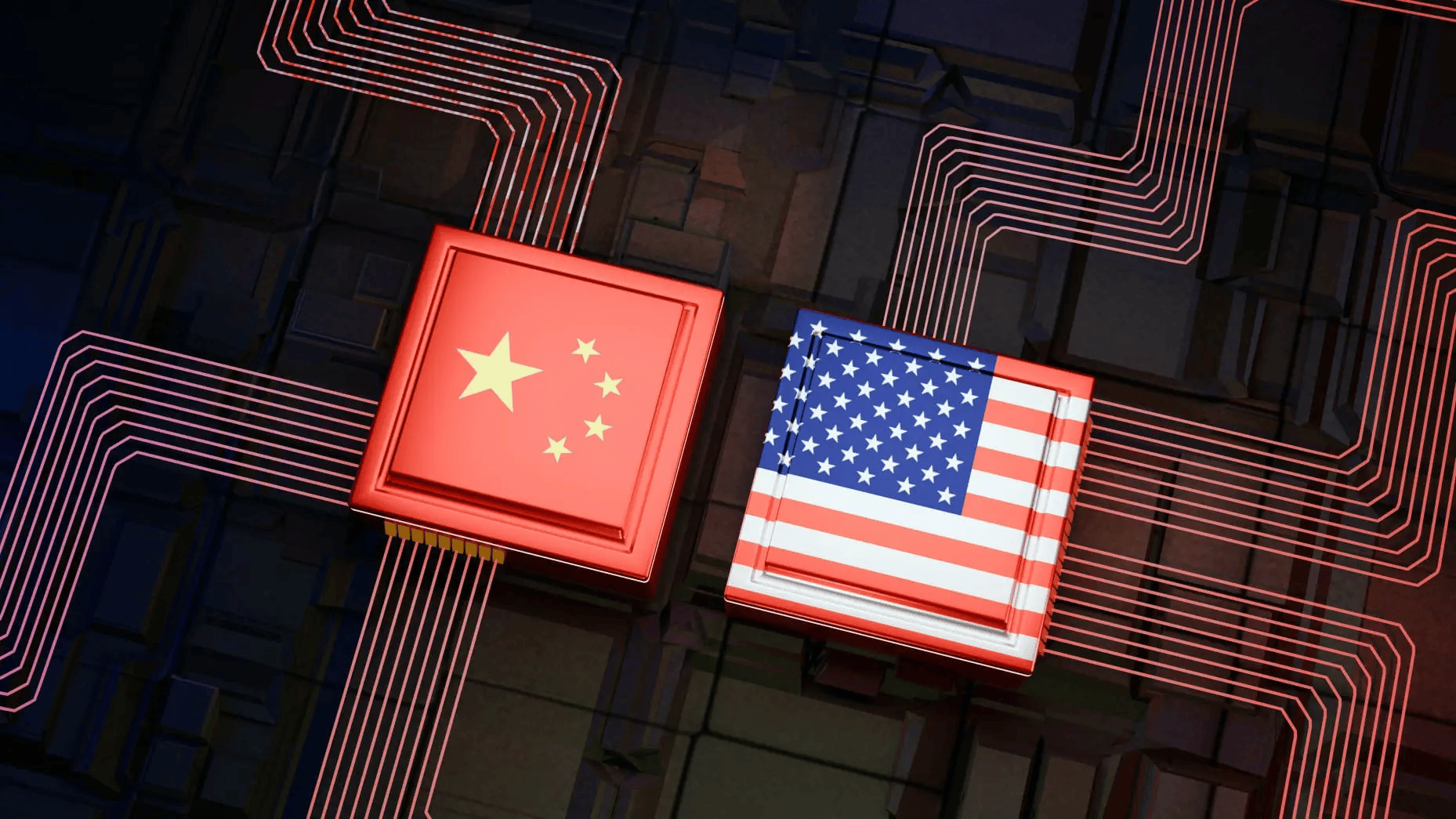
黄仁勋难道惹了不该惹的人?美媒调转枪口:英伟达正在扼杀美国AI
Xin Lang Cai Jing· 2025-11-12 02:22
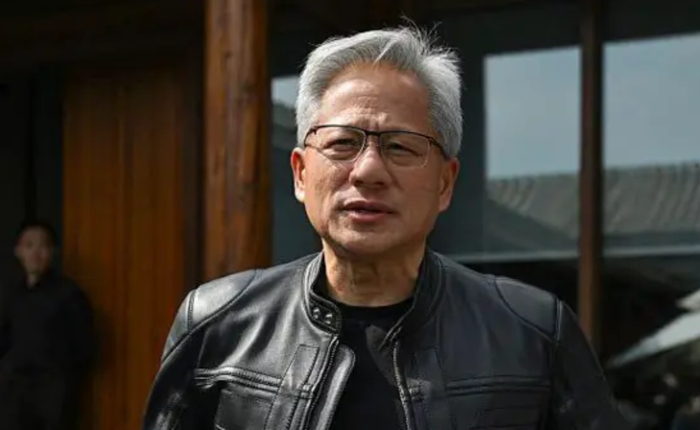
Core Viewpoint - Nvidia CEO Jensen Huang expressed concerns about the US-China AI competition, predicting that China will win in the generative AI race within the next 5 to 10 years due to its vast pool of AI talent and criticized US chip export controls as counterproductive [3][4]. Group 1: AI Competition - Huang stated that China has approximately 1 million professionals working in AI research, while Silicon Valley has only about 20,000 focused on large model development [4]. - He predicted that by 2027, China's AI computing power will surpass the total of all other countries combined [4]. Group 2: US Response and Industry Impact - Huang's comments sparked significant backlash in the US, with media criticizing Nvidia's role in the AI sector and suggesting that its business model may contribute to an economic bubble [4][5]. - Despite concerns, Silicon Valley remains a core hub for AI innovation, with major companies like Google, Microsoft, and Meta leading in technological development [5]. Group 3: Broader Implications - Huang's remarks highlight the complexities of global AI competition and the intensifying US-China tech rivalry, raising questions about the effectiveness of US technology restrictions on curbing China's rise [5]. - The incident may impact Huang's reputation and Nvidia's future, as any potential leadership change could increase market uncertainty [5].
机器人板块调整,如何看待投资机会
2025-11-05 01:29
Summary of Key Points from Conference Call Industry Overview - The humanoid robot sector is experiencing volatility due to the delayed release of Tesla's humanoid robot and uncertainties surrounding the shareholder meeting's compensation plan vote. The market has partially absorbed pessimistic expectations, and if the compensation plan is not approved, it may present a buying opportunity. Conversely, approval would indicate Tesla's future market value target and delivery volume for humanoid robots [1][4]. Core Insights and Arguments - **Short-term Outlook**: The focus is on domestic supply chains and T-chain resonance opportunities, with new product launches from companies like Yushu and Leju, as well as Xiaopeng's technology day. The T-chain has restarted supply chain procurement, with expectations for a concentrated release of new supplier information from Q4 to Q1 next year [1][5]. - **Long-term Outlook**: The strategic importance of humanoid robots is expected to increase amid the US-China tech rivalry, enhancing the sector's valuation. The anticipated mass production and listing of domestic giants like Yushu and Zhiyuan in 2025 are expected to drive stock prices to new highs [5][18]. Investment Opportunities - **Core Asset Allocation**: There are opportunities to increase holdings in core assets that have seen price declines, as well as new suppliers showing marginal changes. Notable companies include: - **Zhejiang Rongtai**: Established position in micro-screw technology for dexterous hands [6][7]. - **Donghua Testing**: Leading in signal processing sensors, particularly in force sensors [7]. - **Lixing Co.**: Innovating with ceramic balls to replace steel balls in ball screw applications [7]. - **Buke Co.**: Reporting an 84% year-on-year increase in robot revenue [7]. - **Potential Companies**: - **Keda Li**: Collaborating on cycloidal gear reducers, with significant growth potential if humanoid robots progress [8]. - **Dechang Electric**: A leading micro-motor manufacturer with a low valuation [8]. Market Trends - The domestic humanoid robot market is expected to see significant orders by 2025, with companies like UBTECH and Zhiyuan leading the way. The market is innovating rapidly, attracting overseas manufacturers [3][8]. - Xiaopeng is set to showcase an upgraded AI humanoid robot, enhancing both software and hardware capabilities [11]. - Leju is on track to become the second humanoid robot company to pursue an IPO, emphasizing its importance in the industry [12][13]. Other Important Insights - The upcoming Tesla shareholder meeting is critical, with market expectations already reflecting some pessimism. The outcome could significantly impact investment sentiment in the sector [4]. - The financing landscape for humanoid robots is expanding, with increasing quarterly financing activities, indicating growing investor interest [10]. - The competitive landscape is evolving, with companies like Zhiyuan entering new segments like quadruped robots, indicating diversification within the sector [17]. This summary encapsulates the key points from the conference call, highlighting the current state and future outlook of the humanoid robot industry, along with specific investment opportunities and market trends.


计算机2025年11月研究观点:中美科技博弈缓和,算力应用链迎加速拐点-20251104
Haitong Securities International· 2025-11-04 05:19
Investment Rating - The report maintains an "Outperform" rating for the computer sector, suggesting a focus on semiconductor supply chains benefiting from eased export controls and AI commercialization driven by technological breakthroughs [4][10]. Core Insights - The easing of US-China tech tensions provides a one-year buffer for the global high-tech supply chain, with the US pausing the "50% penetration rule" and China delaying export controls on rare earths, creating certainty for the flow of key tech components [4][10]. - NVIDIA's GTC conference showcased significant advancements, including the launch of the Vera Rubin chip with a performance increase of 3.3 times, and plans for further enhancements by 2027 [4][10]. - Domestic breakthroughs in AI computing power are highlighted by Moore Threads' successful IPO, raising RMB 8 billion for AI chip development, marking a significant step towards technological autonomy [4][10]. Summary by Sections Investment Recommendations - Key investment targets include Wuxi Unicomp Technology, Beijing Kingsoft Office Software, Hand Enterprise, Hikvision, Newland Digital Technology, Autel, Hygon, with Dawning Information Industry as a related target [4][10]. Market Developments - The report notes that international cooperation and self-sufficiency are emerging as dual tracks in global AI computing power development, with NVIDIA's agreements in South Korea significantly boosting local AI infrastructure [4][10]. Financial Projections - The report includes earnings per share (EPS) forecasts for recommended companies, with notable figures such as Wuxi Unicomp Technology projected to have an EPS of 1.30 in 2025, and Hikvision with an EPS of 1.47 in the same year [5].




法媒感叹:你封我,我就自己造,中国这种精神太强大
Xin Lang Cai Jing· 2025-10-23 16:25
Core Insights - The article highlights the resilience and innovative spirit of China in the face of U.S. technology restrictions, particularly in the semiconductor sector [2] - It emphasizes that U.S. efforts to block high-end chip exports have not hindered China's progress but rather spurred significant advancements in domestic technology [2] Industry Impact - The focus of the U.S.-China technology rivalry is on the semiconductor industry, where U.S. sanctions aimed at crippling China's AI capabilities have backfired [2] - Nvidia, which previously held a 95% market share in China's advanced chip market, has seen its share drop to zero, with CEO Jensen Huang acknowledging the severe cost of losing the Chinese market [2] Innovation and Development - China's approach to overcoming these challenges is characterized by a multi-faceted strategy that includes innovative architectures and self-developed chips, exemplified by Huawei's advancements [2] - The stock price of Cambricon has quadrupled over the past year, indicating strong market performance and investor confidence in Chinese tech companies [2] Broader Technological Advancements - The article notes that innovation is pervasive across various sectors in China, with AI being utilized in fashion design, autonomous vehicles in Wuhan, and smart management in ports [2] - Historical context is provided, illustrating that restrictions have historically led to greater creativity and innovation within China, from the "Two Bombs, One Satellite" project to current semiconductor breakthroughs [2]

中美科技对决八载:中国破芯片卡脖子难题,美国稀土短板难补全
Sou Hu Cai Jing· 2025-10-23 11:54
Group 1: US Rare Earth Challenges - The US is heavily reliant on China for rare earth materials, with over 90% of deep-processed rare earth materials imported from China, creating significant supply chain vulnerabilities [3][9] - The US has faced difficulties in developing its domestic rare earth industry due to technological and electrical power shortcomings, particularly in the critical separation technology and aging electrical infrastructure [5][7] - The US's attempts to rebuild its rare earth supply chain are hindered by the need for long-term investment in technology and talent, with estimates suggesting it could take at least eight years and several billion dollars to achieve self-sufficiency [18][20] Group 2: China's Chip Industry Success - China has made significant strides in its semiconductor industry, transitioning from being the largest chip importer to achieving self-sufficiency in mid-to-low-end chips and becoming competitive in 5G and automotive chips [11][13] - The success of China's chip industry is attributed to the combination of institutional advantages and market vitality, with a focus on collaborative efforts across the entire supply chain [14] - The ongoing technological competition between China and the US highlights the importance of self-sufficiency and the risks associated with over-reliance on foreign supply chains [20] Group 3: Global Technology Competition - The competition between China and the US in technology sectors like rare earths and semiconductors is reshaping global industrial rules, with China actively pushing for changes in international standards and trade practices [16][20] - China's advancements in new materials and renewable energy are expected to shift the balance of power in global high-tech industries, potentially granting China greater influence over international regulations [20]