人才培养

Search documents
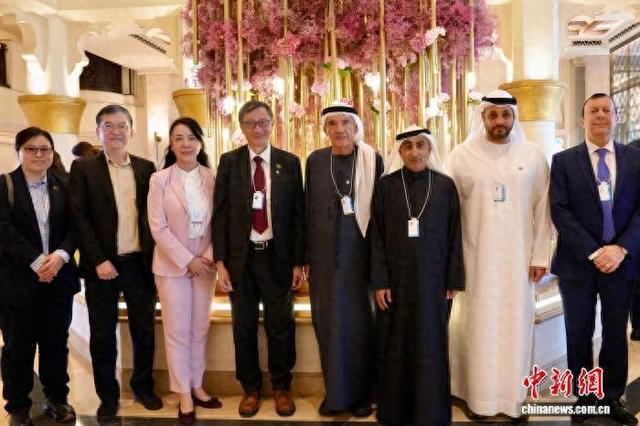
香港教大代表团访问阿联酋 深化高校合作拓展多元交流
Zhong Guo Xin Wen Wang· 2026-02-09 03:15
Group 1 - The core objective of the visit by the Hong Kong Education University (referred to as "the University") is to expand its academic influence and collaboration network in the Middle East [1] - During the visit, the University delegation met with senior representatives from the United Arab Emirates University, discussing past achievements and planning future cooperation, including expanding student exchange programs and collaborating on United Nations Sustainable Development Goals [2] - The visit is expected to enhance the University's influence in the education and humanities sectors in the UAE, laying a solid foundation for diversified cooperation in the region [2]

“小孩哥”暖出圈,映射出什么
Xin Lang Cai Jing· 2026-02-05 18:10
Core Insights - The articles highlight two inspiring stories of children demonstrating responsibility and independence, reflecting the essence of character education and the importance of skill development in personal growth [1][2] Group 1: Responsibility Education - The stories of the two children resonate with the theme of responsibility education, showcasing how real-life experiences can teach valuable lessons about accountability [1] - Parents' support in allowing children to address their mistakes fosters independence and cultivates a sense of responsibility [1] Group 2: Skill Development - The ability to tackle practical problems, as demonstrated by the student who learned to pack efficiently, illustrates the value of skill acquisition and its impact on learning [2] - Engaging in labor and practical experiences is essential for children's growth, contributing to their creativity and sense of responsibility in society [2] Group 3: Holistic Education - The articles emphasize the importance of a well-rounded education that includes moral, intellectual, physical, aesthetic, and labor aspects, advocating for a comprehensive approach to child development [2] - The goal of education should be to nurture individuals who are not only academically proficient but also possess a strong sense of purpose and resilience [2]
从“水产航运”到“商业航天”,听政协联组会上委员们热议啥
Yang Zi Wan Bao Wang· 2026-02-05 00:00
Group 1: Economic Development and Consumption - The Jiangsu Provincial Political Consultative Conference emphasized the importance of promoting dual-direction consumption flow between urban and rural areas, suggesting the establishment of "leading counties" in commercial development to enhance rural logistics and digital infrastructure [2] - The integration of events like the "Su Super" league with tourism and commerce is proposed to create sustainable consumption ecosystems and stimulate local economies [2][6] - The need for innovative consumption scenarios and the promotion of new consumption models through pilot policies was highlighted to enhance overall consumption networks [2] Group 2: New Growth Drivers - The focus on commercial aerospace and low-altitude economy as key new growth drivers was discussed, with recommendations for early strategic planning in these sectors to leverage Jiangsu's advantages in technology and industry [2] - The establishment of an industrial data platform to integrate data resources across various sectors was suggested to drive innovation in manufacturing [3] Group 3: Agricultural Modernization - The development of high-grade waterways to enhance the distribution of fresh aquatic products to core markets was proposed, emphasizing the integration of water transport with tourism and rural revitalization [4] - The role of "new farmers" in connecting agriculture, culture, and tourism was highlighted, with suggestions for creating micro-industrial parks to foster this integration [5] Group 4: Talent Development - The need for dynamic adjustments in higher education programs to align with industry demands was emphasized, advocating for the establishment of a mechanism to adapt academic offerings to emerging sectors like AI and low-altitude economy [7] - Recommendations for improving the recruitment and retention of talent in the elderly care sector were made, including expanding subsidy coverage and streamlining certification processes [7] Group 5: Green Development - The proposal for developing "digital fish farms" to promote sustainable aquaculture practices was discussed, with a focus on ecological restoration and market-based compensation for environmental benefits [8]
聚焦文化强省建设:借“苏超”经验推动长江文旅升级,筑牢非遗人才根基
Yang Zi Wan Bao Wang· 2026-02-04 15:35
Group 1 - The core discussion at the Jiangsu Provincial Political Consultative Conference focused on building a culturally strong province and leveraging culture to empower economic and social development [1] - The success of "Su Chao" is attributed to the integration of sports, culture, and consumer resources, suggesting a need for a similar approach in Jiangsu's tourism and cultural sectors [3] - A proposal was made to systematically integrate the 433 kilometers of cultural and ecological resources along the Yangtze River in Jiangsu to create premium tourism routes [3] Group 2 - Successful cases of intangible cultural heritage (ICH) activation were shared, highlighting the integration of traditional arts into tourism, such as the transformation of Huai Opera into a tourist attraction [3] - Recommendations were made to modernize traditional operas like Kunqu and Xiju by making them more accessible and appealing to younger audiences, emphasizing the need for innovative and experiential offerings [3] - A call for establishing a cross-disciplinary curriculum in higher education focused on ICH, combining skills in craftsmanship, digital innovation, brand management, and cultural tourism [4] Group 3 - The rise of online literature as a significant cultural form was acknowledged, with suggestions to support original projects that reflect Jiangsu's cultural heritage [4] - Emphasis was placed on the importance of AI technology in new media formats like AI dramas and comics, advocating for policy support in these emerging fields [4]
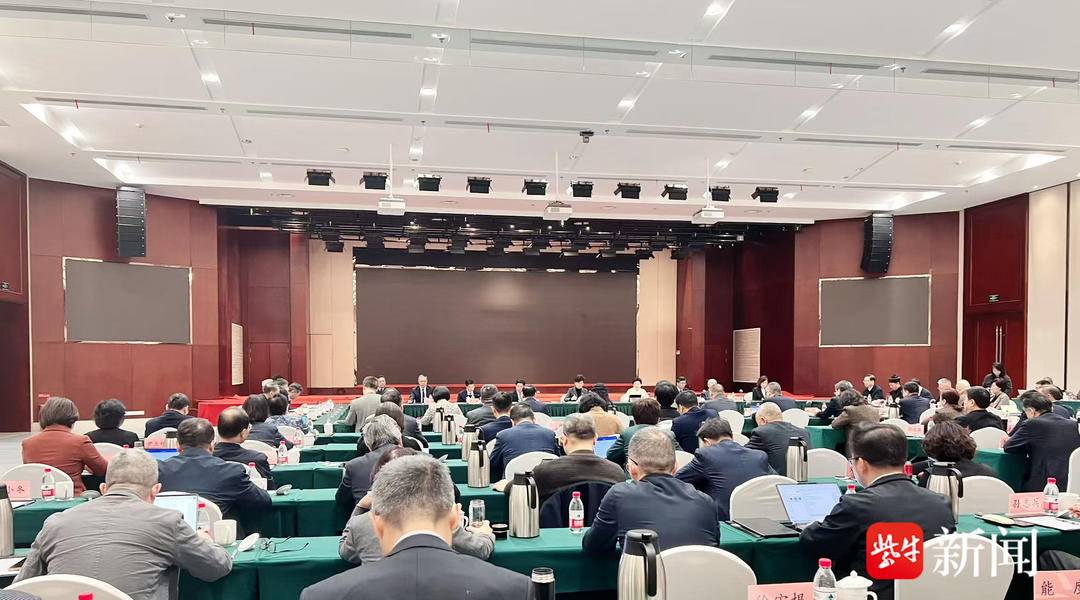
需求牵引,推动人才在产业一线实现价值
Yang Zi Wan Bao Wang· 2026-02-04 13:27
Group 1 - The discussion at the Jiangsu Provincial Political Consultative Conference focused on improving talent cultivation to ensure common prosperity for all people [1] - Jiangsu Provincial Political Consultative Committee member Jiang Junchen emphasized the need for a "demand-driven" dynamic adjustment mechanism for professional settings in higher education, particularly in emerging industries like artificial intelligence and biomanufacturing [2] - Jiang suggested that enterprises should transition from merely hiring to actively participating in talent cultivation, integrating industry technology into educational curricula [2] Group 2 - Jiangsu Provincial Political Consultative Committee member Zhou Changzhi highlighted the challenges in recruiting, employing, and retaining talent in the elderly care sector, noting that current subsidy policies only cover nursing and rehabilitation professionals [3] - Zhou proposed expanding the coverage of stable employment subsidies for elderly care workers to include all professionals with three years of continuous service, regardless of their background [3] - Zhou also called for the integration of certification systems for caregivers to reduce redundancy in testing requirements and improve the pass rates for qualifications [3]
脑机接口“走出科幻”,高校如何抢占人才培养制高点?
Xin Jing Bao· 2026-02-04 09:40
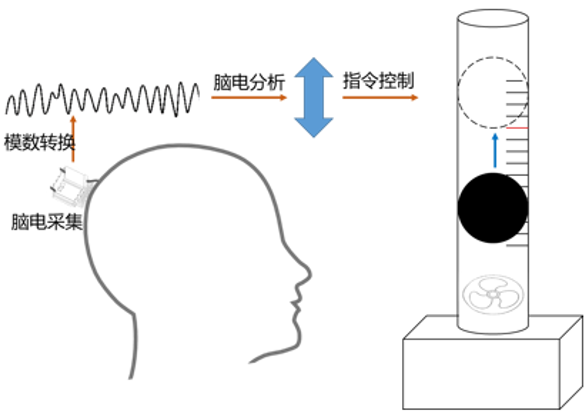
Core Insights - The brain-computer interface (BCI) technology is advancing rapidly, with significant developments in both invasive and non-invasive applications, leading to a projected market growth in China from 3.2 billion yuan in 2024 to 5.58 billion yuan by 2027, reflecting an annual growth rate of 20% [3][4][8] - Major players in the industry, such as Neuralink, are moving towards large-scale production of implantable devices, while domestic companies like Qiangna Technology are achieving record financing, indicating a robust investment landscape [2][3] - Chinese universities are proactively establishing programs and research centers to cultivate talent in the BCI field, addressing the significant skills gap and aiming to create a comprehensive talent pipeline [4][5][10] Industry Developments - The BCI sector is expected to see commercialization and mass production by 2026, marking a pivotal moment for the industry [2][3] - The Chinese government has recognized BCI as a future industry, with initiatives aimed at fostering innovation and establishing a robust technological and industrial framework by 2027 [8][9] - The establishment of specialized programs in universities, such as Tianjin University's BCI undergraduate program, reflects a strategic move to integrate interdisciplinary knowledge and skills necessary for BCI development [4][10] Talent Development - There is a critical shortage of skilled professionals in the BCI sector, with estimates suggesting a demand for tens of thousands of researchers and application specialists in the coming years [9][10] - Universities are adopting innovative teaching methods, such as project-based learning, to enhance practical skills and interdisciplinary knowledge among students [11][12] - The selection process for BCI programs is evolving, with a focus on assessing mathematical and physical reasoning abilities, as well as students' genuine interest in the field [15][16] Challenges and Opportunities - The BCI industry faces challenges related to the lack of a complete talent chain and technological ecosystem, which hinders the ability to produce high-quality, system-level BCI products [7][9] - The integration of various disciplines, including neuroscience, computer science, and biomedical engineering, is essential for overcoming existing barriers and fostering innovation in BCI technology [10][17] - Continuous collaboration between academia and industry is crucial for addressing the practical challenges in BCI development and ensuring that educational programs align with industry needs [14][17]
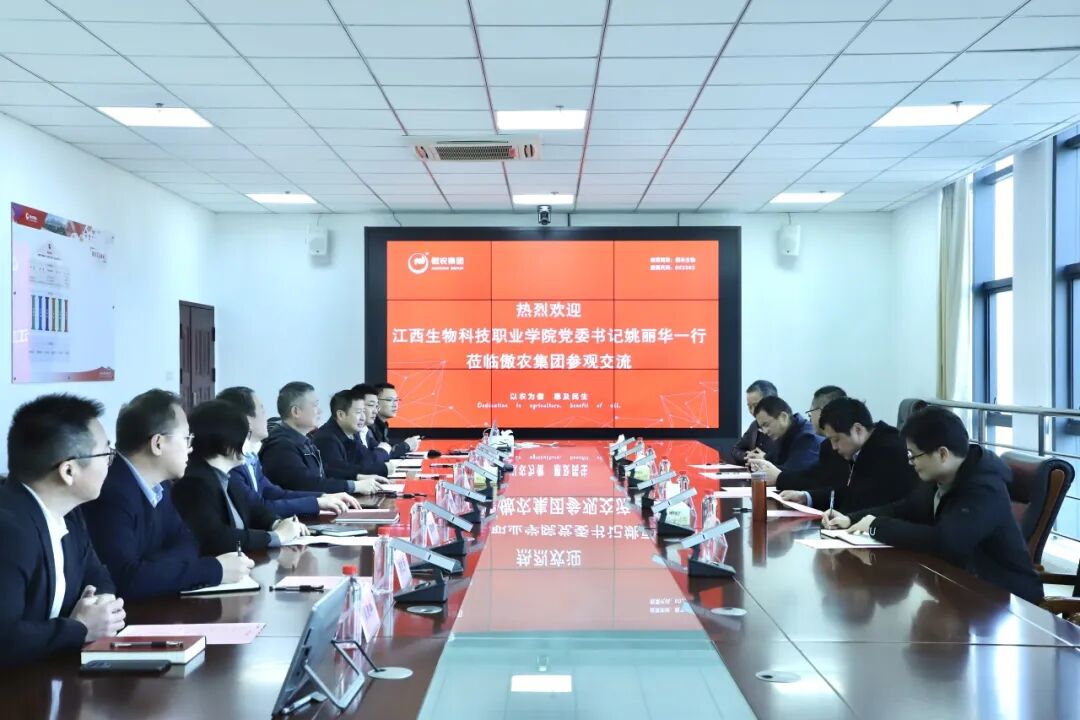
傲农集团与江西生物科技职业学院开展校企座谈交流
Xin Lang Cai Jing· 2026-02-03 13:21
Core Viewpoint - The meeting between Jiangxi Biotechnology Vocational College and Aonong Group focused on collaboration between academia and industry, integration of education and production, and talent cultivation [1][3][6]. Group 1: Meeting Overview - Jiangxi Biotechnology Vocational College's Party Secretary, Yao Lihua, visited Aonong Group's Zhangzhou Technology Park for discussions on cooperation [1][6]. - Aonong Group's Vice Chairman and General Manager, Wu Youlin, welcomed the visit and highlighted the company's current business layout, development status, and talent needs [3][8]. Group 2: Collaboration and Talent Development - Yao Lihua acknowledged Aonong Group's achievements in industrial development and management, emphasizing the importance of deepening school-enterprise collaboration [4][10]. - The college aims to enhance practical training, talent delivery, and recruitment connections to facilitate high-quality employment for students [4][10]. Group 3: Cultural Exchange - Prior to the meeting, guests toured Aonong Group's corporate culture exhibition hall to understand the company's development history, business layout, and corporate culture [11]. - This exchange strengthened mutual understanding and laid a solid foundation for future cooperation and integration of education and industry [11].

两会好声音|武瑞代表:“校地融合”为龙江聚智赋能
Xin Lang Cai Jing· 2026-02-02 16:59
Group 1 - The government work report emphasizes the importance of technological innovation, employment, and education, aligning with the mission of local universities and guiding their contributions to regional revitalization [2] - Suggestions include aligning talent cultivation with the "4567" modern industrial system of Heilongjiang Province, reforming educational models, and enhancing job placement mechanisms to increase local employment rates for graduates [2] - The focus on technology innovation and results transformation involves creating a collaborative model among government, universities, and enterprises, particularly in areas like smart agricultural machinery and traditional Chinese medicine [2] Group 2 - Strengthening policy support and institutional guarantees is essential for deepening cooperation between universities and local enterprises, with an emphasis on funding and policy incentives for projects that drive local development [3] - Recommendations include supporting university-affiliated hospitals to become regional medical centers and enhancing cultural services through minority research and collaboration with Russia [3] - Universities are encouraged to act as talent pools and innovation sources, providing robust support for the comprehensive revitalization of Heilongjiang Province through reforms and collaboration [3]

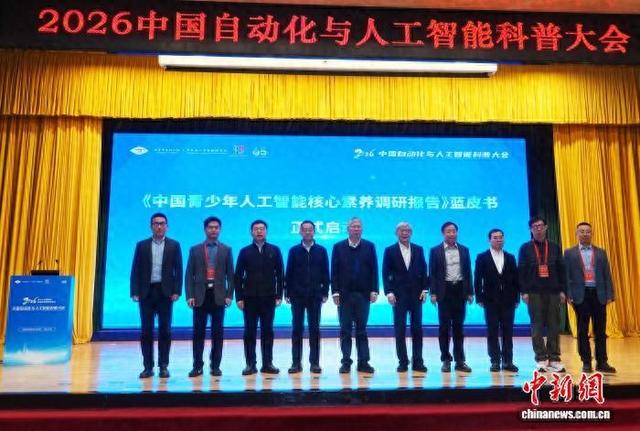
2026中国自动化与人工智能科普大会在北京举行
Zhong Guo Xin Wen Wang· 2026-02-01 12:30
Core Insights - The 2026 China Automation and Artificial Intelligence Science Popularization Conference was held in Beijing, focusing on enhancing science education in automation and AI [1][3] - The launch of the "China Youth Artificial Intelligence Core Competency Survey Report" aims to provide data support for the development of AI education in China [1][3] Group 1: Conference Overview - The conference was co-hosted by the China Automation Society, Beijing Zhongguancun College, and the Zhongguancun Artificial Intelligence Research Institute [3] - Keynote speeches were delivered by prominent academicians, emphasizing the importance of AI in education and the need for a tailored educational system in China [4][6] Group 2: Educational Insights - Academician Yang Mengfei highlighted that AI science popularization is crucial for empowering high-quality economic and social development [3] - The conference discussed the integration of AI education across different educational levels, focusing on talent cultivation and educational reform [3][7] Group 3: Keynote Highlights - Liu Jiaqi emphasized the need for a unique educational system in China, reflecting on the historical evolution of education [4] - Wu Xiangping proposed a future-oriented science education curriculum that incorporates advanced technologies like AI [4] - Zheng Nanning called for a systematic restructuring of higher education to foster innovation in the AI era [6] Group 4: Dialogue and Workshops - A high-level dialogue addressed the challenges posed by AI in education, advocating for a collaborative approach to talent development [7] - The conference featured various workshops and sessions focused on the integration of AI in education and the practical application of AI tools [7]
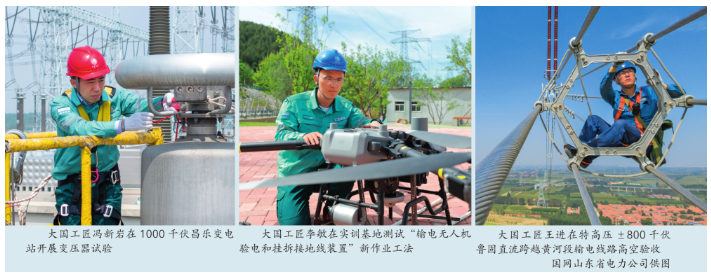
瞭望·吾心吾乡|“一门三工匠”:最高峰上再登顶
Xin Hua Wang· 2026-02-01 08:09
Core Viewpoint - The article highlights the achievements of three prominent craftsmen in the ultra-high voltage (UHV) sector of the State Grid Shandong Electric Power Company, showcasing the synergy between UHV technology development and the cultivation of skilled workers in China [1][2]. Group 1: Achievements of Craftsmen - Wang Jin, the world's first person to perform live-line work on ±660 kV direct current, initiated a legacy of excellence in the UHV field by receiving the "National Craftsman of the Year" award in 2018 [1][3]. - Feng Xinyan, an authority on UHV transformer diagnostics, followed Wang in receiving the same honor in 2022, demonstrating the high standards and rigorous demands of UHV technology [1][4]. - Li Min, a pioneer in UHV drone inspection technology, represents the new generation of craftsmen, furthering the legacy of innovation and skill in the industry [1][5]. Group 2: Technical Challenges and Innovations - The UHV engineering sector is critical to China's energy strategy, with stringent standards that require precision to the millimeter level, particularly in transformer diagnostics [2][4]. - Wang Jin's successful emergency repair of a critical component on the world's first ±660 kV line exemplifies the high-stakes environment in which these craftsmen operate [2][3]. - Feng Xinyan improved the accuracy of UHV live detection from below 50% to nearly 100%, preventing potential losses exceeding 1 billion yuan through his innovative diagnostic methods [4][6]. Group 3: Training and Knowledge Transfer - The tradition of "master-apprentice" relationships in the State Grid Shandong Electric Power Company has fostered a culture of skill transfer, with Wang Jin mentoring Li Min and others [8][9]. - The company has established a robust ecosystem for talent development, integrating training platforms, innovation initiatives, and a supportive environment for skill enhancement [11][12]. - The "进·新" innovation team, led by Wang Jin and Feng Xinyan, has successfully implemented advanced technologies and methodologies, including drone inspections and GIS fault simulation, to enhance operational efficiency [12][13]. Group 4: Future Prospects - The ongoing development of UHV technology and the cultivation of skilled craftsmen are expected to continue, with the company aiming to produce more skilled workers in the coming years [12][13]. - The integration of innovative training programs and the establishment of a culture that encourages experimentation and learning from failures are key to sustaining growth in the UHV sector [12][13].