人民币汇率稳定

Search documents
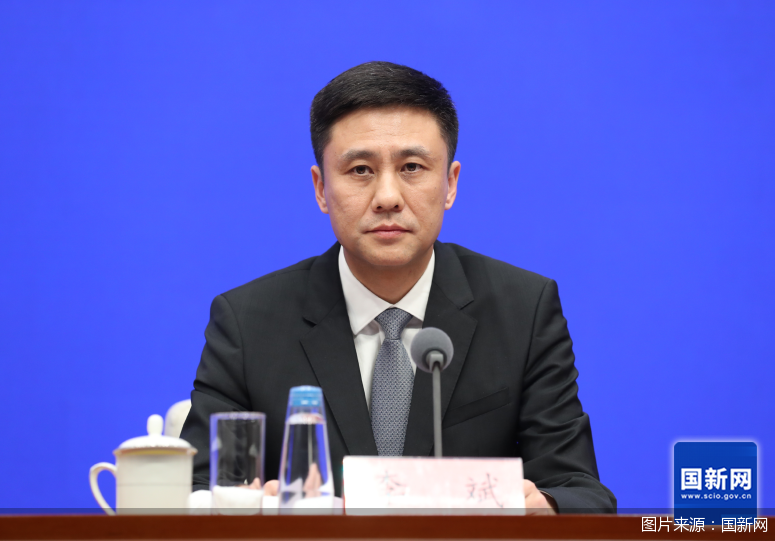
潘功胜:保持人民币汇率在合理均衡水平上的基本稳定 支持资本市场稳定发展
Jin Rong Jie· 2026-01-22 09:54
Core Viewpoint - The People's Bank of China, led by Governor Pan Gongsheng, emphasizes the commitment to maintaining stable financial market operations and managing expectations for the RMB exchange rate [1] Group 1: Financial Market Stability - The central bank will continue to ensure the smooth operation of financial markets [1] - There will be a focus on maintaining the RMB exchange rate at a reasonable and balanced level [1] Group 2: Market Supervision - Strengthening supervision and management across various markets, including the bond market, foreign exchange market, money market, bill market, and gold market [1] Group 3: Liquidity Support Mechanisms - Establishing mechanisms to provide liquidity to non-bank institutions under specific circumstances [1] Group 4: Monetary Policy Tools - Continued utilization of two monetary policy tools to support the stable development of the capital market [1]
潘功胜:加强债券市场、外汇市场、货币市场、票据市场、黄金市场监督管理
Feng Huang Wang· 2026-01-22 09:37
Core Viewpoint - The People's Bank of China emphasizes the importance of maintaining stable financial markets and managing expectations for the year 2026, with a focus on the stability of the RMB exchange rate [1] Group 1: Financial Market Stability - The central bank aims to ensure the smooth operation of financial markets [1] - There will be a continued effort to keep the RMB exchange rate stable at a reasonable and balanced level [1] Group 2: Market Supervision - Strengthening supervision and management of various markets, including the bond market, foreign exchange market, money market, bill market, and gold market [1] Group 3: Liquidity Mechanisms - Establishing mechanisms to provide liquidity to non-bank institutions under specific scenarios [1] Group 4: Support for Capital Markets - Continued utilization of two monetary policy tools to support the stable development of capital markets [1]
潘功胜:灵活高效运用降准降息等多种货币政策工具 今年降准降息还有一定的空间
Hua Er Jie Jian Wen· 2026-01-22 09:33
Core Viewpoint - The People's Bank of China (PBOC) will continue to implement a moderately accommodative monetary policy in 2026, focusing on promoting stable economic growth and reasonable price recovery as key considerations for monetary policy [1] Summary by Relevant Sections Total Policy - The PBOC plans to flexibly and efficiently utilize various monetary policy tools such as reserve requirement ratio (RRR) cuts and interest rate reductions to maintain ample liquidity, ensuring that the growth of social financing and money supply aligns with economic growth and price level expectations [1] - There is still room for further RRR cuts and interest rate reductions this year [1] Structural Policy - The PBOC has introduced a series of monetary financial policies earlier this year, optimizing the policy elements of structural monetary policy tools [1] - Interest rates for various structural monetary policy tools have been reduced by 0.25 percentage points [1] - A dedicated 1 trillion yuan relending facility for private enterprises has been established, along with a combined risk-sharing tool for technology innovation and private enterprise bonds [1] - The relending quota for supporting agriculture and small enterprises has been increased by 500 billion yuan to 4.35 trillion yuan, and the quota for technology innovation and technological transformation relending has been increased by 400 billion yuan to 1.2 trillion yuan [1] - The support scope has been expanded to include carbon reduction support tools and relending for consumer services and elderly care [1] Financial Market Stability - The PBOC aims to maintain stable financial market operations and manage expectations, keeping the RMB exchange rate stable at a reasonable and balanced level [1] - There will be strengthened supervision and management of the bond market, foreign exchange market, money market, bill market, and gold market [1] - A mechanism will be established to provide liquidity to non-bank institutions under specific scenarios [1]
21社论丨提高货币政策精准化程度,进一步放大政策效能
21世纪经济报道· 2026-01-16 02:25
Group 1 - The core viewpoint of the article emphasizes the introduction of eight structural policies aimed at enhancing monetary policy precision and supporting the high-quality development of the real economy [1] - The structural policies include a 0.25 percentage point reduction in various structural monetary policy tool rates and a dedicated 1 trillion yuan quota for relending to private enterprises, along with an increase in the relending quota for technological innovation and transformation by 400 billion yuan to 1.2 trillion yuan [1] - The Central Economic Work Conference highlighted the flexible use of various policy tools, including potential reductions in reserve requirements and interest rates, to maintain ample liquidity and relatively loose social financing conditions [2] Group 2 - The article discusses the need for strategic and systematic arrangements to enhance the level of capital project openness, particularly in direct investment, securities investment, and cross-border financing [3] - It notes that since 2020, the US dollar index has increased by approximately 1.9%, while the CFETS RMB exchange rate index has risen by 7.2%, indicating a relatively stable performance of the RMB [3] - The article outlines the importance of establishing a long-term mechanism for managing exchange rate risks and enhancing corporate capabilities to cope with exchange rate fluctuations during the process of capital project openness [3][4] Group 3 - The article mentions the revision of regulations for domestic enterprises' foreign currency lending and the implementation of cross-border capital management policies for multinational companies to support their international expansion [4] - It emphasizes the need for orderly advancement of financial market openness, including the unification of foreign and domestic currency management for overseas listings and further optimization of cross-border capital policies for qualified foreign institutional investors [4]


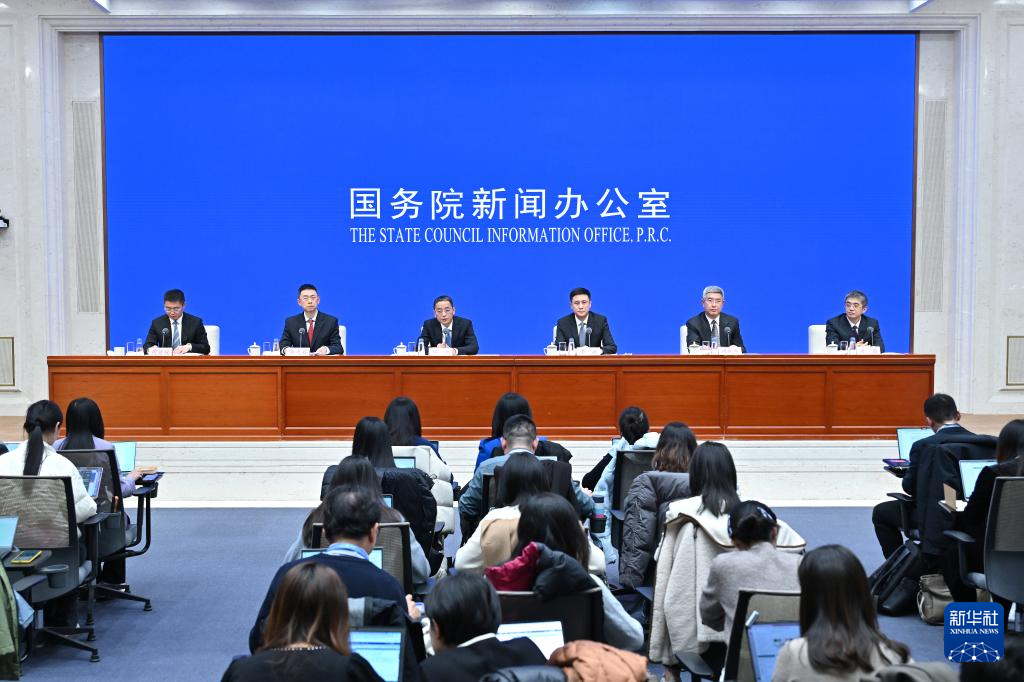
央行开年首场发布会放大招,楼市、汇市将迎哪些变化?
第一财经· 2026-01-15 15:31
Core Viewpoint - The People's Bank of China (PBOC) signals that there is room for further interest rate cuts and reserve requirement ratio (RRR) reductions in 2026, aiming to support economic stability and reasonable price recovery [5][6]. Monetary Policy Adjustments - The average RRR for financial institutions is currently 6.3%, indicating potential for RRR cuts [5]. - The PBOC plans to lower the interest rates of various structural monetary policy tools to enhance support for key sectors and weak links [14][17]. - A reduction of 0.25 percentage points in the re-lending and re-discount rates will take effect on January 19, 2026, with new rates set for different loan terms [14]. Government Bond Operations - The PBOC will flexibly conduct government bond trading operations to maintain liquidity and support the smooth issuance of government bonds [8]. - In 2025, the total issuance of government bonds reached 16 trillion yuan, with a net increase of 6.6 trillion yuan, indicating a robust bond market [8]. Support for Commercial Real Estate - The minimum down payment ratio for commercial property loans has been reduced from 50% to 30%, aimed at stimulating the commercial real estate market [10]. Exchange Rate Policy - The PBOC maintains a clear and consistent exchange rate policy, emphasizing stability in the RMB exchange rate and rejecting competitive devaluation [12]. Support for Private Enterprises - The PBOC has increased the re-lending quota for supporting agriculture and small enterprises by 500 billion yuan, now including medium-sized private enterprises [16]. - The total quota for re-lending to private enterprises is set at 1 trillion yuan, with terms aligned with existing policies [16]. Price Stability Considerations - The CPI rose by 0.8% year-on-year in December 2025, marking the highest level since March 2023, prompting the PBOC to focus on promoting reasonable price recovery as part of its monetary policy [20].

创造适宜货币金融环境 增强高质量发展活力——两部门有关负责人详解货币金融政策
Xin Hua Wang· 2026-01-15 14:39
Core Viewpoint - The Chinese government is committed to creating a conducive monetary and financial environment to enhance the vitality of high-quality economic development, with a focus on supporting the real economy through effective monetary policies in 2025 and beyond [3][4]. Group 1: Monetary Policy and Economic Support - In 2025, the total social financing stock increased by 8.3% year-on-year, with broad money (M2) growing by 8.5% and RMB loans increasing by 6.4% [4]. - The average interest rate for newly issued corporate loans and personal housing loans was around 3.1%, marking a decline of 2.5 and 2.6 percentage points respectively since the second half of 2018 [4]. - Key sectors such as technology, green finance, inclusive finance, elderly care, and digital economy saw loan growth rates in double digits, significantly outpacing the overall loan growth rate [4]. Group 2: Future Financial Measures - In 2026, the People's Bank of China plans to continue implementing a moderately loose monetary policy, increasing counter-cyclical and cross-cyclical adjustments to support the "14th Five-Year Plan" [6]. - Structural monetary policy tools will see a rate cut of 0.25 percentage points, with an increase in re-lending quotas for agriculture and small enterprises by 500 billion yuan, and for technology innovation and transformation by 1.2 trillion yuan [6]. Group 3: Consumer and Private Sector Support - By the end of 2025, the People's Bank of China had issued 118.4 billion yuan in re-lending for service consumption and elderly care, with plans to include the health industry in this support area [7]. - A total of 1 trillion yuan in re-lending will be allocated to support private small and medium enterprises, enhancing financial support for this sector [8]. Group 4: Foreign Exchange and Market Stability - The Chinese government emphasizes the market's role in determining the exchange rate, aiming to maintain the RMB's stability at a reasonable level without resorting to devaluation for trade advantages [9]. - In 2026, the focus will be on deepening foreign exchange reforms, expanding openness in the foreign exchange sector, and enhancing the efficiency of foreign exchange business for various entities [9][10].
央行开年首场发布会放大招 楼市、汇市将迎哪些变化?
Di Yi Cai Jing· 2026-01-15 14:33
Core Viewpoint - The People's Bank of China (PBOC) has signaled that there is room for further interest rate cuts and reserve requirement ratio (RRR) reductions in 2026, alongside measures to enhance structural monetary policy tools and support [1][2] Group 1: Monetary Policy Adjustments - The average statutory deposit reserve ratio for financial institutions is currently 6.3%, indicating potential for RRR cuts [2] - The PBOC plans to lower the interest rates on various structural monetary policy tools, effective January 19, 2026, with specific rates for agricultural and small business loans set at 0.95%, 1.15%, and 1.25% for different terms [7] - A new re-lending program for private enterprises will be established, with a total quota of 1 trillion yuan, aimed at supporting small and medium-sized enterprises [8] Group 2: Government Bond Operations - The PBOC will flexibly conduct government bond buying and selling operations to maintain liquidity and support the smooth issuance of government bonds [3] - In 2025, the issuance of government bonds reached 16 trillion yuan, with a net increase of 6.6 trillion yuan, indicating a robust bond market [3] Group 3: Real Estate Support - The minimum down payment ratio for commercial property loans has been reduced from 50% to 30%, aimed at stimulating the commercial real estate market [4] - This reduction is part of a broader strategy to address inventory issues in the commercial property sector [4] Group 4: Exchange Rate Policy - The PBOC maintains a clear and consistent exchange rate policy, emphasizing the stability of the RMB at a reasonable equilibrium level [5][6] - The external environment is expected to support the stability of the foreign exchange market, with major developed economies likely to continue their easing policies [5] Group 5: Price Stability Considerations - The PBOC aims to promote reasonable price recovery as a key consideration in monetary policy, with the CPI showing a year-on-year increase of 0.8% as of December 2025 [10] - The central bank will continue to implement a moderately accommodative monetary policy to foster an environment conducive to price recovery [10]
央行开年首场发布会放大招,楼市、汇市将迎哪些变化?
Di Yi Cai Jing· 2026-01-15 14:26
Core Viewpoint - The People's Bank of China (PBOC) is implementing a series of monetary policy measures, including lowering the minimum down payment ratio for commercial property loans to 30%, indicating a proactive approach to stimulate the economy and support the real estate market [4]. Group 1: Monetary Policy Adjustments - The PBOC signals that there is still room for interest rate cuts and reserve requirement ratio (RRR) reductions in 2026, with the current average RRR at 6.3% [2]. - The PBOC will lower the interest rates on structural monetary policy tools by 0.25 percentage points starting January 19, 2026, with new rates for various loan types [7]. - The PBOC plans to increase the quota for agricultural and small business loans by 500 billion yuan, integrating it with the rediscount quota [8]. Group 2: Support for Real Estate Market - The minimum down payment for commercial property loans has been reduced from 50% to 30%, aimed at boosting the commercial real estate market and reducing inventory [4]. - The PBOC's actions reflect a heightened focus on supporting the commercial real estate sector, indicating a shift in regulatory priorities [4]. Group 3: Government Bond Operations - The PBOC will flexibly conduct government bond buy-sell operations to maintain liquidity and support the issuance of government bonds, with a total of 16 trillion yuan in government bonds issued in 2025 [3]. - The PBOC's bond operations are intended to enhance the coordination between monetary and fiscal policies, ensuring a stable environment for government bond issuance [3]. Group 4: Currency and Exchange Rate Policy - The PBOC maintains a clear and consistent exchange rate policy, emphasizing the stability of the RMB against external economic conditions [5][6]. - The PBOC will continue to monitor cross-border capital flows and enhance the resilience of the foreign exchange market [5]. Group 5: Economic Growth and Price Stability - The PBOC aims to promote stable economic growth and reasonable price recovery as key considerations in its monetary policy, with CPI rising to 0.8% year-on-year as of December 2025 [10]. - The PBOC will implement a moderately loose monetary policy to create a conducive environment for price recovery [10].
央行再出政策组合拳:结构性工具“降价增量扩容”,降准降息可期
2 1 Shi Ji Jing Ji Bao Dao· 2026-01-15 13:47
Core Viewpoint - The People's Bank of China (PBOC) is implementing a series of monetary policy measures to support high-quality economic development and stabilize growth, including structural interest rate cuts and targeted loans for private enterprises [1][2]. Group 1: Monetary Policy Measures - The PBOC will introduce eight policy measures, including a 0.25 percentage point reduction in the interest rates of various structural monetary policy tools, bringing the one-year re-lending rate down from 1.5% to 1.25% [2]. - The measures also include increasing the quotas for agricultural and small business re-lending, and establishing a separate re-lending program for private enterprises with a quota of 1 trillion yuan [3][4]. - Additional policies aim to enhance support for technology innovation, carbon reduction, and consumer services, while lowering the minimum down payment ratio for commercial property loans to 30% [2][3]. Group 2: Support for Private Enterprises - The newly established re-lending program for private enterprises will focus on supporting small and medium-sized private companies, with a total quota of 1 trillion yuan, which includes 500 billion yuan from existing funds and an additional 500 billion yuan [3][4]. - The PBOC aims to improve financing accessibility for medium-sized private enterprises, which have been relatively underserved compared to larger firms [3]. Group 3: Economic Outlook and Stability - The PBOC indicates that there is still room for further cuts in reserve requirement ratios and interest rates, with the current average reserve requirement ratio at 6.3% [6]. - The central bank emphasizes the importance of maintaining a stable currency and low financing costs to support economic recovery and growth [10]. - Recent data shows a positive trend in consumer prices, with the CPI rising by 0.8% year-on-year in December 2025, indicating a recovery in the price level [8].
无意通过汇率贬值获取国际贸易竞争优势!汇率风险管理仍是重点
Bei Jing Shang Bao· 2026-01-15 13:42
Core Viewpoint - The press conference highlighted the effectiveness of monetary and financial policies in supporting the high-quality development of the real economy, with a focus on the stability and resilience of China's foreign exchange market in 2025 and expectations for 2026 [1][3]. Group 1: Foreign Exchange Market Performance - In 2025, China's foreign exchange market achieved a record trading volume of $42.6 trillion, with the corporate foreign exchange hedging ratio rising to 30%, both marking historical highs [1][4]. - The RMB/USD exchange rate surpassed 7 yuan by the end of 2025, reflecting a 4.3% appreciation for onshore RMB and a 4.9% appreciation for offshore RMB throughout the year [6][10]. - The foreign exchange market maintained a basic balance in supply and demand, with banks' total foreign exchange settlement and sales showing a surplus of $1.966 billion in 2025 [5][8]. Group 2: Policy Measures and Support - The State Administration of Foreign Exchange (SAFE) introduced 28 measures across three key areas to support stable foreign trade development, deepen cross-border investment and financing reforms, and aid the construction of free trade pilot zones [4][7]. - Financial institutions are encouraged to enhance their foreign exchange risk management services and develop more flexible and cost-effective hedging products for enterprises [1][7]. - The government aims to promote a neutral approach to foreign exchange risk management, providing enterprises with better tools and strategies for hedging against currency fluctuations [7][10]. Group 3: Outlook for 2026 - The foreign exchange market is expected to operate stably in 2026, supported by a solid economic foundation and ongoing high-level opening-up policies [8][10]. - The People's Bank of China (PBOC) will continue to ensure that the RMB exchange rate remains stable at a reasonable and balanced level, while also allowing for two-way fluctuations [9][10]. - Analysts predict that the RMB/USD exchange rate will fluctuate around the 7.0 to 7.2 range in 2026, influenced by external geopolitical factors and adjustments in developed economies' interest rates [10].