信息不对称

Search documents
Exness: 美股在货币政策的“盲飞”与底线思维
Sou Hu Cai Jing· 2025-11-26 02:03
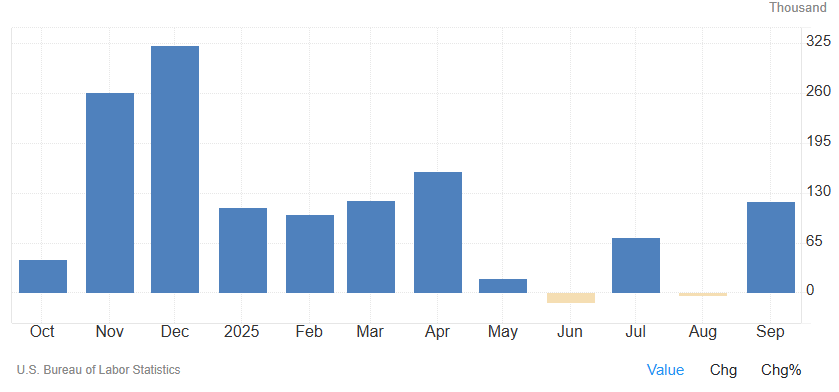
Core Insights - The Nasdaq 100 Index is currently hovering above a critical technical support level after experiencing significant volatility, reflecting the conflicting dynamics of strong fundamental data and structural concerns over the "AI bubble" [1] - The Federal Reserve's policy focus has shifted from "anti-inflation" to "growth preservation," with the market pricing in an approximately 80% probability of a 25 basis point rate cut in December [2] - Nvidia reported impressive Q3 2025 fiscal year earnings of $57 billion, but the market's reaction indicates new anxieties regarding "circular revenue" risks and the sustainability of capital expenditures among large tech companies [2][7] Market Dynamics - The absence of key economic indicators due to the recent government shutdown has created a "data vacuum," complicating macroeconomic assessments and leading to increased reliance on private sector data [1][5] - The September non-farm payroll report showed a lower-than-expected job addition of 119,000, with an increase in the unemployment rate to 4.4%, raising concerns about the cooling labor market [3] - The private sector data, such as the S&P Global PMI, indicates rising input cost inflation, further complicating macroeconomic judgments amid the absence of official data [5] AI Sector Concerns - Nvidia's financial performance has raised questions about the sustainability of its revenue model, particularly regarding its investments in AI startups that may create a misleading perception of revenue growth [7][8] - The market is transitioning from an "emotion-driven" narrative to a more stringent "ROI validation" phase for AI stocks, reflecting a shift in investor sentiment [2] - Concerns about inventory levels and accounts receivable have emerged, as Nvidia's management indicated rising inventory to meet demand, which could signal potential channel inventory buildup [7] Seasonal Trends - The Thanksgiving week historically shows strong seasonal characteristics in the stock market, with an average increase of 0.37% despite lower trading volumes [11][12] - The current market environment, characterized by data absence and valuation disputes in the AI sector, necessitates a cautious approach to investment strategies during this period [12]

1200亿融资背后:散户为何总被甩下车?
Sou Hu Cai Jing· 2025-11-18 08:09
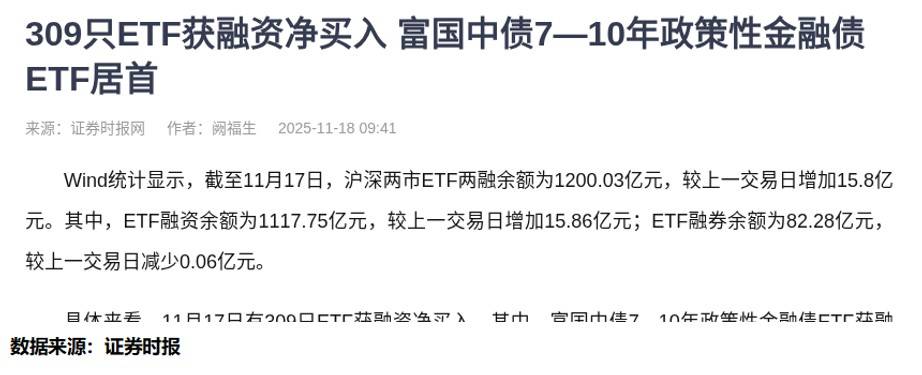
Group 1 - The article discusses the misconception of a bull market among retail investors, highlighting that many do not understand the true nature of a bull market, as evidenced by the fact that only about 50% of individual stocks have risen despite high financing balances [2] - It emphasizes the phenomenon of "short covering," where institutional investors may accumulate shares while the stock price appears to be declining, leading to significant gains later, as demonstrated by a stock that rose 70% after appearing to be on the verge of collapse [7][10] - The article suggests that retail investors should learn basic quantitative analysis, focusing on financing data, block trading data, and market leader data to better understand the movements of large funds in the market [11] Group 2 - The article notes that the inflow of 256 million into the Fidelity China Bond ETF indicates that institutions are strategically investing in bond ETFs during a declining interest rate cycle, while the surge in the Hang Seng Tech ETF suggests a bet on the valuation recovery of Hong Kong stocks [11] - It highlights the persistent information asymmetry in the market, asserting that data does not lie and that understanding real trading behaviors is more beneficial than following rumors and chasing price increases [11]
融资最容易“翻车”的环节: 怎么谈估值
Sou Hu Cai Jing· 2025-11-16 03:56
Core Insights - The article discusses the challenges entrepreneurs face regarding valuation during fundraising, emphasizing the information asymmetry between founders and investors [3][4][5] - It suggests strategies for entrepreneurs to effectively communicate their valuation expectations without jeopardizing negotiations [6][7][8] Group 1: Valuation Challenges - Entrepreneurs often fear the question of valuation during fundraising, as it can significantly impact the negotiation atmosphere [3] - There is a stark contrast in valuation knowledge between seasoned investors, who review hundreds of projects annually, and founders, who may only have limited experience [3][4] - Investors possess extensive industry valuation databases, making them highly sensitive to valuation metrics compared to entrepreneurs [3][4] Group 2: Communication Strategies - Founders are advised to provide a valuation range instead of a specific number to maintain flexibility and gauge investor expectations [4][5] - In situations with strategic investors, clear valuation figures are necessary for internal assessments and decision-making [7] - When multiple investors are involved without a lead investor, providing a specific valuation can streamline communication and expedite the fundraising process [8] Group 3: Logical Approach to Valuation - Successful founders articulate the underlying logic behind their valuation rather than just presenting a number, which helps investors assess the company's future potential [9] - The article compares the negotiation process to dating, highlighting the importance of balance in assertiveness and receptiveness during discussions [9] - Key questions for entrepreneurs to consider include their growth milestones, industry benchmarks, and the probability of reaching the next funding round [10]

融资圈乱象:真资方遇不到好项目,好项目被假资方割
Sou Hu Cai Jing· 2025-11-12 12:09
Core Insights - The current financing landscape is characterized by a chaotic environment where genuine investors are often misled by fake projects, while good projects are exploited by fraudulent investors [3][4][7] - There is a significant misalignment of expectations between project founders and investors, leading to a cycle of distrust and missed opportunities [3][4][10] - The structural issue of information asymmetry complicates the matching process between quality projects and legitimate investors, resulting in a low success rate for funding [10][11] Group 1: Misalignment of Expectations - Investors often avoid projects during tough times, citing high risks, but rush to invest once profitability is demonstrated, leading to frustration among project founders [3][4] - This "drought and flood" logic creates a deadlock where both parties question each other's motives and sincerity [3][4] Group 2: Trust Crisis - A dual defensive posture has emerged in the financing ecosystem, where genuine investors are inundated with numerous exaggerated project proposals, most of which lack viability [4][7] - Entrepreneurs face challenges as they are bombarded with requests for fees from supposed investors, further eroding trust in the funding process [6][7] Group 3: Structural Challenges - The number of active equity funds in China exceeds 60,000, yet less than 10% are actively investing, while over 300,000 business proposals are submitted annually, with only 3% receiving term sheets [10][11] - The presence of fake investors not only deceives entrepreneurs but also disrupts the trust framework, making it increasingly difficult for genuine investors and quality projects to connect [11][12]

85岁佩洛西炒股封神:38年回报率16930%!政客炒股为何能碾压“股神”巴菲特?
Sou Hu Cai Jing· 2025-11-10 12:42
Core Viewpoint - Nancy Pelosi's investment success, with a staggering return rate of 16,930%, significantly outperforms both the Dow Jones index and Warren Buffett's annual returns, raising questions about the influence of political power on investment opportunities [1][3]. Group 1: Pelosi's Investment Journey - Pelosi's stock trading career began in 1987, coinciding with her political career, and has evolved into a significant portfolio valued at approximately $280 million, alongside other assets totaling $413 million [1][3]. - In 2024, Pelosi achieved a single-year profit of 70.9%, more than double the S&P 500's 25% increase, outperforming many hedge funds [3][4]. Group 2: Investment Strategy and Holdings - Pelosi's portfolio includes major tech stocks, with Apple being her largest holding valued between $25 million and $50 million, alongside other giants like Nvidia and Netflix [4]. - Her trading precision is notable, exemplified by a $2.4 million investment in Nvidia call options that appreciated to over $7.2 million within a year, and an 8-fold increase in Visa stock over a decade [5]. Group 3: Factors Behind Investment Success - The success of Pelosi's investments is attributed to a combination of power, information access, and strategic sector focus, allowing her to leverage policy insights that ordinary investors lack [7][8]. - Pelosi focuses on high-growth sectors influenced by government policy, such as technology and defense, ensuring her investments align with favorable government initiatives [11][12]. - Despite claiming her husband manages the trades, the couple employs a professional investment team, executing a strategy of short-term trading based on policy cycles rather than long-term value investing [13][14]. Group 4: Public Reaction and Legislative Response - Pelosi's investment success has sparked public outrage, with a significant decline in trust in Congress, as evidenced by a record low 9% approval rating [16]. - The emergence of "Pelosi stocks" as a market trend has led to speculative trading based on her investment decisions, distorting market dynamics [17]. - Legislative efforts, such as the proposed "Pelosi Act," aim to restrict stock trading by Congress members, though the bill has faced criticism for its loopholes and lack of comprehensive reform [18][20]. Group 5: Future Implications - The trend of profitable trading among U.S. politicians raises concerns about the sustainability of such practices, with increasing public pressure likely leading to stricter regulations [20]. - If individual stock trading is banned, politicians may resort to indirect investment methods, maintaining their access to market advantages while circumventing regulations [21]. - The disparity in investment returns between politicians and ordinary investors highlights systemic issues in market access and information asymmetry, challenging the integrity of the investment landscape [22].


老百姓抱怨无钱消费挣钱难,企业也说不挣钱,社会上的钱被谁赚走了?
Sou Hu Cai Jing· 2025-10-28 20:45
Core Insights - The article discusses the economic challenges faced by both individuals and businesses, highlighting a stagnation in real income growth and declining profit margins for companies, leading to questions about the distribution of wealth in society [1][3][11] Economic Indicators - The national per capita disposable income growth rate was 3.2% in Q1 2025, while the Consumer Price Index (CPI) rose by 3.1%, indicating that real purchasing power has not improved significantly [1] - The manufacturing Purchasing Managers' Index (PMI) has remained below the growth line for three consecutive months, reflecting a pessimistic business environment [1] Business Profitability - Over 65% of small and medium-sized enterprises reported a decline in profit margins compared to three years ago, with an average decrease of 2.8 percentage points [3] - Specific sectors like manufacturing, wholesale retail, and accommodation and catering have experienced the most significant profit margin declines [3] Wealth Distribution - There is an increasing disparity in profitability across industries, with high-tech, pharmaceutical, and financial sectors averaging profit margins above 15%, while traditional manufacturing and retail sectors average below 5% [3] - The average salary in high-paying sectors such as IT, finance, and biomedicine is over 2.5 times that of traditional manufacturing and service industries [4] Capital vs. Labor Income - Capital income has been growing at an annual rate of 6.8% from 2020 to 2025, compared to a 4.2% growth rate for labor income, indicating that "money makes money" is becoming more prevalent than earning through labor [4] Headwinds for Small Businesses - Small businesses are facing increased costs due to rising raw materials, labor, rent, and logistics, while being unable to raise product prices due to competition [3] - The average commission rates for e-commerce platforms are around 5-5%, with food delivery platforms charging up to 18.5%, impacting the profitability of small vendors [5] Hidden Costs - The rise of new spending categories such as education, healthcare, and digital services has increased household expenses, with significant portions of income now allocated to these areas [7] - Approximately 40% of consumers reported making poor spending decisions due to information asymmetry, leading to an average of 7% of their total consumption being wasted [7] Recommendations for Businesses - Companies are encouraged to move up the value chain through technological innovation and brand development, which can increase profit margins by 2-3 percentage points [10] - Embracing digital transformation can lead to an average cost reduction of 15% and efficiency improvement of 25% for small businesses [10] - Focusing on niche markets can help small businesses avoid direct competition and achieve higher survival and profit rates [10] Macro Perspective - The article emphasizes the need for collective efforts to address economic challenges, including regulatory reforms to promote fair competition and prevent excessive capital accumulation [10][11] - The increased emphasis on income distribution in economic development indicators suggests a potential shift towards improving wealth distribution in the future [11]


牛市两大错觉,90%股民都中招!
Sou Hu Cai Jing· 2025-10-27 12:46
Core Insights - The average return rate of billion-level private equity firms reached 28.8% in the first three quarters, indicating a competitive market environment that attracts retail investors [2] - The emergence of five new firms, with a balanced representation of quantitative and subjective strategies, suggests that there are no eternal strategies in the market, only ongoing competition [2] - The market is characterized by information asymmetry, where the behavior of funds is more telling than price movements, highlighting the importance of understanding institutional actions [14] Group 1 - The current market resembles a humid and stagnant environment, where institutions are playing a "time for space" game, making it difficult for retail investors to interpret market movements accurately [6] - The concept of "institutional inventory" reveals that just because funds are present does not mean they are actively engaged, similar to gym-goers who check in but do not work out [10] - The reliance on traditional technical analysis is becoming less effective in a market dominated by algorithms and strategies, necessitating a shift in how market observations are made [14][15] Group 2 - The two major illusions affecting investors are the belief that "my stock will definitely rise" and that "adjustments are opportunities," which can lead to significant losses during market fluctuations [5] - The market's nature is such that it does not distribute gains evenly, as evidenced by stocks like Guangju Energy, which lost 60% of its gains during a bullish phase [2] - The behavior of institutional investors, such as the significant holdings by Central Huijin and China Securities Finance in Moutai, did not prevent the stock price from declining, illustrating the unpredictability of market reactions [10]

午餐选择背后的经济学
Hu Xiu· 2025-10-23 10:27
Core Insights - The article discusses the complexities behind the seemingly simple decision of what to eat for lunch, highlighting the economic principles that govern these choices [1][4][11] Economic Principles in Food Choices - Opportunity cost is a central concept, where every lunch decision involves not just the money spent but also the value of alternatives forgone [5][6] - Information asymmetry poses challenges, as the appealing images and reviews on food delivery platforms often do not match the actual product received [5][6] - Time and transaction costs are crucial in decision-making, where individuals must evaluate whether to save money or time based on their current resources [6][10] Practical Guidelines for Consumers - Following crowds rather than just reviews can lead to better dining choices, as local patrons often indicate quality and value [7][8] - Exploring less popular areas can uncover hidden gems that offer better value due to lower overhead costs [8] - Embracing diversity in food choices helps combat diminishing marginal utility, enhancing overall satisfaction [9][10] - Analyzing meal deals critically can reveal whether they genuinely save money or create unnecessary spending [9][10] Broader Implications - The principles outlined address the common dilemma of "choice overload," where too many options can lead to anxiety and dissatisfaction [10][11] - Establishing a personal decision-making framework can streamline the process of choosing meals, making it more efficient and enjoyable [10][11] - The insights from food choices can be applied to various aspects of life, including career decisions and investment strategies, promoting a rational approach to decision-making [11][12]

AI将如何改变信贷
Di Yi Cai Jing· 2025-10-22 12:19
Group 1: Core Trends in Credit and Banking - The digitalization and AI integration of traditional banks is an inevitable trend, as credit remains the cornerstone of the modern financial system, efficiently converting societal savings into investments and consumption [1] - The rise of large tech companies like Ant Group and WeBank, along with fintech innovators like Upstart, is challenging the traditional banking dominance by leveraging data and technology advantages in the credit sector [1] Group 2: Information Asymmetry in Credit - The core obstacle in credit is information asymmetry, where borrowers typically have a better understanding of their financial situation than lenders, leading to risks such as adverse selection and moral hazard [2] - To mitigate these risks, lenders must invest significant time and resources in gathering and verifying borrower information, which creates transaction costs [2] Group 3: Failures of P2P Lending - The P2P lending boom around 2015, which aimed to innovate finance by connecting borrowers and lenders directly, ultimately failed due to its inability to address the core issue of information asymmetry [3] - P2P platforms relied on self-reported borrower information and lacked ongoing monitoring, leading to a concentration of risk when financial strains occurred [3] Group 4: The Role of Big Data and AI - The emergence of big data and AI is reshaping the information processing capabilities in credit, breaking the monopoly of traditional banks [4] - Big data allows for more efficient information collection, reducing reliance on offline channels and enabling the continuous updating of data [4][5] - AI enhances information analysis by identifying complex patterns and relationships in vast datasets, improving risk identification and credit assessment [6] Group 5: Regulatory Challenges - Banks face strict regulatory requirements due to their role in systemic risk, necessitating the use of explainable and traceable technologies in credit operations [7] - In contrast, tech companies enjoy more lenient regulatory environments, allowing them to experiment with AI-driven models in real-world scenarios [8] Group 6: Future of Credit Competition - The future of credit competition will focus on who can achieve more efficient information processing at lower costs, leveraging comprehensive data and advanced AI capabilities [9] - Tech companies are expected to gain a larger market share in credit due to their robust platform ecosystems and superior algorithmic capabilities, while traditional banks will also need to embrace digitalization and AI [9]
图说丨门道
Sou Hu Cai Jing· 2025-10-14 02:20
Core Viewpoint - The article highlights consumer dissatisfaction with mobile data plans, emphasizing issues of complexity and hidden restrictions in promotional offers, leading to a perception of information asymmetry between consumers and service providers [2]. Group 1: Consumer Experience - Users report that despite a variety of mobile data plans, many come with complex rules and hidden limitations, resulting in unexpected charges [2]. - The disparity between promotional claims and actual service experiences has led to widespread consumer frustration, indicating a need for clearer communication from service providers [2]. Group 2: Industry Practices - The article criticizes the practice of "selective disclosure" by telecom operators, where they promote the benefits of data plans while omitting crucial limitations, contributing to consumer disputes [2]. - It suggests that the competitive strategies employed by some companies, which involve misleading marketing tactics, are unsustainable for long-term business success [2].