全球货币政策分化

Search documents
美联储三连降日本却要加息!全球货币政策撕裂 A股跨年行情需谨慎
Sou Hu Cai Jing· 2025-12-15 03:08
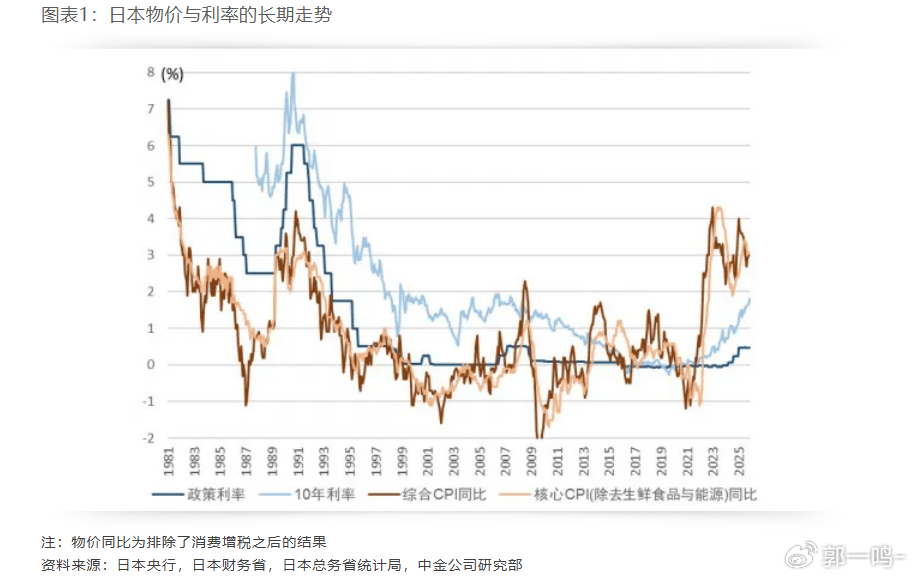
Group 1 - The core viewpoint of the articles highlights a significant divergence in global central bank policies, with the Federal Reserve lowering interest rates while the Bank of Japan signals a potential rate hike, marking a shift from synchronized monetary policy to country-specific strategies [1][3][6] - The Federal Reserve's rate cut is a "risk management adjustment" due to signs of a slowing job market and a moderate decline in inflation, while the Bank of Japan faces rising core inflation and is compelled to end its long-standing low-interest policy [3][4] - The contrasting monetary policies of the US and Japan are reshaping global capital flows, with a notable increase in yen carry trade, which has reached 142 trillion yen (approximately 930 billion USD), affecting over 30% of the Japanese stock market's value [3][4] Group 2 - The European Central Bank maintains its interest rates, while the Bank of England is expected to implement a rate cut, contributing to the ongoing divergence in global monetary policies [6][7] - The tightening of global liquidity due to Japan's potential rate hike may lead to capital outflows from emerging markets, despite recent inflows of 40.48 billion USD into these markets [4][9] - The divergence in policies is expected to create structural differences in market impacts, with China emerging as a safe haven for foreign capital, receiving 18.07 billion USD in equity fund inflows, accounting for 44.65% of total emerging market inflows [9]

超级央行周来了!日本带头加息,发达国家央行“降息周期”进入尾声,明年美联储“独自降息”?
Hua Er Jie Jian Wen· 2025-12-14 03:39
Core Viewpoint - The global trend of monetary policy easing is nearing its end, with developed economies showing a clear trend of "braking" in their monetary policies, leading to increased uncertainty in the markets for the upcoming year [1]. Group 1: Central Bank Decisions - The Bank of Japan (BOJ) is expected to raise its benchmark interest rate to 0.75% in its upcoming meeting, marking its first rate hike since January [2]. - The Bank of England (BOE) is anticipated to lower interest rates, which may be one of the last moves in its current easing cycle, indicating a shift in its policy focus [3]. - The European Central Bank (ECB) is expected to maintain its current interest rates, with market attention on any hints of a potential shift towards tightening [3]. Group 2: Divergence in Monetary Policies - Developed economies are gradually halting their rate cuts, while emerging markets continue to pursue easing measures, creating a complex global monetary policy landscape [6]. - In Asia, the Bank of Thailand is expected to cut rates, while there is uncertainty regarding the Bank of Indonesia's actions [6]. - In Latin America, central banks in Chile and Mexico are expected to lower rates, contrasting with Colombia's decision to maintain its rate due to better-than-expected inflation reports [6]. Group 3: Future Implications - The divergence in monetary policies is likely to reshape global capital flows and asset pricing, with the potential for the U.S. Federal Reserve to find itself acting alone if it continues to cut rates while others do not [1][4]. - The anticipated continued easing by the Federal Reserve may lead to a depreciation of the U.S. dollar, especially as other central banks maintain or increase their rates [7].
全球货币政策大分化:仅美联储与英央行被预期2026年降息
Sou Hu Cai Jing· 2025-12-12 12:07
Group 1 - The monetary policy expectations among major developed economies show significant divergence, with the Federal Reserve and the Bank of England expected to continue implementing rate cuts by the end of 2026, while most other central banks are anticipated to raise rates [1] - The implied expectations from the current interest rate futures market indicate that the Federal Reserve is expected to cut rates by approximately 54 basis points by the end of 2026, with a 73% probability of maintaining rates in the next meeting [1] - The Bank of England is projected to cut rates by 61 basis points by the end of 2026, with a high probability of 90% for a rate cut in the next meeting [1] Group 2 - In contrast, other major central banks are leaning towards tightening their policies, with the Bank of Canada expected to raise rates by 25 basis points and a 93% probability of holding rates steady in the next meeting [1] - The European Central Bank is anticipated to raise rates by 10 basis points, with a 100% probability of maintaining rates in the next meeting [1] - The Bank of Japan is expected to raise rates by 67 basis points, with a 76% probability of a rate hike in the next meeting [1] Group 3 - The divergence in monetary policy could have profound effects on the global foreign exchange market, potentially putting pressure on the US dollar and British pound due to relatively loose monetary policies [2] - There may be new trading opportunities if subsequent economic data triggers a re-evaluation of the interest rate paths by the market [2]
李鑫恒:美联储利率决议前黄金行情和操作分析
Xin Lang Cai Jing· 2025-12-10 04:32
Core Viewpoint - The market is closely watching the Federal Reserve's decision on interest rates, with expectations of a potential rate cut influencing gold and silver prices. The outcome of the Fed's decision could lead to significant market reactions depending on the guidance provided in the dot plot and comments from Chairman Powell [1][2][5]. Group 1: Federal Reserve Decision Impact - If the Federal Reserve cuts rates but the dot plot indicates minimal future cuts (e.g., only 50 basis points or less), it would be considered a "hawkish cut," potentially leading to a strong rebound in the dollar and a decline in gold prices [2][7]. - Conversely, a 25 basis point cut accompanied by a more aggressive future rate cut outlook (e.g., over 75 basis points) would be viewed as a "dovish package," likely causing the dollar to drop and providing upward momentum for gold [2][7]. Group 2: Precious Metals Performance - Silver prices surged over 4%, closing at $60.64 per ounce and reaching a historical high of $60.83 per ounce, driven by strong industrial demand and tight supply conditions [2][7]. - Platinum and palladium also saw price increases of 3% and 2.7%, respectively, reflecting a broader trend in precious metals amid expectations of Fed rate cuts [2][7]. Group 3: Global Central Bank Actions - The Reserve Bank of Australia maintained its interest rates, which supported the Australian dollar, while the European Central Bank hinted at potential rate hikes, indicating a divergence in global monetary policies that may bolster gold prices [3][8]. - The upcoming decisions from the Bank of Japan regarding interest rates are also anticipated to influence market dynamics [3][8]. Group 4: Technical Analysis of Gold - The daily trend for gold remains bullish, with recent price movements indicating continued upward momentum despite a brief downturn [3][8]. - The current trading range for gold is identified between 4170 and 4230, with potential upward targets if the price breaks above 4230 [3][8].
美元指数震荡迷局 美联储决议将定生死?
Jin Tou Wang· 2025-12-08 02:30
Group 1 - The core focus is on the upcoming Federal Reserve interest rate decision, with the market showing cautious sentiment reflected in the recent fluctuations of the US dollar index [1] - The US dollar index closed at 98.98 on December 5, experiencing a slight decline of 0.07% on that day and a cumulative drop of 0.5% over the past week, marking the second consecutive week of decline [1] - There is significant divergence in market expectations regarding Federal Reserve policy, with a prevailing outlook favoring continued easing; the probability of a 25 basis point rate cut during the December 9-10 meeting is at 87.2% according to the CME FedWatch tool [1] Group 2 - Institutions generally believe the US dollar is overvalued, with Goldman Sachs estimating it to be overvalued by approximately 20%, while Huatai Securities estimates a 15-20% overvaluation [2] - The International Monetary Fund (IMF) indicates that the actual effective exchange rate of the US dollar is overvalued by 10%, influenced by factors such as tariff policies and capital flow reversals [2] - The upcoming global central bank policy announcements are expected to clarify the divergence in monetary policies, with the Bank of Japan's anticipated interest rate hike potentially exerting further pressure on the US dollar [2]
【央行圆桌汇】全球货币政策分化加剧:美欧或转向宽松 新兴市场仍处紧缩(2025年12月1日)
Xin Hua Cai Jing· 2025-12-01 08:00
Global Central Bank Dynamics - Kevin Hassett is viewed as the leading candidate for the next Federal Reserve Chair, with a 72% chance of being nominated by President Trump, as he aligns with Trump's proposed interest rate cuts [1] - The Federal Reserve's Beige Book indicates that most of the twelve districts report little change in economic activity, with a decline in overall consumer spending attributed to government shutdown impacts and rising costs in manufacturing and retail due to tariffs [1] - The New Zealand Reserve Bank has lowered its benchmark interest rate by 25 basis points to 2.25%, indicating potential further easing if economic recovery remains weak [2][4] Federal Reserve Officials' Statements - Fed Governor Waller supports a rate cut in December, citing weak labor market data, while warning that upcoming economic reports may complicate January's policy decisions [2] - New York Fed President Williams and San Francisco Fed President Daly both express support for a potential rate cut in December, with concerns about a sudden deterioration in the job market [3] - Fed's repurchase operations on November 28 received bids totaling $2.44 billion, indicating a stable banking reserve environment and low reliance on Fed liquidity tools [3] European Central Bank Insights - The European Central Bank (ECB) acknowledges high financial stability vulnerabilities in the Eurozone, influenced by trade uncertainties and U.S. tariff policies [6] - ECB President Lagarde states that current interest rates are appropriate, but warns of potential inflationary pressures if U.S. tariffs are imposed or supply chains are disrupted [5] - The ECB's financial stability report highlights risks from U.S. fiscal deficits and rising debt servicing costs, which could undermine the safety of U.S. Treasury securities and weaken the dollar [6] Market Observations - Barclays economists predict a high likelihood of a 25 basis point rate cut by the Fed in December, with internal divisions expected among officials regarding the extent of future cuts [8] - JPMorgan economists also anticipate rate cuts in December and January, influenced by recent statements from key Fed officials [8] - Analysts from the Commonwealth Bank of Australia suggest that Japan's central bank may delay rate hikes due to political factors, despite ongoing inflation pressures [9]
你抛美债,我抛中债!外资开始大量减持中国债,很多资金流向美方?
Sou Hu Cai Jing· 2025-11-14 07:27
Core Viewpoint - Recent data indicates that foreign capital is significantly reducing its holdings in Chinese bonds, with a notable decline attributed to rising U.S. Treasury yields and currency fluctuations, which may impact China's financial market [1][3][4]. Group 1: Foreign Capital Reduction - As of October 2025, foreign institutions held 29,765 billion yuan in Chinese bonds, a decrease of 2,843 billion yuan or 8.7% since the beginning of the year, marking the longest net outflow in five years [1]. - The yield on 10-year U.S. Treasury bonds reached 4.8%, compared to approximately 2.6% for Chinese bonds, creating a 2.2 percentage point yield advantage that attracts international capital [1][3]. - Approximately 62% of surveyed international investors indicated that currency fluctuations are a primary factor in their decision to adjust their holdings in Chinese bonds [3][4]. Group 2: Global Monetary Policy and Economic Factors - The divergence in monetary policy, with the U.S. maintaining a stringent stance while China has implemented three interest rate cuts in 2025, has widened the interest rate differential, further encouraging capital flow to the U.S. [4]. - China's GDP growth slowed to 4.6% year-on-year in Q3 2025, which, while still higher than many global economies, has led to cautious sentiment among foreign investors regarding Chinese bonds [4]. Group 3: Impact on Financial Markets - Foreign holdings of Chinese bonds accounted for approximately 2.1% of the total bond market as of October 2025, down from a peak of 3.5% in 2023, suggesting that while the outflow has some impact, it is unlikely to cause severe disruption [6]. - The outflow of capital may exert some pressure on the renminbi, but China's foreign exchange reserves stood at $3.24 trillion as of September 2025, providing a solid foundation to manage currency fluctuations [6]. Group 4: Long-term Outlook - The internationalization of China's bond market is increasing, with Chinese bonds included in major international indices, which may provide a more stable source of foreign investment in the long run [7]. - A survey of 50 major asset management firms revealed that about 67% believe the proportion of Chinese bonds in their global asset allocation will increase over the next five years [7].
美联储深夜改口,特朗普迎来噩耗,降息300点,美元黄昏要提前?
Sou Hu Cai Jing· 2025-08-16 09:41
Core Viewpoint - The recent statements by U.S. Treasury Secretary Mnuchin supporting a 50 basis point rate cut and predicting a total cut of 150-175 basis points for the year indicate an urgent debt crisis in the U.S., which is a rare occurrence as Treasury Secretaries typically avoid discussing Federal Reserve policies to maintain its independence [1][3]. Group 1: Economic Implications - The U.S. faces a staggering $37 trillion in national debt, with annual interest payments reaching $1.2 trillion, which is consuming the federal budget. A 300 basis point rate cut could save nearly $1 trillion annually for the White House, potentially funding several of Trump's policy commitments [3]. - The internal division within the Federal Reserve is unprecedented, with Vice Chair Bowman shifting to support a rate cut cycle, while Trump's nominee Waller publicly questions Powell's leadership, indicating political interference [3][5]. Group 2: Political Dynamics - Trump's actions to potentially replace Federal Reserve leadership, including nominating candidates who advocate for presidential control over Fed officials, threaten the independence established since the Fed's inception in 1913, raising concerns in global markets [5][7]. - If Powell is forced to resign, the yield spread on U.S. Treasuries could widen by 200 basis points, leading to significant volatility in global financial markets, with Deutsche Bank simulations predicting a more severe impact than Nixon's interventions in the 1970s [7]. Group 3: Inflation and Global Currency Trends - U.S. inflation is facing new challenges, with the core CPI rising to 3.1%, significantly above the Fed's 2% target, and 90% of U.S. importers planning to raise prices in the next three months, further exacerbating inflationary pressures [9]. - The trend of de-dollarization is accelerating globally, with countries like Saudi Arabia and Russia moving towards alternative currencies for trade, while central banks are increasing gold reserves, indicating a shift in the international financial landscape [11]. Group 4: Global Financial Order - The ongoing struggle between Trump and the Federal Reserve not only impacts the U.S. economy but also has profound implications for the global financial order, as the dollar's status as the world's reserve currency relies on the Fed's independence and the stability of the U.S. financial system [13]. - Continued political interference could hasten the decline of dollar hegemony, leading to significant changes in the global monetary system, presenting both challenges and opportunities for global investors [13].

BCR国际金融快讯:中东冲突叠加央行周:油价、恐慌指数狂飙,全球资产震荡
Sou Hu Cai Jing· 2025-06-19 03:53
Central Banks' Monetary Policy Divergence - The week marked a "super central bank week" with the Bank of Japan, the Federal Reserve, the Swiss National Bank, and the Bank of England announcing their interest rate decisions amidst rising tensions in the Middle East and varying inflation pressures [2][3][4]. Bank of Japan - The Bank of Japan is expected to maintain its benchmark interest rate at 0.5% despite a revised zero growth in Q1 GDP and high inflation, particularly with rice prices doubling over the year [2]. - The focus is on potential adjustments to its bond purchasing plan, possibly slowing the planned quarterly reduction from 400 billion yen to 200 billion yen, with a hint that any rate hike may be postponed until Q1 2026 [3]. Federal Reserve - The Federal Reserve is likely to keep rates unchanged, with a core CPI of 2.8% and weak non-farm payroll data showing an increase of only 139,000 jobs [3]. - Market attention is on the dot plot for any signals of potential rate cuts, with Citigroup predicting a total of 75 basis points in cuts later this year [3]. Swiss National Bank - The Swiss National Bank faces a critical decision, with a 69% probability of a 25 basis point cut to 0% or even returning to a negative rate of -0.25% due to a negative CPI of -0.1% and an 11% appreciation of the Swiss franc [4]. - Such a move could increase volatility in the euro-Swiss franc exchange rate and raise concerns for pension funds regarding liquidity management [4]. Bank of England - The Bank of England is expected to maintain its rate at 4.25%, but deteriorating labor market conditions and a slowdown in wage growth may set the stage for potential rate cuts in August or November [4]. - Current rates are still considered in a "tightening zone," providing ample room for policy shifts, which may put short-term pressure on the British pound [4]. Market Reactions - The escalation of the Middle East conflict, particularly Iran's threats to block the Strait of Hormuz, combined with central bank policies, has heightened market volatility [5]. - U.S. stock indices fell sharply, with the VIX fear index surging by 22% and oil prices spiking by 12% in a single day [5]. - A hawkish stance from the Federal Reserve could strengthen the dollar, further suppressing capital flows to emerging markets, while dovish signals from Switzerland and the UK could provide temporary relief for risk assets [5].

KVB PRIME:中国4月经济数据稳健,美联储降息预期推迟
Sou Hu Cai Jing· 2025-05-19 09:12
Core Viewpoint - China's economic data for April shows stable growth despite a complex external environment, with significant contributions from domestic demand and overall employment stability [1][4]. Economic Performance - In April, China's industrial added value increased by 6.1% year-on-year, while the service production index grew by 6.0% and retail sales of consumer goods rose by 5.1% [1]. - The urban surveyed unemployment rate decreased to 5.1%, indicating a stable employment situation [1]. - Fixed asset investment in China grew by 4.0% year-on-year from January to April, and total goods import and export value increased by 2.4%, reflecting resilience in foreign trade [3]. Policy Impact - The combination of macroeconomic policies in April has led to sustained industrial production growth, particularly in equipment manufacturing and high-tech sectors [3]. - The service sector has shown stable growth due to policies aimed at expanding domestic demand, with digital transformation and increased travel boosting information and business services [3]. - The effects of the "old-for-new" consumption policy continue to support stable market sales, particularly in basic living goods and some upgraded products [3]. Global Monetary Policy Trends - The Federal Reserve has indicated a reluctance to lower interest rates, with Chairman Powell noting the challenges posed by potential supply shocks and unstable inflation [3]. - The European Central Bank is considering further rate cuts, while the Bank of Mexico has reduced its benchmark rate by 50 basis points to 8.5% [3]. - The divergence in global monetary policies is expected to have significant implications for financial markets [4].