品牌定位

Search documents
AI时代还需要品牌定位吗?|天图投资CEO冯卫东
Sou Hu Cai Jing· 2025-12-09 06:14
Core Insights - The core logic of brand positioning remains unchanged in the AI era, as human decision-making is still the ultimate factor [1][5] - The essence of a brand is to provide perceivable and trustworthy value signals to customers [4] Information Costs and Brand Value - The first principle of branding is to reduce information costs [2] - 70% of GDP consists of transaction costs, with 70% of those being information costs, highlighting the significant impact of information asymmetry on communication, trust, and decision-making in the business world [3] Social Consensus and Brand Strength - AI can accurately target customers but cannot create social consensus, which is the core moat of strong brands [6][7] - For a brand to become "hard currency" in social scenarios, it must rely on publicly visible media to build social consensus [8] - The cognitive tacit understanding that requires no explanation is a manifestation of social consensus reducing information costs [9] Trust and Decision-Making in the AI Era - In the AI era, phenomena like information echo chambers and social polarization intensify, leading users to rely more on broad social consensus for brand trust [10] - Strong brands can effectively break down information barriers through public media exposure and credible third-party endorsements, serving as "trust shortcuts" in user decision-making [10] Brand Longevity and Market Dynamics - Brands like Moutai and Haidilao can withstand market cycles because their social consensus is deeply ingrained in consumer minds, which AI cannot replace [11] - AI is not the "terminator" of brand positioning but will accelerate industry differentiation, with strong brand values likely to increase while weaker categories may be overtaken by private labels or store brands [12][13]
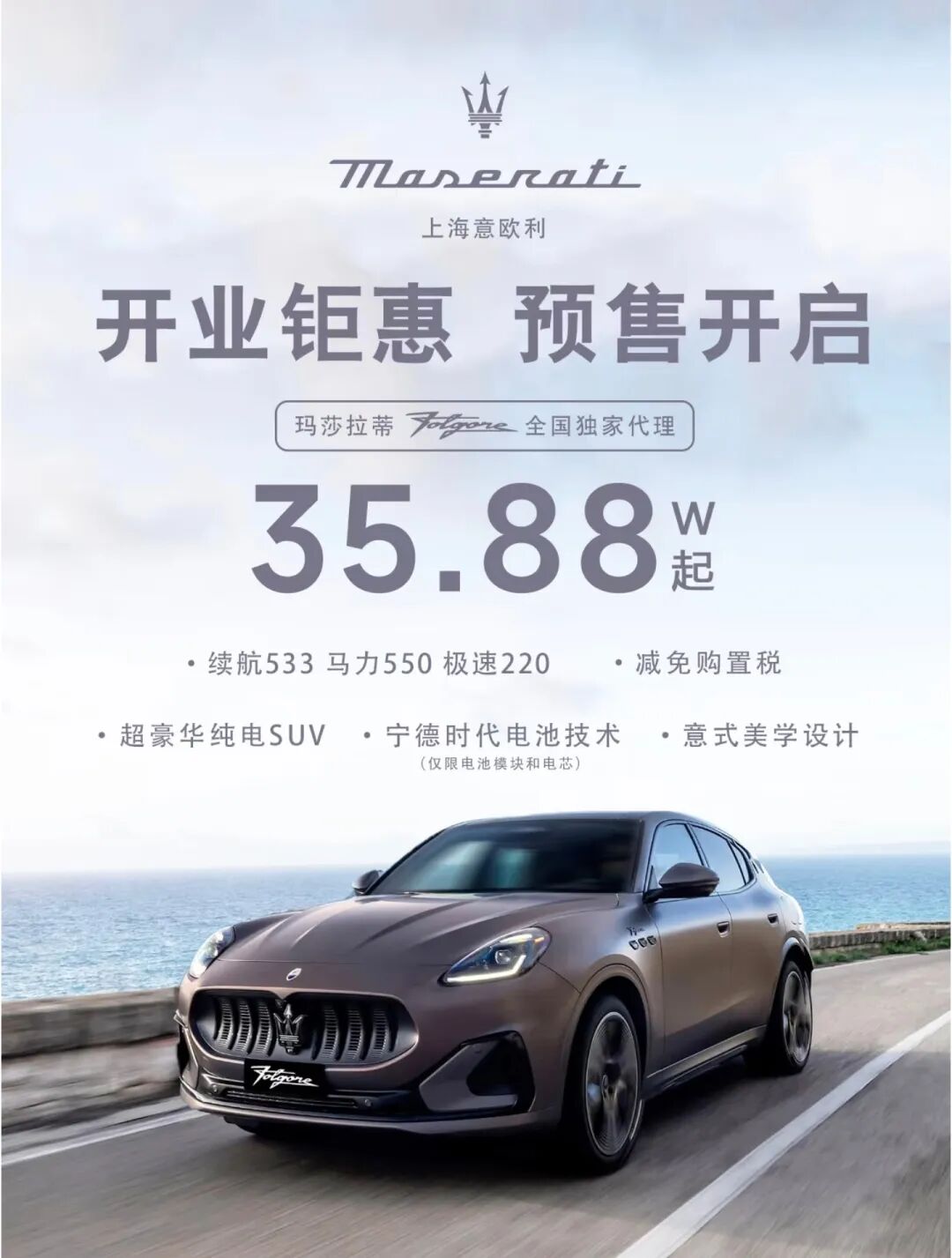
微商害死玛莎拉蒂?今天咱们想说点不一样的
3 6 Ke· 2025-12-02 02:39
Core Viewpoint - Maserati, a century-old luxury brand, is attempting to revitalize its market presence with the introduction of the electric Grecale at a competitive price of 358,800 yuan, but faces significant challenges due to its historical mismanagement and reliance on parent company Fiat [2][49]. Group 1: Historical Context - Maserati was founded in 1914 and initially gained fame as a racing brand, competing with Audi, Mercedes, and Ferrari [9]. - The brand's identity shifted under Alejandro de Tomaso in the 1970s, who aimed to make Maserati more accessible with the Biturbo model, which ultimately diluted its luxury image [11]. - After several ownership changes, including a significant period under Fiat and later Ferrari, Maserati's brand value fluctuated, peaking in the late 2000s before facing financial difficulties [15][22]. Group 2: Recent Developments - The introduction of the electric Grecale has generated interest, with half of the initial stock selling out quickly, indicating a potential resurgence in demand [7][49]. - However, the brand's reliance on Chrysler components in recent models has led to quality issues, negatively impacting Maserati's reputation [31][29]. - The company is now shifting its strategy under new CEO Jean-Philippe Imparato, focusing on bespoke manufacturing and reducing the number of dealerships to enhance brand exclusivity [51][53]. Group 3: Market Challenges - Maserati's sales peaked at 51,500 units in 2017 but dropped to 34,900 units in 2018, a decline of 32.2% due to various market pressures, including regulatory changes and pricing strategies [42][47]. - The brand's failure to innovate and keep pace with competitors has resulted in a significant gap in product offerings, particularly in the luxury segment [39][40]. - The discontinuation of Ferrari's engine supply contract in 2019 marked a critical point in Maserati's decline, further complicating its recovery efforts [47].

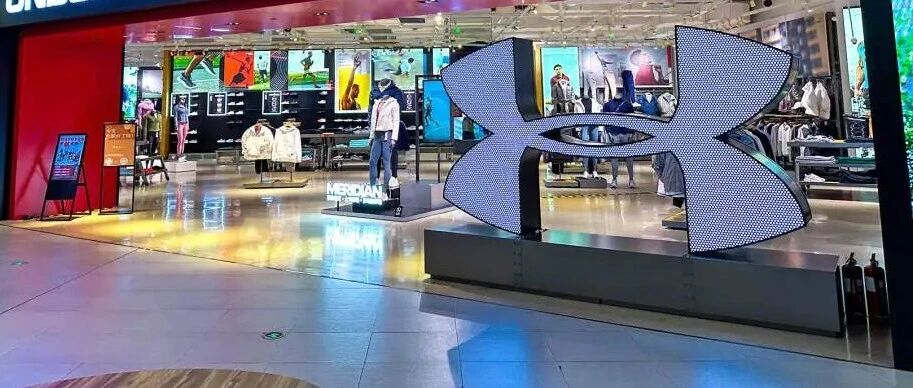
昔日千亿运动巨头,10年市值蒸发1400亿,耗资18亿与库里分手
21世纪经济报道· 2025-11-30 07:51
Core Viewpoint - Under Armour is at a critical juncture for transformation, facing declining revenues and market challenges, necessitating a strategic overhaul to regain its competitive edge [1][4]. Financial Performance - For the latest fiscal quarter ending September, Under Armour's revenue fell by 4.7% year-over-year to $1.33 billion (approximately 9.41 billion RMB), marking eight consecutive quarters of revenue decline [1]. - Revenue breakdown by region shows North America down 8.3%, EMEA up 12.2%, Asia-Pacific down 13.7%, and Latin America up 14.6%, with respective revenues of $790 million, $320 million, $180 million, and $50 million [1]. - As of November 28, 2025, Under Armour's stock price is $4.62 per share, with a total market capitalization of $2 billion (approximately 14.15 billion RMB), a significant drop from its peak market value of $22 billion (approximately 155.67 billion RMB) in 2015 [1]. Strategic Changes - Under Armour is undergoing a restructuring plan initiated by founder Kevin Plank, who returned as CEO, focusing on inventory reduction, price discipline, and profit maintenance [4]. - The company has incurred $103 million in restructuring and impairment costs as part of this plan [4]. - A significant move includes the separation from the Curry Brand, which will operate independently starting November 14, 2025, as part of the strategy to concentrate on core business lines [4][9]. Market Challenges - In the Asia-Pacific region, Under Armour's sales fell by 13.7% to $180 million (approximately 1.27 billion RMB), indicating a struggle to maintain market relevance compared to competitors like Nike and Lululemon [12]. - The brand faces issues with pricing inconsistency, leading to confusion among consumers regarding its market positioning [12][15]. - There are notable price discrepancies between online and offline sales channels, with significant differences reported for similar products, raising concerns about brand value and consumer perception [13][14][15]. Leadership Changes - To address market challenges, Under Armour appointed Chen Jianing as Vice President and General Manager for China, effective November 9, 2025, aiming to revitalize the brand's strategy and operations in the region [15].
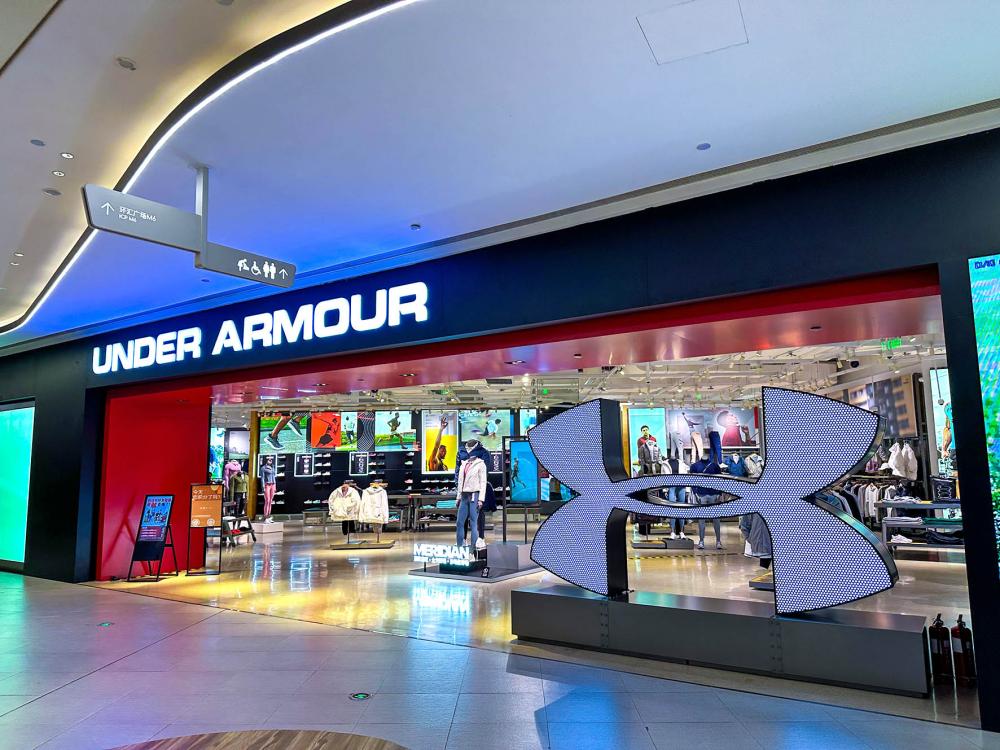
安德玛困局 相比失去库里,价格混乱更麻烦
2 1 Shi Ji Jing Ji Bao Dao· 2025-11-28 23:14
Core Viewpoint - Under Armour is at a critical juncture for transformation, facing declining revenues and market challenges, necessitating a strategic overhaul to regain its competitive edge [1][3][22]. Financial Performance - For the latest fiscal quarter ending September, Under Armour's revenue fell by 4.7% year-on-year to $1.33 billion (approximately 9.41 billion RMB), marking the eighth consecutive quarter of revenue decline [1]. - The revenue breakdown by region shows North America down 8.3%, EMEA up 12.2%, Asia-Pacific down 13.7%, and Latin America up 14.6% [1]. - As of November 27, 2025, Under Armour's stock price was $4.41 per share, with a total market capitalization of $1.869 billion (approximately 13.225 billion RMB), a significant drop from its peak market value of $22 billion (approximately 155.67 billion RMB) in 2015 [2]. Strategic Changes - Under Armour's founder, Kevin Plank, returned to lead the company after the resignation of the third CEO in three years, announcing an 18-month brand restructuring plan [4][5]. - The restructuring plan has incurred $103 million in restructuring and impairment costs as of September 30 [5]. - A key action in the restructuring is the separation from the Curry Brand, which will operate independently starting November 14, 2025 [6][17]. Market Challenges - In the Asia-Pacific region, Under Armour's sales fell by 13.7% to $180 million (approximately 1.274 billion RMB), indicating a struggle to maintain market relevance [19]. - The competitive landscape in China is challenging, with Nike's revenue in the Greater China region at $1.512 billion (approximately 10.775 billion RMB) despite a 10% decline, while Lululemon saw a 24% increase to $441 million (approximately 3.12 billion RMB) [19]. - Under Armour faces issues with pricing inconsistency, leading to brand positioning challenges, as evidenced by significant price discrepancies between online and offline sales channels [23][27]. Leadership and Future Direction - The company has acknowledged its shortcomings in product presentation and market appeal, prompting a leadership change with the appointment of Chen Jianing as Vice President and General Manager for China [28][29].
创始人要有极致的成本意识
创业家· 2025-11-18 10:27
Core Viewpoint - Founders must have a strong cost awareness that permeates the entire organization, ensuring that every employee approaches cost management rigorously. The essence of cost reduction is strategic guidance, aimed at better concentrating resources on future growth areas, which may appear as cost-cutting but is fundamentally about better investment in revenue generation [1]. Group 1: Event Overview - The "Black Horse Mountain and Sea Plan" will take place from November 20 to 22, 2025, in Huangshan, Anhui, led by Feng Weidong, the founding partner and CEO of Tiantu Investment, and Niu Wenwen, the chairman of Chuangye Heima [3][8]. - The event aims to explore the entrepreneurial leadership of founders and the scientific methods of brand positioning, assisting brands in navigating through cycles [3][11]. Group 2: Learning Outcomes - Participants will gain insights into the leadership of founders in the new era, including redefining the three identities of founders in the context of AI, overseas expansion, and market penetration [7]. - The program includes methodology studies, group collaborations, and project presentations focused on enhancing brand strength [7]. Group 3: Itinerary Highlights - The itinerary includes activities such as a welcome dinner, nature exploration, and discussions on entrepreneurial leadership and brand positioning [8][9]. - Key sessions will feature discussions led by industry leaders on topics like "Entrepreneurial Leadership" and "Using Brand to Lead Entrepreneurship" [9]. Group 4: Pricing and Registration - The original price for the event is 15,800 yuan per person, with an early bird discount bringing it down to 12,800 yuan [9]. - Registration is available through a QR code provided at the end of the article [9].

小裁缝白手起家,卖羽绒服年入百亿
创业家· 2025-11-18 10:27
Core Viewpoint - The article narrates the inspiring journey of Gao Dekang, the founder of Bosideng, highlighting his entrepreneurial spirit and the brand's evolution into a global leader in down jackets, achieving annual revenues of 25.9 billion yuan and sales in 72 countries [8][37]. Group 1: Early Life and Entrepreneurial Spirit - Gao Dekang was born into a poor family in 1952 and learned tailoring from his father, quickly becoming a skilled craftsman known for his efficiency and style [15][16]. - At the age of 20, he started a sewing group with local tailors to provide work for those unable to farm, marking the beginning of his entrepreneurial journey [17]. - His exposure to the Chinese mountaineering team's achievements inspired him to create a down jacket capable of reaching the summit of Mount Everest [6][8]. Group 2: Establishment of Bosideng - In 1992, after gaining experience in the down jacket industry, Gao founded Jiangsu Kangbo Group and registered the "Bosideng" trademark, aiming for a global market presence [23][24]. - The brand faced a significant crisis in its early years due to overproduction and market misjudgment, leading to a large inventory and financial strain [25][26]. - A pivotal moment came in 1995 when Bosideng's sales strategy evolved, leading to a significant increase in sales and establishing the brand as a market leader [27][28]. Group 3: Challenges and Strategic Shifts - After going public in 2007, Bosideng expanded aggressively but faced challenges due to market saturation and the rise of e-commerce, leading to a decline in brand perception [30][32]. - The company underwent a transformation by refocusing on its core business of down jackets, eliminating non-core products, and emphasizing consumer-centric design [33][34]. - Bosideng's efforts to modernize its brand and product offerings led to a resurgence in growth, with revenues increasing from 5.787 billion yuan in 2016 to 28.068 billion yuan in 2025 [37][38]. Group 4: Current Strategy and Market Position - Bosideng aims to penetrate the high-end market while maintaining its presence in the affordable segment through its sub-brand Xuezhongfei, which targets younger consumers [44][48]. - The brand's strategy includes collaborations with renowned designers and participation in international fashion events to enhance its global image [45][46]. - As of 2024/25, Xuezhongfei is projected to generate approximately 2.206 billion yuan in revenue, reflecting its growing importance within the Bosideng ecosystem [49].

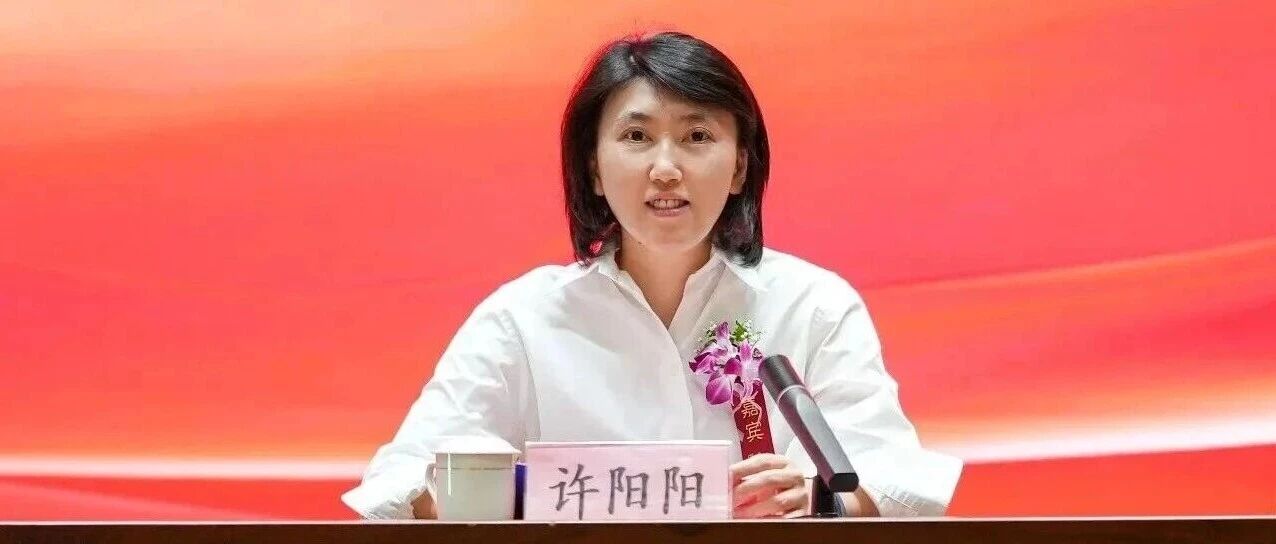
福建女首富,接班180亿食品王国
创业家· 2025-11-17 10:20
Core Viewpoint - The appointment of Xu Yangyang as the new president of Dali Food Group marks a significant transition in leadership for a major player in the food industry, with her extensive experience within the company positioning her to tackle current challenges and drive future growth [7][14]. Group 1: Company Overview - Dali Food Group, founded in 1989 by Xu Shihui, has grown from a small factory to a food giant with annual revenues exceeding 18 billion yuan, featuring six major brands including Dali Garden and Kexi [11]. - The company successfully launched its IPO in Hong Kong in 2015, becoming the largest IPO in the global consumer goods sector that year, with a peak market value nearing 100 billion HKD [11]. - From 2016 to 2019, Dali Food's revenue increased from 17.84 billion yuan to 21.37 billion yuan, while the Xu family maintained their status as the richest in Fujian for four consecutive years [11][12]. Group 2: Succession Path - Xu Yangyang's succession was a result of a long-term, systematic training process, starting from her grassroots experience in various roles within the company [14]. - She played a crucial role in Dali's strategic decisions, including leading the company to its successful IPO and launching the "Douben Dou" soy milk brand, which achieved over 1 billion yuan in sales within a year [14][16]. - Under her leadership, Dali is pursuing an international expansion strategy, establishing production bases in Southeast Asia, including Indonesia, Thailand, Vietnam, and Saudi Arabia [15]. Group 3: Challenges Ahead - Dali Food has faced declining revenue and profit from 2020 to 2022, with revenues of 20.96 billion yuan, 22.29 billion yuan, and 19.96 billion yuan, and net profits of 3.85 billion yuan, 3.73 billion yuan, and 2.99 billion yuan respectively [16]. - The company's stock performance has been lackluster, leading to its privatization announcement in 2023, with shares dropping nearly 50% from the IPO price [16]. - Dali's established brands are experiencing aging issues, and adapting to the rising health-conscious consumer trends poses additional challenges for Xu Yangyang [16]. Group 4: Industry Context - Xu Yangyang and her counterpart, Zong Fuli, are often compared as prominent successors in the food industry, both having similar educational backgrounds and career paths [18]. - The transition of leadership in family-owned businesses is becoming increasingly common in China, with many founders reaching retirement age [19]. - Successful business succession requires a well-planned process, as demonstrated by Xu Yangyang's gradual rise through the ranks, contrasting with other family business transitions that have faced challenges [19].
除了钱,创业者更需要自我确认
创业家· 2025-11-17 10:20
Core Insights - Entrepreneurs must confirm their direction and model to avoid wasted efforts and time, as incorrect direction leads to futile efforts and wrong models result in inefficient competition [1] Group 1: Event Overview - The "Black Horse Mountain and Sea Plan" will take place from November 20 to 22, 2025, in Huangshan, Anhui, led by Feng Weidong and Niu Wenwen, focusing on brand positioning and securing investment [2][4] - The event aims to enhance entrepreneurial leadership and explore scientific methods for brand positioning, assisting brands in navigating through cycles [4][8] Group 2: Key Activities - Participants will engage in discussions on entrepreneurial leadership and brand positioning, with sessions led by industry experts [10][11] - The itinerary includes nature exploration, group work, and networking opportunities, culminating in a summit at Huangshan [10][11] Group 3: Investment and Expertise - Feng Weidong, a prominent figure in investment, has over 20 years of experience and manages funds exceeding 200 billion, with investments in over 200 companies [7] - The event will feature insights from successful entrepreneurs and investment professionals, fostering resource connections and collaborative learning [8][13]

冯卫东:很多人创业成功的真实原因,都被隐藏起来了
创业家· 2025-11-16 10:16
Core Viewpoint - The article emphasizes the importance of learning from both successes and failures in entrepreneurship, highlighting that understanding the correct causal relationships is essential for progress and decision-making in business [6][11]. Group 1: Investment Insights - TianTu Capital, founded by Feng Weidong, recently became the first Chinese VC to be listed on the Hong Kong Stock Exchange, marking a significant milestone in the venture capital industry [12]. - The fund managed by TianTu Capital exceeds 20 billion yuan, with investments in over 200 companies, showcasing its substantial influence in the market [12][20]. Group 2: Entrepreneurial Development - An upcoming event led by Feng Weidong and Niu Wenwen aims to explore brand positioning, securing investment, and managing cash flow, targeting future category leaders [13][16]. - The event will take place from November 20 to 22, 2025, in Huangshan, focusing on enhancing entrepreneurial leadership and brand strategies through collaborative learning and experience sharing [16][22]. Group 3: Learning from Failures - The article discusses the value of studying failures, citing investment legend Charlie Munger's approach of analyzing failure cases to create a checklist for correct decision-making [9][10]. - It suggests that learning from failures can provide deeper insights and prevent major mistakes in business decisions [11].

创业想不清这件事,注定融不到资
创业家· 2025-11-14 10:20
Core Insights - The article emphasizes the importance of having a clear business model and strategy before seeking financing, suggesting that funding should accelerate growth rather than serve as a means to clarify business direction [1] Group 1: Financing and Business Strategy - Financing should be aimed at accelerating growth rather than changing the core business model or strategy [1] - A clear understanding of the core operations is essential before seeking investment [1] - The founder of the company, Ma Zhua Zhua, indicates that despite engaging with capital, there have been minimal changes in the business model and operational strategies [1] Group 2: Event Promotion - The article promotes the "Black Horse Mountain and Sea Plan" event scheduled for November 20-22, where participants will engage in discussions about brand positioning, securing investment, and managing cash flow [4][10] - The event will feature notable figures such as Feng Weidong, CEO of Tiantu Investment, and Niu Wenwen, Chairman of Chuangye Heima [4][5] - Participants will have opportunities for networking, sharing experiences, and collaborative learning [8][10]