地方政府债务管理

Search documents
多地提前实现隐债清零
21世纪经济报道· 2025-09-16 15:42
Core Viewpoint - The article discusses the accelerated progress of local financing platforms in China towards achieving "hidden debt clearance" as part of a broader effort to manage and mitigate local government debt risks. Group 1: Progress in Debt Clearance - Since September, various regions have reported significant advancements in the clearance of hidden debts, with some areas aiming to achieve complete clearance by the end of the year [3][4][5] - As of September 10, 82 districts and counties have successfully reached the goal of hidden debt clearance, indicating a notable acceleration in the overall progress [5][6] - The Ministry of Finance reported that over 60% of financing platforms have exited, reflecting a rapid transformation towards market-oriented operations [9][10] Group 2: Government Initiatives and Policies - The State Council emphasized the need to establish a long-term mechanism for preventing and resolving local government debt risks, including the reform of financing platforms [5][6] - Local governments are actively implementing measures to prevent the accumulation of new hidden debts while ensuring compliance with national financial support policies [3][4] - Various provinces, such as Hunan and Jiangxi, have outlined specific plans to accelerate the exit of financing platforms and manage debt risks effectively [10][11] Group 3: Financial Institutions' Role - Financial institutions, particularly banks, are playing a crucial role in supporting local platforms to reduce costs and mitigate risks, thereby enhancing the credit quality and repayment capabilities of these platforms [12][13] - The Agricultural Bank of China has committed to supporting the clearance of hidden debts while ensuring compliance with market-oriented principles [13] Group 4: Future Outlook - Analysts predict that as debt pressures decrease, local governments will have more policy space and financial capacity to focus on developing manufacturing and service sectors, facilitating smoother implementation of future economic plans [13]


地方融资平台加速出清 多地提前实现隐债清零
2 1 Shi Ji Jing Ji Bao Dao· 2025-09-16 11:07
Core Insights - The process of clearing local government hidden debts is accelerating, with many regions aiming to achieve "zero hidden debt" by the end of the year [1][2][3] - A total of 82 districts and counties across the country have already achieved the goal of clearing hidden debts [2][3] - The Ministry of Finance reported that over 60% of financing platforms have exited, indicating significant progress in the reform and transformation of these platforms [6] Group 1: Local Government Actions - Hangzhou's finance bureau reported high-quality implementation of debt reduction policies, aiming for complete clearance of financing platform debts by year-end [1] - Jinhua City emphasized the need to prevent new hidden debts while ensuring the completion of this year's debt reduction tasks [2] - Various regions, including Longyan and Xinjiang, have reported successful completion of hidden debt clearance ahead of schedule [4][5] Group 2: National Policy and Oversight - The State Council's report highlighted the need for a long-term mechanism to prevent and resolve local government debt risks [3] - The Ministry of Finance has mandated that local governments complete the clearance of hidden debts by the end of 2028, with expectations of sufficient debt reduction funds available [3][10] - Financial institutions are actively supporting local platforms in reducing costs and managing risks, which has improved asset quality and reduced risks [8][9] Group 3: Future Outlook - Analysts predict that after significant debt pressure is alleviated, local governments will have more policy space and financial strength to focus on developing manufacturing and service industries [10] - The ongoing transformation of financing platforms is expected to lead to successful market-oriented operations, enhancing their cash flow and creditworthiness [6][10]
“十四五”时期 财政支出强度前所未有 助力新质生产力发展 全国财政科技支出增长34%(权威发布·高质量完成“十四五”规划)
Ren Min Ri Bao· 2025-09-12 21:55
Core Insights - The Chinese government has made significant progress in fiscal reform and development during the "14th Five-Year Plan" period, enhancing national fiscal strength and efficiency [1] Fiscal Strength and Growth - National general public budget revenue is expected to reach 106 trillion yuan, an increase of 17 trillion yuan or approximately 19% compared to the "13th Five-Year Plan" period [2] - By 2024, 16 provinces are projected to have fiscal revenue growth of over 20% compared to 2020, with 7 provinces exceeding 500 billion yuan, and 2 provinces surpassing 1 trillion yuan [2] - General public budget expenditure is expected to exceed 136 trillion yuan over five years, an increase of 26 trillion yuan or 24% compared to the previous period [2] Social Welfare and Public Services - Over 70% of national general public budget expenditure is allocated to social welfare, benefiting all citizens [2] - Participation in basic pension insurance has surpassed 1.07 billion people, and basic medical insurance coverage has reached 1.327 billion [2] - The standard for resident medical insurance subsidies has increased from 580 yuan to 700 yuan per person annually, with rural and urban minimum living standards raised by approximately 20% [2] Public Service Equity - The scale of equalization transfer payments is projected to grow from 1.9 trillion yuan in 2021 to 2.7 trillion yuan by 2025, with an average annual growth of 9.6% [3] - All administrative villages have access to paved roads, with express delivery service coverage exceeding 95% and tap water availability at 94% [3] Fiscal Policy and Economic Strategy - The fiscal deficit ratio has increased from 2.7% to 3.8%, with a further increase to 4% planned for this year [4] - New local government special bond quotas amount to 19.4 trillion yuan, with over 10 trillion yuan in tax reductions and refunds [4] - Employment support funding has reached 318.6 billion yuan, a 29% increase from the previous five-year period, contributing to over 50 million new urban jobs [5] Innovation and R&D Investment - National fiscal spending on science and technology is expected to reach 5.5 trillion yuan, a 34% increase from the previous period [6] - Basic research funding has totaled 730 billion yuan, with an annual growth rate of 12.3% [6] Risk Management and Debt Control - Central fiscal transfers to local governments are projected to approach 50 trillion yuan over five years, ensuring financial stability [7] - The total government debt is expected to reach 92.6 trillion yuan by the end of 2024, with a debt-to-GDP ratio of 68.7%, indicating manageable risk levels [7] - Over 60% of financing platforms have exited, indicating significant progress in reducing hidden debts [8]
重磅信号!刚刚,财政部部长蓝佛安发声!
天天基金网· 2025-09-12 08:32
Core Viewpoint - The article emphasizes the robust fiscal policies and strategies being implemented to ensure high-quality economic development during the "14th Five-Year Plan" period, highlighting significant increases in both revenue and expenditure, as well as ongoing reforms in the fiscal system [3][5][10]. Fiscal Policy and Economic Development - The Ministry of Finance is committed to balancing risk prevention and development promotion, ensuring ample space for future fiscal policy adjustments [3]. - National public budget revenue is projected to reach 106 trillion yuan during the "14th Five-Year Plan," an increase of 17 trillion yuan or approximately 19% compared to the previous five-year period [5]. - Public budget expenditure is expected to exceed 136 trillion yuan, marking an increase of 26 trillion yuan or 24% from the "13th Five-Year Plan" [5]. Social Welfare and Investment - Significant allocations have been made for social welfare, with nearly 100 trillion yuan dedicated to education, social security, healthcare, and housing support during the "14th Five-Year Plan" [5]. - The government has introduced various subsidies, including 1 billion yuan for childcare and 200 million yuan for free preschool education, to address public concerns [5]. Risk Management and Debt Control - The government is enhancing supervision of local government debt, implementing a closed-loop management system to mitigate hidden debt risks [6]. - A total of nearly 50 trillion yuan has been allocated for transfer payments to local governments, ensuring stable fiscal operations at the local level [6][8]. Fiscal System Reform - The Ministry of Finance is advancing fiscal system reforms aimed at clarifying responsibilities and enhancing regional balance, with a focus on increasing the fiscal capacity of local governments [8]. - The government has developed a comprehensive plan for fiscal and tax system reforms, with specific annual work plans in place [7][8]. Stimulating Domestic Demand - The fiscal department is actively promoting domestic demand through various initiatives, including a 4.2 trillion yuan investment to stimulate consumption, resulting in over 29 trillion yuan in sales [10]. - The government aims to leverage fiscal tools to unlock the potential of domestic demand, which is seen as a significant growth driver for the economy [10]. Debt Management Strategy - The Ministry of Finance plans to implement a debt management mechanism that supports sustainable economic development while addressing existing debt levels [12]. - Measures include early allocation of new local government debt limits and strict management of debt issuance to ensure effective use of funds [12][13].

蓝佛安发声!财政政策始终留有后手
Zhong Guo Zheng Quan Bao· 2025-09-12 08:19
Core Viewpoint - The Ministry of Finance emphasizes the importance of balancing risk prevention and development promotion in fiscal policy, indicating that there is still ample room for future fiscal policy initiatives [1] Group 1: Fiscal Policy and Budget - The national general public budget revenue is expected to reach 106 trillion yuan during the "14th Five-Year Plan" period, an increase of 17 trillion yuan or approximately 19% compared to the "13th Five-Year Plan" period [2] - The national general public budget expenditure is projected to exceed 136 trillion yuan over five years, an increase of 26 trillion yuan or 24% compared to the "13th Five-Year Plan" period [2] - The fiscal strength of local governments is steadily growing, with 16 provinces expected to see fiscal revenue growth of over 20% compared to 2020 [2] Group 2: Social Welfare and Public Spending - The budget for education during the "14th Five-Year Plan" period is set at 20.5 trillion yuan, with social security and employment spending at 19.6 trillion yuan, and health spending at 10.6 trillion yuan [3] - The government has allocated 1 billion yuan for childcare subsidies and 200 million yuan for gradually implementing free preschool education, addressing public concerns [3] - Nearly 100 trillion yuan is earmarked for social welfare investments, reflecting a strong focus on improving the quality of life for citizens [3] Group 3: Fiscal Reform and Management - The Ministry of Finance is implementing a fiscal reform plan aimed at clarifying responsibilities and enhancing regional balance, with a focus on increasing the fiscal capacity of local governments [4] - A total of nearly 50 trillion yuan has been allocated for transfer payments to local governments to support the implementation of central government policies [4] - The Ministry is developing a comprehensive management system for government debt to ensure sustainable fiscal practices [7] Group 4: Stimulating Domestic Demand - The Ministry of Finance is actively promoting domestic demand through various fiscal policies, including subsidies for consumption and support for rural consumption growth, which has increased by 24% during the "14th Five-Year Plan" [6] - Approximately 4.2 trillion yuan has been allocated to support the replacement of consumer goods, leading to sales exceeding 2.9 trillion yuan [6] - The government aims to leverage fiscal tools to stimulate consumption and investment, recognizing the vast potential of domestic demand [6]
王衍诗主持市十六届人大常委会第117次主任会议
Guang Zhou Ri Bao· 2025-07-16 01:41
Core Points - The Guangzhou Municipal Standing Committee will hold its 40th meeting from July 21 to 22, 2023, to discuss various legislative proposals and government reports [2][3] Group 1: Legislative Proposals - The agenda includes the review and voting on the revised draft of the Guangzhou Land Spatial Planning Regulations and the revised draft of the Guangzhou Housing Safety Management Regulations [2][3] - Additional proposals for review include the second draft of the Guangzhou Patent Protection and Promotion Regulations, the second draft of the Guangzhou Vocational Education Promotion Regulations, and the draft of the Guangzhou Gas Management Regulations [3] Group 2: Government Reports - The meeting will hear reports from the municipal government regarding the execution of the national economic and social development plan for the first half of 2025 and the execution of the municipal budget for the same period [3] - The government will also present the first budget adjustment plan for 2025 and reports on local government debt management for 2024 and the first half of 2025, as well as the status of drug safety and the management of rural homestays [3] Group 3: Court and Committee Reports - Reports from the Guangzhou Maritime Court, Guangzhou Intellectual Property Court, and Guangzhou Internet Court will be presented, focusing on their roles in supporting the development of modern urban construction and cultural industries [3] - The Standing Committee will also review the implementation of the Guangzhou Support for Private Economic Development Regulations [3]
地方政府债与城投行业监测周报:中央决算草案披露融资平台减少7000多家内蒙古优化专项债还本付息机制-20250707
Zhong Cheng Xin Guo Ji· 2025-07-07 11:07
1. Report Industry Investment Rating No relevant content provided. 2. Core Views of the Report - The central government's fiscal policy remains actively oriented, with increased investment in people's livelihood, consumption, and long - term development. In 2024, special bonds supported over 40,000 projects and contributed over 350 billion yuan as project capital. From January to May 2025, new local bonds worth 1.98 trillion yuan were issued, a 36.6% increase [5]. - Local government debt management continues to be strengthened. In 2024, the number of local financing platforms decreased by more than 7,000. As of June 29, 2025, the issuance of refinancing bonds for replacing existing implicit debt reached 1.8 trillion yuan, completing 89.8% of the quota [5]. - The issuance scale and net financing of local government bonds and urban investment bonds have changed. The issuance and net financing of local government bonds increased significantly this week, while the issuance scale of urban investment bonds rose, and the net financing turned positive [5]. 3. Summary by Directory 3.1. News Review - **2024 Central Final Account Draft and Review Report**: In 2024, fiscal reform and development achieved new progress. The central final account was generally favorable. In 2025, more active fiscal policies were implemented, and local government debt management was strengthened. The number of financing platforms decreased by over 7,000. Future work will focus on optimizing fiscal policies and debt management [5]. - **Inner Mongolia Optimizes Special Bond Management Mechanism and Sichuan Supports Cultural and Tourism Industry Financing**: Inner Mongolia issued an implementation opinion to optimize special bond management from six aspects. Sichuan introduced a decision to support the cultural and tourism industry, which is beneficial for the financing and transformation of cultural and tourism - related urban investment enterprises [5]. - **26 Urban Investment Enterprises Pre - paid Bond Principal and Interest**: This week, 26 urban investment enterprises pre - paid bond principal and interest, involving 27 bonds with a total scale of 6.146 billion yuan, an increase of 2.06 billion yuan from the previous value [5]. - **Two Urban Investment Bonds Cancelled Issuance**: "25 Guangzhou Metro MTN002" and "25 Huai'an Huai'an PPN002" cancelled issuance, with a planned total issuance scale of 2.1 billion yuan. As of June 29, 60 urban investment bonds had been postponed or cancelled this year, with a total scale of 37.448 billion yuan [5]. 3.2. Issuance of Local Government Bonds and Urban Investment Enterprise Bonds - **Local Government Bonds**: This week, 161 local government bonds were issued, with a scale of 641.64 billion yuan, a 145.13% increase from the previous value. The net financing increased by 350.68% to 560.352 billion yuan. The weighted average issuance rate rose by 9.97BP to 1.82%, and the weighted average issuance spread widened by 1.17BP to 11.36BP [5]. - **Urban Investment Bonds**: 213 urban investment bonds were issued, with a scale of 136.601 billion yuan, a 5.99% increase from the previous value. The net financing increased by 449.77 billion yuan to 12.344 billion yuan. The average issuance rate was 2.27%, a 2.49BP increase from the previous value, and the issuance spread widened by 2.82BP to 80.71BP [5]. 3.3. Trading of Local Government Bonds and Urban Investment Bonds - **Urban Investment Rating Adjustment**: On June 24, Zhongchengxin International upgraded the ratings of Hunan Liuyang Urban and Rural Development Group Co., Ltd. and its related bonds from AA+ to AAA. On June 25, Lianhe Credit Rating upgraded the rating of Hunan Yongzhou Xiaoxiangyuan Urban Development Group Co., Ltd. from AA+ to AAA [5]. - **Urban Investment Credit Events and Regulatory Penalties**: No urban investment credit risk events occurred this week [5]. - **Local Government Bonds**: The spot trading volume of local government bonds was 546.611 billion yuan, a 0.40% increase from the previous value. The maturity yields generally increased, with an average increase of 2.29BP [5]. - **Urban Investment Bonds**: The trading volume of urban investment bonds was 377.672 billion yuan, a 0.33% decrease from the previous value. The maturity yields generally increased, with an average increase of 1.78BP. The spreads of 1 - year, 3 - year, and 5 - year AA+ urban investment bonds widened [5]. - **Abnormal Trading of Urban Investment Bonds**: Under the broad - based definition, 22 urban investment entities' 23 bonds had 27 abnormal trades, with a decrease in the number of entities, bonds, and abnormal trading times [5]. 3.4. Important Announcements of Urban Investment Enterprises This week, 33 urban investment enterprises issued announcements regarding changes in senior management, legal representatives, directors, supervisors, etc., as well as changes in controlling shareholders, actual controllers, equity/asset transfers, suspected disciplinary violations, and business scope changes [5].
【申万固收】土储专项债重启:存量土地“破局”与地方债务风险化解的双向奔赴——区域化债系列报告之十
申万宏源研究· 2025-04-23 03:12
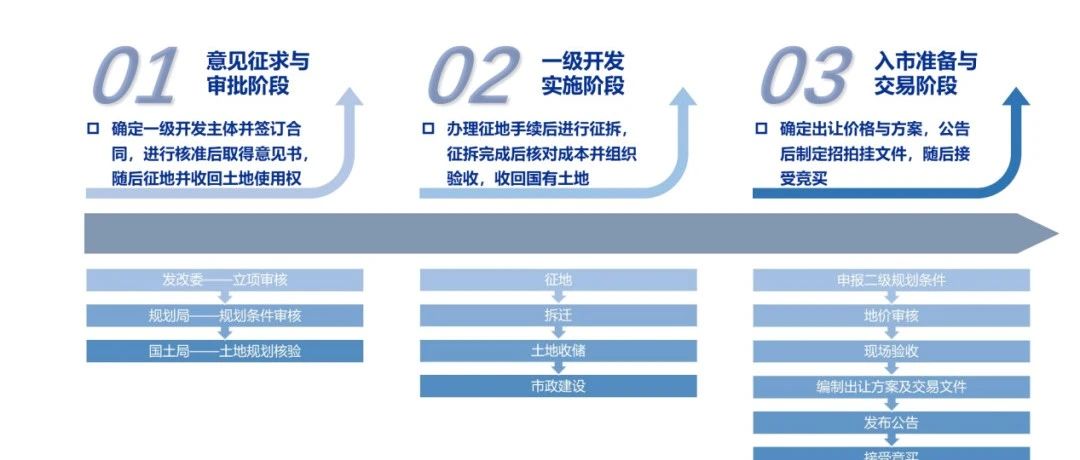
Core Viewpoint - The article discusses the reintroduction of special bonds for land reserves in China after a five-year suspension, highlighting the reasons for the initial halt and the current economic context that necessitates this move [1][2]. Group 1: Historical Context of Land Reserve Bonds - The land reserve system in China was established in 2001, with funding sources evolving through various phases, including the initial reliance on loans, the introduction of special bonds in 2017, and the suspension of these bonds from September 2019 to October 2024 [2][5][9]. - The special bonds for land reserves were first launched in 2017 and saw significant issuance until their suspension in 2019, which was aimed at regulating the real estate market and directing funds towards infrastructure [10][14]. Group 2: Characteristics of the Current Land Reserve Bonds - The current round of land reserve special bonds is distinct from previous issuances, focusing on acquiring idle land that has been supplied but not developed, particularly from enterprises unable or unwilling to continue development [25][36]. - The issuance of these bonds is intended to alleviate financial pressure on local governments and stabilize the real estate market by optimizing land resource allocation from "incremental expansion" to "stock optimization" [25][36]. Group 3: Issuance and Progress of Land Reserve Bonds - As of April 17, 2025, only nine bonds related to land reserves have been issued, totaling approximately 850.97 billion yuan, with 516.74 billion yuan specifically allocated for land reserves [27][30]. - The slow issuance pace is attributed to the recent establishment of detailed guidelines for the bonds and the concurrent issuance of debt to replace hidden liabilities, which has crowded out the issuance window for land reserve bonds [27][36]. Group 4: Analysis of Land Acquisition - The proposed land for acquisition primarily includes mixed-use, residential, and commercial properties, with a significant portion of the land being targeted for acquisition by state-owned enterprises and local government financing platforms [36][41]. - The average discount rate for land acquisition is approximately 12%, with state-owned enterprises receiving lower discounts compared to private enterprises, which face higher acquisition costs [46].
【申万固收】土储专项债重启:存量土地“破局”与地方债务风险化解的双向奔赴——区域化债系列报告之十
申万宏源研究· 2025-04-23 03:12
以下文章来源于申万宏源固收研究 ,作者黄伟平 张晋源 申万宏源固收研究 . 申万宏源证券研究所债券研究部 【申万宏源债券】黄伟平 张晋源 摘要 1)2001-2015年,土储贷款是土地储备的主要来源;2) 2015年以来,地方政府债务管控规范化背景下,土储贷款被叫停;3)2017年土储专项债正式启 动,2017年-2019年间密集发行,成为土储资金的重要来源;2019年9月-2024年10月,土储专项债被叫停发行;4)2024年9月,房地产承压、城投托底压 力上升背景下,2024年10月12日国新办新闻发布会提及"允许专项债券用于土地储备",土储专项债正式重启。 2024年10月12日,国新办发布会提及"允许专项债券用于土地储备",土储专项债自2019年9月国常会被叫停以来,时隔五年重启发行。土储专项债缘何 被叫停,又为何重启,土地市场下行背景下能带来怎样的增量支持,本文尝试分析: 2001年我国土储制度正式确立以来,土储资金来源经历了几轮变革: 本轮土地储备专项债的核心特征: 1)收储对象与之前的土储专项债有明显区别: 主要包括 "企业无力或无意愿继续开发、已供应未动工的房地产用地,以及其他符合收回收购条件 ...
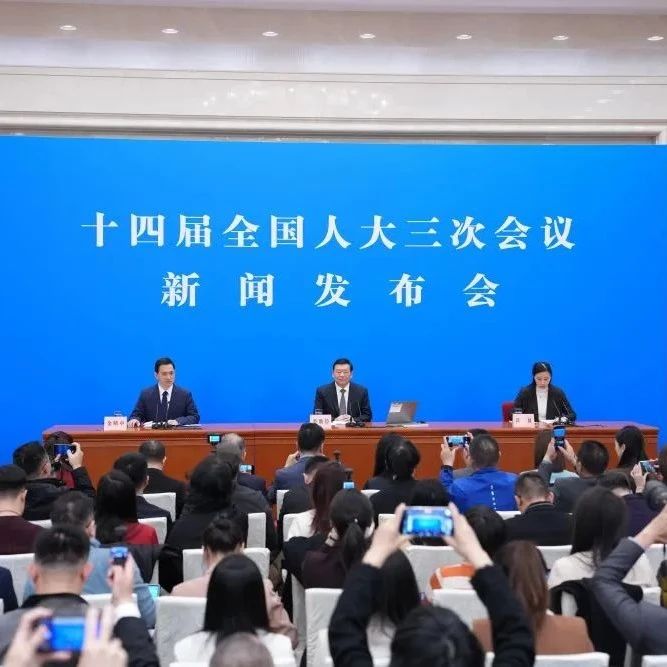
谈DeepSeek、民营经济、立法工作……这场新闻发布会,干货满满!
券商中国· 2025-03-04 07:42
Group 1: National People's Congress (NPC) Meeting - The 14th NPC's third session will last for 7 days, starting on March 5 and concluding on March 11, with a total of 7 agenda items including the review of the government work report [2] - The NPC aims to enhance the People's Congress system to support the modernization of China, focusing on legislative and supervisory roles, and maintaining close ties with the public [3] Group 2: Legislative Achievements - Since the last NPC session, 39 legal proposals were reviewed, with 24 passed, including 6 new laws and 14 amendments, reflecting progress in the legislative work [4] - Legislative outcomes are aimed at accelerating new productive forces, ensuring citizens' aspirations for a better life, and supporting high-level openness [4] Group 3: Economic Outlook - The Chinese economy showed a significant recovery with a GDP surpassing 130 trillion yuan, achieving a 5% growth, despite facing external challenges and domestic demand issues [10] - The government remains confident in the long-term positive trend of the economy, emphasizing its resilience and potential [10] Group 4: Private Economy Development - The draft Private Economy Promotion Law is under review, aiming to ensure equal legal protection for all forms of ownership and promote healthy development of the private sector [6] Group 5: International Relations - The essence of China-U.S. economic relations is mutual benefit, with trade volume increasing over 200 times since diplomatic relations were established [7] - China emphasizes the importance of stable and healthy China-Europe relations, highlighting mutual benefits and cooperation in various fields [11] Group 6: Defense Budget - China's defense budget has maintained a single-digit growth for nine consecutive years, with the defense expenditure as a percentage of GDP remaining below 1.5%, lower than the global average [14] Group 7: Regional Development - The Guangdong-Hong Kong-Macao Greater Bay Area has seen significant economic growth, with a total economic output exceeding 14 trillion yuan, and improved connectivity among the three regions [16] Group 8: Global South Cooperation - China has been a participant and leader in South-South cooperation, contributing significantly to global economic growth, and aims to strengthen legislative exchanges with other developing countries [17]