地缘博弈

Search documents
油价“降温”,金属“发烧”!帮主郑重解读市场分裂逻辑
Sou Hu Cai Jing· 2026-01-15 01:14
Group 1 - The article highlights a contrasting market scenario where oil prices dropped sharply while metal prices, including gold and silver, reached historical highs, reflecting two core anxieties in global capital [1][3]. - Oil prices initially rose but fell dramatically after President Trump's indication of potentially delaying military action against Iran, which eased immediate concerns about supply disruptions in the Middle East [3]. - The surge in metal prices, particularly gold and silver, is driven not only by safe-haven demand but also by increasing long-term concerns regarding the independence and credibility of major central banks, especially the Federal Reserve [3][4]. Group 2 - Investors are advised to adopt a multi-faceted strategy in response to the "cold oil, hot metal" market, recognizing that a single logic cannot explain the current complexities [4]. - It is important to differentiate between short-term trading driven by events and emotions in oil, and the deeper monetary and industrial logic supporting the long-term investment in metals [4]. - Maintaining a balanced investment portfolio is crucial, as the current market split serves as a risk indicator, suggesting the need for diversification across different asset classes [4][5].


强占5000万桶石油后,特朗普转头才发觉:中国连一桶都不愿买了
Sou Hu Cai Jing· 2026-01-11 16:12
Core Viewpoint - The article discusses the impact of U.S. actions on Venezuela's oil exports and China's response, highlighting a significant shift in the energy market dynamics due to geopolitical tensions and strategic decisions made by both countries [1][3][20]. Group 1: U.S. Actions and Venezuela's Oil - In January 2026, U.S. special forces launched an operation in Venezuela, seizing control of President Maduro and the country's oil resources, with plans to transfer 30 to 50 million barrels of oil to the U.S. [3] - The U.S. government aimed to reduce discounts on Venezuelan oil to China, expecting to shift costs onto Chinese buyers, but this strategy backfired as China opted not to purchase [1][9]. - The U.S. imposed a "oil quarantine" in December 2025, effectively blockading Venezuelan oil shipments, which led to a 30% increase in transportation costs and multiple shipping companies halting operations [6][9]. Group 2: China's Response and Market Dynamics - Chinese buyers responded unexpectedly by refusing to purchase Venezuelan oil, resulting in a 92% drop in exports to China in the first two weeks of January 2026, marking a historical low [12]. - By the end of 2025, China's commercial and strategic oil reserves exceeded 1 billion tons, equivalent to 180 days of consumption, indicating a strong buffer against supply disruptions [12][18]. - China's diversified import channels reduced Venezuela's oil's irreplaceability, with Venezuelan oil accounting for only 4.5% of China's total imports, while Saudi Arabia, Iran, and Russia dominated the market [14]. Group 3: Implications for U.S. Energy Strategy - Venezuela's miscalculation regarding the market led to a backlog of oil tankers at ports, forcing the state oil company PDVSA to shut down some oil wells, resulting in a 20% reduction in production [16]. - The U.S. energy strategy faced limitations, as American oil companies were hesitant to invest in Venezuela due to high risks, despite Trump's call for a $100 billion investment to revitalize the oil sector [16][20]. - The situation highlighted the resilience of China's energy system, which has developed a dual insurance strategy of diversified supply and strategic reserves over the past two decades, countering U.S. geopolitical maneuvers [20].
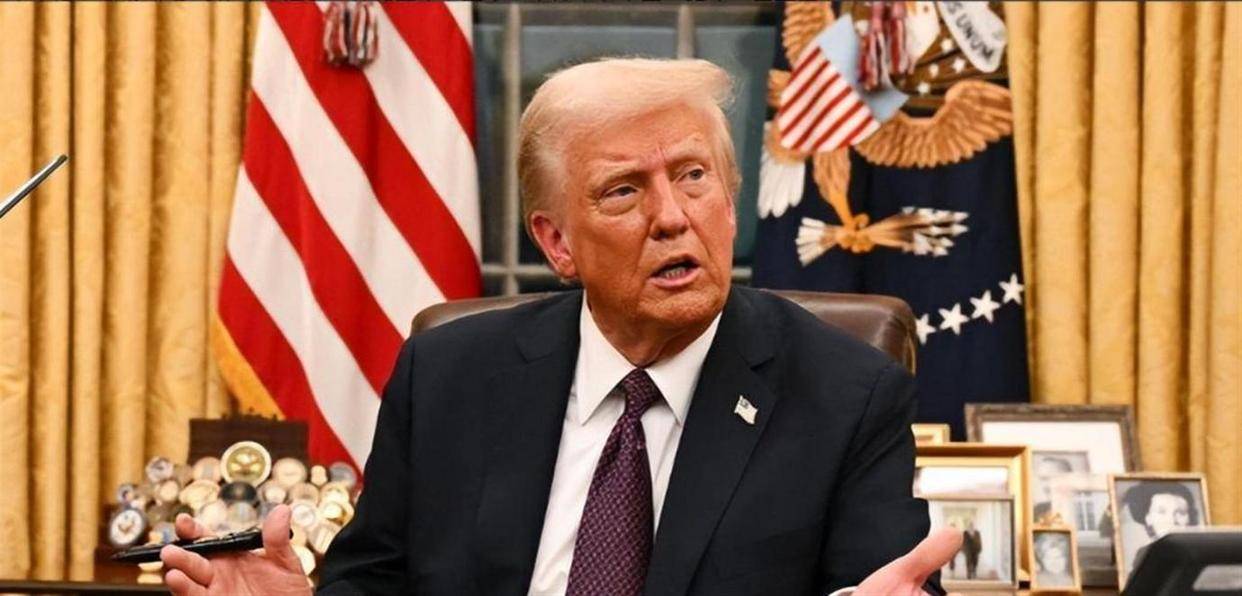
特朗普放大招:美国要当全球“油贩子”,5000万桶委内瑞拉石油谁都能买!
Sou Hu Cai Jing· 2026-01-11 11:33
Core Viewpoint - The announcement by Trump regarding the immediate extraction and sale of up to 50 million barrels of Venezuelan oil is a strategic move that intertwines energy supply, economic control, and geopolitical influence [1][3]. Group 1: Announcement Details - Trump declared that the U.S. will "immediately begin" extracting and selling up to 50 million barrels of Venezuelan oil, allowing any country to purchase as much as they want [1][3]. - Venezuela has reportedly agreed to provide 30 million barrels of oil, which will be sold at market prices under Trump's supervision [3]. Group 2: Strategic Implications - This move serves multiple purposes: it secures a supply of heavy crude oil for U.S. refineries, controls a portion of Venezuela's economic recovery, and aims to lower international oil prices to combat inflation [3]. - Trump emphasized that the U.S. government will determine which oil companies can operate in Venezuela, effectively centralizing control over Venezuelan oil resources [3]. Group 3: Market Reaction - The market response has been cautious, with oil prices already under pressure from the prospect of additional supply [4]. - For global buyers, particularly energy-needy countries, this development presents a new option for sourcing oil [4].
疏远中国俄罗斯!特朗普要当西半球的石油老大
Sou Hu Cai Jing· 2026-01-09 15:43
Core Viewpoint - The U.S. is pushing a plan to gain control over Venezuela's oil industry, aiming to secure a significant portion of the Western Hemisphere's oil reserves for American interests [2][4]. Group 1: U.S. Strategy and Objectives - The plan involves influencing or directly controlling Venezuela's state oil company, with the U.S. leading its oil sales [2]. - A key objective is to increase Venezuela's oil production to lower international oil prices to around $50 per barrel, which would help reduce domestic energy prices in the U.S. [2]. - The U.S. aims to benefit its energy industry, consumers, and the Venezuelan populace while selectively lifting some sanctions on Venezuela [4]. Group 2: Economic and Geopolitical Implications - The U.S. intends to manage the revenues from Venezuelan oil sales through U.S.-controlled accounts, effectively overseeing Venezuela's oil income [4]. - Economically, the strategy seeks to alleviate inflation in the U.S. by increasing oil supply and politically aims to eliminate Chinese and Russian influence in Venezuela's energy market [4]. - Analysts suggest that controlling Venezuela's estimated 300 billion barrels of oil could allow the U.S. to dominate the energy landscape in the Western Hemisphere [5]. Group 3: Challenges and Industry Response - Current international oil prices are around $56 per barrel, making the $50 target unappealing for U.S. oil companies, which may not find it profitable to invest in increased production [5]. - Venezuela's oil infrastructure has suffered from years of sanctions and underinvestment, requiring hundreds of billions of dollars and several years to rebuild for significant production increases [5]. - Only a few U.S. companies, like Chevron, currently operate in Venezuela, and the country's state oil company has acknowledged discussions with the U.S. regarding oil sales [6]. Group 4: Venezuela's Position and International Dynamics - Venezuela's government views business with the U.S. as a pragmatic necessity amid economic hardship and geopolitical pressures [8]. - There are indications that the U.S. has imposed stricter conditions on Venezuela, including demands to sever economic ties with China and Russia [8]. - The strategic focus of the U.S. appears to be aimed at diminishing China's global influence, although China retains leverage in critical resource processing and energy transition sectors [8].
被铁丝网切割的海岛:近观琉球的百年落差
Huan Qiu Shi Bao· 2026-01-04 22:46
然而,无论冲绳民众多少次集结起数万人规模的抗议队伍,多少次持续发出抗议的呼声,日本政府始终 视而不见。笔者不禁想问:对冲绳而言,日本这个国家究竟意味着什么?而对日本来说,冲绳又算什 么?(邢晓婧 张常悦 王璞) 【环球时报综合报道】"愿化猛虎生羽翼,横渡太平洋看世界"。这句源自琉球古典歌谣的诗句,曾鲜活 勾勒出这片海岛作为"万国津梁"的繁盛图景——1372年至1879年间,琉球不仅是国际法意义上的主权国 家,更与中国维系着紧密友好的藩属关系。如今,在美军基地重压与本土政策漠视的夹缝中,从这句古 诗中读到的只有悲凉。 1879年日本以武力吞并琉球;1945年为本土作战拖延时间的"冲绳战役"又夺走了大量冲绳人民的生命。 1972年5月15日,在被美国直接军事控制27年之后,琉球群岛以"冲绳"这个名字作为日本的一个县被"归 还"。而每年的"回归纪念日"对于多数当地人来说,带来的都是屈辱回忆。 随着日本政府加快在与中国台湾邻近的西南诸岛部署进攻性武器,冲绳再次被推入地缘博弈的漩涡中 心。冲绳人的历史记忆被不断唤醒,反基地、反军备的抗议活动轮番上演。 2025年岁末,笔者第四次踏足冲绳。走出那霸国际机场,碧海蓝天间,美 ...
啥影响 石油矿产货币结算 连锁反应蔓延全球
Xin Lang Cai Jing· 2026-01-04 16:56
Group 1: Oil Market Impact - The military action against Venezuela has led to a complete halt in oil exports, with key ports like Jose port ceasing operations, affecting the country's oil supply chain [2][3] - Venezuela's current oil production is less than 1 million barrels per day, accounting for only 0.8% of global production, and its export volume is approximately 600,000 barrels per day, significantly lower than historical peaks [3] - Analysts predict that Brent crude oil prices may only rise by $1 to $2 per barrel in the short term due to the current oversupply in the global oil market [3][4] Group 2: Long-term Oil Production Outlook - If a new government in Venezuela can lift sanctions and attract foreign investment, oil exports could potentially increase to around 3 million barrels per day, which would negatively impact global oil prices [5] - The shift in Venezuela's oil export focus from China to the U.S. and its allies could reshape the global oil market dynamics, especially as the U.S. plans to invest billions in rebuilding Venezuela's energy sector [3][7] Group 3: Mineral Supply Impact - Venezuela possesses significant mineral resources, including copper and rare earths, but its global supply impact is limited, with iron ore production expected to be only 2.653 million tons in 2024, representing 0.1% of global output [8] - The political instability has led to a suspension of Chinese investments in local mining projects, but the overall risk to global supply chains remains low due to Venezuela's small market share [8][9] Group 4: Currency Settlement Implications - The recent developments pose a direct threat to the use of the Chinese yuan in cross-border settlements with Venezuela, where over 60% of oil trade was conducted in yuan [10] - China's investments in Venezuela, exceeding $60 billion over the past decade, may face devaluation risks due to the disruption in trade and potential regime change [10] - The situation may accelerate the global de-dollarization process, as the U.S. military intervention raises concerns about the safety of dollar-denominated transactions [10]
中国油轮满载委原油驶出,美国敢拦截吗?中美博弈迎来关键时刻
Sou Hu Cai Jing· 2025-12-29 15:31
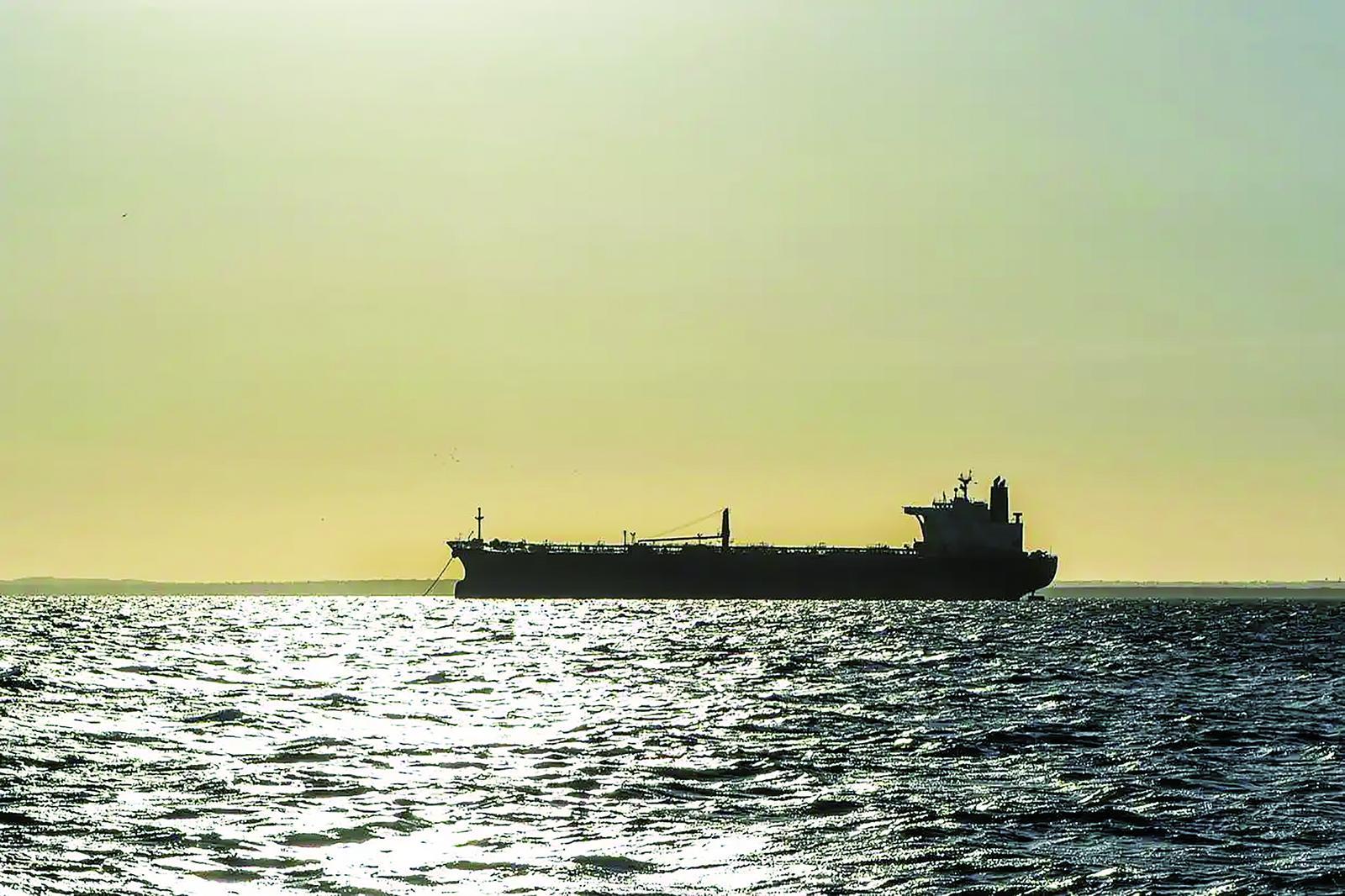
谁能想到,在全球能源舞台上,一艘油轮也能挑起各国的神经? 本以为油轮就是个跑运输的水上"大货车",可现在它俨然成了国际关系的"试金石"。 前不久,一艘中国油轮载着委内瑞拉的原油悄然驶出港口,一时间,世界各路目光齐刷刷地投向了它。 这不是普通的生意买卖,更像是一场真实版的"谁敢碰我"的大考验。 说到委内瑞拉,大家可能只记得它是个南美国家,但其实它是全球石油储量的"扛把子"。 别看美国自己也是个产油大户,可他们炼油厂对委内瑞拉的重质原油简直上了瘾。 美国的页岩油多是轻质的,主要用来炼汽油;而委内瑞拉的重质油却是炼柴油、沥青这些硬货的关键。 炼油厂吃不到这种"口味",效率都得大打折扣。 所以,美国嘴上说制裁,身体却很诚实,每天还得从委内瑞拉进口不少原油。 有意思的是,美国最近在拦截油轮这事儿上可没含糊。 12月10日,他们直接扣押了"船长"号油轮,没收180多万桶原油。 不到半个月,连"世纪"号也被拦下,合计370万桶油被硬生生"拿走"。 这效率让不少能源商都捏了把汗。 紧接着,12月21日,在公海上又死咬着"贝拉1"号不放,理由是"悬挂假旗",想扣船,结果人手不够,船长又够硬气,最后美国只能吃瘪。 其实,这种事儿 ...
国泰海通|金属新材料:金属行业继续共舞
国泰海通证券研究· 2025-12-29 14:58
Group 1: Precious Metals - Gold prices continue to rise, with COMEX gold surpassing $4500 per ounce, while silver prices surged due to supply shortage expectations, breaking through $79 per ounce [1] - Platinum prices are increasing due to persistent supply-demand gaps, while palladium prices are experiencing steady growth with significant fluctuations [1] - By 2026, factors such as central bank gold purchases, rising gold ETF holdings, and expectations of interest rate cuts by the Federal Reserve, alongside a weakening dollar index, are expected to support gold prices [1] Group 2: Copper - Copper prices on the Shanghai exchange have surpassed 100,000 yuan, reaching a historical high due to supply disruptions and low inventory levels in non-US regions [2] - Labor negotiations at the Mantoverde copper mine in Chile have raised concerns about copper supply for 2026, while the National Development and Reform Commission encourages mergers among major copper smelting enterprises [2] - Market sentiment and changes in futures microstructure will be crucial for future price movements [2] Group 3: Aluminum - Aluminum prices have reached new highs amid a favorable macroeconomic environment, although the short-term outlook shows weakening fundamentals [2] - The operating rate of downstream aluminum processing enterprises has decreased by 0.6 percentage points to 60.8%, influenced by environmental production restrictions and high aluminum prices [2] - The market is expected to experience a tug-of-war between macroeconomic benefits and weak fundamentals, leading to high volatility in aluminum prices [2] Group 4: Energy Metals - Lithium demand is showing signs of weakening, while production is increasing, leading to a decrease in inventory levels [3] - There are uncertainties regarding the resumption of production at key mines in Jiangxi, which could impact market expectations for lithium supply [3] - Cobalt prices remain high due to tight raw material supply, while downstream demand is cautious, with companies extending their operations into integrated cost advantages [3] Group 5: Rare Earths - Light rare earth prices are recovering, while medium and heavy rare earth prices are maintaining a downward trend [4]

原油周报:原油价格大幅波动,地缘仍是市场焦点
Xin Lang Cai Jing· 2025-12-28 23:09
客户端 热点栏目 自选股 数据中心 行情中心 资金流向 模拟交易 来源:能源研发中心 # > 一、原油近期市场行情总结 数据分析:本周API原油库存周度值为黑库239.1万桶,贝克休斯钻井数量较上周增加3台至409台,整体 数据有所利空。因本周恰逢海外圣诞节,EIA原油数据将会推迟至下周一(12月29日)夜间23:30分发 布。 風险提示:美国对委内瑞拉的打击力度:美国对尼日利亚的反恐打击;伊朗与以色列的冲突情况;俄岛 的谈判变局。 # 深圳市家庭位于最公司 | | 0. 37 | 28 (M) 22 ) | | and the collection and and | 12.00 | | --- | --- | --- | --- | --- | --- | | WTI | CL2 | 56. 74 | 56. 74 | 56. 66 | 0. 14% | | | CL3 | 56. 56 | 56. 56 | 56.52 | 0. 07% | | Brent | C02 | 60. 64 | 60. 64 | 60.47 | 0. 28% | | | CO3 | 60. 24 | 60. 24 | 60. ...

日本稀土破局遇运输死结!哈国借道中国难如登天?
Sou Hu Cai Jing· 2025-12-25 15:36
Group 1 - Japan's reliance on China for rare earth imports is significant, with 60% of its rare earths sourced from China, and a 100% dependency on heavy rare earths like dysprosium and terbium for permanent magnet motors [3] - The recent agreement between Japan and Kazakhstan aims to diversify Japan's rare earth supply chain, as Kazakhstan holds the fourth-largest rare earth reserves globally, estimated at over 20 million tons [3][5] - The transportation of rare earths from Kazakhstan to Japan faces challenges, as the most efficient route requires transit through China, which complicates Japan's goal of reducing dependence on Chinese resources [5][9] Group 2 - The ideal transportation route involves using the China-Kazakhstan railway to reach the Horgos port, then shipping to Japan, but this route requires Chinese approval, which is complicated by new Chinese regulations on rare earth exports [5][9] - Alternative routes, such as the Caspian Corridor, are less viable due to increased costs, longer transit times, and geopolitical risks, including potential shipping disruptions in winter [7][9] - The geopolitical dynamics of the rare earth market highlight the complexities of resource cooperation, as both Japan and Kazakhstan must navigate the strategic interests of China, which maintains strict control over rare earth exports [9][11]