大国竞争

Search documents
不动武了、也不加税了!特朗普达沃斯上演“格陵兰TACO”
Hua Er Jie Jian Wen· 2026-01-22 01:10
Core Viewpoint - President Trump's dramatic shift from military threats and tariffs to seeking negotiations over Greenland reflects European leaders' behind-the-scenes efforts to prevent transatlantic conflict [1][2]. Group 1: Negotiation Dynamics - Trump's change in stance resulted from several days of discussions between his advisors and European leaders, who maintained a united front against his ambitions regarding Greenland [2]. - A framework agreement is emerging, focusing on U.S. military presence in Greenland and enhanced European security efforts in the Arctic [3]. - The U.S. may gain priority rights to Greenland's mineral resources in exchange for Trump retracting tariff threats [3]. Group 2: Public Statements and Reactions - During a speech at the World Economic Forum, Trump indicated a willingness to negotiate, stating he would not use military force to take control of Greenland [4]. - Trump's comments included criticism of European allies, suggesting they owe support to U.S. interests in Greenland [4]. - The response to Trump's speech was mixed, with some applause but also confusion and nervous laughter from the audience [4]. Group 3: Divergent Interpretations - U.S. officials believe Trump's tough stance forced European leaders to negotiate, while European officials argue that their unified opposition persuaded Trump to consider a non-territorial agreement [5]. - Concerns arose among Trump's advisors that his hardline rhetoric could complicate reaching an agreement with Denmark [5]. - Danish Foreign Minister Lars Løkke Rasmussen noted that the situation improved by the end of discussions compared to the beginning [5]. Group 4: Tensions at Davos - Tensions were evident at the World Economic Forum, with reports of European Central Bank President Lagarde leaving a dinner where U.S. Commerce Secretary criticized European energy policies [6]. - The atmosphere highlighted the growing strain in transatlantic relations, with mixed reactions to U.S. officials' comments on Europe's declining competitiveness [6]. - Canadian Prime Minister Carney emphasized the competitive nature of global politics, indicating a shift in the established order [6].
牛弹琴:特朗普大闹达沃斯,全世界哭笑不得
Xin Lang Cai Jing· 2026-01-22 00:13
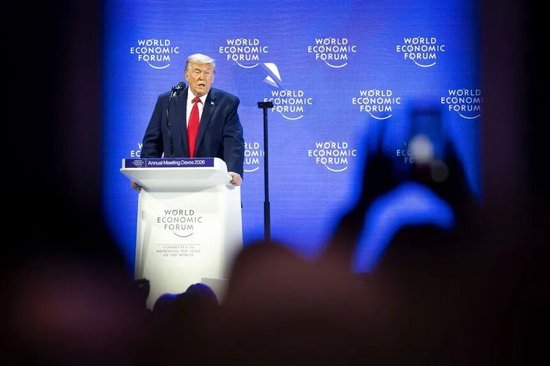
Core Viewpoint - Trump's unexpected 180-degree turn at Davos, where he announced the cancellation of tariffs on European countries, surprised many and led to a rebound in European stock markets [2][4][36] Group 1: Tariff Announcement - On January 17, Trump threatened to impose a 10% tariff on eight European countries starting February 1, increasing to 25% by June 1 if the U.S. did not acquire Greenland [3][4] - Five days later, at Davos, Trump stated that due to productive discussions with NATO Secretary General, he would not implement the planned tariffs [4][36] - The announcement was met with applause from European nations, although there were underlying concerns about the unpredictability of Trump's decisions [4][36] Group 2: Criticism of Europe - Despite the tariff cancellation, Trump's speech at Davos was filled with criticism towards European leaders, calling Denmark "ungrateful" and mocking various countries [5][28][32] - He claimed that without U.S. support, European nations would be significantly worse off, emphasizing America's role in their defense during WWII [28][39] - Trump's remarks included threats of tariffs on French wine and champagne, showcasing his confrontational stance towards European allies [32][39] Group 3: Strategic Intentions - Trump's comments on Greenland indicated that the U.S. still seeks to assert its claim over the territory, despite his claims of not using force [7][28] - He described Greenland as strategically important, situated between the U.S., Russia, and China, highlighting its geopolitical significance [34][41] - The speech reflected a broader narrative of U.S. dominance, with Trump asserting that many countries owe their prosperity to American influence [39][41] Group 4: Global Context - The speech occurred against a backdrop of shifting global power dynamics, with Canada’s Prime Minister warning of a declining rules-based international order [41] - Trump's rhetoric suggests a growing trend where powerful nations act unilaterally, leaving weaker countries to adapt or suffer the consequences [41] - The implications of Trump's statements raise questions about the future of international relations and the need for countries to reassess their strategies in light of U.S. policies [41][42]

特朗普和马克龙,直接开干了
Sou Hu Cai Jing· 2026-01-21 07:40
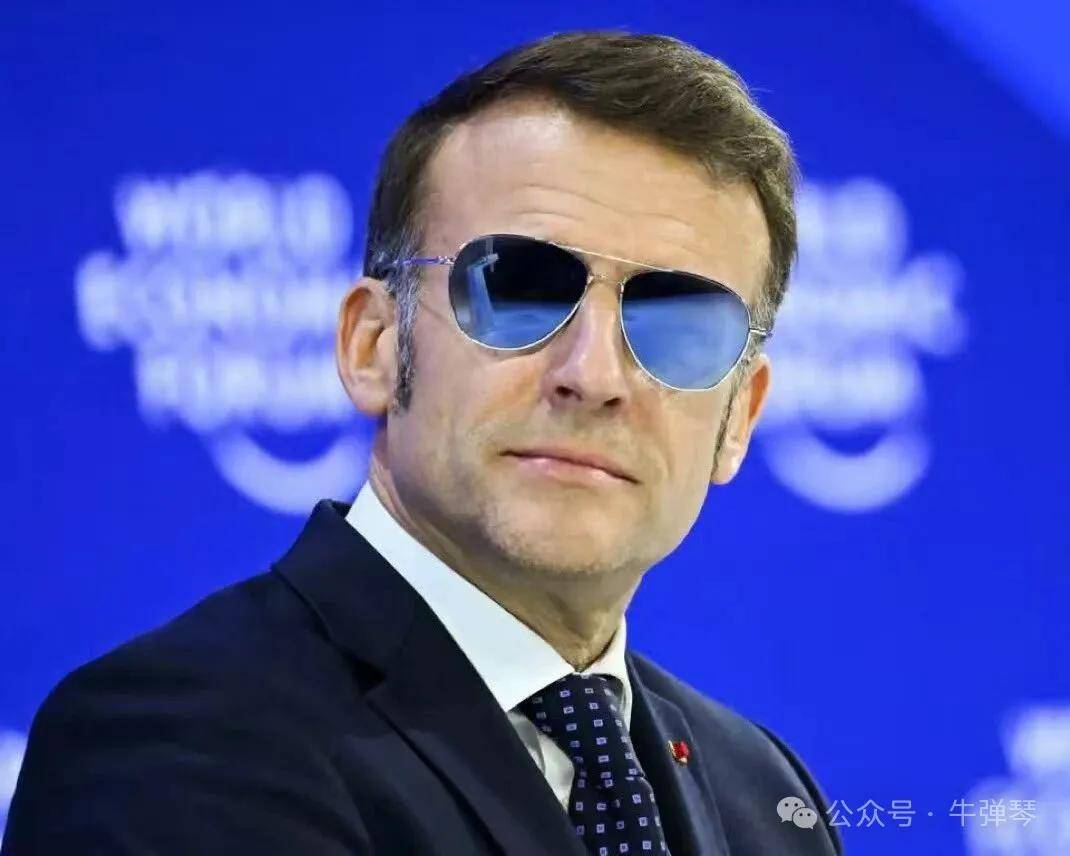
Group 1 - The relationship between Trump and Macron has drastically changed from friendship to animosity, highlighting the volatility of political alliances based on interests and positions [4][3]. - Trump has expressed anger towards Macron for not joining his proposed Peace Committee, which he aims to establish as an alternative to the United Nations, charging $10 billion for a seat [5][6]. - Following Macron's refusal, Trump threatened to impose a 200% tariff on French wine and champagne, indicating a potential escalation in trade tensions [6][7]. Group 2 - Macron's diplomatic approach included suggestions for a G7 meeting and a dinner in Paris, but Trump's actions have led to a breakdown in communication and trust [12][16]. - The ongoing tensions reflect a broader shift in U.S.-European relations, with Macron publicly criticizing Trump's trade policies and expressing concerns over U.S. actions that undermine traditional alliances [16][24]. - The situation serves as a warning to medium-sized Western powers about the changing dynamics of U.S. foreign policy, where former allies may now be viewed as adversaries [24].
特朗普叫板欧洲八国
Sou Hu Cai Jing· 2026-01-21 04:48
Core Viewpoint - The article discusses the escalating tensions surrounding Greenland, highlighting the strategic significance of the region in international politics and the implications of the U.S. administration's aggressive stance towards its European allies [1][3]. Group 1: U.S. Actions and Strategy - Trump has reiterated his commitment to impose tariffs on European countries opposing the "annexation" of Greenland, indicating a shift in U.S. foreign policy that utilizes economic tools as political leverage [1][3]. - The U.S. plans to increase tariffs to "100%" on the eight European nations opposing its stance, marking a significant escalation from previous tariff levels [1][3]. - The U.S. military presence in the region is being enhanced, with the North American Aerospace Defense Command announcing the deployment of additional aircraft to a space base in Greenland, which is framed as a long-planned action [5][6]. Group 2: European Response - European nations have responded with restraint but have made it clear that the trade threats are unacceptable, with an emergency EU summit being convened to address the situation [5]. - The lack of a unified European response reflects the internal challenges faced by these nations, balancing the desire to avoid conflict while preparing for potential escalation [5][6]. - Symbolic military deployments and reconnaissance actions are being undertaken by European nations in response to U.S. threats, indicating a cautious approach to the evolving situation [5]. Group 3: Implications for International Order - The article warns that the current situation undermines post-World War II international norms, as sovereignty issues are being treated as negotiable and tariffs are used as punitive measures [3][6]. - The potential for a demonstration effect is highlighted, where if sovereignty can be threatened without consequences, it may lead other nations to reassess their security commitments and adopt more defensive or confrontational strategies [6]. - The article emphasizes the need for a reaffirmation of international rules and norms, stating that while tariffs and military deployments can be negotiated, sovereignty should not be subject to coercion [8].
牛弹琴:特朗普和马克龙,直接开干了
Xin Lang Cai Jing· 2026-01-20 23:51
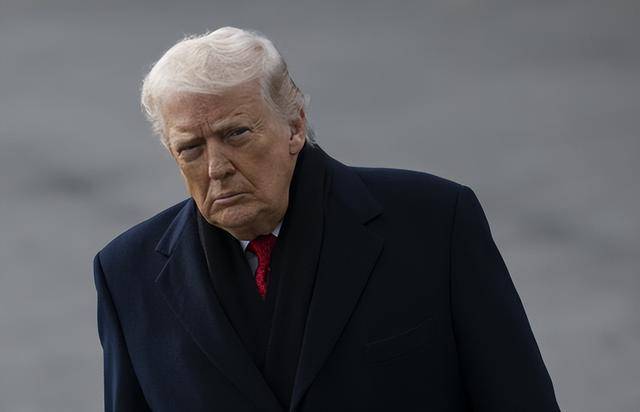
Group 1 - The relationship between Trump and Macron has drastically changed from friendship to hostility, reflecting the volatility of political alliances based on interests and positions [2][30][31] - Trump has established a Peace Committee, inviting countries to join for a fee of $10 billion, which is perceived as an attempt to replace the United Nations [31][32] - Macron publicly declined Trump's invitation to join the Peace Committee, leading to Trump's threat of imposing a 200% tariff on French wine and champagne, which was later reported by Western media [32][39] Group 2 - Macron expressed his disagreement with Trump's actions regarding Greenland and proposed a G7 meeting in Paris, indicating a diplomatic approach despite underlying tensions [36][40] - At the Davos Forum, Macron criticized the idea of a world order dictated by those with military power, emphasizing the unacceptability of new tariffs used as leverage against territorial sovereignty [39][53] - The cancellation of the Paris G7 summit and Macron's refusal to meet Trump at Davos highlight the deteriorating relationship between the two leaders [40][53] Group 3 - The evolving dynamics between the U.S. and its former allies, particularly European nations, suggest a shift where these countries may now view the U.S. as a competitor rather than a partner [53][54] - Macron's call for increased Chinese investment in Europe reflects a strategic pivot away from reliance on the U.S. [53][54] - Canadian Prime Minister's remarks at Davos indicate a growing concern among middle powers about the changing international order and the need for unity against potential U.S. aggression [55]
中美竞争已经结束?《华尔街日报》公布:美国已重回巅峰
Sou Hu Cai Jing· 2026-01-20 04:12
中美之间的"大国竞争",是特朗普第一任期开启,目标是通过遏制来战胜中国。8年之后的今天,对于 竞争的结果出现了截然相反的两种认知。 美国《华尔街日报》最近就说,大国竞争已经结束,美国赢了。这种近乎"单边宣布胜利"的调门,听上 去像极了当年冷战结束时的狂热。但与此同时,英国的《金融时报》却唱起了反调,认为,世界正在在 特朗普的震荡疗法之下,加速倒向中国。 这种极端的撕裂式的评价,本质上是美国对全球统治方式的一次"底色大揭秘"。 咱们先拆解一下《华尔街日报》的兴奋点。他们认为,美国通过一连串的强硬外交手腕,比如,又是威 慑伊朗,又是主导加沙停火,证明了自己依然是那个能拍板、能定调的唯一超级大国。这种逻辑属于典 型的"实力崇拜",也就是只要我的拳头能让别人坐到谈判桌前,我就赢了。可见,在保守派眼中,只要 结果符合美国优先,过程是否粗鲁,规则是否被践踏,根本不重要。 通俗点说,以前的美国像是一个讲究体面的大庄家,虽然也抽水,但至少维持着赌场规则;现在的美国 更像是一个直接下场抢筹码的霸道赌客。虽然短期内抢到了不少,但大家都开始退场了,或者在隔壁另 起炉灶。可见,世界之所以"倒向中国",并不是因为中国刻意去做什么,而是 ...
大国博弈・新材料之战:2025三大战线突围收官,2026体系化决战蓝图
材料汇· 2026-01-17 16:02
Introduction - The article discusses the strategic importance of materials science in the context of global competition, highlighting China's transition from a passive to an active role in the new materials industry by 2025 [1][5]. Fortress Materials - The focus is on ensuring national security through the development of reliable materials for extreme environments, with key breakthroughs including the mass production of fourth-generation single crystal superalloys and the engineering application of full-depth titanium alloys for deep-sea manned submersibles [2][10]. - The fourth-generation single crystal superalloy has improved temperature resistance to over 1200°C and increased lifespan by nearly 50% compared to previous generations [10]. - Continuous silicon carbide fibers have transitioned from laboratory production to stable engineering mass production, marking a significant advancement in high-performance fiber supply chains [15][16]. Sovereign Materials - This dimension emphasizes the importance of self-sufficiency and competitiveness in critical industries such as semiconductors and high-end manufacturing [41]. - The production of 12-inch silicon wafers has seen a significant increase, with domestic supply rates expected to rise from 15% to 40% by the end of 2025, alleviating reliance on imports [46]. - Breakthroughs in photolithography materials have been achieved, with domestic companies successfully producing ArF dry photoresists and other critical materials, indicating progress in overcoming technological barriers [47][48]. Fusion Materials - This dimension focuses on interdisciplinary innovation, where materials science intersects with AI, synthetic biology, and neuroscience to create new products and industries [74]. - AI-driven platforms have been developed to enhance materials research efficiency, significantly reducing development cycles for new materials [76]. Conclusion - The article outlines a strategic roadmap for China's materials industry, emphasizing the need for integrated systems and collaborative efforts across various sectors to achieve breakthroughs in material science by 2026 [5][39].
股指连阳,“春季躁动”背后的逻辑
李迅雷金融与投资· 2026-01-12 11:15
Group 1 - The core narrative of the market has shifted from "growth" to "competitiveness," driven by external factors such as the U.S.-China tech competition and the need for self-sufficiency in key industries [17][33] - The A-share market has shown resilience despite economic pressures, with the performance of leading companies in global competition being a key driver of market valuation rather than domestic consumption or income growth [18][27] - The current investment logic emphasizes sectors like AI, power, and critical resources, which are experiencing rapid capital expenditure growth, while traditional consumer sectors face challenges [26][28] Group 2 - The divergence between corporate competitiveness and household income growth reflects a broader transformation in the economic structure, where companies are optimizing costs to enhance global competitiveness [28][31] - Historical examples illustrate that market performance can diverge from economic fundamentals, as seen in the U.S. during WWII and China's market in the early 2000s, where investor sentiment and risk premiums played significant roles [9][14][16] - The current market environment suggests that the valuation of leading companies is increasingly decoupled from traditional economic indicators, focusing instead on their long-term competitive advantages [5][8][18] Group 3 - The rise in valuations for sectors like commercial aerospace, AI, and semiconductors reflects a belief in China's ability to compete and innovate in critical areas, despite short-term economic challenges [18][19] - The shift in demand dynamics, particularly in the context of AI and energy infrastructure, is driving a new cycle of investment that differs from traditional recovery patterns [19][24] - The market's focus on a few core assets, which contribute significantly to overall market capitalization, indicates a concentration of value creation in leading firms rather than a broad-based economic recovery [5][8][18] Group 4 - The ongoing adjustments in corporate cost structures and labor compensation models are indicative of a strategic response to global competition, which may lead to increased income volatility for workers [28][31] - The institutional differences between China's centralized policy approach and the more fragmented Western model highlight the advantages of sustained support for key industries in fostering long-term competitiveness [33][34] - The current macroeconomic landscape is characterized by a complex interplay of geopolitical uncertainty, technological competition, and evolving consumer behaviors, necessitating a nuanced investment strategy [35][36]
当今有四个国家最危险,一是印度,二是土耳其,另外两个才是重点
Sou Hu Cai Jing· 2026-01-09 06:05
Group 1 - The global situation is increasingly complex, with major powers pulling in different directions, leaving smaller countries like India and Turkey in difficult positions [1] - India faces economic challenges due to increased tariffs from the US on key exports, particularly textiles and pharmaceuticals, which are critical to its economy [3] - The relationship between India and Pakistan remains tense, with border conflicts exacerbating India's economic woes and leading to a rising unemployment rate of 14% [3] - Turkey's geopolitical position is precarious, as it attempts to mediate in the Russia-Ukraine conflict while facing internal challenges such as high inflation and the aftermath of a recent earthquake [5] - Japan's defense budget has reached a record 9 trillion yen (approximately 58 billion USD) in response to perceived threats from China, indicating a shift towards militarization [7] - Germany's economy is severely impacted by the loss of cheap Russian gas, with GDP growth projected at only 0.2% in 2025, leading to industrial decline and rising unemployment [9] Group 2 - The underlying risks for these countries stem from their inability to find a stable position amid great power competition, with India and Turkey struggling to maintain neutrality [11] - Japan's increased military spending and strategic reforms are seen as direct responses to threats from China, raising concerns about potential military conflict [7][11] - Germany's energy crisis and manufacturing exodus highlight its vulnerability in the current geopolitical landscape, affecting not only its economy but also the stability of the EU [9][11]
美防长:我们忙着当世界警察,看看中国在干啥
Guan Cha Zhe Wang· 2026-01-06 09:38
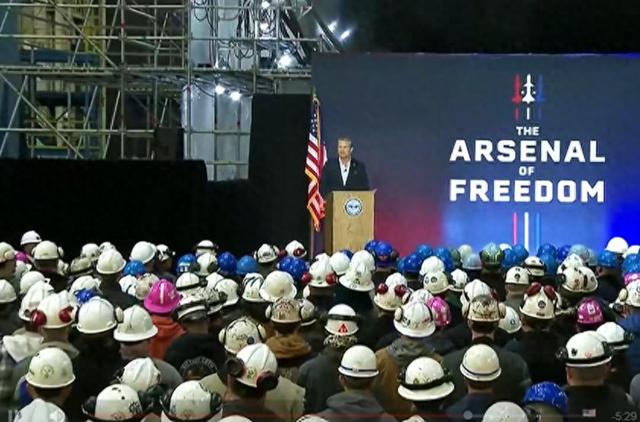
Core Viewpoint - The U.S. is focused on rebuilding its "absolute deterrence" to ensure that adversaries do not challenge its power, as emphasized by Defense Secretary Hegseth during his speech at the Newport News shipyard [1][4][14]. Group 1: U.S. Military Strategy - Hegseth highlighted the need for the U.S. to prepare for potential conflicts while maintaining good relations with other countries, particularly China [1][5][14]. - The speech served as a warning to China and Russia, indicating that the U.S. is aware of their military advancements and is committed to countering them [1][4][12]. - Hegseth criticized the previous bipartisan consensus that downplayed the importance of U.S. defense industrial strength, asserting that the era of great power competition has returned [5][15]. Group 2: Naval and Defense Industry - The Newport News shipyard is crucial for the U.S. Navy, being the only facility capable of building and overhauling nuclear-powered aircraft carriers and submarines [1][12]. - Hegseth's remarks included a call to revitalize American manufacturing and labor to support national defense capabilities [1][12][14]. - He emphasized that the strength of national defense is directly linked to the preservation of freedom, urging the workforce to view their contributions as building a protective shield for the nation [12][14]. Group 3: Recent Military Actions - Hegseth referenced a recent military operation in Venezuela, boasting about the U.S. military's effectiveness and the lack of American casualties [9][18]. - The operation was framed as a demonstration of U.S. power, although it raised concerns about violations of international law and sovereignty [9][18]. - The U.S. government's actions were criticized as a return to "gunboat diplomacy," reminiscent of past aggressive foreign policies [9][18].