
大湾区一体化

Search documents
十五运会开幕倒计时30天:相约全运,湾区同心同行
Zhong Guo Xin Wen Wang· 2025-10-10 05:38
Core Points - The 15th National Games will open in 30 days, marking the first time the event is co-hosted by Guangdong, Hong Kong, and Macau, showcasing a new chapter in the history of the Games [1][2] - The event will feature competitions across 19 cities, with approximately 90% of venues being existing facilities, and a record number of participants from both mainland and Hong Kong/Macau [1][2] - The theme of "integration" is highlighted through cross-border events, symbolizing the collaborative spirit of the Greater Bay Area [1][2] Summary by Sections Event Overview - The National Games, established in 1959, serve as a premier platform for showcasing Chinese sports, evolving over 66 years to become a cornerstone of competitive sports, talent development, and public fitness [1] - This edition will see over 6,000 participants from the mainland and more than 3,000 from Hong Kong and Macau, setting new records for participation [1] Cross-Border Collaboration - A new model for cross-border events has been introduced, facilitating efficient movement of personnel and materials, which contributes to the integration process of the Greater Bay Area [2] - The joint participation of athletes from the three regions in events like dragon boat racing exemplifies the unity and collaborative spirit among the regions [2] Cultural Significance - The event's emblem and mascot symbolize the unity of Guangdong, Hong Kong, and Macau, reflecting the shared aspirations of the Greater Bay Area [3] - The opening ceremony will feature synchronized national flag raising and anthem singing by representatives from all three regions, emphasizing the unique collaborative nature of this edition of the Games [3]
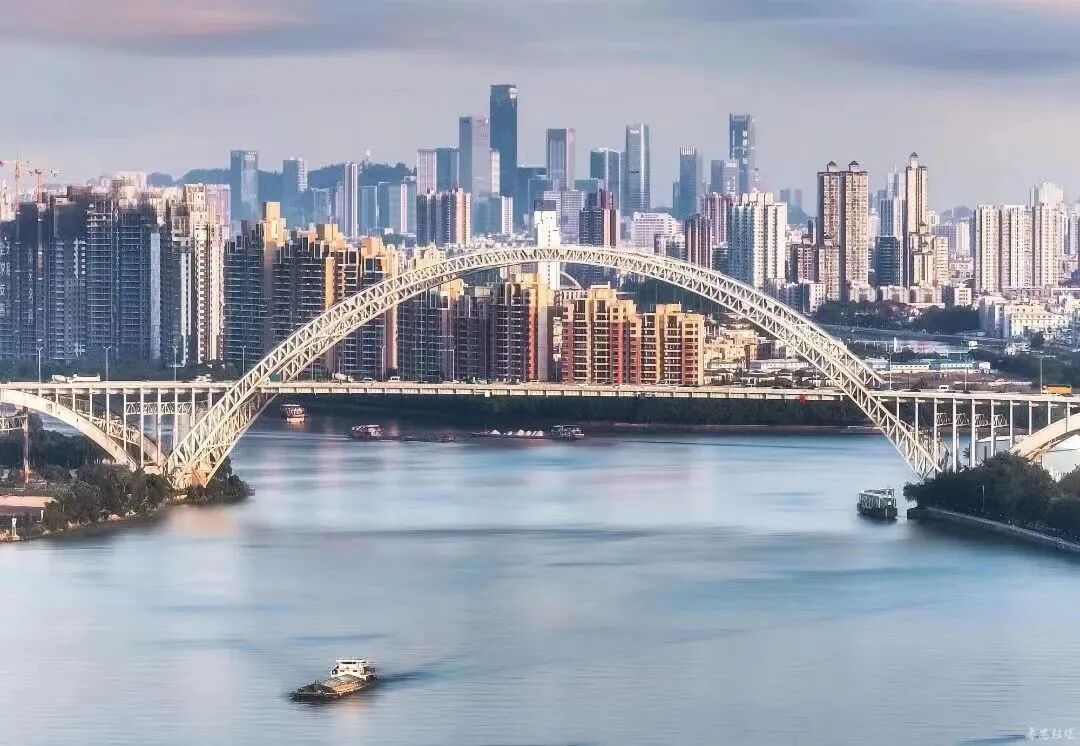
看广东轨交网络,番禺的份量强到可怕
3 6 Ke· 2025-09-28 02:27
Core Viewpoint - The recent opening of two new urban rail lines in Guangzhou, closely linked to Panyu District, highlights Panyu's significant yet underutilized potential in the regional transportation network, suggesting a need for reevaluation of business opportunities and property values in the area [1][6]. Group 1: Transportation Infrastructure - The Guangzhou East Ring Intercity Railway and the Pailian Intercity Railway will enhance Panyu's connectivity, making it a central hub in the Pearl River Delta's transportation network [1][6]. - Panyu is strategically located at the heart of the Pearl River Delta, allowing for efficient travel to major cities within an hour, positioning it as a key transportation center [1][6]. - The opening of these new rail lines will facilitate faster commutes to key areas in Guangzhou, such as Zhujiang New Town and the Financial City, significantly reducing travel times [6][7]. Group 2: Economic and Business Opportunities - The increase in cross-city commuting has led to a rise in demand for housing in Panyu, with many properties being purchased by residents from Shenzhen, Dongguan, and Hong Kong [4][5]. - Panyu has a robust commercial infrastructure, with numerous shopping complexes and entertainment options, making it an attractive location for businesses and residents alike [10][11]. - The district has a strong industrial base, having been a significant contributor to Guangdong's economy since the 1980s, with many well-known enterprises and emerging high-tech companies [13][14]. Group 3: Regional Integration and Development - The integration of the Greater Bay Area is becoming a reality, with the development of intercity railways creating more business opportunities and resource integration [5][6]. - Panyu's transportation advantages are expected to translate into tangible regional competitiveness, enhancing its appeal as a business location [8][9]. - The success of similar transportation upgrades in cities like Hong Kong and Shanghai suggests that Panyu could experience a similar uplift in its economic status and business attractiveness [15][16][17].

广深地铁谁更挤,大湾区交通格局正在重塑
21世纪经济报道· 2025-09-22 15:42
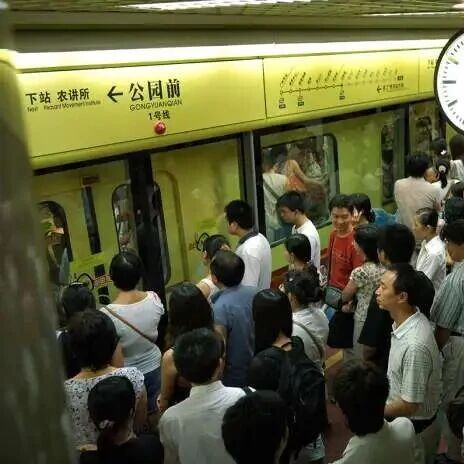
Core Viewpoint - Shenzhen's subway ridership has surpassed Guangzhou's, reflecting the city's economic vitality and population growth, with a significant increase in passenger volume since May 2023 [1][2][4][7]. Group 1: Subway Ridership Data - In August 2023, the top five cities by subway ridership were Shanghai (32.34 million), Beijing (31.06 million), Shenzhen (30.01 million), Guangzhou (28.89 million), and Chengdu (10.34 million) [1]. - Shenzhen's subway ridership increased by 9.04 million compared to the same month last year, while Guangzhou's ridership rose by 1.89 million [4]. - Shenzhen's average daily ridership reached 8.95 million, with over 10 million passengers on 50 occasions, significantly higher than previous years [4]. Group 2: Factors Contributing to Ridership Growth - The opening of the Shenzhen-Zhongshan Channel has strengthened connections with cities on the Pearl River West Bank, contributing to increased passenger flow [5]. - Cross-border travel has surged, with the Guangzhou-Shenzhen-Hong Kong high-speed rail seeing 6.12 million passengers during the summer transport period, a 16.7% increase year-on-year [5][6]. - Shenzhen's younger population (79.53% aged 15-59) drives higher commuting demand compared to Guangzhou, which has a higher proportion of elderly residents [6]. Group 3: Urban and Economic Implications - The integration of subway systems in the Greater Bay Area is expected to enhance economic collaboration and innovation, creating a world-class industrial hub [2][10]. - The high subway ridership indicates frequent population movement, reflecting strong economic activity and necessitating improved public services [10]. - Transportation infrastructure improvements are facilitating the expansion of industries beyond city centers, reducing costs and enhancing accessibility [11][12].
广深地铁谁更挤?比拼之外,大湾区交通格局正在重塑
2 1 Shi Ji Jing Ji Bao Dao· 2025-09-22 09:20
Core Insights - In August, Shenzhen's subway ridership surpassed Guangzhou's, indicating a shift in urban transportation dynamics in China [2][5][10] Group 1: Subway Ridership Data - In August, the top five cities by subway ridership were Shanghai (32.34 million), Beijing (31.06 million), Shenzhen (30.01 million), Guangzhou (28.89 million), and Chengdu (10.34 million) [2] - Shenzhen's subway ridership increased by 9.04 million compared to the same month last year, while Guangzhou's increased by 1.89 million [5][6] - Shenzhen's average daily ridership reached 8.95 million, with over 10 million rides recorded on 50 occasions, significantly higher than previous years [5][6] Group 2: Factors Contributing to Increased Ridership - The opening of the Shenzhen-Zhongshan Channel has strengthened connections between Shenzhen and neighboring cities, contributing to increased ridership [6] - Cross-border travel has surged, with the Guangzhou-Shenzhen-Hong Kong high-speed rail seeing a 16.7% increase in ridership during the summer transport period [7] - Shenzhen's younger population (79.53% aged 15-59) drives higher commuting demand compared to Guangzhou, which has a higher proportion of elderly residents [8][9] Group 3: Urban and Economic Implications - The high subway ridership reflects Shenzhen's economic vitality and urban density, with a more compact subway network compared to Guangzhou [5][10] - The integration of transportation networks in the Greater Bay Area is expected to enhance economic collaboration and innovation across cities [13][14] - The development of transportation infrastructure is reshaping urban space and commercial patterns, facilitating the movement of people, industries, and capital [12][14]
经济大省半年报:广东为何越来越好?
Nan Fang Du Shi Bao· 2025-07-16 15:06
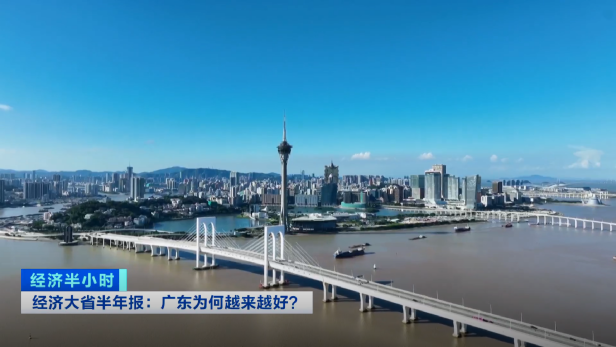
Group 1: Economic Performance - Guangdong province has shown resilience in maintaining its foreign trade amidst a complex international environment, being the largest foreign trade province in China [5] - In the first half of 2025, China's total goods trade reached 21.79 trillion yuan, with exports amounting to 13 trillion yuan, marking a 7.2% increase and the first time exports surpassed 13 trillion yuan in the same period [3][5] Group 2: Technological Innovation - Guangdong has ranked first in regional innovation capability for eight consecutive years, with the "Shenzhen-Hong Kong-Guangzhou" technology cluster being second globally in innovation index for five years [11] - The province has over 1,500 core artificial intelligence enterprises, including 24 unicorns and 147 "little giant" enterprises, leading the nation in these categories [23] Group 3: Manufacturing and Robotics - The manufacturing sector in Guangdong is thriving, with companies like Dongguan Jin Hongsheng Electric Co. reporting a 10% increase in mobile air conditioner orders in the first half of the year [7] - Guangdong has launched multiple new types of robots in the first half of the year, benefiting from a strong local supply chain, with 90% of suppliers located in the Greater Bay Area [21] Group 4: Marine Economy - Guangdong's marine economy is expanding, with the province creating 15 national-level marine ranch demonstration zones, leading the country in this area [31] - As of June 2023, Guangdong's offshore wind power installed capacity exceeded 12.51 million kilowatts, ranking first in the nation and generating approximately 30 billion kilowatt-hours of electricity [33]
深中通道通车一周年!解码“大桥经济”下湾区发展四点新变化
Nan Fang Du Shi Bao· 2025-06-30 15:52
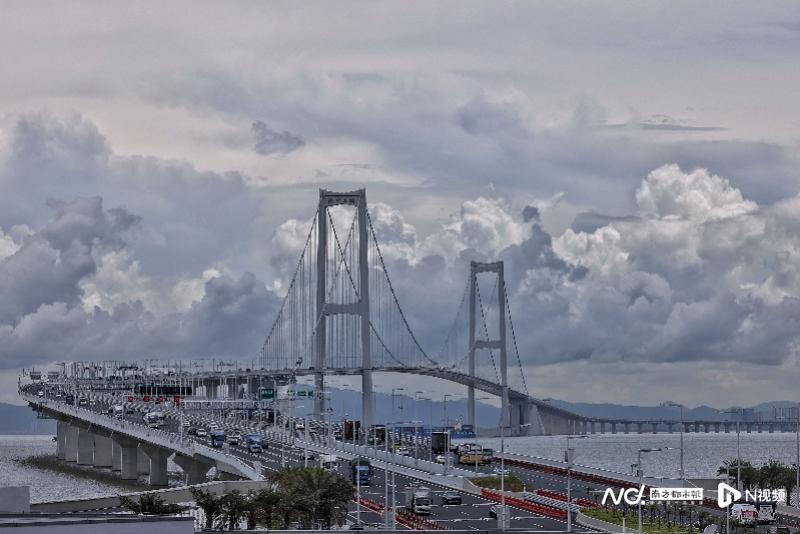
Core Insights - The opening of the Shenzhen-Zhongshan Channel has significantly transformed the commuting landscape in the Guangdong-Hong Kong-Macao Greater Bay Area, enhancing regional integration and industrial collaboration [1][10][11] Traffic and Commuting Impact - Since its opening, the Shenzhen-Zhongshan Channel has recorded over 31.55 million vehicle trips, averaging over 86,400 trips per day, accounting for approximately 20% of the total daily traffic across the Pearl River Estuary [1][2] - The channel has reduced travel time for commuters, with some reporting a decrease from three hours to one and a half hours for their journeys [2][3] - The channel has led to a reduction of 1.7 billion kilometers in vehicle travel, saving 110 million liters of fuel and decreasing carbon emissions by 219,000 tons [3] Smart Management and Infrastructure - The Shenzhen-Zhongshan Channel is the world's first long dual-direction eight-lane underwater tunnel, presenting significant operational management challenges [5] - A dual-cycle model of "stationed + patrol" has been implemented for effective incident management, with eight emergency response points established along the route [5][6] - The channel features over 800 surveillance cameras, achieving a 97% success rate in detecting video anomalies, and has integrated advanced technologies for traffic management [6] Industrial Development and Economic Integration - The channel has facilitated the establishment of the Guangdong Province Pearl River Estuary East-West Integration Development Reform and Innovation Experimental Zone, promoting six areas of integration including planning, business environment, and public services [7] - A total of 735 government services have been integrated under the "Shenzhen-Zhongshan Service" initiative, enhancing the business environment [8] - The channel has enabled a doubling of passenger traffic to Shenzhen Airport from the western Pearl River, with significant growth in tourism and economic activities in Zhongshan [8] Regional Integration and Future Prospects - The Shenzhen-Zhongshan Channel serves as a critical link for the integration of the Greater Bay Area, enhancing both physical and regulatory connectivity [10][11] - The channel has contributed to a 15% increase in cross-river traffic in the Pearl River Estuary, facilitating a network of bridges and tunnels that support efficient intercity connectivity [10]
港人北上消费潮,回不到过去了
投资界· 2025-06-23 00:29
Core Viewpoint - The trend of Hong Kong residents consuming in mainland China does not negatively impact their local consumption, as evidenced by a systematic study conducted by Hong Kong Chinese University [3][6]. Group 1: Consumption Trends - Hong Kong residents' travel to mainland China has returned to pre-pandemic levels, with approximately 9% of total consumption being spent abroad, amounting to about 50 billion HKD per quarter [4]. - The average spending of Hong Kong residents in mainland China ranges from 300 to 500 HKD per person, with over 450 million active users on the AlipayHK platform reflecting the consumption habits of more than two-thirds of Hong Kong residents [5]. - The consumption patterns differ significantly between Hong Kong and mainland China, with over 80% of spending in mainland China on lifestyle services, while local consumption in Hong Kong is primarily focused on retail and dining [5][6]. Group 2: Service Industry Dynamics - The upgrading of the service industry in mainland China has created new consumption forms that are difficult for Hong Kong to replicate, contributing to the sustained trend of residents consuming in mainland China [6]. - Digital services are becoming a key driver for integration in the Greater Bay Area, with over 200,000 Hong Kong residents using cross-border services in the past year, shifting from spontaneous to essential consumption [6][7]. Group 3: Economic Implications - The increase in Hong Kong residents' consumption in mainland China has led to a spillover effect, expanding beyond major cities to lower-tier cities and other regions [7]. - The consumption patterns indicate a potential outflow of spending from Hong Kong, which could lead to structural changes in the local economy if the trend continues [9]. - Historical data shows that foreign tourists' spending in Hong Kong has consistently exceeded local residents' spending abroad, indicating a net inflow of consumption that supports local businesses [8].

港中文发布报告:港人两地日常消费互补,湾区“一小时生活圈”更融合
Sou Hu Cai Jing· 2025-06-22 14:50
Core Insights - The integration of the Greater Bay Area (GBA) is enhancing the potential of a "Digital Bay Area" as evidenced by a recent study from The Chinese University of Hong Kong, which indicates that Hong Kong residents' consumption in mainland China does not detract from their spending in Hong Kong [1][5] - The study, supported by AlipayHK and Ant Group, reveals that Hong Kong residents are increasingly traveling further into mainland China for consumption, extending beyond major cities to lower-tier cities and popular tourist destinations [3][5] Group 1: Consumption Trends - Hong Kong residents' spending in mainland China is primarily focused on lifestyle services, while their spending in Hong Kong is concentrated in retail and dining sectors [1][5] - The number of trips made by Hong Kong residents to mainland China has returned to pre-pandemic levels in 2024, with cross-border consumption not negatively impacting local spending [5][6] - AlipayHK data shows that nearly half of the spending by frequent travelers to mainland China is on experiential services, such as health and beauty, contrasting with their local spending habits [5][6] Group 2: Digital Payment and Integration - The digital service experience is becoming a catalyst for the integration of the GBA, with AlipayHK expanding its services beyond payments to include transportation and appointment services [5][6] - Over 2 million Hong Kong residents have used AlipayHK for cross-border consumption in the past year, with 20% developing a habit of using a single app for various services, enhancing the convenience of cross-border transactions [6] - The growth of digital technology in mainland China has significantly boosted service consumption, with small and micro businesses seeing annual sales and transaction growth of 15.5% and 11.9%, respectively [6]

香港中文大学研究:港人北上未对香港本地消费造成挤压 两地消费偏好不同
智通财经网· 2025-06-20 08:15
Core Insights - The research conducted by the Chinese University of Hong Kong analyzes the consumption behavior of Hong Kong residents in mainland China and its impact on local consumption, revealing that cross-border spending has become a norm since the pandemic recovery [1] - The study indicates that spending by Hong Kong residents in mainland China does not negatively impact local consumption in Hong Kong [1] Consumption Behavior - Hong Kong residents primarily spend on life services in mainland China, accounting for nearly half of their total expenditure, while retail accounts for only 28%. In contrast, retail and dining in Hong Kong represent 58% and 29% of their spending, respectively [1] - The shift in consumption locations has expanded from the Guangdong-Hong Kong-Macao Greater Bay Area to other mainland cities such as Zhongshan, Jiangmen, Chongqing, and Changsha, indicating an increasingly integrated cross-border consumption market [1] Digital Services and Integration - AlipayHK's CEO highlighted that digital services are accelerating the integration of the Greater Bay Area, with over 2 million Hong Kong residents using AlipayHK's cross-border services in the past year, marking a shift from spontaneous to livelihood consumption [2] - The convenience of payment methods has further facilitated the growth of Hong Kong residents' consumption in mainland China [1]
珠海:这个“五一”,“堵”成了全国第一丨五一粤消费⑦
2 1 Shi Ji Jing Ji Bao Dao· 2025-05-07 02:27
Core Insights - The article highlights the significant increase in tourism and traffic at Zhuhai during the "May Day" holiday, marking a transformation from a transit city to a tourist destination [1][2][7] - The Hong Kong-Zhuhai-Macao Bridge has played a crucial role in driving this change, serving as a flow conversion engine that has boosted tourism revenue significantly [1][2][7] Tourism Data - During the "May Day" holiday, Zhuhai received 2.2011 million tourists, a year-on-year increase of 24.5%, and achieved a total tourism revenue of 1.409 billion yuan, up 26.2% [1] - The daily inbound and outbound passenger flow through the bridge reached a historical high of 127,000 during the holiday, with a total of 823,000 cross-border travelers, a 32% increase from the previous year [2][3] Visitor Demographics - The peak population in Zhuhai reached 5.33 million, with over 60% being transient visitors [2] - The majority of tourists came from the Guangdong-Hong Kong-Macao Greater Bay Area, with about 80% of visitors being from this region [2] Unique Tourism Products - The introduction of differentiated tourism routes and personalized travel experiences has significantly enhanced visitor satisfaction, particularly among families [5][7] - The "One Bridge, Three Places" concept has made the Hong Kong-Zhuhai-Macao Bridge a preferred passage for mainland travelers, with a notable increase in cross-border travel packages [3][6] Economic Impact - The tourism sector in Zhuhai has seen a remarkable recovery, with the total number of visitors to major attractions along Lover's Road reaching 1.482 million, a five-year high [5] - The overall tourism revenue from the Wanshan Islands increased by 117.26%, with overnight visitors growing by 77.77% during the holiday [5] Future Outlook - With the ongoing integration of the Greater Bay Area and the implementation of the "Cultural Tourism +" strategy, Zhuhai is expected to evolve from a "flow dark horse" to a "retention benchmark," becoming a core growth engine for the cultural tourism economy in the region [7]