
大规模设备更新和消费品以旧换新

Search documents
投顾周刊:多家公募机构发布2026年投资策略展望
Wind万得· 2026-01-03 22:38
Group 1 - China will become the first economy to pay interest on central bank digital currency, with the new digital RMB framework set to be implemented on January 1, 2026, transitioning from "digital cash" to "digital deposit currency" [2] - The interest rates for existing "public housing fund + commercial loans" will be lowered starting January 1, 2026, with first home rates dropping to 2.1% for loans under 5 years and 2.6% for loans over 5 years [2] - The 2026 national subsidy plan has been officially released, with 62.5 billion yuan allocated for consumer goods replacement and new categories like smart glasses and smart home products added [3] Group 2 - Several automotive companies reported their sales figures for December 2025, with BYD's sales declining by approximately 18.2% year-on-year, while its total annual sales increased by 7.73% [4] - Public fund institutions have released their investment strategies for 2026, with technology being a widely favored sector, indicating a shift towards dual drivers of "profit and valuation" [5] - A significant policy change in the real estate market will reduce the VAT rate on the sale of homes held for less than two years from 5% to 3%, effective January 1, 2026, which is expected to boost second-hand home transaction activity [6] Group 3 - Silver has emerged as a standout asset in 2025, with a cumulative increase of approximately 147% for the year, significantly outperforming gold [7] - The Trump Media & Technology Group announced plans to issue a new cryptocurrency to its investors, collaborating with Crypto.com for its launch [7] - Tesla has significantly reduced the prices of its models in South Korea, with reductions of up to 9.4 million won for the Model 3 [7]


融资租赁公司业务转型研究-联合资信
Sou Hu Cai Jing· 2026-01-03 11:49
External Environment of Business Transformation - The external environment for the transformation of financing leasing companies is characterized by both pressure and opportunities. Regulatory policies are guiding the industry back to its core functions of "financing + asset leasing," with specific requirements for financial leasing companies to maintain a direct leasing business ratio of no less than 50% [1][12][17] - The market environment is affected by policies aimed at reducing local government debt, which limits traditional non-standard financing business, while a low-interest-rate environment intensifies competition with banks and trusts, leading to a narrowing of industry spreads. However, opportunities arise from large-scale equipment updates and national policies like the "dual carbon" strategy, which open growth avenues in green leasing and high-end equipment leasing [1][28][29] Core Transformation Directions - The transformation paths focus on four core areas: 1. Aviation and shipping leasing, leveraging the standardized nature of aircraft and vessels for competitive differentiation [2] 2. Green low-carbon leasing, covering wind power, photovoltaics, energy storage, and green transportation, aligning with the characteristics of heavy assets and long cycles in the new energy sector [2][33] 3. High-end equipment leasing, targeting technology-intensive equipment such as industrial robots and semiconductor devices to meet industrial upgrade demands [2][34] 4. Micro and agricultural leasing, utilizing industrial chain financial models to support small and medium-sized manufacturing enterprises and agricultural equipment updates [2][31] Transformation Outcomes and Challenges - The transformation outcomes show a divergence between financial leasing companies. Financial leasing companies that started early and made significant efforts are seeing a 25.16% year-on-year increase in direct leasing business in 2024, with green leasing assets reaching 1.07 trillion yuan. However, there is a notable disparity in business structures between leading and smaller institutions [2][31] - In contrast, commercial leasing companies face greater transformation pressures, with 36% of sampled companies experiencing a decline in business scale, 73% reporting a drop in profitability, and 55% facing asset quality challenges. Successful cases like Guoyin Financial Leasing and Everbright Financial Leasing have optimized their business structures through early investments in aviation and green energy sectors, but many companies still encounter initial "growing pains" during transformation [2][31] Risks in the Transformation Process - The transformation process must address multiple risks, including intensified competition in popular sectors, funding shortages for smaller companies, and various operational risks associated with aviation, new energy, and micro-businesses. Blindly following trends without adequate risk control may lead to deteriorating asset quality [3][12][26] Opportunities from Policy Support - The "dual carbon" strategy and national policies promoting large-scale equipment updates and consumption upgrades present significant opportunities for financing leasing companies. The government has allocated approximately 300 billion yuan in special bonds to support these initiatives, which align well with the leasing industry's asset characteristics [28][29] - The transformation of urban investment enterprises into comprehensive operators provides further business opportunities for financing leasing companies, especially in new infrastructure and livelihood-related sectors. Companies with deep ties to urban investment can leverage their resources to continue operations in these areas [30]

扩大报废更新补贴支持范围,2026年汽车“国补”细则发布!以旧换新按新车售价比例给予补贴,报废更新最高补2万元,置换更新最高补1.5万元
Mei Ri Jing Ji Xin Wen· 2025-12-31 03:52
每经记者|李星 每经编辑|陈柯名 裴健如 商务部等部门12月31日发布关于2026年汽车以旧换新补贴实施细则,明确参与申领2026年汽车报废更新补贴旧车的注册登记时间,相比2025年进一步扩大 支持范围。 细则还明确 报废旧车购买符合条件的新能源乘用车新车,按新车销售价格12%给予补贴,补贴金额最高2万元; 报废燃油乘用车,并购买符合条件的燃油乘用车新车,按新车销售价格的10%给予补贴,补贴金额最高1.5万元。 对报废新能源车并购买燃油车的,不给予补贴。 置换更新则是对换购符合条件的新能源乘用车新车,按新车销售价格的8%给予补贴,补贴金额最高1.5万元; 对换购符合条件的燃油乘用车新车,按新车销售价格的6%给予补贴,补贴金额最高1.3万元。 消费者可通过电脑端登录"全国汽车流通信息管理系统"网站(https://qclt.mofcom.gov.cn),点击"汽车以旧换新"专题,进入申请页面,填写申请信息并上 传所需附件。 2026年汽车报废更新中: 若参与申领补贴的报废旧车为汽油乘用车,则其注册登记时间应在2013年6月30日(含当日,下同)之前; 若参与申领补贴的报废旧车为柴油及其他燃料乘用车,则其注册登记 ...
债市早报:2026年“两新”政策出炉;跨年资金成本继续上升,债市情绪有所修复
Jin Rong Jie· 2025-12-31 02:42
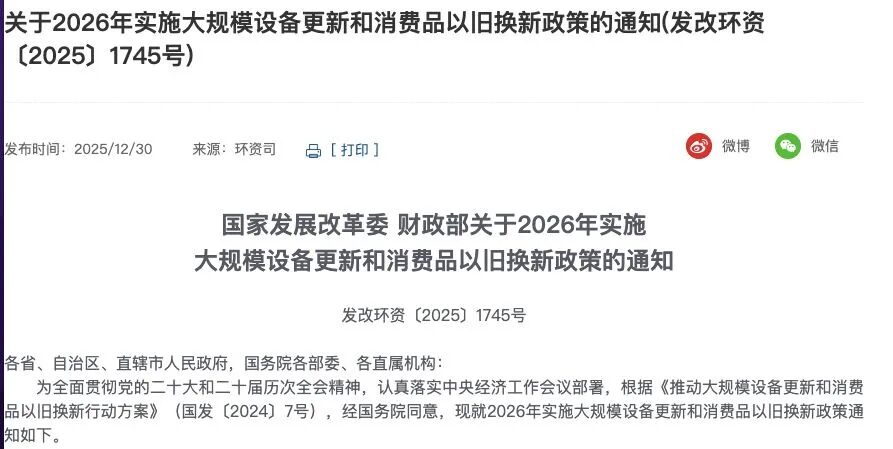
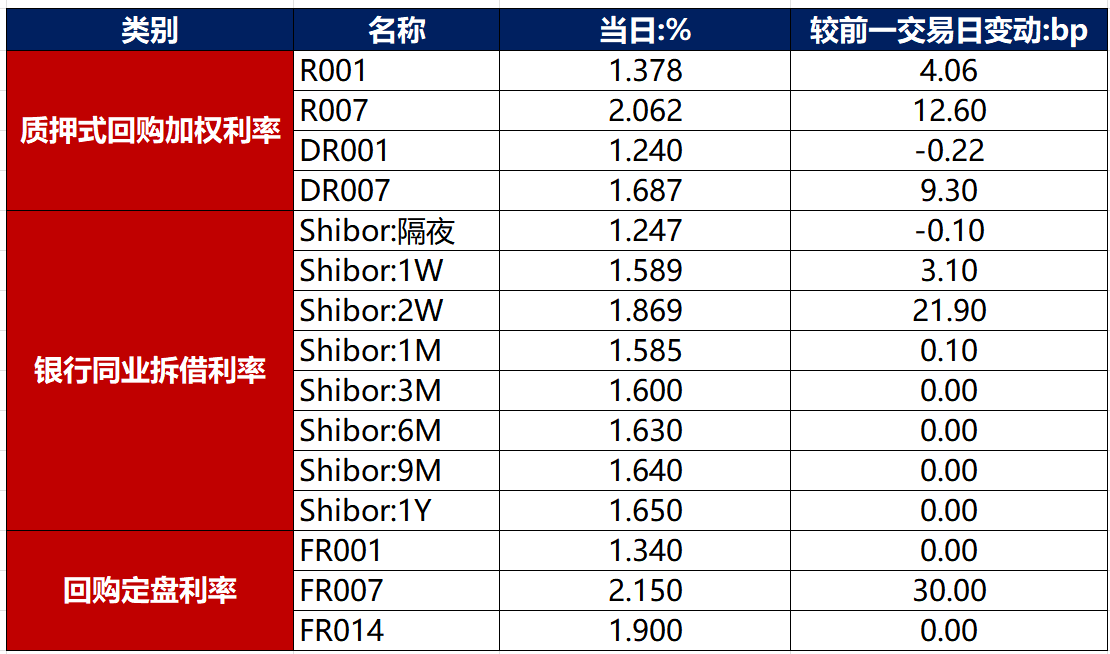
Group 1: Domestic News - The Ministry of Finance and the State Taxation Administration announced a reduction in the value-added tax on the sale of personal housing purchased for less than two years to 3%, effective from January 1, 2026 [2] - The National Development and Reform Commission and the Ministry of Finance released a notice regarding the "Two New" policy for 2026, optimizing the support scope, subsidy standards, and implementation mechanisms for large-scale equipment updates and consumer goods replacement [2] Group 2: Fiscal Oversight - The Ministry of Finance emphasized the need for effective supervision of local government debt and fiscal revenue, focusing on key regulatory tasks such as special long-term bonds and financial discipline [3] Group 3: International News - The Federal Reserve's December meeting minutes indicated that most officials expect further interest rate cuts if inflation trends align with their expectations, although some advocate for a pause in rate cuts [4] - The minutes noted that inflation has risen since the beginning of the year and remains high, with economic activity expanding at a moderate pace [4] Group 4: Commodity Market - International crude oil futures prices declined slightly, with WTI February futures down 0.22% to $57.95 per barrel, while COMEX gold futures rebounded by 0.43% to $4362.20 per ounce [5] Group 5: Financial Market - On December 30, the central bank conducted a reverse repurchase operation of 312.5 billion yuan at a fixed rate, resulting in a net cash injection of 253.2 billion yuan for the day [6] - Despite the central bank's cash injection, the funding costs continued to rise, with DR007 increasing by 9.30 basis points to 1.687% [7] Group 6: Bond Market Dynamics - The sentiment in the bond market improved, with long-term bonds recovering, while medium and short-term bonds remained weak [9] - The yield on the 10-year government bond rose by 0.20 basis points to 1.8600% [9] Group 7: Credit Bonds - CIFI Holdings announced that its debt restructuring plan, which includes cash recovery and debt-to-equity swaps, has taken effect, reducing approximately 43 billion yuan of debt [11] - Country Garden confirmed the effective date of its offshore debt restructuring as December 30 [11] Group 8: Convertible Bonds - The convertible bond market saw major indices rise, with the China Securities Convertible Bond Index increasing by 0.14% [14] - The trading volume in the convertible bond market reached 83.05 billion yuan, an increase of 4.96 billion yuan from the previous trading day [14]
2026年“两新”政策部署发布
Qi Huo Ri Bao· 2025-12-31 02:19
据新华社电 国家发展改革委、财政部印发的《关于2026年实施大规模设备更新和消费品以旧换新政策 的通知》30日对外发布,明确2026年"两新"政策的支持范围、补贴标准和工作要求。2026年"两新"政策 主要做了3个方面优化。 一是优化支持范围。设备更新方面,总体延续2025年支持范围,在民生领域增加老旧小区加装电梯、养 老机构设备更新,在安全领域增加消防救援、检验检测设备更新,在消费基础设施领域增加商业综合 体、购物中心、百货店、大型超市等线下消费商业设施的设备更新。消费品以旧换新方面,进一步集中 资源,着力提升覆盖人群广、带动效应强的重点消费品"得补率"。继续实施汽车报废更新和汽车置换更 新补贴;继续实施家电以旧换新补贴,支持范围聚焦冰箱、洗衣机、电视、空调、电脑、热水器等6类 产品;同时,将数码产品购新补贴拓展为数码和智能产品购新补贴,支持范围包括手机、平板、智能手 表(手环)、智能眼镜和智能家居产品(含适老化家居产品)。 通知要求,国家发展改革委发挥"两新"部际联席会议制度牵头部门作用,会同财政部安排超长期特别国 债资金实施"两新"政策,加强统筹协调和跟踪调度。 二是优化补贴标准。设备更新方面,将住宅老 ...
资讯早班车-2025-12-31-20251231
Bao Cheng Qi Huo· 2025-12-31 01:34
1. Report's Industry Investment Rating No relevant information provided. 2. Core Views of the Report - The 2026 national subsidy program for consumer goods replacement is released, with changes in subsidy targets and amounts [2][13]. - Multiple factors are driving copper prices to new highs, and the price is expected to continue rising in 2026 [5]. - The Fed agreed to cut interest rates in December, but officials have significant differences. Further rate cuts may be appropriate if inflation declines as expected [3][15]. - The real - estate market has new policies, such as a reduction in the VAT rate for short - term housing sales, which will impact the market [14]. 3. Summary by Relevant Catalogs 3.1 Macro Data - In Q3 2025, GDP grew at a 4.8% year - on - year rate, down from 5.2% in the previous quarter but up from 4.6% in the same period last year [1]. - In November 2025, the manufacturing PMI was 49.2%, slightly up from 49.0% in the previous month but down from 50.3% last year [1]. - The non - manufacturing PMI business activity in November 2025 was 49.5%, down from 50.1% in the previous month and 50.0% last year [1]. 3.2 Commodity Investment 3.2.1 Comprehensive - The 2026 national subsidy plan for equipment renewal and consumer goods replacement is announced, including subsidy details for new cars and home appliances [2][13][14]. - The list of state - owned trading enterprises for tungsten, antimony, and silver exports from 2026 - 2027 is released [2]. - On December 30, 2025, there were 31 positive - basis and 37 negative - basis domestic commodity varieties [3]. 3.2.2 Metals - On December 30, 2025, COMEX gold futures rose 0.20% to $4352.30 per ounce, and COMEX silver futures rose 7.88% to $76.02 per ounce [4]. - Indonesia plans to cut nickel production in 2026 to balance supply and demand [5]. - Multiple factors are driving copper prices to new highs, and it's expected to continue rising in 2026 [5]. 3.2.3 Coal, Coke, Steel, and Minerals - As of mid - December 2025, the price of coke (quasi - first - class metallurgical coke) decreased 2.79% month - on - month, hitting a new low since late October [7]. 3.2.4 Energy and Chemicals - On December 30, 2025, WTI crude oil futures fell 0.22% to $57.95 per barrel, and Brent crude oil futures fell 0.24% to $61.34 per barrel [9]. - OPEC+ is expected to maintain the suspension of production increases [9]. 3.2.5 Agricultural Products - Since 2025, domestic pig prices have declined, and it's expected to recover in the second half of 2026 [10]. - In 2025, the national grain purchase volume reached 830 billion jin, remaining stable for three years [10]. 3.3 Financial News 3.3.1 Open Market - On December 30, 2025, the central bank conducted a 7 - day reverse repurchase operation of 312.5 billion yuan, with a net injection of 253.2 billion yuan [12]. 3.3.2 Key News - The 2026 national subsidy plan for consumer goods replacement is released [2][13]. - The VAT rate for short - term housing sales is reduced from 5% to 3% starting in 2026 [14]. - The Fed agreed to cut interest rates in December, but officials have differences [3][15]. 3.3.3 Bond Market - The sentiment of ultra - long bonds has recovered slightly, while other maturities are still weak. Bond futures show differentiation [20]. - Currency market interest rates mostly rose, with some short - term rates hitting new highs or lows [22]. 3.3.4 Foreign Exchange Market - The on - shore RMB against the US dollar closed at 6.9901 on December 30, 2025, up 197 points [25]. - The US dollar index rose 0.22% to 98.22 in New York trading [25]. 3.3.5 Research Reports - Huatai Fixed - income believes that the bond market will remain volatile and slightly weak in Q1 2026 [26]. - CICC Fixed - income believes that the overall credit risk of central and state - owned real - estate enterprises is controllable in 2026 [26]. - CITIC Securities expects a more active fiscal policy and a moderately loose monetary policy in 2026 [27]. 3.4 Stock Market - The A - share market had a narrow - range adjustment, with the Shanghai Composite Index slightly down, and the Shenzhen Component Index and ChiNext Index up [30]. - The Hong Kong stock market rose, with the Hang Seng Index up 0.86% and the Hang Seng Tech Index up 1.74% [30]. - In 2025, the Hong Kong IPO scale ranked first globally. It's predicted that about 160 new stocks will be listed in 2026 [31].
事关国补,最新政策发布
Zhong Jin Zai Xian· 2025-12-31 00:10
Core Viewpoint - The National Development and Reform Commission and the Ministry of Finance have announced a large-scale equipment update and consumer goods trade-in policy to be implemented in 2026, focusing on supporting the replacement of old vehicles and promoting the purchase of new energy vehicles and energy-efficient appliances [2][3]. Group 1: Equipment Update Support - The policy supports equipment updates across various sectors, including industrial, energy, transportation, and healthcare, with an emphasis on enhancing public safety and meeting consumer needs [3]. - Specific support is provided for the scrapping and updating of old commercial vehicles, particularly those meeting lower emission standards, with a focus on transitioning to electric vehicles [3]. - The initiative includes the promotion of electric city buses and the updating of their power batteries, with subsidies based on existing guidelines [3]. Group 2: Consumer Goods Trade-in - Consumers who scrap their registered passenger vehicles and purchase new energy vehicles or fuel-efficient cars will receive subsidies of 12% (up to 20,000 yuan) for new energy vehicles and 10% (up to 15,000 yuan) for fuel-efficient cars [6]. - For vehicle trade-ins, consumers will receive 8% (up to 15,000 yuan) for new energy vehicles and 6% (up to 13,000 yuan) for fuel-efficient cars [6]. - The policy also includes subsidies for purchasing energy-efficient home appliances, providing 15% of the product price as a subsidy for specific categories, capped at 1,500 yuan per item [9]. Group 3: Recycling and Utilization - The policy aims to enhance the recycling network for old equipment and consumer goods, establishing a comprehensive recovery system to facilitate the recycling process [8]. - It encourages the development of a standardized second-hand goods market and promotes the remanufacturing of old machinery and vehicle parts to improve sustainability [8]. Group 4: Standards and Supervision - The initiative emphasizes the need to improve standards for energy efficiency and pollution control, aligning with international benchmarks [9]. - There will be strict supervision of the implementation of the policy to prevent misuse of funds and ensure compliance with established guidelines [13].
2026年“两新”政策出炉 支持范围、补贴标准优化
Shang Hai Zheng Quan Bao· 2025-12-31 00:03
Core Viewpoint - The 2026 "Two New" policy aims to enhance equipment updates and promote the replacement of old consumer goods, with a total of 625 billion yuan allocated for the first batch of special bonds to support these initiatives [1][2]. Group 1: Policy Support and Scope - The 2026 policy continues to support various sectors including industrial, electronic information, energy, transportation, and healthcare, while expanding to include the installation of elevators in old residential areas and equipment updates in elderly care institutions [2][4]. - The policy introduces smart glasses into the support scope, marking a significant addition compared to the 2025 policy, which is expected to benefit related industries [3]. Group 2: Subsidy Standards - The subsidy for automobile scrapping and replacement will shift from a fixed amount to a percentage of the vehicle price, with specific caps for different vehicle types [4]. - The subsidy for household appliances will focus on energy-efficient products, providing 15% of the product price as a subsidy, with a maximum of 1,500 yuan per item [4]. - Digital and smart products will maintain previous subsidy standards, offering 15% of the sales price as a subsidy, capped at 500 yuan per item for each consumer [4]. Group 3: Implementation Mechanism - The policy optimizes the project application and review process, lowering the investment threshold for project applications and increasing support for small and medium-sized enterprises [6]. - A unified subsidy standard will be implemented nationwide for various categories including automobile scrapping and replacement, as well as for six types of household appliances and four types of digital and smart products [6]. - The policy emphasizes fair participation, ensuring equal treatment for online and offline businesses, regardless of ownership type or scale [7].
“两新”政策三大方面优化升级 首批625亿超长期特别国债已下达
Chang Jiang Shang Bao· 2025-12-30 23:19
Core Viewpoint - The 2026 policy for large-scale equipment updates and consumer goods trade-in aims to stimulate economic recovery through targeted subsidies and support measures [2][3][7]. Group 1: Policy Overview - The National Development and Reform Commission (NDRC) and the Ministry of Finance released a notification detailing the 2026 "Two New" policy, which includes 23 specific measures across five sections [2][6]. - The policy focuses on optimizing support scope, subsidy standards, and implementation mechanisms to enhance its effectiveness [2][7]. Group 2: Economic Impact - In 2025, the "Two New" policy significantly boosted consumption and investment, with equipment investment growing by 14% year-on-year, contributing 2 percentage points to overall investment growth [3]. - The trade-in program for consumer goods generated over 2.5 trillion yuan in sales, with over 1.12 million vehicles and 128 million home appliances traded in [3]. Group 3: Sectoral Growth - The manufacturing value added in general and smart consumer equipment sectors increased by 9.4% and 11.4% respectively, with over 80% of funding for equipment updates benefiting private enterprises [4]. - The recycling of waste electrical and electronic products saw a 70% year-on-year increase, indicating progress in resource recycling systems [4]. Group 4: Policy Adjustments - The 2026 policy expands support to include the installation of elevators in old residential areas and updates for equipment in elderly care institutions [7]. - New subsidy standards were introduced, including differentiated subsidies for old elevators based on the number of floors and prioritizing electric vehicles in trade-in programs [8]. Group 5: Implementation Mechanisms - The policy aims to simplify project application processes and enhance support for small and medium-sized enterprises, while also ensuring strict oversight to prevent fraud [9]. - A unified subsidy standard will be enforced nationwide for various categories of consumer goods, ensuring consistency in implementation [9].
汽车报废和置换更新等执行全国统一补贴标准
Xin Lang Cai Jing· 2025-12-30 20:11
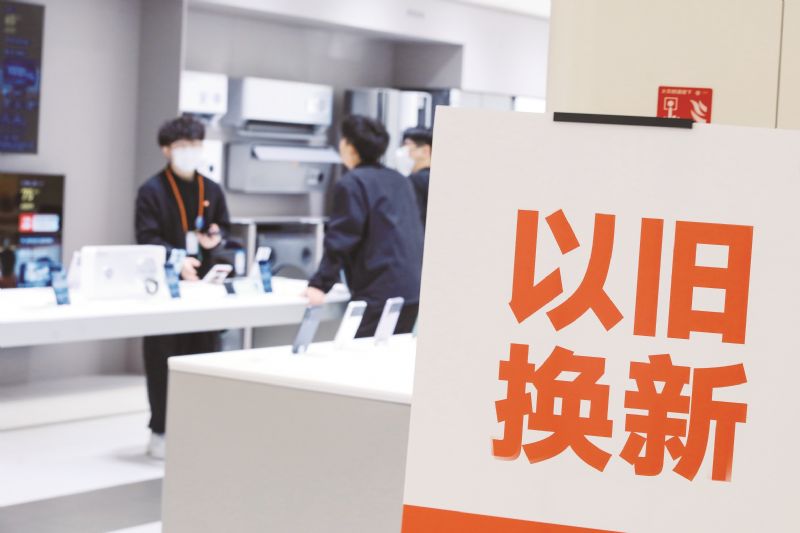
据新华社北京12月30日电(记者 魏玉坤 魏弘毅) 一是优化支持范围。在民生领域增加老旧小区加装电梯、养老机构设备更新,在安全领域增加消防救 援、检验检测设备更新,在消费基础设施领域增加商业综合体、购物中心、百货店、大型超市等线下消 费商业设施的设备更新。继续实施汽车报废更新和汽车置换更新补贴;继续实施家电以旧换新补贴,支 持范围聚焦冰箱、洗衣机、电视、空调、电脑、热水器6类产品;同时,将数码产品购新补贴拓展为数 码和智能产品购新补贴,支持范围包括手机、平板、智能手表(手环)、智能眼镜和智能家居产品(含 适老化家居产品)。 二是优化补贴标准。设备更新方面,将住宅老旧电梯更新由定额补贴调整为按电梯层(站)数分档差异 化补贴;在老旧营运货车报废更新补贴中,优先支持更新为电动货车。消费品以旧换新方面,在保持汽 车补贴上限不变的基础上,将定额补贴调整为按车价比例进行补贴。 三是优化实施机制。设备更新方面,优化项目申报机制和审核流程,进一步降低申报项目的投资额门 槛,加大对中小企业的支持力度,扩大政策惠及面。消费品以旧换新方面,优化资金分配方式,完善全 链条实施细则,严厉打击骗补套补和"先涨后补"等违法违规行为。同时, ...