循环交易

Search documents
OpenAI牵手富士康
21世纪经济报道· 2025-11-21 15:15
Core Insights - OpenAI has officially announced a strategic partnership with Foxconn to collaborate on the design and manufacturing of next-generation AI infrastructure hardware [1][2] - The partnership is characterized as a joint R&D framework agreement rather than a simple outsourcing contract, allowing OpenAI to share insights on emerging hardware needs in the AI industry [1][2] - The collaboration aims to enhance and simplify the domestic AI supply chain in the U.S., optimizing server cabinet architecture for production across multiple locations [2] Partnership Details - The collaboration includes three main components: parallel development of multiple generations of AI data center cabinets, optimization of the U.S. AI supply chain, and manufacturing of key data center components in the U.S. [2] - OpenAI will have priority evaluation rights for Foxconn's products, granting it greater control over server hardware selection [2] - Foxconn, as a major AI server manufacturer, will gain insights into the growing computational power demands of large AI companies [2] Strategic Shift - OpenAI is transitioning from a reliance on cloud service providers to a more asset-heavy model by building its own data centers [4] - This shift is reflected in personnel changes, such as the hiring of Intel's former CTO to design and build computational infrastructure for OpenAI [5] - The "Stargate" AI infrastructure project, initiated with Oracle and SoftBank, has a preliminary investment of $100 billion, with plans to expand to $500 billion over four years [5] Energy and Computational Needs - OpenAI's energy and computational demands are increasing, with a recent agreement to add 4.5 GW of data center capacity [5] - The total planned energy consumption for the "Stargate" project is projected to reach 5 GW, with over 2 million chips expected to be deployed [5] - OpenAI has signed multiple chip supply agreements to diversify its supplier strategy and reduce reliance on single sources [5] Financial Commitments - OpenAI has entered a $38 billion AI computing supply agreement with Amazon AWS, which will provide advanced NVIDIA GPU chips over the next seven years [6] - OpenAI is also forming deep partnerships with chip manufacturers, including a strategic collaboration with NVIDIA involving up to $100 billion in investments [6] - The total energy consumption from OpenAI's signed chip supply orders has reached 26 GW, raising concerns about the sustainability of such capital expenditures [6] Market Concerns - Analysts have noted potential "circular deals" between OpenAI and chip manufacturers, which could inflate valuations and create market bubbles [7] - There are concerns regarding OpenAI's ability to generate sufficient profits to justify its rapid spending, with a projected annual revenue of $20 billion by year-end and potential growth to hundreds of billions by 2030 [7]

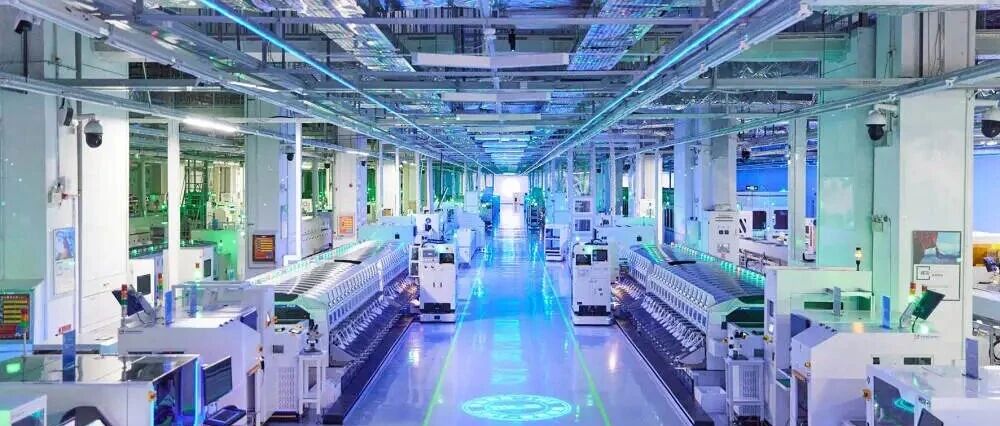
OpenAI 向美国政府发出 “求救信号” 意味着什么?
Sou Hu Cai Jing· 2025-11-11 08:16
Core Insights - OpenAI anticipates reaching $20 billion in revenue by the end of the year and aims to exceed hundreds of billions by 2030, indicating significant growth potential in the AI sector [1] - The company has requested the U.S. government to extend tax credits originally meant for semiconductor manufacturing to AI data centers and related infrastructure, highlighting a structural dilemma in AI infrastructure development [2] - OpenAI's capital expenditure plan of $1.4 trillion is unprecedented for a startup, suggesting a reliance on government support to sustain its ambitious infrastructure goals [6] Group 1: Government Support and Tax Incentives - OpenAI's request for the expansion of the Advanced Manufacturing Investment Credit (AMIC) to include AI infrastructure reveals a shift in focus from chip supply to power infrastructure, which has longer construction timelines [2] - The company is seeking to reclassify AI data centers as strategic manufacturing, which would allow them to benefit from the same tax incentives as semiconductor factories, effectively socializing capital risks while keeping profits private [2][4] - OpenAI's CFO suggested that the government should provide guarantees for financing, which sparked controversy and was later retracted, indicating a sensitive relationship with public funding [3][4] Group 2: Financial Viability and Risks - OpenAI's financial model involves complex arrangements with partners like Oracle and Microsoft, where revenue generation is tied to the infrastructure they help build, raising concerns about sustainability if growth does not meet expectations [5] - The company's ambitious infrastructure spending could lead to a financial crisis if it fails to deliver on its revenue projections, with potential outcomes ranging from acquisition by larger firms to bankruptcy [7] - The disparity between OpenAI's public confidence and its lobbying for government support suggests a precarious financial situation, where the company may be overextending itself in a bid for survival [8]
OpenAI向美国政府发出“求救信号”意味着什么?
Tai Mei Ti A P P· 2025-11-10 04:09
Core Insights - OpenAI anticipates reaching $20 billion in revenue by the end of the year and aims to exceed hundreds of billions by 2030, indicating significant growth potential in the AI sector [1] - The company has requested the U.S. government to extend tax credits originally meant for semiconductor manufacturing to AI data centers and related infrastructure, highlighting a structural dilemma in AI infrastructure development [2] - OpenAI's capital expenditure plan of $1.4 trillion is unprecedented for a startup, raising questions about its financial sustainability and reliance on government support [6] Group 1: Government Support and Tax Incentives - OpenAI's request for the expansion of the Advanced Manufacturing Investment Credit (AMIC) to include AI infrastructure reveals a shift in focus from chip supply to power infrastructure, which has longer construction timelines [2] - The company is seeking to reclassify AI data centers as strategic manufacturing, which would allow it to benefit from the same tax incentives as semiconductor manufacturers, effectively socializing capital risks while keeping profits private [2][4] - OpenAI's CFO suggested that the government should provide guarantees for financing, which sparked controversy and was later retracted, indicating a sensitive relationship with public funding [3][4] Group 2: Financial Viability and Risks - OpenAI's financial model involves complex arrangements with partners like Oracle and Microsoft, where revenue generation is tied to the same infrastructure that requires significant investment, raising concerns about sustainability [5] - The company's ambitious infrastructure spending is compared to sovereign projects, suggesting that it may not be viable without substantial government backing [6] - The potential scenarios for OpenAI's future range from successful revenue growth to catastrophic failure, depending on market conditions and the company's ability to meet its infrastructure commitments [7][8] Group 3: Market Perception and Strategy - OpenAI's dual approach of projecting confidence in growth while simultaneously lobbying for government support indicates a disconnect between its public image and underlying financial realities [8] - The company's reliance on government intervention to support its infrastructure ambitions suggests that it may be struggling to secure private financing on favorable terms [8] - The urgency of OpenAI's lobbying efforts reflects an awareness of the risks associated with its current financial structure and the potential for a collapse if market conditions do not improve [8]
美股下跌,大空头做空英伟达
Zhong Guo Ji Jin Bao· 2025-11-04 22:26
Market Overview - US stock market experienced a significant drop, with the Dow Jones down approximately 150 points, Nasdaq down about 1%, and S&P 500 down around 0.6% as of the report [1] - Concerns over the valuation of AI-related stocks, particularly Palantir, have contributed to the market's decline [2] Company Performance - Palantir's Q3 earnings exceeded Wall Street expectations, with projected revenue of $1.33 billion, surpassing analyst estimates of $1.19 billion, and a 63% increase from the previous quarter [2] - Despite strong earnings, Palantir's stock fell about 7%, reflecting investor concerns about the sustainability of growth driven by its AI business [2][5] - Palantir's forward P/E ratio exceeds 200, with its current P/E ratio nearing 700, raising concerns about the stock's valuation [5] Stock Movements - Major tech stocks, including Intel, Nvidia, and Oracle, saw declines, with Intel down approximately 5% and Nvidia and Oracle down nearly 3% [5][6] - The S&P 500's forward P/E ratio has risen above 23, approaching the highest level since 2000, driven by the performance of AI stocks [6] Analyst Sentiment - Analysts express concerns about the lack of visibility for companies like Palantir, with Deutsche Bank strategist Jim Reid noting disappointment regarding the visibility for 2026 [4] - Executives from Goldman Sachs and Morgan Stanley have indicated potential market pullbacks of 10% to 20% in the next 12 to 24 months, contributing to investor unease [7] Market Trends - The international gold price has seen a notable decline, with a drop of 0.9% reported [7] - Michael Burry's Scion Asset Management has taken bearish positions on Nvidia and Palantir, indicating growing investor caution regarding the AI sector [11]



当美国AI基建大跃进引发泡沫讨论,中国创业者该如何看?
锦秋集· 2025-10-15 15:58
Core Insights - The article discusses the ongoing "AI infrastructure boom" in the U.S., drawing parallels to the fiber optic era of the early 2000s, highlighting stock price surges, land appreciation, and power shortages [2][5] - There is a growing debate about whether this boom is creating a new bubble, with discussions in the market reflecting concerns about potential overvaluation [3][4] - The article emphasizes the importance for early-stage AI entrepreneurs in China to remain calm and focus on the next certainties amidst the bubble discussions [5][6] AI Infrastructure Developments - OpenAI and NVIDIA announced plans to deploy 10 gigawatts of NVIDIA systems, with NVIDIA potentially investing up to $100 billion in OpenAI for AI infrastructure collaboration [8] - OpenAI is expanding its global presence with new AI data centers valued at $500 billion, in partnership with Oracle and SoftBank [8] - OpenAI's "Stargate" initiative has attracted Samsung and SK Group for high-bandwidth memory and semiconductor technology support [8] - OpenAI's strategic partnership with AMD involves a five-year deal worth over $600 billion for the procurement of next-generation MI450 accelerators [8] - OpenAI's new five-year plan aims to fulfill a cumulative investment commitment of $1 trillion [8] Market Dynamics and Risks - The article highlights the concentration of high-risk areas in the AI sector, particularly among companies heavily reliant on AI industry prosperity, such as CoreWeave and xAI [15] - OpenAI's financial challenges are noted, with potential restructuring on the horizon despite its "too big to fail" status [15] - Major tech companies like Microsoft and Amazon are positioned as low-risk players, leveraging their investments in AI firms to generate returns through cloud service revenues [15] - NVIDIA is characterized as a "dealer" rather than a "king," facing systemic risks due to its heavy reliance on the AI industry's success [15] Financing and Investment Structures - The article discusses the significant capital requirements for AI infrastructure, which deeply influence the industry's financing structure [20] - Concerns are raised about "circular trading" practices, where suppliers provide credit or equity investments to buyers, who then use those funds to purchase products from the suppliers [25] - The potential for systemic risks is highlighted, as interconnected investments and financing structures could lead to widespread vulnerabilities in the AI sector [53][54] Historical Context and Comparisons - The article draws historical parallels to past technology bubbles, such as the fiber optic boom, emphasizing the potential for overcapitalization and subsequent market corrections [60][61] - It suggests that while AI technology may be transformative, the current investment levels and valuation structures could lead to significant losses for early investors [58][59]

OpenAI官宣自研AI芯片!博通股价大涨近10%,英伟达与中美企业构建AI工厂
Tai Mei Ti A P P· 2025-10-14 02:41
Core Insights - OpenAI has announced a strategic partnership with Broadcom to deploy a 10 GW AI acceleration chip cluster, with full deployment expected by the end of 2029 [2][7] - This collaboration is part of a larger trend where OpenAI is forming a trillion-dollar "circular trading" ecosystem with major chip manufacturers, including NVIDIA and AMD, to build over 26 GW of AI acceleration clusters [2][9] - NVIDIA is also actively engaging in the AI data center space, collaborating with Meta and Oracle to upgrade their AI data center networks using NVIDIA Spectrum-X technology [3][9] Group 1: OpenAI and Broadcom Partnership - OpenAI's custom AI chip, based on ARM architecture, will be developed in collaboration with Broadcom and other companies like Oracle [2][7] - The partnership is expected to involve investments exceeding $100 billion, with OpenAI planning to invest hundreds of billions more in Broadcom's chips [2][4] - OpenAI's CEO, Sam Altman, emphasized the significance of this project, describing it as potentially the largest industrial collaboration in human history [7][9] Group 2: Market Reactions and Financial Implications - Following the announcement of the partnership, Broadcom's stock rose nearly 10%, while NVIDIA and Amazon also saw stock increases of 2.82% and 1.71%, respectively [4] - Innoscience, a Chinese chip company collaborating with NVIDIA, experienced a 16.15% stock increase after the announcement of their partnership [5][17] - The total transaction value of OpenAI's collaborations with chip manufacturers has reached over $1 trillion, indicating a significant financial impact on the industry [9][12] Group 3: Industry Context and Future Outlook - The AI industry is witnessing rapid growth, with analysts noting that OpenAI's ambitions may mirror Google's approach to chip manufacturing, potentially leading to lower costs [9][12] - The development of AI factories, as proposed by NVIDIA, is seen as a new infrastructure that combines AI development with industrial processes, which could reshape the future of data centers [18][19] - The global market for gallium nitride (GaN) power semiconductors is projected to reach 50.1 billion RMB by 2028, highlighting the growing demand for advanced semiconductor technologies [18]

英伟达对OpenAI千亿美元投资引发“循环交易”质疑
财富FORTUNE· 2025-10-12 13:07
Core Viewpoint - Nvidia's recent $100 billion investment in OpenAI raises concerns about a potential financial bubble in the AI sector, as the valuation of companies in this field may not align with their actual revenue and profit calculations [2][9] Investment Network Complexity - Nvidia has established a complex investment network, notably with OpenAI and Coreweave, where investments lead to mutual benefits, creating a cycle of funding and procurement that obscures the true flow of capital [3][5] - Nvidia's investments allow companies like OpenAI and Coreweave to secure financing at rates comparable to established firms like Microsoft, significantly lower than what startups typically face [5][8] Financial Transactions and Implications - Nvidia has committed to purchasing cloud computing resources from Coreweave, with total expenditures reaching approximately $75 billion for GPUs, indicating a strategy where investments are recouped through sales [6][8] - The company has also engaged in similar agreements with other cloud firms, further entrenching its position in the AI infrastructure market [6][8] Concerns Over Valuation Bubble - Analysts express concerns that Nvidia's financing practices resemble those seen during past tech bubbles, where companies provided loans to customers, leading to inflated valuations and eventual market corrections [9][10] - The rental agreements with OpenAI allow the latter to avoid high depreciation costs, placing the burden on Nvidia, which could lead to inventory issues if demand does not meet expectations [9][10] Historical Parallels - The current situation draws parallels to the dot-com bubble, where excessive financing led to unsustainable growth and significant market corrections, raising alarms about Nvidia's current investment strategies [10][11]

硅谷万亿AI投资,全都是泡沫?
3 6 Ke· 2025-10-10 00:03
Core Insights - The U.S. technology industry is undergoing a significant transformation, with major tech companies shifting from independent competition to collaborative ecosystems, particularly in the artificial intelligence (AI) sector [1] - OpenAI has emerged as a key player in the AI supply chain, completing transactions worth up to $1 trillion this year, including $270 billion with AMD and $500 billion with NVIDIA [1] - The market's reaction to large transactions raises concerns among analysts about the health of the market, reminiscent of the internet bubble [1][2] Group 1: Market Dynamics - OpenAI's partnerships with AMD and NVIDIA create new risks through a cycle of funding where Company A funds Company B to purchase products from Company A [2] - The technology sector now constitutes approximately 35% of the S&P 500 index, a significant increase from less than 15% in 1999 [2] - Since the launch of ChatGPT in October 2022, the S&P 500 has surged by 90%, with AI companies contributing three-quarters of this growth [2] Group 2: OpenAI's Central Role - OpenAI is becoming a central figure in the AI industry, with extensive connections to chip manufacturers, data center builders, and investment groups, making it a critical pillar of the U.S. economy [3] - A failure of OpenAI could have significant repercussions for the entire AI sector and other areas of the U.S. economy [3] Group 3: Investor Sentiment - Market behavior suggests that every entity involved in transactions with OpenAI is expected to win, despite OpenAI being a cash-negative company [4] - Oracle's stock price volatility following its cloud service agreement with OpenAI highlights the disconnect between stock price increases and fundamental performance [4] Group 4: Financial Mechanisms and Valuations - Concerns arise regarding the financial mechanisms behind OpenAI's deals, with analysts questioning the sustainability of AMD's stock price increase driven by OpenAI's purchases [5] - NVIDIA's extensive investments in AI companies are seen as a potential catalyst for an industry bubble, with calls for more rational valuations based on cash flow [6] Group 5: Optimistic Perspectives - Some analysts remain optimistic, viewing NVIDIA's investment in OpenAI as a strategic decision rather than speculative behavior [7] - The potential emergence of several large ecosystems in Silicon Valley is anticipated, with NVIDIA focusing on the most disruptive players like OpenAI [7]

黄仁勋回应AMD“送股”OpenAI:很高明的交易,OpenAI现在还没钱给我付账
3 6 Ke· 2025-10-09 11:27
Core Insights - Huang Renxun expressed surprise at AMD's strategy of exchanging 10% of its shares for OpenAI orders, calling it clever and imaginative [1][3] - He emphasized that Nvidia's relationship with OpenAI is fundamentally different, as Nvidia sells products directly to OpenAI rather than exchanging equity [1] - OpenAI currently lacks the funds to pay for its large orders, and will need to raise capital through future revenue growth, equity, or debt financing [3] Nvidia and OpenAI Transactions - Nvidia announced a potential investment of up to $100 billion in OpenAI, which will require 10 gigawatts of power, equivalent to 4 to 5 million GPUs [6] - OpenAI has agreed to purchase AMD chips, including the upcoming MI450 series, and will receive warrants for up to 160 million shares of AMD, representing about 10% of the company [6] - The warrants have a nominal exercise price of $0.01 per share, with conditions tied to chip deployment and AMD's stock performance [6] Circular Financing Dynamics - The transactions create a closed-loop funding mechanism where Nvidia's investment flows to Oracle through OpenAI, which then purchases Nvidia hardware [7] - The total value of AI computing transactions between OpenAI, Nvidia, AMD, and Oracle has surpassed $1 trillion, while OpenAI is projected to not achieve positive cash flow until 2029 [7] Nvidia's Broader Investment Strategy - Nvidia plans to invest $2 billion in Musk's xAI, which is part of a larger $20 billion funding round [8] - The investment will utilize a special purpose vehicle (SPV) structure, with funds allocated for purchasing Nvidia processors [8] - Nvidia has also invested in AI data center operator CoreWeave, holding a 7% stake, and has participated in numerous AI venture capital transactions [8] Market Concerns - The complex web of transactions has raised concerns about a potential AI bubble, with analysts warning that these deals could signal early warning signs if the bubble bursts [8] - Nvidia's spokesperson clarified that the company does not require its invested companies to use Nvidia technology [9]
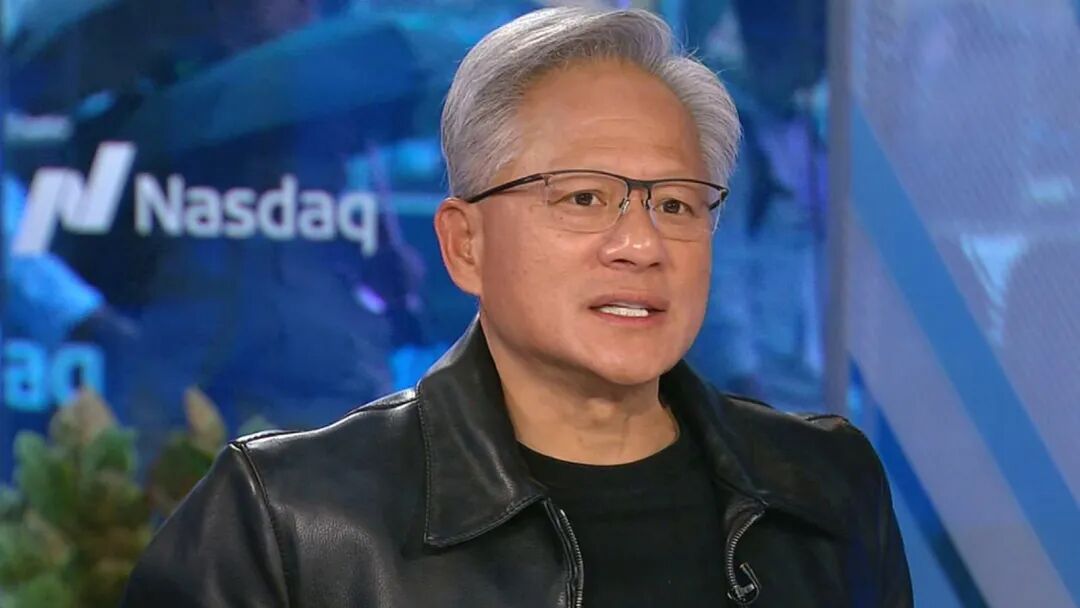
黄仁勋回应AMD“送股”OpenAI:很高明的交易,OpenAI现在还没钱给我付账
量子位· 2025-10-09 04:52
Core Insights - Huang Renxun expressed surprise at AMD's strategy of exchanging 10% of its shares for OpenAI orders, calling it clever [1][3] - He emphasized that NVIDIA's relationship with OpenAI is fundamentally different, as NVIDIA sells products directly to OpenAI rather than through equity exchange [4] - OpenAI currently lacks the funds to pay for its large orders, needing to raise capital through future revenue growth, equity, or debt financing [5][7] NVIDIA and OpenAI Transactions - NVIDIA has the opportunity to co-invest in OpenAI's future financing rounds, with Huang expressing regret for not investing more when OpenAI was founded [8] - NVIDIA announced plans to invest up to $100 billion in OpenAI, which will build systems requiring 10 gigawatts of power, equivalent to 4 to 5 million GPUs [12][13] - OpenAI has also agreed to purchase AMD chips, committing to a significant procurement of AMD's upcoming MI450 series [14] Circular Trading Dynamics - The transactions create a closed-loop funding mechanism where NVIDIA's investment flows to Oracle through OpenAI, which then purchases NVIDIA hardware [16] - The total value of AI computing transactions between OpenAI, NVIDIA, AMD, and Oracle has surpassed $1 trillion, while OpenAI is projected to struggle with positive cash flow until 2029 [16] Expansion of NVIDIA's AI Investments - NVIDIA confirmed its participation in a $20 billion funding round for Musk's xAI, with plans to invest $2 billion [17] - The investment will utilize a special purpose vehicle (SPV) structure, with funds allocated for purchasing NVIDIA processors [18] - NVIDIA has also invested in CoreWeave, holding a 7% stake, and is actively involved in numerous AI venture capital transactions [19][20] Market Concerns - The intricate web of transactions has raised concerns about a potential AI bubble, with analysts warning that these deals could signal early warning signs if a bubble were to burst [20] - NVIDIA representatives clarified that the company does not require its invested companies to use NVIDIA technology [21][22]