
房地产风险化解

Search documents
华源晨会精粹20251218-20251218
Hua Yuan Zheng Quan· 2025-12-18 12:31
Group 1: New Consumption Insights - The total retail sales of consumer goods in November 2025 reached 43,898 billion yuan, with a year-on-year growth of 1.3%. Excluding automobiles, the retail sales amounted to 39,444 billion yuan, growing by 2.5% year-on-year [2][5] - Urban and rural retail sales in November were 37,684 billion yuan and 6,214 billion yuan respectively, with year-on-year growth rates of 1.0% and 2.8% [2][5] - Restaurant retail sales outpaced goods sales, with a year-on-year increase of 3.2% compared to a 1.0% increase in goods retail sales [2][5][6] Group 2: Real Estate Market Analysis - The real estate sector saw a decline of 2.6% this week, with new home transactions in 42 key cities totaling 1.89 million square meters, a decrease of 2.4% week-on-week [8][9] - The Central Economic Work Conference emphasized risk mitigation and stabilizing the real estate market, implementing measures such as city-specific policies to control increments, reduce inventory, and encourage the acquisition of existing homes for affordable housing [10][12] - New policies include online processing for land use rights and housing ownership registration in Beijing, and home purchase subsidies in Ningxia [10][12] Group 3: Cement Industry Overview - The company, Shangfeng Cement, ranks third in comprehensive competitive strength among key cement enterprises, with a gross profit of 67 yuan per ton of cement clinker in the first half of 2025 [13][14] - The company is transitioning towards semiconductor investments, having established a full industry chain investment model covering design, manufacturing, packaging, and materials, indicating a significant transformation in its business model [13][15] - The cement industry is experiencing a "de-involution" trend, which is expected to enhance the company's performance elasticity as policies to control overproduction are implemented [14][15]

多省市定调 未来五年房地产发展路线图浮出
2 1 Shi Ji Jing Ji Bao Dao· 2025-12-10 23:40
Core Viewpoint - The recent release of the 15th Five-Year Plan proposals by various provinces highlights the focus on real estate development, emphasizing risk mitigation, consumption promotion, urban renewal, and high-quality development during this transitional phase of the economy [1][4][11]. Group 1: Risk Mitigation and Consumption Promotion - The proposals stress the importance of preventing and resolving risks in the real estate sector, identifying it as a systemic risk alongside local government debt and small financial institutions [4]. - Shandong Province has proposed a mechanism for normalizing "white list" financing in real estate, indicating a policy shift towards improving financing structures [5]. - Several provinces, including Guangdong and Hubei, have included measures to promote housing consumption, reflecting its significance in driving overall consumption [6][7]. Group 2: Urban Renewal Initiatives - Urban renewal has been identified as a key strategy, with multiple provinces advocating for "in-depth urban renewal" and emphasizing the need for sustainable development models [9][10]. - Beijing's proposal includes comprehensive urban renewal strategies, focusing on the integration of resources and systematic updates to old neighborhoods [9]. - The emphasis on urban renewal reflects a shift from rapid expansion to enhancing existing urban areas, aligning with national urbanization goals [8][10]. Group 3: High-Quality Development - The concept of "high-quality development" is a recurring theme, with provinces like Shanxi and Shandong detailing specific institutional arrangements to support this goal [11][13]. - The establishment of foundational systems for real estate, such as safety inspections and quality management, is seen as essential for achieving high-quality outcomes [12][13]. - Differentiated policies based on local conditions are being proposed, indicating a tailored approach to real estate development across different regions [14][15].


全国多个烂尾地标“复活”案例出现,专家:关键看项目债权是否干净
Mei Ri Jing Ji Xin Wen· 2025-12-04 11:59
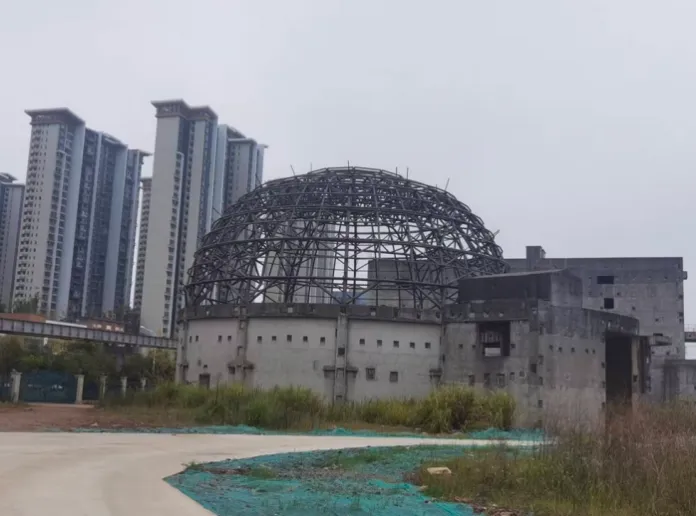
Core Insights - The successful auction of three plots of land for Changsha Evergrande Children's World marks a significant step in reviving one of Hunan's largest cultural tourism projects, following a price reduction of 70 million yuan after an initial failed auction [2][5] - The revival of stalled projects across the country is attributed to the recognition of core location values and potential commercial benefits, as institutional investors seek to acquire quality assets at lower prices for long-term gains [2][6] Summary by Sections Project Details - The Changsha Evergrande Children's World project is located in the Yuelu District and covers over 6,000 acres, with plans for a comprehensive cultural tourism complex including a fairy tale park and a rare plant garden, initially projected to require an investment of 50 billion yuan, with 12 billion yuan allocated for the children's world [2][5] Market Trends - The trend of reviving stalled projects is evident in various cases, such as the Chongqing Bay project receiving 2.476 billion yuan in funding from China Great Wall Asset Management, and the Shenzhen Deep Hong Kong International Center being revitalized through government land acquisition and planning adjustments [2][5][7] - The core location of these projects enhances their value, making them attractive to institutional investors, while the collaboration between asset management companies and financial institutions addresses funding and operational challenges [7][8] Challenges and Considerations - The main challenges in reviving stalled projects include complex debt structures, outdated business models, and outdated planning, which require significant time and effort for restructuring [6][8] - Successful revival depends on the willingness of local governments to share some of the value-added benefits and the cleanliness of project debts, as these factors influence the feasibility of restarting projects [8]
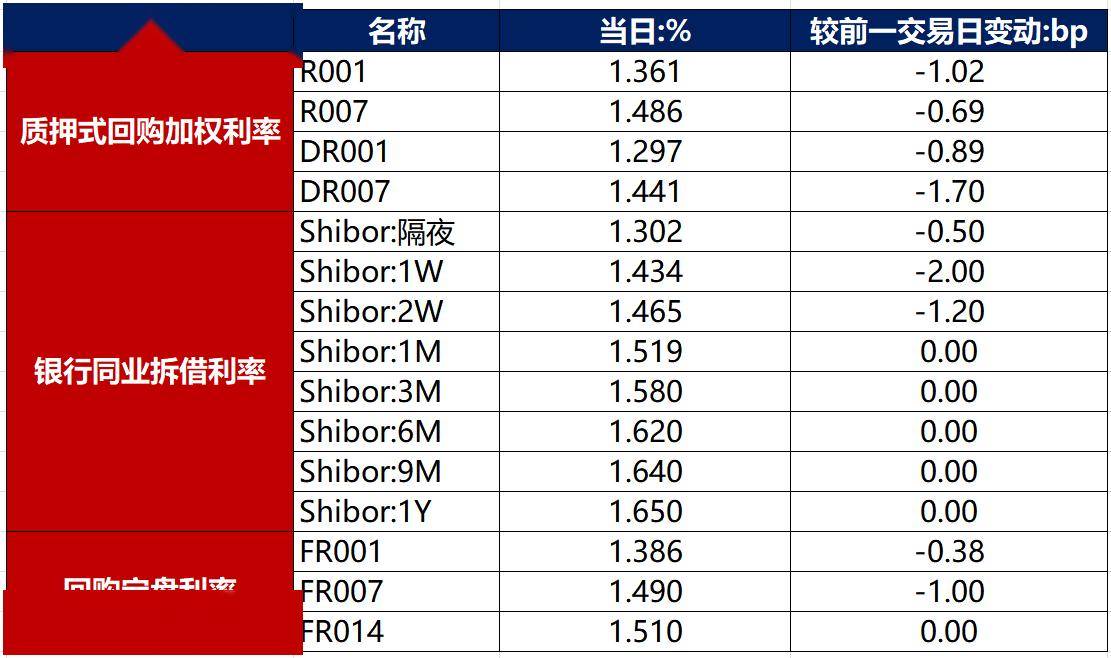
债市早报:央行11月份公开市场国债买卖净投放500亿元;资金面延续宽松,债市情绪偏弱,主要期限国债收益率多数上行
Sou Hu Cai Jing· 2025-12-03 03:37
Group 1: Domestic Market Developments - The People's Bank of China (PBOC) reported a net investment of 50 billion yuan in government bonds in November, with additional liquidity tools contributing to a total net injection of 1.904 billion yuan [2] - The issuance of local government bonds in China has surpassed 1 trillion yuan for the first time in history, indicating a significant increase in local government debt [3] - The sentiment in the bond market remains weak, with the yields on major government bonds rising, reflecting a lack of confidence among investors [10] Group 2: Corporate Bond Activity - Vanke's multiple bonds experienced significant declines, with some dropping over 81%, indicating distress in the corporate bond market [13] - Kaisa Group initiated a consent solicitation for six of its US dollar notes, seeking to convert interest payments into equity, highlighting the challenges faced by real estate companies [14] - CIFI Group announced the suspension of trading for seven of its corporate bonds starting December 3, as part of its debt restructuring efforts [14] Group 3: International Market Insights - The Eurozone's November CPI rose to 2.2%, reinforcing expectations that the European Central Bank will not lower interest rates in the near term [4] - The OECD predicts that the interest rate cuts by major global central banks will end by the end of 2026, with limited room for further easing [5] - The US Treasury yields showed a slight decline, with the 2-year yield down to 3.51%, indicating a cautious market outlook [19]

中国中信金融资产已投放559亿元助力房地产风险化解
Xin Hua Wang· 2025-11-05 09:17
Core Viewpoint - China CITIC Financial Asset Management Co., Ltd. has actively contributed to resolving real estate risks, with a total investment of 55.9 billion yuan in 93 relief projects since 2022, ensuring the delivery of 75,900 residential units and creating influential benchmark projects in the market [1] Group 1: Real Estate Risk Mitigation - The company has leveraged its comprehensive advantages to assist in real estate risk resolution, focusing on key areas since 2022 [1] - A total of 93 relief projects have been launched, with an investment scale of 55.9 billion yuan [1] - The company has ensured the delivery of 75,900 residential units through its initiatives [1] Group 2: Financial System Stability - China CITIC Financial Asset has also provided professional support to small and medium-sized banks, trusts, and securities firms, effectively managing risks [1] - Since 2022, the company has acquired approximately 220 billion yuan in non-performing asset packages from small and medium-sized banks [1] - The company has successfully secured multiple cross-regional asset packages and large single-asset acquisitions, enhancing the resilience and stability of the financial system [1] Group 3: Asset Management and Risk Control - The company has focused on its core business and risk resolution, with nearly 90% of its assets in non-performing asset management [1] - Revenue from this segment has reached 98.3%, an increase of nearly 40% compared to early 2022 [1] - The company has strengthened its risk prevention measures, achieving a reduction in both non-performing balances and non-performing ratios, with a capital adequacy ratio of 15.97% and a provision coverage ratio of 270% [1]
今年股市上限也就这个数了,等明年再凶猛
Sou Hu Cai Jing· 2025-10-28 18:15
Core Viewpoint - The stock market has crossed the 4000 mark, but there is still uncertainty about its future direction and stability [2][3] Market Performance - The stock market is expected to fluctuate around the 4000 level, with no strict control anticipated moving forward [3] - The market has shown signs of distrust, with some investors pulling back despite the recent milestone [2][3] Economic Context - The current economic situation remains challenging, particularly with consumer spending not meeting expectations, necessitating liquidity to stimulate activity [6] - The real estate market has seen a significant decline, with national housing prices dropping 36% over the past four years [5] Policy and Planning - Recent government proposals focus on addressing unreasonable restrictions in the housing market and promoting a new model for real estate development [4] - The upcoming five-year plan emphasizes economic construction as a priority, which will influence market narratives [8] Investor Sentiment - The market's core narrative is driven more by sentiment than by economic fundamentals, indicating a need for confidence to attract investment [8] - The expectation is that the market will stabilize around 4000, with potential for gradual increases, but volatility is a concern [7][8]
房地产行业研究:太平洋房地产日报:湖州吴兴区挂牌2宗宅地
Xin Lang Cai Jing· 2025-09-23 12:29
Market Performance - On September 22, 2025, the equity markets saw most sectors rise, with the Shanghai Composite Index and Shenzhen Composite Index increasing by 0.22% and 0.56% respectively, while the CSI 300 and CSI 500 rose by 0.46% and 0.76% respectively [1] Stock Performance - The top five gainers in the real estate sector were Shoukai Co., Zhangjiang Hi-Tech, Overseas Chinese Town A, Hualian Holdings, and Binjiang Group, with increases of 10.06%, 8.48%, 8.00%, 7.24%, and 6.87% respectively [2] - The largest decliners included Dalong Real Estate, Suning Universal, Xiangjiang Holdings, Jintou City Development, and Nanguo Real Estate, with declines of -10.06%, -9.93%, -9.70%, -5.82%, and -5.11% respectively [2] Industry News - On September 22, 2025, two residential land parcels were listed for sale in Huzhou Wuxing District with a total starting price of 870 million yuan. The total area for sale is 117 acres, with a total construction area of 106,000 square meters [3] - The key parcel, TH-10-02-06A, has a sale area of 62,100 square meters and a starting price of 692 million yuan, corresponding to a floor price of 7,961 yuan per square meter [3] - The People's Bank of China announced that the new housing loan policy during the 14th Five-Year Plan will reduce interest payments by approximately 300 billion yuan annually for over 50 million households [3] Company Announcements - Shanghai Jinmao Investment announced that the "22 Jinmao 04" bond will start paying interest on September 29, 2025, with a total issuance of 2 billion yuan and a coupon rate of 3.60% [4] - China Communications Real Estate Co., Ltd. held its 9th board meeting on September 22, 2025, where Wang Yao was elected as chairman, with all resolutions passed unanimously [4]


太平洋房地产日报:湖州吴兴区挂牌2宗宅地-20250923
Tai Ping Yang Zheng Quan· 2025-09-23 11:45
Investment Rating - The industry rating is optimistic, expecting overall returns to exceed the CSI 300 Index by more than 5% in the next six months [9]. Core Insights - The real estate sector is experiencing a positive market trend, with the Shanghai Composite Index and Shenzhen Composite Index rising by 0.22% and 0.56% respectively on September 22, 2025 [3]. - The real estate index from Shenwan increased by 0.19%, indicating a general upward movement in the sector [3]. - Recent land auctions in Huzhou's Wuxing District have seen significant interest, with two residential plots listed for a total starting price of 870 million yuan [5]. - The People's Bank of China announced measures to reduce mortgage interest rates, potentially saving over 500 million households approximately 300 billion yuan annually [5]. Summary by Sections Market Performance - On September 22, 2025, the equity market saw most sectors rise, with the CSI 300 Index increasing by 0.46% and the CSI 500 by 0.76% [3]. - The top five performing stocks in the real estate sector included Shoukai Co., Zhangjiang Hi-Tech, Huachao City A, Hualian Holdings, and Binjiang Group, with gains ranging from 6.87% to 10.06% [4]. Industry News - Huzhou Wuxing District is set to auction two residential plots with a total area of 117 acres and a total building area of 106,000 square meters, with a starting price of 870 million yuan [5]. - The key plot TH-10-02-06A has a starting price of 692 million yuan, corresponding to a floor price of 7,961 yuan per square meter [5]. Company Announcements - Shanghai Jinmao Investment announced that the bond "22 Jinmao 04" will start paying interest on September 29, 2025, with a total issuance of 2 billion yuan and a coupon rate of 3.60% [6]. - China Communications Construction Company held a board meeting on September 22, 2025, electing Wang Yao as chairman [7].
金融业“十四五”成绩单发布 金融服务实体经济质效大幅提升
Zhong Guo Qing Nian Bao· 2025-09-23 07:35
Group 1 - The financial sector's performance during the "14th Five-Year Plan" period shows significant growth in loans to technology-based SMEs, inclusive small and micro enterprises, and green loans, with an annual growth rate exceeding 20% [1] - Over the past five years, the banking and insurance sectors have provided an additional 170 trillion yuan to the real economy through various financing methods, including credit, bonds, and equity [1] - The total assets of the banking and insurance sectors have surpassed 500 trillion yuan, with an average annual growth of 9% over five years, solidifying their position as the largest credit market and the second-largest insurance market globally [1] Group 2 - The number of high-risk institutions and the scale of high-risk assets have significantly decreased, indicating that risks within the financial system are manageable [2] - The financial regulatory authority has provided over 1.6 trillion yuan in funding support for housing projects, including affordable housing, and has established a financing coordination mechanism for urban real estate [2] - As of June this year, 703 banks and 115 non-bank institutions are participating in the interbank foreign exchange market, including 296 foreign institutions, enhancing the trading environment and reducing costs [2] Group 3 - In the past five years, the total financing through stock and bond markets reached 57.5 trillion yuan, with the proportion of direct financing steadily increasing, now accounting for 31.6% [3] - More than 90% of newly listed companies in recent years are technology-based or have high technological content, indicating a shift towards innovation in the capital market [3] - The market capitalization of the A-share technology sector now exceeds 25% of the total market, significantly higher than the combined market capitalization of banking, non-bank financial, and real estate sectors [3]
人民银行行长潘功胜:地方政府融资平台风险水平大幅收敛
Bei Jing Shang Bao· 2025-09-22 08:40
Core Insights - The People's Bank of China (PBOC) emphasizes the importance of balancing economic growth and risk prevention during the "14th Five-Year Plan" period, highlighting significant achievements in financial sector development [1] Group 1: Financial Risk Management - The PBOC has implemented strict financial discipline, encouraging local governments to manage funds and resources to mitigate debt risks, resulting in a reduction of financing platform numbers by over 60% and a decrease in financial debt scale by over 50% as of June this year compared to the beginning of 2023 [1] - The risk level of local government financing platforms has significantly decreased overall [1] Group 2: Real Estate Sector Support - The PBOC has optimized policies related to down payment ratios and mortgage rates to support risk resolution in the real estate sector, leading to an annual reduction of approximately 300 billion yuan in interest expenses for over 50 million households [1] Group 3: Small and Medium Financial Institutions - The PBOC, in collaboration with financial regulatory bodies and local governments, has adopted various strategies such as online repairs, mergers, and market exits to significantly reduce the number of high-risk small and medium banks from their peak levels [1] Group 4: Foreign Exchange and Bond Markets - The foreign exchange market in China has matured, with a broader use of exchange rate hedging tools, contributing to market resilience [2] - The PBOC monitors the bond market from a macro-prudential perspective, ensuring low default rates and overall market stability [2] Group 5: Capital Market Stability - The PBOC is exploring monetary policy tools to maintain capital market stability, collaborating with the China Securities Regulatory Commission to create mechanisms such as swap facilities and stock repurchase loans [2] - The Central Huijin Investment Ltd. is supported to act as a "stabilization fund," enhancing the long-term support mechanisms for the capital market [2]