
普惠托育服务

Search documents
覆盖生育、养育、教育 国家正加快构建完整支持链条
Yang Shi Xin Wen· 2025-12-27 18:59
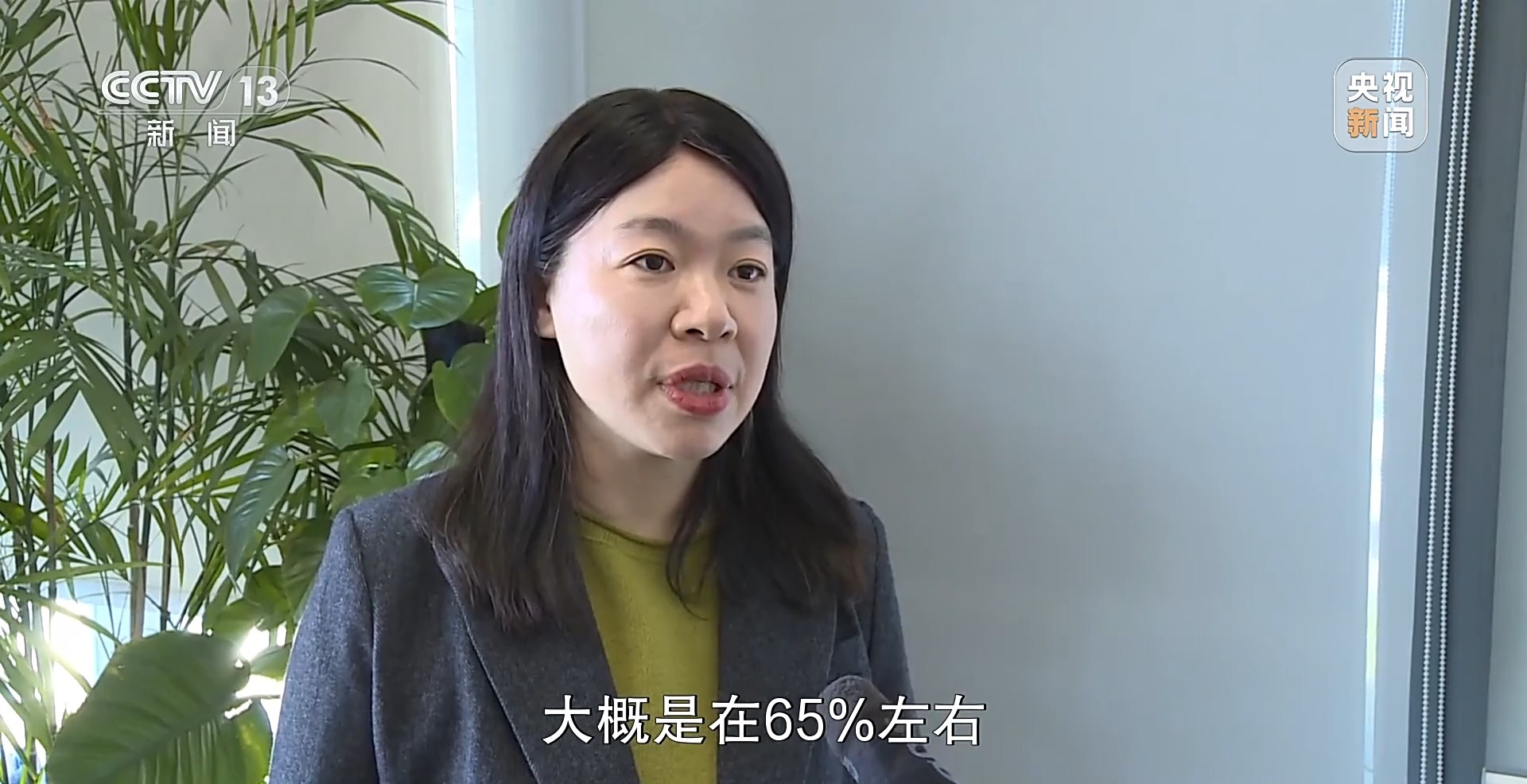
Group 1 - The core issue affecting family decisions on childbirth is the lack of reliable childcare services for children under three years old, which has been identified as a primary barrier to increasing birth rates [1] - The draft of the Childcare Services Law has been submitted for review, aiming to include affordable childcare services in the basic public service framework, signaling a government commitment to support families through a comprehensive system covering childbirth, childcare, and education [1][7] - A report indicates that over 30% of families with children under three have childcare needs, yet the actual enrollment rate in childcare institutions is only 7.86%, highlighting a significant gap despite the increase in available childcare slots [1] Group 2 - A survey revealed that 40% of parents believe the affordable monthly price for childcare should be around 30% of their disposable income, while current average prices are around 65% of that income, making it financially burdensome [3] - The average cost of childcare can consume about 50% of a family's income, which poses a challenge to encouraging higher birth rates [5] - The draft law emphasizes the government's role in developing affordable childcare services and integrating them into economic and social development plans, ensuring financial support for sustainable childcare service development [7][9] Group 3 - In Hangzhou, the average price of childcare has decreased from 3,500 yuan to 2,400 yuan per month, reducing the cost burden on families from 60% to 37.5% of their disposable income, which has contributed to an increase in enrollment rates from 8% to 23.16% [15] - The city has implemented various measures, including subsidies and tax exemptions for childcare institutions, to lower operational costs and alleviate financial pressure on families [11][13] - The introduction of childcare vouchers in Hangzhou has provided additional financial support, with families receiving monthly subsidies ranging from 600 to 1,000 yuan based on the age of their children [13] Group 4 - The national childcare subsidy program provides 300 yuan per month for each child under three, with families potentially receiving up to 3,600 yuan annually, which is part of a broader initiative to support families financially [16][24] - Local governments are also implementing additional measures, such as free childbirth services and various subsidies, to further alleviate the financial burden on families [22][27] - The government is focusing on creating a comprehensive support system for families, which includes economic, service, time, and cultural support, to encourage higher birth rates and improve family welfare [33][35]

托育服务,为带娃家庭“减负”(建言)
Ren Min Ri Bao· 2025-12-24 22:18
Core Insights - The development of inclusive childcare services is crucial for children's health and family welfare, as highlighted in the "14th Five-Year Plan" which emphasizes the establishment of a comprehensive childcare service system [1] Group 1: Current State of Childcare Services - As of the "14th Five-Year Plan" period, there are 126,000 childcare institutions in China, providing a total of 6.657 million childcare spots, with a ratio of 4.73 spots per 1,000 population for children under three years old [1] - Various regions are increasing resource investment in childcare services, with innovative measures being implemented, such as Heilongjiang's inclusion of affordable childcare services in its "Happy Heilongjiang" initiative [1] Group 2: Challenges in Childcare Services - Many working parents report a heavy burden in balancing work and childcare, with a lack of nearby, high-quality childcare institutions, and issues such as high costs and unstable service hours [2] - There is a significant gap between the effective supply of childcare services and the diverse, convenient, and inclusive needs of families, leading to concerns about affordability and trust in childcare services [2] Group 3: Recommendations for Improvement - It is recommended to establish accessible childcare institutions within communities to provide affordable and quality services to more families [2] - Encouragement of diverse social entities to participate in the provision of inclusive childcare services is necessary to create a multi-layered supply system [2] - Support for kindergartens to expand services by enrolling 2-3 year-olds and integrating childcare resources is essential [2] Group 4: Service Model Optimization - There is a need to optimize service models to meet family needs, including offering flexible childcare options such as full-time, part-time, and holiday care [3] - Establishing urban comprehensive childcare service centers is suggested to enhance the quality of childcare services and provide training and consultation for childcare institutions [3] Group 5: Integration of Health and Education - Promoting the integration of health services and childcare is vital, with recommendations to connect healthcare institutions, childcare facilities, and families to support children's health and development [4] - The establishment of "health-education combined" childcare units is proposed to introduce scientific parenting concepts and health services into childcare practices [4]
降低家庭养育成本托育服务价格
Xin Lang Cai Jing· 2025-12-22 18:17
Core Viewpoint - The draft of the Childcare Services Law has been submitted for the first review, aiming to address the current challenges in childcare services and provide legal support for the development and regulation of these services. Group 1: Government Role and Public Service - The draft law emphasizes the government's leading role in childcare services, encouraging social participation and aiming to develop inclusive childcare services to reduce family upbringing costs [1] - The inclusion of inclusive childcare services into the basic public service system reflects the government's commitment to alleviating family financial burdens and enhancing population development policies [2] Group 2: Investment and Supply Expansion - Currently, there are approximately 126,000 childcare service institutions in China, providing over 6.6 million spots, but there is a lack of a long-term financial support system, leading to uneven distribution and insufficient supply of inclusive services [3] - The draft law mandates that local governments incorporate childcare service development into economic and social planning and budget, establishing a financial guarantee mechanism to support regular investment in childcare services [3] Group 3: Safety and Health Standards - The draft law aims to ensure the health and safety of infants by establishing strict entry requirements for childcare institutions and implementing a licensing system [4] - It also requires childcare institutions to have a public information system and safety management protocols, enhancing transparency and building parental trust [4] - The law introduces qualification exams and registration for childcare workers, along with a national standard system for childcare services, ensuring quality and accountability in service delivery [5]
让更多家庭“托得起、托得好”
Guang Xi Ri Bao· 2025-12-18 03:16
Core Insights - Guangxi has prioritized childcare services as a key measure for ensuring public welfare and promoting long-term balanced population development, achieving 4.58 childcare spots per thousand people, exceeding national targets [1] - The region has established a collaborative framework involving 20 departments to enhance childcare services, integrating them into overall economic and social development plans [2] - Financial policies have been innovatively implemented to address issues of tight childcare spots and high costs, with a three-year reward policy starting in 2024 allocating 40 million yuan annually to incentivize the development of childcare networks [3] Group 1 - Guangxi has successfully exceeded the national target for childcare spots, with 93.7% of counties having at least one inclusive childcare service institution [1] - A multi-departmental joint meeting system has been established to regularly address and coordinate childcare service issues, creating a collaborative governance structure [2] - The region has introduced nearly 10 key policy documents and over 20 specialized policies to enhance the regulatory framework and service supply for childcare [2] Group 2 - Since 2021, Guangxi has allocated 414 million yuan to support the construction of inclusive childcare facilities across 14 cities, with 344 inclusive childcare centers and nurseries established [3] - The region has implemented a unified liability insurance purchase for registered childcare institutions, aiming for full coverage by 2025, which alleviates operational burdens and supports sustainable development [3] - Pilot projects for infant care services are being conducted in several cities, exploring various models to meet diverse childcare needs [4]
北京普惠托育服务基本实现街道乡镇全覆盖
Xin Hua Wang· 2025-12-11 14:16
Group 1 - The core viewpoint is that Beijing has established a comprehensive childcare service system, achieving full coverage in streets and towns with 41,000 inclusive childcare spots [1][2] - During the 14th Five-Year Plan period, Beijing focuses on demand-driven strategies to reduce prices, increase supply, improve services, and strengthen regulation in childcare services [1] - The city has set a standard price for inclusive childcare and provides financial support, offering a monthly subsidy of 1,000 yuan per child and a rental subsidy of up to 5 yuan per square meter, resulting in an average fee of around 3,000 yuan, which is half of the market average before the pilot [1] Group 2 - Beijing has released local standards for infant and toddler care institutions and implemented a comprehensive regulatory plan, establishing a "risk + credit" classification system for supervision [2] - The city has increased collaboration among departments to enhance oversight in key areas such as safety, food, fire, and health, and has mobilized parents for three consecutive years to participate in supervision of childcare institutions [2] - There has been a significant increase in public kindergarten classes and community-based childcare, with these options now making up 60% of the total spots, reflecting a high level of community acceptance [2]
真金白银助推幼有所育
Xi An Ri Bao· 2025-11-11 02:28
Core Viewpoint - Xi'an is implementing a subsidy program in the form of childcare service vouchers for families with children under three years old, aimed at reducing the financial burden of childcare and promoting a family-friendly society [1][2]. Group 1: Policy Implementation - Starting from November 10, Xi'an's health commission will distribute universal childcare service vouchers to families, enhancing participation in childcare services [1]. - The initiative addresses long-standing concerns about childcare costs and availability, which have affected work-life balance for parents [1][2]. Group 2: Market Dynamics - The vouchers are directed to parents rather than childcare institutions, allowing families to choose providers, thereby increasing demand and improving service affordability [2]. - This approach encourages childcare institutions to enhance service quality and optimize pricing structures, fostering a more competitive and regulated market [2]. Group 3: Long-term Development - The focus on affordability is not the end goal; safety, proximity, and professionalism remain critical factors influencing parents' willingness to utilize childcare services [3]. - Future plans include the establishment of various innovative childcare service models to better meet the needs of families, ensuring that childcare becomes more accessible and reliable [3].
“去年人均预期寿命达到79岁,基本医保覆盖超13亿人,育儿补贴填报人数已超80%”,国家卫健委最新公布
Mei Ri Jing Ji Xin Wen· 2025-09-11 07:32
Core Insights - The "14th Five-Year Plan" period has seen significant achievements in health and wellness, with a total of 1.09 million medical institutions expected by the end of 2024, and over 90% of residents able to reach a medical service point within 15 minutes [1] - By the end of last year, the number of health service personnel reached 15.78 million, contributing to improved health services for the public [1] - The average life expectancy of Chinese residents reached 79 years by the end of last year, with an increase of 1.1 years from 2020 [1] Group 1: Strengthening Healthcare System - The health service capacity, accessibility, and equity have continuously improved during the "14th Five-Year Plan" period, with health literacy rising from 23.2% in 2020 to 31.9% in 2024 [2] - The establishment of the world's largest disease prevention and control system has been a key focus, emphasizing prevention [2] - The basic medical insurance coverage remains stable at around 95%, covering over 1.3 billion residents, significantly reducing the financial burden of medical expenses [2] Group 2: Support for Child and Elderly Health - The National Health Commission has implemented comprehensive policies to support childbirth and reduce the costs associated with raising children, including tax deductions for childcare expenses [3] - The number of childcare positions reached 4.1 per thousand population by the end of last year, with over 80% of eligible residents registering for childcare subsidies [3] - The health needs of the elderly and children are prioritized, with specific policies aimed at promoting healthy aging and children's health [4] Group 3: Elderly Health Services - By the end of 2024, there will be one national center for geriatric medicine and six clinical research centers for elderly diseases, with 84.6% of comprehensive hospitals having geriatrics departments [5] - The construction of age-friendly medical institutions has been promoted, with 94.4% of secondary and higher public hospitals establishing "green channels" for elderly patients [5] - Approximately 140 million health management services are provided annually for individuals aged 65 and above [6] Group 4: Pediatric Health Services - The establishment of three national children's medical centers and six regional medical centers for children aims to enhance pediatric service capabilities [7] - The number of pediatric practitioners increased by 49.3% from 2020, reaching 243,900, while the number of pediatric beds per thousand children rose by 13.3% to 2.47 [7]
服务消费政策将落地——政策周观察第45期
一瑜中的· 2025-09-01 15:19
Group 1: Economic Policies and Initiatives - The focus remains on the implementation of previous policies, particularly in the service sector, with measures to enhance service consumption and stabilize employment [2][3] - The government plans to introduce several policies to expand service consumption, utilizing fiscal and financial tools to improve service supply capabilities [2][19] - A large-scale vocational skills enhancement training initiative is set to promote employment among key groups such as college graduates and veterans [3][22] Group 2: Investment and Infrastructure - The State-owned Assets Supervision and Administration Commission (SASAC) has emphasized increasing investment in infrastructure, particularly in major projects like the Yaxia Hydropower Project and the Sichuan-Tibet Railway [3][17] - The government aims to enhance the integration of artificial intelligence across six key sectors by 2027, with a target of over 70% application penetration for new intelligent terminals [4][17] Group 3: Urban Development and Management - The Central Government has issued guidelines to promote high-quality urban development, focusing on controlling the scale of megacities and optimizing the management of county-level cities [5][20] - A sustainable urban construction and operation financing system is to be established, with an emphasis on reducing local government hidden debts [5][20] Group 4: Social Welfare and Childcare - The government is set to strengthen childcare policies during the 14th Five-Year Plan period, promoting the development of inclusive childcare services at the city level [3][21] - The National Development and Reform Commission (NDRC) will support local governments in planning and implementing childcare service development schemes [21][23] Group 5: Artificial Intelligence and Technology - The government has outlined a comprehensive plan to integrate artificial intelligence into various sectors, aiming for significant advancements in smart manufacturing and data services by 2030 [4][18] - Policies will be developed to support the growth of AI-related industries, including financial backing and regulatory frameworks to foster innovation [18][22]

国家发展改革委答每经问:支持建设地级市和人口大县托育综服中心
Mei Ri Jing Ji Xin Wen· 2025-09-01 14:26
Group 1 - The core viewpoint is that the promotion of inclusive childcare services is a key measure for building a family-friendly society, which will alleviate the burden of childcare on families and promote high-quality population development [2][3] - The National Development and Reform Commission (NDRC) and the National Health Commission have issued a notice to advance inclusive childcare services by organizing local governments to develop implementation plans based on the needs of urban areas [1][2] - The initiative aims to address current issues such as insufficient resources, uneven distribution, low service quality, and inadequate support policies in the inclusive childcare sector [2][3] Group 2 - The NDRC will prioritize support for regions with high-quality implementation plans, strong local support measures, and reasonable childcare resource planning [3] - Funding will focus on three main areas: comprehensive service centers in cities and large counties, community-based inclusive childcare facilities, and the renovation and expansion of integrated childcare institutions [3] - The NDRC emphasizes the importance of aligning childcare resources with the needs of families and ensuring the sustainability and affordability of services [1][2]
股指期货将震荡整理,白银期货再创上市以来新高,震荡偏强,黄金、铜、镍、豆粕期货将偏强震荡,玻璃、纯碱期货将震荡偏弱,螺纹钢、铁矿石、焦煤、原油期货将偏弱震荡
Guo Tai Jun An Qi Huo· 2025-09-01 05:46
Group 1: Report Industry Investment Rating - Not provided in the given content Group 2: Core Viewpoints of the Report - Through macro - fundamental and technical analysis, the report predicts the trends of various futures on September 1st, 2025, including股指期货 (shock consolidation), 白银期货 (shock - strong and hitting a new high), etc. [2][3] - The A - share market has shown positive trends recently, with major indices rising in August. Multiple factors are expected to support its long - term positive development, and sectors such as technology, consumption, and dividend assets are favored [22][23][27] - The prices of international commodities are affected by various factors such as supply - demand relationships, economic data, and policies. For example, US crude oil production hitting a new high has pressured oil prices [17] Group 3: Summary by Related Catalogs 1. Futures Market Forecast (1) Stock Index Futures - On September 1st, 2025, 股指期货 will shock and consolidate and accumulate strength for an upward attack. Specific contracts have corresponding support and resistance levels. For example, IF2509 has resistance at 4550 and 4600 points and support at 4500 and 4475 points [2] - In September 2025, IF, IH, IC, and IM main contracts are expected to be shock - strong [30][31] (2) Bond Futures - On September 1st, 2025, the ten - year treasury bond futures main contract T2512 will likely have a wide - range shock, with support at 107.66 and 107.53 yuan and resistance at 107.91 and 108.04 yuan. The thirty - year treasury bond futures main contract TL2512 will also likely have a wide - range shock, with support at 116.0 and 115.3 yuan and resistance at 116.8 and 117.4 yuan [2][3] (3) Precious Metal Futures - On September 1st, 2025, the gold futures main contract AU2510 will likely be strong - shock and attack resistance levels of 794.9 and 796.3 yuan/gram, with support at 785.4 and 783.6 yuan/gram. The silver futures main contract AG2510 will likely be shock - strong, attack resistance levels of 9650 and 9700 yuan/kg, and hit a new high since listing, with support at 9386 and 9347 yuan/kg [2][3] (4) Base Metal Futures - On September 1st, 2025, copper, zinc, and nickel futures will likely be strong - shock; aluminum, alumina, tin, and industrial silicon futures will likely be weak - shock; and lead futures' trend is not specifically mentioned in this part of the prediction [3][4] (5) Energy and Chemical Futures - On September 1st, 2025, crude oil, glass, and soda ash futures will likely be weak - shock; PTA, PVC, and methanol futures will also likely be weak - shock [6][7] (6) Agricultural Product Futures - On September 1st, 2025, soybean meal futures will likely be strong - shock; soybean oil, palm oil, and cotton futures will likely be weak - shock [7] 2. Macro - Information and Trading Tips - The State Council held a meeting to study element market - oriented reform pilot projects, deploy county - level high - school revitalization, and review relevant medical plans [8] - Multiple departments have introduced policies to promote employment, support private enterprises, and develop inclusive childcare services [8][9] - The economic data shows that the business revenue of state - owned enterprises is flat, and the manufacturing and non - manufacturing PMIs have rebounded [9] - International events include Sino - US economic and trade exchanges, and the development of Sino - Russian economic cooperation [9][11] 3. A - Share Market Analysis - On August 29th, the A - share market had most major indices rising, with 3300 stocks falling, and some sectors such as lithium - battery, rare - earth, and CRO concepts leading the gains [22] - In August, the Shanghai Composite Index rose 7.97%, the Shenzhen Component Index rose 15.32%, and the ChiNext Index rose 24.13% [23] - In the future, the A - share market is expected to maintain a long - term positive trend, supported by factors such as policy support and economic improvement [27] 4. International Stock and Bond Markets - On August 29th, US stocks closed down due to factors such as technology stock corrections, tariff concerns, and inflation data. European stocks also closed down, affected by geopolitical risks and other factors [29][30] - On August 29th, US bond yields showed different trends, with long - term yields rising and short - term yields fluctuating greatly [56]