
核电复兴

Search documents
世界核能发电创新高 铀供应缺口隐忧凸显
Zhong Guo Chan Ye Jing Ji Xin Xi Wang· 2025-10-09 00:30
Core Insights - The International Atomic Energy Agency (IAEA) has raised its nuclear power capacity forecasts for 2050 for the fifth consecutive year, projecting a capacity of 561 GW in a low scenario and 992 GW in a high scenario [1] - The World Nuclear Association reported a 2.5% increase in global nuclear power generation last year, reaching a record high of 2667 TWh, surpassing the previous record set in 2006 [1] - The growth in nuclear power is primarily driven by the accelerated deployment of small modular reactor technology, although a potential uranium supply gap may hinder nuclear revival due to resource depletion in existing mines over the next decade [1] Nuclear Power Capacity Growth - As of the end of last year, there were 440 operational nuclear reactors globally, an increase of 3 from the previous year, with total nuclear power capacity rising to 398 GW [2] - The number of reactors under construction globally stands at 62, with 9 new reactors started and 7 connected to the grid last year [2] - Over 60% of nuclear power plants maintain a capacity factor above 80%, with the average capacity factor rising to 83%, indicating strong operational performance [2] Regional Growth Trends - The growth in global nuclear power generation over the past decade has been largely driven by developments in Asia, with 5 out of 7 new reactors connected last year located in the region [4] - France has significantly contributed to global nuclear power capacity growth, particularly with the restart of previously offline reactors [4] - The U.S. operates the most reactors globally, with a total capacity of 97 GW, and aims to increase its nuclear capacity to 400 GW by 2050 [4] Uranium Supply Challenges - The World Nuclear Association forecasts a 33% increase in uranium demand by 2030, reaching 86,000 tons, and 150,000 tons by 2040, while existing uranium production is expected to halve during the same period [6] - The IAEA and the OECD Nuclear Energy Agency indicate that current uranium resources can support nuclear power until 2050 and beyond, but significant investment in exploration and mining is required to meet rising demand [6] - The uranium market is facing challenges due to aging mines and lengthy production cycles for new projects, leading to a potential supply-demand imbalance [7] Price Outlook - Current uranium spot prices are around $80 per pound, with expectations for prices to rise to $87 per pound by Q4 of this year and potentially reach $100 per pound by 2026 [7]
AI核电,美国本土造! 纽柯钢铁携手TNC点燃美国核电复兴之火
Zhi Tong Cai Jing· 2025-09-30 02:00
Core Insights - The strategic partnership between The Nuclear Company (TNC) and Nucor Steel aims to enhance the U.S. nuclear energy supply chain and support domestic manufacturing and AI systems with reliable power sources [1][2] - The collaboration focuses on assessing steel and manufacturing processes that meet ASME NQA-1 certification standards, ensuring a reliable domestic supply of nuclear-grade steel [1][6] - This partnership aligns with the U.S. government's push for nuclear energy revival, particularly under the Trump administration, which has set ambitious goals for nuclear power capacity by 2050 [1][4] Group 1: Strategic Partnership - TNC and Nucor Steel's collaboration is designed to establish a robust foundation for the revival of the U.S. nuclear power system, utilizing domestically sourced, certified nuclear-grade steel [2][5] - The partnership aims to reduce uncertainty and lower capital costs for nuclear projects, which is crucial for major tech companies investing heavily in nuclear energy [2][7] - Nucor's strategy aligns with modernizing U.S. energy infrastructure and positioning itself as a key player in the nuclear energy sector [1][5] Group 2: Market Demand and Energy Needs - The demand for electricity, particularly from nuclear sources, is surging due to unprecedented growth in data centers driven by AI and cloud computing [3][4] - A report from PJM Interconnection predicts a 70 GW increase in summer peak load over the next 15 years, highlighting the urgent need for reliable power sources [3] - The International Energy Agency forecasts that global data center electricity demand will more than double by 2030, with AI applications being the primary driver of this growth [3] Group 3: Nuclear Energy's Role - Nuclear energy is increasingly favored by major tech companies for its clean, stable, and efficient characteristics, making it a preferred power source for large data centers [4][6] - The U.S. government's renewed focus on nuclear energy, particularly under Trump, has led to significant policy changes aimed at revitalizing the nuclear sector [4][5] - The establishment of a domestic nuclear-grade supply chain is essential for the scalability of small modular reactors (SMRs), which require stable production capabilities [6][7]

世界核能发电创新高,铀供应缺口隐忧凸显
中国能源报· 2025-09-22 01:49
Core Viewpoint - The global nuclear power sector is experiencing significant growth, driven by the accelerated deployment of small modular reactor technology, but faces potential uranium supply shortages due to resource depletion in existing mines over the next decade [1][3][9]. Group 1: Nuclear Power Capacity Growth - The International Atomic Energy Agency (IAEA) projects that global nuclear power generation capacity could reach 561 GW in a low scenario and 992 GW in a high scenario by 2050, marking the fifth consecutive year of upward revisions to nuclear expansion forecasts [3]. - As of the end of last year, there were 440 operational nuclear reactors worldwide, with a total installed capacity of 398 GW, an increase of 6 GW from the previous year [5]. - The average capacity factor for nuclear power plants rose to 83%, continuing a trend of high operational performance since 2000, with over 60% of nuclear units maintaining capacity factors above 80% [5][6]. Group 2: Regional Developments - The growth in global nuclear power generation over the past decade has been primarily driven by developments in Asia, where five out of seven new reactors connected to the grid last year were located [7]. - The United States operates the most nuclear reactors globally, with 94 reactors and a total capacity of 97 GW, and aims to increase its nuclear capacity to 400 GW by 2050 [7]. Group 3: Uranium Demand and Supply Challenges - Uranium demand is expected to increase by one-third to 86,000 tons by 2030, and to 150,000 tons by 2040, while existing uranium production is projected to halve during the same period, leading to a supply-demand imbalance [10][11]. - The IAEA and the OECD Nuclear Energy Agency indicate that while proven uranium resources can support nuclear power through 2050 and beyond, significant investment in exploration, mining, and processing technologies is necessary to meet rising demand [10]. - Current uranium spot prices are around $80 per pound, with projections suggesting prices could rise to $100 per pound by 2026 due to supply challenges and stable demand [11].

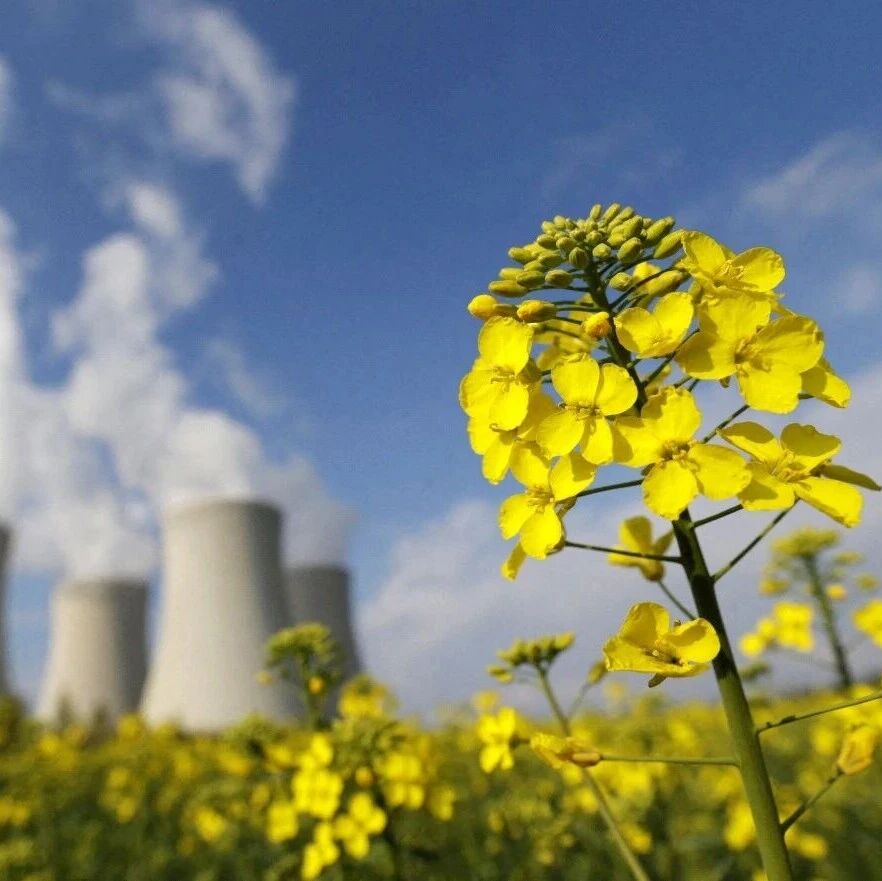
美国关税重大调整! 特朗普宣布豁免黄金、钨以及铀全球关税
智通财经网· 2025-09-06 04:41
Core Points - The article discusses significant tariff adjustments made by President Trump, exempting graphite, tungsten, uranium, gold bars, and other metals from the U.S. government's global tariff policy while including silicone products in the taxable category [1][2] - The adjustments are aimed at facilitating trade agreements with other countries and streamlining the process for implementing tariff changes without requiring new executive orders for each agreement [2][3] - The exemptions for gold, tungsten, and uranium are strategically important for financial stability, manufacturing, defense, and energy security, as they are critical materials that could impact key U.S. industries if subjected to tariffs [4][5] Group 1 - The U.S. Trade Representative (USTR) and the Department of Commerce are now authorized to implement framework trade agreements with countries like the EU, Japan, and South Korea, reducing the need for Trump to issue new executive orders for each tariff change [2][3] - The exemptions include key materials used in aerospace, consumer electronics, and medical devices, which are vital for various technological sectors [3][4] - The decision to exempt these materials aligns with the goal of maintaining the resilience of critical domestic industries and ensuring national security [4][5] Group 2 - Tungsten is crucial for the U.S. military industry, particularly in high-performance weaponry, and is heavily reliant on imports due to its unique physical properties [5] - Uranium is essential for nuclear energy production, which is a focus of Trump's administration, as it aims to revitalize the U.S. nuclear power sector [5] - The adjustments reflect a broader strategy to address trade imbalances and enhance the competitiveness of U.S. industries while ensuring access to critical materials [2][4]
中国铀业上市背后的全球核博弈
投中网· 2025-08-19 06:25
Core Viewpoint - The article discusses the complex geopolitical dynamics surrounding uranium resources, emphasizing the strategic importance of uranium enrichment technology and its implications for global power relations, particularly in the context of the ongoing Russia-Ukraine conflict and the historical "Megatons to Megawatts" agreement between the U.S. and Russia [6][8][15]. Geopolitical Context - The "Megatons to Megawatts" agreement allowed Russia to convert 500 tons of weapons-grade highly enriched uranium into low-enriched uranium, supplying the U.S. with 50% of its nuclear power fuel from 1993 to 2013, generating $13 billion for Russia [6]. - The U.S. has become increasingly dependent on Russian uranium, with Russian exports to the U.S. rising to 510,000 tons from 2011 to 2020, accounting for over 20% of the U.S. market share [12]. - European countries also heavily rely on Russian uranium, with some nations depending on it for 40%-60% of their nuclear power generation [14]. Uranium Supply and Demand - China imports approximately 60% of its uranium from Kazakhstan and 30% from Namibia, with increasing reliance on Russian uranium in recent years [15]. - The global uranium supply is significantly influenced by geopolitical factors, as seen in the case of Niger, which has threatened to cut uranium supplies to France following a coup [19][21]. Financial Dynamics - The Sprott Physical Uranium Trust (SPUT) has been active in the uranium market, purchasing over 700 tons of uranium in June 2023, which led to a 12.7% increase in spot prices [22]. - The World Bank's recent decision to lift the ban on nuclear project financing is expected to stimulate capital inflow into the uranium sector, reflecting a growing recognition of nuclear power's role in energy security [25][28]. China's Uranium Strategy - China aims to increase its nuclear power capacity significantly by 2035, necessitating a rise in uranium demand [31]. - The China National Nuclear Corporation (CNNC) is focusing on expanding its uranium production capabilities both domestically and internationally, with plans to enhance its control over uranium resources [32][34]. - The IPO of China Uranium Industry is seen as a strategic move to leverage capital markets for expanding uranium mining operations [34].

华源证券:政策催化与地缘脱钩共振 推动浓缩铀环节战略价值重估
Zhi Tong Cai Jing· 2025-07-31 02:49
Group 1 - The core viewpoint is that the "de-Russification" policies in Europe and the United States are creating restructuring opportunities in the nuclear power industry, particularly in the demand for enrichment services [1][2]. - The global supply of enriched uranium is highly concentrated, and the geopolitical restructuring is leading to structural opportunities, with non-Russian suppliers like Urenco and Orano experiencing increased orders and prices [2][3]. - The commercialization of Small Modular Reactors (SMRs) and the increase in enrichment concentration are expected to significantly boost the demand for Separative Work Units (SWU), with HALEU requiring substantially more SWU compared to conventional LEU [3][4]. Group 2 - The U.S. government is accelerating the reconstruction of its domestic uranium supply chain through various legislative and administrative measures, with Centrus positioned as a key beneficiary due to its capabilities in HALEU production [4]. - The Inflation Reduction Act of 2022 allocated $700 million to support HALEU supply plans, and an additional $2.7 billion is earmarked for expanding LEU and HALEU production capacity in 2024 [4]. - Centrus has received multiple contracts from the Department of Energy (DOE) and is restarting centrifuge manufacturing, aligning closely with U.S. policy directions for nuclear fuel self-sufficiency [4].
A股重磅!“国家队”,再度出手!中概股,全线上涨!
券商中国· 2025-07-22 23:22
Core Viewpoint - The article highlights the increasing investment in controlled nuclear fusion by China's national team, emphasizing the strategic importance of this sector for future energy solutions and environmental goals [1][5][6]. Investment and Company Formation - On July 22, China Fusion Energy Co., Ltd. was officially established in Shanghai, with significant participation from key government and industry leaders [2]. - China National Nuclear Power Co. plans to invest 1 billion yuan in the fusion company, acquiring a 6.65% stake, as part of a broader investment of approximately 11.49 billion yuan from multiple entities [3][4]. Financial Overview - As of December 31, 2024, the fusion company reported total assets of 611.56 million yuan and a net loss of 202.60 million yuan. By June 30, 2025, total assets are projected to be 5.37 billion yuan with a reduced net loss of 43.26 million yuan [4]. Strategic Importance - The investment aligns with national strategies for energy transition and aims to solidify the central enterprises' leading role in the nuclear fusion industry, supporting the commercialization of fusion technology [5][6]. Industry Development - Controlled nuclear fusion is recognized as a key solution for global energy challenges and is a focal point of technological competition among nations. China has integrated support for this industry into its top-level design, with various policies promoting research and development [7][8]. - The global investment in the fusion sector is projected to reach approximately 1.74 billion USD by 2024, with significant contributions from China and the U.S. [9]. Nuclear Power Expansion - The Chinese government has approved several new nuclear power projects, maintaining a steady pace of approvals, which is expected to continue supporting the growth of nuclear energy as a clean power source [10][11]. - The demand for natural uranium is anticipated to grow at an annual rate of over 4% from 2024 to 2040, indicating a tightening supply situation that could benefit companies in the uranium sector [12].

中广核矿业(01164.HK):全球核电复苏下的铀资源核心资产 新长协定价机制抬升业绩预期
Ge Long Hui· 2025-07-12 19:22
Group 1 - The company, China General Nuclear Power Corporation (CGN), is the only pure uranium listed company in East Asia, backed by CGN Group, which provides a stable platform for overseas uranium resource development and financing [1] - As of the end of 2024, the company holds a total of approximately 34,000 tons of uranium resources from four uranium mines in Kazakhstan, utilizing in-situ leaching methods with lower mining costs than the global average [1] - The company has a stable financial structure, maintaining a debt-to-asset ratio below 50% over the past two years, and is expected to benefit from the injection of high-quality assets from CGN Group in the future [1][2] Group 2 - The company has established a robust profit model through a dual approach of self-production and international trade, with a pricing mechanism linked to spot prices, allowing for profit expansion as uranium prices rise [2] - In 2024, the company is projected to achieve a revenue of HKD 8.624 billion, a year-on-year increase of 17%, with a net profit of HKD 342 million, despite some impacts from tax rate adjustments [2] - The new sales agreements are expected to elevate profit margins, with a pricing mechanism that increasingly reflects market conditions [2] Group 3 - The global nuclear power revival is accelerating, with the World Nuclear Association (WNA) predicting an average annual compound growth of over 4% in natural uranium demand from 2024 to 2040 [3] - The supply-demand gap for uranium is expected to widen in the medium to long term due to high resource concentration and declining exploration investments since 2015, leading to a tightening supply trend [3] - The company is positioned to benefit from the anticipated high uranium prices, supported by its low-cost structure and abundant resources [3] Group 4 - The company is expected to achieve net profits of HKD 573 million, HKD 942 million, and HKD 1.183 billion in 2025, 2026, and 2027 respectively, reflecting significant year-on-year growth [3] - The company’s projected price-to-earnings (PE) ratio for 2026 is 18X, which is below the industry average PE of 29X for comparable companies in the US [3]

中广核矿业(01164):全球核电复苏下的铀资源核心资产,新长协定价机制抬升业绩预期
Hua Yuan Zheng Quan· 2025-07-11 08:31
Investment Rating - The report assigns a "Buy" rating for the company, marking its first coverage [5][10]. Core Views - The company is positioned as a core asset in uranium resources, benefiting from the global nuclear power recovery and a new long-term pricing mechanism that enhances performance expectations [5]. - Backed by China General Nuclear Power Group, the company has a leading global resource layout and long-term growth potential, being the only pure uranium listed company in East Asia [5][10]. - The company has a dual-driven model of "self-produced + international trade," which stabilizes growth and profitability [6]. Summary by Sections Market Performance - The closing price is HKD 2.26, with a market capitalization of HKD 17,177.54 million [3]. Financial Performance - The company achieved a revenue of HKD 86.24 billion in 2024, a year-on-year increase of 17%, with a net profit of HKD 3.42 billion [6][21]. - The projected net profits for 2025, 2026, and 2027 are HKD 5.73 billion, HKD 9.42 billion, and HKD 11.83 billion, reflecting growth rates of 67.5%, 64.4%, and 25.6% respectively [8][10]. Business Model - The business model consists of self-produced trade and international trade, with the international trade segment providing stable profit through price differences [19]. - The company holds a 49% equity stake in several uranium mines in Kazakhstan, ensuring a stable supply and cost advantage [5][41]. Pricing Mechanism - The new pricing mechanism for 2026-2028 includes a base price (BP) and spot price (SP) structure, with BP set to increase annually, enhancing profit margins [6][49]. Market Outlook - The global nuclear power revival is expected to drive uranium demand, with an average annual growth rate of over 4% from 2024 to 2040 [7]. - The company is well-positioned to benefit from the tightening supply of uranium due to high resource concentration and declining exploration investments [7]. Valuation - The company’s projected P/E ratio for 2026 is 18X, which is below the industry average of 29X, indicating potential undervaluation [10].
中广核矿业(01164):深度报告:签订新销售框架协议,充分受益铀价上行
China Post Securities· 2025-06-10 05:28
Investment Rating - The investment rating for the company is "Buy" and is maintained [1]. Core Views - The company is entering a fast development phase, being the only platform for overseas uranium resource development under China General Nuclear Power Group, with significant revenue growth following acquisitions [2]. - The company benefits from strong internal demand for nuclear power and has a cost advantage due to its mining operations, with projected sales volumes increasing significantly in the coming years [2]. - The uranium market is expected to remain tight due to geopolitical conflicts and recovering nuclear power demand, with a forecasted supply growth of approximately 8.51% in 2024 and 6.03% in 2025 [2]. - Revenue projections for 2025, 2026, and 2027 are estimated at 84.46 billion, 96.48 billion, and 99.72 billion HKD respectively, with corresponding net profits of 6.20 billion, 9.22 billion, and 10.53 billion HKD [2]. Summary by Sections Section 1: Company Overview - The company was established in 2001 and is the sole platform for overseas uranium resource development under China General Nuclear Power Group, with significant acquisitions enhancing its market position [6]. - The company is controlled by the State-owned Assets Supervision and Administration Commission, with a majority stake held by China General Nuclear Power Group [11]. Section 2: Uranium Industry - The uranium industry is characterized by a tight supply-demand balance, with long-term demand expected to outstrip supply due to increasing nuclear power installations and geopolitical factors [33][47]. - The company is well-positioned to benefit from the expected recovery in nuclear power demand, with significant growth in uranium prices anticipated [40][44]. Section 3: Profit Forecast - The company is projected to achieve substantial revenue and profit growth over the next three years, with a corresponding increase in earnings per share [49]. - The forecasted earnings reflect a strong recovery in uranium prices and increased production volumes from the company's mining operations [49].