
沙特2030愿景

Search documents
“石油王国”经济版图重塑
第一财经· 2025-12-13 04:01
Core Viewpoint - Saudi Arabia's economy has undergone significant transformation over the past decade, with the non-oil sector's contribution to GDP rising from 45.4% to 55.6%, driven by the "Vision 2030" initiative aimed at economic diversification [3][4]. Economic Growth and Diversification - The non-oil economy's growth rate for the first three quarters of the year reached 4.7%, with an expected annual growth of 5%, making it a key driver of overall economic growth [5]. - The Saudi Ministry of Finance projects a GDP growth acceleration to 4.4% in 2025, with non-oil sector growth anticipated at 5% [3][5]. - Despite a decline in total fiscal revenue due to falling oil prices, non-oil revenue has exceeded expectations, confirming the effectiveness of the economic diversification process [5][6]. Key Sectors Supporting Growth - The growth of the non-oil sector is supported by various fields, including increased local content in public procurement, which stimulates domestic manufacturing [6]. - Wholesale and retail trade have become significant contributors to non-oil growth, closely linked to strong private consumption trends [6]. - Government measures, such as capping gasoline prices and providing direct financial support, have stabilized residents' real income and boosted consumption [6][7]. Role of National Development Fund (NDF) - The NDF plays a crucial role in the economic transformation by ensuring that all its funds align with the national vision [7][8]. - NDF acts as a catalyst to attract both domestic and international investors by providing funding support and capacity building [8]. - The NDF is adjusting its business model to facilitate the government's shift from public spending to capital-driven investment [8]. Investment Opportunities and International Cooperation - Saudi Arabia has become a major player in green investment, with $12 billion in green financing issued this year, capturing two-thirds of the Middle East's green finance market [8]. - The NDF is actively fostering cross-national partnerships, particularly with China, which is Saudi Arabia's largest trading partner [10][11]. - Infrastructure remains a primary area of interest for Chinese investors, with ongoing discussions and agreements to enhance cooperation in this sector [11].

“石油王国”经济版图重塑,沙特非石油经济是怎样撬动的
Di Yi Cai Jing· 2025-12-12 11:12
Economic Growth and Diversification - Saudi Arabia's actual GDP growth is expected to accelerate to 4.4% by 2025, with the non-oil sector projected to grow by 5% [1] - The share of the non-oil sector in Saudi Arabia's GDP has increased from 45.4% a decade ago to 55.6% today, driven by the "Vision 2030" economic diversification initiative [1] - The non-oil economy's growth rate for the first three quarters of this year was 4.7%, with an expected annual growth of 5%, making it a key driver of overall economic growth [3] Vision 2030 and National Development Fund (NDF) - The NDF has played a crucial role in aligning its strategies with the national "Vision 2030" goals, acting as a catalyst for local and international investments [5][6] - As of this year, 93% of the key performance indicators (KPIs) related to the Vision 2030 goals have been on track, with 257 indicators exceeding their targets [3] - The NDF is focusing on unlocking capital and ensuring that every Riyal spent generates a multiplier effect, particularly in projects like green hydrogen [6] Investment and Economic Sectors - The Saudi government is promoting local content in public procurement, which has stimulated the growth of the domestic non-oil manufacturing sector [3] - The tourism sector is being actively developed, supported by the establishment of the Tourism Development Fund (TDF) [4] - Saudi Arabia's green investment and sustainable finance issuance has reached $12 billion this year, capturing two-thirds of the Middle East's green finance market [6] China-Saudi Cooperation - China is Saudi Arabia's largest trading partner, with trade volume expected to reach $107.5 billion in 2024, a significant increase from $5 billion at the time of diplomatic relations [7] - The NDF is facilitating partnerships between Saudi Arabia and China, focusing on sectors such as infrastructure, digital economy, and green development [8][9] - Many Chinese investors are particularly interested in the infrastructure sector, indicating strong bilateral cooperation potential [9]

沙特王储批准2026年预算
Shang Wu Bu Wang Zhan· 2025-12-08 16:13
《经济报》 12月2日报道, 沙特王储穆罕默德·本·萨勒曼表示,周二由他主持的内阁会议批准的预 算案,重申了政府致力于增强沙特经济韧性和灵活性的决心,这将促进沙特经济的可持续增长,并使其 能够克服经济挑战和波动。沙特国家预算总支出约为1.3万亿里亚尔,总收入预计约为1.147万亿里亚 尔,预计赤字为1654亿里亚尔。王储指示各大臣和官员积极致力于落实预算中包含的各项发展和社会项 目,以助力实现沙特"2030愿景"的目标,并将公民及其福祉置于首要位置。 (原标题:沙特王储批准2026年预算) ...
复星与沙特Fakeeh Care Group达成战略合作
Sou Hu Cai Jing· 2025-12-04 10:36
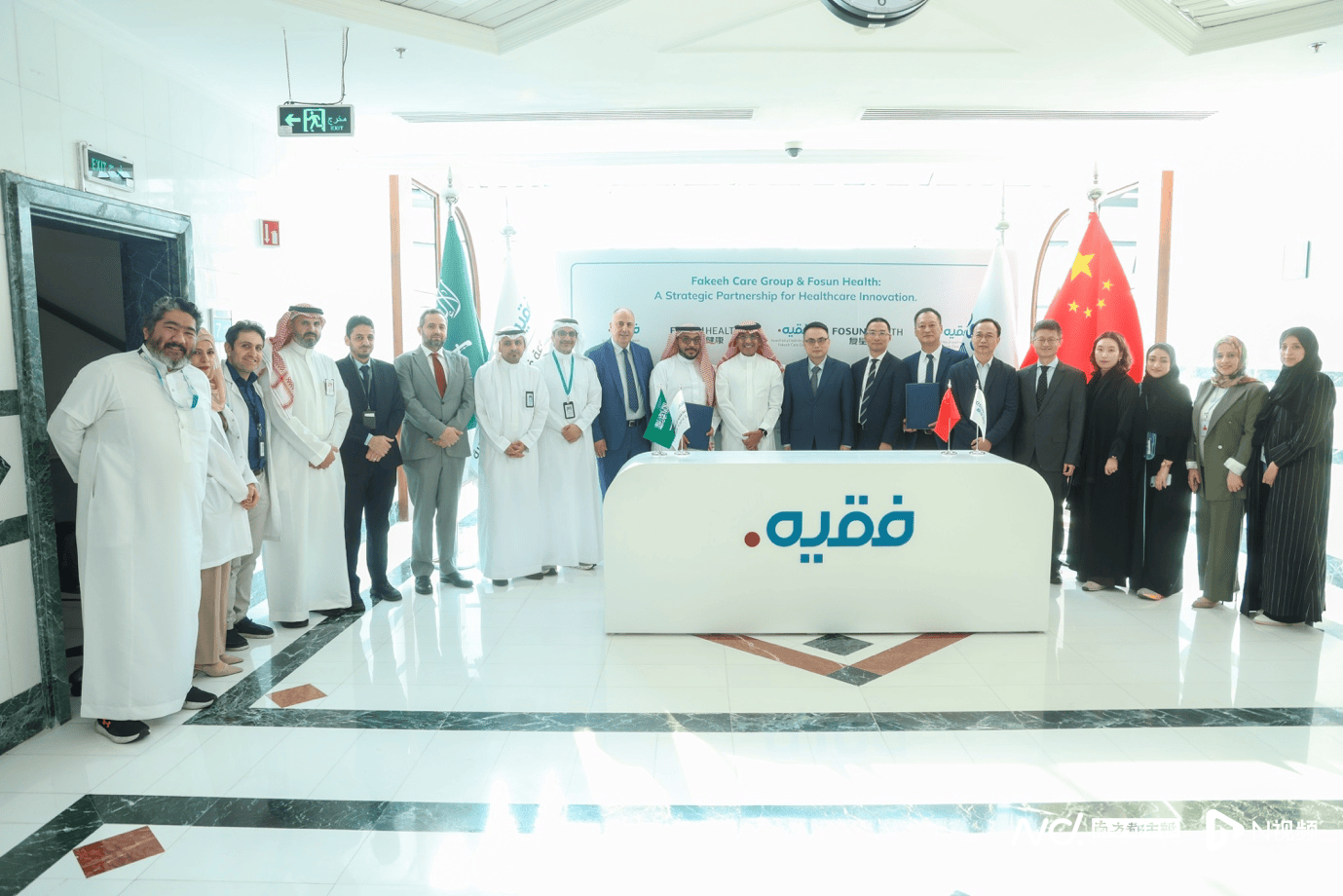
近日,复星健康与Fakeeh Care Group在沙特吉达正式签署战略合作备忘录。双方围绕专科建设与学术交流、IT与数字化医院解决方案、预防医学与可穿戴设 备、干细胞与再生医学四大核心方向达成战略合作探索意向,为"一带一路"倡议下中沙医疗健康合作注入新活力,也为沙特"2030 愿景"医疗板块升级添砖 加瓦。 近日,复星健康董事长兼首席执行官胡航,复星健康联席总裁、首席战略官沈赟,复星健康副总裁、佛山复星禅诚医院院长赵晓东等领导团队,受邀前往沙 特阿拉伯,对当地领先的私营医疗健康集团Fakeeh Care Group进行实地考察与深度交流。 复星健康领导一行参观了该集团位于吉达的旗舰医院,双方围绕医院规划、学科运营和服务质量等议题展开深入探讨。复星健康董事长兼首席执行官胡航对 Fakeeh Care Group医院体系化的管理、先进设施和高标准服务表示赞赏,期待双方团队紧密协作,推动合作项目扎实落地。Fakeeh Care Group吉达旗舰医院 首席执行官Sohail Bajammal博士表示,沙特医疗市场需求广阔,期待引入复星健康在中国市场的经验与创新模式,共同促进项目在沙成功实施。 随后,在复星健康董事 ...
深度绑定沙特“2030 愿景”:挚达科技(02650)斩获超亿元充电桩大单!
智通财经网· 2025-11-30 13:41
Core Insights - The announcement of a significant contract between Zhidatech and Saudi Controls Ltd marks a strategic entry into the Middle Eastern electric vehicle market, with a focus on local production and high-quality charging solutions [1][19] - The partnership is not just a one-time sale but establishes a deep, long-term collaboration that includes technology transfer and local manufacturing capabilities, creating a competitive barrier [6][7] Group 1: Market Potential - Saudi Arabia's electric vehicle penetration is currently below 1%, but a recent survey indicates that 40% of the population intends to purchase electric vehicles within the next three to four years, signaling a potential market explosion [3][4] - The Saudi government's "Vision 2030" aims for 30% of vehicles in Riyadh to be electric by 2030, with plans to build over 5,000 fast charging stations and invest approximately $39 billion in the electric vehicle industry [4][10] Group 2: Strategic Positioning - Zhidatech's collaboration with a strong local partner allows it to secure a core position in the charging infrastructure supply chain at an early stage of the electric vehicle industry in Saudi Arabia [9] - The five-year contract provides Zhidatech with predictable cash flow and opportunities for ongoing revenue through software upgrades and maintenance services, transitioning its business model to a comprehensive ecosystem [7][19] Group 3: Economic and Social Impact - The establishment of a local manufacturing facility aligns with the "Vision 2030" goal of localizing the supply chain, creating numerous jobs in the manufacturing sector [10] - The electric vehicle ecosystem in Saudi Arabia is projected to contribute 2% to non-oil GDP and create over 100,000 new jobs, highlighting the dual benefits of economic growth and social responsibility [10] Group 4: Consumer Dynamics - The affluent consumer base in Saudi Arabia is less price-sensitive and more focused on brand and technological innovation, making it an ideal market for Zhidatech's advanced products [13] - The shift towards electric vehicles and local manufacturing is seen as a fashionable and patriotic choice among the new generation of Saudi elites, enhancing brand loyalty and market potential for Zhidatech [14] Group 5: Long-term Vision - Saudi Arabia's transition from an oil-dependent economy to a diversified one is critical for its future, and investments in companies like Zhidatech represent a commitment to this transformation [16][17] - The synergy between traditional oil profits and new energy investments creates a robust growth environment for the electric vehicle market, positioning Zhidatech favorably for future expansion [17]
吉达海岸将开发价值20亿美元的度假村项目
Shang Wu Bu Wang Zhan· 2025-11-26 16:26
(原标题:吉达海岸将开发价值20亿美元的度假村项目) 沙特旅游业正日渐成为沙特经济的重要组成部分,"2030愿景"计划将旅游业的GDP贡献率提升至 10%。截至2025年第三季度末,沙特各景区已吸引8800万游客,预计五年内这一数字将增至每年1.5亿 人次,其中8000万游客来自沙特境内,7000万游客来自境外。 Asharq News 11月14日报道,Madad地产公司与沙特公共投资基金旗下的吉达市中心项目发展公司 (JCDC)以及酒店管理公司Kerzner International签署协议,将在吉达红海沿岸打造两个分别以Atlantis 和One&Only品牌命名的豪华度假村项目,总投资额约为76亿里亚尔(20.3亿美元)。 ...
中东造车局,等来一个欧洲贵族
汽车商业评论· 2025-11-24 23:07
Core Insights - Saudi Arabia is shifting from being a consumer to a manufacturer in the automotive industry, aiming to establish a local vehicle production base as part of its Vision 2030 initiative [4][7][9] - The memorandum of understanding signed with Stellantis and Petromin marks a strategic step towards localizing production and enhancing the supply chain in Saudi Arabia [7][8] - The automotive market in Saudi Arabia is transitioning, with a significant focus on electric vehicles (EVs) and a projected increase in local manufacturing capabilities [11][12][14] Group 1: Memorandum of Understanding - The memorandum aims to assess the feasibility of building a vehicle manufacturing plant in Saudi Arabia, focusing on both passenger and commercial vehicles [7] - Key players involved include the Saudi Investment Ministry, the National Industrial Development Center, Stellantis, and Petromin, emphasizing local production and job creation [8] - The project is still in the early stages, with specific investment amounts and production capacity details yet to be disclosed [7] Group 2: Market Dynamics - Saudi Arabia is the largest automotive market in the Middle East, with passenger vehicles expected to account for over 70% of the market by 2024, while traditional fuel vehicles still dominate [11] - The demand for electric vehicles is growing, with sales projected to reach approximately 24,000 units in 2024, marking it as the fastest-growing segment [11] - Chinese brands are gaining traction in the EV market, with expectations to increase their market share in the Middle East and Africa from about 10% in 2024 to over 30% by 2030 [11] Group 3: Strategic Partnerships - The King Salman Automotive Industry Cluster is being developed in the Red Sea Economic City, attracting companies like Lucid and Hyundai to establish manufacturing facilities [12][13] - Stellantis is investing in local production to align with its "Dare Forward 2030" strategy, aiming for a 22% market share in the region and a significant increase in electric vehicle offerings [14][16] - The collaboration with Stellantis is seen as a way for Saudi Arabia to diversify its economy and reduce reliance on oil by developing a robust automotive manufacturing sector [17][18]

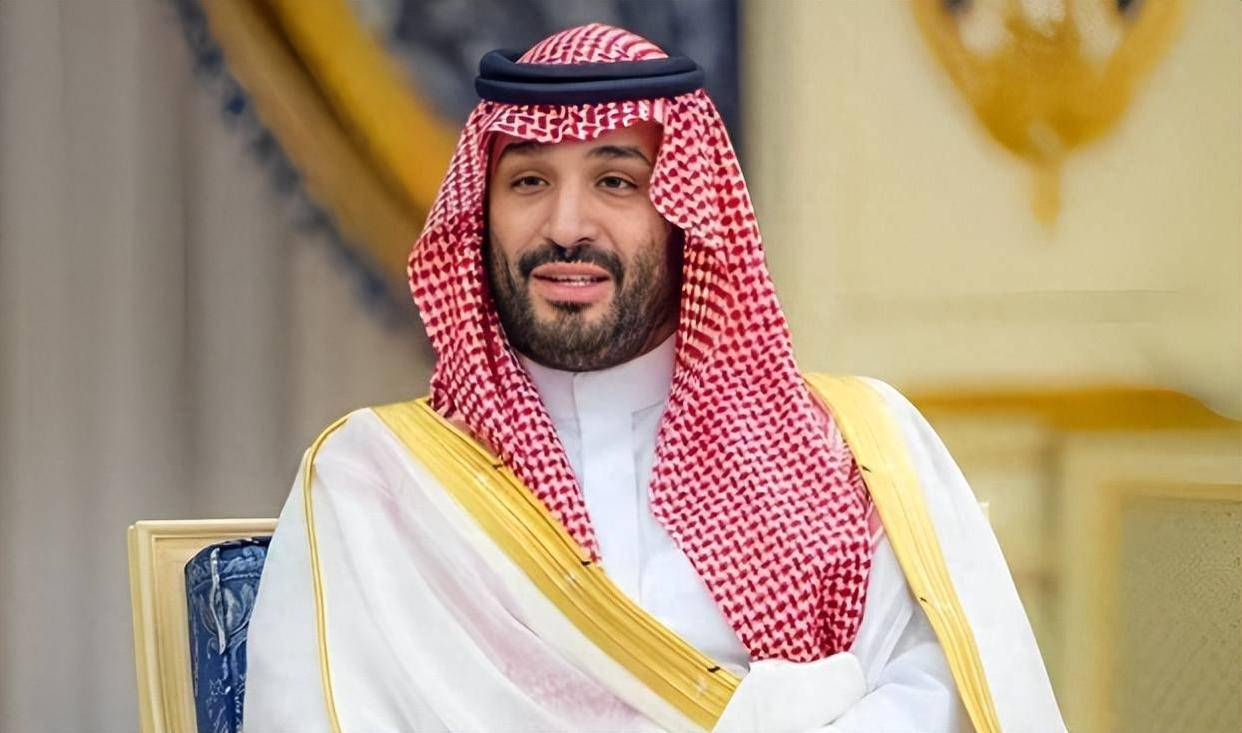
突发特讯!沙特通告全球:对美国投资增至1万亿美元,引爆国际舆论
Sou Hu Cai Jing· 2025-11-19 07:51
Group 1 - The core announcement from Saudi Crown Prince Mohammed bin Salman is the increase of Saudi investments in the U.S. from $600 billion to an unprecedented $1 trillion, signaling a significant shift in international economic relations [1][2]. - This investment is not merely a financial maneuver but is underpinned by three strategic layers: strengthening U.S.-Saudi relations, accelerating Saudi Arabia's Vision 2030, and positioning Saudi Arabia within the geopolitical landscape [2][3]. - The investment serves as a "super adhesive" to solidify the alliance between Washington and Riyadh, reminiscent of the "petrodollar" agreements of the 1970s, creating a mutually beneficial relationship based on economic interdependence [2][3]. Group 2 - The $1 trillion investment is viewed as a catalyst for Saudi Arabia's transition away from oil dependency, facilitating access to advanced technologies in various sectors such as AI, renewable energy, biotechnology, and semiconductors [2][3]. - This move also reflects a strategic positioning in the geopolitical chess game, indicating Saudi Arabia's continued alignment with Western powers amidst a rapidly changing Middle Eastern landscape [3][4]. - The investment highlights the dual nature of U.S. dollar dominance, reinforcing its status while simultaneously exposing systemic risks associated with over-reliance on dollar assets, as global economies seek diversification [5][6]. Group 3 - The announcement signifies a broader trend of "Global South" countries seeking a dynamic balance between traditional alliances and new partnerships, moving away from binary choices in international relations [5][6]. - The implications of this investment extend beyond immediate financial impacts, suggesting a reconfiguration of global power dynamics and the emergence of new economic orders [8][10]. - The investment is a reminder that national interests drive international actions, with pragmatic calculations often overshadowing ideological considerations in global affairs [8][10].
沙特主权基金Q3大举撤资美股:清仓近12只股票,持仓规模降至年内新低
智通财经网· 2025-11-17 01:37
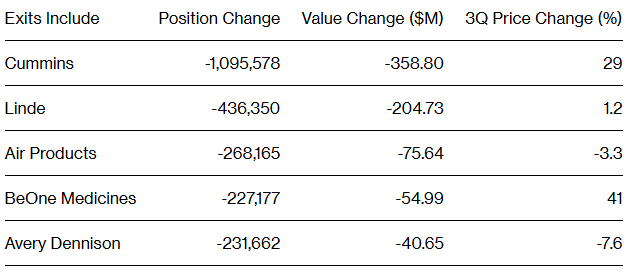
Core Insights - Saudi Arabia's Public Investment Fund (PIF) has liquidated nearly 12 stocks listed in the U.S. during Q3, including Pinterest and Linde, reducing its U.S. equity holdings to the lowest level in a year [1] - The fund's U.S. stock portfolio value has decreased to $19.4 billion, representing an approximate 18% quarter-over-quarter decline, marking the lowest level since 2025 [1][2] - PIF continues to hold shares in Uber and Electronic Arts but has slightly reduced its stake in Lucid Group [1][3] Exits and Position Changes - Significant exits include: - Cummins: -1,095,578 shares, value change of -$358.80 million, with a price change of +29% [2] - Linde: -436,350 shares, value change of -$204.73 million, with a price change of +1.2% [2] - Air Products: -268,165 shares, value change of -$75.64 million, with a price change of -3.3% [2] - Avery Dennison: -231,662 shares, value change of -$40.65 million, with a price change of -7.6% [2] Top Holdings - PIF's major holdings in the U.S. include: - Uber: 72,840,541 shares valued at $7.14 billion, accounting for 3.5% of the portfolio [3] - Electronic Arts: 24,807,932 shares valued at $5.00 billion, accounting for 9.9% of the portfolio [3] - Lucid Group: 177,088,867 shares valued at $4.21 billion, accounting for 22% of the portfolio [3] - Take-Two Interactive: 11,414,680 shares valued at $2.95 billion, accounting for 6.2% of the portfolio [3] Strategic Focus - The recent divestments align with PIF's strategy to focus on domestic investments to support Saudi Arabia's economic diversification plan [2][4] - PIF aims to invest $70 billion post-2025, primarily within Saudi Arabia, with $57 billion already allocated for 2024 [5] - Further details on PIF's investment strategy for 2026-2030 are expected to be released early next year [5]


长期资本赋能中沙跨境合作:从技术协同到生态升级
Zhong Guo Jing Ying Bao· 2025-11-14 10:04
Group 1: Core Insights - The conference highlighted significant complementary opportunities between China and Saudi Arabia in the fields of renewable energy and infrastructure, emphasizing the need for long-term capital to address challenges such as financing, standard differences, and cultural adaptation [1] - Saudi Arabia is experiencing substantial growth opportunities in infrastructure and renewable energy, with an increasing integration of renewable energy into the grid and a demand for smart meter installations [1][2] - ACWA Power is advancing a $114 billion green hydrogen project, with Chinese companies involved in 50% of the projects, showcasing the importance of Chinese technology and execution capabilities in the region [2][3] Group 2: Challenges and Opportunities - Chinese companies face challenges in the Saudi market, including financing access, legal and cultural adaptation, and geopolitical influences, with a need for collaboration with local firms to navigate these issues [3][6] - The Saudi Vision 2030 initiative is driving demand for engineering equipment and services, leading to rapid growth for companies like SANY Group in the region [5] - The long-term nature of Power Purchase Agreements (PPAs) presents risks related to policy and market price fluctuations, necessitating strategic partnerships to manage these risks effectively [7] Group 3: Future Directions - The focus for Chinese enterprises in Saudi Arabia includes upgrading the grid system, establishing AI data centers, and exploring seawater desalination solutions through renewable technologies [8] - ACWA Power is actively exploring new business areas such as seawater desalination, green hydrogen, and energy storage, with ongoing discussions for at least eight green hydrogen projects with Chinese partners [8][9] - The collaboration between Saudi Arabia and China in the green hydrogen sector is expected to grow, with ACWA Power's investment in China projected to increase significantly in the coming years [9]