
消费拉动

Search documents
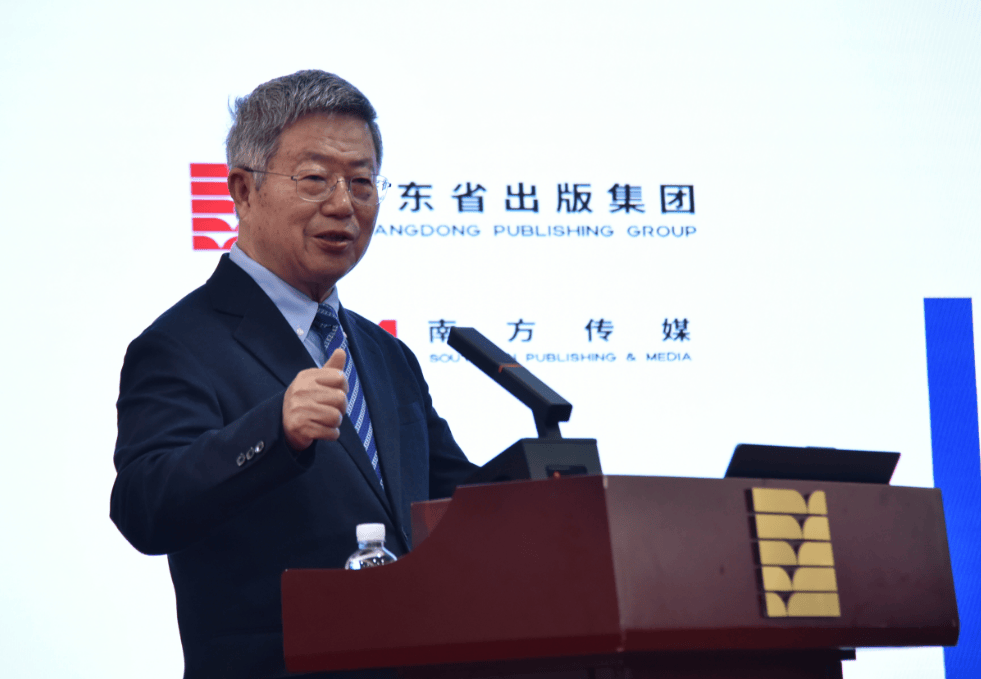
迟福林:促进供给和需求良性互动的实践逻辑与实现路径
Bei Jing Ri Bao Ke Hu Duan· 2026-01-11 23:41
Core Viewpoint - The article emphasizes the importance of building a strong domestic market in China, focusing on "demand-led, consumption-driven, and endogenous growth" as a strategic choice to adapt to economic changes and enhance resilience against international challenges [1]. Group 1: Domestic Market Development - Building a strong domestic market is crucial for achieving high-quality development and requires addressing structural contradictions between consumption and investment [1][3]. - The current economic situation shows a significant imbalance characterized by strong supply and weak demand, particularly in consumer spending [3]. - The transformation of "Chinese manufacturing" and "Chinese consumption" is essential for unlocking the potential of the vast domestic market, with manufacturing accounting for nearly 30% of global output by 2024 [2]. Group 2: Consumption Trends - China's retail sales are projected to reach 48.3 trillion yuan in 2024, which is 2.4 times that of 2012, indicating rapid growth in consumer spending [2]. - The contribution of final consumption to economic growth is expected to be 44.5% in 2024, showing a decline compared to 2023, highlighting the need to boost consumer spending [3]. - The service consumption sector is becoming a key driver of economic growth, with its share of total consumption rising from 39.7% in 2013 to 46.1% in 2024 [5]. Group 3: Service Consumption Potential - Enhancing service consumption is vital for achieving a dynamic balance between supply and demand, with a potential increase in consumer spending of approximately 800 billion yuan for every 1% rise in the consumption rate [4]. - By 2030, service consumption is expected to exceed 50% of total consumption, contributing an additional 40 trillion yuan to consumer demand [6]. - The shift towards comprehensive, international, and intelligent service consumption is anticipated to drive innovation and transformation in various industries, including healthcare and tourism [6][7]. Group 4: Structural Reforms - Structural reforms are necessary to resolve the contradictions between investment and consumption, with a focus on "investing in people" to stimulate demand [9]. - Urbanization and equalization of basic public services are critical to addressing the lag in urbanization compared to industrialization, which could significantly boost consumer spending [10]. - The government plays a crucial role in facilitating economic transformation by optimizing the relationship between effective markets and proactive government policies [11].
冯忠华检查督导元旦假期工作
Guang Zhou Ri Bao· 2026-01-01 01:34
Core Viewpoint - The article emphasizes the importance of ensuring public safety and satisfaction during the New Year holiday period, highlighting the responsibilities of local government officials in managing transportation, safety, and public services [2][4]. Group 1: Transportation Management - The city is focusing on traffic management during the New Year holiday, with an emphasis on accurate passenger flow predictions and transportation capacity adjustments to meet the high demand for short-distance travel [3]. - There will be enhanced traffic safety enforcement and management of congested areas, along with strict implementation of safety checks for vehicles and passengers [3]. Group 2: Event Safety and Public Services - The organization of public events, such as the Hai Xin Sha Carnival, is under scrutiny to ensure safety and effective management, including monitoring systems and food safety measures [3]. - The city aims to create customized consumer experiences at popular tourist spots, ensuring that citizens can enjoy their time safely and comfortably [3]. Group 3: Overall Safety and Security - Local authorities are urged to maintain a high level of vigilance regarding public safety, particularly during the New Year celebrations, with a focus on risk assessment in various sectors such as transportation and construction [4]. - There is a commitment to maintaining social stability and addressing potential conflicts, with an emphasis on community involvement in safety measures [4]. Group 4: Economic and Cultural Activities - The city plans to enhance the festive atmosphere by organizing more holiday activities and ensuring the availability of essential goods at stable prices, aiming to boost consumer confidence and economic activity [4]. - Efforts will be made to improve the overall quality of goods and services available to the public, thereby increasing community engagement and satisfaction [4].
迟福林支招大湾区:“十五五”推进粤港澳服务贸易一体化
Sou Hu Cai Jing· 2025-12-29 11:16
Core Insights - The core argument presented is that if China's consumption share in the global market approaches that of its manufacturing sector, it could create an additional consumption market of no less than $10 trillion [1][3]. Group 1: Economic Development Strategy - The focus on "domestic demand-led growth and consumption-driven development" is deemed crucial for enhancing economic resilience amid rising global uncertainties and adjustments in international trade [3][4]. - The current structural issue in China's economy is characterized by insufficient domestic demand, particularly weak consumption, leading to an imbalance of "strong supply and weak demand" [3][4]. - The "14th Five-Year Plan" period is identified as a critical time to stimulate consumption and unlock the potential of China's vast market [3][4]. Group 2: Consumption Trends - In 2023, China's manufacturing value added accounted for 28% of the global total, while final consumption expenditure represented only 13.2% of global consumption [3][4]. - There is a significant gap in the consumption rate between China and developed economies, with China's consumption rate projected at 39.9% in 2024, compared to around 54% in major developed economies, indicating a potential increase of at least 14 percentage points [4][5]. - A 1 percentage point increase in the consumption rate could release approximately 800 billion yuan in consumption growth, suggesting that a 14 percentage point increase by 2035 could generate over 11 trillion yuan in new consumption [5]. Group 3: Service Consumption - The shift from material consumption to service-oriented consumption is highlighted as a key trend, with sectors such as education, healthcare, culture, and tourism showing the fastest growth [6][7]. - From 2013 to 2024, the annual growth rate of service consumption in China is projected at 7.2%, with its share of total consumption rising from 39.7% to 46.1%, and further to 46.8% in the first three quarters of 2025 [6][7]. Group 4: Regional Development and Trade Integration - The integration of service trade in the Guangdong-Hong Kong-Macau Greater Bay Area is emphasized as a strategic move to enhance service-oriented consumption and high-level openness [9][10]. - The service trade's share in Guangdong's foreign trade is only 12.5% in 2024, which is significantly lower than the global average, indicating room for improvement [9][10]. Group 5: Investment in Human Capital - The strategy of "investing in people" is proposed as essential for driving domestic demand and consumption, with an estimated investment requirement of 80 trillion to 100 trillion yuan to improve public services and enhance consumer expectations [12][13]. - The suggestion includes reallocating 10% to 15% of state-owned assets for "investing in people," which could amount to 30 trillion to 50 trillion yuan based on the total assets of state-owned enterprises [13].

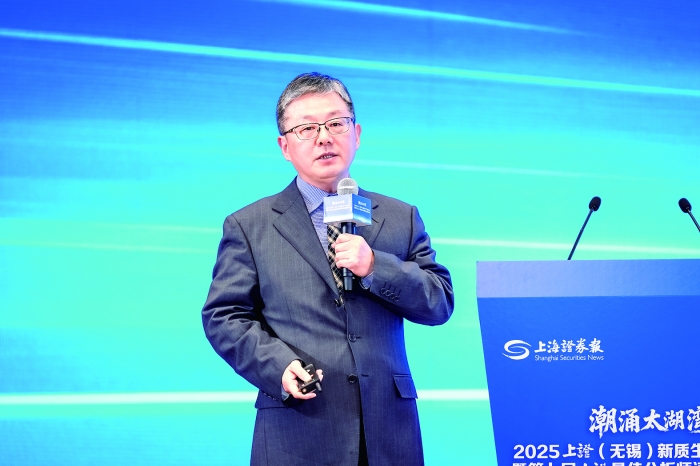
中国浦东干部学院经济高质量发展研究中心主任胡云超:重视以内生消费增长模式推动经济高质量发展
Shang Hai Zheng Quan Bao· 2025-12-28 19:10
胡云超说,中国曾长期将经济发展重心偏向生产和投资,对消费重视度不够,近年来,这一点正在发生 改变。《中华人民共和国国民经济和社会发展第十四个五年规划和2035年远景目标纲要》提出,要依托 强大国内市场,贯通生产、分配、流通、消费各环节,形成需求牵引供给、供给创造需求的更高水平动 态平衡,促进国民经济良性循环。"十五五"规划建议强调"强大国内市场是中国式现代化的战略依托", 确立"内需主导、消费拉动、内生增长"的经济发展模式。2025年中央经济工作会议把扩大内需定为2026 年排在首位的重点任务,进一步引导提振国内消费。 胡云超说,改革开放以来,外向型经济发展战略是中国经济发展的重要支撑,中国出口规模及全球占比 节节攀升,为经济发展和人民富裕奠定基础。中国是全球第二大经济体,目前我国对外依存度在30%以 上,而发达国家在10%左右的平均水平,这种情况易引发各类经贸摩擦。 胡云超 中国浦东干部学院经济高质量发展研究中心主任胡云超: 重视以内生消费增长模式推动经济高质量发展 ◎记者 秦春刚 在12月26日举行的2025上证(无锡)新质生产力研讨会暨第七届上证最佳分析师评选颁奖仪式上,中国 浦东干部学院经济高质量发展 ...
美国2025年三季度GDP数据点评:25Q3美国GDP:过时的数据,过度的反应
Soochow Securities· 2025-12-24 04:05
Economic Performance - Q3 2025 US GDP grew at an annualized rate of +4.3%, significantly exceeding Bloomberg analysts' consensus of +3.3% and Atlanta Fed's GDPNow estimate of +3.5%[1] - The GDP price index increased by +3.8%, compared to an expected +2.7% and a previous value of +2.1%[1] Consumption and Inventory - Strong consumer spending contributed +2.39% to GDP growth, with a quarterly increase of +3.5%, up from +1.68% in the previous quarter[1] - Inventory changes had a marginal contribution of -0.22%, improving from -3.44% in the previous quarter, indicating a reduction in inventory drag[1] Investment Trends - Fixed asset investment growth slowed to +1% in Q3, down from +4.4% in Q2, with non-residential fixed asset investment decreasing to +2.8%[1] - AI-related industry investment growth decelerated, with contributions to GDP from computer information equipment and software dropping significantly[1] Market Reactions - Initial market reactions to the strong GDP data indicated fears of economic overheating, leading to a rise in the dollar index and US Treasury yields, while equities and commodities fell[1] - Following the initial reaction, asset prices reversed, with US Treasury yields and the dollar declining, while equities rebounded[1] Future Outlook - Q4 2025 GDP growth is expected to significantly cool due to government shutdown impacts, with consumer spending showing signs of decline[2] - The Congressional Budget Office estimated a potential -1.5% impact on Q4 GDP due to the government shutdown, alongside high base effects from Q3[2] Core Economic Indicators - The Private Domestic Final Purchases (PDFP) annualized growth rate remained stable at +3.0%, only slightly up from +2.9% in the previous quarter, indicating resilient core economic growth[1] - Daily consumer spending growth has recently dropped to +0.156% year-on-year, suggesting a potential drag on Q4 GDP[2]
怎样理解促进形成更多由内需主导、 消费拉动、内生增长的经济发展模式
Xin Lang Cai Jing· 2025-12-19 19:25
转自:内蒙古日报 第一,健全投融资体制机制,着力扩大有效投资。深化投资审批制度改革,进一步明确中央和地方投资 方向和重点。优化政府投资结构,高质量推进国家重大战略实施和重点领域安全能力项目建设。发挥政 府资金引导带动作用,撬动社会资本参与新型基础设施、新型城镇化等重大工程和补短板领域建设。完 善民营企业参与重大项目长效机制,激发民间投资活力、提高民间投资比重,增强市场主导的有效投资 增长动力。着力促进教育、医疗、养老、托育等服务领域投资增长。破除市场准入壁垒,维护公平竞争 秩序,稳定企业预期,增强投资信心。 第二,坚持惠民生和促消费紧密结合,更好发挥消费拉动作用。加快完善"能消费"、"敢消费"、"愿消 费"的政策环境,完善扩大消费长效机制。促进高质量充分就业,完善收入分配制度,实施城乡居民增 收计划,增强居民消费能力。稳步推进基本公共服务均等化,完善教育、托育、养老、住房、医疗保障 体系,消除消费后顾之忧。深入实施提振消费专项行动,扩大优质消费品和服务供给,培育服务消费新 增长点,推动商品消费扩容升级,拓展入境消费。完善促进消费制度机制,强化消费者权益保护,创造 良好消费环境。 第三,加快提升创新能力,更大激 ...
第二十八次全国发展改革系统研究院(所)长会在北京召开
Zhong Guo Xin Wen Wang· 2025-12-18 18:10
(文章来源:中国新闻网) 山东、陕西、山西、江西,北京、上海、重庆、成都等8家省市发改研究院(所),以及宏观院经济、投 资、产业、区域、能源、经济体制改革等7个研究所共15家单位代表在"推动形成由内需主导、消费拉 动、内生增长的经济发展模式""GDP过2万亿城市发展交流会"2个分论坛进行了交流发言。 与会专家认为,展望即将到来的2026年,我国发展机遇与挑战并存。外部环境的复杂性严峻性不确定性 不减,国内经济发展中面临的问题和挑战仍然不少,供强需弱矛盾突出,重点领域风险隐患较多。但同 时更要认识到,我国经济基础稳、优势多、韧性强、潜力大,经济长期向好的支撑条件和基本趋势没有 改变,要坚定信心,保持定力。 专家认为,面对新形势新任务,要深化对经济发展规律的认识,加强前瞻性思考、全局性谋划、穿透性 研究,多出高水平的研究成果,努力提出更多破解发展难题、厚植发展优势的新招实招硬招,为发展改 革中心工作提供更高水平的智力支撑,在扎实推进高质量发展和中国式现代化建设的进程中作出更大贡 献。(完) 中新网北京12月18日电 (记者王梦瑶)国家发展和改革委员会宏观经济研究院(以下简称"宏观院")近日在 北京举办第二十八次全 ...
A股收评:创业板指跌超2%,银行、商业航天及医药商业股走高,IP经济概念股活跃,海南本地股调整
Jin Rong Jie· 2025-12-18 07:15
Market Overview - A-shares showed mixed performance on December 18, with the Shanghai Composite Index rising by 0.16% to 3876.37 points, while the Shenzhen Component Index fell by 1.29% to 13053.97 points, and the ChiNext Index dropped by 2.17% to 3107.06 points [1] - The total trading volume in the Shanghai and Shenzhen markets reached 1.66 trillion, with nearly 2900 stocks rising [1] Sector Performance Banking Sector - Bank stocks experienced a broad increase, with Shanghai Bank and Chongqing Rural Commercial Bank rising over 3% [1] Retail Sector - Retail concepts showed strength, with Central Plaza and Shanghai Jiubai hitting the daily limit [1] Commercial Aerospace - The commercial aerospace sector was active, with multiple stocks including Shengyang Technology and Shunhao Co. hitting the daily limit [1][2] Pharmaceutical Sector - The pharmaceutical sector continued to perform well, with stocks like Luyan Pharmaceutical and Zhongyao Holdings hitting the daily limit [1][3] Consumer Sector - The consumer sector, including retail, apparel, and food and beverage, led the gains, with stocks like Baida Group achieving six consecutive limits [1][4] Institutional Insights Economic Policy Outlook - Everbright Securities anticipates a favorable cross-year market for A-shares, supported by ongoing domestic economic policies and historical performance trends [5] - Huaxi Securities suggests focusing on the consumer sector as technology rotation slows down, with an emphasis on the high-low cut logic [6] - Bank of China Securities views A-shares as being in a "bull market continuation" phase, highlighting the importance of technology and anti-involution themes for future investment [7]





学习规划建议每日问答 | 怎样理解促进形成更多由内需主导、消费拉动、内生增长的经济发展模式
Xin Hua She· 2025-12-17 05:13
Core Viewpoint - The article emphasizes the importance of promoting an economic development model driven by domestic demand, consumption, and endogenous growth, which is crucial for China's modernization strategy and high-quality economic development [1][2]. Group 1: Economic Development Strategy - The strategy aims to solidify the role of domestic demand as the main engine for economic growth, establishing a dual circulation pattern that supports high-quality development over the next five years [2]. - There is a clear need to address the imbalance between strong supply and weak demand, particularly the insufficient domestic consumption, which is a significant shortcoming that needs to be resolved [2][3]. - Enhancing domestic demand is seen as a way to optimize resource allocation, leverage technological innovation, and shift economic growth from factor-driven to innovation-driven [2]. Group 2: Enhancing Consumer Demand - The article highlights that insufficient consumer demand is a major bottleneck in the domestic circulation, which presents an opportunity to improve living standards and quality of life [2][4]. - Policies aimed at increasing consumer capacity and confidence are essential, including improving public services and implementing income distribution reforms [4]. - Initiatives to stimulate consumption, such as expanding the supply of quality goods and services, are crucial for driving economic growth [4]. Group 3: Investment and Innovation - The need to improve the investment framework is emphasized, focusing on effective investment expansion and the role of government in guiding social capital towards key infrastructure projects [3][5]. - Strengthening innovation capabilities and integrating technological advancements with industrial innovation are critical for fostering endogenous growth [4]. - The article calls for a comprehensive approach to develop a resilient and efficient supply chain while promoting new and emerging industries [4]. Group 4: Economic Governance and Reform - The importance of enhancing macroeconomic governance and improving market economic systems is highlighted to ensure consistent policy direction and effective management of expectations [5]. - Expanding bilateral investment cooperation and promoting trade innovation are seen as ways to enhance the quality of domestic circulation [5].
学习规划建议每日问答丨怎样理解促进形成更多由内需主导、消费拉动、内生增长的经济发展模式
Xin Hua She· 2025-12-17 03:13
第三,加快提升创新能力,更大激发内生增长动力。加强原始创新和关键核心技术攻关。推动科 技创新和产业创新深度融合。统筹国家战略科技力量建设,强化体系化攻关能力。强化国际科技 创新中心策源功能,营造具有全球竞争力的开放创新生态。着力构建自主可控、安全高效的产业 链供应链,优化提升传统产业,培育壮大新兴产业和未来产业。一体推进教育科技人才发展,更 大激发创新创造活力。深入推进数字中国建设,推动平台经济创新和健康发展。 同时,更好发挥经济体制改革牵引作用,完善市场经济基础制度,增强宏观政策取向一致性,健 全预期管理机制,提升宏观经济治理效能。进一步拓展双向投资合作空间,推动贸易创新发展, 扩大高水平对外开放,促进提升国内大循环质量和水平。 第一,健全投融资体制机制,着力扩大有效投资。深化投资审批制度改革,进一步明确中央和地 方投资方向和重点。优化政府投资结构,高质量推进国家重大战略实施和重点领域安全能力项目 建设。发挥政府资金引导带动作用,撬动社会资本参与新型基础设施、新型城镇化等重大工程和 补短板领域建设。完善民营企业参与重大项目长效机制,激发民间投资活力、提高民间投资比 重,增强市场主导的有效投资增长动力。着力促 ...