
深港融合

Search documents
1/3香港人将住到北部都会区,对深圳意味着什么|湾区观察
Di Yi Cai Jing· 2025-09-12 15:21
Core Insights - The construction of the Northern Metropolis in Hong Kong is expected to significantly benefit both the service industry in Shenzhen and expand opportunities for technological collaboration between the two regions [1][2] Group 1: Development Overview - The Northern Metropolis encompasses approximately 300 square kilometers, which is about one-third of Hong Kong's total area, and is divided into four development parts: high-end professional services and logistics hub, innovation technology zone, port commerce and industrial area, and a recreational ecological zone [1] - The Hong Kong government plans to provide around 3,000 hectares of land over the next decade, with approximately 1,700 hectares coming from the Northern Metropolis, which is expected to yield nearly half of the future residential supply of about 210,000 housing units [1] Group 2: Population and Employment Impact - Once fully developed, the Northern Metropolis is projected to accommodate 2.5 million people and create 500,000 new jobs, transforming it into an international innovation and technology hub for Hong Kong [2] - The anticipated population increase of 1.5 million in the Northern Metropolis will significantly alter Hong Kong's internal population distribution and have profound effects on neighboring Shenzhen [2] Group 3: Economic Opportunities - The construction of the Northern Metropolis is expected to create opportunities for Shenzhen's retail, leisure, and dining sectors due to the significant consumer demand from the new population [3] - The Northern Metropolis's positioning as an "international innovation and technology city" aligns well with Shenzhen's industrial development direction, fostering collaboration in the technology sector [3] Group 4: Infrastructure and Challenges - The influx of 2.5 million people will place higher demands on cross-border transportation infrastructure, necessitating upgrades to existing land ports and the acceleration of the Hong Kong-Shenzhen West Railway [4] - There are challenges related to breaking down institutional barriers that hinder the integration of Hong Kong and Shenzhen, requiring innovative approaches to facilitate the flow of people, goods, capital, and data [5]
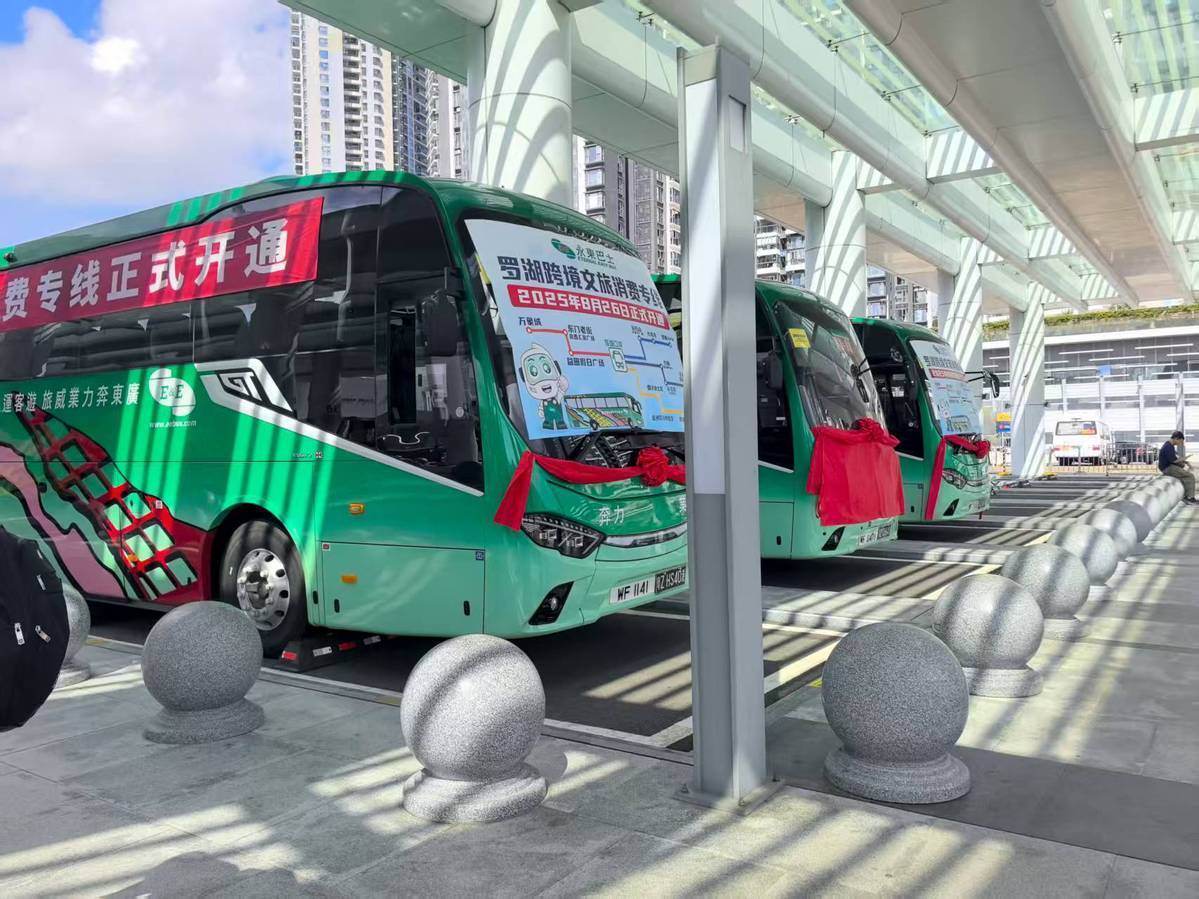
“罗湖跨境文旅消费专线”启动 途经深港核心商圈
Sou Hu Cai Jing· 2025-09-05 18:55
Core Points - The "Luohu Cross-Border Cultural and Tourism Consumption Line" has officially launched, aimed at enhancing the integration between Shenzhen and Hong Kong through innovative measures by the Luohu District government [1][4] - The line facilitates a seamless travel experience for Hong Kong tourists, allowing them to easily access key commercial areas in Luohu without the hassle of transfers [3][4] Group 1 - The Luohu District government has collaborated with Hong Kong's Yongdong Bus to create a communication platform that promotes the rapid implementation of the special line under a "co-creation, co-construction, and co-win" model [3] - The route starts from the Liantang Port on the Luohu side, passing through popular shopping areas such as Yitian Holiday Plaza and Shenzhen MixC, and returns via the same route [3][4] - Hong Kong tourists can enjoy free extended rides to key commercial districts by using their original ticket, and can also receive free one-way tickets when shopping at designated stores [3] Group 2 - Luohu's geographical proximity to Hong Kong, along with its three ports and convenient transportation, supports the push for "commuting" and "same-city" living between the two regions [4] - Future plans include expanding other cultural and tourism lines and industry lines based on the operational experience of the current line, as well as introducing autonomous bus lines to enhance the shopping and cultural experience for both local and foreign tourists [4]

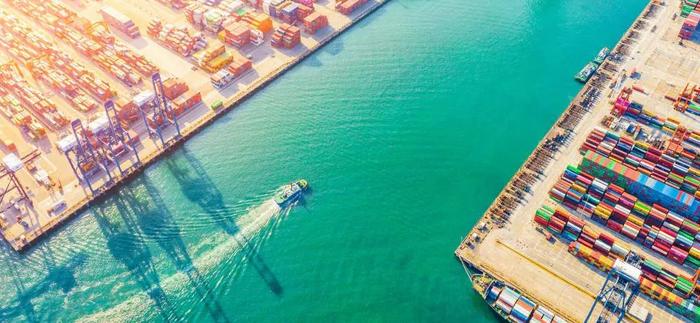
深圳“超级口岸”45年进化之路
2 1 Shi Ji Jing Ji Bao Dao· 2025-08-27 03:33
Core Viewpoint - The development of Shenzhen's border ports, particularly the Luohu port, has transformed from a simple crossing point into a significant hub for trade and cross-border interactions between Shenzhen and Hong Kong, reflecting the deepening integration of the two regions over the past decades [2][4][5]. Group 1: Historical Context and Development - The Luohu port has evolved from a basic crossing established in the 1950s to a major entry point, with over 30 million travelers passing through in the first seven months of this year [4]. - Shenzhen's port infrastructure has expanded from two ports before the reform and opening up to 16 major ports today, covering land, sea, and air [2][4]. - The establishment of the Qianhai Shenzhen-Hong Kong Modern Service Industry Cooperation Zone in 2010 marked a significant step in deepening cooperation between Shenzhen and Hong Kong [7]. Group 2: Economic Impact and Trade - The daily average of travelers crossing the Shenzhen-Hong Kong land ports is projected to exceed 600,000 by 2024, with a peak of 1.02 million recorded on August 16 this year [5]. - The trade volume between Shenzhen and Hong Kong has surged from 70.17 billion yuan in 1997 to 701.48 billion yuan in 2024, with Hong Kong being Shenzhen's second-largest trading partner [5]. - The Qianhai Free Trade Zone has seen its foreign trade value increase from 71.2 billion yuan in 2015 to 537.98 billion yuan in 2024, showcasing a 7.5-fold growth [7][8]. Group 3: Future Developments and Strategic Planning - The future development strategy for Shenzhen includes upgrading old ports and clarifying the roles of various ports to enhance the flow of people, goods, and capital between Shenzhen and Hong Kong [5][9]. - The Luohu district aims to create a "deep integration development pilot zone" focusing on strategic emerging industries such as artificial intelligence and life sciences [9]. - The establishment of the He Tao Shenzhen-Hong Kong Science and Technology Innovation Cooperation Zone is expected to further enhance cross-border collaboration in research and development [8][9]. Group 4: Infrastructure and Connectivity - Shenzhen's port infrastructure supports its position as a major trade hub, with the port handling over 250.97 million tons of foreign trade goods in 2024, accounting for nearly 80% of the total cargo throughput in Guangdong province [11][12]. - The Saltian Port has expanded its international shipping routes, with over 800 international flights weekly from Shenzhen Bao'an International Airport, enhancing global connectivity [12][13]. - The ongoing development of new ports and the expansion of existing ones are crucial for Shenzhen's strategy to strengthen its global economic ties and attract foreign investment [11][12].
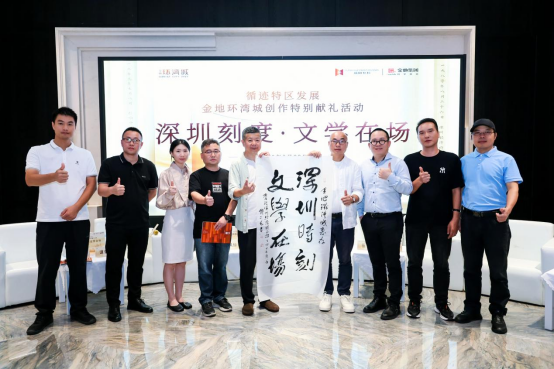
文学赋能城市,彰显深圳精神:金地环湾城打造深圳文化新现场
Sou Hu Wang· 2025-08-27 03:26
Core Insights - The event "Shenzhen Scale: Literature in Place" was successfully held by Jindi Huanwan City, inviting eight writers to create literary works reflecting Shenzhen's urban memory and future vision [1][3] Group 1: Event Overview - The writers participated in activities such as field trips, creative writing, and readings, producing works that reflect Shenzhen's spirit and regional development [3][4] - The literary creations emerged from various dimensions, including urban change, cultural coexistence, and living scenes, showcasing Shenzhen's unique literary style [3][4] Group 2: Writers' Contributions - Writer Zhong Ermao shared insights on the humanistic care and individual destinies amid rapid urban development [4] - Yao Xiankang's piece highlighted Shenzhen's maritime connection and open spirit, while Wan Jun's poetry depicted the resilience of Shenzhen's people [4] - Other writers captured themes of nostalgia, urban struggles, and the city's inclusivity towards diverse age groups [4] Group 3: Project Significance - Jindi Huanwan City is located in Futian District, a core area for administration, finance, and culture in Shenzhen, with significant development potential [6] - The project benefits from the dual engines of innovation and finance, enhancing its value and growth potential as Shenzhen integrates with Hong Kong [6][7] - The project aims to redefine high-end living by integrating literature, art, and culture, providing a new residential experience for high-net-worth individuals [7]
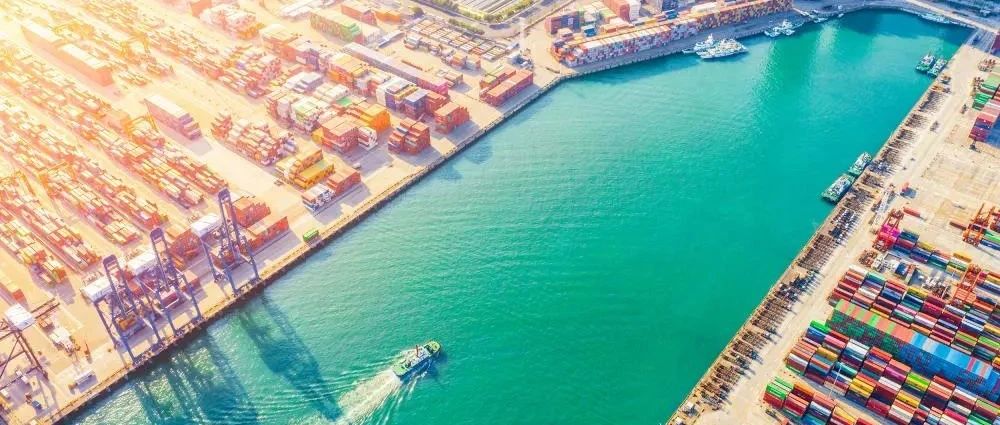
深圳“超级口岸”45年进化之路
21世纪经济报道· 2025-08-27 03:19
Core Viewpoint - The article emphasizes the evolution and significance of Shenzhen's ports in enhancing the integration between Shenzhen and Hong Kong, transforming from mere border crossings to vital hubs for trade, innovation, and cross-border collaboration [2][4][14]. Group 1: Historical Context and Development - The historical significance of the Luohu port is highlighted, marking it as a key entry point for scientific talent and goods since the establishment of the People's Republic of China [3]. - The number of ports in Shenzhen has expanded from two before the reform and opening up to 16, covering all modes of transport and serving as a measure of the city's innovation and development [4][14]. Group 2: Current Traffic and Trade Dynamics - In the first seven months of this year, over 30 million travelers passed through the Luohu port, showcasing its role as a major gateway for cross-border movement [3]. - The daily average of travelers crossing the Shenzhen-Hong Kong land ports is projected to exceed 600,000 by 2024, with a peak of 1.02 million recorded on August 16 this year [4][5]. Group 3: Economic Impact and Future Prospects - The trade volume between Shenzhen and Hong Kong has surged from 70.17 billion yuan in 1997 to 701.48 billion yuan in 2024, with Hong Kong being a significant trade partner for Shenzhen [4]. - Shenzhen's ports are not only facilitating trade but also attracting foreign investment, with 209 billion yuan in actual foreign investment expected in the first half of 2025 [11][12]. Group 4: Infrastructure and Connectivity Enhancements - The article discusses ongoing upgrades to ports, including the reconstruction of the Sha Tau Kok port, which will enhance connectivity and trade efficiency between Shenzhen and Hong Kong [4][5]. - The establishment of the Qianhai Shenzhen-Hong Kong Modern Service Industry Cooperation Zone has led to a significant increase in foreign trade, with total trade value rising from 71.2 billion yuan in 2015 to 537.98 billion yuan in 2024 [7][8]. Group 5: Innovation and Cross-Border Collaboration - The Qianhai area has fostered over 1,000 entrepreneurial teams and numerous high-tech enterprises, indicating a thriving ecosystem for innovation and collaboration [8]. - The development of the Lok Ma Chau Loop and the establishment of the Shenzhen-Hong Kong Science and Technology Innovation Cooperation Zone are pivotal for enhancing cross-border research and development [9].
探路深圳综改 “小前海”担当“大试验场”
证券时报· 2025-08-26 00:56
Core Viewpoint - The article highlights the significant progress and achievements of the Qianhai Cooperation Zone in Shenzhen, emphasizing its role as a testing ground for institutional reforms and deepening integration between Hong Kong and mainland China [1][2][3]. Group 1: Project Completion and Management Model - The Qianhai Innovation Education Group's Qianwan School, the first government investment project fully constructed by a Hong Kong enterprise, is set to open in September 2023 [1]. - The project adopted an international management model involving three main responsible parties: the construction unit, the architect team, and the construction unit [1]. Group 2: Institutional Reforms and Financial Innovations - Since 2020, Qianhai has implemented measures to facilitate the practice of Hong Kong professionals and enterprises in mainland China, gradually breaking down qualification barriers [1][2]. - Qianhai has pioneered various financial innovations, including the "one test, one certification, one pass" model and the establishment of a QFLP fund with a quota of $200 million, focusing on sectors like healthcare and advanced manufacturing [2][3]. Group 3: Economic Growth and Foreign Investment - Qianhai has attracted over 90% of the new QFLP funds in Shenzhen, showcasing its effectiveness in drawing foreign investment through institutional innovation [3]. - In 2024, Qianhai's import and export volume reached 706.65 billion yuan, a year-on-year increase of 42.4%, while the Qianhai Shekou Free Trade Zone saw a 52.3% increase [5]. Group 4: Youth Entrepreneurship and Support - The Qianhai Youth Dream Factory has incubated 1,021 Hong Kong entrepreneurial teams and disbursed 350 million yuan in support funds, with a significant increase in registered Hong Kong enterprises [4]. - In the first two months of 2025, Qianhai added 295 Hong Kong-funded enterprises, marking an 85.5% year-on-year growth [4]. Group 5: Global Connectivity and Trade Facilitation - Qianhai has established a new logistics model, "MCC Qianhai," enabling efficient global shipping and significantly reducing costs for businesses [5]. - The region has actively expanded its service trade, particularly in cross-border payments and technology services, contributing to its status as a high-level open gateway [5][6].

探路深圳综改 “小前海”担当“大试验场”
Zheng Quan Shi Bao· 2025-08-25 18:24
Group 1 - The core viewpoint of the articles highlights the significant progress and achievements of the Qianhai Cooperation Zone in promoting cross-border collaboration between Hong Kong and mainland China, particularly in the construction and financial sectors [1][2][3] - The completion of the Qianhai Innovation Education Group's school marks the first government investment project fully constructed by a Hong Kong enterprise, showcasing the successful implementation of a tripartite management model involving the construction unit, architect team, and contractor [1] - Since the introduction of policies in 2020 to facilitate Hong Kong enterprises and professionals operating in Qianhai, there has been a notable increase in the number of registered Hong Kong enterprises, with nearly 10,000 currently established [4] Group 2 - Qianhai has become a testing ground for institutional reforms, successfully implementing 14 pioneering financial innovations, including cross-border RMB loans and dual-currency bond issuance [2][3] - The QFLP (Qualified Foreign Limited Partner) fund established in Qianhai has attracted significant foreign investment, with a total approved quota of $200 million, focusing on sectors such as healthcare and advanced manufacturing [2] - The Qianhai area has seen a 42.4% year-on-year increase in imports and exports, reaching 706.65 billion yuan in 2024, indicating robust growth in trade activities [5]
“超级口岸”进化:45年,深圳链动全球
2 1 Shi Ji Jing Ji Bao Dao· 2025-08-25 15:25
Core Insights - The article highlights the evolution of the Luohu Port and its significance in facilitating the integration between Shenzhen and Hong Kong, transforming from a simple border crossing to a major hub for trade and travel [1][2][4][5] Group 1: Historical Context - The Luohu Port has a rich history dating back to the 1950s, serving as a critical point for the exchange of goods and people between Shenzhen and Hong Kong [2][4] - The port has evolved significantly since the establishment of the Shenzhen Special Economic Zone 45 years ago, with the number of ports increasing from two to 16, covering land, sea, and air [1][4] Group 2: Current Operations and Statistics - In the first seven months of this year, Luohu Port recorded over 30 million passenger entries and exits, making it one of the busiest ports in terms of cross-border travel [4] - Daily average cross-border travelers are projected to exceed 600,000 by 2024, with a peak of 1.02 million recorded on August 16 this year [5] - The trade volume between Shenzhen and Hong Kong has surged from 70.17 billion yuan in 1997 to 701.48 billion yuan in 2024, with Hong Kong being Shenzhen's second-largest trading partner [5] Group 3: Future Developments - Shenzhen's port upgrade strategy aims to enhance the efficiency of cross-border flows, with plans for the renovation of older ports and clearer functional divisions among them [5][10] - The establishment of the Qianhai Shenzhen-Hong Kong Modern Service Industry Cooperation Zone and the development of the He Tao Science and Technology Innovation Cooperation Zone are key initiatives to strengthen economic ties [6][8] - The Luohu area is set to become a hub for industries such as artificial intelligence and life sciences, aligning with the broader economic integration goals of the Greater Bay Area [10] Group 4: Infrastructure and Connectivity - Shenzhen's ports, including the Yantian Port and Bao'an International Airport, are crucial for maintaining its status as a major trade city, with Yantian Port handling over 7.58 million TEUs in the first half of this year [13][15] - The airport's international connectivity has expanded significantly, with over 800 international flights weekly, enhancing Shenzhen's global reach [15][16]
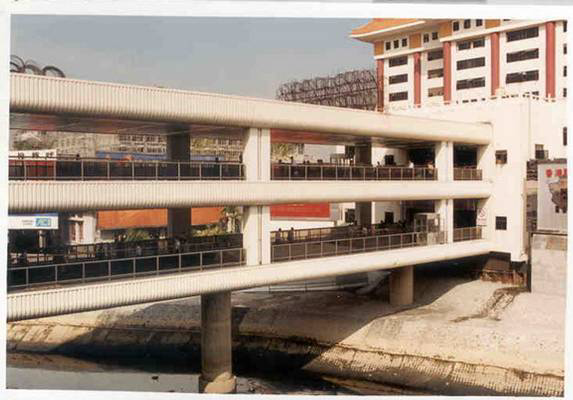
口岸经济4.0:罗湖建起深港互联“超级节点”|何以新罗湖
2 1 Shi Ji Jing Ji Bao Dao· 2025-08-21 15:52
Core Insights - The article highlights the increasing cross-border flow of people between Hong Kong and Shenzhen, particularly through the Luohu and Liantang ports, which has led to new economic opportunities in the region [1][2][4] Group 1: Cross-Border Traffic and Economic Opportunities - In the first half of the year, over 33.7 million travelers passed through the Luohu port, making it the busiest port in Shenzhen [1] - The Luohu district is becoming a primary destination for Hong Kong residents, with approximately 30% of the overall foot traffic in local shopping centers coming from Hong Kong visitors [4] - The establishment of the "B1" land plot near Luohu port aims to create a 300,000 square meter health industry park, enhancing the region's industrial structure [2][12] Group 2: Consumer Behavior and Preferences - Hong Kong residents are expanding their consumption patterns in Shenzhen beyond dining to include shopping and healthcare services [4][6] - The newly opened Yitian Holiday Plaza has attracted Hong Kong customers with diverse dining options, accounting for 40% of its offerings [4] - The demand for high-quality shopping and family-friendly activities is growing among Hong Kong visitors, indicating a shift in their lifestyle preferences [6][8] Group 3: Healthcare Integration - The number of Hong Kong patients seeking medical services in Shenzhen has significantly increased, with an average of 4,500 Hong Kong patients visiting the Luohu District People's Hospital monthly [7][10] - A recent survey indicated that 60% of Hong Kong residents have utilized medical services in mainland China, a tenfold increase since 2011 [8] - The Luohu District People's Hospital has become a designated medical institution for cross-border drug and medical device use, facilitating quicker access to new treatments for patients [10][11] Group 4: Strategic Development and Collaboration - The development of the Northern Metropolis in Hong Kong aims to enhance economic collaboration with Shenzhen, focusing on trade, finance, and emerging industries [12][13] - The integration of industries between Hong Kong and Luohu is being actively promoted, with plans to establish a cross-border cooperation platform for traditional and Western medicine [10][16] - The ongoing upgrades of industrial zones and the establishment of a health industry park reflect a strategic alignment in industrial direction between Hong Kong and Luohu [14][16]
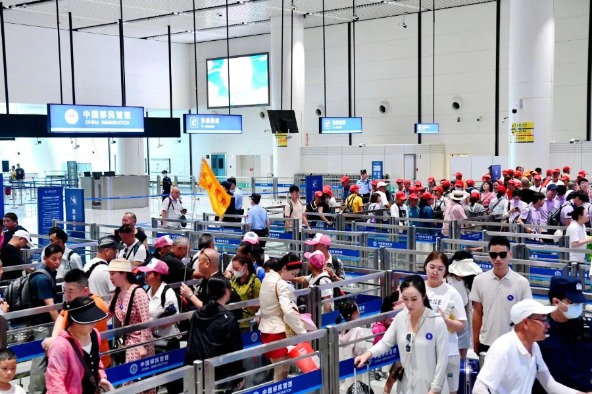
口岸经济4.0:罗湖建起深港互联“超级节点”|何以新罗湖?
2 1 Shi Ji Jing Ji Bao Dao· 2025-08-21 13:04
Core Viewpoint - The article discusses the development of the Luohu district as a "super node" for cross-border economic activities between Shenzhen and Hong Kong, highlighting the increasing flow of people and the expansion of consumption and medical services in the area [1][2][7]. Group 1: Cross-Border Traffic and Economic Opportunities - The Luohu port has seen over 33.7 million inbound and outbound travelers in the first half of the year, making it the busiest port in Shenzhen [1] - The daily traffic at Luohu port reached a record high of 297,000 on July 13, indicating a strong recovery in cross-border travel [2] - Hong Kong residents account for approximately 30% of the overall foot traffic in local shopping malls, with a significant portion of the retail space catering to their preferences [2][3] Group 2: Healthcare Expansion - The number of Hong Kong patients visiting Luohu hospitals has diversified beyond dental care, with an average of 4,500 Hong Kong patients visiting the Luohu District People's Hospital each month [5] - A survey indicated that 60% of Hong Kong residents have utilized medical services in mainland China from 2019 to 2023, a tenfold increase since 2011 [5] - The Luohu District People's Hospital has been approved as a designated medical institution for "Hong Kong and Macau drug and device access," facilitating the introduction of new medical products [5][6] Group 3: Industrial Development and Strategic Planning - Luohu aims to transform its industrial structure by focusing on emerging sectors such as artificial intelligence and life sciences, with plans for a 300,000 square meter life health industrial park [1][8] - The "Northern Metropolis Development Strategy" emphasizes the integration of Hong Kong's economy with Shenzhen, particularly in the Luohu area, which is set to become a hub for trade and new industries [6][7] - The development of the B1 plot near Luohu port is expected to create a cross-border cooperation platform for life sciences and AI, enhancing the region's innovation capabilities [8]