
生成式人工智能

Search documents
看了马斯克的开年深度访谈,我确信:人手一个“贾维斯”的时代,正在到来
Sou Hu Cai Jing· 2026-02-26 12:04
文末有抽奖赠书福利 你一定记得《钢铁侠》里的贾维斯,那个永远在线、无所不能的AI管家。托尼·斯塔克动动嘴,它就能处理数 据、设计战甲、安排日程,甚至讲个冷笑话。 我们曾经觉得,那只是科幻。 但看完马斯克开年那场三个多小时的深度访谈,我有个强烈的感觉:我们距离人手一个"贾维斯",可能只剩几 步之遥了。 马斯克说,未来3到7年,会非常难熬。 难熬,不是因为世界停滞,而是因为变化太快。快的程度,会让我们目不暇接。 一边,是AI和机器人带来的生产奇迹,财富以前所未有的速度被创造,物质会极大丰富。另一边,是旧的社会 结构、商业模式、工作岗位,被新技术以同样的速度摧毁。 兴奋与恐惧交织,希望与迷茫并存,我们站在一场巨大变革的入口。 很多人开始焦虑:我的工作会被替代吗?我该学什么才不被淘汰? 罗振宇在跨年演讲里说:"把日复一日交给AI,把日新月异留给人类。" 这句话,点出了关键。 AI最擅长的,恰恰是那些我们觉得枯燥、重复、却又不得不做的"日复一日"——整理会议纪要、写周报、做 PPT、回复常见咨询、处理基础数据……这些事消耗了我们大量精力,却很难带来成长感。 而人的价值,会越来越体现在"日新月异"的部分—— 那些需要判断 ...


Azure遭反垄断调查 微软日本负责人强调合规运营
智通财经网· 2026-02-26 11:58
智通财经APP获悉,微软日本分公司负责人表示,微软公司(MSFT.US)正配合日本反垄断监管机构调 查,以回应关于Azure云服务可能存在反竞争行为的审查。此前有报道指出,日本公平交易委员会正调 查微软是否通过限制其软件仅能在Azure平台运行的方式,阻碍客户选择其他竞争对手的云服务。 此外,日本是亚洲仅次于中国的第二大经济体,是微软在全球客户争夺战中击败亚马逊AWS和谷歌云 等巨头的关键市场。2024年,微软宣布将在未来两年内投资约29亿美元,以加强其在日本的人工智能和 云计算基础设施建设。 日本公平交易委员会此次出手并非偶然,而是对全球范围内针对大型科技巨头"供应商锁定"行为监管趋 势的积极响应。监管机构担心,如果微软利用其软件授权优势变相强制用户绑定Azure服务,将严重损 害云市场的自由竞争,并推高企业数字化转型的长期成本。 因此,日本反垄断监管机构正采取日益强硬的措施,遏制其认定美国大型科技公司日益扩张的寡头垄断 态势,此举与海外监管机构立场形成协同。 随着欧盟与美国此前已对类似的捆绑行为展开深入审查,日本此次高调介入意味着全球主要经济体对云 基础设施公平准入的共识正在加强。值得一提的是,日本公平交 ...

2025年中国新设经营主体2574.5万户
Zhong Guo Xin Wen Wang· 2026-02-26 09:47
消费领域相关企业亮点突出。2025年"智能消费设备制造"相关经营主体快速发展,总量达7.8万户,新 设0.5万户。体验式消费方面,2025年文化旅游产业新设相关企业330.2万户,比上年增长12.2%。适老 化需求推动产业升级扩容,2025年"银发经济"产业新设相关企业6.8万户,比上年增长17.1%,持续保持 高位增长。 企业高素质创业人群规模保持稳定。从传统领域看,青年创业者持续增加,截至2025年底,"批发与零 售业"达到172.9万人,较2021年提升8.4%。从新兴领域看,青年创业者依旧是主力,"科学研究和技术 服务业""文化、体育和娱乐业"分别达到21.3万人、52.6万人。从创业模式看,依托互联网的经营主体快 速增长,2025年新设网络直播企业和个体工商户均迅速增长。(完) (文章来源:中国新闻网) 中新社北京2月26日电 (记者刘亮)中国国家市场监管总局26日公布,2025年全国新设经营主体2574.5万 户,呈现向新向优发展态势。其中,新设企业950.0万户,新设个体工商户1619.4万户。 新兴产业和未来产业相关企业增长迅猛。2025年,全国新设"8大新兴产业+9大未来产业"相关企业113 ...
AI投入加大压制利润率预期 Workday(WDAY.US)遭华尔街下调目标价
智通财经网· 2026-02-25 15:02
智通财经APP获悉,周三美股早盘,Workday(WDAY.US)股价一度下挫约9%,主要因公司最新业绩指引 显示订阅收入与经营利润率低于市场预期。多位分析师指出,下调指引的核心原因在于Workday加大对 生成式人工智能(GenAI)与"代理式(Agentic)AI" 的投入,以拓展更大的潜在市场空间。 Jefferies 则重申"持有"评级,并将目标价从150美元下调至115美元。Jefferies分析师认为,Workday正进 入新一轮AI投资周期,但 FY27年约30%的经营利润率指引仅意味着40个基点的扩张,订阅收入增速也 被下调至12%-13%,AI贡献预计要到下半年才会加速。该机构表示,在看到更明确、可持续的利润率 改善之前,仍将保持观望。 与此同时,BTIG维持对Workday的"买入"评级,但将目标价从230美元下调至175美元。BTIG指出,尽 管FY27年有机订阅增长指引隐含约200个基点的放缓,在市场愈发关注长期价值的背景下,其对 Workday的AI路径"边际上更为乐观"。公司计划通过分层计费的消耗模式,围绕Flex Credits对自研及第 三方代理的API调用进行变现,并强调同业 ...

继谷歌之后微软(MSFT.US)也遭“敲门“:日本反垄断风暴升级,科技巨头云业务面临合规考验
智通财经网· 2026-02-25 11:48
监管机构担心,如果微软利用其软件授权优势变相强制用户绑定Azure服务,将严重损害云市场的自由 竞争,并推高企业数字化转型的长期成本。因此,日本反垄断监管机构正采取日益强硬的措施,遏制其 认定美国大型科技公司日益扩张的寡头垄断态势,此举与海外监管机构立场形成协同。 随着欧盟与美国此前已对类似的捆绑行为展开深入审查,日本此次高调介入意味着全球主要经济体对云 基础设施公平准入的共识正在加强。值得一提的是,日本公平交易委员会去年曾向谷歌发出停止令,指 出该安卓软件提供商曾要求商业合作伙伴优先推广其智能手机应用,涉嫌滥用市场支配地位。 随着生成式人工智能的迅猛发展,云服务市场预计将加速扩张——该技术高度依赖高性能服务器集群的 支撑。尽管日本本土拥有数据中心运营商(政府正通过扶持这些企业强化国家网络安全体系),但与全球 多数国家类似,其本土云服务市场的主导地位仍被美国供应商牢牢占据。 智通财经APP获悉,据一位知情人士透露,日本反垄断监管机构公平交易委员会(JFTC)于2月25日对微 软(MSFT.US)日本总部发起了现场突击检查。此次行动的核心在于调查微软是否利用其在操作系统及办 公软件市场的绝对主导地位,不当地推广 ...
瞭望 | 技术镜像下的伦理校准
Xin Hua She· 2026-02-24 09:14
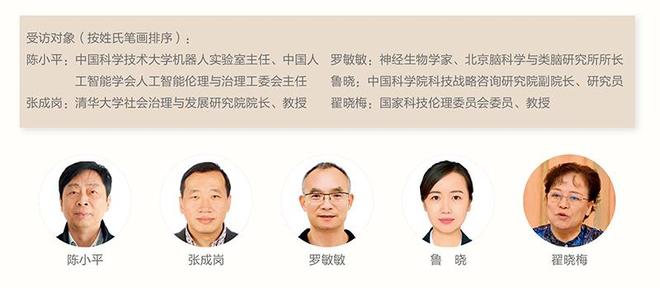
实现科技与伦理的动态适配,需从事后纠偏转向过程嵌入,将伦理原则前移至技术研发、应用部署的全 流程 脑机接口可增强认知能力,基因编辑可改变生理特征,但"为人"的关键仍是自我意识的连续性、自主决 策能力以及为决策负责的态度 "善"不是抽象的道德概念,而是要确保技术发展不偏离人类共同利益,让所有人都能从技术进步中受 益,实现人与技术的和谐共生 文 |《瞭望》新闻周刊记者 扈永顺 鲁晓:传统伦理治理多在技术成熟后进行补救,难以适应当前技术的飞速发展。实现科技与伦理的动态 适配,需从事后纠偏转向过程嵌入,将伦理原则前移至技术研发、应用部署的全流程,推动形成可解 释、可审计、可追责的技术发展路径。同时,算法决策、自动生成内容等技术打破了传统责任边 界,"谁来负责、如何负责"变得模糊,需重塑技术发展的责任体系,通过制度安排明确开发者、平台、 使用者和监管部门的责任,形成可追责、可审计、可纠偏的责任闭环,让科技向善从道德倡导化为制度 约束。 随着生成式人工智能、基因编辑、量子计算等颠覆性技术的迅猛发展,人类社会正面临着前所未有的伦 理挑战。例如生殖细胞编辑的伦理争议持续发酵;Neuralink等脑机接口涉及意识上传、记忆篡改 ...
韩国三大媒体联合起诉OpenAI,指控其未经授权使用新闻内容训练ChatGPT
Huan Qiu Wang Zi Xun· 2026-02-24 07:30
根据KBA发布的内容,此次诉讼的核心在于OpenAI涉嫌侵犯知识产权。ChatGPT的训练数据中包含大 量由KBS、MBC和SBS制作并播出的新闻节目内容,这些内容属于广播公司的核心资产与创造性成果。 来源:环球网 【环球网科技综合报道】2月24日消息,据koreaherald报道,韩国广播协会日前宣布,韩国三大广播公 司——KBS、MBC和SBS已正式对OpenAI提起诉讼,指控其在未获授权的情况下,利用三家电视台的 新闻内容训练其生成式人工智能模型ChatGPT,并要求法院颁布禁令、停止侵权行为并索赔损失。 KBA强调,"但该公司却拒绝与韩国主要广播机构展开任何谈判,继续推行具有歧视性的版权政策。" 值得注意的是,这并非韩国主流媒体首次就AI训练数据发起法律挑战。2025年1月,KBS、MBC和SBS 曾联合起诉科技企业Naver,指控其未经许可使用新闻片段训练AI模型。然而,仅半年后,KBS于2025 年7月与Naver宣布合作探索生成式AI在新闻策划、制作与分发全流程中的应用,并成立联合工作组推进 技术整合。(思瀚) ...

当喜剧与技术交汇:蔡明、春晚和跨越三十年的“机器人想象”
Xin Lang Cai Jing· 2026-02-24 06:05
今年央视春晚的舞台上,小品《奶奶的最爱》里,两个容貌、声线、神态相似的"蔡明"并肩而立,一个 是深耕喜剧数十年的老艺术家,一个是依托前沿技术打造的仿生机器人。全场的掌声里,藏着一场跨越 三十年的温柔重逢。 对于看着春晚长大的几代中国人来说,蔡明这个名字,早已和除夕夜的笑声联系在一起。她与春晚的缘 分,始于1991年。那一年,刚在小品赛道上崭露头角的她,带着《陌生人》第一次登上春晚舞台,扎着 两条麻花辫、挑着两个大包袱的乡下姑娘,把角色初入陌生环境的试探与懵懂演绎得恰到好处。也是从 这一年开始,她在春晚的舞台上前后28次登台,成为名副其实的"春晚常青树"。 《机器人 趣话》剧照 这种祛魅主要体现在两个维度。一方面是功能的失控。"在没有输入丈夫的程序之前所有的机器人均为 柔道七段"。在未输入丈夫程序前具有攻击性,这种物理上的威胁暗示了技术一旦脱离人类控制的潜在 危险。另一方面,也是更具深意的,是情感的错位。当"郭达"将菜花切换至善解人意模式时,机器人因 无法理解人类的真实意思而产生了"你说想抽自己,我善解人意替你抽"的荒诞行为,并直言"你们人类 真虚伪"。 在这种叙事框架中,人与机器人是对立的。机器人虽然被设计为 ...


2年学术资料全没了!高校教授一次点击酿成“惨剧”
Xin Lang Cai Jing· 2026-02-24 03:54
编译|李思辉 王悟诚 "2年的学术工作一瞬间就丢失了!"近日,德国科隆大学植物科学教授马塞尔·布赫(Marcel Bucher)在 《自然》杂志发文,讲述了一次让他追悔莫及的遭遇。 在关闭ChatGPT的一项功能后,布赫过去2年依赖AI工具积累的学术资料被永久清空。赠款申请的构思 脉络、反复修改的教材草稿、论文润色记录、课程设计与考试分析……这些原本存放在对话框中的内 容,在一次设置调整后被永久删除,且无法恢复——没有提前提示,没有确认步骤,也不存在撤回选 项。 布赫是德国科隆大学的植物分子生理学教授,也是卓越集群CEPLAS(植物科学领域的研究网络)成 员,研究方向聚焦于植物—微生物相互作用、弓形菌根共生以及营养信号调控等领域。 在ChatGPT推出后的几年里,布赫逐渐将这一AI工具纳入自己的科研和教学工作。订阅OpenAI的 ChatGPT Plus服务后,他几乎每天都会使用它:用它撰写电子邮件、起草课程说明、构思科研赠款申 请、修改出版物草稿、准备讲座内容、设计考试等。 在布赫看来,ChatGPT的价值并不在于充当"事实权威"。他很清楚,大型语言模型可能生成看似自信却 并不准确的表述,因此他从未完全信任 ...

大摩:市场已进入“人工智能驱动型资本支出时代”
Jin Rong Jie· 2026-02-24 02:48
摩根士丹利 财富管理最新报告指出,市场已进入" 人工智能驱动型资本支出时代",这标志着经济增长 模式从消费驱动型转向投资驱动型"再工业化复兴",实属罕见。但关键在于,这与以往的技术革命—— 例如互联网、个人电脑或移动设备——截然不同。摩根士丹利财富管理首席投资官丽莎·沙莱特表示, 当前的生成式人工智能浪潮"尚未明显以消费者为中心"。相反,其构建深深植根于物理世界,旨在支持 海量计算需求。 沙莱特团队指出,到2025年, 数据中心相关投资已占年度GDP增长的25%,并且其扩 张速度是预期实际GDP增长速度的数倍。如此巨大的规模需要数万亿美元的投资,这些投资将波及实体 市场,直接影响 房地产、 建筑、 电力生产和工业金属等行业。该公司认为,这种动态正在催生一个持 续多年的周期,在此期间,"在经济再平衡过程中,投资将取代消费,成为经济增长的主要驱动力"。 ...