
电池安全

Search documents
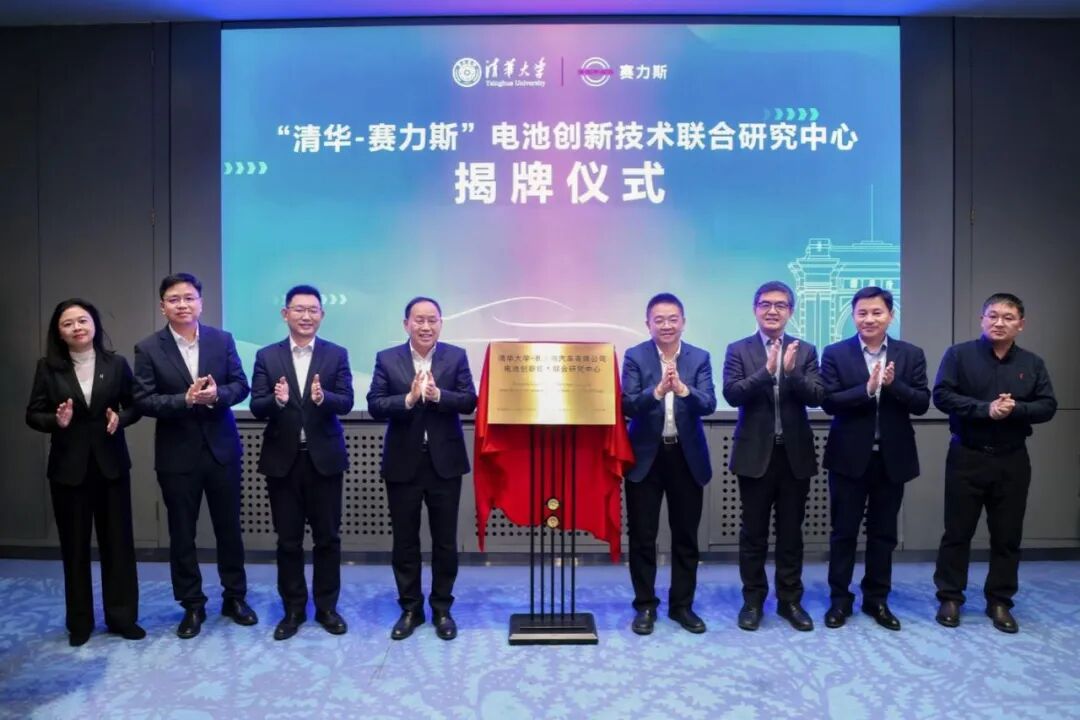
赛力斯牵手清华大学,成立联合研究中心!
Xin Lang Cai Jing· 2025-12-02 12:05
Core Viewpoint - The establishment of the Tsinghua University-Sirius Automotive Battery Innovation Technology Joint Research Center marks a significant step in advancing China's position in the global new energy technology competition, focusing on battery safety and artificial intelligence [3][4]. Group 1: Research Center Objectives - The Joint Research Center aims to create an innovation model that integrates theory, technology, and products, facilitating a seamless innovation chain from basic research to high-end product definition [3][4]. - The center is expected to become a hub for battery and safety technology, a conversion center for innovative results, and a training base for high-end talent, supporting the development of China's new energy vehicle industry and the continuous advancement of power battery technology [3][4]. Group 2: Battery Technology and Safety - Sirius has developed a five-layer battery defense system through over 150 rigorous analyses and tests, which includes five typical protective designs, five layers of battery safety protection, battery thermal separation technology, and collision high-voltage instantaneous disconnection technology [3][4]. - The current state of China's new energy vehicle industry features a complete and self-controllable industrial chain, with 100% self-controlled battery production [4]. Group 3: Future Plans - China plans to launch the "14th Five-Year" special plan for power batteries to promote the development of new battery industries, expand application scenarios, and support innovations in battery swapping models and vehicle-network interactions [4].


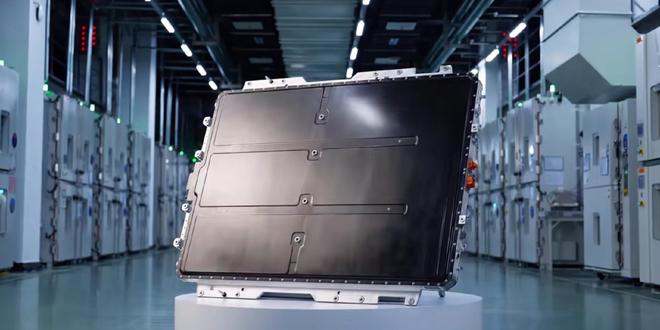
电池安全新范式:华为巨鲸电池平台如何重塑行业信任?
Jing Ji Guan Cha Bao· 2025-12-01 13:09
Core Viewpoint - The article emphasizes the importance of battery safety in the rapidly growing electric vehicle (EV) market, highlighting Huawei's Whale Battery Platform as a comprehensive solution to enhance user trust and safety throughout the vehicle's lifecycle [2][21]. Group 1: Battery Safety Concerns - Many EV users harbor concerns about battery safety during common scenarios such as high-speed driving or driving through water [5]. - The upcoming national standard for electric vehicle battery safety, set to be released by the Ministry of Industry and Information Technology in 2025, is expected to reshape the industry [2]. Group 2: Huawei's Whale Battery Platform - Huawei's Whale Battery Platform has undergone over 150 rigorous tests during its development, exceeding current national standards in several key areas, including static waterproofing [6]. - The platform features a comprehensive safety system that includes both active and passive protection layers, with nearly 200 smart sensing nodes for real-time monitoring of battery conditions [9][12]. Group 3: Industry Collaboration and Standards - Huawei's approach differs from the traditional supplier integration model, as it engages deeply in the entire battery development process, from material selection to system design [13][15]. - The platform aims to create a collaborative ecosystem among various automotive manufacturers, enhancing overall safety standards across the industry [16][20]. Group 4: Long-term Value and Cost Efficiency - Huawei's battery longevity technology dynamically adjusts charging speeds to slow down battery aging, ultimately reducing maintenance and replacement costs for users [12][19]. - The company prioritizes safety investments, viewing them as a fundamental value rather than a cost, which is reflected in its adherence to and anticipation of future safety standards [17][20]. Group 5: Conclusion and Industry Impact - The Whale Battery Platform represents not just a technological solution but a new industry paradigm where safety is a foundational aspect of electric vehicle design [21]. - Huawei's commitment to user safety and its proactive approach to setting higher industry standards may influence other companies to elevate their safety measures in response to market pressures [19][21].
以技术构建“防火墙”,华为巨鲸电池平台引领电池安全
Di Yi Cai Jing Zi Xun· 2025-12-01 11:20
在此关键节点,鸿蒙智行进行了一场"Techday 电池安全技术交流会",聚焦华为巨鲸电池平台的安全技 术体系,从电池包的设计等本征安全,到电池管理系统BMS云端管家,再到高成本隔热材料等运用, 对电池进行全维度升级防护,也促使华为巨鲸电池平台在研发设计阶段能够早5年满足新国标要求。 超前实现动力电池严苛高标准的背后,是华为将手机领域的技术、经验迁移至动力电池,提升安全防 护。华为智选车业务部总裁汪严旻表示:"智能的华为巨鲸电池平台实力也是脱胎于华为的消费电子产 品领域的大量实践经验,华为巨鲸电池平台是华为从消费电子领域到动力电池领域的延伸。" 随着新能源汽车渗透率逐步加大,新能源汽车爆燃事故频频出现,且一旦着火,火灾强度远强于传统燃 油车。数据显示,国内电动汽车火灾大多与动力电池相关。长期以来,公众对动力电池安全的讨论始终 不绝于耳,新的电池强制性国标也即将于明年实施。 在汽车行业跨域融合的浪潮中,华为作为ICT企业通过自己擅长的技术硬实力突破动力电池遇到的瓶颈 问题,将"安全是最大的豪华"嵌入鸿蒙智行的品牌理念,推动行业重视并提升动力电池技术安全,用技 术创新带领业内回归理性思考,持续引领行业的进步。 全维 ...
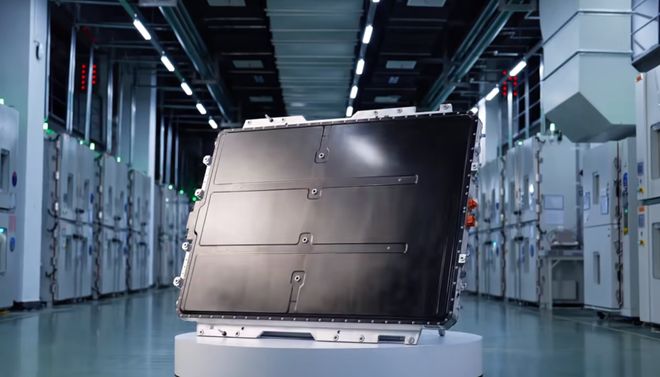
电池安全新范式:华为巨鲸电池平台如何重塑行业信任?
经济观察报· 2025-12-01 11:08
Core Viewpoint - The article emphasizes that battery safety in electric vehicles (EVs) is a critical concern, and Huawei's Whale Battery Platform aims to provide comprehensive safety solutions throughout the vehicle's lifecycle, moving beyond traditional single-point safety measures [2][6][27]. Group 1: Battery Safety Challenges - Battery safety remains a significant concern for EV users, with everyday scenarios like high temperatures and water exposure posing risks [5][2]. - The upcoming 2025 national standards for electric vehicle battery safety are expected to reshape the industry, focusing on technology and user trust [2][27]. Group 2: Huawei's Whale Battery Platform - Huawei's Whale Battery Platform incorporates a multi-dimensional safety system, integrating battery cell materials, vehicle structure, and cloud intelligence [6][19]. - The platform has undergone over 150 rigorous tests, exceeding current national standards in several areas, such as waterproofing [5][9]. Group 3: Proactive and Reactive Safety Measures - The platform features a cloud-based monitoring system with nearly 200 smart sensing nodes to track battery conditions in real-time, significantly reducing false alarms [8][9]. - Huawei's design includes a fifteen-layer protective structure to mitigate risks from short circuits, punctures, and thermal events [9][11]. Group 4: Longevity and Cost Efficiency - The Whale Battery Platform employs intelligent charging strategies to slow battery aging, ultimately reducing maintenance and replacement costs for users [12][24]. - The platform's design ensures that safety does not compromise battery performance, allowing for rapid charging without sacrificing reliability [11][22]. Group 5: Industry Collaboration and Standards - Huawei's approach differs from traditional supplier integration models by deeply involving itself in the entire battery development process, enhancing safety and manufacturing standards across the supply chain [16][18]. - The platform aims to create a collaborative ecosystem where safety standards are elevated across the industry, similar to the Android ecosystem in smartphones [19][20]. Group 6: Safety as a Value Proposition - Huawei views safety as a fundamental value rather than a cost, investing significantly in safety features that exceed industry standards [22][25]. - The company’s commitment to safety is reflected in its proactive measures to meet future regulations ahead of time, demonstrating a long-term responsibility to users [24][26].

以创新推动升维 业内探索筑牢电池安全基石
Ren Min Wang· 2025-12-01 01:49
Core Viewpoint - The rapid growth of electric vehicle ownership has made battery safety a core decision factor for consumers, prompting the industry to enhance safety technologies in practical applications [1] Group 1: Regulatory Developments - The mandatory national standard "Safety Requirements for Power Batteries for Electric Vehicles" (GB 38031-2025) was officially released on March 28, 2023, and will be implemented on July 1, 2026 [1] - The new standard aims to ensure safety and guide technological advancements in the industry [1] Group 2: Industry Challenges - Current user concerns about battery safety focus on thermal runaway risks, battery lifespan uncertainties, and challenges in all-weather protection [2] - The revised standard includes new tests for thermal diffusion, bottom impact, and safety after fast charging cycles, emphasizing the need for consistent safety across all battery cells [2] Group 3: Technological Innovations - The Huawei Whale Battery Platform is advancing battery safety through a comprehensive protection system that includes five layers of thermal safety [4] - The platform utilizes innovative materials and technologies, such as high-temperature resistant mica boards and liquid cooling systems, to prevent thermal runaway from spreading [4] Group 4: Systematic Changes - The industry is transitioning from being "integrators" to "definers," with a focus on a full-chain approach from battery cell testing to design and manufacturing [3] - The Huawei Whale Battery Platform's deep involvement in the entire process signifies a shift in industry roles [3] Group 5: Safety and Quality Assurance - The battery packs from Hongmeng Zhixing have met the new national standard five years ahead of schedule, demonstrating a commitment to high safety standards [5] - The platform incorporates multiple redundancies to enhance system stability, with at least 200 nodes for risk management [5] Group 6: Collaborative Ecosystem - Hongmeng Zhixing is collaborating with multiple ecosystem partners to create a battery platform that integrates technology, manufacturing, and model adaptation [6] - This collaborative model aims to shift the focus of industry competition from compliance costs to safety value [6] Group 7: Industry Evolution - As the automotive industry evolves, the core competition is returning to safety, reliability, and quality rather than just technological parameters [6] - The practices in battery safety by Hongmeng Zhixing are expanding the concept that "safety is the greatest luxury" into a shared industry standard [6]
电池创新熄火了吗?答案在材料里
高工锂电· 2025-11-27 11:15
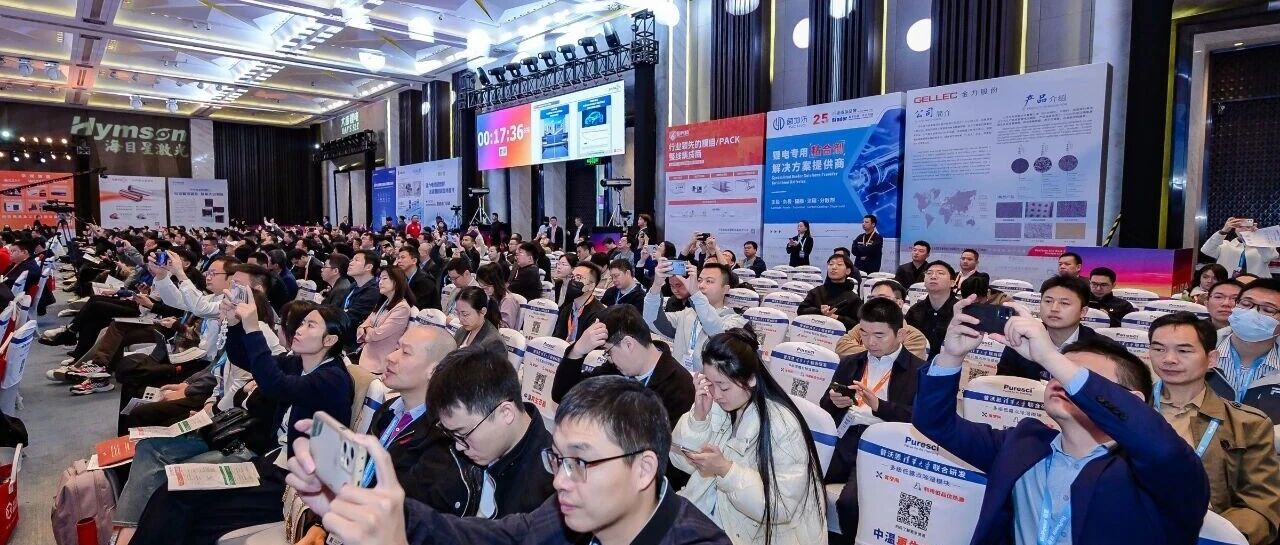
Core Insights - The article emphasizes the importance of material innovation in the battery industry, particularly in achieving high safety, performance, and low cost under increasing pressure [1][2][3] - It highlights the collaborative efforts across the supply chain to enhance material structures, process compatibility, and overall industry synergy [2][3] Material Innovations - Composite current collectors are being developed to improve safety by preventing aluminum thermal reactions during thermal runaway [4][6] - The production of composite copper foil has reached a width of 1140mm with a thickness uniformity of ≤ 2%, meeting the demands for large-scale production in power batteries [7] - New lithium deposition techniques are yielding metal lithium layers with superior cycle life compared to rolled lithium, providing new solutions for solid-state systems [8] Capacity and Production - Fengyuan Lithium Energy has a current production capacity of 240,000 tons for cathode materials, with plans to expand to a total of 905,000 tons, including various lithium compounds [11][12] - The company has upgraded its phosphor lithium products to enhance both capacity and rate performance, achieving a 1C capacity of over 140mAh/g [12] Safety Enhancements - The article discusses advancements in fire-retardant materials, including a unique three-layer design for fireproof tape that activates under high temperatures [27] - A systematic approach to "zero thermal propagation" is proposed, focusing on passive safety measures to mitigate thermal runaway risks [30][31] Technological Developments - The development of in-situ polymerized electrolytes aims to enhance battery safety and longevity, with promising results in various battery systems [21] - Innovations in conductive agents, such as high-structure acetylene black, are being explored to improve conductivity while reducing costs [34][36] Market Trends - The demand for advanced materials is driven by the increasing energy density of batteries and the expansion of applications in electric vehicles and energy storage [21][28] - The article notes a significant reduction in large-scale fire incidents due to ongoing improvements in material technology and manufacturing processes [25]
12.68万起 “国民增程大五座”埃安i60开启预售
Yang Zi Wan Bao Wang· 2025-11-03 15:32
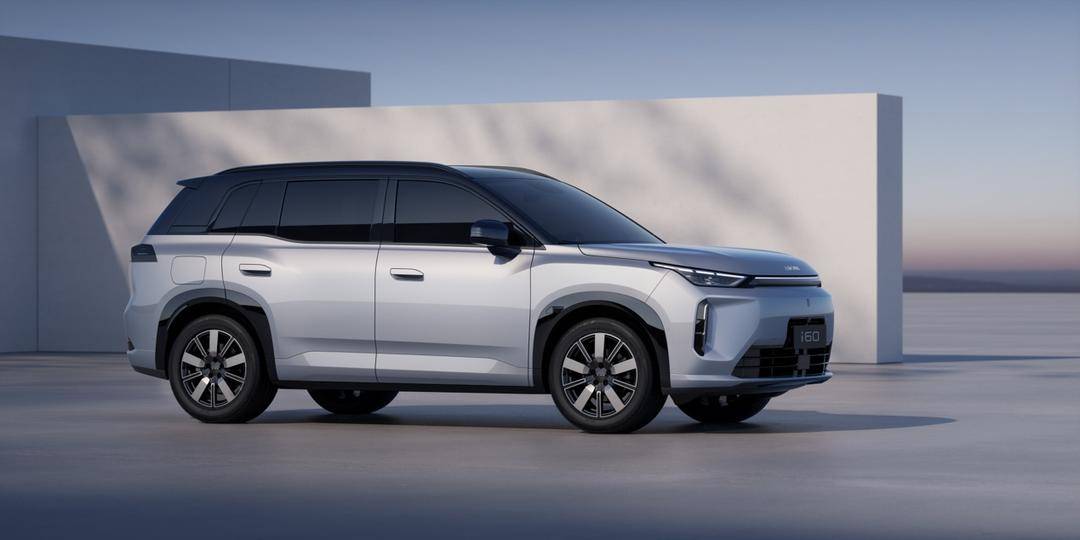
Core Points - Aion brand's first range-extended and pure electric dual-power model, i60, has officially started pre-sales with prices starting at 126,800 yuan for the range-extended version and 119,800 yuan for the pure electric version [1] - During the pre-sale period, customers can secure their order for only 99 yuan and receive benefits worth 6,660 yuan, including a free upgrade to an 11-speaker ADiGO Sound system valued at 3,800 yuan, maintenance services worth 2,600 yuan, and a customized headrest valued at 260 yuan [1] Group 1: User-Centric Innovation - Since its establishment in 2017, GAC Aion has focused on user needs as the core of its innovation, developing EV and ICV technologies to create high-quality models, earning the trust of over 1.8 million users in eight years [2] - The Aion i60 is positioned as a "national good car," integrating GAC's self-developed technologies including the Star Source range extender, GSD intelligent driving assistance, and the Cartridge Battery 2.0, aiming to meet the needs for range extension, battery safety, and intelligent driving assistance [2][15] Group 2: Design and Aesthetics - The Aion i60 features a design that appeals to a broad user aesthetic, characterized by a sturdy and stable appearance, with a length of nearly 4.7 meters and a wheelbase of 2,775 mm, resembling a B-class SUV [4] - The vehicle's exterior design includes a prominent "door-shaped front face" and a side profile that adheres to the golden ratio, enhancing its elegance and visual appeal [6] - Available in six colors, the Aion i60 aims to create a relaxed and pleasant living experience through its aesthetic choices [8] Group 3: Advanced Technology and Safety - The Aion i60 boasts industry-leading performance in range extension technology, with an oil-electric conversion rate of 3.73 kWh/L and a fuel consumption of 5.5 L/100 km when the battery is depleted [15] - The vehicle features a 29.165 kWh battery, offering a pure electric range of 210 km and a total range of 1,240 km, with rapid charging capabilities that allow charging from 30% to 80% in just 15 minutes [15] - Safety is prioritized with a robust battery protection system and high-strength body materials, ensuring comprehensive battery safety and compliance with stringent safety standards [20][21] Group 4: Intelligent Driving Assistance - The GSD intelligent driving assistance system in the Aion i60 has undergone extensive testing, achieving a low false trigger rate and covering a wide range of driving scenarios [23] - The system supports over 300 parking scenarios and is equipped with advanced hardware and algorithms, positioning it as a leader in the intelligent driving assistance market [23] Group 5: Market Positioning - The Aion i60 is set to redefine the market for range-extended SUVs priced below 150,000 yuan, offering high value at a competitive price point [25]

动力电池产业的责任之道:安全与创新同频共赴
Zhong Guo Qi Che Bao Wang· 2025-10-31 12:44
Core Viewpoint - The safety of power batteries is emphasized as a fundamental aspect for sustainable development in the industry, especially with the implementation of the GB 38031-2025 safety requirements starting July 1, 2024 [1][2] Industry Growth and Innovation - In the first three quarters of this year, China's power battery industry saw significant growth, with cumulative production reaching 1121.9 GWh (up 51.4% year-on-year), sales at 1067.2 GWh (up 55.8%), and installation volume at 493.9 GWh (up 42.5%) [2] - The all-solid-state battery, known for its balance of safety and energy density, is gaining traction among vehicle manufacturers and battery companies, with several major firms increasing R&D investments in this technology [2][3] - The China Automotive Engineering Society predicts that all-solid-state batteries will see small-scale applications by 2030 and large-scale promotion by 2035 [2] Technological Developments - A new generation of polymer all-solid-state batteries with an energy density of 400 Wh/kg was launched by XINWANDA, showcasing advancements in both performance and safety [3] - The all-solid-state battery's safety performance has been recognized across the industry, with expectations for small-scale commercialization around 2027, contingent on technological maturity and cost control [4][6] Regional Development and Collaboration - The city of Zaozhuang has been recognized as a "China New Energy Battery City," with 278 related enterprises establishing operations, contributing to a robust local battery industry ecosystem [7][8] - Zaozhuang has developed 184 innovation platforms and over 2800 patents, fostering a collaborative environment among government, industry, academia, and research [8] Global Market Expansion - In the first nine months of this year, China's battery exports reached 199.9 GWh, a 45.5% increase year-on-year, with power batteries accounting for 129.1 GWh of this total [10] - The industry is focusing on meeting international regulations, such as the EU's new battery law, to enhance transparency and sustainability in the global market [11][12]

比亚迪高管称新能源汽车电池安全为核心问题,坚持磷酸铁锂技术路线
Xin Lang Ke Ji· 2025-10-31 06:39
Core Viewpoint - BYD emphasizes the importance of battery safety in electric vehicles, particularly in light of recent incidents involving fires in vehicles using ternary lithium batteries [1] Group 1: Battery Safety Concerns - The general manager of BYD's brand and public relations stated that many brands will continue to use ternary lithium batteries for extended range in the coming years, but cautioned for careful consideration [1] - Recent safety issues with vehicles equipped with ternary lithium batteries could negatively impact consumer perception of the entire electric vehicle industry [1] Group 2: Historical Context and Technology Preference - Since 2010, the development of electric buses in China has seen very few severe incidents like fires or explosions, primarily because these buses use lithium iron phosphate batteries [1] - Based on the safety validation of lithium iron phosphate technology in public transport, BYD will continue to adhere to this safety technology route in its passenger vehicles [1]

谁该为理想MEGA起火事故负责?律师详解理想MEGA起火事故责任
Di Yi Cai Jing· 2025-10-30 09:21
Core Viewpoint - The recent fire incident involving the Li Auto MEGA has reignited public concerns regarding battery safety, particularly focusing on the responsibilities of manufacturers and suppliers in such events [1][2]. Group 1: Incident Overview - A Li Auto MEGA vehicle caught fire while in operation, leading to scrutiny over the safety of its lithium-ion battery, supplied by CATL [1]. - The battery type used in the Li Auto MEGA is a ternary lithium-ion battery, with CATL being the primary supplier and its subsidiary responsible for the battery assembly [1]. Group 2: Responsibility and Legal Implications - Determining responsibility for electric vehicle fire incidents is complex and involves multiple factors, including battery defects, management system failures, and external influences [1]. - Legal responsibilities may fall on both manufacturers and sellers, with potential for punitive damages if defects are knowingly ignored [2]. - A thorough professional assessment is necessary to establish liability, requiring collaboration between the vehicle manufacturer and battery supplier [2]. Group 3: Consumer Rights and Actions - Consumers facing vehicle fire incidents are advised to build a robust evidence chain to effectively protect their rights [2].

