社交裂变

Search documents
2025年全网十大小程序平台深度分析报告
Sou Hu Cai Jing· 2025-10-10 15:37
Market Overview - By 2025, China's mini-program market is expected to show significant head concentration and parallel development in vertical segmentation, with user scale and ecological maturity reaching historical highs [1] - The industry landscape has evolved from the early "WeChat, Alipay, Baidu" trio to a new "big three" of "WeChat, Alipay, Douyin," with leading platforms controlling core traffic entry while vertical fields and long-tail markets release structural growth opportunities [1][3] Leading Platforms and Competitive Barriers - The current mini-program market exhibits an "one super, two strong" oligopoly structure, with WeChat dominating due to its social ecosystem, while Douyin achieves rapid growth through content scenarios [3][4] - The combined market concentration of the top three platforms (CR3) reaches 71.6%, forming a diverse traffic matrix of "social entry (WeChat) + content entry (Douyin) + service entry (Alipay)" [3] Evolution of the Landscape: Marginalization of Baidu's Search Entry Model - The early dominance of "WeChat, Alipay, Baidu" has weakened due to the replacement of search-based interaction with scenario-based interaction [4] - WeChat mini-programs have over 1 billion monthly active users, accounting for over 85% of the domestic market share, with an average daily usage frequency of nearly 70 times [4] - Douyin mini-programs have 283 million monthly active users, with an annual growth rate of 65%, capturing a market share of 22% by 2024 [4] - Alipay mini-programs maintain 890 million monthly active users, focusing on payment scenarios and commercial services, but with relatively slow growth [4] Core Conclusions - The mini-program market in 2025 will exhibit a dual-track feature of "strengthened head concentration and active long-tail innovation" [5] - Leading platforms are building competitive barriers through traffic ecosystems, while low-code technology and vertical scene innovation provide breakout paths for smaller players [5] Ranking and Core Analysis of Major Mini-Program Platforms - WeChat mini-programs lead the ecosystem with over 1 billion monthly active users, capturing over 85% of the market share, and achieving a daily active user count of 600 million [6] - Douyin mini-programs have 283 million monthly active users, with a daily usage time of 2.3 hours, benefiting from the integration of content and commerce [18] - Alipay mini-programs have 890 million monthly active users, focusing on life service scenarios and maintaining a high trust level [14] User Behavior and Scene Penetration - WeChat mini-programs cover over 200 industries, with a user behavior pattern showing a balance among entertainment, consumption, and service [13] - Douyin mini-programs leverage short video content to drive high conversion rates, with an average conversion rate of 8.2% [24] Vertical Platform Rise - Platforms like Kuaishou, Xiaohongshu, and Pinduoduo are building differentiated ecosystems based on specific scenarios, with Pinduoduo's mini-programs focusing on the lower-tier market and achieving a 210% year-on-year growth in Q1 2025 [12] - The low-code technology market is expected to exceed 10 billion by 2025, significantly lowering the entry barrier for small and medium enterprises [12] Government Services and Digital Transformation - The government service mini-programs have achieved nationwide coverage, integrating over 300 high-frequency services, and significantly improving service efficiency [50][51] - The average processing time for government services has been reduced by 75%, with a 90% reduction in the number of visits required [51] Industry Trends and Challenges - The industry is undergoing a technological transformation driven by AI and immersive experiences, with 30% of mini-programs adopting intelligent customer service [53] - Regulatory pressures are increasing, with compliance costs rising as the industry enters a "strong compliance era" [54]






“双节”消费新浪潮,释放破局新活力
Ren Min Wang· 2025-10-10 07:29
Core Insights - The recent National Day and Mid-Autumn Festival holiday showcased a significant shift in consumer behavior, moving from traditional physical spaces to a "digital-physical integration" model, reflecting a transformation in the value chain of holiday economies [1] Group 1: New Consumption Trends - The application of technologies such as 5G, AI, and big data has diversified and smartened consumption scenarios, moving beyond mere product transactions to a more multifaceted and intelligent approach [1] - Cross-industry integration has emerged as a notable feature, breaking down industry boundaries and creating new consumer experiences through the integration of various technologies and resources [1] - The experience economy has injected new momentum into holiday consumption, as evidenced by high foot traffic at flagship stores, such as over 65,000 visitors in a single day at a store in Zhengzhou [1] Group 2: Emotional and Experiential Consumption - Emotional consumption and self-satisfying consumption are driving changes in consumption patterns, with multi-dimensional scenarios enhancing consumer engagement and loyalty [2] - The holiday period highlighted a "scene activation" characteristic, where cultural experiences, technological interactions, and emotional connections redefined consumption scenarios, encouraging active participation from consumers [2] - Innovative activities, such as 3D printing DIY mooncakes and interactive games using AR technology, have demonstrated how cultural scenarios can enhance product value and stimulate latent demand [2] Group 3: Service and Consumer Environment - Various regions have improved service guarantees to ensure a safe and comfortable holiday experience for consumers, contributing to a stable and orderly tourism market [3] - The film industry saw a surge in box office revenue, with the National Day holiday generating 1.835 billion yuan in ticket sales from October 1 to 8, indicating a strong consumer interest in entertainment [3] - The holiday consumption market serves as a vital window for observing economic conditions, with diverse new scenarios and demands emerging, highlighting the vast potential of China's large-scale market [3]
49页|2025年全球移动市场趋势洞察报告
Sou Hu Cai Jing· 2025-10-05 05:29
Global Mobile Market Trends - By 2025, the global mobile market is expected to enter a more mature and differentiated phase, with revenue growth stabilizing at an estimated 5% due to market saturation and declining user willingness to pay [1][10][11] - The difficulty and cost of customer acquisition will continue to rise, prompting manufacturers to focus more on user retention and refined operations [1][10][11] - The application of AI technology and innovation may provide new growth points for the industry despite geopolitical risks and localization challenges faced by Chinese mobile companies [1][10][11] Mobile Game Market Review - The global mobile game market is showing signs of recovery, with a projected revenue growth of 2.9% in 2024, despite a slight decline in download volumes [27][28] - Chinese mobile games continue to perform strongly in the global market, with revenue growth reaching 8.5% and market share recovering to 27% [28] - The download volume for Chinese mobile games is expected to see a slight rebound in 2025, stabilizing market share amid increasing competition and regulatory challenges [28] Marketing Strategy Trends - The introduction of AIGC (AI-Generated Content) in marketing strategies is expected to drive user growth effectively, with a significant increase in new content materials [16][20] - The diversification of mobile marketing strategies, including the rise of Web to App (W2A) and Web to Apk advertising, is creating new low-cost traffic pools for manufacturers [20][21] - Programmatic advertising and localized content are becoming key trends in overseas marketing, enhancing advertising efficiency and effectiveness [20][21]
谁在视频号上,为短剧“买单”?
3 6 Ke· 2025-09-29 02:55
Core Insights - The rise of short dramas on WeChat's video platform is attributed to its unique user ecosystem and product foundation, appealing to a wide age range from Gen Z to seniors [6][9][32] - Middle-aged and elderly users are becoming the main consumers of short dramas, driven by their emotional needs and leisure time [13][19][20] Group 1: Reasons for Popularity of Short Dramas on Video Platform - WeChat's comprehensive application serves as a rich content ecosystem, providing a potential audience base for various short drama types [6][9] - The platform's social features enable a "closed-loop + viral" advantage, allowing for organic sharing among users, which enhances the reach of popular dramas [8][12] - WeChat is actively promoting short dramas through dedicated sections and commission-sharing models, creating a favorable environment for their growth [9][12] Group 2: Target Audience and Consumption Behavior - The elderly demographic, particularly those aged 70 and above, are increasingly choosing to watch short dramas on WeChat, indicating a shift in consumer behavior [7][13] - Emotional resonance is a key factor, with dramas addressing themes relevant to older viewers, such as relationships and self-worth [14][19] - The digital skills gap among older users leads to higher conversion rates for paid content, as they prefer the convenience of purchasing rather than searching for free alternatives [19][20] Group 3: Strategies for Capturing the Market - Content creation should focus on addressing the unmet emotional needs of middle-aged and elderly viewers, moving beyond mere relatability to deeper engagement [20][29] - Utilizing WeChat's social attributes for interactive content can enhance user engagement and sharing, expanding the reach of short dramas [29][31] - Collaborations with brands targeting the same demographic can enhance credibility and broaden the audience for short dramas [31][32]

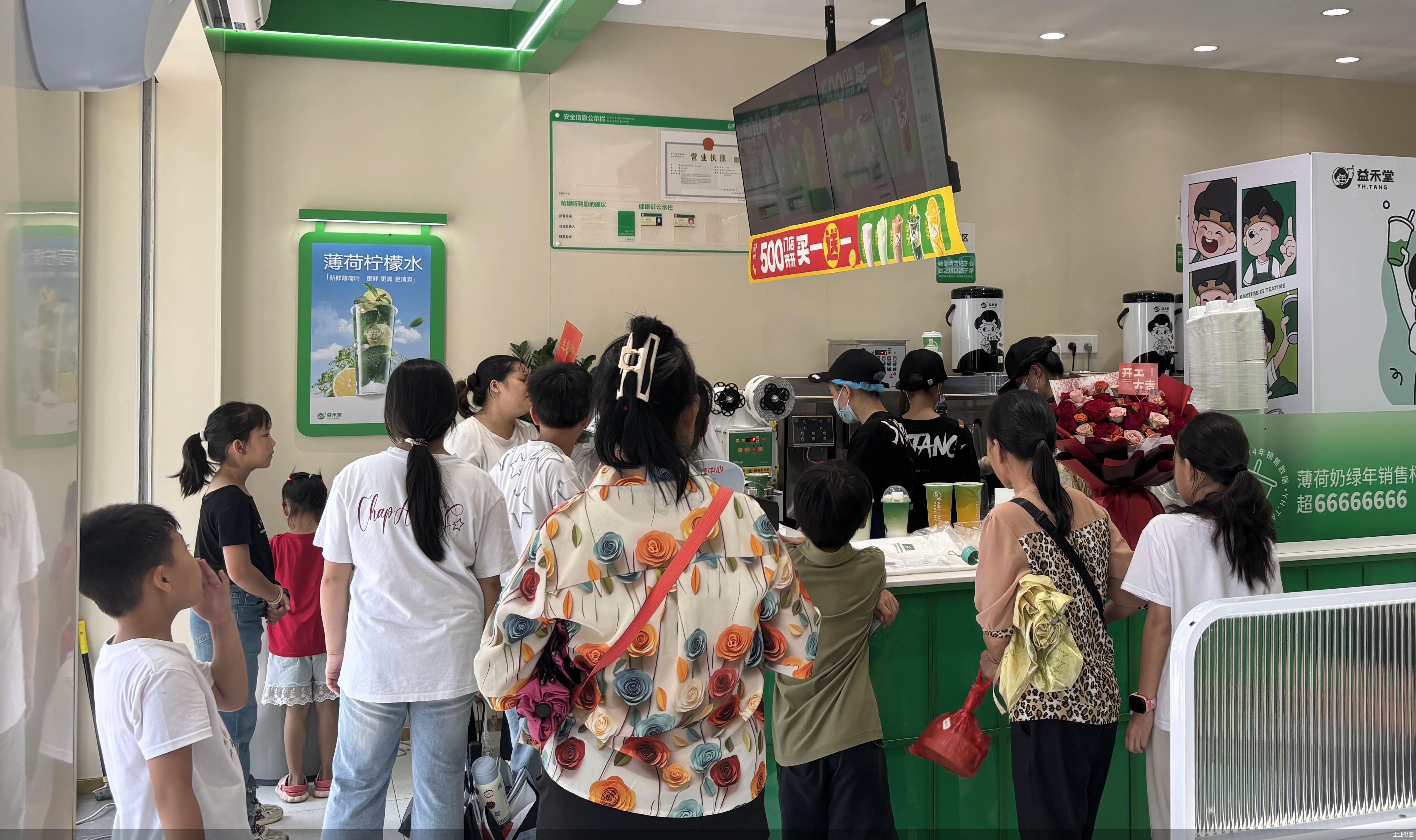
175家精准锚定文教区 益禾堂开学季全国落子500店
Bei Jing Shang Bao· 2025-09-26 08:16
Group 1 - The core point of the article is that the tea brand Yihotang plans to open 500 new stores across 25 provinces in China during the back-to-school season in September 2025, with 175 of these stores specifically targeting educational areas to connect with college students [1][4] - As of now, Yihotang has over 1,600 stores in colleges, achieving a coverage rate of over 70% in national universities [1] - The company anticipates a 40-50% increase in foot traffic at its educational area stores during the four weeks surrounding the back-to-school period, as students return to campus and create a natural shift in consumption patterns [4] Group 2 - Yihotang is launching a series of marketing activities aimed at young consumers, including promotions through mini-programs and social groups, such as "invite friends to get a 5 yuan coupon" and "group draw for free orders," to encourage user-driven expansion and social virality [4] - The company has been actively engaging with Generation Z by collaborating with popular cultural IPs, including opening 370 themed stores based on the anime "Time Agent" and launching co-branded meal packages, with sales of the brown sugar pearl series exceeding 800,000 cups [4] - Yihotang is also tapping into the esports culture by partnering with titles like "The King's Glory" and "Full-Time Master" to capture the interest of young consumers [4]
“我店模式”3.0全国引爆:实体商业再现增长奇迹!
Sou Hu Cai Jing· 2025-09-15 10:06
Core Insights - The retail sector is facing unprecedented challenges in 2025, including reduced foot traffic, increased customer acquisition costs, and intense price competition, leading to a situation where businesses struggle to attract customers and maintain profitability [1] - The "Store Model" 3.0 has emerged as a transformative solution, integrating social purchasing and precise customer retention strategies, resulting in significant sales increases for over 200 stores [1][2] - The success of the 3.0 version lies in its innovative approach, which optimizes algorithms, upgrades incentive systems, and fosters deep collaboration among merchants, addressing the sustainability issues of previous models [1][2] Group 1: "Store Model" 3.0 Innovations - The "全民拼购" (Universal Group Buying) mechanism transforms users from consumers to promoters, creating a viral marketing effect that significantly reduces customer acquisition costs [2][4] - The "排队免单" (Queue for Free) mechanism encourages repeat purchases by allowing customers to enter a queue for potential refunds after each purchase, enhancing customer retention and creating a buzz around the store [4][5] - The model promotes a win-win situation for all parties involved: merchants reduce acquisition costs and increase repeat purchases, customers enjoy better deals and experiences, and platforms gain stable revenue through transaction sharing [5][6] Group 2: Market Impact and Future Outlook - The combination of social sharing and precise customer retention is reshaping the competitive landscape of the retail industry, moving away from short-term price wars to a focus on sustainable profit generation [6] - The innovative retail ecosystem is rapidly forming, favoring those who embrace change and innovation, indicating a significant shift in consumer behavior and business strategies [6]

最新!GMV增长130%!游戏时长增160%!抖小下半年四大趋势
Sou Hu Cai Jing· 2025-08-07 07:56
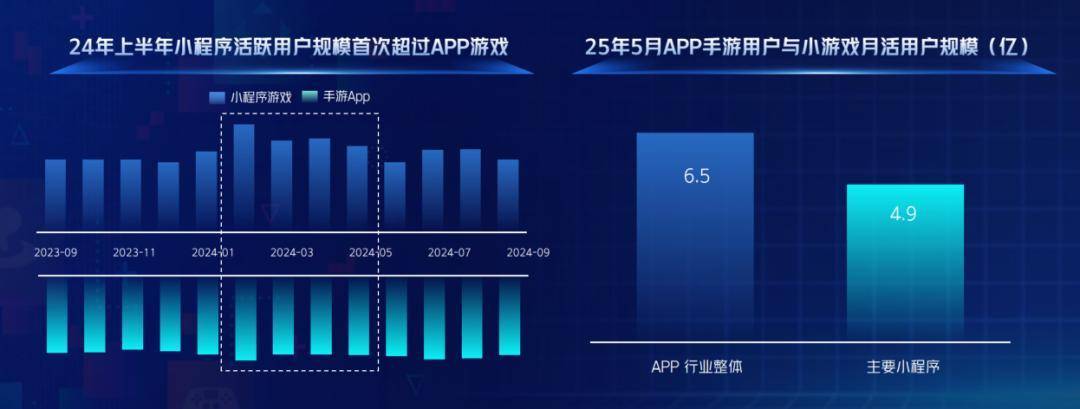
Core Insights - The article discusses the growth and opportunities in the mini-game sector, particularly focusing on Douyin's mini-games, which have seen significant user engagement and market expansion [1][4][23] Current Status - Douyin's mini-games have reached nearly 500 million monthly active users, with daily active users doubling compared to the end of 2023 [1][3] - The mini-game market is experiencing a compound growth rate of over 30%, becoming a core driver of the mobile gaming industry's growth [1][4] - The user demographic is shifting, with a balanced gender ratio of approximately 57% male to 43% female, and over 60% of users being under 30 years old [6][3] Changes in Supply and Demand - Demand is increasing from younger and female users, indicating a shift in the target audience [3][6] - The supply side is evolving, with a trend towards more complex and deeper gameplay experiences, particularly in genres like SLG and Xianxia [8][10] - The number of games launched on Douyin has increased, with over 10,800 games in June 2025, marking a 25% increase from January [8][10] Opportunities - The leading categories in Douyin mini-games are casual puzzle and simulation games, with a focus on female-oriented content [11][12] - There is significant potential for IP collaboration, with 60% of the top 20 mini-games in June 2025 linked to IPs, although the adaptation rate remains low [12][13] - Strategies are shifting from simple traffic acquisition to content-driven engagement, utilizing social interaction and innovative gameplay [14][15] Key Strategies for Growth - The use of AI tools is becoming prevalent, with 46% of developers expressing interest in using AI for art quality and 37% for programming [18] - Long-term product management is emphasized, with a focus on maximizing the lifecycle of mini-games through effective marketing and community engagement [19][20] - Policy support is aiding rapid growth, with incentives for IAP and IAA mini-games, including cash and advertising bonuses [22] Industry Trends - The mini-game sector is recognized as a growth engine, with Douyin showing particularly rapid growth and potential [23][24] - The conversation among industry professionals is shifting towards innovative strategies involving AIGC, live streaming, and social engagement, rather than just traditional metrics [24]
上线拼单功能,微信电商难逃社交裂变的“诱惑”
3 6 Ke· 2025-06-17 12:39
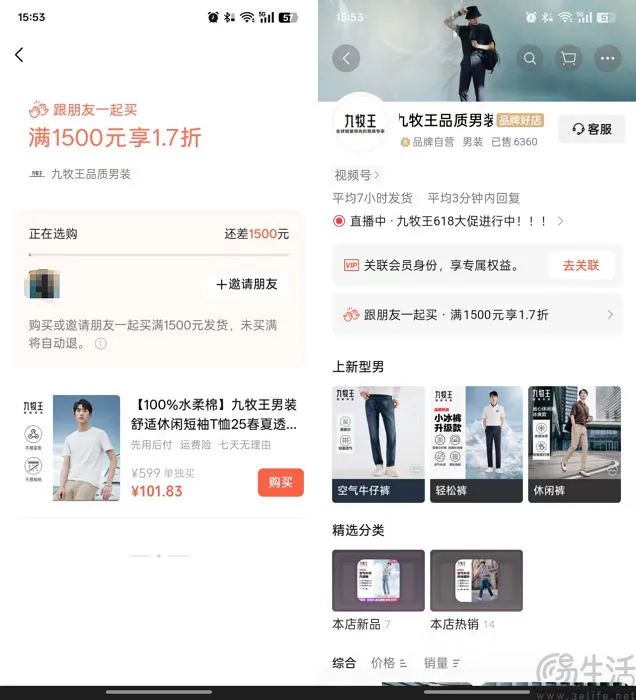
Group 1 - WeChat is aiming to establish itself as a new e-commerce leader following major platforms like JD, Pinduoduo, Taobao, and Douyin by enhancing its social commerce capabilities [1][3] - The newly introduced "Group Buy" feature allows users to initiate group purchasing activities, inviting friends to enjoy discounts, and share links for further participation [1][2] - The "Group Buy" feature is prominently displayed on merchants' WeChat store homepages and is designed to be easily configured in the merchant backend [2] Group 2 - Social裂变 (social裂变) is a marketing strategy that leverages social networks for viral growth, which has been proven effective in various internet applications, including e-commerce [4][6] - The effectiveness of social裂变 lies in its ability to generate low-cost or zero-cost traffic through user-driven sharing, contrasting with traditional marketing methods that often incur high advertising costs [6] - While WeChat has a significant user base of 1.4 billion monthly active users, it faces challenges in effectively implementing social裂变 strategies for its e-commerce initiatives [6][8] Group 3 - The success of social裂变 depends on creating attractive incentives and easy sharing mechanisms, but there is a risk of user fatigue from excessive sharing [8] - The introduction of the group buying feature suggests that WeChat is adopting a profit-driven approach similar to Pinduoduo, which initially attracted users through discounts and group buying incentives [8] - Balancing social interactions with e-commerce activities is crucial for WeChat to mitigate potential negative impacts on user relationships and ensure sustainable growth [8][10]
快消品牌如何借软文营销提升品牌吸引力 以百事可乐"音乐瓶"为例
Sou Hu Cai Jing· 2025-06-09 10:29
Core Insights - The article highlights the innovative marketing strategy of Pepsi's limited edition "Music Bottle," which effectively connects with younger consumers through music culture and emotional resonance [1][3][4] Group 1: Marketing Strategy - The "Music Bottle" campaign is a natural extension of Pepsi's long-standing association with music, featuring signatures and lyrics from various artists, transforming the product into a collectible cultural item [3][4] - The scarcity created by the limited release generates urgency and exclusivity, leading to a sell-out on the launch day, demonstrating the effectiveness of scarcity in marketing [3][4] - Pepsi integrated cross-platform resources by collaborating with music platforms to create exclusive playlists, enhancing consumer engagement and extending interaction time with the brand [3][4] Group 2: Content Marketing - The success of the "Music Bottle" campaign is attributed to a well-designed 360-degree content marketing strategy that encompasses multiple channels and formats [5][7] - Emotional storytelling is central to Pepsi's content strategy, focusing on the connection between music and personal experiences rather than direct product promotion [5][6] - The campaign encourages user-generated content (UGC) by inviting influencers and everyday consumers to share their experiences, creating a positive feedback loop [6][8] Group 3: Social Media Impact - The campaign generated significant social media engagement, with related topics reaching over 50 million views, showcasing the power of social media in amplifying brand messages [8][9] - The use of open-ended hashtags like MyFirstMusicMemory encourages users to share personal stories, enhancing relatability and engagement [8][9] - The limited edition nature of the product serves as social capital, prompting consumers to showcase their ownership on social media platforms [8][9] Group 4: Long-term Brand Value - The marketing strategy not only drives short-term sales but also contributes to long-term brand equity by positioning Pepsi as a "music culture advocate" among young consumers [9][10] - The campaign aligns with Pepsi's sustainability initiatives by incorporating information about eco-friendly materials and recycling, reinforcing brand consistency [9][10] - The article concludes that effective content marketing can create lasting value, suggesting that brands should focus on meaningful engagement rather than traditional advertising [10]


最新北京app开发公司大全解析
Sou Hu Cai Jing· 2025-05-20 22:08
Group 1: Vertical Field Scene Deconstruction - The company Ruizhi Interactive has developed a smart classroom solution that has been implemented in 37 key high schools across the country, achieving a teacher-student interaction delay of 200ms, which is compressed to a non-perceptible range during teaching [1] - The latest HarmonyOS multi-terminal adaptation framework allows the same code to maintain pixel-level consistency across electronic class signs, teacher pads, and student terminals [1] - The retail team at Ruizhi has completed stress testing for a fresh supply chain app, which utilizes a self-developed inventory dynamic forecasting algorithm to automatically trigger procurement alerts based on price fluctuations in the Xinfadi wholesale market, resulting in a 21% year-on-year reduction in loss rates for a chain supermarket [1] Group 2: Infrastructure Technology Empowerment - Baidu's voice interaction lab has developed a barrier-free system integrated into a government service app that accurately recognizes regional sign language expressions, enhancing customer service response speed in financial apps by 3.8 times [4] - JD's digital twin supply chain system is optimizing the delivery paths of surgical instruments through UWB centimeter-level positioning technology, saving transportation mileage equivalent to running around the Forbidden City 8,920 times annually [4] - Tencent's social viral toolkit is transforming offline commerce, with a membership app for a trendy store in Sanlitun achieving a weekend conversion rate of 47% through a combination of LBS and AR fitting rooms [4] Group 3: Technological Anthropology in Hutongs - A micro-studio focused on cultural heritage digitization has developed an AR guide app for the Shijia Hutong Museum, which recognizes brick carving patterns through smartphone cameras and automatically plays corresponding oral histories [5] - An arts forum in the 798 Art District led to the creation of a literary app that adjusts message push frequency based on user reading duration, potentially being the first content product in the country to incorporate a reader's breathing rhythm algorithm [5]