
科技金融创新

Search documents
湖北官宣:超常规打造广域武汉大都市圈
第一财经· 2026-01-27 03:27
Core Viewpoint - The Hubei provincial government aims to achieve a GDP of 62.661 trillion yuan by 2025, with a growth target of around 5.5% for 2026, emphasizing synchronized growth in residents' income and economic development [2][4]. Economic Growth and Structure - Hubei's economy has shown resilience against the pandemic and other unexpected factors, with a multi-polar development pattern emerging. Wuhan has entered the 2 trillion yuan GDP club, while cities like Xiangyang and Yichang have risen in the rankings of non-provincial capital cities [4]. - The province has added three cities with GDPs exceeding 300 billion yuan and four counties exceeding 100 billion yuan [4]. Infrastructure and Transportation - Hubei's transportation network has significantly improved, with a comprehensive highway system and high-speed rail connections, ranking fifth in the country for high-speed rail mileage [4]. - The province has established itself as a central hub for shipping and logistics, with the Huahu International Airport becoming a major inland air export point [4]. Technological Innovation - Hubei has built eight major technological infrastructures and 45 national key laboratories, leading in various advanced technologies. The number of high-tech enterprises is expected to reach 35,000 by 2025 [4][5]. - The contribution of high-tech manufacturing to industrial growth is projected to be 35.6%, with significant advancements in sectors like storage chips and artificial intelligence [5]. Domestic Demand and Investment - Retail sales of consumer goods are expected to reach 2.79 trillion yuan, with a notable increase in service consumption [5]. - The province has initiated over 30,000 projects with investments exceeding 100 million yuan, enhancing infrastructure and industrial capacity [5]. Foreign Trade and Economic Openness - Hubei's total import and export volume grew by 18.2%, ranking third in the country, with significant increases in trade with ASEAN and the EU [5]. - The province is focusing on high-end equipment and cross-border e-commerce as new growth points in trade [5]. Financial Innovation and Support - Hubei has established 24 provincial-level guiding funds with a total scale of 93.4 billion yuan, supporting over 22,000 enterprises with credit loans [6]. - The province aims to revitalize state-owned assets exceeding 300 billion yuan by 2025, enhancing the financial ecosystem for innovation [6]. Strategic Focus for 2026 - Hubei's key tasks for 2026 include promoting consumption, investment, and exports, while enhancing supply-demand balance and economic stability [8]. - The province plans to explore new consumption growth points in health, culture, and technology, and to expand investment in strategic infrastructure projects [8]. Innovation and Industry Development - Hubei is focusing on integrating financial resources to support innovation, with plans to establish a comprehensive investment fund system [9]. - The province aims to upgrade traditional industries and develop emerging sectors like integrated circuits and aerospace [9][10]. Urban Development and Regional Cooperation - Hubei plans to create a metropolitan area around Wuhan and enhance regional collaboration to boost overall development efficiency [10]. - The province is exploring new models for real estate development, focusing on urban renewal and sustainable practices [10].

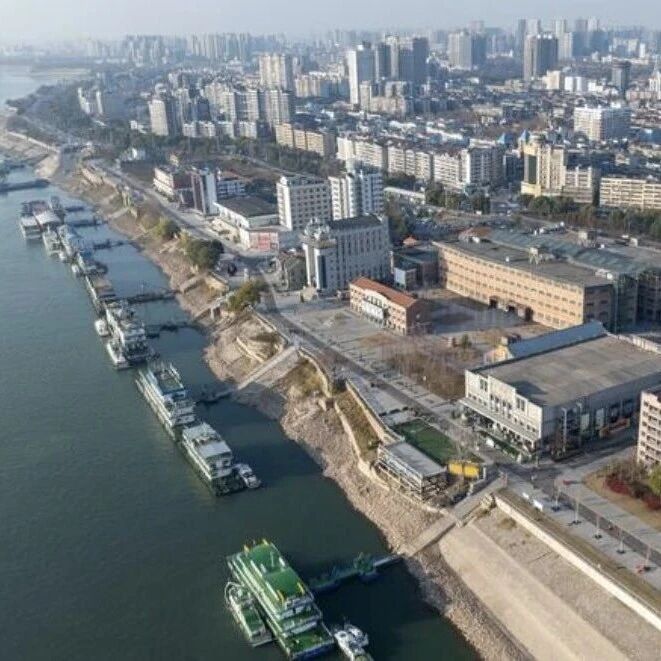
聚焦科创及科技金融!青岛市十七届人大五次会议确定两件议案
Qi Lu Wan Bao· 2026-01-23 15:31
Core Viewpoint - The Qingdao Municipal People's Congress is advancing two key proposals aimed at enhancing the city's technological innovation capabilities and promoting high-quality economic development through technology and finance [1] Group 1: Proposal on Accelerating the Construction of Qingdao's Sci-Tech Innovation Corridor - The proposal emphasizes the need for integrated development of education, technology, and talent, focusing on five key areas: establishing a coordinated management mechanism, defining development functions, enhancing innovation capabilities, strengthening modern industrial clusters, and improving the comprehensive support system [2] - It aims to create a collaborative governance structure and a target task system driven by new productivity, while also optimizing spatial layout and public service infrastructure to promote urban-industry integration [2] - The proposal seeks to enhance the ecological system for the transformation of scientific and technological achievements, leveraging national marine technology platforms and research resources from universities and research institutions [2] - It focuses on building a competitive advantage in new productivity through the "10+1" innovative industrial system and the "4+4+2" modern marine industry system, promoting collaborative advantages among government, industry, academia, and research [2] - The proposal includes setting up special funds and formulating precise support policies to stimulate endogenous innovation development [2] Group 2: Proposal on Promoting High-Quality Economic Development through Technology Finance Innovation - This proposal outlines a technology finance service system based on "policy empowerment + fund leverage + product innovation + mechanism guarantee," focusing on six areas of action [3] - It emphasizes the use of structural monetary policy tools to support financing for technology-based enterprises, including a combination of "re-loan + fiscal interest subsidies + guarantee enhancement" [3] - The proposal aims to enhance the role of government-guided funds to gather investment momentum, particularly in key areas like the "10+1" innovative industrial system [3] - It advocates for deepening equity investment reforms and cultivating "patient capital" to create a comprehensive financing system covering early-stage experiments to growth phases [3] - The proposal promotes data-enabled financing to address information asymmetry, utilizing platforms like "Qingrongtong" to break down data barriers [3] - It calls for increased support for financial technology to establish an "industrial cluster" and create a favorable policy environment for financial institutions [3]
信托市场遭遇“倒春寒”,规模断崖式下滑
Xin Lang Cai Jing· 2026-01-21 02:51
Market Overview - The asset management trust establishment market has significantly cooled down this week, with a substantial decline in establishment scale. This cooling is a natural retreat after the year-end rush to scale, coupled with reduced trust financing due to lower bank credit and bond issuance costs before the Spring Festival [1][12] - The asset management trust issuance market has seen a drastic decline, with a more than 50% drop in scale compared to the previous period. This is attributed to the deepening of local government debt policies, which strictly control the addition of high-interest non-standard debt, leading to a contraction in local government financing [1][12] - The number and scale of established standard product trusts have significantly decreased. The stock market experienced volatile fluctuations, which diverted funds in the first half and severely impacted market confidence in the latter half due to regulatory cooling and individual stock crashes [1][12][13] Fixed Income Products - The average performance benchmark for fixed income products has decreased by 0.07 percentage points. The market anticipates a moderately loose monetary policy, with the risk-free return rate remaining low, fundamentally limiting the potential return space for fixed income assets [2][13] Trust Company Developments - Western Trust has successfully established the "Dream Mountain Children's Charity Trust," aimed at supporting the growth of youth in remote areas and promoting rural education [3][14] - Kunlun Trust has launched the first comprehensive intellectual property asset securitization service trust, with a scale of 145 million yuan, marking a significant innovation in the financial sector related to intellectual property [4][14] - Tibet Trust has successfully implemented the "Warm Light No. 1 Special Needs Trust," providing legal and professional support for families with special needs [5][15] - Huaxin Trust has launched its first special needs trust, focusing on financial service innovation for special needs groups and integrating insurance, trust advantages, and comprehensive financial services [6][16] - Yunnan Trust has initiated a charity trust focused on ecological protection, with an initial investment of 154,200 yuan aimed at habitat restoration and species protection [7][8][16] - Shanghai International Trust has established the "Card Guardian Gold Shield" series of prepaid fund service trusts, becoming the first trust company in Shanghai to provide regulatory services for prepaid card funds under the revised management regulations [17][18] - Yuecai Trust has successfully set up a prepaid service trust plan for education, enhancing the regulatory framework for prepaid funds in the education and training market in Chengdu [18] - Xiamen International Trust has launched two corporate wealth management service trusts, showcasing its asset allocation and investment management capabilities [10][18] - China Resources Trust has established the first intellectual property collateral service trust, focusing on financing challenges faced by small and micro innovative enterprises [11][18]
东兴证券晨报-20260105
Dongxing Securities· 2026-01-05 08:42
Core Insights - The report highlights the expected improvement in the securities industry in 2026, driven by supportive policies and accelerated consolidation, which is anticipated to enhance industry prosperity [6][11] - The report emphasizes the importance of self-operated investment stability and sustainable growth for securities firms, indicating that these factors will be crucial for overall performance [9][10] Economic News - The State Council has issued a solid waste comprehensive management action plan aiming for a comprehensive utilization of 4.5 billion tons of major solid waste by 2030 [2] - The China Securities Regulatory Commission (CSRC) has revised regulations on public offering securities investment fund sales fees, effective from January 1, 2026, to reduce investor costs [2] - The CSRC has announced the pilot program for commercial real estate investment trusts (REITs), marking a significant step in market practice [2] - The Ministry of Culture and Tourism reported that during the 2026 New Year holiday, domestic travel reached 142 million trips, with total spending of 84.789 billion yuan [2] Company Insights - The report covers the performance of major companies in the securities sector, noting that the top ten real estate companies achieved sales exceeding 100 billion yuan in 2025, indicating resilience among leading firms [2] - The report mentions that the company has a strong financial performance, with revenue increasing from less than 300 million yuan in 2019 to over 1.5 billion yuan in 2024, while maintaining a low debt-to-asset ratio [16][18] - The company is expected to benefit from a recovery in domestic demand and is positioned to capture opportunities in the international market due to the aging fleet of chemical tankers globally [15][18] Investment Strategy - The report suggests that the securities industry may see more policy support in 2026, which could significantly influence industry performance and valuation recovery [10][11] - It is recommended to focus on head institutions within the industry that are innovating and adapting to market changes, with a particular emphasis on value stocks that remain undervalued [11]
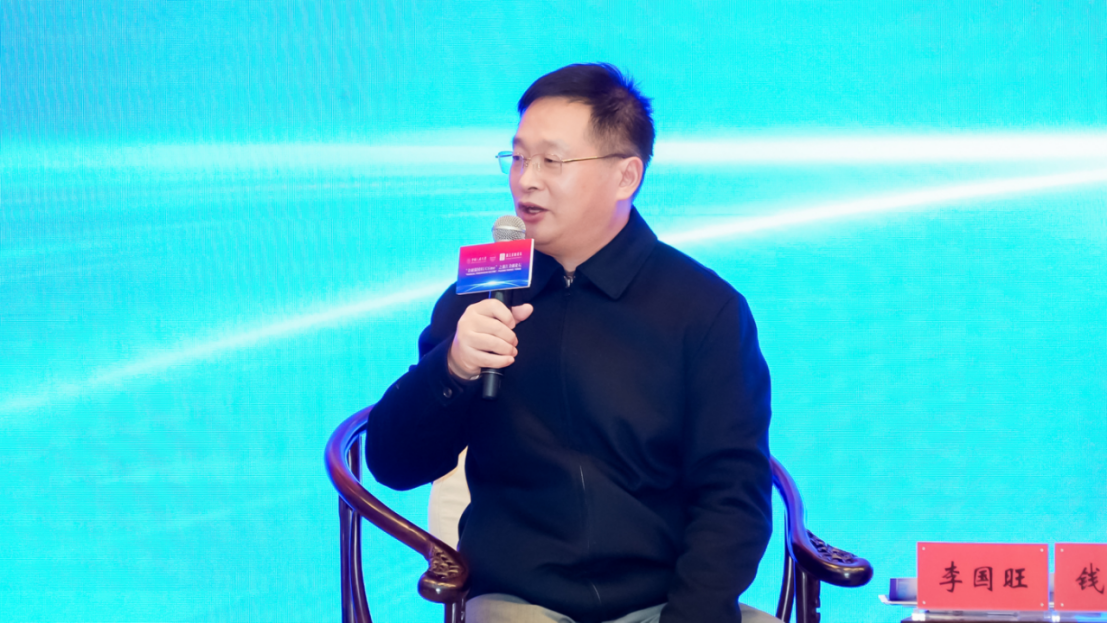
浦江金融论坛秘书长李国旺:五大方向赋能科技金融创新
Xin Lang Cai Jing· 2025-12-17 14:19
Core Viewpoint - Financial service innovation should focus on five core work directions to empower technological innovation, enhance industry transformation, and support the construction of a financial strong nation [2][5]. Group 1: Five Core Work Directions - The relationship between "proactive government" and "effective market" needs to be coordinated, leveraging both visible and invisible hands to integrate government policy innovation into technological innovation [2][5]. - Technological financial innovation should serve the broadest masses, supporting urban economic high-quality development while also contributing to rural revitalization and pension finance [2][5]. - Technological finance must support the brand enhancement of national strategic emerging industries, promoting brand strength alongside technological finance to facilitate internationalization [3][6]. Group 2: Sustainable Development and Talent - The sustainable development of technological finance needs to be combined with modern talent cultivation, emphasizing the importance of modern financial literacy and technological knowledge [3][6]. - Technological finance should provide "intellectual capital" support for the financial strong nation by innovating systems, management, technology, products, markets, brands, and resources [3][6].
招商银行赣州分行:金融活水润赣南
Zhong Guo Jin Rong Xin Xi Wang· 2025-12-04 12:51
Core Viewpoint - Since the beginning of the 14th Five-Year Plan, China Merchants Bank's Ganzhou branch has prioritized serving local economic and social development, focusing on financial innovation and support for various sectors [1] Group 1: Technology Financial Innovation - The Ganzhou branch has concentrated on the technology innovation sector, enhancing financial services to help enterprises overcome financing challenges, contributing to high-quality regional economic development. As of the end of October, the balance of technology loans reached 2 billion yuan, with an increase of nearly 1.1 billion yuan since the beginning of the year, representing a growth rate of 90% [2] - The branch has introduced specialized financial products like "Tech Innovation Loans," with a current balance exceeding 74 million yuan, and has optimized the financing environment for tech enterprises through subsidies and supply chain financing, achieving a general loan balance of approximately 1.3 billion yuan [2] Group 2: Inclusive Financial Services for Small and Micro Enterprises - During the 14th Five-Year Plan, the Ganzhou branch promoted various financing products such as government procurement loans and small micro loans, aiming to address the operational funding needs of enterprises. By the end of October 2025, the balance of inclusive small micro loans is expected to reach about 2.3 billion yuan, serving around 3,100 clients [3] - The branch has implemented preferential interest rate policies and differentiated pricing strategies for small micro enterprises, resulting in an average interest rate reduction of 228 basis points compared to 2021 for newly issued retail small micro loans [3] Group 3: Elderly Financial Services - The Ganzhou branch has focused on the core needs of elderly clients, enhancing service accessibility by equipping branches with practical tools and promoting a simplified version of their app for seniors. As of now, approximately 240,000 electronic social security cards have been issued [4] - The branch has developed a comprehensive pension financial service system, with a total pension account opening of about 25,000 and a deposit amount of approximately 7.5 million yuan, averaging 4,500 yuan per account [4] Group 4: Digital Service Upgrades - The Ganzhou branch has improved customer experience by focusing on key service scenarios such as meal tickets and transportation services, with nearly 1,400 enterprises registered for the "Salary Benefit" service and over 30 using the "Meal Ticket" service, serving more than 32,000 customers [5] - The branch has also enhanced digital transformation efforts, collaborating with the local housing fund center to provide comprehensive online services for housing fund inquiries and transactions, and has received recognition for its service excellence [6]

融资需求报告:72%沿沪宁初创科技企业未获银行贷款
Di Yi Cai Jing· 2025-12-01 12:13
Core Insights - The financing gap for technology enterprises along the Shanghai-Nanjing corridor remains significant, despite the rapid development of the innovation ecosystem driven by new industrial policies and regional integration strategies [1][4] - A report indicates a division of labor where Shanghai focuses on early-stage investments while Jiangsu is more involved in production, with this pattern extending to northern Jiangsu [1] - 42% of surveyed companies report difficulties in securing financing, highlighting a structural issue rather than a temporary challenge [1][2] Financing Environment - Many enterprises struggle to quantify their technological achievements, lacking a mature valuation system that hinders the conversion of cutting-edge technology into financing credibility [2] - 72% of surveyed companies did not receive bank loans, primarily due to the absence of traditional collateral, as intellectual property and R&D assets are not adequately recognized by banks [2] - There is a notable disconnect between the policies introduced to support technology and the actual experiences of companies, with 33.2% citing complex application processes and 27.6% pointing to lengthy approval times [2] Expectations for Improvement - 62% of founders express a desire for more investors willing to engage in early-stage, small-scale, and hard technology investments, emphasizing the need for long-term growth focus [3] - 65% of companies prefer tax incentives and interest-subsidized loans as direct support methods, while 61% call for the introduction of unsecured credit loan models to alleviate early-stage funding pressures [3] - The report suggests that enhancing the early financing system and improving the synergy between capital, policy, and industry chains is essential for the growth of startups into key economic drivers [3][4]
中国人民银行山东省分行多维度推进科技金融创新 助力科创企业高质量发展
Qi Lu Wan Bao· 2025-11-26 15:26
Core Insights - The People's Bank of China Shandong Branch is focusing on the financing needs of technology enterprises by innovating policies, building platforms, conducting regional experiments, and optimizing ecosystems to create a comprehensive financial service system for the entire lifecycle of technology enterprises [1][2] Group 1: Policy Framework - A strategic cooperation agreement has been signed with the provincial science and technology department to establish a regular communication mechanism, focusing on six key areas: credit enhancement, investment, loans, insurance, guarantees, and cultivation [2] - The integration of financial policies with fiscal and technological policies is being promoted to form a comprehensive service system covering the entire lifecycle of technology enterprises, guiding financial resources towards the innovation sector [2] Group 2: Information Platform Development - The Shandong Province Science and Technology Financing Comprehensive Service Platform has been established to address the challenges of "light assets and difficult valuation" faced by technology enterprises, integrating multi-dimensional data to create a credit evaluation model for these enterprises [3] - As of the end of Q3 2025, the platform has onboarded 26,000 enterprises and 168 financial institutions, facilitating 2,141 enterprises to obtain credit loans totaling 11 billion yuan, effectively alleviating the information asymmetry between banks and enterprises [3] Group 3: Regional Innovation and Collaboration - The establishment of the Jinan Science and Technology Financial Reform Pilot Zone focuses on institutional innovation, enhancing supply capabilities, and expanding collateral options, creating a working system centered on specialized institutions and products [4] - The pilot zone has introduced a risk fund compensation pool and an innovative "Research Loan" product to provide long-term funding support for R&D projects, recognized as an excellent practice case for national promotion [4]
“智能制造产业链”有望成为新支柱!广发证券沈明高最新发声
券商中国· 2025-11-25 01:48
Core Viewpoint - The core challenge of technological financial innovation is transitioning from singular breakthroughs to scalable development, necessitating a financial ecosystem that can support a modern industrial system and foster globally competitive tech companies [2][4]. Group 1: Challenges and Solutions - The key challenge for technological financial innovation is achieving scalable support for new productive forces, which is critical for the next five years [4]. - Five major challenges include the non-standardization of technology, unprofitability of tech companies, light asset models, high uncertainty, and long cycles, which traditional financial services struggle to address [4][5]. - The concept of "technology capital" is proposed, which should provide additional value such as technological and market understanding alongside financial support [5]. Group 2: Industry Insights - The "smart manufacturing industry chain" is identified as a potential new pillar to replace real estate, with significant spillover effects expected in the next 5-10 years [2][9]. - The need to enhance pricing capabilities for unprofitable companies is emphasized, with a stark contrast noted between the U.S. and China regarding the percentage of unprofitable companies at the time of IPO [9]. Group 3: Future Pathways - Artificial intelligence is defined as a "general technology" leading the fourth industrial revolution, with a critical window for adoption in the next 5-10 years [6][7]. - A "risk-sharing mechanism" is proposed to address unmet investment needs for early-stage tech companies, suggesting that local governments could establish subordinate funds to absorb initial losses [10].
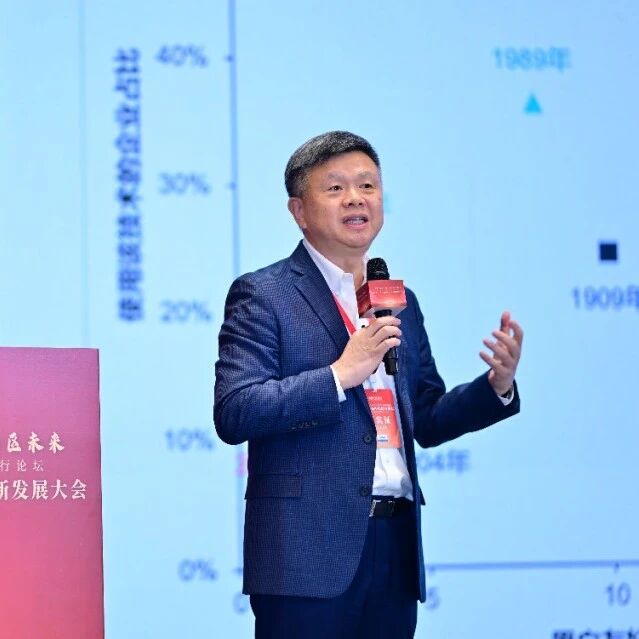
广发证券沈明高:以“科技资本”赋能新质生产力 破解科技金融规模化难题
证券时报· 2025-11-24 00:48
Core Viewpoint - The core challenge of technological financial innovation is transitioning from single-point breakthroughs to scalable development, necessitating the construction of a financial ecosystem that can serve a modern industrial system at scale, thereby nurturing globally competitive tech companies and injecting strong momentum into new productive forces [2]. Summary by Sections Technological Financial Innovation - Emphasis on the need for scaling from "1 to N" in technological financial innovation, with the "14th Five-Year Plan" highlighting many innovative points but lacking replicable models [2]. - The "15th Five-Year Plan" suggests a framework for a modern industrial system, balancing the service of "technological industrialization" and "industrial technologicalization" [2]. Innovation Capitalization - The essence of technological finance is "innovation capitalization," which requires transforming technological innovation into capital returns to support sustainable innovation and iteration [2]. - Five major challenges to achieving innovation capitalization include non-standardization, unprofitability, light asset models, high uncertainty, and long cycles, which traditional financial services struggle to meet [3]. Concept of "Tech Capital" - The concept of "tech capital" is introduced, which should provide additional value such as technological and market understanding alongside financial investment [3]. - "Tech capital" must possess five capabilities: understanding technology, industry, pricing, risk management, and resource allocation [3]. Future Outlook - Artificial intelligence is defined as a "general technology" leading the fourth industrial revolution, with potential for exponential growth in adoption over the next 5-10 years [3]. - The "smart manufacturing industry chain" is expected to become a new pillar of the economy, comparable to real estate, with significant spillover effects [3]. Risk Sharing Mechanism - A focus on establishing a "risk-sharing mechanism" is highlighted as a critical measure to address unmet investment needs in early-stage tech companies [4]. - Recommendations include local governments or private enterprises acting as "subordinate" entities to absorb initial losses, thereby encouraging social capital investment in early-stage and hard technology [5].
