老龄化社会

Search documents
刘灿放:创新合作,共驭中国保险与健康养老产业融合发展的蓝海
Xin Lang Cai Jing· 2025-12-17 05:15
Core Viewpoint - The 20th China Insurance Innovation Forum emphasizes the theme of "Co-creation and Symbiosis," focusing on the future path of high-quality development in the insurance industry, highlighting the need for innovation and collaboration to enhance the integration of insurance and health care sectors [1][10]. Company Overview - Jiangsu Jiuzhou Investment Group has developed into a diversified conglomerate over 36 years, adhering to the principles of creating value, benefiting society, serving the public, and self-development, with a revenue of 22.6 billion yuan in 2024 and a tax contribution of 280 million yuan in the Changzhou region [4][13]. Industry Trends - The company has targeted the silver economy since 2010, investing in high-end elderly care facilities, such as the Jin Dongfang Elderly Care Garden, which is recognized as Jiangsu's first elderly care demonstration project [5][14]. - The company has also established an international health and wellness city in Liyang, with the first phase operational, and invested over 5 billion yuan in the key cultural tourism project "Shunshan Town" [5][14]. Integration Opportunities - Three key areas of synergy between the health care and insurance sectors are identified: 1. **Value Resonance**: The integration of traditional insurance products with health management and elderly care services to create comprehensive health protection solutions [6][14]. 2. **Wisdom Resonance**: Utilizing accumulated health data to enhance risk assessment and pricing in the insurance industry, facilitating a shift from passive claims to proactive health management [7][15]. 3. **Industry Resonance**: Promoting collaboration and resource sharing between the health care and insurance sectors to build a comprehensive health and elderly care ecosystem [7][15]. Future Vision - The company expresses a commitment to breaking down industry barriers and deepening integration to create new growth opportunities, aligning with national strategies and enhancing public welfare [8][16].


不出意外,未来两三年,中国近一半的家庭或将面临这4大“麻烦”
Sou Hu Cai Jing· 2025-12-12 07:45
Core Insights - The article highlights that nearly half of Chinese households may face four significant challenges in the next two to three years due to the current economic and social conditions. Group 1: Real Estate Market - The value of residential properties is expected to continue declining, with an average drop of over 30% since 2022, impacting families that have heavily invested in real estate, which constitutes 77% of their total assets [3][5]. - 96% of households own at least one property, and 41.5% own two or more, indicating a high dependency on real estate for wealth [3]. Group 2: Education Pressure - Families are increasingly burdened by the rising costs of children's education, spending over 30% of their total income on training and extracurricular activities [5]. - The "double reduction" policy and delayed school start times have led parents to seek additional tutoring, exacerbating the pressure on both children and parents [5]. Group 3: Aging Population - China has entered an aging society, with over 310 million people aged 60 and above, projected to reach 400 million by 2030, creating challenges in elder care and support [6]. - Families are facing the dual crisis of caring for aging parents while managing their own work-life balance, leading to increased stress and resource strain [6]. Group 4: Employment Challenges - The job market is becoming increasingly difficult, particularly for young graduates and middle-aged individuals, with many young people facing unemployment right after graduation [8]. - Companies are often reluctant to hire individuals over 35, making it challenging for older workers to find satisfactory employment after job loss [8].

未来5年,房子和车子都在贬值?真正值钱的,只剩“这2样”
Sou Hu Cai Jing· 2025-12-10 16:40
Group 1 - The core viewpoint is that both real estate and automobiles are expected to depreciate in value over the next five years, with alternative assets becoming more valuable [3][5][6] Group 2 - The real estate market has been in a long-term adjustment since 2022, with average national housing prices dropping over 30%, and certain areas experiencing declines of over 60% [5] - Factors contributing to the decline in real estate prices include a significant housing bubble, an aging population leading to reduced demand, and an oversupply of housing with 600 million units available [5] Group 3 - The automotive market is also entering a depreciation phase, with many brands announcing price cuts, and mid-range electric vehicles seeing reductions of 20,000 to 30,000 yuan, while luxury imports are dropping by 80,000 to 100,000 yuan [8] - The rapid depreciation of used cars is highlighted by a specific example where a vehicle purchased for 230,000 yuan is now valued at only 150,000 to 160,000 yuan within a year [8] - Reasons for the declining value of cars include the influx of electric vehicles leading to price wars, stagnant income growth among middle-class families, and rapid model turnover [8]

穿越时光看日本
虎嗅APP· 2025-11-10 13:19
Core Insights - The article discusses the phenomenon of educational "involution" in China, particularly among the "70s" and "80s" generations, drawing parallels with Japan's past experiences during its economic transition [4][6][9]. Group 1: Educational Involution - The belief that education can change one's fate has led to increased investment in education, exacerbating the issue of educational involution among parents who experienced economic growth [4][6]. - The end of China's rapid economic growth has resulted in a competitive job market, where higher education credentials are increasingly devalued, leading to a culture of "involution" from high school to university [4][6]. Group 2: Historical Context from Japan - The "baby boomer" generation in Japan, known as the "团块世代," faced similar educational pressures, leading to a competitive environment for scarce educational resources [5][6]. - The "团块次代," or the second baby boom generation, entered the workforce during Japan's economic downturn post-bubble, resulting in a "lost generation" that struggled with employment and societal expectations [6][8]. Group 3: Economic Transition and Lessons - Japan's experience highlights the importance of understanding the relationship between demographic changes and economic development, particularly during periods of transition [10][11]. - The failure to address declining birth rates and the economic impact of the real estate bubble led to long-term demographic challenges in Japan, which serve as a cautionary tale for China [10][12]. Group 4: Policy Implications - Japan's approach to economic recovery involved significant infrastructure investment, but this often prioritized short-term employment over long-term growth, leading to issues like "zombie companies" and inadequate support for innovation [11][12]. - The need for comprehensive reforms in healthcare and education is emphasized, as Japan's experience shows that addressing these sectors is crucial for sustainable economic development [13][14]. Group 5: Future Opportunities - The article suggests that China can learn from Japan's past by focusing on diversifying its economy and enhancing its service sector, particularly in the context of globalization and technological advancements [19][20]. - The potential for Chinese companies to leverage their digital economy and manufacturing strengths in global markets is highlighted as a significant opportunity for economic transformation [20][21].

手握60万现金,到底该买房还是存银行?王健林近乎明示
Sou Hu Cai Jing· 2025-10-13 18:42
Core Insights - The real estate market is experiencing a silent adjustment, with more cities showing declining prices than those with increases, indicating a shift in market dynamics [1][3] - Government interventions to stimulate the housing market are increasing, with over 100 cities implementing more than 300 regulatory measures since the beginning of 2023 [3] - There is a growing sentiment among investors to hold cash rather than purchase property, as the market shows signs of potential further decline [6][8] Market Trends - In June, the number of cities with rising new home prices was 37, while 45 cities saw declines, highlighting a broader trend of price reductions [1] - The second-hand housing market is particularly weak, with only 8 cities experiencing price increases, while 91 cities reported declines [1] - The total number of second-hand homes listed in 13 major cities has surged to 1.99 million, a 25% increase from the beginning of the year [1] Government Policies - More than 100 cities have introduced over 300 housing market policies in 2023, with over 20 cities lifting strict purchase and sale restrictions [3] - Mortgage rates have decreased from 4.6% to below 4%, making borrowing more attractive for potential homebuyers [3] Consumer Behavior - There is confusion among potential buyers regarding whether to invest in real estate or keep cash in the bank, with suggestions leaning towards saving for future opportunities [4][6] - The aging population and changing societal norms are expected to reduce the demand for new homes, as younger generations may inherit properties rather than purchase new ones [7] - The traditional "buy high, sell higher" mentality among investors is fading, leading to increased pressure on home prices as speculative buying diminishes [7] Future Outlook - The real estate market is likely to continue facing downward pressure, with an oversupply of properties and a decline in both first-time and upgrade buyers [9]

早报 | 宗馥莉辞去娃哈哈集团董事长等职务;高通公司被立案调查;多地考编放宽35岁门槛;贾国龙回应西贝更换门头
虎嗅APP· 2025-10-11 00:23
Group 1 - Zong Fuli has resigned from her positions as the legal representative, director, and chairman of Wahaha Group as of September 12, 2023, following the passing of the company's founder [2][3] - Wahaha Group plans to replace its brand with "Wah Xiaozong" starting from the 2026 sales year due to unresolved historical issues and legal risks associated with the current brand [4] - The core member of Wahaha, Yan Xuefeng, has returned to work at Hongsheng Group after being released from investigation on October 5, 2023 [3] Group 2 - ByteDance founder Zhang Yiming attended the opening of the Xuhui Zhichun Innovation Center in Shanghai, aimed at nurturing talent in computer science and AI [5] - OpenAI has signed a letter of intent with Sur Energy to build a 500 MW data center in Argentina, with an investment of up to $25 billion, marking its first entry into the South American market [7] - The well-known restaurant brand Din Tai Fung announced the closure of its WeChat mall by November 30, 2025, amid operational adjustments and a reduction in physical store locations [8] Group 3 - The U.S. federal government has officially initiated a layoff process as part of a plan to reduce its size, with the Department of Education and the Cybersecurity and Infrastructure Security Agency among those affected [9][10] - Qualcomm is under investigation by China's market regulator for allegedly failing to report a business concentration related to its acquisition of Autotalks [11] - The Hong Kong High Court has ordered the takeover of assets belonging to Xu Jiayin's family, involving 33 companies and multiple overseas bank accounts, with a total value of up to $7.7 billion [12][13] Group 4 - Several regions in China have relaxed age restrictions for civil service examinations, allowing candidates up to 38 years old for undergraduate positions [14][15] - An AI companion app has leaked data of over 400,000 users, including 43 million private conversations, raising concerns about identity theft and financial fraud [18] - China has entered a moderate aging society, with 22% of the population aged 60 and above, as reported by the Ministry of Civil Affairs [20]

老,无所“依”|青山资本2025年度研究报告
Sou Hu Cai Jing· 2025-09-25 00:22
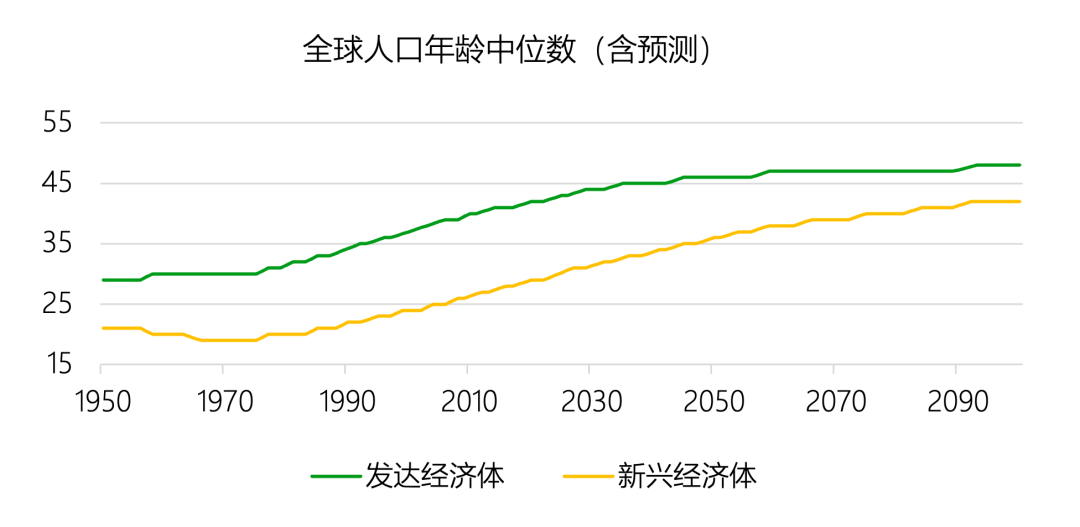
Core Insights - The aging population is rapidly increasing, leading to significant societal changes and challenges in understanding their needs and behaviors [2][4][9] - There is a growing disparity within the elderly demographic, influenced by various historical, social, and economic factors, resulting in a complex consumer market [15][16][22] Demographic Changes - The median age in developed economies has risen from 30 to 43 years over the past 50 years, with projections indicating it will reach 47 years by 2075 [4] - Global life expectancy has increased from 62 to 75 years in the last 50 years, with developed economies seeing an increase from 72 to 82 years [6] - By the end of 2024, China's elderly population (aged 60 and above) is expected to reach 310 million, accounting for 22% of the total population [9] Aging Characteristics - The transition from a "young majority" to an "aging majority" is occurring, with China experiencing this shift at a faster pace compared to other countries [9] - The elderly population in China is characterized by significant internal diversity, influenced by varying life experiences and socio-economic backgrounds [15][16] Consumer Behavior - The elderly population holds substantial wealth, with 60% of their savings indicating a high propensity for precautionary savings [23] - The consumption patterns of the elderly are not uniform; they vary significantly based on resources, capabilities, and life experiences [28][35] - A large portion of elderly consumers remains underserved, with many unable to participate in the mainstream consumer market due to financial constraints and digital barriers [55][58] Market Opportunities - The elderly consumer market is complex and multifaceted, presenting both opportunities and challenges for businesses targeting this demographic [27][60] - Understanding the diverse needs and preferences of the elderly can lead to more effective marketing strategies and product offerings [22][27] Digital Engagement - There is a notable digital divide among the elderly, with approximately 52% of this demographic being active internet users, while the rest remain disconnected [67][69] - The COVID-19 pandemic has accelerated digital adoption among the elderly, with many learning to use smartphones and online services for essential tasks [71][72]
马云预言应验了?2026年的房价,3大信号已出现!
Sou Hu Cai Jing· 2025-09-18 07:40
Core Viewpoint - The prediction made by Jack Ma regarding the real estate market, stating that housing prices would become as cheap as scallions, is now being validated as the market experiences significant price declines, aligning with his forecast [1][3]. Group 1: Market Trends - Since the second half of 2021, the domestic real estate market has entered a long-term adjustment phase, with prices in second and third-tier cities like Zhengzhou, Wuhan, and Nanjing already declining [3]. - By 2023, first-tier cities such as Shanghai and Shenzhen have also shown noticeable price adjustments, with average housing prices dropping over 30% from their historical peaks [3]. - In some third and fourth-tier cities, housing prices have indeed fallen to levels comparable to Jack Ma's "scallion" prices, with properties available for just tens of thousands or hundreds of thousands [3]. Group 2: Demographic Signals - China has entered an aging society, with the number of individuals aged 60 and above surpassing 310 million by 2024, and projected to exceed 400 million by 2035, leading to a significant decrease in housing demand from younger populations [6]. - The population of young people is declining, with 175 million from the post-90s generation and 145 million from the post-00s generation, indicating that most elderly individuals already own homes and do not require new purchases [6]. Group 3: Supply and Demand Dynamics - The real estate market is experiencing a long-term trend of oversupply, with 600 million existing homes capable of accommodating 3 billion people, coupled with millions of new homes entering the market annually [8]. - The decline in housing prices has diminished the investment appeal, causing potential buyers to adopt a wait-and-see approach, further exacerbating the oversupply situation [8]. Group 4: Policy Implications - The government has announced plans to provide 6 million affordable housing units over the next five years, averaging 1.2 million units annually, aimed at meeting the housing needs of low-income urban residents [10]. - As affordable housing becomes more available, it is expected to significantly reduce the purchasing costs for low-income families, leading to a diversion of demand from the commercial housing market and increasing downward pressure on prices [10].

三亿中国老年人,最复杂的真相
Hu Xiu· 2025-09-16 07:28
Core Insights - The article discusses the profound and accelerating aging process in global populations, particularly in China, highlighting the increasing median age and life expectancy over the past decades [2][4][6]. - It emphasizes the complexity and diversity within the elderly population, challenging stereotypes and assumptions about their needs and behaviors [13][17][24]. Demographic Changes - The median age in developed economies has risen from 30 to 43 years over the past 50 years, with projections indicating it will reach 47 years by 2075. Emerging economies have seen a similar increase from 19 to 30 years [2][6]. - By the end of 2024, China's elderly population (aged 60 and above) is expected to reach 310 million, accounting for 22% of the total population, with those aged 65 and above making up 15.6% [6]. Life Expectancy Trends - Global average life expectancy has increased from 62 years to 75 years over the past 50 years, with developed economies seeing an increase from 72 to 82 years [4]. Aging Population Characteristics - The article notes that the aging process is not uniform; there are significant internal differences among the elderly, influenced by factors such as education, health, and socio-economic status [13][17][24]. - The elderly population in China is characterized by rapid aging, with a notable increase in the proportion of those aged 65 and above, which has risen by an average of 0.6 percentage points annually from 2020 to 2024 [6]. Consumer Behavior Insights - The elderly population is not a monolithic group; their consumption patterns vary widely based on resources, capabilities, and life experiences [30][31][33]. - The article identifies different consumer segments within the elderly population, such as high-resource and high-capability consumers who seek premium experiences, and low-resource consumers who prioritize essential needs [46][63]. Economic Impact - The elderly population in China holds significant wealth, with 60% of their savings being higher than the overall population's savings rate. The total wealth of those aged 60 and above reached 78.4 trillion yuan, averaging 264,000 yuan per person [26][27]. - The article highlights that while there is a perception of a booming market for elderly consumers, a substantial portion of this demographic remains underserved and has low consumption levels [78][88]. Digital Engagement - There is a notable digital divide among the elderly, with many lacking internet access due to various barriers, including education and technology familiarity [91][93]. - The COVID-19 pandemic has accelerated digital engagement among the elderly, with a significant increase in internet usage observed during this period [97].
好抽象,韩国给独居老人发AI玩偶,24h陪伴+健康监测
3 6 Ke· 2025-09-01 08:22
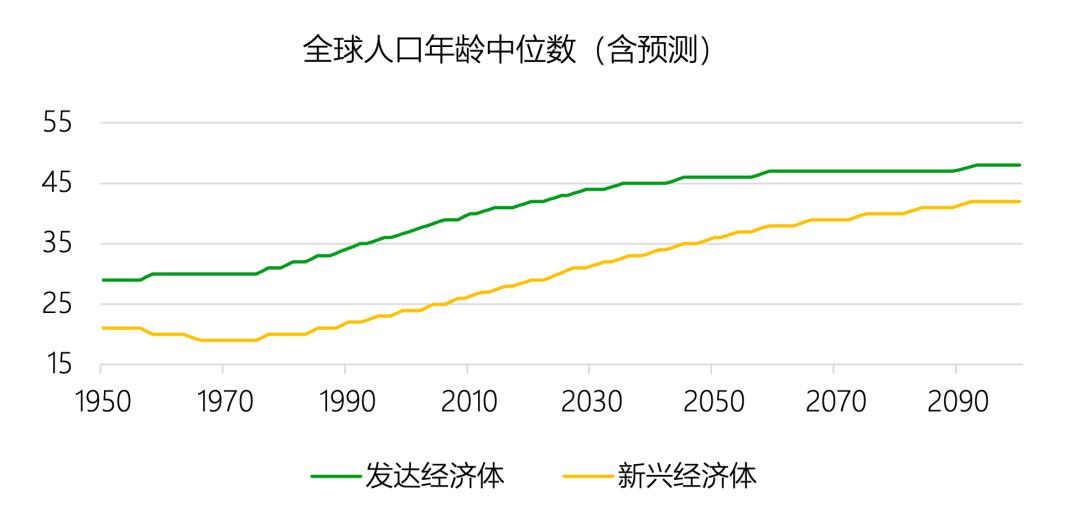
Core Viewpoint - The article discusses the introduction of AI dolls developed by the South Korean startup Hyodol, aimed at providing companionship and health monitoring for elderly individuals living alone, addressing the growing issue of loneliness among seniors in South Korea [1][3][4]. Group 1: Product Overview - The AI doll, named Hyodol, is designed to engage in conversation, remind seniors to eat and take medication, and alert caregivers and family members in emergencies [3][8]. - Over 12,000 Hyodol dolls have been distributed to elderly individuals in South Korea, highlighting the increasing prevalence of this technology [6]. - The doll features a ChatGPT-based dialogue system, allowing it to communicate in a cheerful voice and provide emotional support [8]. Group 2: Health Monitoring and Support - Hyodol is equipped with sensors that monitor the elderly's activity; if no movement is detected for 24 hours, it automatically alerts the care team [9]. - The doll records responses to health-related questions, enabling caregivers to assess the emotional and physical well-being of seniors [9][11]. - The use of Hyodol has been praised by caregivers for its ability to facilitate communication, as seniors may share concerns with the doll that they would not disclose to human caregivers [11]. Group 3: Market Context and Financial Implications - The demand for elderly care solutions is increasing due to a significant shortage of caregivers in South Korea, projected to reach a gap of 155,000 by 2032 [11]. - The South Korean government has invested 200 million KRW (approximately 1.02 million RMB) in deploying Hyodol robots to address this shortage, with each unit costing 1.6 million KRW (approximately 8,160 RMB) [11]. Group 4: Global Trends and Comparisons - Other countries are also developing similar robotic solutions to address elderly care challenges, such as Japan's Paro and Singapore's Dexie [12][13][15]. - The global market for elderly care robots is expected to reach $7.7 billion by 2030, indicating a growing trend in the adoption of technology for senior care [18]. Group 5: Safety and Ethical Considerations - The use of AI dolls raises concerns about privacy and the potential for dependency among elderly users, as they may share personal thoughts and feelings with the robots [18][19]. - Instances of dangerous behavior prompted the company to remove certain phrases from Hyodol to enhance safety [20]. - The article questions whether virtual companionship can provide genuine safety and emotional support for seniors [21].