
自由贸易协定

Search documents
2025年巴西对欧盟水果出口增长18.5%
Shang Wu Bu Wang Zhan· 2026-01-28 17:11
Core Insights - The core viewpoint of the article highlights the significant growth potential of Brazilian fruit exports to the European Union, driven by favorable trade agreements and increasing demand in the EU market [1] Export Data Summary - The EU market accounts for approximately 70% of Brazil's total fruit exports [1] - By 2025, Brazil's fruit export volume to the EU is projected to reach 778,000 tons, with an export value of $850 million, representing year-on-year increases of 18.5% and 12.0% respectively [1] Category-Specific Export Performance - Mango exports are expected to reach 204,000 tons with a value of $23 million, showing a volume increase of 3.4% but a value decrease of 1.8% [1] - Watermelon exports are projected at 94,000 tons and $6.16 million, with volume and value increases of 22.6% and 23.9% respectively [1] - Lemon exports are anticipated to be 161,000 tons valued at $16 million, with a volume increase of 7.1% but a value decrease of 1.7% [1] - Grape exports are expected to reach 31,000 tons with a value of $7.41 million, showing increases of 10.8% in volume and 12.8% in value [1] - Papaya exports are projected at 49,000 tons and $5.69 million, with volume and value increases of 16.4% and 12.5% respectively [1] Trade Agreement Impact - The EU-Mercosur Free Trade Agreement is set to phase out tariffs on fruit imports from Mercosur member countries, currently ranging from 10% to 14%, to zero over the next seven years [1] - This policy adjustment is expected to significantly enhance the price competitiveness and market share of Brazilian fruits in the EU [1]
长跑20年欧盟印度达成“世纪大协定” 可抵御美关税逆风?
2 1 Shi Ji Jing Ji Bao Dao· 2026-01-28 15:54
Core Viewpoint - The European Union (EU) and India have reached a significant free trade agreement (FTA) aimed at countering the impact of U.S. tariffs, creating a trade zone covering 20 billion people and accounting for 25% of global GDP and one-third of global trade [1][2]. Trade Agreement Details - The FTA will eliminate or reduce tariffs on over 90% of EU goods exported to India, significantly improving market access for EU products [1][6]. - Key tariff reductions include a decrease in India's automotive tariffs from 110% to 10%, and reductions in machinery, chemicals, and pharmaceuticals tariffs [1][6]. - The agreement is expected to save EU exporters up to €4 billion annually in tariffs and double EU exports to India [6][10]. Historical Context - The negotiations for the FTA have spanned approximately 20 years, with significant interruptions due to a lack of political urgency from both sides [2][4]. - Recent geopolitical pressures, particularly from U.S. tariffs, have accelerated the urgency for both parties to finalize the agreement [4][5]. Economic Implications - India is currently the EU's ninth-largest trading partner, with bilateral trade projected to reach $136 billion in the 2024-2025 fiscal year, showing a trade surplus for India of approximately $16 billion [2][6]. - The FTA is seen as a strategic move for both the EU and India to diversify their trade relationships and reduce dependency on the U.S. market [7][12]. Challenges Ahead - Despite the agreement, there are concerns regarding the balance of benefits, with some analysts suggesting it may favor the EU more than India [10][11]. - Potential barriers include India's complex regulatory environment and the need for compliance with EU standards, which may hinder the effectiveness of the FTA [11][12].
难怪欧洲敢不买俄能源,中方收到一个坏消息:印欧达成自由贸易协定!
Sou Hu Cai Jing· 2026-01-28 14:41
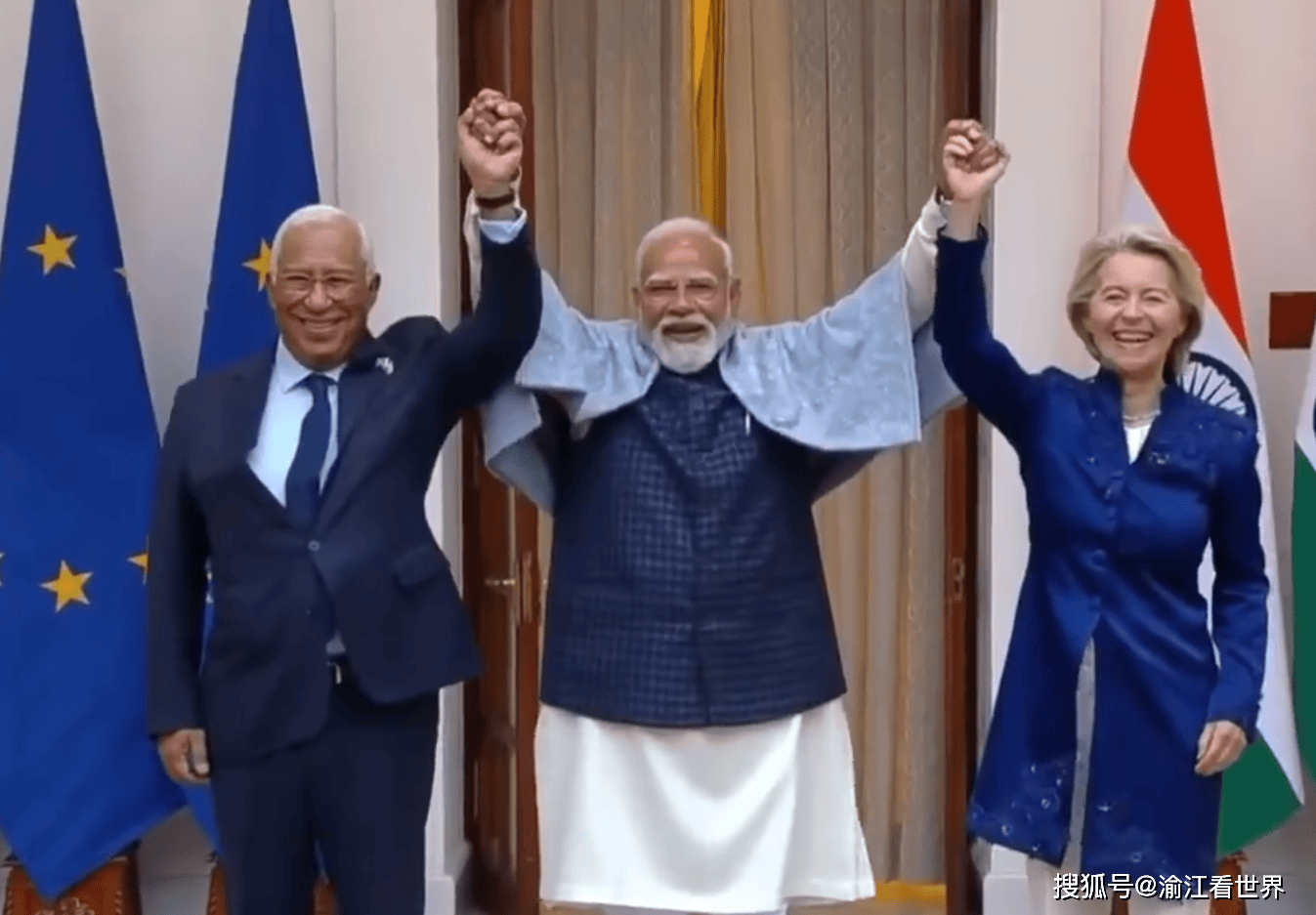
难怪欧洲敢不买俄能源,中方收到一个坏消息:印欧达成自由贸易协定! 2026年初,一则影响深远的事情发生了。1月27号,莫迪宣布经过近二十年断断续续的谈判,印度与欧盟终于敲定了全面的自由贸易协定。就在同一时间, 欧盟重申其目标:彻底切断对俄罗斯石油和天然气的直接依赖。表面看,这两件事似乎各自独立;但若将它们放在一起观察,就能理解——欧洲之所以 敢"硬刚"俄能源,是因为它找到了新的战略支点,而这个支点,恰恰绕开了中国。 自2022年俄乌冲突爆发后,欧盟启动了"REPowerEU"计划,目标是在2027年前完全摆脱对俄化石燃料依赖。但现实是,欧洲短期内难以填补能源缺口,尤 其在液化天然气(LNG)和精炼油品方面。于是,一些国家开始转向第三方采购。印度正是在这个窗口期迅速崛起为关键中间商。 数据显示,2023—2025年间,印度从俄罗斯进口原油量增长超过400%,成为俄油最大买家之一。而这些原油经印度炼厂加工后,以成品油形式出口至欧洲 ——既规避了西方对俄能源的直接制裁,又满足了欧洲的能源需求。 中国也曾具备类似角色潜力。中国同样是俄能源的重要买家,且拥有庞大的炼化产能和成熟的出口体系。理论上,中国完全可以像印度一样 ...

欧盟印度达成世纪大协定
21世纪经济报道· 2026-01-28 13:32
记者丨 赖镇桃 编辑丨李莹亮 (资料图) 面对美国掀起的关税风暴,欧盟和印度决定"抱团取暖"。 据央视新闻,当地时间1月27日, 印欧领导人在新德里举行会晤。印度总理莫迪宣布,印度和 欧盟达成自由贸易协定,并表示该协议覆盖全球GDP的25%和全球贸易额的三分之一。 双方都对自贸协定给予了极高的定调。欧盟委员会贸易和经济安全委员谢夫乔维奇称,这项协 定将创建一个覆盖20亿人口的自由贸易区,是"有史以来最大的贸易协定"。印度和欧盟都形 容,这份协定是"所有协定之母"。 欧盟委员会称,欧盟超过90%的商品出口关税将被取消或降低,印度给予欧盟的关税减免将大 幅改善欧盟出口产品的市场准入。例如,高达110%的汽车关税将逐步降至10%,44%的机械 关税、22%的化学品关税和11%的药品关税也将基本取消。 很长时间以来,印度有强烈的保护主义倾向,为保护本土产业将不少国际品牌拒之门外,尤其 是汽车产业,基本是塔塔汽车、马恒达这些本土车企的天下。连马斯克一直和印度拉扯也打不 下来的汽车关税,如今印度却难得对欧盟松口,这种转变为何发生? 这份"史上最大贸易协 定",可在多大程度抵御美国关税的逆风? 关税阴影下的自贸协定 "我是 ...
长跑20年欧盟印度达成“世纪大协定”,可抵御美关税逆风?
2 1 Shi Ji Jing Ji Bao Dao· 2026-01-28 13:25
南方财经 21世纪经济报道记者 赖镇桃报道 面对美国掀起的关税风暴,欧盟和印度决定"抱团取暖"。 据央视新闻,当地时间1月27日,印欧领导人在新德里举行会晤。印度总理莫迪宣布,印度和欧盟达成 自由贸易协定,并表示该协议覆盖全球GDP的25%和全球贸易额的三分之一。 双方都对自贸协定给予了极高的定调。欧盟委员会贸易和经济安全委员谢夫乔维奇称,这项协定将创建 一个覆盖20亿人口的自由贸易区,是"有史以来最大的贸易协定"。印度和欧盟都形容,这份协定是"所 有协定之母"。 欧盟委员会称,欧盟超过90%的商品出口关税将被取消或降低,印度给予欧盟的关税减免将大幅改善欧 盟出口产品的市场准入。例如,高达110%的汽车关税将逐步降至10%,44%的机械关税、22%的化学品 关税和11%的药品关税也将基本取消。 很长时间以来,印度有强烈的保护主义倾向,为保护本土产业将不少国际品牌拒之门外,尤其是汽车产 业,基本是塔塔汽车、马恒达这些本土车企的天下。连马斯克一直和印度拉扯也打不下来的汽车关税, 如今印度却难得对欧盟松口,这种转变为何发生?这份"史上最大贸易协定",可在多大程度抵御美国关 税的逆风? 关税阴影下的自贸协定 "我是欧 ...
联合其他贸易大国,全面开展零关税贸易,让美国无路可走
Sou Hu Cai Jing· 2026-01-28 13:00
2026年1月27日,印度和欧盟终于敲定了一份谈了将近二十年的自由贸易协议。 这一步一走,直接把全球四分之一的经济圈拉进了一个零关税的朋友圈,不少国际媒体都用"打脸美 国"来形容这场签约的意义。 这个时间点很微妙,因为就在2025年,美国总统特朗普不断用加关税的方式向各国施压,从韩国的汽 车,到欧洲的制造业,再到全球的资本流动,他几乎把"关税"当成了万能武器。 但现实很快给了回击,很多国家不但没有被美国逼着"买单",反而选择了另一个方向抱团搞零关税合 作。 一场关税风暴之后,谁在重新划线? 从2025年年初开始,美国政府就频繁用关税当做筹码,3月对韩国的汽车出口下手,6月又拿欧洲8个国 家"开刀",威胁要加收25%的关税,到9月干脆拿关税来换投资。 这一连串操作,其实早就引起了不少国家的不满,美国想通过关税来让别人让步,但结果却是越来越多 的国家开始走向一起。 印度和欧盟的协议就是这个趋势的集中体现,这项协定已于2026年1月26日签署,并于1月27日在第16届 印度-欧盟峰会上正式宣布。 这份协议不仅时间上"卡点"精准,内容上也带着明显的反制意味。它不是短期的政策应对,而是一次彻 底的战略转向。它代表的,是 ...
印欧达成自由贸易协定
Guo Ji Jin Rong Bao· 2026-01-28 07:49
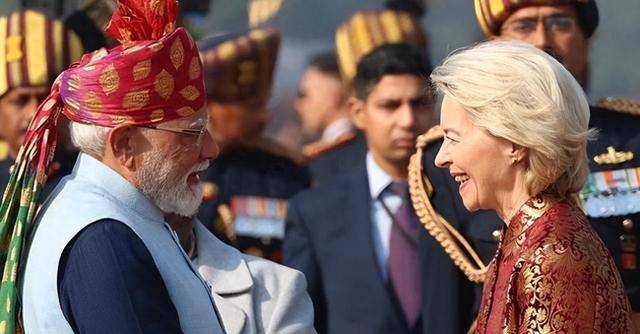
Group 1 - The India-EU Free Trade Agreement (FTA) is the largest trade deal the EU has ever reached, aimed at facilitating European automotive and industrial goods access to the Indian market [1] - The agreement is seen as a strategic move by medium powers to reduce dependence on the US amid rising global trade uncertainties and tariffs imposed by the Trump administration [1] - The EU Commission President referred to the agreement as a "mother of all agreements," emphasizing Europe's choice of cooperation and strategic partnerships in response to global instability [1] Group 2 - The FTA still requires final text completion and approval from both parties, which may take a year or longer, needing consent from the European Parliament and member states [2] - Once effective, the agreement is expected to eliminate or reduce tariffs on most goods traded between the EU and India, potentially saving the EU approximately $4.8 billion annually in tariff costs [2] - Key provisions include the reduction of Indian tariffs on EU machinery, chemicals, and pharmaceuticals, with automotive tariffs decreasing from 110% to 10% for up to 250,000 vehicles annually [2] Group 3 - Indian Prime Minister Modi stated that the agreement will boost confidence among businesses and investors in India, covering about a quarter of the global economy [3] - The agreement is expected to lower tariffs on labor-intensive products exported to Europe, which exceed $30 billion, from 4% to 26% down to zero, benefiting sectors like apparel, footwear, seafood, plastics, and jewelry [3] - India has surpassed Japan to become the world's fourth-largest economy and is projected to overtake Germany within three years [3] Group 4 - European officials anticipate that EU exports to India could double following the implementation of the agreement [4]
加拿大加速布局亚洲能源市场
Zhong Guo Hua Gong Bao· 2026-01-28 02:55
2025年10月,加拿大现任总理卡尼出席在吉隆坡举行的东盟峰会,期间加拿大与马来西亚签署了一份意 向书,涵盖液化天然气、石油、小型模块化反应堆和可再生能源等领域的合作。该协议建立在2025年7 月加拿大首次从基蒂马特向亚洲出口液化天然气的基础上,旨在为加拿大向东南亚的长期能源出口奠定 基础。加拿大还在继续推进《加拿大-东盟自由贸易协定》的谈判,目标是进一步进入这个价值5万亿美 元的东南亚市场。拟议中的协定将降低关税、减少非关税壁垒、改善加拿大企业的投资保护。谈判代表 已举行多轮会谈,官员们表示,预计今年将在达成协议方面取得进展,尤其将提振能源销售。 与此同时,随着2024年5月跨山输油管道扩建项目启动,亚洲正成为加拿大石油的主要买家。该项目将 加拿大的输油能力提高了近两倍,达到每天89万桶,并提供了通往韦斯特里奇海运码头的通道,这为加 拿大打开了通往亚洲市场的直接出口路线,降低了对美国买家的依赖。韦斯特里奇码头装载的原油中约 75%是重质高硫原油,非常适合亚洲的复杂炼油厂。该码头目前每月可处理多达34艘阿芙拉型油轮的装 货量,随着产量增加以及2027年前后增量扩建方案出台,该码头的利用率预计将进一步提高。 数 ...
印欧谈妥自贸协定 “脱美贸易圈”扩大
日经中文网· 2026-01-28 02:53
Group 1 - The EU and India reached a compromise on a Free Trade Agreement (FTA) on January 27, which will significantly lower tariffs on various products and activate trade between the two regions [2][5][9] - The FTA will include a quota framework for EU car imports to India, allowing 250,000 vehicles annually, with tariffs on cars being reduced from 110% to 10% over time, and tariffs on auto parts to be eliminated in 5 to 10 years [2][9] - The agreement is expected to enhance cooperation, with the EU aiming to attract high-skilled Indian talent and establish a new security and defense partnership [10] Group 2 - The combined population and economic scale of the EU and India account for over 20% of the global total, surpassing the Comprehensive and Progressive Agreement for Trans-Pacific Partnership (CPTPP) [4][5] - The negotiations for the FTA took nearly 20 years, with the presence of former US President Trump and his high tariffs being a significant factor in bringing the EU and India closer together [9] - The EU's trade with India currently represents about 2.5% of its total goods trade, indicating substantial growth potential compared to nearly 15% with China [9]
牛弹琴:印欧签协议美国砸场子
Xin Lang Cai Jing· 2026-01-28 00:13
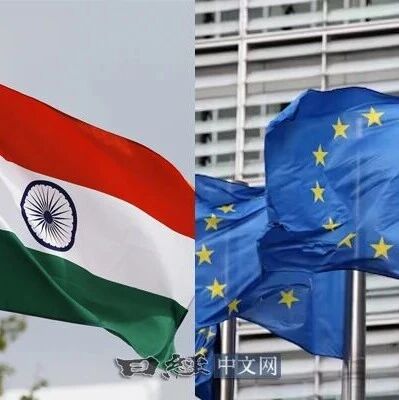
【牛弹琴:#印欧签协议美国砸场子#】据牛弹琴微信公众号:毫无疑问,1月27日,是印度和欧盟的大 喜之日。双方喜气洋洋,宣布达成历史性的自由贸易协定,甚至夸耀这是"所有协议之母"。我看到,美 国财长贝森特就公开抱怨,"我们对印度购买俄罗斯石油征收了25%的关税。猜猜发生了什么?欧洲人 与印度签署了贸易协议。"特朗普会安静地看着印度和欧盟喝喜酒庆祝?绝对不会。(视频来源:青蜂 侠) ...