跨界营销

Search documents
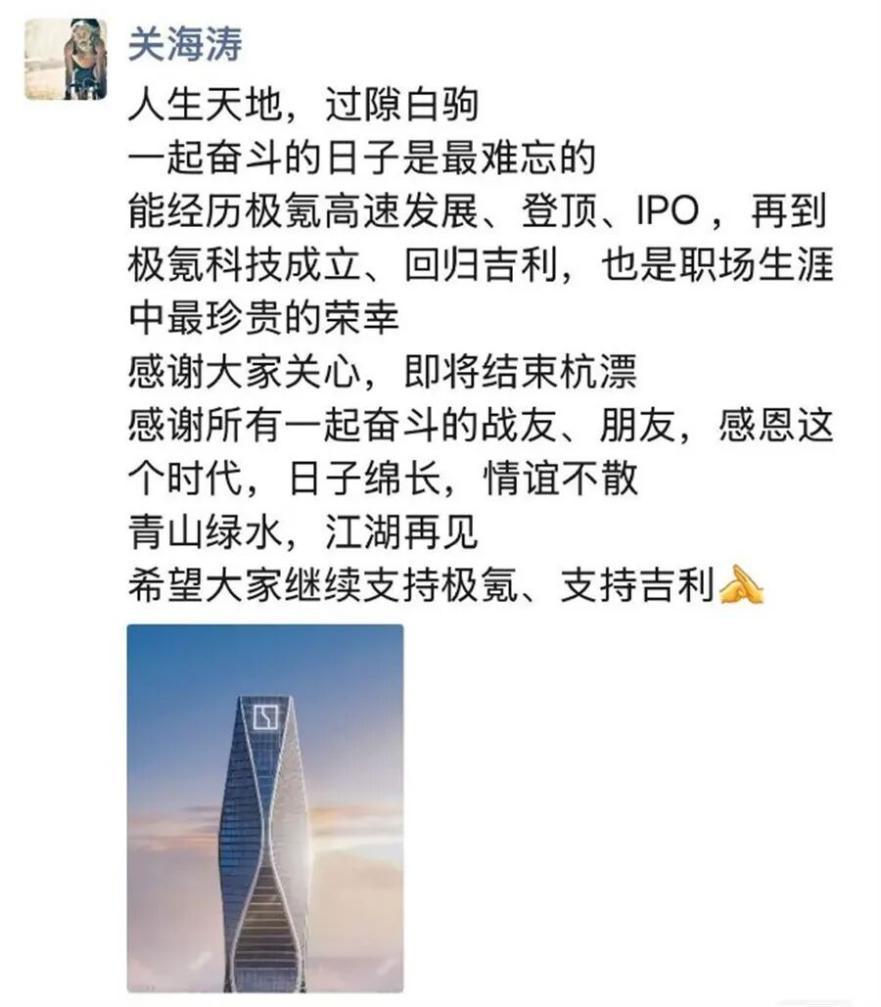
关海涛告别极氪:青山绿水间,一场“双向奔赴”的华丽谢幕
Feng Huang Wang Cai Jing· 2025-10-11 11:50
Core Insights - The departure of Guan Haitao, the CBO of Zeekr Technology Group, marks the end of a significant chapter in the company's rapid growth and branding success [1][7] - Guan Haitao's career is characterized by a successful transition from various industries, including 3C digital, internet, and fast-moving consumer goods, to the automotive sector [2] - Under his leadership, Zeekr achieved remarkable sales growth and brand recognition in the electric vehicle market, particularly in the luxury segment [4][5] Company Performance - In 2023, Zeekr delivered 118,000 vehicles, representing a year-on-year increase of 65% [5] - The company is projected to surpass 220,000 vehicles in 2024, with an impressive year-on-year growth of 87% [5] - Zeekr's average vehicle price is nearly 300,000 yuan, with the highest price reaching 900,000 yuan [5] Marketing Strategy - Guan Haitao implemented a unique marketing philosophy of "staying true while innovating," focusing on product marketing as a priority [5] - He successfully launched key models such as Zeekr 001, 007, and 009, establishing benchmarks in various market segments [5] - The brand leveraged celebrity endorsements to enhance its market presence, particularly in the ultra-luxury MPV segment [5] Industry Impact - Guan Haitao's tenure at Zeekr is seen as a case study in effective cross-industry transformation, contributing to the company's rapid ascent in the electric vehicle market [4][7] - His departure raises questions about talent retention and the ongoing value of cross-industry expertise in the competitive new energy vehicle sector [7]

乌镇的“似水年华”|十月行记
Jing Ji Guan Cha Bao· 2025-10-07 04:16
Core Insights - The tourism industry in Jiangnan water towns, including Wuzhen, is experiencing a decline in visitor engagement due to economic fluctuations, increased competition, and commercialization [2][12][16] Group 1: Changes in Tourism Experience - Visitors report a decrease in the unique charm and tranquility of Jiangnan water towns, with many businesses noting a drop in sales [2][12] - The homogenization of architectural culture and local customs across various water towns has led to a lack of novelty for tourists [2][12] - The commercialization of these towns has made it difficult for visitors to experience the original serene atmosphere [2][12][16] Group 2: Wuzhen's Development and Marketing Strategies - Wuzhen has a rich historical background, with a 7000-year civilization and a 1300-year history of establishment, making it a significant cultural site [4][5] - The "Wuzhen Model" of tourism development and preservation has been recognized by international experts as a successful case in ancient town protection [6] - Innovative marketing strategies, including partnerships with media productions like the TV series "Like Water in the Year," have significantly boosted Wuzhen's visibility and tourist influx [11][12] Group 3: Balancing Commercialization and Authentic Experience - The increasing commercialization of Wuzhen is causing concern among visitors who seek a peaceful retreat rather than a bustling marketplace [15][16] - There is a pressing need for Wuzhen to find a balance between commercial interests and the preservation of its tranquil, traditional atmosphere to maintain its appeal [16]
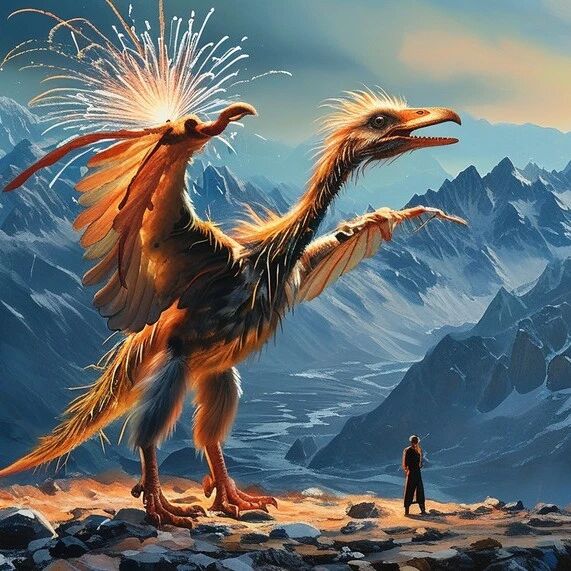
炸山营销的始祖鸟,在“背叛”户外的路上越走越远
虎嗅APP· 2025-09-21 15:04
Core Viewpoint - The article discusses the recent controversy surrounding the outdoor brand Arc'teryx and its marketing strategy, highlighting a disconnect between its outdoor heritage and its current high-end positioning, which has led to significant backlash after a poorly received promotional event in the Himalayas [5][11][15]. Group 1: Incident Overview - On September 19, Arc'teryx held a fireworks event in the Himalayas, which was met with widespread criticism and led to an official apology from the company and artist Cai Guoqiang [5][9][15]. - The event was perceived as a significant misstep, as it contradicted the brand's outdoor ethos and respect for nature [12][13][25]. Group 2: Financial Context - Arc'teryx's parent company, Amer Sports, reported total revenue of $1.2363 billion for Q2 2025, with the technical apparel segment, including Arc'teryx, generating $508.9 million, reflecting a 23% year-over-year growth, but a decline from previous quarters [15][21]. - The brand's growth has been slowing, prompting a reliance on past successful marketing strategies to boost performance [15][16]. Group 3: Marketing Strategy - The fireworks event was seen as an attempt to replicate a successful marketing campaign by Mammut, another outdoor brand, which had a much more environmentally conscious approach [18][19]. - Arc'teryx's previous successful marketing efforts included collaborations with luxury brands like Gucci and high-profile fashion shows, which significantly increased its visibility and sales [21][22][24]. Group 4: Brand Evolution - Arc'teryx has shifted from a focus on professional outdoor gear to a high-end lifestyle brand, appealing to urban elites rather than traditional outdoor enthusiasts [28][29][31]. - The brand's identity has evolved from being a symbol of outdoor expertise to one of social status, leading to a dilution of its original outdoor values [30][31][32].
马斯克开饭店,麦当劳哭了
3 6 Ke· 2025-07-24 09:37
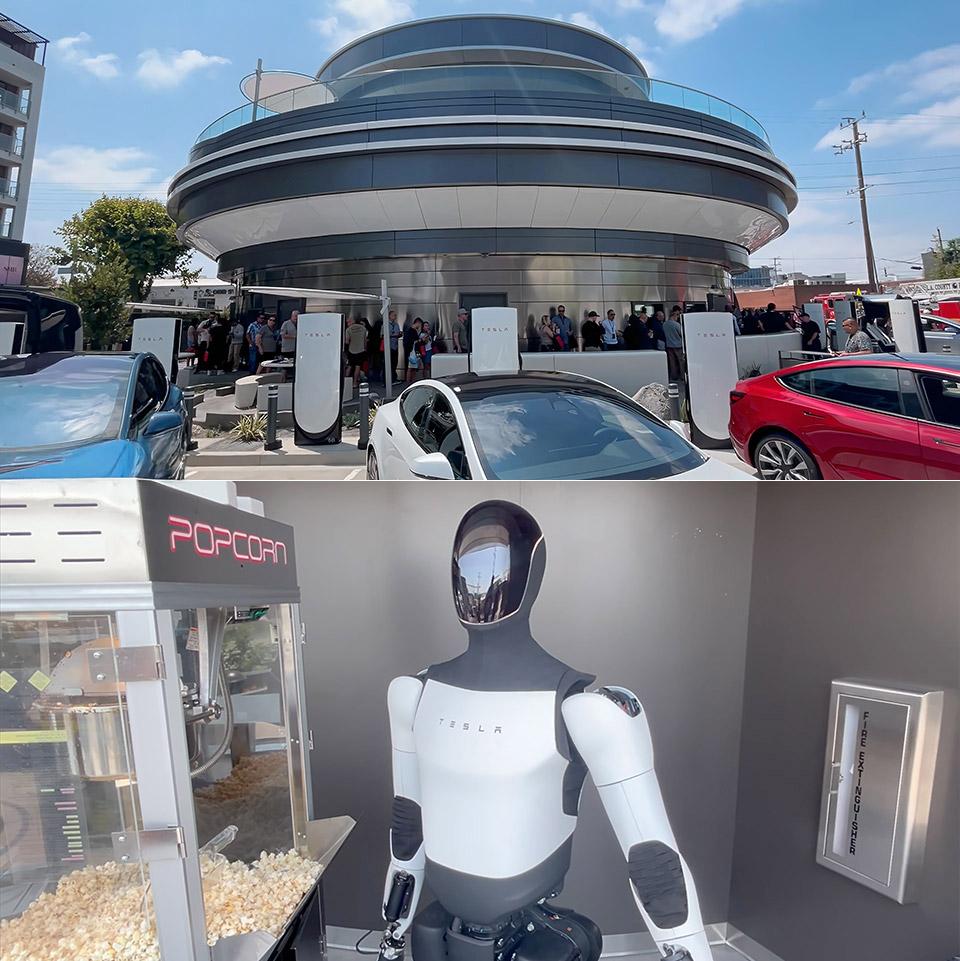
Group 1 - Tesla's restaurant in Hollywood has opened, attracting global attention with its futuristic design and unique dining experience [1] - The restaurant features a charging station on the first floor, seating for over 250 people on the second floor, and large LED screens displaying classic movie clips, creating an outdoor cinema atmosphere [1] - On its opening day, the restaurant generated $47,000 in revenue within just six hours [1] Group 2 - Tesla's cross-industry ventures serve as an effective marketing strategy, leveraging its strong brand presence to create buzz without significant traditional advertising costs [3][8] - Previous successful cross-promotional products include a children's version of the Model S and a limited edition tequila, both of which sold out quickly [3][5] Group 3 - The restaurant represents a long-term investment for Tesla, with plans for a second location in Shanghai, indicating a commitment to this new business model [8] - The concept of "waiting economy" is utilized, transforming the typical charging wait time into an active consumer experience by combining dining and entertainment [9][10] Group 4 - The restaurant aims to increase customer engagement and brand loyalty by extending the time users spend at charging stations, potentially increasing their overall spending [11][12] - This strategy could divert consumer spending from competitors like McDonald's, effectively creating a closed-loop consumption ecosystem [12] Group 5 - The restaurant's opening generates significant media attention and social media buzz, enhancing Tesla's brand visibility [13][22] - By integrating high-frequency dining experiences with low-frequency car purchases, Tesla strengthens its connection with consumers and enhances brand loyalty [16][18] Group 6 - Tesla's strong fan base plays a crucial role in the success of its cross-industry products, as loyal customers eagerly promote and share their experiences [20][22] - The restaurant not only serves food but also embodies a lifestyle and brand philosophy, positioning Tesla as more than just a car manufacturer [24][25] Group 7 - The restaurant serves as a platform for Elon Musk to enhance his personal brand, showcasing his multifaceted persona beyond just technology [26] - Tesla's restaurant is described as a "future lifestyle experience center," integrating various elements of energy, AI, and consumer behavior into a cohesive brand experience [27][30]

果倍爽sunny粉丝见面会,燃爆零食音乐节
Zhong Guo Shi Pin Wang· 2025-07-15 09:28
Group 1 - The first "Snack Music Festival" was held in Changsha, featuring a unique combination of music and snacks, with the global juice brand "Capri-Sun" as a key partner [2][4] - The festival showcased 18 star bands, creating an engaging atmosphere with popular songs leading to audience sing-alongs [4] - Capri-Sun's mascot, Sunny, became a highlight, attracting young fans and encouraging social media sharing through interactive games and activities [5][9] Group 2 - The festival included a fan meeting for Sunny, where attendees enjoyed interactions and received small gifts, reflecting the brand's commitment to customer engagement [7] - Capri-Sun emphasized its brand values of "safety, health, and happiness" during the festival, aiming to connect with young consumers through innovative marketing [11] - Capri-Sun, established in 1969 in Germany, focuses on natural products without artificial additives, and is marketed in over 119 countries, showcasing its commitment to sustainability and consumer satisfaction [12]
燕京啤酒“不务正业”卖汽水,拿什么跟北冰洋、大窑斗?
Xin Lang Cai Jing· 2025-07-10 03:03
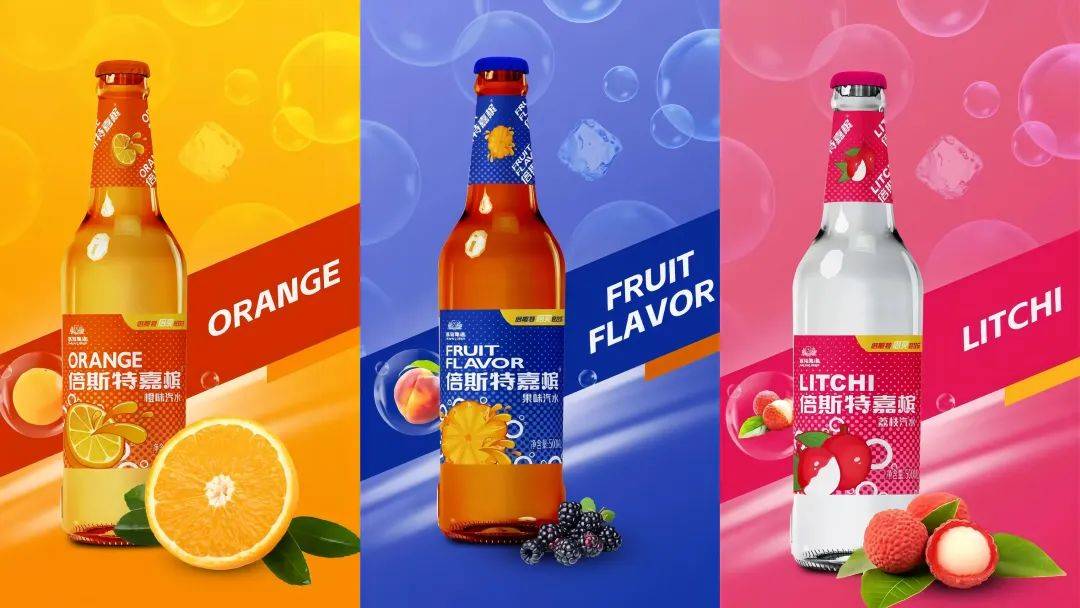
Core Viewpoint - The beverage market is becoming a strategic battleground in the fast-moving consumer goods sector, with companies like Yanjing Beer entering the soft drink space to capture the young consumer demographic and address declining growth in their core beer business [1][3][20] Group 1: Market Trends and Opportunities - The beverage industry is experiencing a resurgence, with significant growth potential, particularly among the Z generation, who frequently purchase drinks and prefer carbonated beverages in social settings [3][4][6] - The global carbonated soft drink market is projected to grow from $242.91 billion in 2024 to $350.78 billion by 2029, indicating ample expansion opportunities for new entrants [6][8] - Yanjing Beer aims to leverage the high sales volume in the soft drink category, particularly through its new product, Beiste Soda, which targets the young consumer market [4][10] Group 2: Yanjing Beer's Strategic Moves - Yanjing Beer has seen a slowdown in its beer sales growth, with revenue increasing from 132.02 billion yuan in 2022 to 146.67 billion yuan in 2024, reflecting a declining growth rate [10][20] - The company is heavily reliant on its flagship product, Yanjing U8, which has seen a decrease in annual sales growth from 50% in 2022 to 31.4% in 2024, indicating a need for diversification [10][12] - The introduction of Beiste Soda is part of Yanjing Beer's strategy to create a second growth engine amid pressures in its core beer business [10][20] Group 3: Competitive Landscape - The beverage market is highly competitive, with established brands like Coca-Cola and PepsiCo dominating approximately 90% of the market share in China, leaving limited space for new entrants [14][15] - Yanjing Beer faces challenges in establishing a strong online presence for its new beverage products, unlike competitors such as Beibingyang, which have successfully utilized e-commerce platforms [13][14] - The beverage market is expected to become increasingly crowded as more companies, including those from the beer sector, attempt to enter the soft drink space [15][20] Group 4: Challenges Ahead - Yanjing Beer's approach to the beverage market has been criticized for lacking innovation, as its new product does not significantly differentiate itself from existing offerings [17][18] - The company must navigate low brand loyalty among young consumers, who are willing to explore various brands rather than remain loyal to one [17][20] - The success of Yanjing Beer's beverage strategy will depend on its ability to innovate and adapt to changing consumer preferences in a rapidly evolving market [16][20]

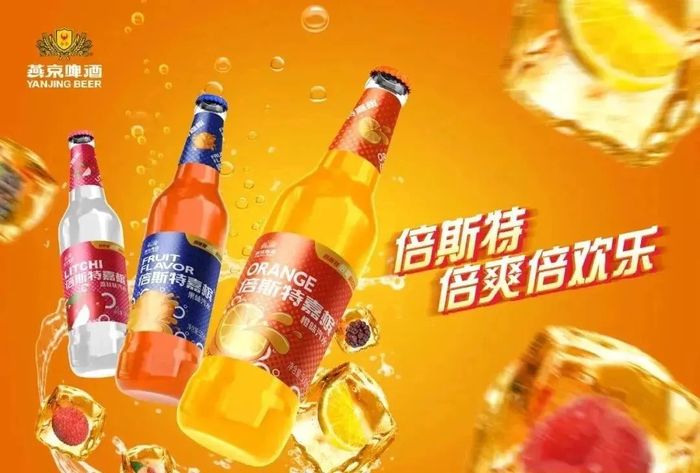
一场前所未有的跨界浪潮,啤酒巨头纷纷涉足饮料市场,饮料大佬也反向加码酒饮领域
Sou Hu Cai Jing· 2025-07-07 04:37
Core Insights - The beer and beverage industries are experiencing unprecedented cross-industry collaboration, with beer giants entering the beverage market and beverage companies venturing into alcoholic drinks, blurring traditional boundaries [1][3][6] Market Potential - The beer industry has been in a decline since reaching its peak production in 2013, with a projected 0.6% decrease in production in 2024 compared to the previous year, and a total decline of 29.3% since 2013 [7][9] - In contrast, the beverage market is on an upward trajectory, with a total production of 18,816.9 million tons in 2024, reflecting a 7.5% year-on-year growth [9][11] - Yanjing Beer’s tea beverage segment generated revenue of 106 million yuan in 2024, marking a 48.43% increase, while Qingdao Beer’s related products saw sales growth of 74% and 47% respectively [11] Synergy Effects - Beer companies are leveraging existing distribution channels and production facilities to enter the beverage market, resulting in low-cost and high-efficiency cross-industry operations [12][13] - The production processes of beer and beverages share similarities, allowing for quick transitions in production lines and reduced capital expenditures [16] Consumer Trends - Beverage companies are tapping into the preferences of Generation Z, who seek diverse and health-conscious options, such as low-sugar and low-fat alcoholic beverages [15][18] - The cross-industry movement is driven by the need to connect emotionally with younger consumers and adapt to their evolving consumption patterns [18] Opportunities and Challenges - The cross-industry collaboration presents opportunities for both beer and beverage companies to overcome traditional market limitations and optimize resource allocation [20] - However, the beverage market is highly competitive, with established players like Coca-Cola and emerging brands like Yuanqi Forest posing significant challenges [20][22] - Beer brands must adapt their product strategies to navigate the beverage market's complexities, while beverage companies need to rethink their approach to entering the beer market [22][24]
达势股份-达美乐中国(1405.HK)中西部百店里程碑达成 区域战略成效显著
Ge Long Hui· 2025-06-10 01:41
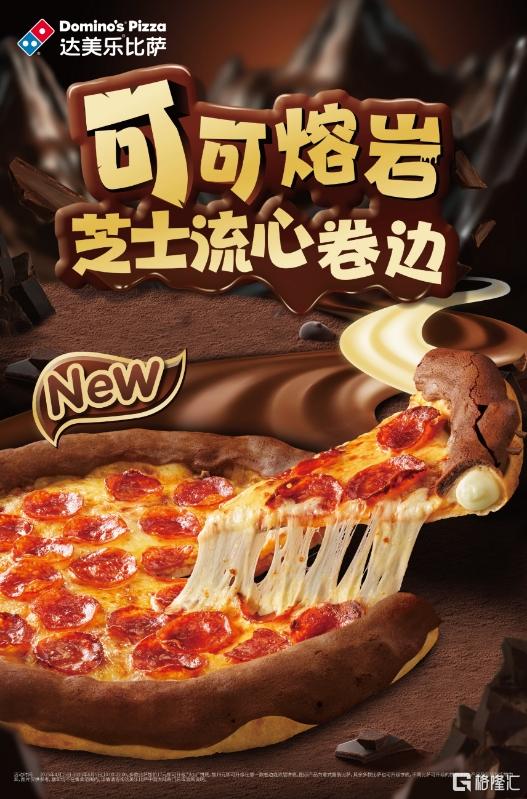
Core Insights - Domino's China has achieved a significant milestone with the opening of its 100th store in the Huaxi market, indicating effective implementation of its regional development strategy and substantial progress in its national expansion plan [1] - The company has successfully entered six new markets during the New Year holiday and expanded into additional cities such as Zhenjiang and Shantou during the May Day period, demonstrating its aggressive market expansion strategy [2] Market Expansion - The company has completed the strategic placement of 100 stores in less than three years since entering the region in December 2022, showcasing its commitment to enhancing brand penetration and influence in the Midwest market [1] - Domino's China is focusing on long-term sustainable development by accurately understanding regional consumer characteristics and optimizing store layout strategies [1] Product Innovation - The company is enhancing its product innovation strategy by launching a diverse menu that blends Chinese and Western flavors, including unique offerings like the "Fortune Pizza" and "Wellington Beef Pizza" [3] - The latest product, "Cocoa Lava Cheese Roll," combines Malaysian cocoa powder with French cheese sauce, reflecting the brand's commitment to both international and local product development [3] Marketing Strategies - Domino's China is exploring innovative marketing models through diverse collaborations to enhance brand influence, such as partnering with NetEase Games for an interactive online and offline experience during the Spring Festival [5] - The "芽趣萌生" package launched during Children's Day creatively combines food experiences with planting blind boxes, strengthening emotional connections with young consumers [5] Strategic Outlook - The company plans to continue its national market expansion while driving brand competitiveness through product innovation and marketing upgrades, focusing on localized strategies to meet the diverse dining needs of Chinese consumers [10]
华润啤酒销售回升,白酒将缩减销售规模;“汾酒星际号”卫星发射成功丨酒业早参
Mei Ri Jing Ji Xin Wen· 2025-05-22 00:37
Group 1: China Resources Beer - China Resources Beer has seen a recovery in beer sales in April, rebounding from a slowdown in March, with Heineken being a key driver, achieving a 20% growth [1] - The company plans to reduce sales scale in the face of challenges in the liquor industry and aims to control operational expenses through regulated channel investments [1] - China Resources Beer maintains its 2025 targets of low single-digit growth in sales and average price, with expectations of double-digit profit growth [1] Group 2: Hong Kong Liquor Tax Policy - The reduction of high-end liquor tax in Hong Kong has led to a significant increase in imported liquor, with quantities rising over 15% and values increasing nearly 60% compared to the previous period [2] - This tax adjustment is beneficial for liquor companies, especially high-end liquor brands, allowing them to expand sales through Hong Kong as an export hub [2] - The price reduction of Moutai in the Hong Kong market has narrowed the gap with international liquors, attracting more international buyers and consumers [2] Group 3: Fenjiu's Satellite Launch - The successful launch of the "Fenjiu Starship" satellite enhances Fenjiu's brand recognition and international influence, marking a significant honor for the company [3] - This initiative represents a systematic upgrade of Fenjiu's brand value, breaking traditional marketing limitations and enhancing its international market presence [3] - The collaboration with the aerospace sector allows Fenjiu to innovate its marketing and cooperation models, supporting its high-end and international strategic layout [3] Group 4: Yingjia Gongjiu's Stock Response - Yingjia Gongjiu has acknowledged recent stock price declines and emphasized its focus on core business, product optimization, brand enhancement, and deepening marketing efforts [4] - The company's performance growth in Q1 2025 was significantly below the industry average, with stock prices hitting a three-year low [4] - The response to investor concerns appears to be a defensive public relations strategy, lacking any mention of buyback or increase plans, which may not boost investor confidence [4]


博士茶馆哲宁老师:酒庄互联网营销的颠覆者
Sou Hu Cai Jing· 2025-05-20 03:29
Core Insights - The article discusses how traditional wineries can leverage internet marketing to overcome geographical limitations and effectively reach target consumers in the digital economy [1][30] - It emphasizes the importance of a systematic digital marketing solution to enhance brand influence and achieve significant sales growth [1][30] Group 1: Pain Points and Opportunities in Winery Internet Marketing - Traditional wineries rely heavily on offline channels such as distributors and tasting events, which are costly and have limited reach, making it difficult to connect with younger consumers [3] - The rise of internet marketing presents new opportunities for wineries, including precise marketing through big data analysis to target high-end wine consumers [4] - Storytelling through short videos, live streaming, and social media can enhance user engagement and brand loyalty [5] Group 2: Internet Marketing Strategies by Zhening - Wineries should focus on building a "brand IP" by sharing their history, craftsmanship, and culture through various digital platforms [7] - Collaborating with influencers and lifestyle bloggers can expand brand influence and reach [8] - The integration of social e-commerce and private traffic operations, such as mini-programs and community marketing, can improve conversion rates and customer retention [9][10][11] Group 3: Innovative Marketing Approaches - Live streaming has become a crucial sales channel, with strategies like immersive live experiences and expert endorsements enhancing credibility [12][13] - Cross-industry collaborations with high-end hotels and restaurants can elevate brand positioning and attract affluent customers [15][16] - Custom services for high-end clients, such as personalized wine labels, can add value and strengthen customer relationships [17] Group 4: Success Cases - Under Zhening's guidance, a French winery saw a 300% increase in sales within three months through Douyin short videos and private community engagement [18] - A domestic boutique winery improved its repurchase rate by 50% using live streaming and a membership system [19] - Emerging brands quickly penetrated the high-end market through influencer marketing and cross-industry collaborations [20] Group 5: Future Trends in Winery Internet Marketing - Future winery marketing is expected to become more intelligent and personalized, utilizing AI for precise product recommendations [27] - Innovative marketing strategies may include virtual wineries and NFT wine labels [28] - Emphasizing sustainable practices, such as organic farming and eco-friendly packaging, will attract younger consumers [29]