鹰派

Search documents
金银迎史诗级大跌或一夜跨入“技术性熊市”,专家:持有首饰类实物黄金无须担忧
Sou Hu Cai Jing· 2026-01-31 06:13
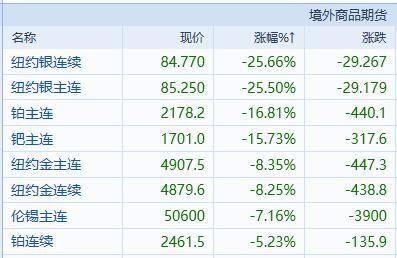
Group 1 - The core point of the article is the significant drop in international precious metal prices, with silver falling over 36% and gold dropping more than 12%, marking the largest single-day decline since 1980 [1] - The initial trigger for this decline was the announcement of Kevin Warsh's nomination as the next Federal Reserve Chairman, which alleviated market concerns about the Fed's independence and strengthened the dollar, negatively impacting gold and silver prices [1] - The precious metals market is currently experiencing a panic sell-off phase, characterized by irrational trading behavior, and the potential for further declines remains [5] Group 2 - The non-ferrous metals sector has seen a rise of over 30% since the beginning of the year, leading to significant profit-taking, with many stocks experiencing sharp declines on the news of falling precious metal prices [2] - On the day of the price drop, the non-ferrous sector in the A-share market fell by 7.89%, with 39 stocks hitting the daily limit down and 45 stocks declining by over 9% [2] - The volatility in precious metal prices is expected to have a cascading effect on the A-share market, particularly impacting the already declining non-ferrous sector [1][2] Group 3 - The recent surge in gold and silver prices was unprecedented, and the subsequent drop is seen as a natural correction, with silver already entering a technical bear market due to its significant price drop [4] - The impact of the price drop is most severe on leveraged products like paper gold and gold futures, while physical gold and silver jewelry are less affected due to their intrinsic value [4] - Investors are advised to wait for signs of stabilization and support levels before making any decisions, as the current market conditions are highly uncertain [5][6]

黄金史诗级暴跌,原因可能与一纸提名有关?
Xin Jing Bao· 2026-01-31 03:23
尽管这一提名还需获得美国参议院的批准,但提名一经公布,就在全球金融市场掀起了波澜。市场认 为,凯文·沃什此前的政策倾向带有"鹰派"色彩,将削弱黄金的吸引力,黄金、白银价格应声跳水,美 元则出现反弹。北京时间1月31日凌晨,现货白银价格一度暴跌36%,创出历史最大日内跌幅;现货黄 金价格一度下跌超过12%,盘中跌穿每盎司4700美元,遭遇40年来单日最大跌幅。 当地时间1月30日,随着美联储前理事凯文·沃什(Kevin Warsh)正式被美国总统特朗普提名为下任美联 储主席,这场牵动市场许久的美联储主席人事任免大戏也终于阶段性告一段落。 凯文·沃什是谁? 凯文·沃什的履历堪称"豪华",他出生于1970年,是此前所有下任美联储主席热门候选人中最年轻的一 位。但他同时又是横跨华尔街、白宫与美联储的"年轻老将"。 凯文·沃什拥有斯坦福大学文学学士和哈佛法学院法学博士学历,曾是经济学家弗里德曼的研究助手; 1995年至2002年任职于知名投行摩根士丹利,积累扎实华尔街经验;2002年至2006年进入小布什政府, 担任总统经济政策特别助理、白宫国家经济委员会执行秘书,搭建深厚政治资源;2006年至2011年,35 岁的凯 ...
一纸提名引爆史诗级抛售:现货白银一度跌36% 金价失守5000美元大关
Sou Hu Cai Jing· 2026-01-31 02:25
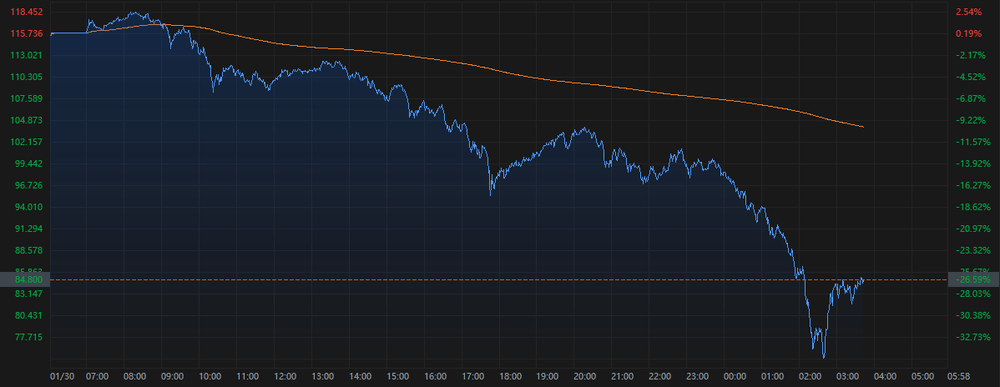
周五(1月30日)纽约时段,国际贵金属价格大幅跳水,其中现货白银一度跌超36%,黄金最高跌超12%。 具体行情显示,现货白银价格自北京时间23:00开始加速下滑,凌晨02:40左右跌至盘中低位每盎司74.31美元,跌幅最大时超过36%。截至发 稿,银价报85.8美元,跌幅收窄至26%附近。 贵金属的这轮剧烈下跌最初由"特朗普宣布提名凯文·沃什为下任美联储主席"的消息触发,有分析认为这一提名缓解了市场对美联储独立性的 担忧,推动美元走高打压金银。 Evercore ISI副董事长Krishna Guha称,市场正在按"鹰派沃什"进行交易,"沃什的提名有助于稳定美元,并降低美元持续走弱的单边风险,从而 挑战'货币贬值交易'的逻辑——这也是金银大幅下跌的原因。" "货币贬值交易"指的是投资者因担忧政府债务持续膨胀而避开国债和货币,转而涌向实物资产,尤其是贵金属。 现货黄金价格也几乎在同一时间跌至每盎司4683.04美元的日内低位,跌幅最高时超过12%。截至发稿,金价报4906美元,跌幅收窄至8.8%左 右。 除此以外,美元的升值也将使美国以外的投资者购买黄金和白银的成本上升。 Guha补充道:"我们不建议在各类资产 ...
帮主郑重:市场“用脚投票”回应美联储新掌门,背后在担忧什么?
Sou Hu Cai Jing· 2026-01-31 00:05
Group 1 - The market reacted negatively to the nomination of Kevin Walsh as the next Federal Reserve Chairman, with major U.S. stock indices, particularly the Nasdaq, experiencing a nearly 1% decline, indicating that this leadership change may signal a significant shift in global capital flows and market dynamics [1][3] - Concerns in the market center around two key terms: "hawkish" and "uncertainty." Walsh is known for his strong stance on inflation, which associates him with faster interest rate hikes, and analysts suggest he may provide less clear guidance than his predecessor, Powell, leading to increased market volatility [3][4] - The implications for A-shares are significant, as the Federal Reserve's monetary policy acts as a global liquidity control mechanism, affecting the strength of the dollar and foreign capital flows, which in turn influences the pricing of core assets in the A-share market [3] Group 2 - Investors are advised to reassess their holdings in "interest rate-sensitive" assets, particularly high-valuation tech growth stocks and sectors reliant on global liquidity, to evaluate their resilience in a potentially tighter global interest rate environment [3][4] - There is an increased emphasis on the "endogenous" and "certainty" of assets, suggesting that companies driven by domestic policies with stable cash flows will become more attractive as external macroeconomic noise increases [3][4] - The market is expected to experience heightened volatility due to the ambiguity of the Federal Reserve's policy path, necessitating cautious position management and strict profit-taking and stop-loss disciplines [4]

沃什意外胜出美联储主席角逐 市场波动性料将攀升
Sou Hu Cai Jing· 2026-01-30 14:33
Core Viewpoint - The selection of Kevin Walsh as the new Federal Reserve Chairman by Trump is unexpected and is likely to increase market volatility, creating potential dissatisfaction among various stakeholders, including Trump himself [1] Group 1: Market Reactions - Walsh's appointment is expected to trigger strong cognitive dissonance in Wall Street and policy circles, as he is perceived as a hawkish figure despite Trump's promise for a pro-easing Fed Chair [1] - If Walsh opts for interest rate cuts, the market may view this as a betrayal of principles, while maintaining high rates for too long could lead to conflicts with Trump, further exacerbating market volatility [1] Group 2: Implications for Policy - Walsh's "shadow term" has already begun before Powell's term ends, which may lead to confusion in policy signals and misinterpretations in the market [1] - The selection process appears to have been influenced by "survivor logic," as Walsh became the last viable option after Trump's team lost interest in Hassett, who was previously the frontrunner [1] Group 3: Concerns from Wall Street - Concerns regarding Hassett's nomination included the potential for increased bond term premiums and warnings from Wall Street executives about the risks of having someone too closely aligned with the president leading an independent central bank [1]
新任美联储主席提名人选,为什么是他?
Zhong Guo Zheng Quan Bao· 2026-01-30 14:30
新任美联储主席提名人选终于揭晓。 2006年2月,年仅35岁的他在时任美国总统布什提名下成为美联储理事,创下美联储史上最年轻理事纪 录。此前,他在摩根士丹利从事并购业务7年,后在白宫担任总统经济政策特别助理。 金融危机期间,沃什成为时任美联储主席伯南克与华尔街的关键联络人。然而,他的政策立场却引发争 议,在2008年金融危机期间美国劳动力市场崩溃时,他仍主张尽早结束量化宽松,优先关注通胀风险而 非刺激经济。最终,他在2011年3月辞职,比原定任期提前7年。 据新华社报道,美国总统特朗普30日提名美联储前理事凯文·沃什为下任美联储主席,这一提名还需获 得参议院批准。 消息传出后,市场震荡。1月30日美股盘前,美股股指期货集体下挫。 市场反应如此剧烈的原因在于:这位曾被认为是坚定"鹰派"的美联储前理事,如何成为呼吁大幅降息的 特朗普提名的最终人选? 鹰派还是鸽派? 55岁的凯文·沃什并非美联储新面孔。这位华尔街出身的前美联储理事,在2008年金融危机期间展现 出"鹰派"姿态。 离开美联储后,沃什转战学界和商界,担任斯坦福大学胡佛研究所访问学者,同时出任UPS等多家公司 董事。 但近年来,沃什的立场似乎悄然转鸽,公 ...
特朗普提名凯文·沃什执掌美联储:“鹰派元老”转向“降息先锋” 美联储会迎来“特朗普节奏”吗?
智通财经网· 2026-01-30 13:31
智通财经APP获悉,美国总统唐纳德·特朗普在其Truth Social平台上发文表示,他打算提名凯文·沃什担 任下一任美联储主席。 "我认识凯文很长时间了,毫无疑问他将成为最伟大的美联储主席之一,也许是最好的,"特朗普写 道,"最重要的是,他完全符合理想形象,绝不会让你失望。" 沃什曾于2006年至2011年担任美联储理事会成员,此前曾担任特朗普的经济政策顾问。他将接替杰罗姆 ·鲍威尔,后者的主席任期将于五月结束。这对55岁的沃什而言是一次回归,在2017年时,特朗普曾放 弃选择沃什,转而任命鲍威尔担任这一最高职位。 如果获得参议院确认,这位前美联储理事将在关键时刻执掌美国货币政策。当前,许多经济学家和投资 者认为,美联储传统上独立于选举官员的自主权正受到白宫的威胁。沃什在2025年公开主张降低利率, 与特朗普立场保持一致,这与其长期以来作为"通胀鹰派"的名声相悖。 在美联储任职期间,沃什始终对通胀保持警惕,并经常支持提高利率。然而去年,他附和了特朗普的观 点,认为利率可以大幅降低。降息的意愿被视为对下一任主席的试金石,这让美联储观察人士担心,这 会削弱央行的独立性。 沃什的当选并不保证美联储的政策会发生变化 ...
经济学家评沃什:本能偏鹰,但曾误判金融危机冲击
Sou Hu Cai Jing· 2026-01-30 12:41
Group 1 - The core viewpoint is that Kevin Warsh has a hawkish stance on monetary policy, rarely opposing the possibility of interest rate hikes [1] - Warsh made errors in his policy responses during the financial crisis, failing to grasp the nature, scale, and impact of the economic shock similar to the Great Depression [1] - During the 2007-2008 period, Warsh prioritized inflation as the main risk, despite a significant deflationary shock already being triggered, leading to a near-collapse of the U.S. banking system and a freeze in credit markets [1]
鲍威尔建议继任者远离政治 白银td涨超近一千元
Jin Tou Wang· 2026-01-29 06:59
Group 1 - Silver TD is currently trading above 29,645, with an opening price of 29,018 yuan/kg and a current price of 29,940 yuan/kg, reflecting a 3.17% increase [1] - The highest price reached today is 30,280 yuan/kg, while the lowest was 28,750 yuan/kg, indicating a short-term oscillating trend in the silver market [1] - The daily chart shows that silver TD has continued its upward momentum, rising over 1% yesterday and marking the fifth consecutive day of gains, with current prices showing a 3% increase [3] Group 2 - Federal Reserve Chairman Jerome Powell advised his successor to avoid involvement in political matters, emphasizing the importance of engaging with elected officials for democratic legitimacy [2] - The Fed's recent statement and press conference were perceived as hawkish, with economic activity described as "robust" and the removal of language regarding employment downturn risks [2] - Inflation is stabilizing but remains "slightly high," shifting the Fed's focus from unemployment to inflation, with expectations that interest rates may not decrease in the near term [2]
新票委阵容“鹰味十足”!特朗普降息大计恐遇“拦路虎”
Sou Hu Cai Jing· 2026-01-28 00:49
随着多位强硬的"鹰派"成员手握投票权,无论谁掌舵美联储,都将面对一个全新的、更具抵抗力的决策 委员会。 美国总统特朗普最早可能在本周宣布下一任美联储主席的提名人选,他已发出信号,要求获提名者必须 推动大幅降息。然而,无论特朗普选中谁,都将面对一个新的决策委员会,且这个委员会对大幅降息的 抵触情绪可能更强。 每年年初,12位地区联储主席中有四位会轮换进入具有影响力的利率决策委员会,并在接下来的八次政 策会议中拥有投票权。今年的轮换名单包括达拉斯联储主席洛根、克利夫兰联储主席哈玛克、费城联储 主席保尔森以及明尼阿波利斯联储主席卡什卡利。纽约联储主席以及包括美联储主席在内的所有七名美 联储理事会成员拥有永久投票权。 在最新的公开评论中,洛根和哈玛克都表达了担忧,指出这已经是通胀率连续第五年徘徊在美联储2% 的目标之上了。这意味着她们不太可能在短期内投票支持降息,因为降息可能会刺激支出并增加物价压 力。 美联储官员将于北京时间周四三点公布利率决议,外界普遍预计他们将维持利率不变。在去年12月,美 联储官员预测2026年仅会有一次降息。 尽管劳动力市场疲软导致美联储去年三次降息,但特朗普的关税政策以及可能征收的额外关税 ...