
下沉市场

Search documents
14家汉庭全盈利,县城开酒店两年就能回本?
Hu Xiu· 2025-09-11 04:09
Core Insights - The article highlights the success of Xu Zhonghui, who has opened 14 Hanting hotels in Ningbo, all of which are profitable and expected to break even within two years, indicating a strong business model in the lower-tier market [1] Group 1: Market Strategy - Xu Zhonghui focuses on three key indicators for site selection: population base, industrial momentum, and consumer potential, which are critical for the success of Hanting hotels in lower-tier markets [1] Group 2: Investment Viability - The article raises questions about the profitability of the lower-tier market and the overall feasibility of hotel investments, suggesting that there may be significant opportunities in this sector [1]
兴证国际:维持顺丰同城(09699)“增持”评级 利润端仍具增长空间
智通财经网· 2025-09-11 02:11
Group 1 - The core viewpoint of the report maintains a "buy" rating for SF Express, with expectations for continued revenue growth driven by deepening in key accounts, expansion in mid-tier markets, and penetration in lower-tier markets [1] - The company is projected to achieve revenue growth of 33.6%/23.6%/17.7% for the years 2025-2027, with adjusted net profit growth of 88.4%/71.9%/51.2% during the same period [1] Group 2 - In the first half of 2025, the company achieved operating revenue of 10.24 billion yuan, a year-on-year increase of 49%, with revenue from B-end and C-end same-city delivery services reaching 4.5 billion and 1.3 billion yuan respectively, showing growth rates of 55% and 13% [2] - The number of active merchants on the B-end platform reached 850,000, a year-on-year increase of 55%, with significant growth in non-food categories such as tea, supermarkets, pharmaceuticals, and maternal and infant products [2] Group 3 - The last-mile delivery business generated revenue of 4.5 billion yuan in the first half of 2025, reflecting a year-on-year growth of 57%, driven by deep collaboration with SF Group's trunk network and increased demand during peak periods [3] - Daily average order volume in the collection segment increased by 150% year-on-year, supported by the rise in e-commerce parcel delivery and various local logistics scenarios [3] Group 4 - The company reported a gross margin of 6.7% and a net profit of 137 million yuan in the first half of 2025, representing a year-on-year increase of 120%, with a net profit margin of 1.3%, up 0.4 percentage points [4] - Profitability improvements are attributed to scale effects from increased order volume, enhanced network density, and cost reductions from refined management practices [4]
中产的最爱,正在大规模闭店
36氪· 2025-09-07 09:28
Core Viewpoint - MUJI's business model in China is facing significant challenges, leading to a series of store closures and a shift in consumer perception, marking the end of an era for the brand in the Chinese market [4][8]. Group 1: Store Closures and Financial Performance - MUJI has announced the closure of its Beijing Shimao Gong San store, set to close on August 31, 2025, as part of a broader trend of store closures in China, with 30 stores closed from 2022 to 2024 [5][7]. - As of May 2025, MUJI has closed 17 stores in mainland China, including locations in Shanghai, Suzhou, Jinan, Yantai, and Changsha [7]. - Despite the closures, MUJI plans to open approximately 40 new stores annually, with 15 new stores opened from March 1 to the present [48][51]. Group 2: Brand Image and Consumer Trust - The brand's image has deteriorated due to multiple product quality issues, including non-compliance with safety standards for various products, leading to a loss of consumer trust [10][13][17]. - Complaints against MUJI have surged, with 2,407 complaints reported on the Black Cat Complaints platform, covering issues like product quality and poor after-sales service [19]. - The brand's pricing strategy has also come under scrutiny, with products priced 25%-30% higher in China compared to Japan, leading to consumer dissatisfaction [33][41]. Group 3: Market Competition and Consumer Behavior - The rise of domestic competitors offering similar products at lower prices has intensified competition, challenging MUJI's market position [35][37]. - Changing consumer preferences towards value for money and quality have made it difficult for MUJI to maintain its previous appeal as a premium brand [37][54]. - The brand's attempts to adapt by introducing new store formats and product lines, such as "farm concept stores" and pet products, indicate a response to evolving market demands [55][57]. Group 4: Strategic Adjustments - MUJI is shifting its focus from traditional retail to online platforms, enhancing its e-commerce capabilities to drive growth [54][57]. - The company is also experimenting with larger flagship stores and diverse product offerings to attract a broader customer base [49][50]. - Despite these efforts, the brand faces a dilemma in balancing its original identity with the need to adapt to current consumer trends [57].


在非洲,钱是两种人赚的:一种靠当地人,一种靠“老乡”
Hu Xiu· 2025-09-06 06:41
Group 1 - The core idea is that profitability in Africa depends on understanding the target market, whether local consumers or Chinese expatriates [57][58]. - There are two main types of businesses in Africa: those targeting local consumers with low-cost products and those catering to Chinese expatriates with premium offerings [15][59]. - Local markets in Africa may have low consumption levels, but they still present significant opportunities if approached correctly [5][7]. Group 2 - Businesses targeting local consumers can succeed by offering affordable products that meet basic needs, such as second-hand clothing, which is popular due to its affordability and style [8][12]. - The cost of labor in Africa is significantly lower than in China, making local manufacturing attractive for Chinese companies [10][11]. - Local production reduces reliance on imports, leading to lower costs and faster delivery times, creating a favorable market environment [14]. Group 3 - Businesses targeting Chinese expatriates often focus on providing emotional value and comfort, such as authentic Chinese cuisine and accommodations that cater to their preferences [32][33]. - The pricing for services aimed at Chinese consumers can be significantly higher, reflecting the added value of familiarity and safety [20][30]. - The essence of these businesses lies in addressing psychological needs rather than just providing services [25][36]. Group 4 - A significant portion of transactions in Africa still relies on traditional methods, with 90% of sales occurring through direct marketing rather than e-commerce [36][38]. - Many entrepreneurs underestimate the challenges of digital platforms in Africa, where infrastructure may not support such business models [46][47]. - Successful businesses often utilize local distributors and agents to navigate the market effectively [41][42]. Group 5 - A smaller segment of businesses focuses on exporting resources from Africa back to China, such as mining and agriculture, which can yield high profits but come with substantial risks [48][50]. - These ventures require significant investment and understanding of local regulations and logistics [55][56]. - The potential for profit in resource extraction highlights the ongoing demand for African resources in Chinese manufacturing [56]. Group 6 - The key to success in Africa is to clearly define the target market and adapt business strategies accordingly [57][60]. - Companies must be willing to accept the realities of pricing and market dynamics, whether targeting local consumers or expatriates [59][61]. - Understanding the local context and being patient in building relationships is crucial for long-term success in the African market [60][61].
逾20个代理品牌的授权或分授权将在一年内到期,股价破发 “香水第一股”CEO回应市场质疑
Mei Ri Jing Ji Xin Wen· 2025-09-05 14:49
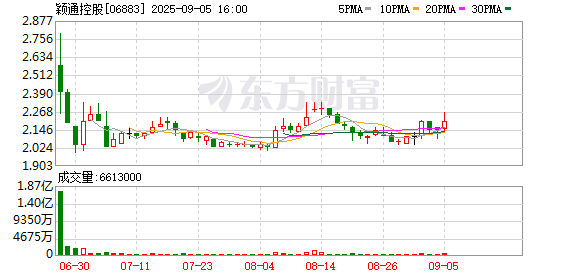
Core Insights - The global perfume market is expected to maintain a growth rate of 4% to 6% over the next four years, with China's market projected to grow even faster at a compound annual growth rate (CAGR) of 8% from 2024 to 2028 [2][7]. Company Overview - Ying Tong Holdings (06883.HK) became the "first stock" in the perfume sector after its IPO in June, but has faced market skepticism due to its heavy reliance on brand agency and low revenue from self-owned brands [2][5]. - As of March 31, Ying Tong Holdings had 22 brand authorizations expiring within a year, raising concerns as many luxury brands are shifting to self-operated models [5]. Market Trends - The perfume segment has shown resilience amid overall pressure on the beauty industry, with companies like Estée Lauder and L'Oréal reporting growth in their fragrance divisions despite declines in other product lines [6]. - The Chinese market is expected to surpass 33.9 billion yuan by 2028, with a 3.6% year-on-year growth in perfume sales, contrasting with a 7.9% decline in overall beauty sales [7]. Competitive Landscape - International brands continue to dominate the market, with Ying Tong Holdings introducing up to 10 new brands annually while evaluating over 100 potential brands each year [10][11]. - Domestic brands like "Guanxia" and "Wenxian" are emerging, but they have yet to make a significant impact in the top perfume rankings [11]. Consumer Behavior - The "scent economy" is on the rise, with increasing opportunities in second-tier and lower-tier markets, as well as a growing demand for men's fragrances [6][7]. - By 2025, over 50% of fragrance consumers in first-tier cities are expected to be part of the advanced consumer group, indicating a shift in market demographics [7].
蜜雪冰城:万店狂奔下的甜蜜与隐忧
Guan Cha Zhe Wang· 2025-09-05 11:46
Core Insights - The article highlights the dominance of Mixue Ice Cream and Tea in the Chinese beverage market, showcasing its impressive financial performance and market expansion [1][2][3] - Despite its success, the company faces challenges such as declining single-store profitability, food safety concerns, and market saturation [1][10][11] Financial Performance - In the first half of 2025, Mixue reported revenue of 14.87 billion yuan, a year-on-year increase of 39.3%, with a gross profit of 4.71 billion yuan and a net profit of 2.72 billion yuan, reflecting a growth of 38.3% and 44.1% respectively [2][4] - The company operates 53,014 stores globally, having opened 9,796 new stores in the past year, averaging 27 new stores per day [2][3] Business Model - Mixue's revenue primarily comes from selling ingredients, packaging, and equipment to franchisees, accounting for approximately 97% of total revenue [4][5] - The franchise model allows for significant scale effects, with the company leveraging its purchasing power to control costs and enhance profitability [6] Market Strategy - The company has a strong presence in lower-tier cities, with 57.6% of its stores located in third-tier and below cities, while only 4.9% are in first-tier cities [7] - As competition intensifies in lower-tier markets, the company faces challenges in maintaining growth and profitability [7][10] Marketing and Brand Positioning - Mixue employs innovative marketing strategies, including viral songs and social media campaigns, to enhance brand visibility and consumer engagement [8][9] - However, the company must continue to evolve its marketing approach to sustain consumer loyalty beyond initial trends [9] Challenges Ahead - The increasing density of stores has led to a decline in single-store revenue, with franchisees reporting significant pressure on profitability [10] - Food safety issues pose a risk to the brand's reputation, as incidents can quickly escalate through social media [11]


中产的最爱,正在大规模闭店
盐财经· 2025-09-05 09:25
Core Viewpoint - MUJI is facing significant challenges in the Chinese market, leading to a wave of store closures and a decline in brand reputation due to quality issues and increased competition from local brands [5][6][30]. Group 1: Store Closures and Market Challenges - MUJI has announced the closure of its Beijing Shimao Gong San store by August 31, 2025, marking a significant shift after over a decade of operation [5]. - The company has closed a total of 30 stores in mainland China from 2022 to 2024, with 17 closures reported by May 2025 [5][6]. - The brand's decline is attributed to the rise of e-commerce, the emergence of competitive domestic brands, and changing consumer habits [6][30]. Group 2: Brand Image and Consumer Trust - MUJI's image as a premium brand is deteriorating, with increasing consumer complaints about product quality and service [10][15]. - The brand has faced multiple quality control issues, including non-compliance with safety standards for various products, leading to a loss of consumer trust [11][13]. - Complaints on platforms like Black Cat have surged, indicating growing dissatisfaction among consumers regarding product quality and pricing [15][17]. Group 3: Pricing Strategy and Market Position - MUJI's pricing strategy in China is significantly higher than in Japan, with prices 25%-30% more expensive, leading to consumer disillusionment [27][29]. - The brand's initial appeal as a high-end product has been undermined by the perception of overpriced goods that do not meet quality expectations [17][23]. - Despite attempts to lower prices, the brand struggles to attract consumers in the increasingly competitive market [32][44]. Group 4: Strategic Adjustments and Future Plans - MUJI is adopting a strategy of closing underperforming stores while simultaneously opening new ones in more lucrative locations, aiming for about 40 new stores annually [39][40]. - The company is expanding its flagship stores and diversifying its offerings, including new concepts like "farm concept stores" and pet products [41][44]. - Increased investment in e-commerce and instant retail has shown some positive results, but the brand must navigate the balance between maintaining its identity and adapting to new consumer trends [46][47].

5家头部茶饮品牌上半年关店超1500家,行业打响“单店保卫战”
东京烘焙职业人· 2025-09-05 08:33
Core Viewpoint - The tea beverage industry is transitioning from rapid growth to a more stable and health-focused competition, with an emphasis on profitability and growth quality rather than just expansion speed [5][6][21]. Group 1: Financial Performance of Leading Brands - Gu Ming emerged as the biggest winner in the recent financial report season, achieving a revenue growth of 41.2% and an adjusted profit growth of 42.4%, outpacing its revenue growth [11]. - Ba Wang Cha Ji, despite maintaining the top position with revenue of 6.725 billion and profit of 1.307 billion, showed a concerning trend with a revenue growth of only 21.6% and an adjusted profit growth of just 6.8% [11]. - Hu Shang A Yi reported a profit growth of 14.0% but a revenue growth of only 9.7%, indicating potential fatigue in growth [11]. - Cha Bai Dao faced a challenging situation with a mere 4.3% revenue growth and a 13.8% decline in adjusted net profit [11][12]. Group 2: Store Opening and Closing Trends - Over 1,500 stores were closed among five leading tea brands in the first half of the year, indicating a significant shift in operational strategies [14]. - Gu Ming led in net store openings with an increase of 1,265 stores, while Hu Shang A Yi and Cha Bai Dao exhibited a high frequency of opening and closing stores [16]. - The aggressive expansion without proper management of single-store profitability has led to many franchisees facing difficulties, resulting in store closures [16][18]. Group 3: Market Strategy and Positioning - The tea beverage industry is entering a new cycle characterized by structural adjustments, where brands are shifting focus from rapid expansion to sustainable profitability [21]. - Ba Wang Cha Ji and Cha Bai Dao are focusing on high-tier cities, while Gu Ming and Hu Shang A Yi are targeting lower-tier markets for growth [23]. - The competition in lower-tier markets is becoming increasingly intense, with a shift from price wars to deeper operational capabilities, particularly in supply chain management [24]. Group 4: Online and Offline Channel Strategies - The reliance on online platforms for sales is growing, with Cha Bai Dao and Nai Xue's Tea investing heavily in online channels, while Gu Ming adopts a more cautious approach [25][26]. - The external pressures from online platforms create a dual-edged sword for brands, providing significant order volume but also leading to high commission and marketing costs [26]. - The new cycle in the tea beverage industry emphasizes the need for brands to establish a stable and reliable single-store profitability model [26].

多地发放新一轮消费券,叠加四季度消费旺季,大消费或迎估值修复-股票-金融界
Jin Rong Jie· 2025-09-05 00:28
Group 1 - Recent initiatives in various cities to distribute consumption vouchers, with Ningbo launching a total of 60 million yuan in automotive consumption vouchers and Jinan starting its third round of retail and dining consumption vouchers [1] - The issuance of consumption vouchers has become normalized and precise this year, effectively stimulating demand for durable goods and services, particularly in the context of domestic demand and consumption driving economic growth [1] - The State Council's measures aim to restore and expand consumption, projecting a total retail sales of 47.15 trillion yuan for the year, a year-on-year increase of 7.2% [2] Group 2 - The "Consumption Promotion Year" initiative by 14 departments is expected to further boost consumption, with national catering revenue surpassing 5 trillion yuan for the first time, reaching 5.57 trillion yuan [2] - By 2025, the People's Bank of China will include consumer finance in its inclusive finance assessment, and various regions are launching digital yuan red envelopes, with retail sales expected to exceed 50 trillion yuan [2] - Domestic models indicate that every 1 yuan of consumption vouchers can stimulate an additional 2.3 yuan in consumption, suggesting that policy tools still have room for expansion [2]
古茗中期业绩暴增121% 下沉市场与咖啡品类成增长双引擎
Xin Lang Zheng Quan· 2025-09-04 07:01
Core Viewpoint - Guming Holdings Limited (01364.HK) reported strong financial results for the first half of 2025, with significant revenue and profit growth exceeding market expectations [1][2]. Financial Performance - Revenue for the first half of 2025 reached 5.663 billion yuan, a year-on-year increase of 41.2% [1]. - Shareholder profit surged to 1.625 billion yuan, up 121.51% compared to the previous year, surpassing the total net profit for 2024 [1]. - Adjusted net profit was 1.086 billion yuan, reflecting a 42.4% increase from 762 million yuan in the same period last year [2]. - Gross Merchandise Volume (GMV) for the first half of 2025 was 14.094 billion yuan, a 34.4% year-on-year growth [2]. - The average daily GMV per store increased from 6,200 yuan to 7,600 yuan, marking a 22.6% rise [2]. - Cash and bank balances rose significantly from 1.9353 billion yuan at the end of the previous year to 4.2693 billion yuan [2]. Growth Drivers - The company's growth was driven by rapid store expansion and improved operational efficiency [3]. - A net increase of 1,265 stores was achieved in the first half of 2025, with a total of 11,179 stores across over 200 cities in China [3]. - The proportion of stores in lower-tier cities reached 80.9%, with 43% located in townships, indicating a strong presence in underdeveloped markets [3]. - The expansion of the coffee product line contributed significantly to revenue growth, with over 8,000 stores equipped with coffee machines and 16 new coffee products launched [3][4]. Supply Chain and Operational Efficiency - The company operates 22 warehouses with a total area of approximately 230,000 square meters and a cold storage capacity exceeding 61,000 cubic meters [4]. - Guming owns and operates 362 delivery vehicles, enabling 98% of stores to receive deliveries within two days, enhancing product quality and operational efficiency [4]. Future Outlook - Based on strong performance, the company has raised its annual store expansion target from 2,100 to 2,500 stores [5]. - Analysts project adjusted net profits for 2025-2027 to be 2.285 billion, 2.699 billion, and 3.259 billion yuan, with growth rates of 48%, 18%, and 21% respectively [5]. - The company plans to explore overseas market opportunities while focusing on domestic supply chain optimization and store network expansion [6]. - Guming's extensive store network serves as a competitive advantage, particularly in lower-tier cities, where significant market potential remains [6].