
制造业回流

Search documents
印度制造手机横扫美国,中国跌至25%,而真正的美国制造几乎为零
Sou Hu Cai Jing· 2025-08-23 07:46
Group 1 - The article discusses the shift in manufacturing dynamics, highlighting that the U.S. is attempting to bring manufacturing back home, exemplified by the company PURISM producing the Liberty phone entirely in the U.S. [3][20] - Historically, the U.S. had a robust manufacturing sector, but it has declined due to a focus on knowledge-based profits rather than physical production [8][10] - The article notes that China's share of smartphone assembly in the U.S. market has dropped to 25%, while India's share has risen to 44%, indicating a significant shift in manufacturing locations [12] Group 2 - The article emphasizes that U.S. companies, like Apple, rely heavily on global supply chains, with components sourced from various countries, making complete domestic production challenging [14][16] - The cost of manufacturing in the U.S. is significantly higher due to labor costs, with estimates suggesting that assembling an iPhone in the U.S. could raise its price to around $3,500 [16][22] - The article suggests that while PURISM's phone is priced at $2,000, it lacks features that meet current consumer demands, indicating potential challenges for U.S. manufacturing to compete effectively [22] Group 3 - The article points out that the U.S. faces cultural barriers to returning to high-intensity manufacturing jobs, as there is a prevailing attitude against such labor [18] - It highlights that India is positioning itself as a competitor in manufacturing, with Apple planning to shift some production to India, which offers cheaper labor [20][24] - The article concludes that while there may be small successes in U.S. manufacturing, the overall trend suggests that the U.S. will struggle to reclaim its manufacturing dominance without addressing fundamental cost and labor issues [20][26]



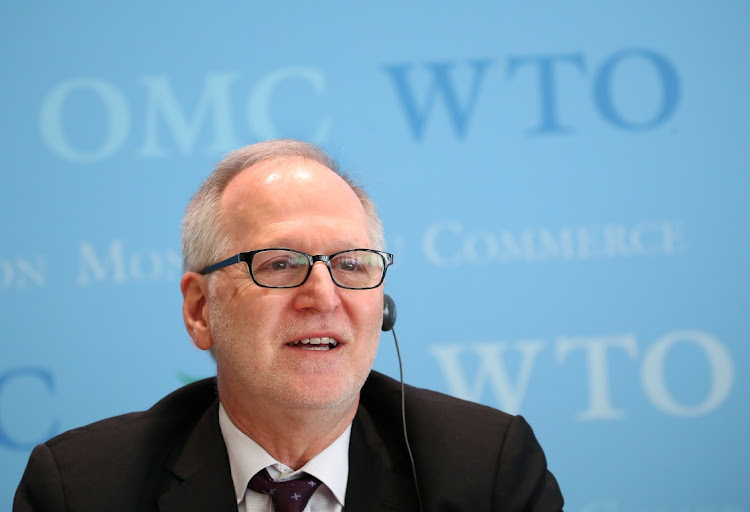
WTO前首席经济学家罗伯特·库普曼接受《环球时报》专访:美政策制定者误诊经济“疾病”,并开错“药方”
Huan Qiu Shi Bao· 2025-08-21 22:54
Core Viewpoint - The article discusses the implications of the U.S. tariff policies on global trade and the potential economic consequences for the U.S. and its trading partners, emphasizing that the current changes in tariff policies are not indicative of a complete halt but rather a slowdown in frequency [1][3][4]. Group 1: U.S. Tariff Policies - The U.S. has shifted its tariff policies, which are seen as a departure from historical norms, with only the U.S. accepting the new trade system being proposed by the current administration [3]. - The U.S. government aims to reshape the global trade system, but this approach is criticized as ineffective in addressing trade imbalances [3][4]. - The current tariff policies may lead to a higher cost of production in the U.S., potentially isolating it from global trade dynamics [5]. Group 2: Economic Impact - Tariffs may temporarily increase the market share of U.S. products, but automation is identified as the primary reason for the decline in manufacturing jobs, not tariffs [4]. - The U.S. economy is close to full employment, and any push for manufacturing to return could disrupt labor and capital distribution, potentially lowering economic growth rates [4][5]. - The belief that high tariffs will enhance efficiency and innovation is challenged, as historical evidence suggests that such protectionism may stifle innovation without additional supportive policies [5]. Group 3: Consumer and Business Effects - The burden of tariffs is primarily borne by U.S. importers and consumers, with 80% to 90% of tariff costs being absorbed domestically rather than by exporters [5]. - Rising prices due to tariffs may lead to increasing dissatisfaction among American consumers regarding the current trade policies [5].
intel 大涨 台积电跌
小熊跑的快· 2025-08-20 01:49
Group 1 - The U.S. stock market exhibited significant polarization recently [1] - Semiconductor stocks in Taiwan experienced an average decline of 3% [3] - The recent developments are linked to Trump's vision of "manufacturing return," emphasizing U.S. self-sufficiency [4] Group 2 - The Trump administration announced an expansion of tariffs on steel and aluminum imports by 50%, including hundreds of derivative products [4] - This expanded tariff list officially took effect on the 18th of the month [4]
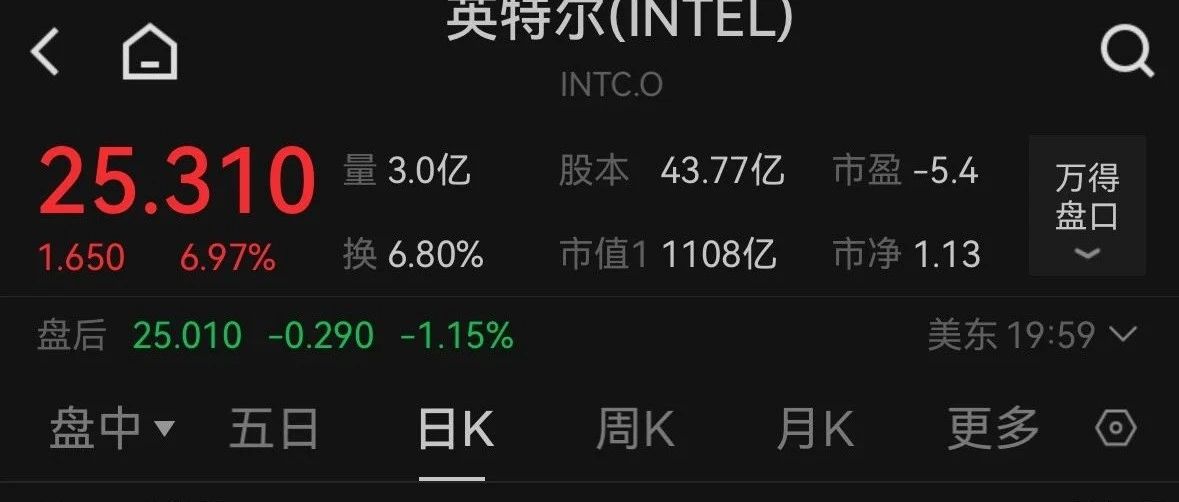
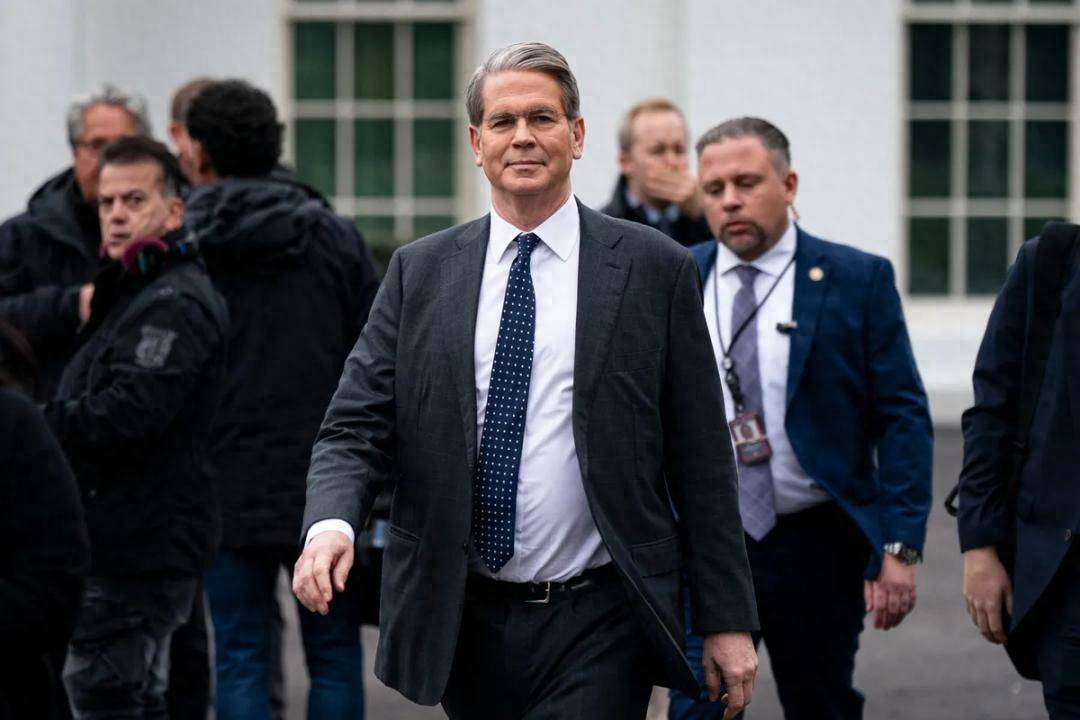
美国给了全球一个希望,“对等关税”可能逐步取消,但有两个前提
Sou Hu Cai Jing· 2025-08-19 04:33
Group 1 - The core viewpoint is that U.S. Treasury Secretary Becerra suggests that the "reciprocal tariffs" imposed on imports may disappear if trade imbalances are corrected according to U.S. standards, particularly with a focus on manufacturing returning to the U.S. [2] - Becerra's comments indicate that U.S. politicians are aware of the long-term negative impacts of tariffs imposed during Trump's administration, suggesting a desire to avoid complete disengagement from global trade [2][4] - The article argues that it is unlikely for the U.S. to correct trade imbalances or see a significant return of manufacturing unless it relinquishes its dollar hegemony [4] Group 2 - The ability of the U.S. government to print money undermines the revival of its manufacturing sector, as citizens may prefer not to work in manufacturing jobs when they can benefit from monetary policies [5] - The financialization of the economy leads capital to favor high returns in virtual economies over the lower returns associated with traditional manufacturing, making it less attractive for investment [6] - The revenue generated from tariffs is insufficient to offset the cost disadvantages faced by U.S. manufacturing compared to countries like China and India [7][8][9] Group 3 - The article highlights that the structural trade deficit faced by the U.S. is exacerbated by the unique position of the dollar, which allows the U.S. to purchase goods globally while other countries lack similar capabilities [11] - The root cause of trade imbalances is attributed to the dollar's dominance, which enables the U.S. to overconsume while developing countries struggle to exchange resources for dollars [12] - Becerra's remarks are seen as hypocritical, as they ignore the fundamental issues of trade imbalance caused by dollar hegemony, while also signaling that tariffs could be lifted if certain conditions are met [14]
专家小范围 - 俄美会后,特朗普的战略布局和潜在影响?
2025-08-18 15:10
Summary of Key Points from Conference Call Industry or Company Involved - The conference call primarily discusses the geopolitical dynamics involving the United States, Russia, and Ukraine, with a focus on trade relations between the U.S. and China. Core Points and Arguments 1. **U.S.-China Trade Relations**: The extension of the U.S.-China tariff agreement by 90 days indicates significant disagreements but also a willingness to negotiate further. Future trade tensions may be influenced by global economic conditions and domestic factors in both countries [4][10][12] 2. **U.S. Tariff Structure**: The U.S. has implemented a multi-tiered tariff policy on Chinese exports, including zero tariffs, reciprocal tariffs, industry-specific tariffs, and Section 301 investigations. The total additional tariffs currently stand at 40% [15][24] 3. **Russia's Territorial Demands**: Russia has proposed returning parts of occupied Ukrainian territory in exchange for security guarantees similar to NATO's Article 5. This reflects a hardline yet flexible diplomatic strategy [2][5][7] 4. **Trump Administration's Approach**: The Trump administration has shown flexibility in negotiations, emphasizing the need for a direct peace agreement rather than a mere ceasefire. This approach aims to balance U.S.-Russia relations while avoiding escalation [6][10] 5. **Ukrainian President's Dilemma**: Ukrainian President Zelensky faces pressure to accept territorial concessions for security guarantees, which is a challenging position given the sacrifices made by Ukraine during the ongoing conflict [8][9] 6. **European Leaders' Role**: European leaders have acted as mediators and supporters in the discussions, but their influence is limited due to internal challenges within Europe [9] 7. **Future U.S.-China Negotiations**: The U.S. and China are expected to engage in further negotiations regarding tariffs and trade policies, with potential adjustments to the current tariff structure based on outcomes from upcoming talks [12][26] Other Important but Possibly Overlooked Content 1. **Impact of Semiconductor Investigations**: The upcoming results of the U.S. semiconductor 301 investigation could become a new point of contention in U.S.-China trade relations [4][20] 2. **Potential for Tripartite Talks**: Anticipated talks among the U.S., Russia, and Ukraine could either alleviate tensions or exacerbate market risks depending on their outcomes [14] 3. **Manufacturing Repatriation**: There are signs of progress in U.S. manufacturing repatriation, exemplified by TSMC's new factory in Arizona, which has begun to generate profits [23] 4. **Long-term Structural Issues**: Despite short-term negotiations, the underlying structural issues in U.S.-China relations are expected to persist, requiring time and patience to resolve [4][25]
从尼克松冲击到特朗普冲击——关税战后的美政策走向与应对
Sou Hu Cai Jing· 2025-08-18 02:50
Group 1: Nixon Shock - The Nixon administration implemented a 10% temporary import tariff in 1971 as part of a broader economic policy to stimulate the economy and address trade imbalances, which ultimately contributed to the collapse of the Bretton Woods system [2][3][11] - The Nixon Shock was characterized by a combination of domestic fiscal stimulus and external measures, including the suspension of gold convertibility and the imposition of tariffs, aimed at stabilizing the dollar's position in the international monetary system [3][10] - The political success of the Nixon tariffs was evident, as they garnered significant public support, with initial approval ratings reaching 71% and peaking at 85%, aiding Nixon's re-election in 1972 [9][10] Group 2: Comparison with Trump Tariffs - Both Nixon and Trump administrations attributed trade deficits to external factors, neglecting internal economic imbalances, and framed their policies around the narrative of "unfair competition" from trade partners [12][13] - The use of tariffs as a negotiating tool was a common strategy, with Nixon leveraging tariffs to prompt currency adjustments from Japan and West Germany, while Trump sought to use tariffs to extract concessions from China and the EU [13][15] - The Trump administration's tariffs face greater challenges in achieving substantial results due to the geopolitical landscape, where key trading partners like China are less reliant on U.S. military support compared to Nixon's era [15][16] Group 3: Economic Implications - The Nixon tariffs temporarily alleviated the dollar crisis but failed to address underlying structural issues, leading to a return of trade deficits and contributing to the onset of stagflation in the U.S. economy [10][21] - The current economic environment under Trump is marked by significant fiscal imbalances, with federal debt reaching $36 trillion, raising concerns about sustainability and the potential for long-term economic instability [14][19] - Historical evidence suggests that tariffs and currency manipulation alone cannot resolve the issue of deindustrialization, as the U.S. manufacturing sector has shifted towards high-end capital-intensive industries, leaving lower-end manufacturing vulnerable to offshoring [21][24] Group 4: International Monetary System - The Nixon Shock marked the beginning of significant changes in the international monetary system, leading to the eventual collapse of the Bretton Woods framework and the transition to a more flexible exchange rate regime [11][25] - The current international monetary environment is evolving, with the potential for a more diversified currency system as countries seek alternatives to the U.S. dollar, particularly in light of concerns over the dollar's stability and the U.S. government's fiscal policies [17][26] - The shift towards a multipolar currency system could diminish the U.S. dollar's dominance, as more countries consider using the euro and yuan as alternatives, thereby impacting the global economic landscape [26][27]
以贸易封锁与技术封锁实现制造业回流,美国能如愿么?
Sou Hu Cai Jing· 2025-08-16 22:17
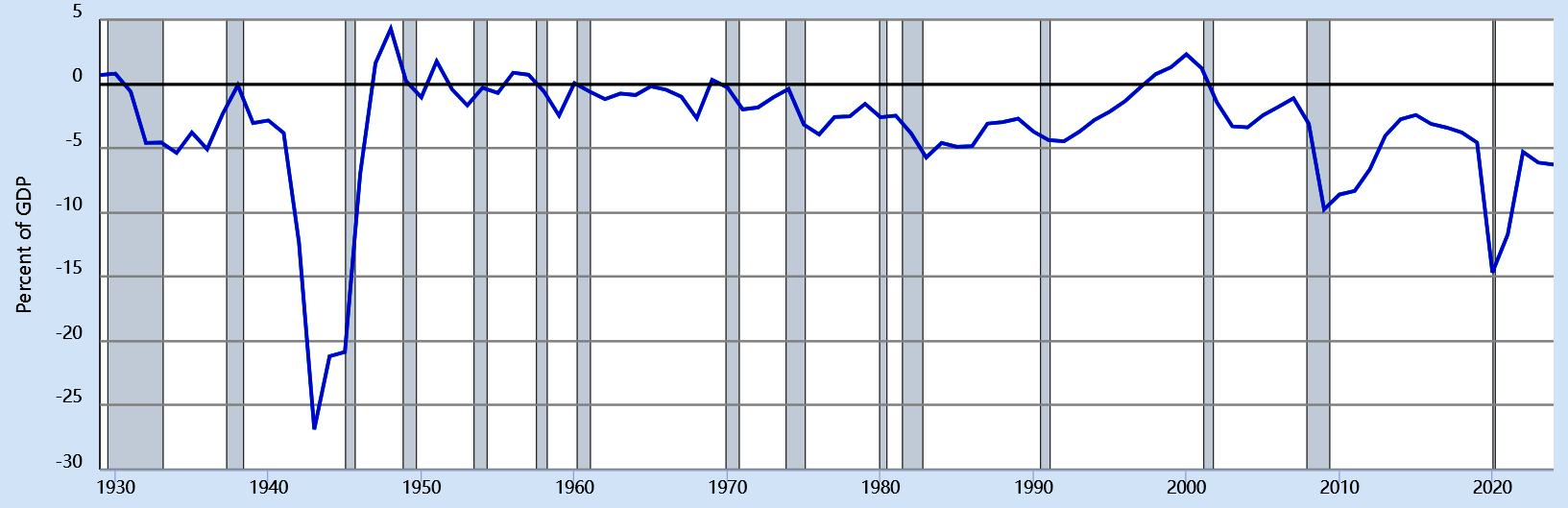
Group 1 - The manufacturing activity in the U.S. has been continuously shrinking from March to July 2025, but the claim of a "complete recession" in U.S. manufacturing is not entirely objective [1] - U.S. manufacturing now accounts for less than half of its peak GDP share, with steel production relying on support from Japanese companies [1] - The U.S. is using tariffs as leverage, and its manufacturing sector is gradually and steadily returning, supported by Europe and Japan [1] Group 2 - The U.S. aims to achieve manufacturing return through trade and technology blockades in a dynamically evolving multilateral trade system [2] - The monopolistic technological advantages of the U.S. are diminishing due to the effects of technology diffusion [2] - The strategy of temporary (possibly long-term) trade and technology blockades is intended to facilitate the return of manufacturing [2]

中美关税停战最后一刻,特朗普不情愿地签了字,美国果然认输了?
Sou Hu Cai Jing· 2025-08-16 07:48
Core Viewpoint - The extension of the tariff ceasefire between the US and China for 90 days until November 10 is a strategic move to allow for potential high-level discussions during the APEC summit, reflecting the delicate balance of negotiations and economic pressures [1][4]. Group 1: Tariff Ceasefire and Economic Context - The US Treasury Secretary had previously communicated the intention to extend the tariff pause, but the signing by Trump was delayed, indicating political sensitivities around appearing to compromise with China [4]. - Recent employment data shows a significant drop in non-farm jobs, with only 73,000 added last month, far below expectations, and a revised total loss of 258,000 jobs over previous months, highlighting economic strain [4][6]. - The unemployment rate has risen to 4.3%, the highest in three years, with job losses in manufacturing and retail sectors, suggesting a deteriorating economic environment that pressures the administration to avoid further tariff escalations [4][6]. Group 2: Political Dynamics and Future Negotiations - Trump's reluctance to take responsibility for economic issues is evident as he shifts blame for poor employment statistics, indicating a desire to maintain political capital while managing economic fallout [6]. - The potential for a framework agreement during the APEC summit could lead to an extension or partial cancellation of tariffs, but failure to reach an agreement may result in increased geopolitical tensions and pressure on China [10]. - Analysts suggest that Trump may be inclined to make concessions during negotiations to maintain a favorable public image, despite the underlying reality of the US conceding to China [10].
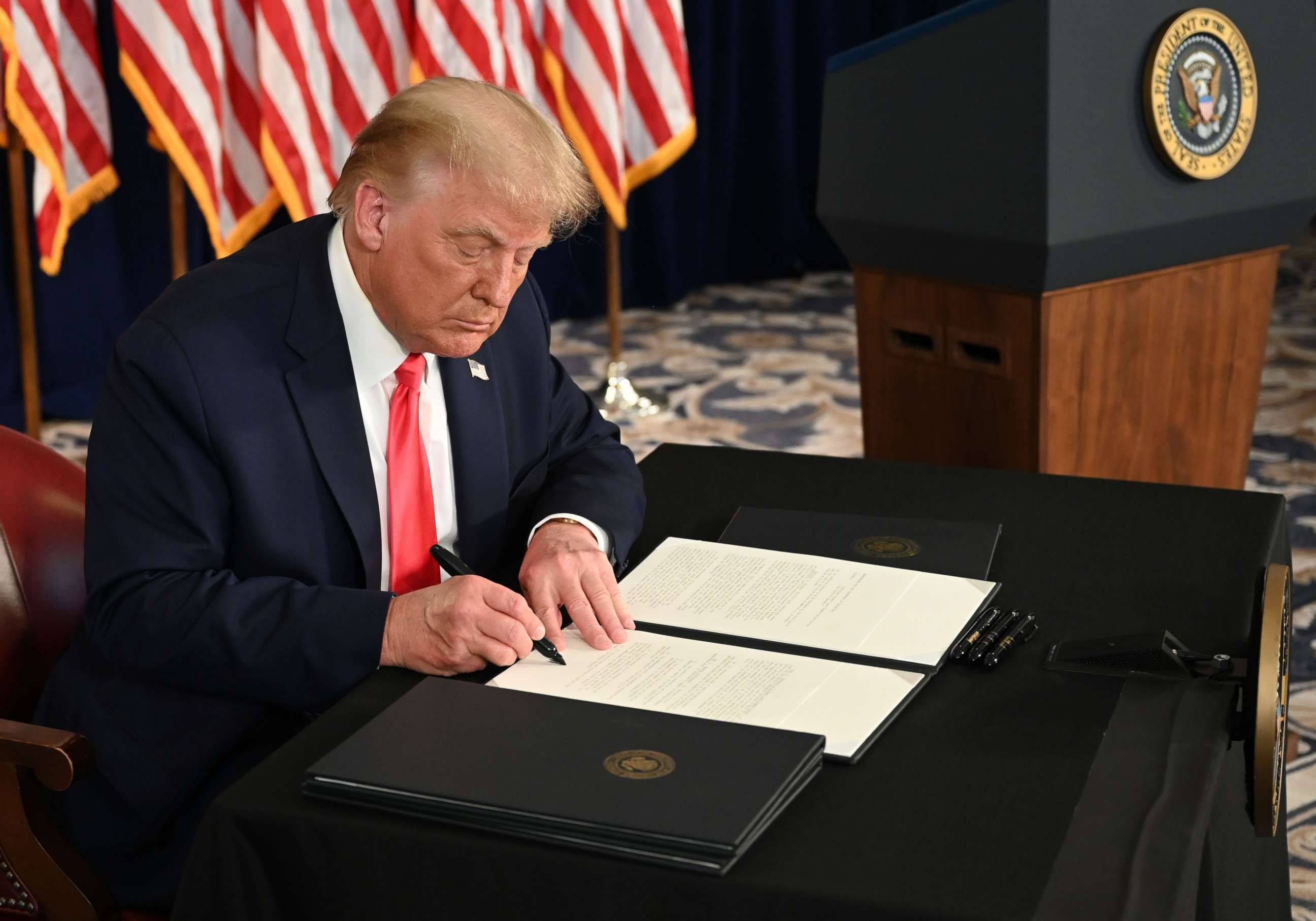
特朗普求锤得锤!美国遭关税反噬,贝森特口风变了,对等关税可能会减少,暗示中方是全球唯一例外?
Sou Hu Cai Jing· 2025-08-15 09:06
Group 1 - The implementation of "reciprocal tariffs" by the Trump administration has led to an increase in the average tariff rate in the U.S. to 18.6%, the highest since World War II, which is negatively impacting the economy [1] - The U.S. non-farm payrolls increased by only 73,000 in July, significantly below market expectations, with revisions showing a 90% downward adjustment for May and June, indicating a troubling employment situation linked to the tariffs [1] - Consumer spending and investment in the U.S. have declined for four consecutive quarters, with Federal Reserve Chairman Jerome Powell acknowledging a softening economy, which raises concerns for future economic performance [1] Group 2 - The costs of tariffs are being passed on to consumers, leading to rising prices for goods such as steel, aluminum, copper, and auto parts, which increases inflation risks [1] - The potential for a scenario of high interest rates and high inflation in the U.S. is emerging, complicating the Federal Reserve's efforts to manage inflation through high interest rate policies [1] - Low-income individuals, who are key supporters of Trump, are facing increased financial difficulties due to rising costs, which could impact Republican prospects in the upcoming midterm elections [1] Group 3 - U.S. Treasury Secretary Mnuchin has indicated a possible shift in stance regarding tariffs, comparing them to "melting ice," suggesting that they could be removed if trade imbalances are corrected according to U.S. standards [2] - The conditions for the removal of tariffs remain stringent, indicating that while there may be a willingness to negotiate, significant hurdles still exist [2]
加征关税难解“美国制造”之困(环球热点)
Ren Min Ri Bao Hai Wai Ban· 2025-08-13 21:50
Group 1 - The average trade-weighted tariff rate imposed by the U.S. on all products has risen significantly to 20.11% as of August 7, up from 2.44% at the beginning of the year [1] - The U.S. government aims to bring manufacturing back to the country through its tariff policy, claiming it will reduce trade deficits and create jobs [1][5] - Evidence suggests that while tariffs may force some industries to adjust in the short term, they are not a long-term solution to the challenges facing U.S. manufacturing [1][5] Group 2 - Ford Motor Company is expected to suffer a profit loss of approximately $2 billion due to tariffs, despite being a potential beneficiary of the tariff policy [3][4] - General Motors reported a loss of $1.1 billion in the second quarter due to tariffs, while Stellantis estimated a loss of $350 million [2][3] - The combined profit loss for the U.S. automotive industry due to tariffs is projected to reach $7 billion by 2025 [2] Group 3 - The tariff policy has led to a misallocation of resources, pushing them towards low-end manufacturing sectors that have lost comparative advantages, resulting in decreased overall production efficiency [4][7] - The tariffs are causing a rise in manufacturing costs by 2% to 4.5%, leading to stagnant income, layoffs, and potential factory closures [7] - The structural issues within U.S. manufacturing, such as labor shortages and aging infrastructure, are exacerbated by the tariff policy, making it difficult for the industry to recover [9][10] Group 4 - The U.S. manufacturing sector's recovery is hindered by the long-term negative impacts of the tariff policy, which may lead to persistent inflation and slowed job growth [6][8] - The disparity between foreign direct investment intentions and actual investments indicates that promised investments may not materialize, undermining the effectiveness of the tariff policy [8][9] - The structural problems in U.S. manufacturing, including a shift towards service industries and a lack of skilled labor, complicate the goal of revitalizing domestic manufacturing through tariffs [10]


