通用人工智能

Search documents
亚马逊重组AI部门:芯片、量子计算与AGI业务整合
Xin Lang Cai Jing· 2025-12-17 21:35
贾西称,公司判断人工智能技术发展已迎来 "拐点",因此决定对旗下人工智能相关团队进行重组整 合。 亚马逊于本周三证实,负责通用人工智能(AGI)业务的高管Rohit Prasad将于今年年底离职。 亚马逊首席执行官安迪・贾西在一篇博客文章中表示,作为人事调整的配套举措,公司将对通用人工智 能部门进行重组,并入规模更庞大的新部门。该新部门还将涵盖芯片研发团队与量子计算团队,由亚马 逊云计算部门资深副总裁、已为公司效力 27 年的Peter DeSantis出任负责人。 Rohit Prasad 亚马逊首席执行官安迪・贾西在一篇博客文章中表示,作为人事调整的配套举措,公司将对通用人工智 能部门进行重组,并入规模更庞大的新部门。该新部门还将涵盖芯片研发团队与量子计算团队,由亚马 逊云计算部门资深副总裁、已为公司效力 27 年的Peter DeSantis出任负责人。 部分行业观察人士认为亚马逊在人工智能产品研发领域已落后于竞争对手,亚马逊正努力扭转这一印 象。公司已推出自主研发的 "诺娃" 系列基础模型,与OpenAI、谷歌及人工智能初创公司 Anthropic 展 开激烈竞争;同时还打造了自研的 "训练级" 系列 ...


明年风险大变脸,市场先崩盘,美国才衰退,投资人该警惕
Sou Hu Cai Jing· 2025-12-17 17:28
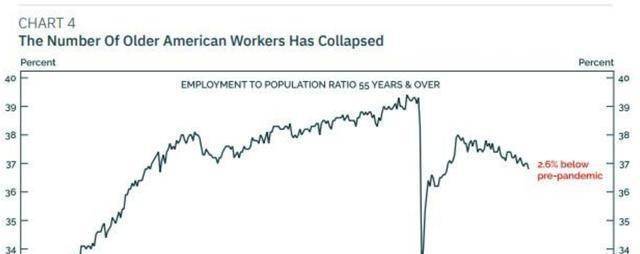
2026年的赌局已然摆上台面,这是一场关于经济与市场的博弈,输赢关乎未来。究竟是经济衰退率先拖 垮市场,还是市场崩盘反噬经济,这并非象牙塔内的学术探讨,而是真刀真枪的现实较量。 BCA Research的报告掷地有声,直指问题的核心:250万"超额退休"人口,他们所代表的消费力量与股 市紧密相连。这条纽带一旦断裂,消费需求将骤降,经济也将失去重要的支撑。这批提前退休的人口, 曾经是消费浪潮的推手,他们不再创造价值,却持续消费,无形中推高了市场需求,也导致通胀始终在 3%左右徘徊。 问题随之而来:美联储是否应该迁就这部分退休人群,容忍稍高的通胀以维持市场稳定?亦或是坚守 2%的通胀目标,不惜刺破市场泡沫,将部分人推向失业的困境?这两条道路,一条可能损害市场信 心,另一条则可能重创实体经济。 这场豪赌之所以如此关键,在于当前美国股市的涨势过度集中。美股在全球市值中占据了三分之二的份 额,而其中40%的市值集中在仅仅十只股票上。更令人担忧的是,这十只股票几乎都将命运押注于同一 叙事——通用人工智能。这种单一化的投资逻辑,也使得风险高度集中。 我们看到,英伟达和微软在短短数周内市值蒸发数千亿美元,与此同时,苹果和Al ...
北京“独角兽”上市冲关,有望成为全球“大模型第一股”,公司预计2025年总营收增长100%以上
Mei Ri Jing Ji Xin Wen· 2025-12-17 15:45
12月17日晚间,每日经济新闻记者获悉,大模型"独角兽"企业北京智谱华章科技股份有限公司(下简称 智谱)于12月17日通过港交所上市聆讯,有望成为"全球大模型第一股"。这标志着港股将首次迎来一家 以AGI(通用人工智能)基座模型为核心业务的上市公司。截至发稿,智谱未对此置评。 根据当时的备案报告,智谱的上市辅导计划将分为三个阶段:2025年4月完成摸底调查、制定方案等前 期准备;5月至7月进行集中培训、持续尽调并规范整改;8月至10月完成考核评估并筹备上市申请文 件。按照这一时间表,智谱计划在2025年内完成上市前的所有合规流程,为登陆资本市场铺平道路。 智谱近半年来的资本运作节奏明显加速,密集完成超48亿元的融资,包括30亿元的D+轮融资及杭州、 珠海、成都三地国资的合计超18亿元战略投资。 另据智谱2024年末披露的信息,智谱去年商业化收入逆势取得100%以上的同比增长,MaaS平台已经吸 引了70万企业和开发者用户。 (更多内容请参照《"清华系"大模型公司智谱启动IPO进程3月份刚拿下三地国资投资》) 近日,智谱首席执行官张鹏对外透露,公司面向开发者的软件工具和模型业务已获得超过1亿元的年度 经常性收入 ...
中国AI圈IPO生死战!三家公司厮杀,谁最有可能2026率先敲钟?
Sou Hu Cai Jing· 2025-12-17 09:01
2025年快过去了,回头看这两年AI圈的变化,真像坐过山车。 以前大家比谁家模型参数多、谁吹得响,现在投资人只问一句:"你赚钱了吗?" 说白了,光有技术不够,得能变现、能出海、能活下去。 今天周叔就和大家聊聊,国内大模型里最有可能第一个敲钟上市的三家公司,到底谁更靠谱? 谁能先上市,谁就能活下来 靠着类似抽卡的游戏化设计,用户心甘情愿掏钱,2024年光靠这个就赚了7000万美元,而且七成收入来 自海外。 更关键的是,MiniMax已经定了档:目标2026年1月港股IPO。 今年开始,AI创业公司突然安静了不少。为啥?因为钱不好拿了。 过去投资人看个PPT就打款,现在得看你有没有清晰的"单位经济模型",说人话就是:每赚一块钱,成 本多少?能不能持续? 在这样的环境下,MiniMax成了最亮眼的那个。 这家公司没整天喊"通用人工智能",而是闷头做了一款叫Talkie的App,在美国年轻人里火得不行。 它不像ChatGPT那样主打办公效率,而是走"AI搭子"路线——能聊天、会撒娇、还能陪你打游戏。 投行普遍认为,它是目前最接近"能被资本市场看懂"的AI公司,有产品、有用户、有收入,不是纯烧钱 讲故事。 相比之下,智 ...
开幕倒计时!越疆机器人,要来了
中国基金报· 2025-12-17 03:42
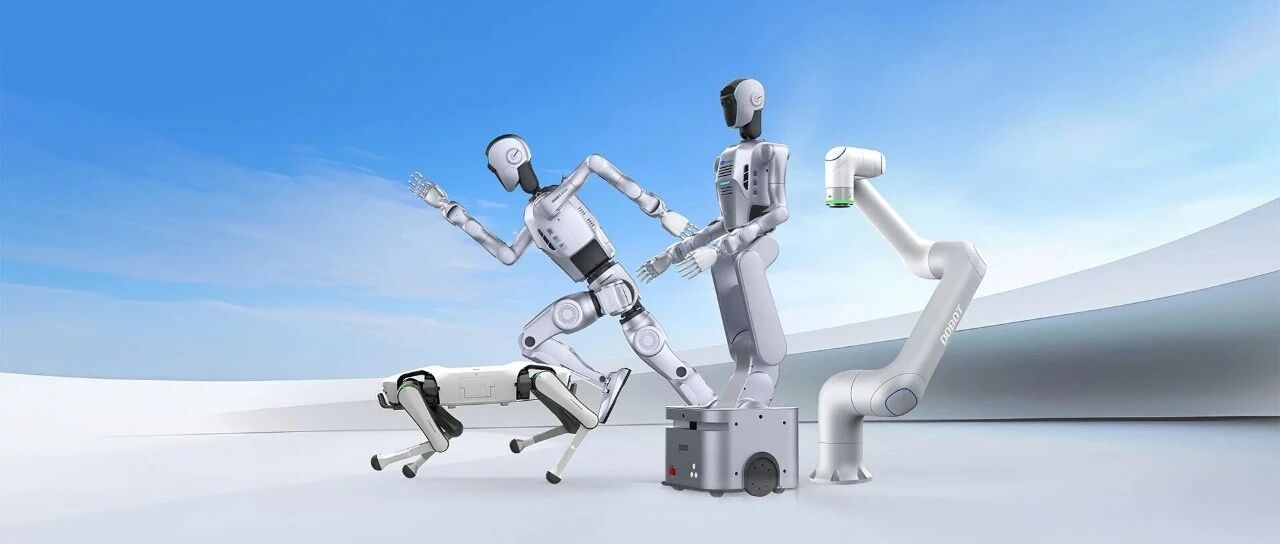
Group 1 - The article highlights the upcoming Hong Kong International AI Art Festival, where the company Yuejiang Technology will showcase its innovative robot family, emphasizing the intersection of technology and art [2][4] - Yuejiang Technology aims to engage in deep dialogue with artists and audiences through its robots, exploring future human-robot relationships and the boundaries of creativity and technology ethics [4][6] - The Hong Kong government is actively promoting the city as an international innovation and technology hub, and Yuejiang Technology, as a listed company in Hong Kong, seeks to contribute to the region's prosperity through participation in this cultural and technological event [4][6] Group 2 - Yuejiang Technology will present a diverse range of robots at the festival, showcasing its technological advancements and innovative applications in the field of intelligent robotics [6][7] - The intelligent collaborative robot, already deployed in over 100,000 units globally, will demonstrate its creative capabilities beyond industrial settings, including painting and cocktail mixing, redefining the boundaries of technology-enabled creativity [7] - The four-legged robot Rover X1 will serve as an interactive focal point at the festival, showcasing its dual-vision tracking and all-terrain capabilities, embodying the concept of "one machine, multiple uses, cross-domain coexistence" [9][11] Group 3 - The six-legged bionic robot has achieved several breakthroughs, including enhanced stability, high load capacity, and quiet operation, making it suitable for various tasks in diverse environments [11][14] - Yuejiang Technology is one of the few companies with the capability to develop a full-form robot platform, having successfully launched the world's first full-size humanoid robot with dexterous manipulation and knee-walking capabilities [13][14] - The company has prior experience in blending technology and art, having successfully coordinated over 30 robots during the closing ceremony of the 15th National Games, which boosts confidence for deeper exploration of cross-domain coexistence at the Hong Kong festival [16][17]
马斯克身家跃升至6770亿美元,SpaceX上市在即或将造就首位“万亿富翁”
Sou Hu Cai Jing· 2025-12-17 01:50
Group 1 - Tesla's stock surged by 3.56%, increasing its market value by $53.7 billion (approximately 378.6 billion RMB), making it a standout performer amid a declining market [1] - Elon Musk's net worth reached $677 billion, making him the first individual in history to surpass a net worth of $600 billion, marking a significant milestone in modern business history [1] - Analysts attribute Tesla's strong performance to advancements in artificial intelligence, autonomous driving, and energy sectors, as well as rising expectations for the upcoming Robotaxi and Optimus robot commercialization [2] Group 2 - SpaceX is preparing for an IPO in mid-2026, with a target valuation of $1.5 trillion, potentially making it the highest-valued public company in the tech and aerospace sectors [4] - Musk holds approximately 42% of SpaceX, which could contribute over $630 billion to his wealth if the company achieves its projected valuation [4] - The combination of Musk's holdings in Tesla, xAI, Neuralink, and SpaceX positions him to potentially become the first individual with a net worth exceeding $1 trillion [4] Group 3 - Musk's wealth is rooted in innovative ventures across various high-tech fields, including electric vehicles, reusable rockets, and brain-machine interfaces, transforming ambitious visions into impactful business entities [5] - SpaceX's Starlink project has provided high-speed internet to over 4 million users globally and secured key contracts in military and aviation sectors, showcasing its multifaceted value [5] - The anticipated valuation of SpaceX reflects a new economic paradigm where private companies can rival the market capitalizations of major oil giants, indicating a shift in wealth accumulation driven by technological innovation [6]

上海壁仞科技股份有限公司(06082) - 聆讯后资料集(第一次呈交)
2025-12-16 16:00
香港交易及結算所有限公司、香港聯合交易所有限公司與證券及期貨事務監察委員會對本聆訊後資料集的 內容概不負責,對其準確性或完整性亦不發表任何意見,並明確表示概不就因本聆訊後資料集全部或任何 部分內容而產生或因倚賴該等內容而引致的任何損失承擔任何責任。 Shanghai Biren Technology Co., Ltd. 上海壁仞科技股份有限公司 (「本公司」) (於中華人民共和國註冊成立的股份有限公司) 的聆訊後資料集 警告 本聆訊後資料集乃根據香港聯合交易所有限公司(「聯交所」)及證券及期貨事務監察委員會(「證監會」)的 要求而刊發,僅用作提供資料予香港公眾人士。 本公司招股章程根據香港法例第32章公司(清盤及雜項條文)條例送呈香港公司註冊處處長登記前,本公 司不會向香港公眾人士提出要約或邀請。倘在適當時候向香港公眾人士提出要約或邀請,有意投資者務請 僅依據於香港公司註冊處處長註冊的本公司招股章程作出投資決定,招股章程的文本將於發售期內向公眾 人士刊發。 (a) 本文件僅為向香港公眾人士提供有關本公司的資料,概無任何其他目的;投資者不應根據本文件中 的資料作出任何投資決定; (b) 在聯交所網站登載本文件或 ...
专家称机器人仍难完成简单的人类动作
财富FORTUNE· 2025-12-16 13:05
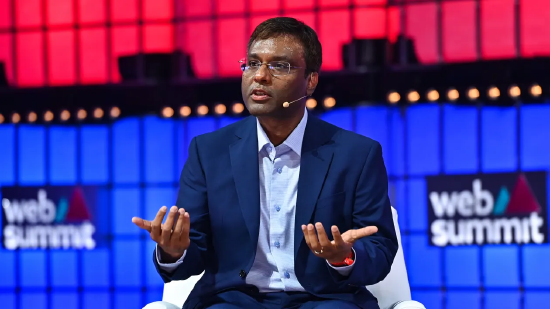
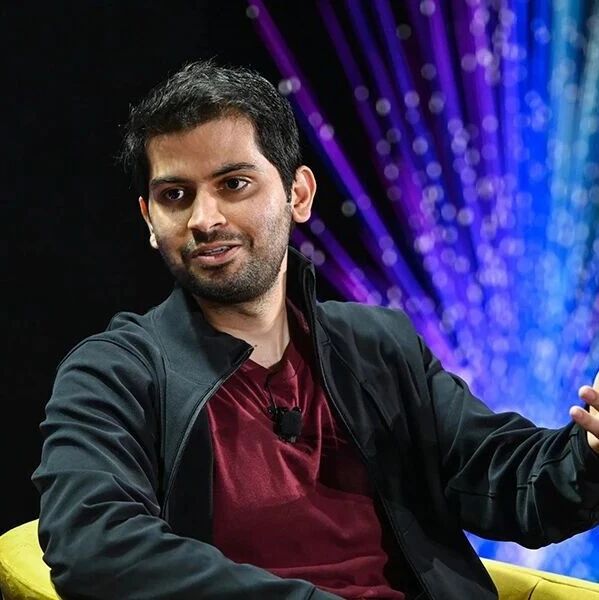
2025年12月9日,Skild AI首席执行官迪帕克·帕塔克在旧金山举行的《财富》人工智能头脑风暴大会上发言。图片来 源:Stuart Isett for Fortune 无论是在跑道上奔跑、完成后空翻、随音乐起舞,还是进行踢拳表演,展示人形机器人做出"高难度动 作"的视频越来越多,其表现也愈发惊艳。 然而,在上周二举行的《财富》人工智能头脑风暴大会上,多位嘉宾警告称,不要被这些炫目的动作所 迷惑。一台机器人完成对人类来说都很难的后空翻,确实足够吸睛。但如果让机器人去做爬楼梯、端杯 水这类看似简单的任务,许多当下的机器人仍然很难完成。 红杉资本(Sequoia Capital)合伙人斯蒂芬妮·詹解释说:"看似困难的实则简单,而看似简单的才是真 正的难题。"她转述的是计算机科学家汉斯·莫拉维克的一个经典观察。早在上世纪80年代末,莫拉维克 和其他计算机科学家就注意到,计算机在智力测试中往往表现出色,却无法完成连幼童都能胜任的任 务。 机器人初创公司Skild AI的首席执行官迪帕克·帕塔克解释称,无论是机器人还是计算机,整体而言都擅 长在受控环境中执行复杂任务。他在现场展示了一段Skild机器人在人行道上跳跃 ...
流动性领先!科创100ETF华夏(588800)近一周日均成交额突破2.8亿元
Mei Ri Jing Ji Xin Wen· 2025-12-16 06:56
Group 1 - The Shanghai Stock Exchange Sci-Tech Innovation Board 100 Index decreased by 1.38% as of December 16, 2025, with mixed performance among constituent stocks [1] - Maolai Optical led the gains with an increase of 5.03%, while Jinpan Technology experienced the largest decline at 5.83% [1] - The Huaxia Sci-Tech 100 ETF (588800) fell by 1.57%, with the latest price at 1.25 yuan, and had a turnover rate of 14.41% during the trading session [1] Group 2 - On December 15, the Ministry of Industry and Information Technology announced the first batch of L3-level conditional autonomous driving vehicle permits, marking a significant step towards commercial application in China's smart connected vehicle industry [2] - Analysts from Ping An Securities highlighted that 2026 will be a key opportunity period for intelligent driving, focusing on urban navigation algorithm iterations and the advancement of Robotaxi services [2] - The Huaxia Sci-Tech 100 ETF closely tracks the Sci-Tech 100 Index, which is the first and only mid-cap style index on the Sci-Tech Innovation Board, emphasizing high-growth sectors such as semiconductors, pharmaceuticals, and new energy [2]
麦当劳,涨价|首席资讯日报
首席商业评论· 2025-12-16 04:17
Group 1 - McDonald's has increased prices for various menu items by 0.5 to 1 yuan, including a 1 yuan increase for the Big Mac and Double Fillet-O-Fish [2] - Hong Kong's visitor numbers reached approximately 45 million in the first 11 months of the year, surpassing the total for the previous year, with a 12% year-on-year increase [3] - Douyin E-commerce updated its content governance regulations to ensure that creators adhere to scientific evidence and industry standards when publishing content related to counterfeiting and product reviews [4] Group 2 - The National Bureau of Statistics reported a steady expansion in consumer spending, with a focus on enhancing employment and income, and emphasized the need to boost consumer confidence [5][7] - GuoXia Technology's IPO in Hong Kong received over 1800 times oversubscription, raising more than 130 billion HKD, indicating strong interest from global long-term funds [6] - Meituan announced the suspension of its "Tuan Hao Huo" business to focus on exploring new retail formats, reflecting a strategic shift in response to market trends [10] Group 3 - SpaceX is reportedly planning to go public in the second half of next year, with a target valuation of approximately 1.5 trillion USD, which could make Elon Musk the world's first trillionaire [11] - SK Hynix has ordered new thermal compression bonding machines from ASMPT to support the production of HBM4, with a total contract value estimated at around 30 billion KRW [13] - The U.S. chip policy remains inconsistent, as recent approvals for NVIDIA to sell AI chips to China are juxtaposed with legislative efforts to restrict such sales, highlighting ongoing tensions in the semiconductor sector [14]