战略自主

Search documents
特朗普上台不到1年,新加坡总理预感不妙,告诫美国别碰中方红线
Sou Hu Cai Jing· 2025-09-26 08:54
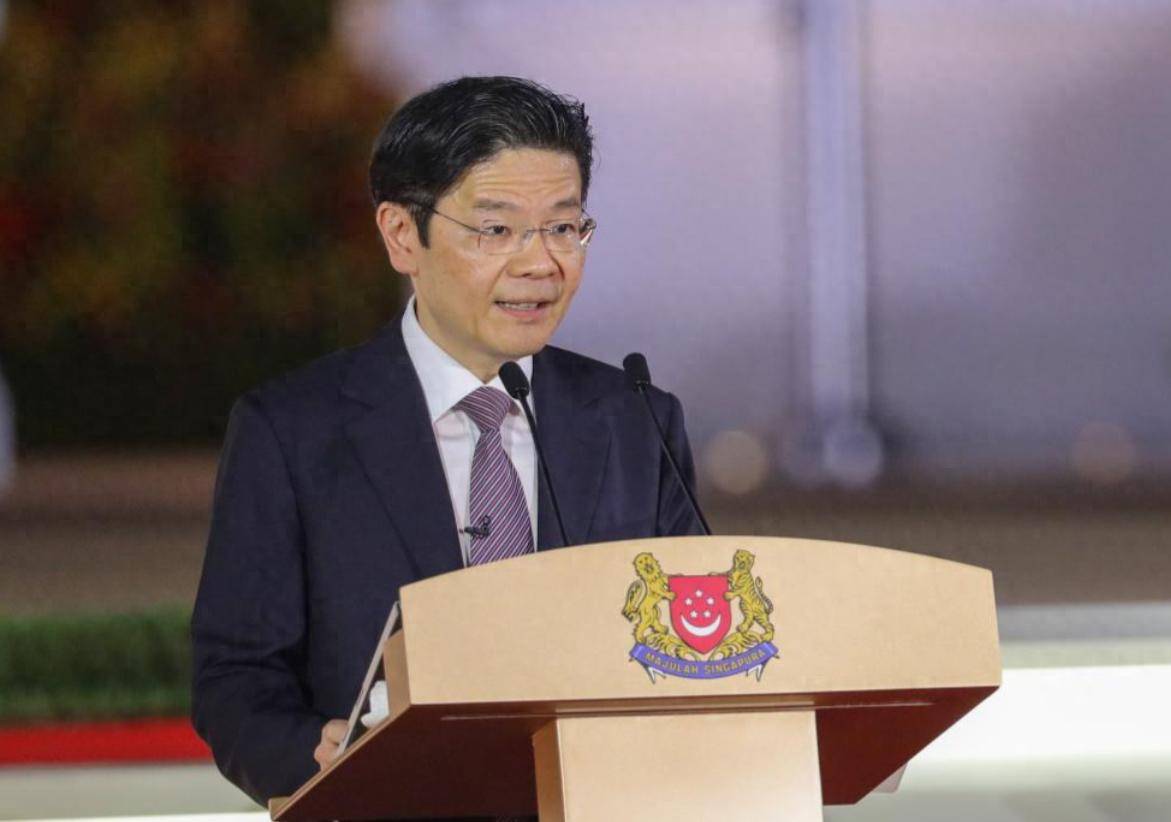
Core Viewpoint - Singapore's Prime Minister, Heng Swee Keat, warns the U.S. against crossing China's "red lines," particularly regarding Taiwan, reflecting Singapore's strategic balancing act in the context of U.S.-China relations [3][10]. Economic Context - Singapore's Ministry of Trade and Industry raised its GDP growth forecast for 2025 to between 1.5% and 2.5%, with a notable 4.4% year-on-year economic growth in the second quarter, highlighting its dependence on global markets [3][5]. - Despite facing a trade deficit with the U.S., Singapore was subjected to a 10% tariff under the "reciprocal tariff" policy introduced by the Trump administration, which was met with disappointment by Singaporean officials [5][6]. Diplomatic Strategy - Singapore's approach is characterized by a strategy of "economic reliance on China and security balance," which is pragmatic given its geopolitical context [6][12]. - The country has been actively pursuing diversified diplomatic relations, as evidenced by Prime Minister Heng's visit to China in June to celebrate the 35th anniversary of diplomatic ties and sign multiple cooperation agreements [5][6]. Regional Dynamics - The ASEAN region is witnessing a shift towards "strategic autonomy," with countries like Indonesia and Malaysia participating in significant events such as China's 80th anniversary of the Anti-Japanese War, signaling a collective stance on regional issues [8][10]. - There is a strong consensus among ASEAN nations to uphold the "One China" policy, with 90% unwilling to sacrifice economic interests with China over Taiwan-related tensions [8][10]. Geopolitical Implications - Heng's characterization of the Taiwan issue as a "red line within a red line" serves as a warning to the U.S. against reckless actions that could escalate tensions in Asia [8][12]. - The involvement of external powers is seen as a destabilizing factor in the region, prompting calls for collective responsibility among nations to navigate the complexities introduced by U.S. geopolitical interests [10][12].

不当特朗普炮灰,欧盟尝到了甜头,拿到的稀土是美国的4倍
Sou Hu Cai Jing· 2025-09-26 08:22
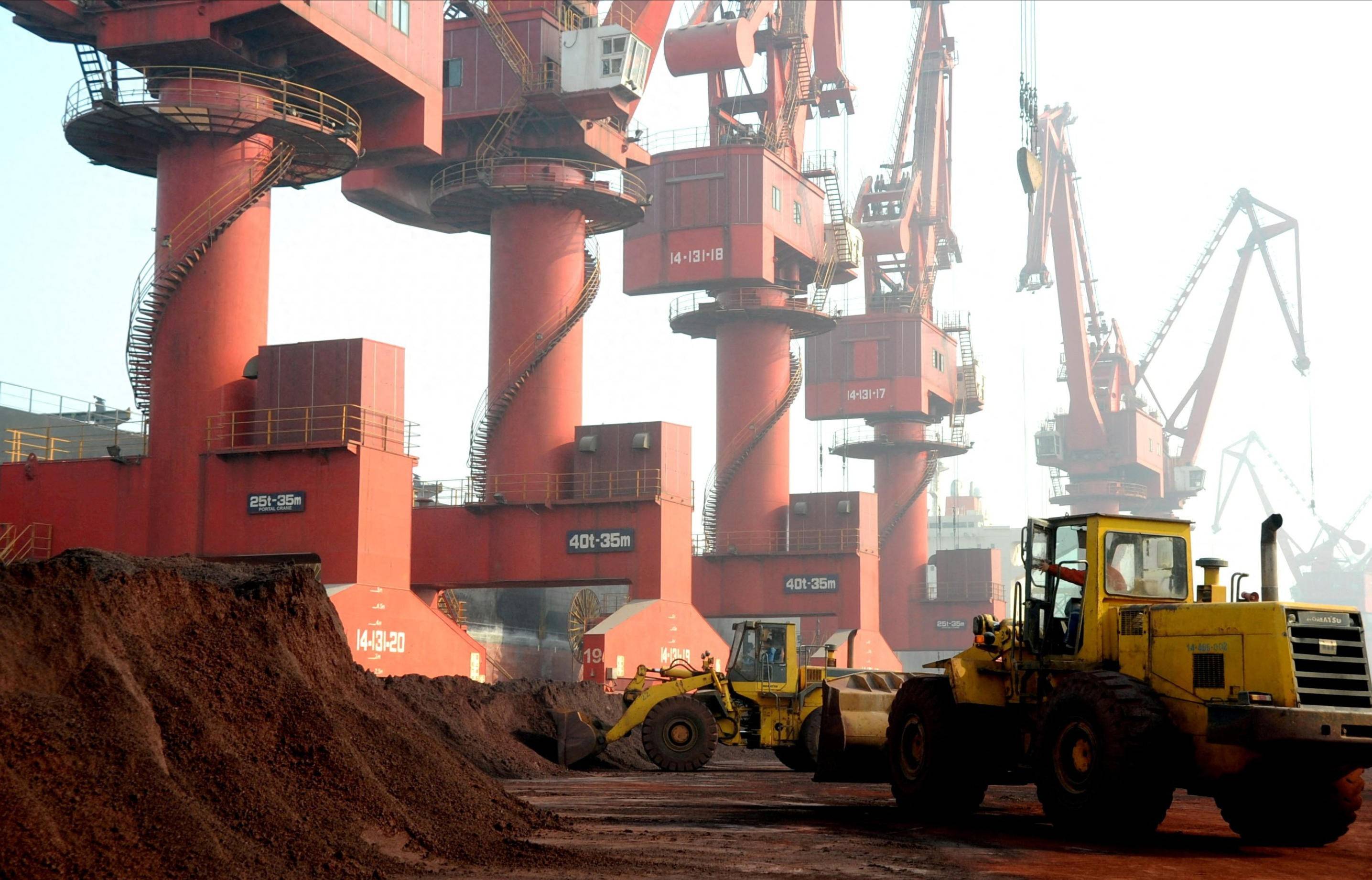
Group 1 - The core point of the article highlights that the EU has benefited from not imposing secondary tariffs on China, resulting in the EU receiving more rare earth exports than the US, specifically four times more [1][4][9] - In August, China's rare earth exports reached their highest level since January, while exports to the US decreased by 11.8%, totaling only 590 tons, compared to 2,582 tons exported to the EU [4][9] - China's strategy of adjusting rare earth exports serves to exploit the economic dependency of the EU, thereby widening the gap in US-EU policies towards China [4][9][11] Group 2 - China controls 90% of global rare earth mineral exports and dominates downstream processing and magnet production, which underpins its leverage in the "rare earth card" strategy [7] - The EU's refusal to comply with the US's request for secondary tariffs against China indicates a shift towards prioritizing its own economic interests over US demands [7][11] - The changing international landscape, particularly China's rise in the Indo-Pacific region, has prompted the EU to seek greater strategic autonomy and independence from US influence [11][13]
特朗普的要求,冯德莱恩一口回绝!中方的告诫,欧洲这次听明白了
Sou Hu Cai Jing· 2025-09-25 05:53
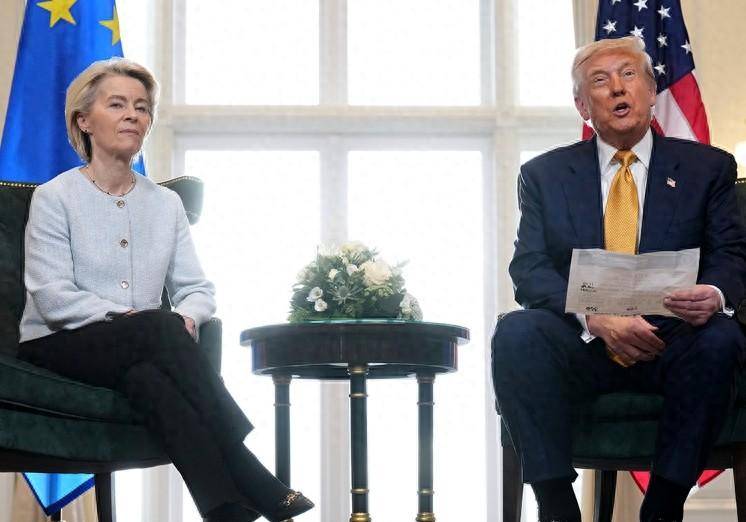
Group 1 - The U.S. government is planning to impose punitive tariffs of up to 100% on countries like China and India that purchase Russian oil, aiming to cut off Russia's energy export lifeline amid the Ukraine conflict [1] - The U.S. has set a condition for this policy, stating it will only follow if European allies take action first, indicating a strategy to avoid risks [1] - European Commission President Ursula von der Leyen responded firmly, stating that the EU will make independent decisions based on its own interests, rejecting the notion of being a pawn for the U.S. [1] Group 2 - The recent trade agreement between the EU and the U.S. has been criticized as imbalanced, requiring the EU to eliminate tariffs on U.S. industrial goods and commit to purchasing significant amounts of U.S. energy products [1] - The EU's unusual refusal to comply with U.S. pressure may stem from a growing realization of being treated as expendable by the U.S. despite making significant concessions [3] - Von der Leyen faces political pressure, with 75% of Europeans calling for her resignation, prompting a reassessment of the EU's policy towards the U.S. [3] Group 3 - The EU is reflecting on its relationship with China, recognizing the importance of the Chinese market for European industries, such as automotive and luxury goods [3] - Recent anti-dumping investigations initiated by China against EU products highlight the potential repercussions for EU industries if they align with U.S. pressures against China [6] - The current geopolitical landscape emphasizes the urgency for the EU to achieve strategic autonomy, impacting its future development and the global multipolar order [6]
欧洲学者: 关税战阴影下,美欧关系正面临前所未有挑战丨世界观
Zhong Guo Xin Wen Wang· 2025-09-25 03:50
Group 1: US-EU Relations - The current geopolitical landscape presents unprecedented challenges for both the US and Europe, particularly due to the EU's heavy reliance on the US and the impact of Trump's tariff policies [1][2] - The transatlantic alliance is undergoing profound changes, with increasing tensions stemming from various issues including trade conflicts and defense spending demands from the US [2][3] - Trump's administration has pushed for European countries to increase defense budgets, with a controversial proposal to raise NATO spending to 5% of GDP, exacerbating divisions between the US and Europe [2][3] Group 2: EU's Economic Position - The EU, despite its military limitations, remains a significant global economic force, comprising 27 member states that collectively wield substantial international influence [4][5] - The EU's trade dependency on the US is highlighted by the fact that over 30% of its exports go to overseas markets, with the US being particularly crucial for large economies like Germany [3][4] - Rising tariffs imposed by the US threaten to undermine the EU's economic growth, as exports to the US are vital for many European countries [3][4] Group 3: EU's Internal Dynamics - The EU's complex institutional structure poses challenges for cohesive foreign policy and trade negotiations, as individual member states have significant autonomy and veto power [7][8] - Major EU countries like Germany and France often lead foreign policy initiatives, but internal divisions can complicate collective decision-making [8] - The EU's single market facilitates trade among member states, but the intricate governance system makes it difficult to achieve unified external agreements [7][8] Group 4: China-EU Trade Relations - The current trade relationship between China and Europe is characterized by a significant trade deficit for Europe, prompting calls for greater market access for European companies in China [9][10] - Despite challenges, there is a mutual desire for cooperation, with an emphasis on diversifying supply chains to mitigate risks associated with over-reliance on any single market [9][10] - Upcoming dialogues, such as the 2025 China-EU summit, aim to deepen discussions on various issues, including medical equipment exports and technology collaboration [9][10]
不需中国亲自出马,巴基斯坦将取代美国,成为中东新保护伞?
Sou Hu Cai Jing· 2025-09-23 06:21
Core Insights - The Middle East is experiencing a strategic realignment, with unexpected cooperation between Israel and its former adversaries, leading to a potential geopolitical shift in the region [1] - Pakistan has emerged as a central player in this diplomatic landscape, indicating a significant change in the power dynamics of the Middle East [3] Group 1: Strategic Cooperation - The cooperation agreement between Pakistan and Saudi Arabia is not merely a security pact but aims to create a community of shared destiny, leveraging military and economic strengths for strategic counterbalance [5] - Pakistan is deploying combat troops to Saudi Arabia, marking a significant military commitment rather than a mere exercise, highlighting the deep-rooted security collaboration between the two nations [5] Group 2: Shift in U.S. Role - The U.S. has adopted a more passive role in the region, as evidenced by its silence during Israel's military actions against Qatar, reflecting a strategic shift towards reducing military presence and arms sales [5] - This change has prompted Middle Eastern countries to seek new security partnerships, with Pakistan's unique advantages becoming increasingly relevant [5][6] Group 3: China's Influence - Although China has not taken a direct role, its involvement through military cooperation, energy infrastructure, and port development indicates a significant behind-the-scenes influence in the region [5][6] - China's approach contrasts with U.S. power politics, focusing on mutual cooperation and trust-building without establishing military bases or interfering in domestic affairs [6] Group 4: Future Challenges - The new security framework faces challenges, including Pakistan's ability to maintain strategic focus, the commitment of Middle Eastern nations to invest resources, and the potential for U.S. counteractions [8] - The era of U.S. dominance in the Middle East is ending, with regional countries moving towards diversified cooperation instead of relying solely on superpower protection [8]
明确拒绝美国对中俄加征关税,日本怎么敢的?
Sou Hu Cai Jing· 2025-09-23 05:55
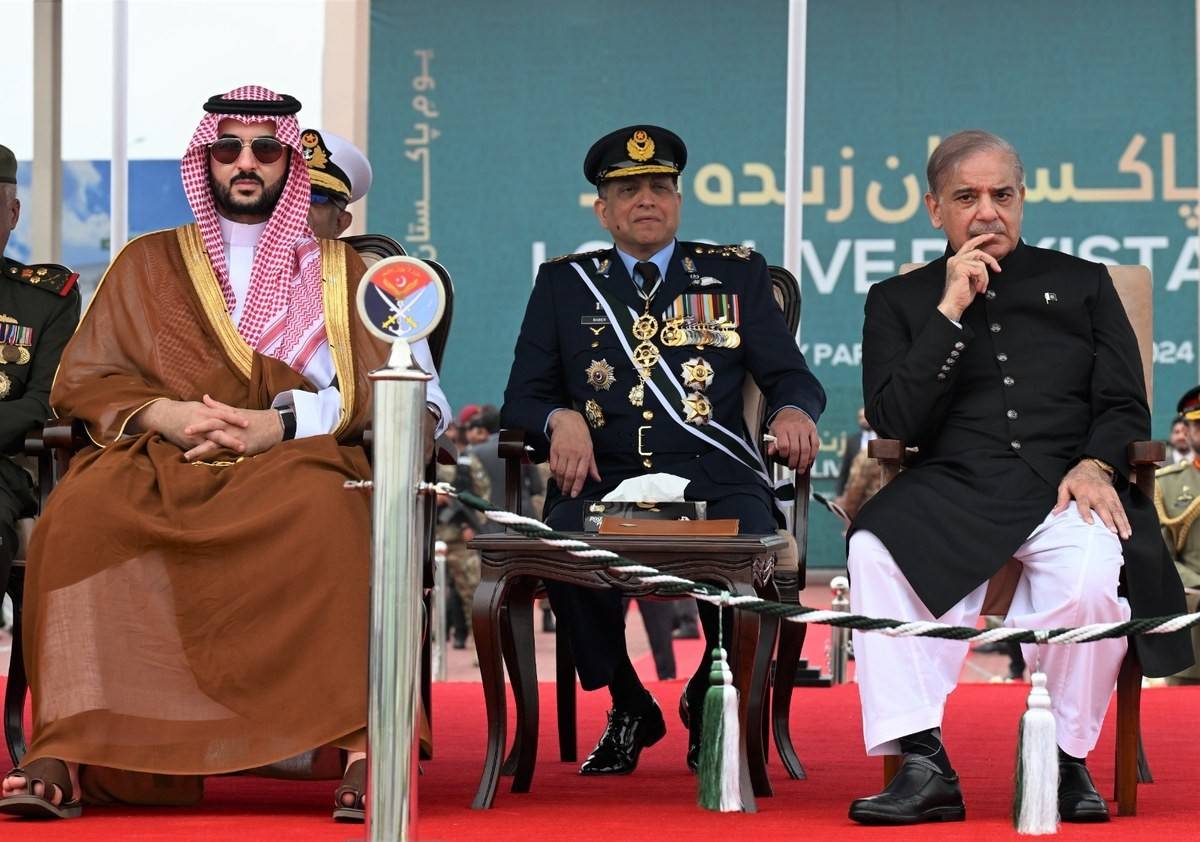
Group 1 - The core viewpoint of the article is that Japan has rejected the U.S. proposal to impose higher tariffs on China and Russia, reflecting the complexities of international trade relations and the shifting strategic landscape in the Asia-Pacific region [1][5][7] Group 2 - The U.S. proposed a coordinated action with Japan to impose higher tariffs on Chinese and Russian products, aiming to create a broader economic pressure alliance against these countries [5][7] - Japan's rejection is based on economic considerations, as China is Japan's largest trading partner, and imposing tariffs would harm Japanese businesses and increase operational costs [7][10] - Japan's energy and food security is also at stake, as it has a certain level of dependency on Russia, and increasing tariffs could weaken this relationship [7][8] Group 3 - Japan's decision reflects a geopolitical strategy to balance relations between the U.S. and China, maintaining its strategic autonomy while being a traditional ally of the U.S. [10][12] - Japan emphasizes the importance of multilateral trade systems and has consistently supported the WTO framework, opposing unilateral tariff measures [12][19] Group 4 - The rejection of the tariff proposal may lead to significant implications for trilateral relations among the U.S., China, and Japan, potentially causing dissatisfaction from the U.S. but also a better understanding of Japan's geopolitical situation [13][15] - Japan's stance supports regional economic integration in the Asia-Pacific, particularly in light of the Regional Comprehensive Economic Partnership (RCEP) [15][17] Group 5 - Japan's refusal to follow the U.S. in imposing tariffs signifies a shift in its foreign policy towards a more independent and balanced approach, moving away from sole reliance on the U.S. [18][19] - The importance of economic security is increasingly recognized in Japan's national strategy, as it seeks to maintain economic ties with both the U.S. and China [19][20]
冯德莱恩回绝特朗普,跟中国打关税战的下场,美国的教训就在眼前
Sou Hu Cai Jing· 2025-09-23 01:57
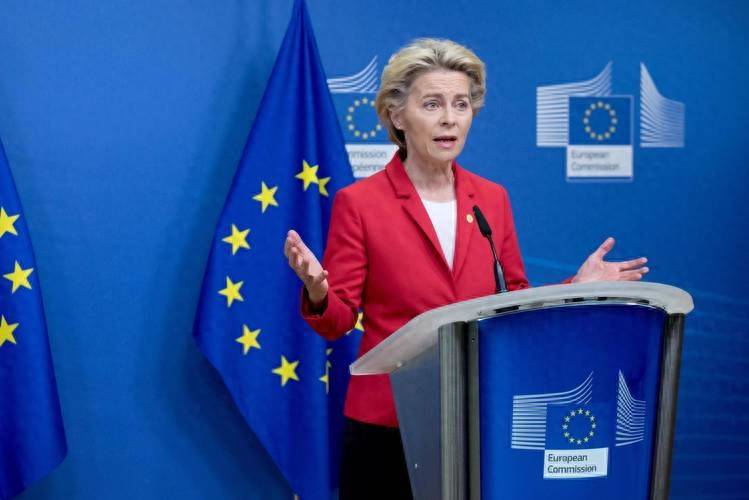
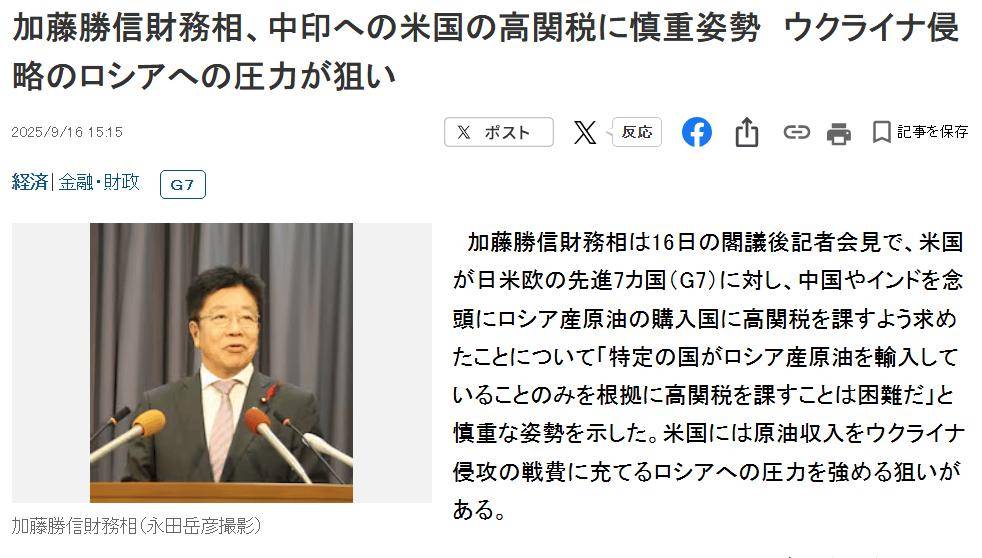
Core Viewpoint - The European Union (EU) is asserting its independence in deciding on tariffs against China, rejecting pressure from the United States, particularly from the Trump administration, to impose such tariffs as part of a broader strategy against Russia [1][3][4]. Group 1: EU's Stance on Tariffs - EU Commission President Ursula von der Leyen stated that the EU intends to make its own decisions regarding tariffs on China, effectively rejecting U.S. demands [3][4]. - Von der Leyen emphasized the importance of maintaining partnerships with countries like India, indicating that the EU is not willing to comply with U.S. requests that could jeopardize these relationships [4][5]. - French President Emmanuel Macron echoed this sentiment, asserting that Europe will independently conduct its foreign policy towards China to mitigate risks rather than create instability [6][11]. Group 2: EU's Relationship with the U.S. and Russia - The EU recognizes the U.S. desire for it to impose tariffs on China as a means to pressure Russia, but it believes its current sanctions against Russia are sufficient [4][8]. - There is a clear division between the EU and the U.S. regarding the approach to sanctions, with the EU preferring targeted measures directly related to Russia [6][8]. - The EU is cautious about the potential repercussions of aligning too closely with U.S. policies, particularly in light of past experiences where it faced backlash from China for similar actions [8][11]. Group 3: Challenges Facing the EU - The EU is in a difficult position, having made significant concessions in previous trade negotiations with the U.S., and now facing pressure to act against China without clear benefits [11][14]. - The EU's strategy of asserting its autonomy in foreign policy has been questioned, as it struggles to balance its relationships with both the U.S. and Russia while maintaining its own interests [12][14]. - The ongoing conflict in Ukraine complicates the EU's position, as it must navigate U.S. expectations while managing its energy needs and relations with Russia [14].
从俄乌战争看中国,欧洲真的在觉醒了,看来毛主席真做对了!
Sou Hu Cai Jing· 2025-09-21 05:32
Core Insights - The Ukraine crisis has exposed Europe's vulnerabilities, including military threats, energy shortages, and economic recession, leading to a significant rise in natural gas prices by 40% and an inflation rate in the Eurozone surpassing 7.5% [1][8] Group 1: Strategic Realignment - EU officials are reassessing their strategic positioning, realizing the need for self-reliance in energy and security, akin to China's historical self-sufficiency approach [3][9] - The EU has initiated the €800 billion European Shield Plan and Germany has approved a €100 billion special defense fund, emphasizing the need for Europe to take control of its security [7] Group 2: Economic Impact - The economic repercussions of the crisis are severe, with over 23% of German manufacturing firms facing existential threats and a drastic decline in Eurozone economic growth from 2.1% to 0.4% [8] - The financial strain on European companies is evident, with many reporting significant losses and operational disruptions [8] Group 3: Military and Industrial Challenges - Europe's military-industrial complex is heavily reliant on American technology, complicating the push for strategic autonomy, as seen in the procurement of F-35 jets and stalled defense projects [7][9] - The need for a complete military-industrial chain, a robust fiscal system, and unified political will is critical for Europe to achieve true strategic independence [13] Group 4: Global Trade Dynamics - The geopolitical landscape is shifting, with the U.S. successfully aligning Europe and other allies against perceived threats from China and Russia, while trade data shows a growing economic interdependence between China and Europe [11] - The crisis has highlighted the potential for a multipolar world, as many countries resist U.S.-led sanctions against Russia, indicating a possible decline in U.S. hegemony [11]
欧盟正在考虑对华制裁?欧企突然忍不住叫屈:还需要中国更多稀土
Sou Hu Cai Jing· 2025-09-19 07:25
Core Viewpoint - The European Union (EU) is caught in a dilemma between U.S. pressure to adopt a hardline stance against China and the urgent calls from European companies facing rare earth shortages, highlighting the economic implications of geopolitical tensions [1][5][13]. Group 1: Economic Implications - The EU's high-end manufacturing sector is heavily reliant on rare earth imports from China, with Germany alone depending on China for 65.5% of its rare earth needs by 2024 [3][9]. - The EU is experiencing a significant reduction in rare earth imports, with countries like Germany, France, and Spain seeing a nearly 60% year-on-year decline in total imports due to tightened export license approvals from China [7][10]. - The shortage of rare earths is causing production delays for major automotive companies like Mercedes and Renault, as well as layoffs in semiconductor manufacturing [7][9]. Group 2: Geopolitical Tensions - The U.S. is pushing its allies to impose tariffs on imports from China and India under the guise of punishing countries supporting Russia, complicating the EU's position [3][5]. - The EU's internal divisions are evident, with some members warning that losing access to the Chinese market could have more severe consequences than losing the U.S. market [10][11]. - The EU's strategic autonomy plan aims to reduce reliance on Chinese rare earths to below 10% by 2030, but the timeline for achieving this is lengthy and fraught with challenges [9][10]. Group 3: Supply Chain Challenges - The global rare earth supply chain is predominantly controlled by China, which holds over 90% of the refining capacity, making it difficult for the EU to find alternative sources quickly [4][9]. - The EU's attempts to initiate domestic rare earth mining projects and collaborate with countries like Australia and Canada face significant time, technical, and environmental hurdles [9][10]. - The EU's current predicament reflects the complexities of balancing geopolitical pressures with economic realities, as cooperation with China may be the only viable path forward [13].
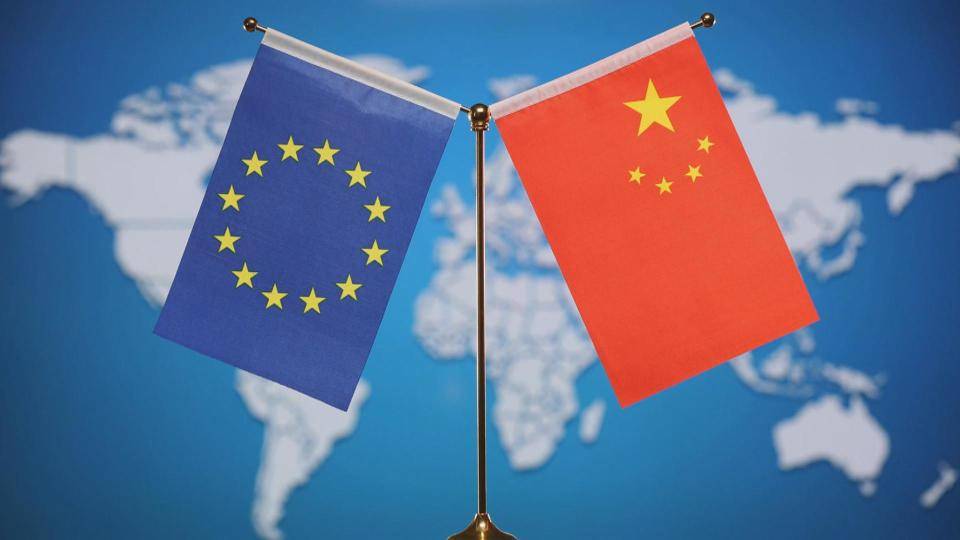
中方发火,几乎切断欧盟稀土供应,日本表态:不同意美国遏华要求
Sou Hu Cai Jing· 2025-09-17 11:13
Core Insights - The tightening of rare earth supply in the EU has led to production warnings from several high-tech companies, indicating a significant impact on the industry [1][2][5] - The EU's heavy reliance on rare earths, particularly from China, poses a critical challenge to its industrial competitiveness [2][5][19] - The geopolitical landscape is shifting, with the US pushing for sanctions against China while facing resistance from allies like Japan [7][11][21] Group 1: Rare Earth Supply and Industry Impact - The rare earth supply bottleneck is described as the "Achilles' heel" of the EU's industrial chain, causing some companies to delay investment plans and consider layoffs [2] - The EU's high-tech industry has a 98% dependency on rare earths, with China accounting for over 70% of global rare earth exports [5][19] - The EU has experienced a nearly 60% decline in rare earth imports from countries like Germany, France, and Spain compared to the previous year [4] Group 2: Geopolitical Tensions and Responses - The US has proposed imposing 100% tariffs on China and India under the pretext of purchasing Russian oil, which has raised concerns among EU member states about potential damage to their own industries [4][7] - Japan has publicly rejected the US's push for a coordinated response against China, citing the economic costs of such a confrontation [11][13] - The EU is caught between the US and China, needing to navigate its foreign policy carefully to avoid economic disruptions [7][11] Group 3: Strategic Alternatives and Future Outlook - The EU is exploring alternative sources for rare earths, including Greenland, Australia, and Canada, but these options are unlikely to fill the supply gap in the short term [9][19] - The establishment of the "Japan-EU Competitiveness Alliance" aims to enhance cooperation in critical areas like semiconductors and renewable energy [13][17] - The ongoing geopolitical tensions and supply chain challenges indicate that the global supply chain is entering a period of significant restructuring, with uncertain outcomes [21]