文化自信

Search documents
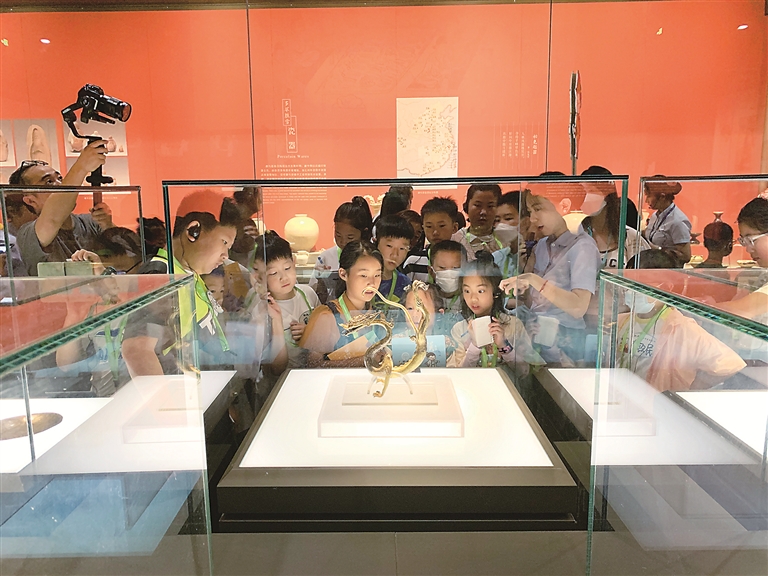
释放文博活力 厚植文化滋养面向未来的博物馆事业
Zhong Yang Ji Wei Guo Jia Jian Wei Wang Zhan· 2025-12-05 00:24
Core Viewpoint - The article emphasizes the importance of museums in preserving and transmitting human civilization, highlighting their role in enhancing cultural confidence and meeting the spiritual and cultural needs of the public in contemporary China [6][10]. Group 1: Museum Development and Cultural Confidence - The 2025 National Museum Directors Forum was held at the National Museum of China, with over 50 museum directors and representatives discussing high-quality development in the cultural heritage sector [6]. - Museums are seen as vital educational institutions that connect the past, present, and future, contributing to national strength and cultural revival [6][10]. Group 2: Exhibition and Cultural Narratives - The Shaanxi History Museum utilizes its extensive collection to narrate the history of Chinese civilization, showcasing the evolution of political systems, economic forms, and cultural exchanges from prehistoric times to modern China [7][8]. - The Sichuan Museum focuses on the historical narrative of the Bashu region, highlighting its contributions to Chinese civilization through various thematic exhibitions [9]. Group 3: Educational and Interactive Initiatives - Museums are adopting innovative educational programs and interactive experiences to engage the public, such as digital classrooms and immersive activities that bring history to life [12][13]. - The concept of mobile museums, like the "Big Tent" traveling museum in Sichuan, aims to reach underserved communities and enhance public access to cultural heritage [13][14]. Group 4: Revolutionary Cultural Heritage - The China People's Anti-Japanese War Memorial Museum has hosted a significant exhibition commemorating the 80th anniversary of the victory in the Anti-Japanese War, attracting over 1.5 million visitors since its opening [10][11]. - The exhibition emphasizes the importance of revolutionary artifacts in promoting national spirit and cultural identity, utilizing modern technology to enhance visitor engagement [14].

博鳌一线观察丨新国货,“上链接”!
Xin Hua She· 2025-12-04 14:27
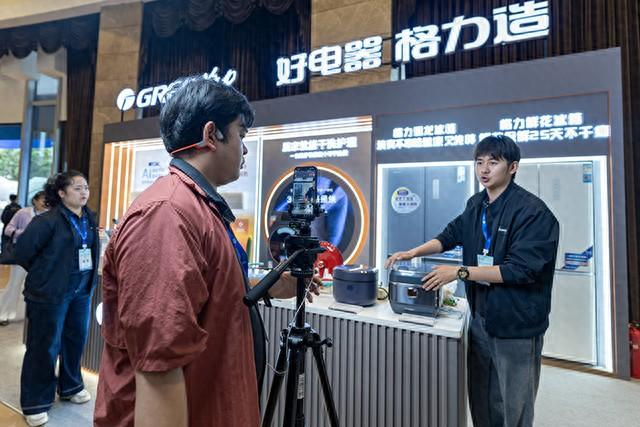
Core Viewpoint - The rise of "New National Goods" represents a comprehensive resurgence in industry, culture, and consumption, showcasing a shift from "Made in China" to "Intelligent Manufacturing in China" driven by technology and cultural identity [1][11]. Group 1: Technological Empowerment - Technology has permeated the core of national goods, enabling significant advancements in manufacturing and product innovation [4]. - Companies like Shenzhen Guoci Yongfengyuan have invested nearly 10% of their revenue in R&D annually, resulting in 40 invention patents and 501 design patents, making them attractive partners for international design teams [3]. Group 2: Cultural Connection - Young consumers are increasingly purchasing not just products but also cultural identity, with traditional elements like the 24 solar terms and intangible cultural heritage being integrated into product design [6][8]. - The new tea beverage market in China has surpassed 200 billion yuan, with 650,000 stores serving as vital touchpoints for 150 million consumers to engage with tea culture [8]. Group 3: Global Expansion - Companies like Kudi Coffee have established 18,000 stores across 33 countries, successfully introducing local flavor innovations that resonate with global consumers [9]. - Haier's approach emphasizes localized operations, adapting products to meet local cultural needs rather than simply exporting standardized goods, which has allowed Chinese brands to root themselves in global markets [9]. Group 4: Future Outlook - The narrative of New National Goods reflects not only product evolution but also an awakening of cultural confidence and the arrival of a new consumption era in China [11]. - The expectation for the next decade is not just about sales figures but also about the visibility and impact of Chinese brands in the global market [11].
以“姓”为媒,“郑马”跑出中原文化新高度
Xin Jing Bao· 2025-12-04 07:02
Core Insights - The Zhengzhou Marathon is emerging as a significant platform for attracting tourists, promoting consumption, and shaping the city's identity, with nearly 25,000 runners participating in the recent event [1] - The marathon distinguishes itself through its deep cultural integration, particularly focusing on surname culture, which is a unique aspect of the event [2][4] Cultural Integration - Zhengzhou Marathon is recognized for its rich historical background and unique cultural expression, making it the "most culturally atmospheric marathon" [2] - The event incorporates local cultural elements into the race design, branding, and participant experience, transforming abstract cultural concepts into tangible experiences [3] - The marathon features a "surname marathon" concept, emphasizing the cultural significance of surnames in Henan, which is a major birthplace of Chinese surname culture [2][3] Event Experience - Participants engage with surname culture through various interactive elements, such as personalized medals and custom badges, enhancing the cultural significance of the race [3] - The marathon route showcases historical landmarks and cultural heritage, creating a unique cultural experience for runners [3][4] - The event includes cultural performances, such as traditional opera, providing a distinctive regional cultural experience for participants [3] Brand Development - Zhengzhou Marathon emphasizes a "content is king" approach in its branding strategy, focusing on long-term cultural engagement rather than short-term hype [4] - The marathon has established a strong brand identity through consistent thematic development and visual branding, enhancing its recognition and cultural affinity [4] Community Engagement - The event saw the participation of 3,555 volunteers, who played a crucial role in ensuring the smooth operation of the marathon and served as cultural ambassadors [7] - The integration of sports, culture, and community service creates a profound cultural experience, allowing participants to deeply connect with the historical and modern vibrancy of Zhengzhou [7] Cultural Confidence - The marathon serves as a platform for promoting cultural confidence and national pride, attracting participants from nearly 40 countries and regions [8] - The event has gained recognition as a model for cultural dissemination, showcasing the potential of sports events to enhance cultural identity and community engagement [8][10]
探寻“有中国气质的童年表达”
Ren Min Ri Bao· 2025-12-04 03:02
Core Viewpoint - The event highlighted the significance of contemporary children's literature in shaping the future, emphasizing its role in cultural transmission and education [2][3]. Group 1: Awards and Recognition - The "2025 China Literature Festival - Children's Literature Award" celebrated 19 authors, showcasing the achievements in high-quality children's literature in China [1]. - The award-winning work "Cannot Be Without" by 79-year-old author Cai Gao reflects the essence of children's literature and its connection to the innocence of childhood [1]. Group 2: Cultural Significance - Children's literature is seen as a vital tool for nurturing future generations, aligning with national goals of strength and rejuvenation [2]. - The introduction of a new category for "Children's Picture Books" in the awards signals a call for more original works rooted in Chinese culture [2]. Group 3: Creative Practices - Award-winning works like "Mom's Silhouette" blend traditional crafts with modern storytelling, emphasizing the importance of cultural heritage and family values [3]. - Authors are encouraged to connect grand narratives with personal childhood experiences, ensuring that their works resonate with contemporary realities [3]. Group 4: Engagement with Young Readers - The event fostered excitement among young readers, highlighting the importance of literature in their lives and the role of authors in inspiring them [3]. - The interaction between authors and children signifies the ongoing legacy of literature in bridging the past and future of the nation [3].
助力国潮发展 近六成受访青年期待创新消费场景
Zhong Guo Qing Nian Bao· 2025-12-04 01:00
Core Insights - The rise of "Guochao" products reflects a blend of high aesthetics, creativity, and deep cultural roots, appealing to the younger generation [1][3] - A survey indicates that 65.3% of young respondents rated their satisfaction with Guochao products at 8 or above on a scale of 10, with 12.8% giving a perfect score [1] - There is a growing expectation for Guochao products to enhance practicality and variety, moving beyond mere aesthetics to become more integrated into daily life [2][3] Consumer Preferences - 60.7% of young respondents desire more "tech-driven" and "green" Guochao products, while 58.1% look for innovative consumption scenarios like immersive offline experience stores [2] - 57.8% of respondents want deeper cultural integration, merging Chinese aesthetics and storytelling into product designs [2] Industry Development - The Guochao phenomenon is seen as a significant representation of China's manufacturing upgrade and youth cultural confidence, evolving from a consumer trend to a cultural phenomenon [3] - Experts suggest that to promote Guochao development, brands should collaborate with cultural institutions and universities to explore traditional cultural resources for product design [3] - There is a call for increased R&D investment to combine modern technology with traditional culture, enhancing product practicality and consumer experience [3] Demographics - Among surveyed youth, 42.4% are male and 57.6% are female, with 26.7% being post-2000s, 24.1% post-1995, and 22.7% post-1990 [4] - The survey participants include 40.1% from first-tier cities, 35.2% from second-tier cities, and 18.9% from third and fourth-tier cities [4]
探寻“有中国气质的童年表达”(现场评论)
Ren Min Ri Bao· 2025-12-03 22:14
Core Viewpoint - The development of children's literature in China is seen as a vital cultural mission that shapes the future of the nation, emphasizing the importance of creating works that resonate with children's experiences and cultural roots [2][3]. Group 1: Awards and Recognition - The "2025 China Literature Festival - Children's Literature Award Night" celebrated the achievements of 19 authors, highlighting the high-quality development of children's literature in China [1]. - The award-winning work "Cannot Be Without" by 79-year-old author Cai Gao reflects the essence of contemporary children's literature, showcasing a deep connection to children's lives [1]. Group 2: Cultural Significance - Children's literature is positioned as a means to cultivate values and cultural confidence in the younger generation, with authors tasked with embedding traditional cultural elements into their narratives [2]. - The introduction of a new category for "Children's Picture Books" in the awards signals a growing recognition of the importance of original works rooted in Chinese culture [2]. Group 3: Creative Practices - Award-winning works like "Mom's Silhouette" and "Hutong Also Has Childhood" illustrate the integration of traditional culture and modern storytelling, emphasizing the need for creators to engage with contemporary societal themes [3]. - The act of writing for children is portrayed as a collaborative journey, where authors seek to illuminate the goodness in the world alongside their young readers [3]. Group 4: Future Aspirations - The event underscored the connection between children's literature and national identity, with creators encouraged to explore expressions of childhood that reflect Chinese cultural traits [3]. - The enthusiasm of young readers at the event signifies a vibrant future for children's literature, as they engage with stories that bridge the past and future of their culture [3].
埃及姑娘:在中国留学时,高铁、环保等现代化生活让我印象深刻|我和中国式现代化
Zhong Guo Xin Wen Wang· 2025-12-03 08:13
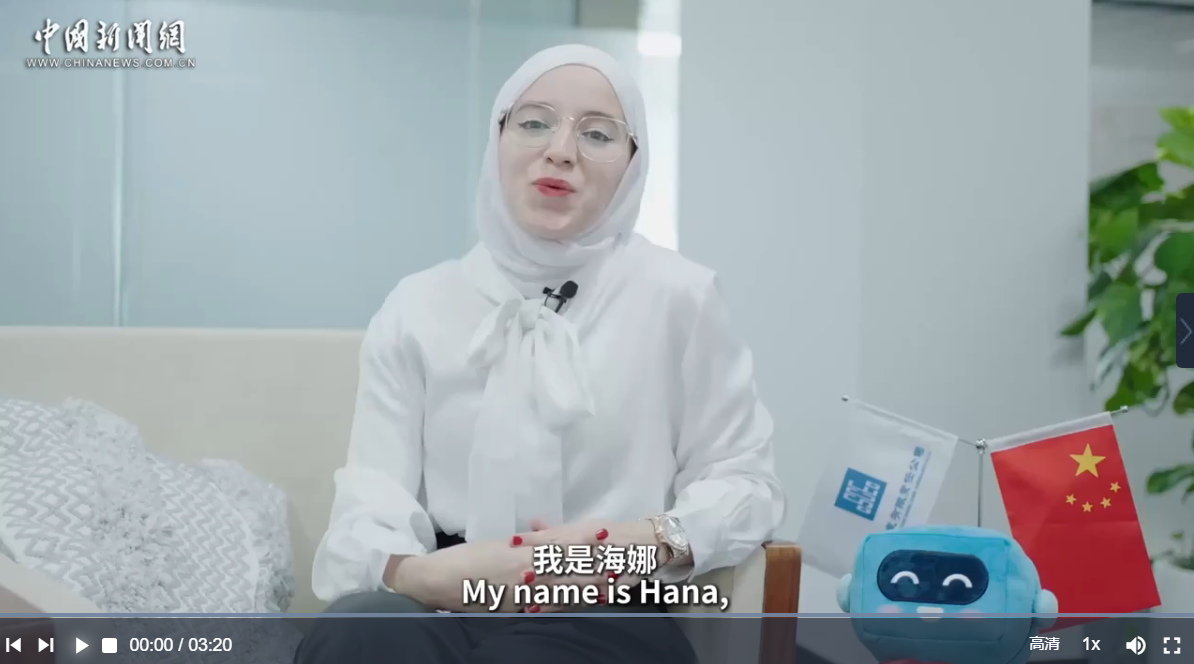
埃及姑娘海娜曾经在中国杭州留学,去过中国很多地方。中国的高铁、地铁、智慧城市系统,和对生态环境的保护等方面都给她留下深刻印象。毕业后,她 选择留在中国企业工作。她认为,中国式现代化让人看到的不仅是强大的经济实力,更是一种文化自信和对未来的坚定信念。 ...
澳门大学举办 “打造中西文明互鉴的文化金名片”学术研讨会
Sou Hu Cai Jing· 2025-12-02 09:41
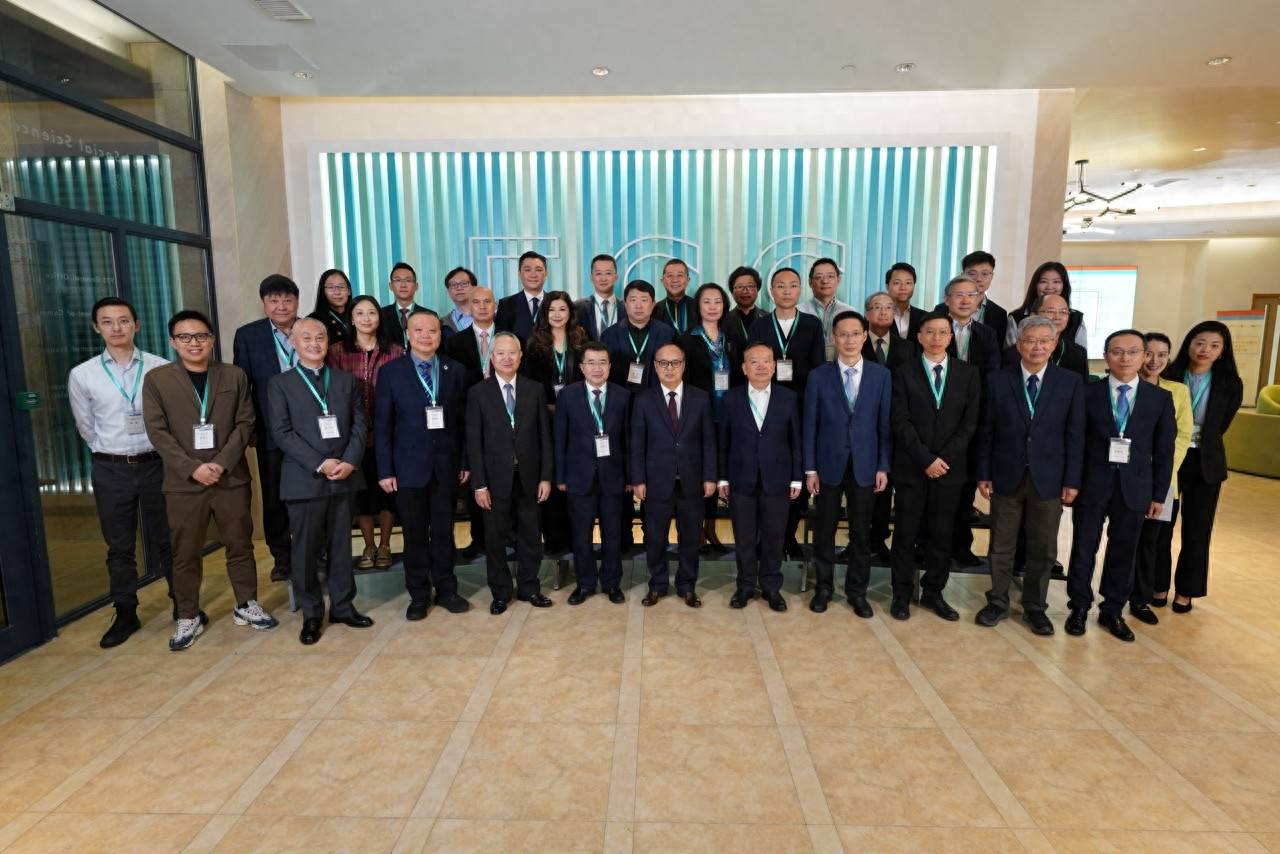
Core Points - The academic seminar titled "Creating a Cultural Golden Brand for Mutual Learning between Chinese and Western Civilizations" will be held at the University of Macau on December 1, 2025, aiming to explore how to establish Macau as an important window for cultural exchange between China and the West [1]. Group 1 - The seminar will feature prominent guests, including officials from the Central People's Government Liaison Office in Macau and various cultural and policy experts [4]. - The opening ceremony will be addressed by the President of the University of Macau and the Dean of the Faculty of Social Sciences, highlighting the university's role in cultural and governance research [4]. Group 2 - Discussions will focus on five main themes: contemporary expression and value realization of cultural heritage, development of distinctive cultural tourism routes, establishing Macau as a hub for performing arts, creating an open city for global exchange, and the development positioning of Hengqin Island in relation to Macau's cultural tourism brand [7]. - Experts believe that Macau's historical and cultural characteristics provide a solid foundation for innovative cultural development, potentially creating a sustainable model for cross-civilization dialogue [7]. Group 3 - As Macau promotes moderate economic diversification, its cultural and creative industries are expected to complement the gaming industry, shaping a "cultural golden brand" with both local roots and international perspectives [9]. - The initiative to create a cultural golden brand aligns with the development blueprint of the Guangdong-Hong Kong-Macau Greater Bay Area and the national strategy of cultural confidence and regional integration [9].
校馆弦歌丨一山一海,共证文明根脉 一北一南,同守文化薪火
Yang Shi Xin Wen Ke Hu Duan· 2025-12-01 05:45
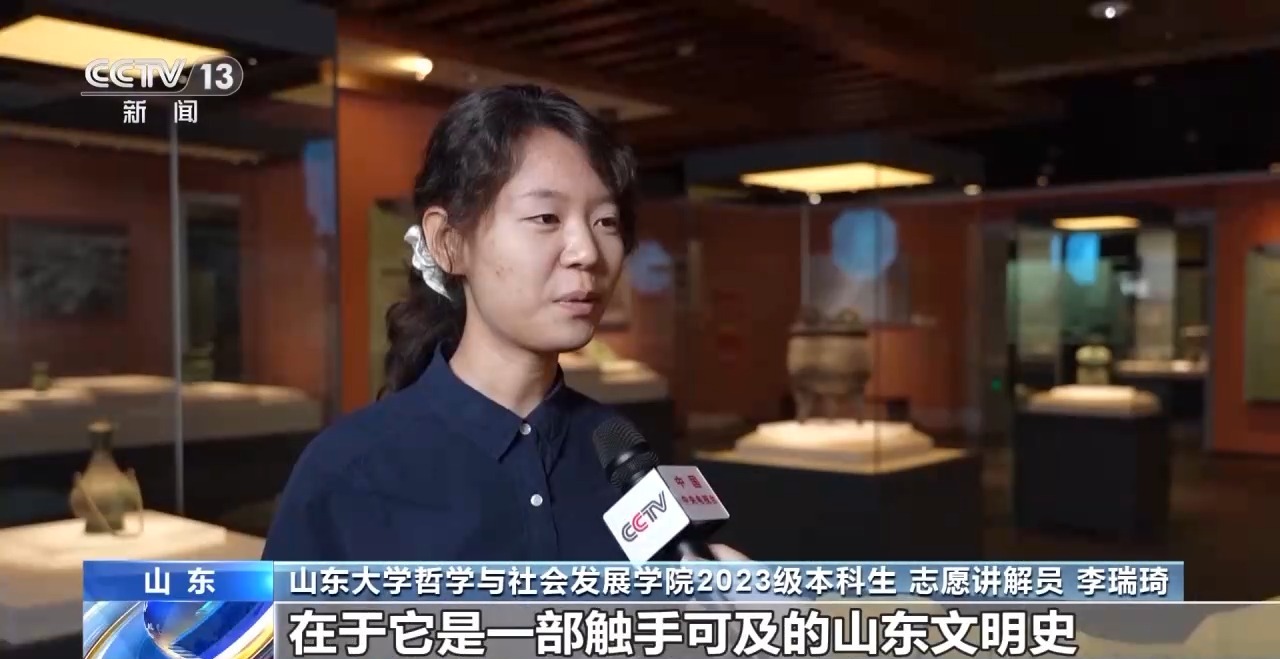
Group 1: Shandong University Museum - Shandong University Museum is a national first-class museum with exhibition areas exceeding 14,000 square meters and a collection of over 40,000 artifacts, primarily excavated by the university's archaeology department [2][13] - The museum focuses on the archaeological cultural development sequence of the Haidai region, showcasing significant prehistoric cultures such as the Longshan culture and the Dawangkou culture [6][8] - The museum's treasure, the Dinggong pottery inscription, is considered one of the earliest discovered written texts in China, predating oracle bone script by 800 years, sparking significant academic discussions [9] - The museum is free to the public and is expected to receive approximately 250,000 visitors in 2024, serving as a vibrant classroom for cultural education [13] Group 2: Xiamen University Museum - Xiamen University Museum is the first university museum established after the founding of New China and holds the largest collection of artifacts from Taiwan's indigenous peoples and Southeast Asia [19] - The museum provides evidence of the cultural connection between the southeastern coast of China and Taiwan, showcasing artifacts that trace the migration of the Austronesian language family [21] - The museum's founder, Lin Huixiang, was a prominent anthropologist and archaeologist, and his collection includes the treasured bead clothing of the Tayal people, symbolizing the cultural responsibility of preserving heritage [25] - The museum encourages students to embrace their role as cultural transmitters, emphasizing the importance of understanding and protecting cultural heritage [27][29]
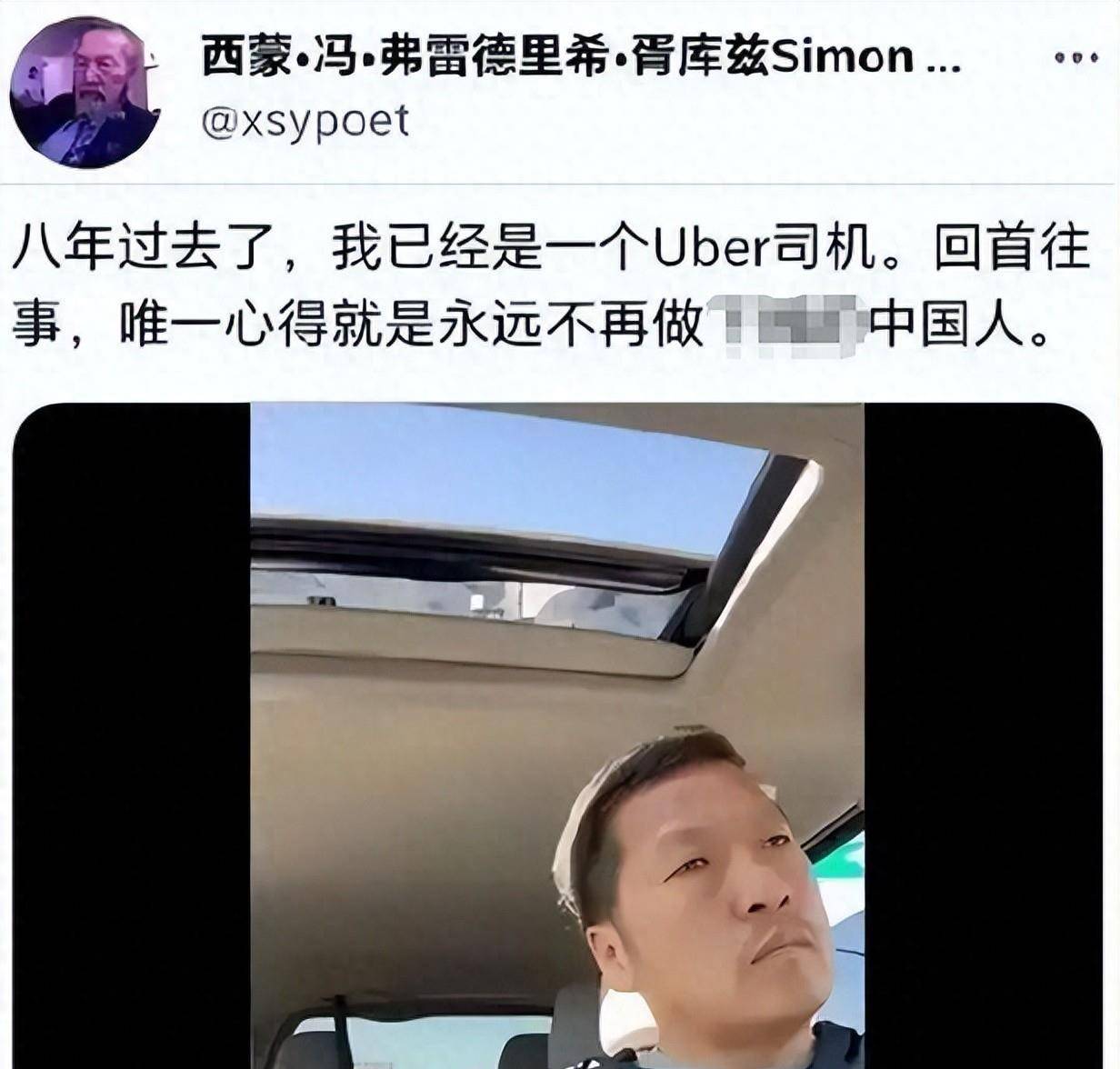
2018年,叫嚣让儿子当“101%美国人”的中国教授,今下场大快人心
Sou Hu Cai Jing· 2025-11-29 16:46
Core Insights - The article narrates the life-changing journey of a once-prominent Chinese economics professor who decided to immigrate to the United States, leading to significant personal and professional challenges [1][2]. Group 1: Background and Initial Success - The individual was a rising star in the Chinese academic community, achieving professorship at a young age and enjoying a comfortable life in Beijing [1]. - He developed a strong interest in Western economics, which began to influence his teaching style and classroom discussions [1]. Group 2: Decision to Immigrate - In 2017, after attending an international economic forum, he made the drastic decision to sell all his assets and move to the U.S., despite his wife's objections [1]. - He sold his property in Beijing at a price below market value and took all his savings to start anew in America [1]. Group 3: Struggles in the U.S. - Upon arrival, he faced harsh realities, as his Chinese qualifications were not fully recognized, leading to unsuccessful job applications at several prestigious universities [2]. - His savings quickly diminished due to high living costs, including rent and medical expenses, forcing him to take a job washing dishes in a Chinese restaurant [3]. Group 4: Psychological Impact and Cultural Reflection - The drastic change in circumstances led to feelings of humiliation, especially after being recognized by former students while working in a low-status job [4]. - In an attempt to seek validation, he expressed extreme views online, denigrating his cultural background and praising Western ideals, which did not earn him the respect he sought [4][6]. - Eventually, he recognized that true cultural confidence comes from understanding and embracing one's own culture rather than outright rejection or blind admiration of another [7]. Group 5: Conclusion and Broader Implications - After a series of setbacks, he returned to China, reflecting on the importance of balancing cultural confidence with openness in a globalized world [9].