
资源循环利用

Search documents
泰达股份:战略转型铸就资源循环新标杆
中国基金报· 2025-09-11 10:08
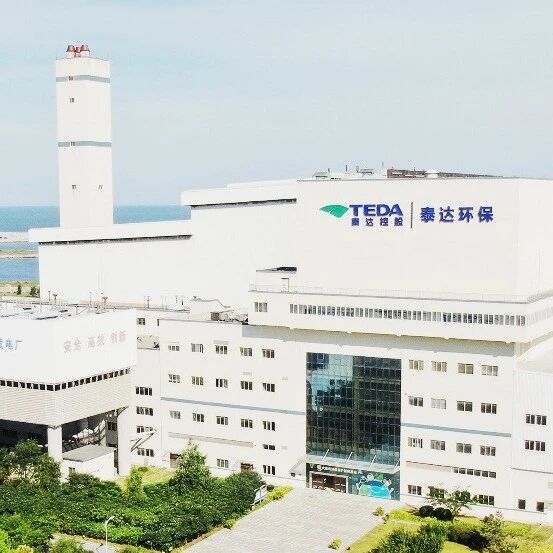
Core Viewpoint - During the "14th Five-Year Plan" period, the company has successfully transitioned to a resource recycling strategy, marking a significant shift from unrelated diversification to focused diversification in the ecological and environmental protection sector [3][4]. Group 1: Strategic Transformation - The company officially changed its name to "Tianjin TEDA Resource Recycling Group Co., Ltd." in July 2025, solidifying its commitment to the resource recycling industry [3]. - The company has significantly increased its solid waste treatment capacity from 5,610 tons to 23,660 tons per day, representing a growth of over 400% [3]. - The strategic decision to focus on ecological and environmental protection has led to two major breakthroughs: a substantial increase in the scale of the ecological protection business and the establishment of its industry position [4]. Group 2: Financial Performance - By 2024, the total assets of the company's key subsidiary, TEDA Environmental Protection, reached 14.991 billion yuan, a 172.49% increase compared to 2020 [4]. - The net profit attributable to the parent company was 186 million yuan, reflecting a 47.05% increase from 2020 [4]. - The company has expanded its operations to cover 10 provinces and 21 cities, transitioning from a regional to a national solid waste treatment company [4]. Group 3: Asset Structure Optimization - The company is implementing a dual strategy of "external expansion + internal enhancement" to optimize its asset structure [5]. - In 2024, the company successfully acquired the solid waste business of China Resources, resulting in a 40% year-on-year increase in environmental business revenue to 868 million yuan [6]. - The company has divested non-core assets, including the transfer of 100% equity in its regional development subsidiary for 2.593 billion yuan [7]. Group 4: Technological Innovation - The company has increased its R&D investment by an average of 10.55% annually, focusing on the ecological and environmental protection industry [10]. - Significant technological breakthroughs have been achieved in solid waste treatment, including the development of a new type of chelating agent for fly ash treatment [12]. - The company has also made advancements in new materials, achieving large-scale production of crystalline thermoplastic polyester filament technology [12]. Group 5: Global Expansion - The company plans to launch its first overseas project by 2025, focusing on key regions and adopting a light asset cooperation strategy [14]. - A memorandum of understanding has been signed with an Egyptian company to explore waste-to-energy projects and landfill closure projects [15]. - The company leverages its experience in waste-to-energy projects in China to establish a strong brand presence and operational foundation for international projects [15].


湖北同创再生资源有限责任公司成立 注册资本10万人民币
Sou Hu Cai Jing· 2025-09-11 04:43
天眼查App显示,近日,湖北同创再生资源有限责任公司成立,法定代表人为詹小玲,注册资本10万人 民币,经营范围为一般项目 : 再生资源销售;再生资源回收(除生产性废旧金属);再生资源加工; 资源循环利用服务技术咨询;资源再生利用技术研发;生产性废旧金属回收;新能源汽车废旧动力蓄电 池回收及梯次利用(不含危险废物经营);报废农业机械回收;能量回收系统研发;非金属废料和碎屑 加工处理;五金产品零售;建筑材料销售;电线、电缆经营;金属制品销售;金属材料销售。(除许可 业务外,可自主依法经营法律法规非禁止或限制的项目)许可项目 : 报废机动车回收;报废电动汽车 回收拆解。(依法须经批准的项目,经相关部门批准后方可开展经营活动,具体经营项目以相关部门批 准文件或许可证件为准)。 ...
你如何处理大件旧物?
Ren Min Ri Bao Hai Wai Ban· 2025-09-07 22:16
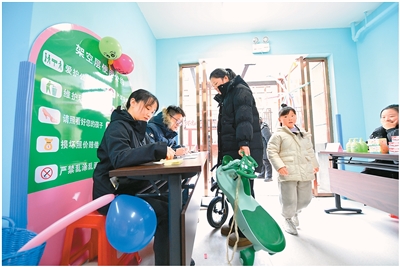
Core Viewpoint - The article discusses the challenges and inefficiencies in the disposal and recycling of large waste items, particularly furniture and appliances, highlighting the need for a comprehensive management system for large waste disposal in urban areas [6][11][15]. Group 1: Current Challenges in Large Waste Disposal - Large waste items, such as furniture and appliances, are often difficult to dispose of due to a lack of proper recycling channels and high disposal costs, leading to a situation where residents find it easier to keep old items rather than dispose of them [6][8][11]. - Many residents face difficulties in selling or recycling large items, as second-hand markets are less favorable for larger goods, and many recycling companies refuse to accept them due to low economic value [10][12]. - The absence of a standardized management approach for large waste disposal results in confusion and mistrust among residents regarding disposal fees and processes [11][12]. Group 2: Economic and Environmental Implications - The accumulation of large waste items not only occupies public space but also poses environmental risks, as improper disposal can lead to pollution and safety hazards [12]. - The article emphasizes that large waste constitutes about 1% to 10% of urban household waste, primarily generated from consumer replacements and real estate activities, indicating a significant volume that requires effective management [10]. Group 3: Proposed Solutions and Initiatives - The article mentions initiatives by various regions to improve large waste management, such as the introduction of online appointment systems for waste collection and the establishment of recycling centers [13][16]. - Recommendations include creating a comprehensive management system that covers the entire waste disposal chain, from collection to recycling, and encouraging collaboration among different stakeholders [15][14]. - The article suggests expanding "trade-in" policies to include more categories of large items and promoting awareness among residents about waste disposal costs and responsibilities [15][16].
2025年中国电子气体尾气回收市场规模分析[图]
Chan Ye Xin Xi Wang· 2025-09-03 09:23
Group 1 - The core concept of electronic gas tail gas recovery involves capturing, purifying, and reusing waste electronic gases emitted during production processes, aiming for resource recycling, cost reduction, and pollution reduction [2][6] - The market for electronic gas tail gas recovery in China is projected to reach 5.11 billion yuan in 2024, representing a year-on-year growth of 17.7% [1][7] - The continuous demand and technological advancements have driven significant growth in the electronic gas tail gas recovery industry in recent years [7][8] Group 2 - The recovery process includes key stages such as gas collection, pretreatment, and purification separation [3] - Various types of electronic gases are involved, primarily sourced from the electronic manufacturing industry, and can be categorized into four main types based on their properties and recovery value [4] - The recovery of gases like argon and nitrogen oxide can significantly reduce procurement costs for companies, with examples of successful implementations in the industry [7][8] Group 3 - The policy environment has been improving since 2020, driven by the need for self-sufficiency in the semiconductor supply chain, promoting the industry towards standardization and high-tech transformation [6] - The expansion of production capacity in the integrated circuit and display panel sectors is expected to further increase the demand for electronic gases, thereby boosting the tail gas recovery market [8]

江汉盐化工:精打细算“抠”效益
Zhong Guo Hua Gong Bao· 2025-09-02 02:27
Core Viewpoint - The company has implemented various process optimizations and innovations to significantly reduce costs and improve efficiency in its operations, achieving substantial savings and environmental benefits. Group 1: Cost Reduction Initiatives - The optimization of the brine processing has led to a cost saving of 46 yuan per ton of caustic soda, resulting in a total cost reduction of over 7 million yuan this year [1] - The new method of purifying brine by utilizing high-nitrate brine to react with high-calcium brine is expected to reduce soda ash consumption by 500 tons annually, saving approximately 860,000 yuan [2] - The installation of a new high-efficiency dust removal system has reduced steam consumption by 20% and is projected to recover over 120,000 yuan in economic benefits by minimizing product loss [3] Group 2: Environmental Benefits - The upgraded dust removal system has decreased the concentration of key pollutants in exhaust gases by nearly 40%, achieving a dual benefit of environmental protection and cost efficiency [3] - The company has developed a water recycling system that has reduced industrial water consumption by 77.5% compared to the previous year, contributing to significant water conservation efforts [4] - The implementation of a graded treatment and targeted reuse technology for wastewater has resulted in a reduction of 500,000 cubic meters in water consumption year-on-year [4]
美畅股份:钨丝金刚线将成市场主流产品,碳钢金刚线加速退出市场
Zheng Quan Shi Bao Wang· 2025-08-31 10:21
Core Viewpoint - The global photovoltaic industry is experiencing a mild recovery with slowing growth, leading to a period of adjustment characterized by increased volume but reduced profits for companies like Meichang Co., Ltd [1] Group 1: Financial Performance - In the first half of 2025, Meichang Co., Ltd achieved a revenue of 1 billion yuan, a 28% increase compared to the second half of the previous year [1] - The company's net profit attributable to shareholders reached 84.66 million yuan, marking a 165% increase from the previous half [1] - In Q2 2025, revenue was 584 million yuan, a 38% increase from Q1, while net profit for the same quarter was 58 million yuan, up 120% from Q1 [1] Group 2: Cost Management - The company reported a significant cost reduction of approximately 12% in Q2 2025 [1] - The cost of tungsten wire mother lines decreased by over 10% due to improved production maturity and lower raw material prices [2] - Fixed cost dilution from increased production and process improvements contributed to about 2% of the overall cost reduction [2] Group 3: Product and Market Dynamics - Meichang Co., Ltd's tungsten wire mother lines are produced in two ways: self-manufactured (30% of production) and externally sourced (70% of production) [2] - The company anticipates that the proportion of self-manufactured products will increase to around 50% by Q4 2025 [2] - The company is focusing on tungsten wire recycling, leveraging the high recovery value of tungsten, with a significant portion of recycled materials coming from production waste and customer returns [3] Group 4: Market Position - In Q2 2025, the shipment proportion of tungsten wire diamond saw blades increased by over 10%, reaching approximately 55% of total shipments [3] - The market share of tungsten wire diamond saw blades is around 80%, with Meichang Co., Ltd's shipments constituting about 85% of its total diamond saw blade shipments [3] - The company indicates that tungsten wire diamond saw blades are becoming the mainstream product in the market, while carbon steel diamond saw blades may phase out [3]
瑞茂通集团优化全球战略布局,打造绿色再生铜产业链
Qi Huo Ri Bao· 2025-08-31 00:34
Group 1: Strategic Developments in Recycling Industry - Rui Mei Tong Group has established a comprehensive recycling copper supply chain, including overseas waste copper recovery, cross-border processing, and terminal sales, with a new recycling copper base set to be operational in Thailand by 2024 [2] - The company has adapted to changes in China's waste copper import policies, which now allow the import of compliant recycled copper materials, enhancing its operational capabilities [2][3] - The global competition for copper resources has intensified, with major copper-producing countries facing disruptions, impacting copper supply and pricing [2] Group 2: Environmental and Economic Impact - Recycled copper production consumes only 20% of the energy required for primary copper production and reduces carbon emissions by 65%, aligning with China's carbon neutrality goals [2] - The "14th Five-Year Plan" aims for recycled metal production to account for 30% of total output by 2025, with a target of 4 million tons for recycled copper [2] - Recycled copper offers significant cost advantages over primary copper, driving economic benefits for the industry [2] Group 3: Natural Gas Trading Developments - Tianjin International Oil and Gas Trading Center has launched a new pipeline natural gas trading platform, "PNG Zhou Zhou Purchase," to facilitate market-based bidding for gas resources [3] - This new trading model aggregates gas demand from various regions, allowing companies to secure gas at more competitive prices [3] - The trading center aims to expand its offerings by introducing more oil and gas products in response to market needs [3] Group 4: Electricity Futures Market - There is a growing demand for electricity futures as a risk management tool for renewable energy companies amid increasing price volatility in the electricity market [3][4] - The establishment of a unified national electricity market is creating a solid foundation for the introduction of electricity futures [3] - Experts suggest that renewable energy companies should prepare for participation in the electricity futures market by developing strategies and enhancing risk management capabilities [4][5]


格林美(002340):产销量逆势增长 多产品盈利能力提升
Xin Lang Cai Jing· 2025-08-30 00:53
Core Viewpoint - The company reported a revenue of 17.561 billion yuan for H1 2025, with a year-on-year increase of 1.28%, and a net profit attributable to shareholders of 799 million yuan, reflecting a year-on-year growth of 13.91% [1] Group 1: Business Performance - The company achieved a significant increase in sales across multiple products, with nickel metal shipments from its Indonesian project reaching 43,977 tons, a year-on-year increase of 112% [2] - The core product, ternary precursor materials for power batteries, had a shipment volume of 86,000 tons, maintaining a top two position in the global market [2] - The company recovered 4,032 tons of tungsten resources, marking a year-on-year growth of 17%, and recycled 22,400 tons of power batteries, a 37% increase year-on-year [2] Group 2: Profitability - The gross profit margins for key metal resource recycling showed stability, with nickel resource recovery at 19.1%, cobalt recovery at 13.86%, and tungsten recovery at 7.22% [3] - The gross profit margin for comprehensive utilization of power lithium batteries was 10.13%, reflecting a year-on-year increase of 0.25% [3] - The gross profit margins for new energy battery materials, including ternary precursors, cathode materials, and cobalt oxide, were 14.14%, 9.07%, and 12.40% respectively, with varying year-on-year changes [3] Group 3: Profit Forecast and Valuation - The company raised its net profit forecast for 2025-2027 to 1.599 billion, 2.479 billion, and 3.775 billion yuan, corresponding to EPS of 0.31, 0.48, and 0.74 yuan [4] - The company is assigned a valuation of 2.16 times PB for 2025, with a target price adjustment to 8.72 yuan, up from a previous value of 6.86 yuan [4]

资源循环产业“夯基服务”启动
Liao Ning Ri Bao· 2025-08-28 01:27
Core Viewpoint - The launch of the "Foundation Service" initiative for the resource recycling industry in Liaoning aims to establish it as a strategic pillar industry with distinct regional characteristics, promoting green and low-carbon industrial development [1] Group 1: Event Overview - The "Foundation Service" initiative was officially launched on August 27 in Shenyang, organized by the Provincial Department of Industry and Information Technology [1] - The Liaoning Resource Recycling Association was inaugurated during the event, signing agreements with various organizations including the China Circular Economy Association and Northeast University [1] Group 2: Strategic Goals - The initiative focuses on enhancing the resource recycling industry by building a solid foundation, creating platforms, aggregating resources, and strengthening services [1] - The provincial government aims to leverage the "dual carbon" goals, emphasizing the recycling of materials such as scrap steel, stainless steel, aluminum, copper, and used batteries [1] Group 3: Future Plans - The association will serve as a bridge for government-enterprise cooperation, an exchange platform for industry connections, a base for technological innovation, and a training center for talent development [1] - The full lifecycle management of the recycling industry will be implemented, covering the entire chain from waste generation to recycling, processing, and reuse [1]
碳新(深圳)科技有限公司成立 注册资本100万人民币
Sou Hu Cai Jing· 2025-08-26 07:17
Core Viewpoint - The establishment of Carbon New (Shenzhen) Technology Co., Ltd. indicates a growing focus on carbon fiber recycling and related technologies in the industry [1] Company Summary - Carbon New (Shenzhen) Technology Co., Ltd. has been registered with a capital of 1 million RMB [1] - The legal representative of the company is Hu Jin [1] - The company’s business scope includes research and development of carbon fiber recycling technology, manufacturing and sales of equipment for processing waste carbon fiber composite materials, and various technology services [1] Industry Summary - The company is involved in high-performance fiber and composite material manufacturing and sales, indicating a potential growth area in advanced materials [1] - The inclusion of IoT applications and artificial intelligence in its business scope suggests a trend towards integrating smart technologies in environmental and recycling solutions [1] - The focus on resource recycling and waste management technologies aligns with global sustainability goals, highlighting the industry's shift towards eco-friendly practices [1]