
企业出海

Search documents
中集集团董秘吴三强:抓住高端海工装备和数据中心浪潮
2 1 Shi Ji Jing Ji Bao Dao· 2025-12-06 11:56
Core Insights - The article discusses the globalization journey of CIMC Group, a leading logistics and energy equipment supplier, highlighting its transition from product export to global operations [1][2][3] Group 1: Company Overview - CIMC Group is one of the earliest Chinese companies to expand overseas, with a business portfolio that includes containers, road transport vehicles, energy and chemical equipment, airport equipment, and marine engineering [2] - The company's overseas revenue accounts for approximately 50%, with over 30 large factories established in more than 20 countries [2] Group 2: Stages of Globalization - The globalization journey of CIMC Group is divided into four stages: 1. From 1997 to 2003, focusing on product export and initial overseas material sourcing [2] 2. From 2003 to 2007, rapid internationalization through acquisitions, including a significant acquisition of a fifth-ranked semi-trailer factory in the U.S. [2] 3. From 2008 to 2011, acquiring a Singaporean marine engineering company, which now produces drilling platforms for combustible ice [3] 4. From 2012 to present, a phase of diversified overseas expansion, acquiring major companies in the UK, Singapore, France, and Germany [3] Group 3: Globalization Strategy - CIMC Group's globalization strategy has evolved, focusing on three dimensions: 1. Progression in operational forms from product export to operational and cultural management overseas [3] 2. Business layout expansion from containers to vehicles, energy equipment, and airport equipment, with a long-term focus on Europe and the U.S. [3] 3. Transition from product manufacturing to building overseas design capabilities [3] Group 4: Challenges and Solutions - Cross-cultural conflicts are identified as significant challenges for Chinese companies going global, with CIMC Group developing various management experiences through local team deployment [3][4] - The company employs a standardized governance system to ensure global operations run under the same rules, minimizing cultural differences [4] Group 5: Future Opportunities - CIMC Group sees new opportunities in two key areas: 1. The Southeast Asian data center market, projected to grow from over $14 billion last year to $30-40 billion by 2030 [4] 2. The FPSO (Floating Production Storage and Offloading) market, expected to reach nearly $15 billion by 2033, driven by investments in deep-sea oil and gas [5] Group 6: Strategic Positioning - CIMC Group is one of the few companies globally with EPC capabilities for deep-sea equipment, currently involved in six floating platform projects for Petrobras [5] - The company's experience in global operations and revenue exceeding 50% from overseas markets may serve as a reference model for other Chinese enterprises looking to expand internationally [5]

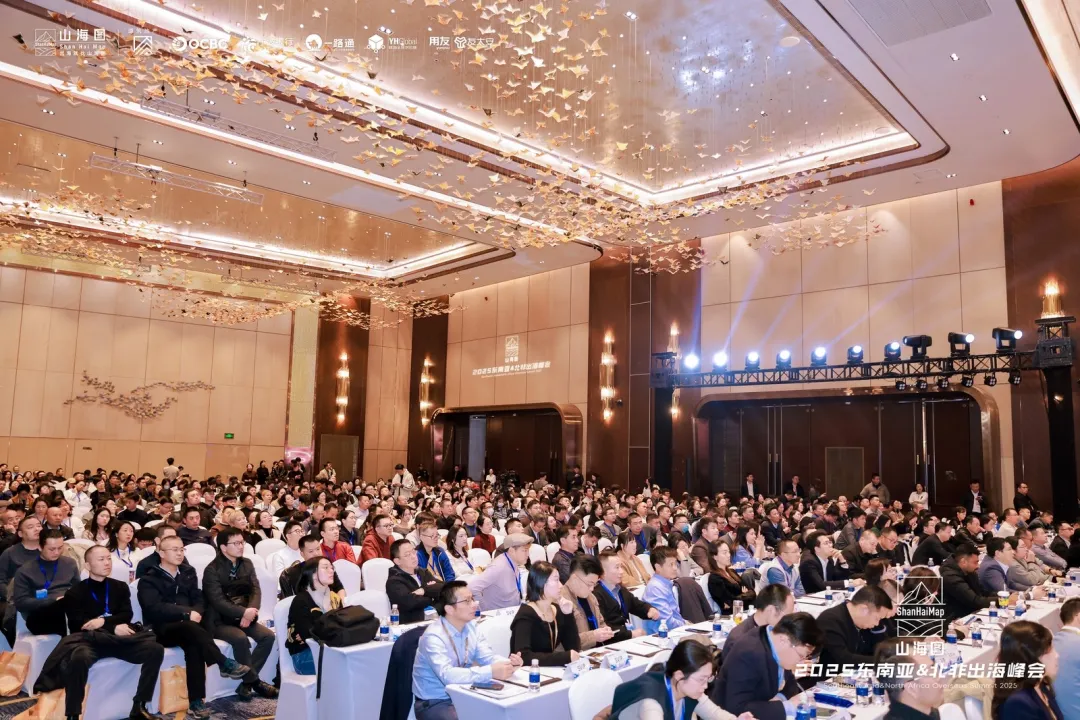
2025东南亚&北非出海峰会成功举办 3000家企业同聚一堂共话出海新机遇
Zhong Guo Jin Rong Xin Xi Wang· 2025-12-06 10:51
Core Insights - The second "2025 Southeast Asia & North Africa Outbound Summit" organized by Shanhaitu was successfully held in Shanghai, attracting 3,000 participating companies and creating a vibrant atmosphere [1][5]. Group 1: Event Overview - The summit was hosted by Shanhaitu and co-organized by several financial institutions and companies, including Source Real Estate and Overseas Chinese Bank [3]. - The event featured a two-day agenda with 30 sharing sessions, summarizing eight years of practical experience in overseas expansion [5]. - A strategic cooperation agreement was signed between Shanhaitu, Overseas Chinese Bank, and Bidar Holdings, focusing on the funding and settlement needs of Chinese companies going abroad [5]. Group 2: Key Presentations - Professor Jin Canrong from Renmin University delivered a keynote speech on the future trends of China-US relations and their impact on corporate overseas expansion, emphasizing the importance of the Belt and Road Initiative [6]. - Zhang Ping, the founder and CEO of Shanhaitu, shared insights on the current status and development trends of outbound enterprises, highlighting that going abroad is a significant opportunity but requires thorough preparation [8]. - Lin Xueping, author of "The Great Outbound," discussed the logic and current state of China's manufacturing industry going abroad, noting the strong supply chain capabilities of China [11]. Group 3: Regional Focus and Market Analysis - The summit included specialized sessions focusing on Southeast Asia and North Africa, with discussions on business environments, compliance requirements, and investment opportunities in these regions [12][19]. - In the Indonesia session, experts analyzed investment opportunities and compliance requirements, addressing challenges faced by companies entering the market [20]. - The Vietnam session provided insights into the manufacturing, consumption, and restaurant sectors, helping participants understand local market dynamics [22]. - The North Africa session focused on Egypt's investment environment and opportunities in renewable energy and infrastructure [24]. - The New Malaysia-Thailand session examined the market characteristics and collaborative advantages of these countries, particularly Singapore's role as a financial hub [24]. Group 4: Conclusion and Future Implications - The summit served as a practical platform for Chinese companies to connect with global resources and navigate the challenges of overseas expansion, providing a clearer "route map" for decision-makers [25]. - As more Chinese companies accelerate their outbound efforts, such summits will play a crucial role in helping them establish a foothold in Southeast Asia and North Africa, enhancing their competitive edge in the global market [25].

周六福李伟柱:破局珠宝行业出海难题,中国工艺与文化是核心竞争力
Xin Hua Wang· 2025-12-06 06:39
Group 1 - The core theme of the conference was "Cross-border Layout - The Next Journey for Chinese Enterprises," focusing on opportunities and challenges for Chinese companies going global amidst global changes [1] - Zhou Liufu, a representative company in the jewelry industry, has successfully listed on the Hong Kong Stock Exchange and is now expanding into overseas markets starting in 2023, emphasizing brand and cultural output rather than just manufacturing [3] - Zhou Liufu has gained market recognition in Southeast Asia, leveraging China's strong jewelry supply capabilities and unique craftsmanship, positioning itself as a pioneer in the jewelry industry's international expansion [3] Group 2 - Li Weizhu, the chairman of Zhou Liufu, sought advice from Wang Fan, former president of the China Foreign Affairs University, on strategies for entering Southeast Asian and North American markets, highlighting the need for companies to integrate with local societies and enhance their corporate image through charitable initiatives [4] - Wang Fan emphasized the importance of aligning corporate actions with national diplomatic strategies and considering factors like geopolitical security and social harmony, moving beyond traditional profit-driven motives [7] - Zhou Liufu aims to optimize its overseas strategy by exploring market potential in regions like Singapore while maintaining brand integrity and product quality, contributing to the global presence of Chinese jewelry brands [7]
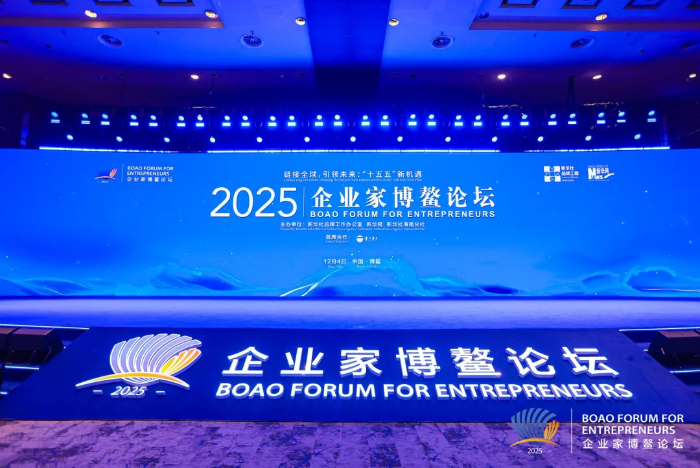
2025企业家博鳌论坛|企业如何链接全球?企业家这样支招!
新华网财经· 2025-12-06 02:40
Core Viewpoint - The article discusses the strategic opportunities presented by the upcoming closure of Hainan Free Trade Port, emphasizing how companies can leverage this to enhance global resource connectivity and business growth [1][3]. Group 1: Haier Group - Haier Group views the policy changes associated with Hainan's closure as a historic strategic opportunity, enabling significant cost reduction and efficiency improvements through policy benefits [3]. - The company aims to explore new technologies and business models in sectors like smart home, health, and digital economy, driving innovation for high-quality development [5]. - Haier has maintained its goal of creating a "world-renowned brand" from China, emphasizing the importance of long-term commitment and technological innovation in achieving global competitiveness [5][6]. - The company has established a "three-step" strategy for globalization, focusing on local market integration and building a global brand matrix to meet diverse consumer needs [6]. Group 2: Qianji Technology - Qianji Technology sees Hainan's closure as a chance to expand into international markets and build a global low-altitude economy innovation hub [8]. - The company plans to leverage duty-free shopping and low-altitude tourism to create immersive cultural experiences, integrating technology with cultural expression [10]. - Qianji emphasizes the need for a localized approach in global expansion, respecting local cultures and building sustainable overseas trust networks [11]. Group 3: Huya - Huya identifies Hainan's closure as a valuable policy window that aligns with its data-driven and content-exporting strategy, facilitating smoother cross-border data flows [13]. - The company has established a comprehensive service system for overseas users, enhancing user engagement and supporting domestic game developers in international markets [16]. - Huya advocates for deep localization in its overseas operations, ensuring content resonates with local audiences and fostering emotional connections [17]. - The company plans to utilize the advantages of the closure policy to enhance cross-border esports events and optimize content distribution efficiency [18].



中信证券:A股配置上建议聚焦资源/传统制造业定价权重估与企业出海主线
Xin Lang Cai Jing· 2025-12-06 01:59
中信证券研报指出,在流动性改善、地缘扰动、AI泡沫短期无虞三重因素下,亚洲股市更需聚焦基本 面线索变化带来的结构性配置机会。美联储12月降息预期反转缓解亚洲市场宏观压力,而全球GPR指数 高位运行下俄乌冲突等构成阶段性扰动,AI领域现金流支撑与供应链瓶颈使极端泡沫叙事难现。具体 市场核心观点如下。1)A股:需基本面超预期突破,配置上建议聚焦资源/传统制造业定价权重估与企 业出海主线,关注低拥挤品种与红利标的。2)港股:受益内外部催化有望实现戴维斯双击,建议侧重 科技、医疗、资源品等五大方向。3)韩国股市:依托基本面、政策与流动性推动重估,建议重点关注 半导体/AI等行业。4)印度股市:具备补涨潜力,货币政策宽松背景下建议优先配置利率敏感型企业与 消费板块,逆向看多IT服务。5)日本股市:受益治理红利与外资增配,聚焦行业整合、资产重估等四 大方向。6)东南亚股市:呈现复苏态势,马来西亚建议关注AI与数据中心产业链;印尼建议聚焦消费 与新能源汽车;泰国建议首选消费和旅游板块,整体需密切跟踪宏观变量与政策动向。 ...

11月出海活动回顾:中企出海赢在细节,隐形成本控制不能少
吴晓波频道· 2025-12-06 00:30
Core Insights - The article emphasizes the importance of choosing the right market for Chinese companies looking to expand overseas, likening it to a second chance at life [2][3]. Group 1: Indonesia Opportunities - Indonesia presents significant opportunities due to its demographic dividend and industrial transformation, with a population of 281 million and a median age of 29.7 years [8][9]. - Companies must fully commit ("All in") to succeed in Indonesia, as local market integration requires deep engagement [8]. - New brands have a higher success rate in e-commerce compared to traditional retail due to lower barriers to entry [8]. - The country has abundant natural resources, including being the world's largest nickel producer and a leading coal exporter, with foreign direct investment (FDI) projected to reach $24.2 billion in 2024 [9]. - Infrastructure development and urbanization present additional opportunities in construction and logistics [10]. - However, there is a significant talent gap, particularly in digital fields, with a shortage of 9 million skilled workers [11]. Group 2: Mexico Opportunities - Mexico serves as a strategic gateway to North America, benefiting from the USMCA agreement, which allows for rapid customs clearance and zero tariffs on 99% of goods [18]. - The automotive industry is a key sector, with Mexico being the sixth-largest producer globally, and companies like Tesla are establishing local supply chains [17]. - Cultural differences pose challenges, such as employee work habits and strong union influence, which can complicate operations [19][20]. - Local supply chains are often underdeveloped, necessitating either partnerships with domestic suppliers or significant time investment to cultivate local relationships [21]. Group 3: Practical Insights for Market Entry - The article discusses practical strategies for entering the U.S. market, emphasizing the importance of brand trust and digital marketing efficiency [22]. - Upcoming events will focus on opportunities in Germany and ASEAN markets, highlighting the need for compliance and understanding local market dynamics [23][24].

新对话·2025全球智能机械与电子产品博览会|钛动科技CEO李述昊:为企业赋能 助力从代工到品牌之路
Sou Hu Cai Jing· 2025-12-05 13:55
Group 1 - The core viewpoint of the article emphasizes the need for Chinese companies to shift their export strategy from merely selling cheap products to creating appealing offerings that resonate with consumers globally [1] Group 2 - At the 2025 Global Intelligent Machinery and Electronic Products Expo (AIE) held on December 4, the CEO of Titanium Dynamics, Li Shuhua, highlighted the company's commitment to assist Chinese enterprises in expanding their market presence internationally [1]
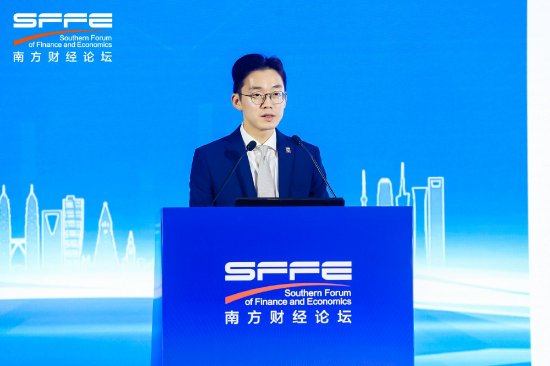
港交所陆琛健:今年A+H上市对港股的交易量和新股募资额贡献非常显著
Xin Lang Cai Jing· 2025-12-05 06:47
Core Insights - The "Southern Finance Forum 2025 Annual Meeting" was held on December 5-6 in Guangzhou, focusing on the theme "The Power of Consensus - Innovation Surge, China's Asset Revaluation" [1][4] Group 1: Trends in International Business - Over the past three years, the number of new issuers with international business has gradually increased, with more than half of this year's issuers planning to engage in international business or generating international revenue [3][6] - Funds raised in the Hong Kong stock market are primarily being used for overseas expansion by these companies [3][6] Group 2: Notable Examples - Companies like CATL (Contemporary Amperex Technology Co., Limited) and Haitian Flavoring & Food Company have utilized a significant portion of their IPO funds for international projects, such as CATL's battery factory in Europe and Haitian's global sales channels and Southeast Asian supply chain [3][6] - A common characteristic among leading companies like CATL, Haitian, and Heng Rui is their A+H listing strategy, which has contributed significantly to trading volume and new stock fundraising in the Hong Kong market this year [3][6] Group 3: A+H Listings - As of the third quarter of 2025, 14 companies have completed A+H listings in the past year, with over 77 applications submitted by September 30 [3][6] - The A+H listing model has proven to be a crucial funding platform for mainland enterprises in Hong Kong [3][6]


跨境出海周度市场观察-20251205
Ai Rui Zi Xun· 2025-12-05 05:45
跨境出海 周度市场观察 行业环境 头部品牌动态 投资运营 产品技术 营销活动 01 行业趋势 Industry Trends 本周看点: 合规与增长两难:出海企业如何突围?业内人士谈破局关键; 文化理解:中国企业出海拉美的必修课; "传统茶"变"时尚味",一杯奶茶融入95后泰国女生日常。 行业环境: 1. 合规与增长两难:出海企业如何突围?业内人士谈破局关键 关键词:合规门槛,资金流动,本土化运营,地缘政治,监管政策 概要:中国企业出海面临合规、资金流动和本土化运营等挑战。在"安客尔全球远航论坛"上, 专家指出,合规与资金压力是关键瓶颈,需通过多元化交易设计和弹性资金储备应对。中信银 行建议前瞻性合规布局和金融服务创新,如全球司库功能和分离式保函。地缘政治加剧了供应 链和ODI备案的复杂性,隐性风险如税务差异和金融规则需提前规划。未来十年,出海趋势将 聚焦合规、协同和本土化,人民币结算和精准布局成为重点。企业需从"单打独斗"转向"协 同作战",合规将成为核心竞争力。 原文链接:http://finance.sina.com.cn/jjxw/2025-11-13/doc-infxhkct2395167.shtm ...
中信证券:亚洲股市更需聚焦基本面线索变化带来的结构性配置机会
Xin Lang Cai Jing· 2025-12-05 00:22
Core Viewpoint - Asian stock markets should focus on fundamentals due to improved liquidity, geopolitical disturbances, and short-term AI bubble concerns [1] Group 1: A-shares - A-shares require a fundamental breakthrough beyond expectations, with recommendations to focus on resource and traditional manufacturing sectors for pricing power reassessment and companies going abroad, while paying attention to less crowded and dividend-paying stocks [1] Group 2: Hong Kong Stocks - Hong Kong stocks are expected to benefit from both internal and external catalysts, with suggestions to emphasize five major directions: technology, healthcare, and resource products [1] Group 3: South Korean Stocks - South Korean stocks are driven by fundamentals, policies, and liquidity, with a focus on semiconductor and AI industries for reassessment opportunities [1] Group 4: Indian Stocks - Indian stocks have potential for catch-up growth, with recommendations to prioritize interest rate-sensitive companies and consumer sectors under a backdrop of loose monetary policy, while taking a contrarian view on IT services [1] Group 5: Japanese Stocks - Japanese stocks are benefiting from governance dividends and increased foreign investment, with a focus on industry consolidation and asset reassessment [1] Group 6: Southeast Asian Stocks - Southeast Asian markets are showing signs of recovery, with specific recommendations for Malaysia to focus on AI and data center supply chains, Indonesia on consumption and new energy vehicles, and Thailand on consumer and tourism sectors, while closely monitoring macro variables and policy trends [1]