具身智能

Search documents
2026创投招聘新趋势:急招投资岗、95后优先
证券时报· 2026-03-26 04:18
Core Viewpoint - The recruitment market serves as a key indicator of industry vitality, with significant hiring activity reflecting confidence in the market's recovery and future expectations from investment institutions [1]. Group 1: Recruitment Trends - Since the beginning of the year, the National Venture Capital Guidance Fund's recruitment announcements have sparked market interest, with many leading VC firms actively hiring for positions in investment research, investment, and fundraising [2]. - A surge in recruitment is driven by a competitive race for top companies in hot sectors like AI and quantum computing, leading to a "fear of missing out" (FOMO) among VC firms [2]. - The demand for investment positions is particularly urgent, with many firms reporting a significant increase in hiring needs compared to previous years, as evidenced by a 36% increase in the number of investments made by limited partners in 2025 compared to 2024 [4]. Group 2: Changing Talent Standards - The recruitment criteria for investment roles have evolved, with a strong preference for candidates with engineering or industry backgrounds, particularly in technology sectors [8]. - Many firms are now seeking younger investment professionals, with some institutions specifying that they prefer candidates born after 1997, reflecting a trend towards younger investors who are more attuned to emerging technologies [8]. - The focus on younger talent is particularly pronounced in sectors like AI and robotics, where many successful projects are being led by individuals who are just a few years out of school [8]. Group 3: Skills and Competencies - Investment roles now require a combination of deep value judgment and the ability to provide post-investment support, emphasizing the importance of understanding technology and industry trends [9]. - Candidates are expected to be proficient in using AI tools and possess a comprehensive risk management mindset [9]. - The ability to empathize with young entrepreneurs and understand their perspectives is increasingly important, as many successful startup founders belong to the younger generations [12]. Group 4: Industry Dynamics - The recruitment focus is heavily on AI and hard technology sectors, with firms actively seeking talent from leading tech companies, although budget constraints limit their ability to attract top-tier candidates [11]. - The changing landscape of entrepreneurship, with a significant number of unicorn founders being from the younger generations, necessitates that investors not only understand technology but also connect with these entrepreneurs on a personal level [12]. - Firms are looking for investment managers who can resonate with young entrepreneurs, fostering a partnership that goes beyond mere financial support [12].


羊毛党大军,狂薅模型Token;明星AI公司,上市却现离职潮;华东大厂AI基建华南遇阻丨AI 情报局 VOL.2
雷峰网· 2026-03-26 04:11
Group 1 - The article discusses the surge in token consumption following the emergence of Openclaw, leading to the development of a hidden "wool harvesting" industry targeting overseas model vendors [2] - Various methods to exploit OpenAI and Google services are highlighted, including the use of virtual cards and unlimited API access packages, which are being resold for profit [3][4] - A specific example is provided where users exploit Google Cloud's promotional offers by creating multiple accounts to gain significant free computing resources at minimal cost [4] Group 2 - A notable internal conflict has arisen within a prominent embodied intelligence company, leading to the departure of key team members and the establishment of a competing firm [5] - The founder of the original company, previously a high-ranking executive at a leading consumer electronics firm, faces scrutiny as the company struggles with governance issues [6] - Another AI company is experiencing a wave of employee departures just before its IPO, attributed to long vesting periods for stock options and limited resources for innovation [7] Group 3 - A new AI video generation model from Beijing has begun limited API access for major domestic clients, with significant interest and demand reported [8] - A leading embodied intelligence hardware company is facing supplier dissatisfaction due to demands for confidential supplier lists, raising concerns about potential risks [9] - A major internet company in East China is encountering challenges in expanding its computing power project in South China due to past negative experiences with local authorities [10] Group 4 - Three domestic AI chip companies have entered the procurement list of a major internet company in East China, with potential orders amounting to billions of RMB [10] - A significant shift in the robotics industry is noted, driven by a young innovator who demonstrated the capabilities of deep reinforcement learning, leading to a major company hiring him at a high salary [11] - A humorous anecdote illustrates the challenges faced by a billion-dollar unicorn company in impressing investors, highlighting the gap between advanced technology and practical application [12][13]

“具身智能很火,但我们对困难其实一无所知”
投中网· 2026-03-26 03:50
Core Viewpoint - The article discusses the challenges and potential of embodied intelligence, likening its development to the difficult "North Route" of climbing Mount Everest, emphasizing that many difficulties are underestimated in this field [4][30][36]. Group 1: Investment Landscape - The investment landscape for embodied intelligence is compared to a long and challenging journey, with the potential for significant rewards if navigated correctly [5]. - The podcast "Signal and Noise" by Oasis Capital ranks first in a recent evaluation, focusing on deep discussions about the future of AI and embodied intelligence [6][12]. - Oasis Capital has begun investing in embodied intelligence since 2023, with a portfolio that includes several pioneering companies in the field [6][7]. Group 2: Market Dynamics - There are at least nine domestic embodied intelligence companies valued over 10 billion, with significant market activity and over 90 financing events in the sector [7]. - The market for embodied intelligence has seen a surge in interest, particularly following high-profile events like the Spring Festival, leading to a wave of funding [7][36]. Group 3: Challenges in Development - The development of embodied intelligence is still in its early stages, with significant challenges ahead, including the need for vast amounts of training data and the integration of hardware and software [33][36]. - The article highlights that the industry is currently at the "foot of the mountain," with many unknowns and difficulties yet to be encountered [36][38]. Group 4: Future Exploration - The "North Route Plan" aims to showcase the journeys of young scientists in the field of embodied intelligence, emphasizing their innovative approaches and the challenges they face [34][39]. - The article suggests that the exploration of embodied intelligence will require a combination of scientific inquiry and practical application, with a focus on the experiences of leading researchers [34][35].

宇树科技IPO,背后藏着中国的何种布局?
虎嗅APP· 2026-03-26 00:27
Core Viewpoint - The article discusses the ongoing wave of IPOs among Chinese technology companies, highlighting the strategic implications of this trend in the context of global technological competition and national policy initiatives [4][8]. Group 1: IPO Trends and Market Dynamics - Yushu Technology's IPO application has been accepted, aiming to raise 4.202 billion yuan, with 85% allocated to R&D projects, marking a significant step in the surge of humanoid robotics companies seeking to go public [4]. - By 2026, at least six humanoid robotics companies, including Yushu Technology and ZhiYuan Robotics, are preparing for IPOs, indicating a robust pipeline of technology firms entering the market [4]. - In 2025, the A-share IPO market saw a strong recovery, with 116 companies successfully listed, raising approximately 131.77 billion yuan, a 95.64% increase year-on-year [11]. Group 2: Funding and Investment Landscape - Various funding sources, including state-owned enterprises, venture capital, and foreign investments, are actively supporting the growth of technology companies, facilitating their rapid expansion [6][24]. - The National Entrepreneurship Investment Guidance Fund, launched in 2025, aims to support seed and early-stage technology companies, providing a stable capital foundation during high uncertainty periods [25]. - In 2025, over 2,000 financing events occurred in the domestic AI sector, with total financing exceeding 450 billion yuan, reflecting a significant increase in investment activity [26]. Group 3: Strategic Implications and National Policy - The surge in technology company IPOs is viewed as a critical national strategy to enhance China's technological self-sufficiency and competitiveness in the global arena [8][44]. - The "14th Five-Year Plan" emphasizes accelerating high-level technological self-reliance, focusing on strategic sectors and addressing weaknesses in supply chains [45]. - The introduction of the "1+6" policy reform for the Sci-Tech Innovation Board has streamlined the IPO process for unprofitable but technologically advanced companies, serving as a key driver for the current wave of listings [47]. Group 4: Competitive Landscape and Challenges - Despite the rapid growth of Chinese technology companies, significant gaps remain compared to international giants in market share, revenue scale, and technological capabilities [6][38]. - In the AI chip market, foreign companies like NVIDIA and AMD dominate, holding a combined market share of 69.7%, while domestic players like Moer Thread have less than 1% [38]. - The commercial space sector in China is also developing, with companies like Blue Arrow Aerospace preparing for significant advancements in reusable rocket technology [37].

3月26日议程|国泰海通“远望又新峰”2026春季策略会
国泰海通证券研究· 2026-03-25 23:46
Group 1 - The article discusses the upcoming conference focusing on various sectors including consumer services, technology, and investment strategies, highlighting the potential for growth and innovation in these areas [5][10][18]. - Key speakers from different research departments will present insights on topics such as service consumption, product innovation in beauty, and the impact of technology on household appliances [4][6][10]. - The conference aims to address the evolving landscape of consumer behavior and market dynamics, particularly in light of recent policy changes that favor traditional consumption patterns [5][6][10]. Group 2 - The event will feature discussions on the advancements in humanoid robotics and commercial aerospace, emphasizing the integration of technology in these fields [7][9][21]. - Insights into the agricultural sector will be provided, focusing on the potential for growth amidst rising commodity prices and changing market conditions [6][10]. - The conference will also explore macroeconomic trends and their implications for asset allocation strategies, particularly in a low-interest-rate environment [15][18]. Group 3 - The article outlines the significance of multi-asset allocation strategies in navigating market volatility and achieving stable returns [12][15]. - Discussions will include the role of artificial intelligence in quantitative investment strategies and the future of various commodity markets [18][19][21]. - The conference will also cover the outlook for the automotive industry, emphasizing the importance of innovation and sustainability in future developments [23][26].

它石智航用“吉尼斯纪录”交卷真干活的具身大脑,丁文超:从来没有Plan B
量子位· 2026-03-25 23:00
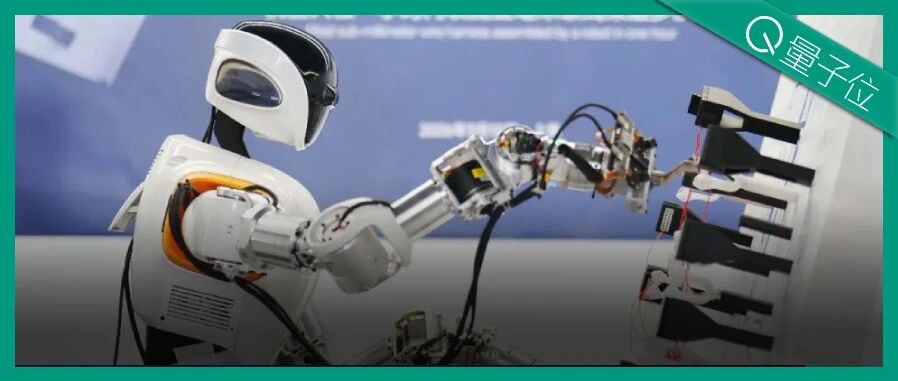
Jay 李根 发自 凹非寺 量子位 | 公众号 QbitAI 天使轮拿下 2.42亿美元 后, 它 石智航 到底干啥去了? 它石A1机器人,1小时内完成亚毫米级柔性线束完整装配任务百余次,创下全新吉尼斯世界纪录。 一系列成果让它石首次在线下亮相,便吸引了 央视、新华网 等头部官媒的组团报道。 线束装配 ,是地狱级的工业场景。 长程操作、柔性操作、亚毫米精度, 不可能三角全部集齐 ,被喻为工业自动化界的「哥德巴赫猜想」。 然而接下来的一年里,它石智航选择了一条截然不同的路:没有参加各种行业大会,没有频繁对外发声, 没有出现在春晚或各类展示活动中 ,一直踏实干活。 一年后,这家以技术工程和产业落地集结的明星团队,交出了答卷—— 利刃出鞘 ,一 鸣惊人。 2025年年初,这家公司是资本市场毫无疑问的宠儿。天使轮融资额刷新纪录,明星创始团队,让它石自创立之初,便一跃成为具身智能赛道 炙手可热的名字。 时隔一年,高调亮相的它石,直接打爆了这个场景,如期兑现了对投资人的承诺。 而同样是时隔一年, 量子位也再次来到了上海—— 从它石智航联合创始人、首席科学家 丁文超 这里,获得了关于这家公司更多的技术进展和背后的具身洞察。 ...
从根本上改变工作方式、价值创造模式、决策机制--AI正加速颠覆一切
硬AI· 2026-03-25 15:18
Core Insights - The article discusses how AI is reshaping global economic and social operations, transitioning from a supportive tool to an autonomous decision-maker in financial transactions and other tasks [2][3] - It highlights the emergence of a "Do It For Me" economy driven by AI, which is disrupting traditional business models and altering the flow of value in various sectors [23][30] Group 1: AI's Impact on Labor and Infrastructure - AI is evolving from single-task tools to autonomous agents, leading to structural changes in labor markets and computational infrastructure [3][4] - The report indicates that global annual capital expenditure on AI infrastructure has surpassed several hundred billion dollars, with investments expected to continue growing as enterprise AI applications move from pilot to production [7] - The classic computing model is reaching its physical limits, prompting a shift towards specialized accelerators, neuromorphic designs, and quantum computing systems [11][12][13] Group 2: Embodied AI and Workforce Transformation - The article emphasizes the importance of embodied AI, particularly in autonomous driving and humanoid robots, as key drivers for economic transformation [15][18] - It predicts that by 2050, billions of humanoid robots will enter the global labor market, driven by declining costs and increasing capabilities, creating a multi-trillion-dollar market [21][22] Group 3: Disruption of Traditional Business Models - The traditional internet business model, heavily reliant on SEO, is being disrupted by agentic AI, which alters how users interact with digital platforms [24][25] - This shift leads to a redefined economic model for user traffic acquisition, where AI can directly provide recommendations and facilitate transactions, diminishing the role of traditional platforms [26][28] - The rise of the "Do It For Me" economy signifies a transformation in payment systems, with AI-driven solutions enabling real-time transactions and embedding payments into business processes [30][32] Group 4: Systemic Risks and Governance - The article addresses the systemic risks associated with AI, including its potential weaponization and vulnerabilities in digital infrastructure, which are becoming critical factors influencing macro investment sentiment [34][36] - As geopolitical tensions rise, the ability to secure information and control narratives is highlighted as a competitive advantage, necessitating a layered defense model that integrates AI [37][38] - Companies deploying AI at scale must prioritize responsible AI practices, focusing on data quality, model risk management, and cross-functional AI literacy to ensure compliance and sustainable growth [39]

无惧短期阵痛,高盛坚定看好小米:AI有望打开价值空间,AIoT提供安全垫
硬AI· 2026-03-25 15:18
Core Viewpoint - Goldman Sachs believes that despite facing rising memory costs and pressure from R&D investments in electric vehicles, Xiaomi demonstrates strong resilience through its "backbone profit" from internet services and AIoT, projected to reach RMB 33.6 billion by 2026 [2][5]. Financial Performance - Xiaomi's Q4 revenue grew by 7% year-on-year, slightly above Goldman Sachs' estimate of 1%, while adjusted net profit fell by 24%, aligning with market expectations [3]. - Following the earnings report, Goldman Sachs slightly adjusted its revenue and adjusted net profit forecasts for 2026-2028 down by 1% to 2%, maintaining a target price of HKD 41 [3][11]. AI Strategy - Xiaomi plans to invest a total of RMB 60 billion in AI over the next three years, with approximately RMB 16 billion allocated for 2026 [5][9]. - The company has seen a significant increase in market share for its large language models, rising from 7.7% to 19% in a week, surpassing competitors like Google and OpenAI [5][9]. Backbone Profit - Goldman Sachs introduced the "backbone profit" framework to assess Xiaomi's profit resilience, estimating it at RMB 33.6 billion for 2026, which is 110% of the projected adjusted net profit of RMB 30.2 billion [11]. - The backbone profit includes net profits from internet services, AIoT, and other revenues, providing a solid foundation for the company's valuation [11]. Mobile Business - Xiaomi's mobile business faces ongoing pressure from rising memory prices, with a notable decline in gross margin by 3.8 percentage points year-on-year to 8.3% [7][13]. - The company is proactively managing costs by locking in supply and increasing inventory levels, with raw material inventory up by 67% year-on-year [13]. Electric Vehicle Business - The electric vehicle segment shows strong momentum, with the SU7 model receiving 30,000 orders within three days of its launch [15]. - Goldman Sachs projects 600,000 electric vehicle deliveries for 2026, slightly above the company's guidance of 550,000 [15]. AIoT Business - The AIoT segment is expected to see a slight revenue decline of 2% in 2026, with domestic revenue down by 14%, but overseas revenue is projected to grow by 27% [17]. - Management remains optimistic about long-term growth in AIoT, with plans to expand its retail network significantly by the end of 2026 [17].

【太平洋科技-每日观点&资讯】(2026-03-26)
远峰电子· 2026-03-25 15:15
Market Overview - Major indices showed positive performance with ChiNext Index up by 2.01%, Shenzhen Component Index by 1.95%, and Shanghai Composite Index by 1.30% [1] - TMT sector led the market with significant gains in SW Communication Cable and Accessories (+7.51%), SW Communication Application Value-Added Services (+5.95%), and SW Consumer Electronics Components and Assembly (+4.79%) [1] Domestic News - A report from Fuji Economic indicated that Tianyue Advanced has significantly increased its market share in the global conductive silicon carbide substrate market, projected to rise from 12% in 2023 to 27.6% by 2025, becoming the global leader [2] - Baiwei Storage signed a procurement contract with a storage manufacturer, committing to purchase a specific type of storage wafer for a total of $1.5 billion over 24 months [2] - Global semiconductor packaging leader ASE Technology acquired a plant from Innolux for approximately 6.325 billion NTD, enhancing its advanced packaging capacity [2] - Kuaishou announced plans for a capital expenditure of approximately 26 billion yuan by 2026, focusing on AI model support and data center construction [2] Overseas News - Broadcom acknowledged supply chain constraints in the optical communication sector, expecting resolution by 2027 as partners expand capacity [3] - Samsung SDI signed a long-term procurement agreement worth approximately $1.06 billion with L&F for lithium iron phosphate battery materials from 2027 to 2029 [3] - Samsung's 2nm process yield has improved from about 20% to over 60%, now comparable to TSMC's yield levels [3] - SK Hynix disclosed plans to acquire EUV lithography equipment from ASML for approximately 11.95 trillion KRW (about 635 billion RMB) to support new storage product production [3] AI News - OpenAI plans to discontinue its Sora video generation service to streamline its AI product line, marking the end of its collaboration with Disney [4] - HiDream launched its first native AI agent product, HiDreamClaw, which supports multimodal creation and is now available to overseas users [4] - Meta acquired AI startup Dreamer to enhance its capabilities in creating AI agents [4] - Anthropic introduced a new feature for Claude that allows it to automate tasks on computers, currently available for Pro and Max users on macOS [4] Industry Tracking - In the aerospace sector, multiple procurement projects for rocket engine components were announced, with significant orders awarded to domestic manufacturers, showcasing strong competitiveness in commercial space [5] - Google Quantum AI expanded its research to neutral atom quantum computing, accelerating the development of practical quantum computers [5] - X Square Robot launched ManipArena, an open-source evaluation platform for embodied AI, featuring real-world tasks and extensive validation data [5] - Group14 Technologies commenced mass production of its silicon-based battery materials in South Korea for electric vehicles [5] Financial Reports - Nanya Technology reported a total revenue of 5.228 billion yuan for 2025, a year-on-year increase of 55.52%, with a net profit of 240 million yuan, up 377.6% [6] - Yuanjie Technology achieved a revenue of 601.43 million yuan, a 138.50% increase year-on-year, turning a profit with a net income of 190.92 million yuan [6] - Kingsoft Office reported a revenue of 5.929 billion yuan, a 15.78% increase, with a net profit of 1.836 billion yuan, up 11.63% [6] - Huagong Technology's revenue reached 14.355 billion yuan, a 22.59% increase, with a net profit of 1.471 billion yuan, up 20.48% [6]







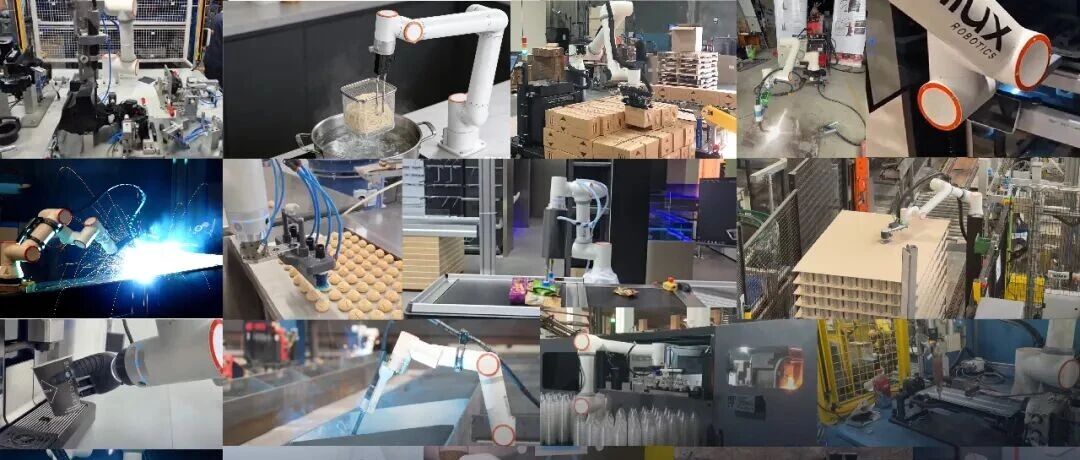
6年5轮融资,法奥机器人为何获国字号资本加持
机器人大讲堂· 2026-03-25 13:05
Core Insights - The article discusses the recent C-round financing of Fao Robotics, led by Guoshou Investment's dual-carbon fund, highlighting the endorsement of Fao's business model and the capital market's judgment on the collaborative robot sector's new phase of competition [1] - Fao Robotics has achieved significant financing milestones, totaling $30 million in A and A+ rounds in 2021, over $50 million in B round in 2022, and the latest round with state-backed capital, indicating strong investor confidence [1] Group 1: Business Model and Competitive Advantage - Fao Robotics has developed all core components in-house before establishing manufacturing, which has laid a crucial foundation for cost control [3] - The company's "Design for Manufacturing" approach simplifies product design based on manufacturing capabilities, significantly reducing complexity and enhancing production efficiency [3] - Fao's production scale is notably higher than competitors, with over 100,000 harmonic reducers shipped annually across only five SKUs, leading to a cost advantage where their harmonic reducers cost about half of similar third-party products [4][6] Group 2: Market Position and Growth - Fao's 5kg collaborative robot (FR5) is priced at 23,800 yuan, maintaining a gross margin above industry average due to structural cost advantages rather than price wars [6] - The company is projected to ship nearly 7,000 units in 2024 and over 11,000 units in 2025, positioning itself as the leader in domestic collaborative robot shipments with ambitions for global leadership [6] Group 3: International Expansion and Certification - Fao has successfully penetrated international markets, exporting 1,300 units in 2024 and over 4,200 units in 2025, marking a 251% year-on-year increase in overseas orders [7] - The company has established over 50 sales outlets globally, covering more than 100 countries, with Europe accounting for 49% of its market share [7][9] - Fao's ability to meet stringent international certification standards through its fully self-developed components creates a significant barrier for competitors reliant on third-party parts [9] Group 4: Technological Advancements and Future Strategy - Fao is extending its competitive edge into software and algorithms, with the AIRLab algorithm platform focusing on industry-specific models to reduce deployment barriers for downstream integrators [10][12] - The company aims to build an open ecosystem through the AIRLab Store, enhancing software platform stickiness and addressing long-tail markets [14] - Fao's strategic positioning as a Tier-1 supplier in the humanoid robot industry leverages its existing technology and production capabilities, allowing it to provide comprehensive customization services [15][17] Group 5: Strategic Developments and Future Outlook - Fao's new headquarters in Suzhou, with a total investment of 400 million yuan, will focus on R&D and global operations, signaling a transition from rapid growth to scalable expansion [18][19] - The completion of its shareholding reform and the recent C-round financing have set the stage for potential IPO plans, reflecting growing market expectations [19]