大国博弈

Search documents
突发特讯!美国内政部长通告全球:中国遏制着稀土命脉,必须打破!罕见措辞引爆国际舆论
Sou Hu Cai Jing· 2025-10-11 12:12
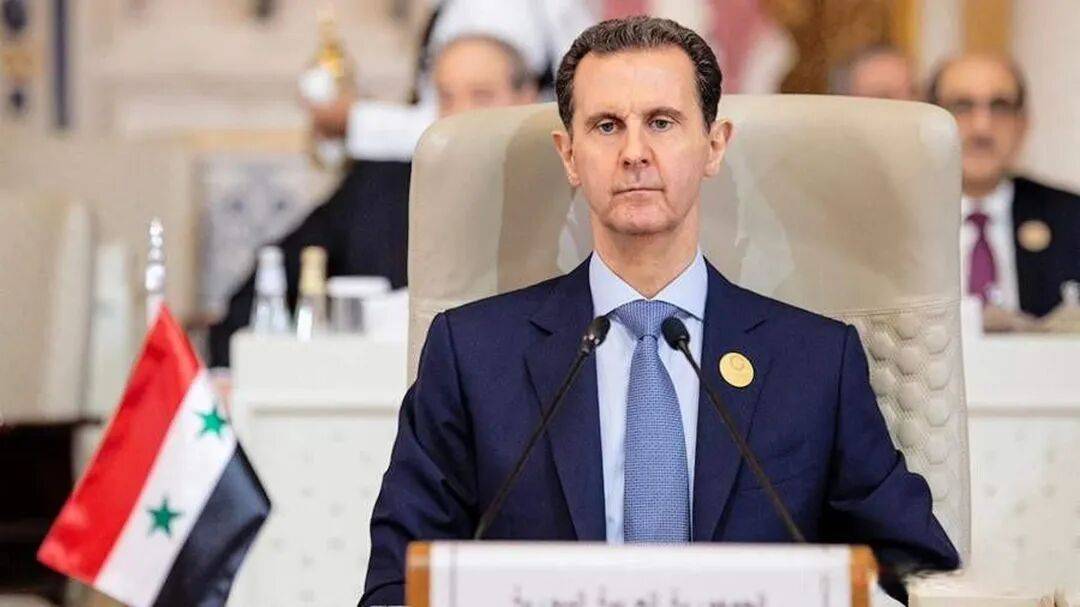
美国内政部长道格·伯古姆的一席话,像一块投入平静湖面的巨石,瞬间激起全球舆论的千层浪。他罕见地、直白地向世界通告了一个被广泛知晓却不愿被 频繁提及的事实:在稀土这场关乎未来产业命运的牌局上,中国手握"王炸"。 "中国掌控着20种最重要稀土矿物中85%到100%的产能。"——这句看似客观的数据陈述,其潜台词却充满了战略焦虑。而紧随其后的那句"如果他们遏制了 这类市场命脉,我们就必须打破局面",则更像是一篇充满危机感的战斗檄文。 一、 "命脉"之论:是客观现实,还是战略渲染? 首先,我们必须厘清一个事实:伯古姆部长的表述,在数据层面基本准确。中国不仅在稀土矿石开采上占据重要份额,更重要的是,我们通过数十年的技术 积累和产业链建设,掌握了全球绝对主导地位的稀土精炼产能。 这才是问题的关键。稀土之所以"稀有",并非其在地壳中的含量真如字面般稀少,而在于将其从原始矿石提炼成高纯度、可供高科技产业使用的单一稀土元 素的分离与提纯技术,是一个极其复杂、环保要求极高且成本高昂的过程。中国突破了这一技术壁垒,并建立了全球最完整、最高效的稀土产业链。 因此,伯古姆所说的"遏制市场命脉",与其说是中国主动挥舞的"大棒",不如说是市 ...

印度硬刚美国,苏杰生怼美:25%关税不怕,34%俄油进口绝不减!
Sou Hu Cai Jing· 2025-10-10 12:00
Core Viewpoint - The relationship between the US and India has deteriorated significantly since the Trump administration imposed a secondary tariff on India, aiming to penalize India for purchasing Russian oil, while India resists US hegemony [1][3]. US Punitive Measures - In August, the Trump administration announced a 25% secondary tariff on India due to its purchase of Russian oil, which India strongly opposed, claiming it was an unreasonable act lacking fairness [3][5]. - The US views India's purchase of Russian oil as aiding Russia and providing military support, especially as Trump seeks to take credit for facilitating a ceasefire in the Russia-Ukraine conflict [3][5]. India's Response - Indian Foreign Minister S. Jaishankar stated that India is not afraid of the additional tariffs and will not abandon its plans to import Russian oil [1][8]. - Jaishankar emphasized that India's interests, particularly those of farmers and small producers, are non-negotiable, and as long as the US does not cross this line, negotiations can continue [8][10]. - He also pointed out that European countries engage in more trade with Russia than India, suggesting that the US is unfairly targeting India [8][10]. India's Strategic Intent - India views the US as its primary partner, despite considering China a competitor, and aims to balance its relationships with major powers without becoming a subordinate to the US [12][14]. - The strategy involves leveraging relationships with multiple powers, including Russia, to safeguard its interests [12][14]. - Jaishankar's remarks about potential cooperation with China serve as a reminder to the US of India's strategic importance in the Indo-Pacific region [10][14]. US Intentions - The US is frustrated with India's balancing act and seeks to pressure India into aligning more closely with its interests, which aligns with the US Indo-Pacific strategy [16][18]. - The US applies double standards, being less aggressive towards European allies who also import Russian energy, while targeting India more harshly [16][18]. Conclusion - India's actions serve as a wake-up call for many developing countries to prioritize their interests in the face of US pressure and to stand up against hegemony [20]. - The US may face significant consequences for its tariff policies, which could backfire and lead to a stronger resistance from India [20].
与澳大利亚签防务协议,巴布亚新几内亚国内很挣扎
Huan Qiu Shi Bao· 2025-10-09 23:06
Core Points - Australia signed a mutual defense treaty with Papua New Guinea (PNG) to strengthen relations and counter China's influence in the region [1][2] - The treaty stipulates that an armed attack on either country will be considered a threat to both, and includes provisions for increased joint military exercises and intelligence sharing [1] - There is domestic controversy in PNG regarding the treaty, with concerns about its impact on national independence and constitutional authority [2] Group 1 - The mutual defense treaty is part of Australia's strategy to enhance ties with Pacific neighbors and curb China's regional influence [1] - The treaty requires parliamentary approval from both countries before it can take effect [2] - PNG's Prime Minister emphasized that the treaty is not aimed at China but is a formal recognition of the close relationship between Australia and PNG [2] Group 2 - Some PNG leaders express reservations about the treaty, fearing it may compromise the country's independence and constitutional rights [2] - A retired PNG general stated that the treaty violates the country's principle of not forming alliances in the face of threats [2] - China's ambassador to PNG criticized exclusive arrangements among Pacific nations, advocating for mutual cooperation among developing countries [2]
印度开始不从俄罗斯进口石油,中国也有动作,俄罗斯的腰包紧张了
Sou Hu Cai Jing· 2025-10-07 17:35
Core Insights - The article discusses the shifting dynamics of global energy markets, particularly focusing on India's withdrawal from Russian oil purchases and China's stable position amidst geopolitical tensions [1][9]. Group 1: India's Energy Strategy - India's state-owned oil companies have halted new contracts for Russian oil, which previously accounted for over 1.8 million barrels per day, due to U.S. tariffs on Indian exports [1][3]. - The Indian government saved over $25 billion in energy costs in the fiscal year 2024 from cheap Russian oil, but U.S. tariffs threatened key industries, prompting a reevaluation of energy sources [1][3]. - The inability to settle payments with Russia, compounded by U.S. pressure on European banks, led to over $1.2 billion in unpaid trade amounts, creating significant financial barriers [3][4]. Group 2: Operational Challenges - India's shift to Middle Eastern and African oil sources has resulted in increased operational costs, including a 30% rise in shipping insurance and a 15% increase in freight costs [4][5]. - The state-owned Bharat Petroleum and Reliance Industries have significantly reduced their reliance on Russian oil, with Reliance cutting its usage from 50% to 35% [4][5]. Group 3: China's Energy Position - In contrast to India, China has managed to optimize its oil import structure, increasing the share of oil from the East Siberian pipeline from 25% to 35%, thus avoiding U.S. maritime sanctions [5][9]. - China's strategic control over 90% of global rare earth production gives it leverage in energy negotiations, unlike India, which lacks such strategic resources [5][9]. Group 4: Impact on Russia - India's exit from the Russian oil market could result in a loss of over $22 billion in annual oil export revenue for Russia, exacerbating its budget deficit [7][9]. - The price of Urals crude oil has significantly dropped, averaging $59 per barrel in March 2025, down from $75 the previous year, indicating a severe decline in revenue [7][9]. Group 5: Geopolitical Implications - The U.S. has adopted different strategies towards India and China, applying economic pressure on India while being cautious with China due to its strategic resources [9]. - The energy trade dynamics are shifting towards regionalization, with Asia becoming a primary market for Russian oil as Europe seeks to reduce its dependency on Russian energy [9].
一瓶可乐,揭露美国水资源阴谋,中国如何打赢这场水资源之战?
Sou Hu Cai Jing· 2025-10-05 10:53
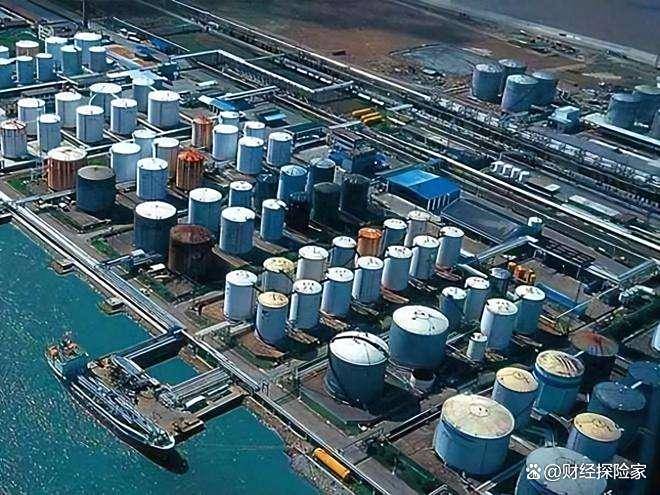
Core Insights - The article discusses the conflict over water resources in Mexico, particularly focusing on the role of Coca-Cola as a symbol of foreign corporate influence and its impact on local water access [1][2][3]. Group 1: Coca-Cola's Role in Water Resource Management - Coca-Cola entered Mexico and secured agreements with local governments to access water at low costs, while local residents faced high prices for water [2]. - The water crisis in Chiapas, Mexico, in 2018 led to public outrage directed at Coca-Cola, highlighting the perception that the company was depriving locals of essential resources [3]. - The expansion of Coca-Cola in Mexico is linked to broader U.S. strategies for global water resource control, positioning the company as a tool for American influence [3]. Group 2: China's Water Resource Challenges - Similar to Mexico, China has experienced foreign capital penetration in its water sector since the 1980s, with multinational companies attempting to privatize water facilities [4][5]. - Foreign enterprises have controlled approximately 30 water projects in China, leading to increased water prices and quality issues in some cities [5]. - Despite improvements in China's water resource management, foreign influence remains a concern, particularly from the U.S. [6]. Group 3: U.S. Political Interference - The U.S. has recognized the potential for political intervention in China's water resource management, particularly in the Mekong River region [7]. - Accusations from the U.S. regarding China's water resource development in the Mekong aim to undermine China's relationships with Southeast Asian nations [9]. - The geopolitical implications of water resource management are significant, as they affect agricultural and fishing industries in countries reliant on the Mekong [9]. Group 4: Future Implications of Water Resource Conflicts - Water resources are increasingly viewed as a strategic asset, with conflicts over them reflecting broader geopolitical tensions [12]. - The ongoing struggle for water resource control will likely intensify, with the U.S. continuing to pose a political threat to China's advancements in this area [12].

摆脱中国稀土要花3000亿?美国急了欧盟慌了,全球产业链正被改写
Sou Hu Cai Jing· 2025-10-05 10:52
Core Insights - The global competition among major powers is increasingly focused on rare earth elements, which significantly impact daily life and national security [1][3] - Rare earth elements, including lanthanum, cerium, praseodymium, and neodymium, are essential for modern technology and military applications, earning them the title of "modern industrial vitamins" [3][5] - China holds the largest reserves of rare earth elements, with proven reserves of 44 million tons, accounting for 40% of the global total [6][10] Industry Overview - The Baotou Rare Earth Mine in Inner Mongolia is the largest rare earth mine globally, containing 83.7% of China's total reserves and 37.8% of the world's reserves [7][10] - China has developed a complete rare earth industry system, controlling 70% of global rare earth extraction and 90% of processing capacity, with a leading position in separation technology and patents [10][11] Strategic Importance - The increasing importance of rare earths in modern technology and defense has transformed them into strategic assets in international relations [11][26] - The U.S. Department of Defense has invested $400 million in a rare earth company, becoming its largest shareholder, to link the military-industrial complex with the rare earth supply chain [13][21] - The U.S. has also signed a ten-year price guarantee agreement for neodymium and praseodymium, indicating a strategic approach to securing rare earth supplies [14][15] Global Competition - Western countries are attempting to establish independent rare earth supply chains to reduce reliance on China, facing challenges such as funding, technology gaps, and talent shortages [16][18][20] - Estimates suggest that $300 billion is needed over ten years to build a complete rare earth supply chain in the West [17] - Despite efforts, it is unlikely that the dominance of China in the global rare earth supply chain will change in the short term [22][23] Future Outlook - The competition for rare earths is expected to intensify, with Western nations striving to create independent supply chains while China continues to innovate in key technology sectors [24][26] - The strategic significance of rare earths as a bridge between current and future technological advancements underscores their role in global industrial positioning [26]

断供镓材料后,美国更担心,中国若断供矿物锑,美将面临弹药停产
Sou Hu Cai Jing· 2025-10-03 13:34
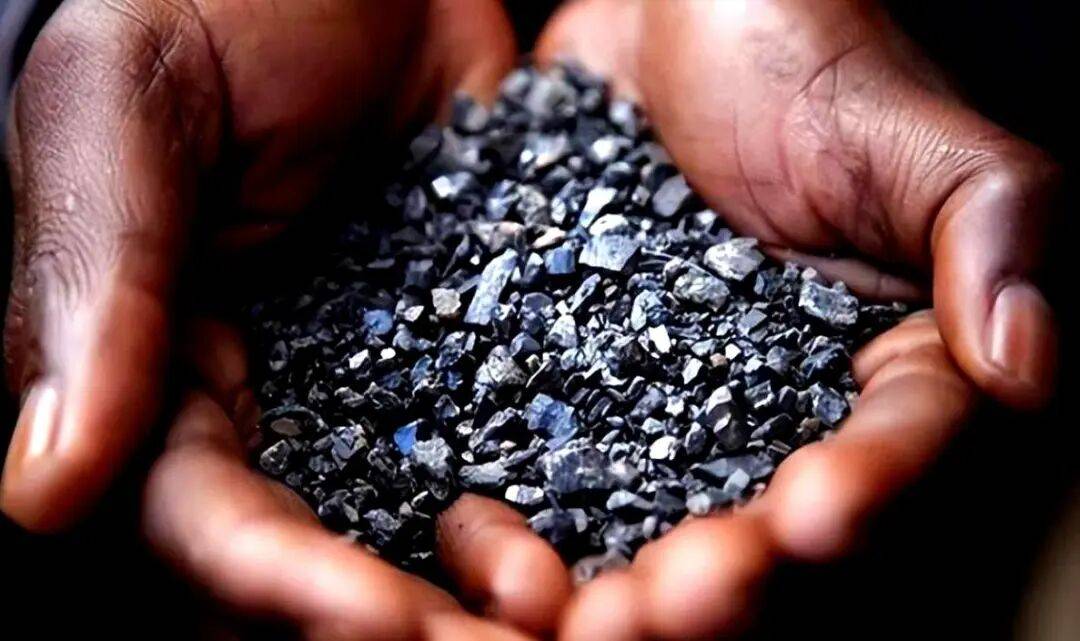
Group 1: Export Controls and Supply Chain Impact - In July 2023, China implemented export controls on gallium and germanium, significantly disrupting the U.S. supply chain, as China accounts for 94% of global gallium production and 83% of germanium production [2] - The U.S. Geological Survey estimated that a complete ban on gallium and germanium from China could reduce the U.S. GDP by $3.4 billion, highlighting the interconnectedness of the supply chain [2] - Following the export controls, gallium exports from China nearly halted, leading to a sharp increase in prices and concerns over inventory shortages among U.S. semiconductor and military manufacturers [2] Group 2: Antimony Supply Concerns - Antimony, while less publicized than gallium, is critical for military applications, with China producing 56% to 63% of the global supply and accounting for 63% of U.S. imports [4] - The U.S. has no domestic antimony production, relying entirely on imports, which raises significant concerns for military readiness and production capabilities [4] - A report indicated that U.S. antimony reserves could last only a week, posing a severe risk to military production if tensions escalate [6] Group 3: Price Surge and Military Readiness - Following China's announcement of export controls on antimony, prices surged from $10,000 per ton at the beginning of the year to over $30,000 by the end of the year, with projections suggesting prices could reach $50,000 to $100,000 per ton [8] - The U.S. Department of Defense assessed that 78% of its weapon systems rely on materials like antimony, gallium, and germanium, indicating a significant impact on military capabilities [8] - The production of critical military ammunition is being hampered by material shortages, with the monthly production of 155mm shells struggling to meet targets due to supply constraints [10] Group 4: Global Military Spending and Material Demand - Global military spending reached $2.4 trillion in 2023, a 7% increase from the previous year, driving up demand for critical materials [10] - The U.S. is exploring domestic mining investments and international partnerships to diversify its supply chain and reduce reliance on Chinese materials [12] - The European Union and the UK are also recognizing the strategic importance of antimony and are working to diversify their supply sources [12] Group 5: Long-term Supply Chain Challenges - The environmental challenges associated with antimony mining complicate efforts to increase domestic production, with new mines taking at least a decade to develop [12] - The reliance on a few countries for critical materials exposes vulnerabilities in the supply chain, necessitating a balance between dependence and self-sufficiency [14] - The geopolitical landscape is shifting, with mineral resources becoming a focal point in the competition between major powers, emphasizing the need for strategic resource management [14]

印度囤低价俄油转售欧洲:三年狂赚250亿,如今遭美制裁反噬
Sou Hu Cai Jing· 2025-10-02 08:03
Core Points - The trade war between the US and India officially began on August 6, 2025, when the Trump administration imposed a 25% tariff on Indian oil imports from Russia, escalating tensions in global trade [1] - The US had already increased tariffs on Indian exports by 25% on August 1, 2025, citing India's long-standing purchases of arms and oil from Russia, leading to a total tariff rate of 50% on Indian goods exported to the US [3][5] - India's economy, which relies heavily on exports to the US, is projected to suffer a GDP growth decline of 0.4 percentage points due to the new tariffs, with the textile industry facing significant job losses [5] Trade Dynamics - In 2024, India's exports to the US reached $87 billion, accounting for 3% of its GDP, with key exports including pharmaceuticals, jewelry, auto parts, and textiles [5] - India's oil reserves are limited, with only 5.9 billion barrels, representing 0.3% of global reserves, and domestic production has been declining for seven consecutive years [7] - Despite limited domestic production, India's oil demand is projected to reach 240 million tons in 2024, marking a historical high, with an expected annual growth rate of 4% to 5% over the next decade [7] Diplomatic Responses - In response to the tariffs, India's Ministry of External Affairs criticized the US for its "double standards," highlighting that the US and Europe purchase more Russian oil than India [8] - Historically, the US has overlooked India's oil purchases from Russia to counterbalance China's influence, but the recent shift in US policy reflects a change in geopolitical strategy [9][11] Economic Implications - India's high dependency on oil imports is evident, with an 89% reliance on imports in 2024, costing over $132 billion, which has led to conflicts with US sanctions [11] - The Indian government has benefited from low-priced Russian oil, saving over $4.4 billion from 2022 to 2024, and achieving a GDP growth rate of 9.19% in 2023 [12] - Following the sanctions, Indian refineries plan to reduce Russian oil imports starting in October 2025, indicating a retreat in response to US pressure [14] Geopolitical Context - The trade friction between the US and India reflects broader geopolitical tensions, with both countries using economic measures as tools in their strategic competition [15]
中美俄稀土储量对比:俄1000万吨,美180万吨,我.国是多少?
Sou Hu Cai Jing· 2025-10-01 11:18
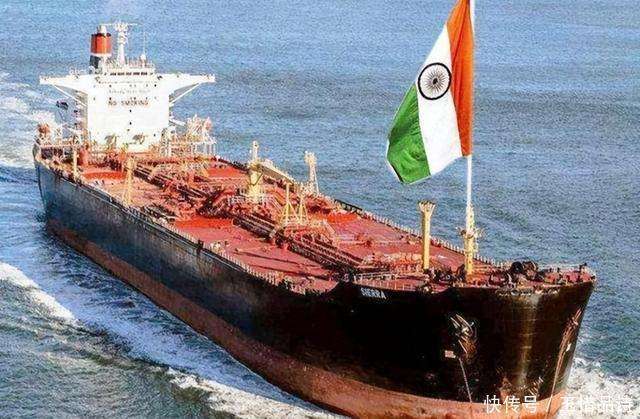
Group 1 - The article highlights the strategic importance of rare earth elements (REE) in global power dynamics, particularly in the context of military and technology industries [1][2][4] - Russia has discovered 10 million tons of rare earths in the Arctic, but faces significant challenges in extraction and processing due to extreme weather and technological limitations [2][7] - The U.S. is experiencing a rare earth shortage, with only 1.8 million tons of reserves, and relies heavily on Chinese technology and equipment for processing [2][4][7] Group 2 - China's rare earth reserves are estimated at 44 million tons, positioning it as a dominant player in the global market, essential for high-tech products and military applications [1][7] - The Bayan Obo mine in Inner Mongolia is a key source of rare earths, producing 3,000 tons of raw materials daily, while Jiangxi's mining operations yield 80% of the world's heavy rare earths [5][7] - The U.S. and Russia both face significant challenges in developing their rare earth industries, with the U.S. relying on Chinese patents and Russia struggling with processing capabilities [6][7]
巴沙赢了,伊朗输了,大国斗争的历史机遇稍纵即逝!
Sou Hu Cai Jing· 2025-09-28 06:05
Group 1 - The article discusses the strategic choices of Iran and Pakistan in the context of global power dynamics, highlighting the contrasting outcomes of their decisions [1][2][4] - The U.S. has intensified unilateralism through tariffs, leading to a bifurcation of the global economy and escalating tensions in the Middle East, particularly with Israel's aggressive actions supported by the U.S. [2][4] - Iran's indecisiveness in responding to Israeli military actions has resulted in significant losses and a decline in regional influence, showcasing the consequences of strategic hesitation [6][10] Group 2 - In contrast, Pakistan has effectively countered Indian provocations and strengthened its alliances, particularly with China and Gulf nations, positioning itself as a new leader in the Islamic world [10][11] - The rise of Pakistan has prompted reactions from other Middle Eastern players, indicating a shift in regional alliances and the diminishing influence of Western-led unipolar order [11][12] - The article emphasizes the differing philosophies of the U.S. and China in global governance, with China advocating for reform and strategic partnerships rather than direct military intervention [12][14]